Skip to content
Facebook
Instagram
10% off orders over $150 . . . Flat rate shipping within Australia
Search
BUY STUFF
SELL YOUR RECORDS & CDs
VINYL FLATTENING
GIFT VOUCHER
CONTACT
Account
Search
Cart
BUY STUFF
SELL YOUR RECORDS & CDs
VINYL FLATTENING
GIFT VOUCHER
CONTACT
Ministry
1981–2008, 2011–present
Industrial/Noise/EBM
If you like Ministry you should check out:
Fear Factory
,
Nine Inch Nails
,
Killing Joke
Filter
9 products
Sort by
Alphabetically, A-Z
Most relevant
Best selling
Alphabetically, A-Z
Alphabetically, Z-A
Date, old to new
Date, new to old
Filters
Sort by
Most relevant
Best selling
Alphabetically, A-Z
Alphabetically, Z-A
Date, old to new
Date, new to old
Apply
Quick buy
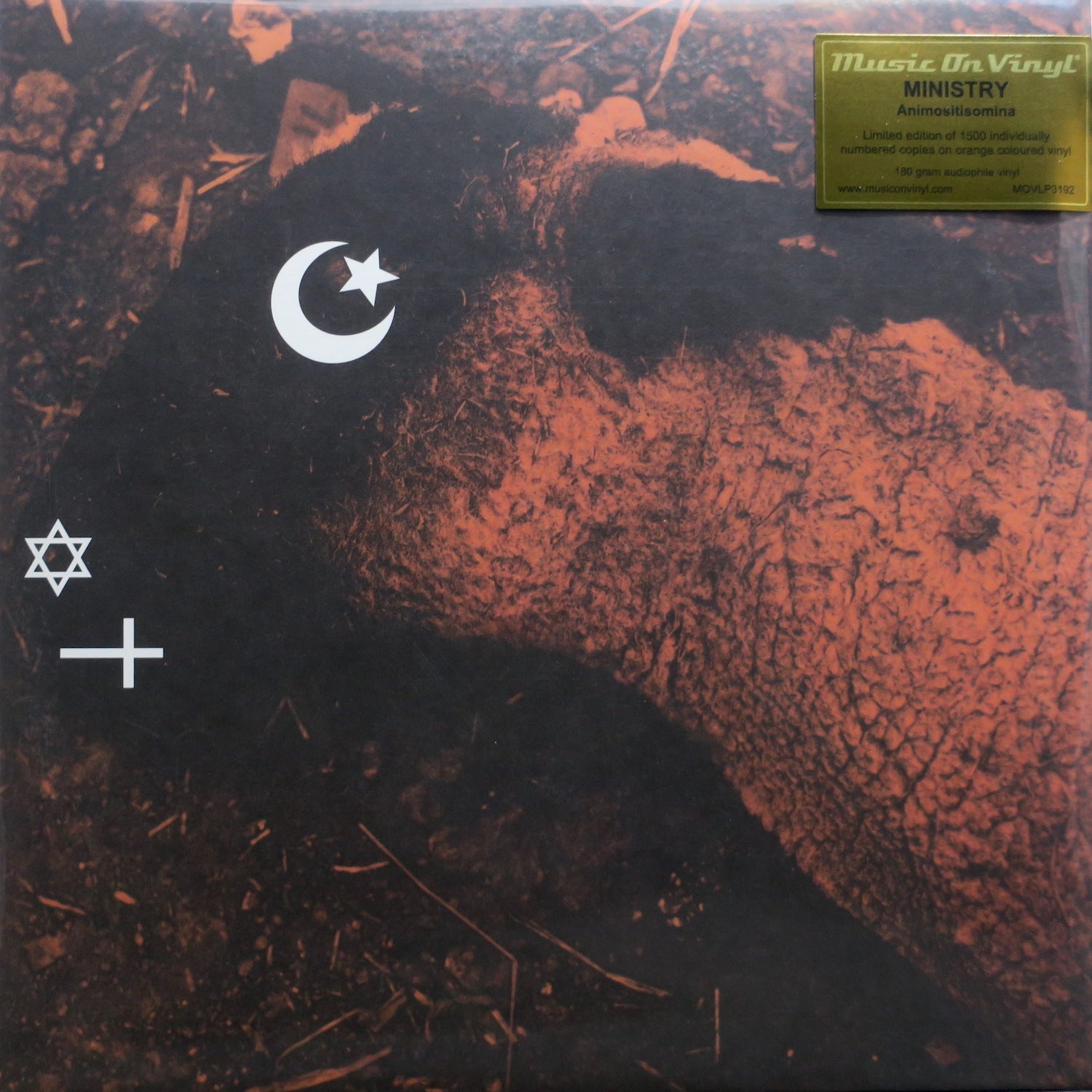
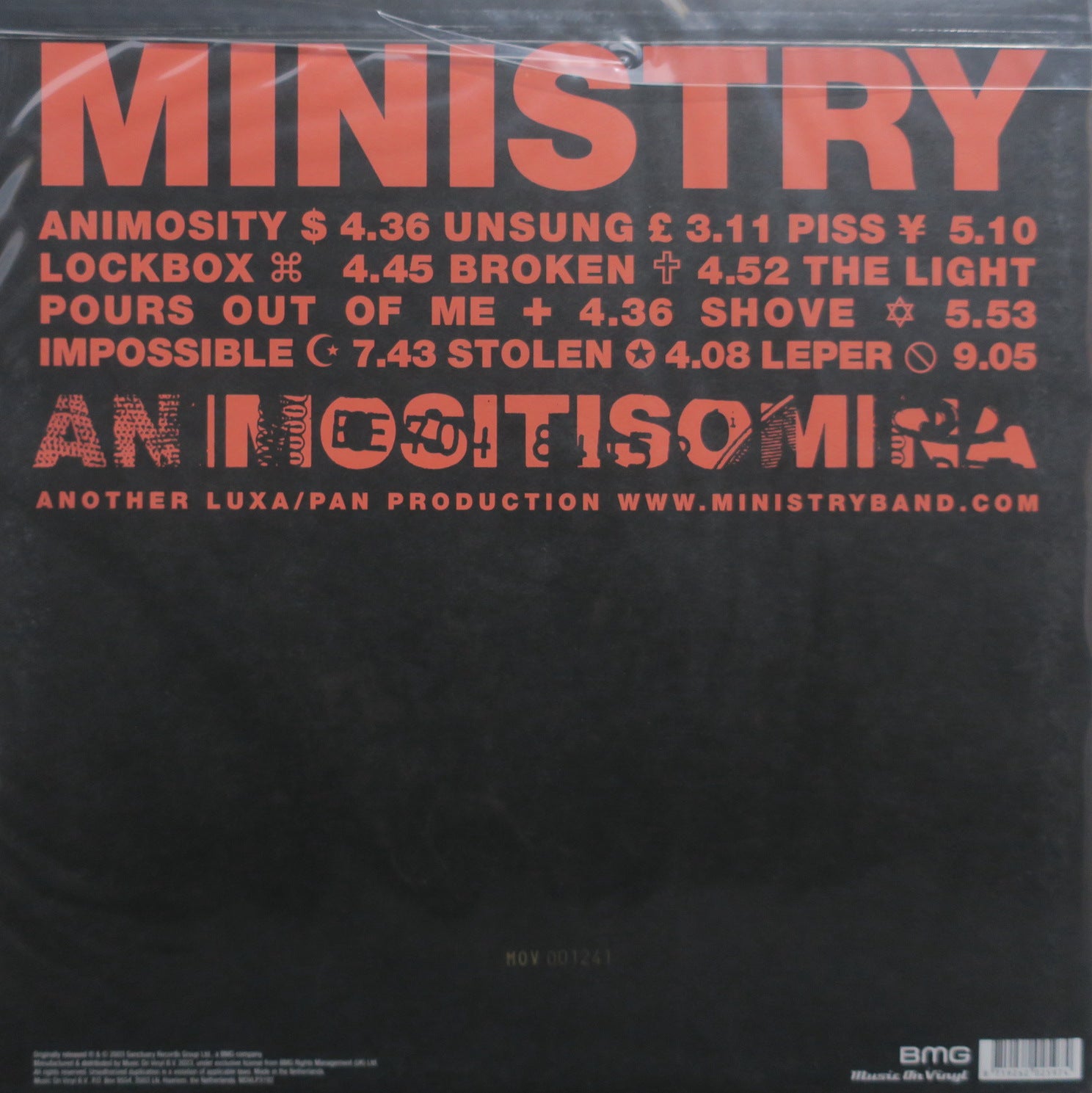
MINISTRY 'Animositisomina' 180g ORANGE Vinyl 2LP
$55.00
$65.00
Sale
Quick buy
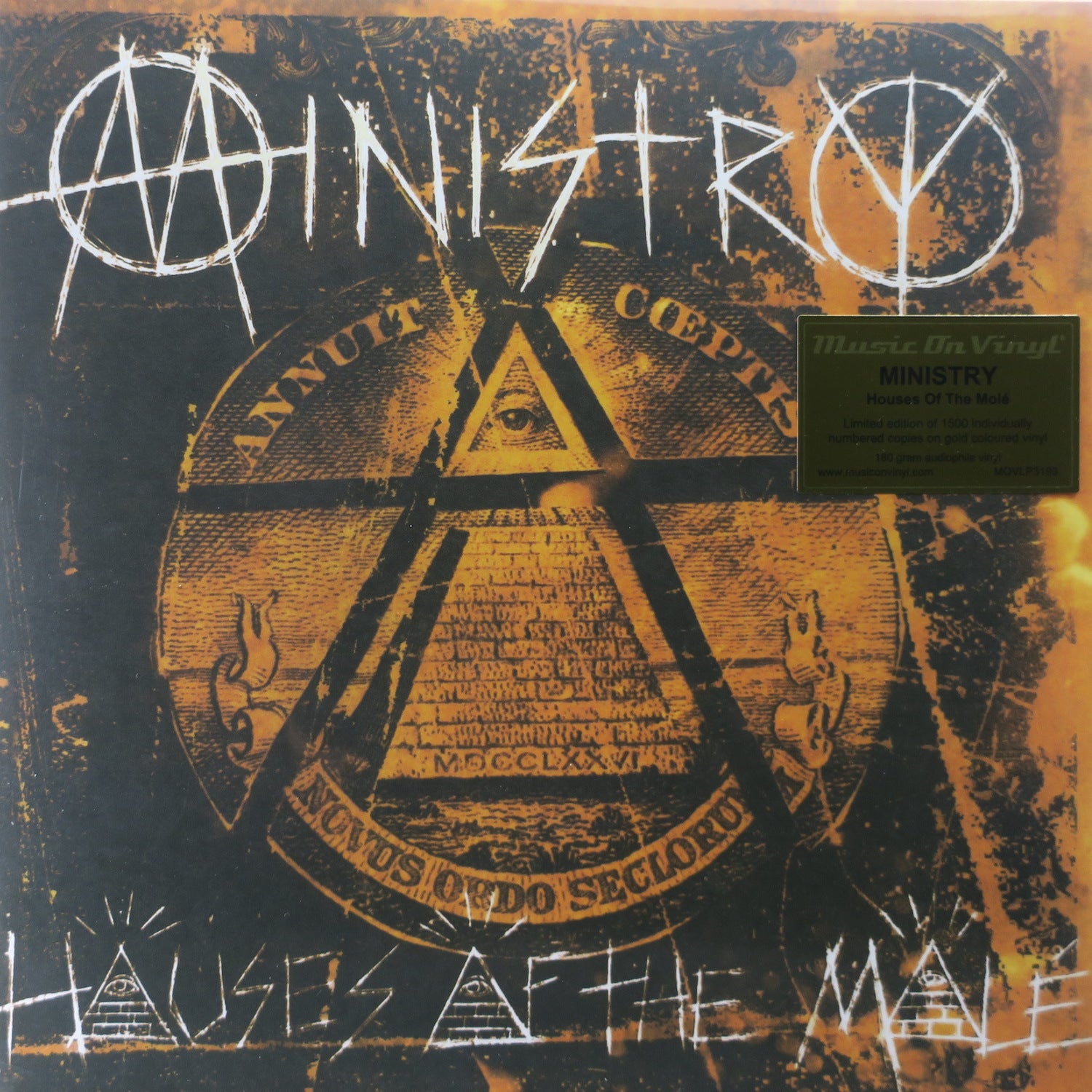
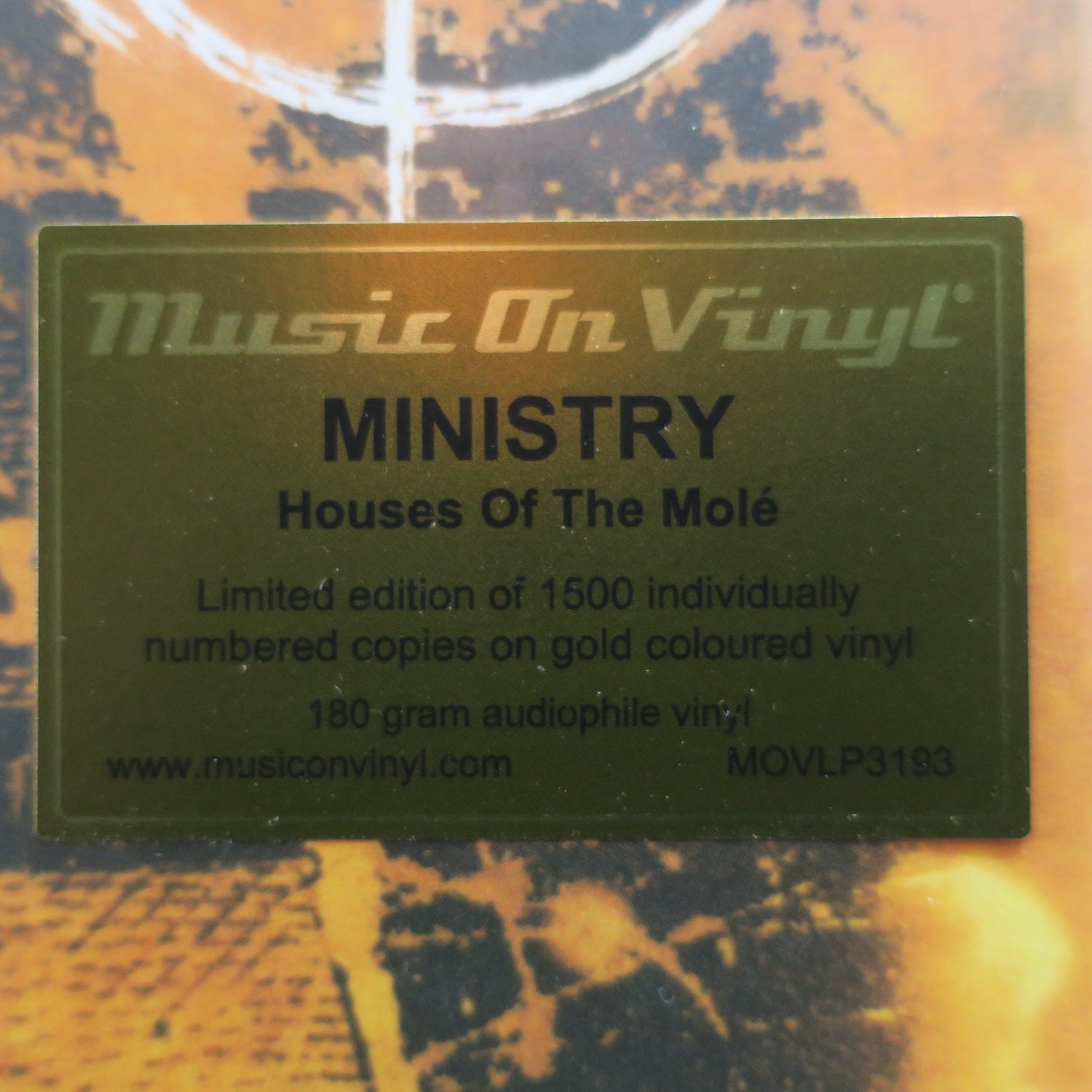
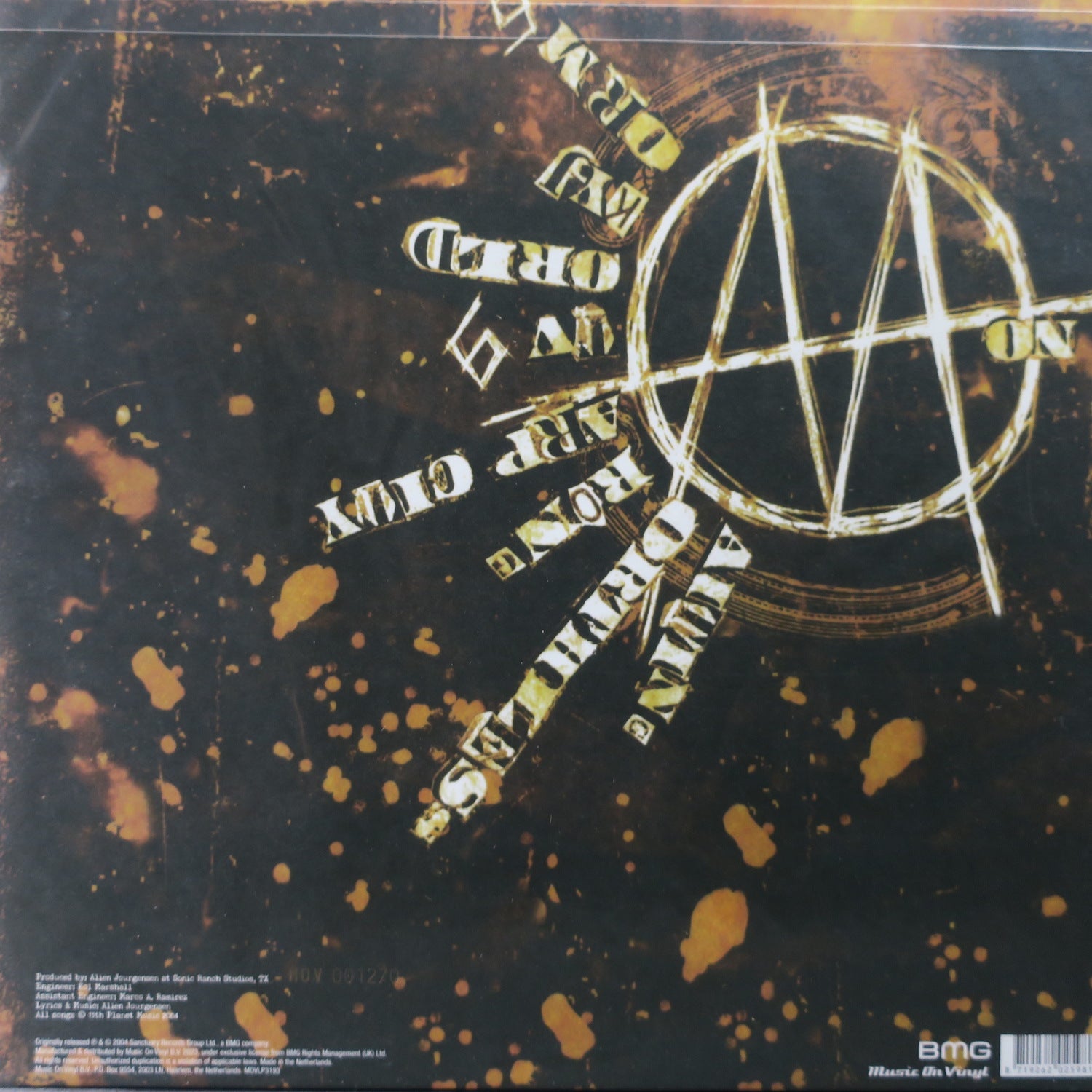
MINISTRY 'Houses Of The Mole' 180g GOLD Vinyl 2LP (2004 Industrial)
$55.00
Quick buy
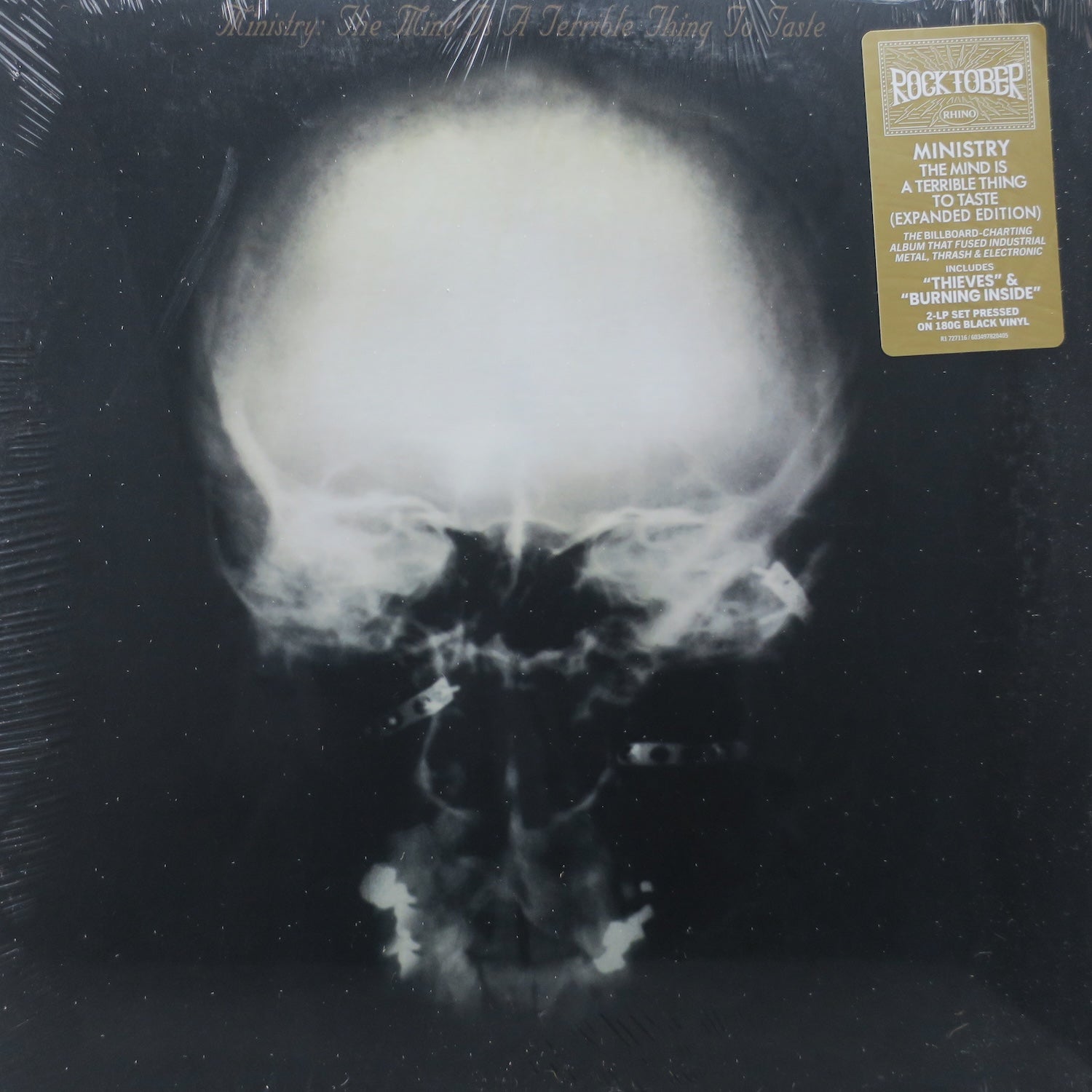
MINISTRY 'Mind Is A Terrible Thing To Taste' 180g EXPANDED Vinyl 2LP
$85.00
Quick buy
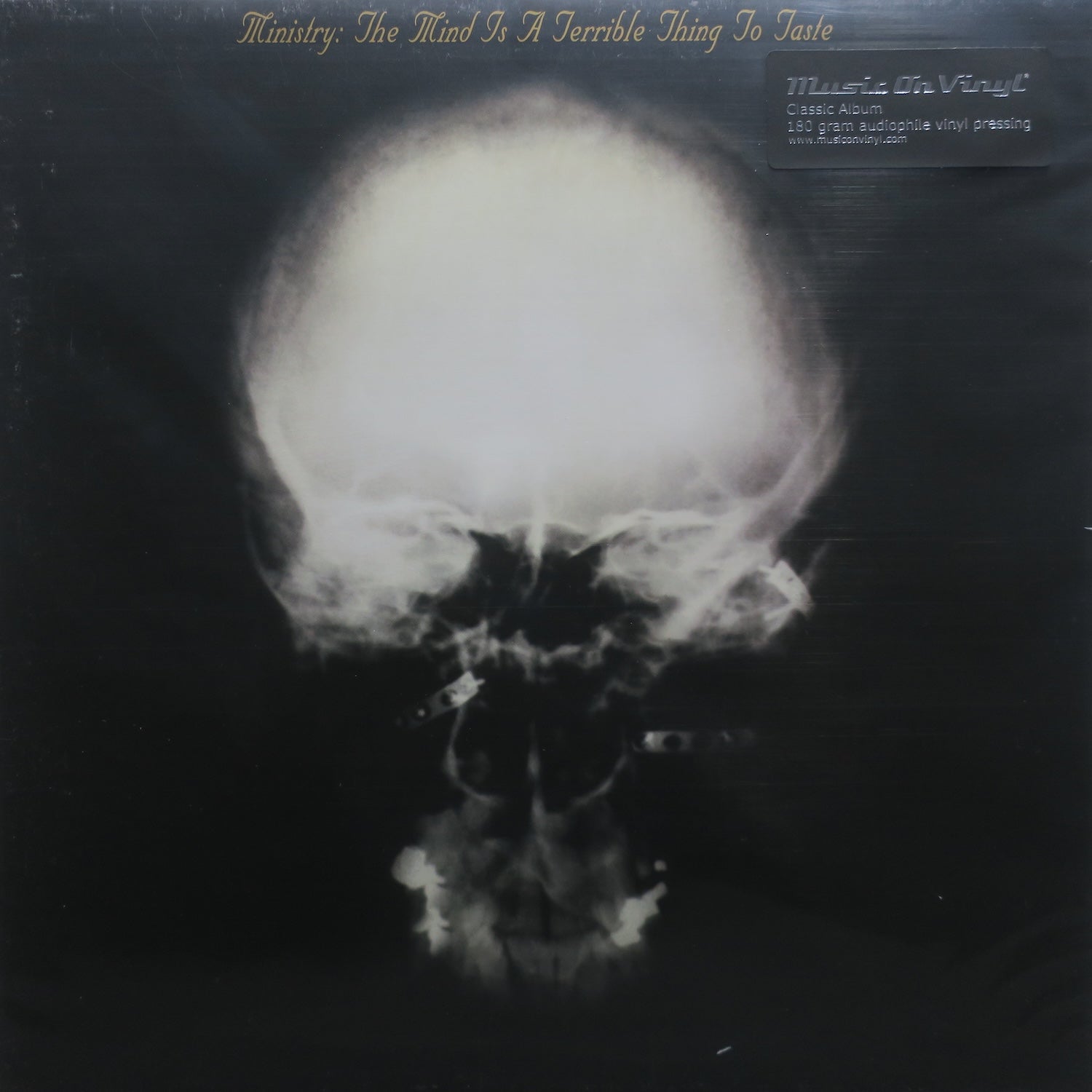
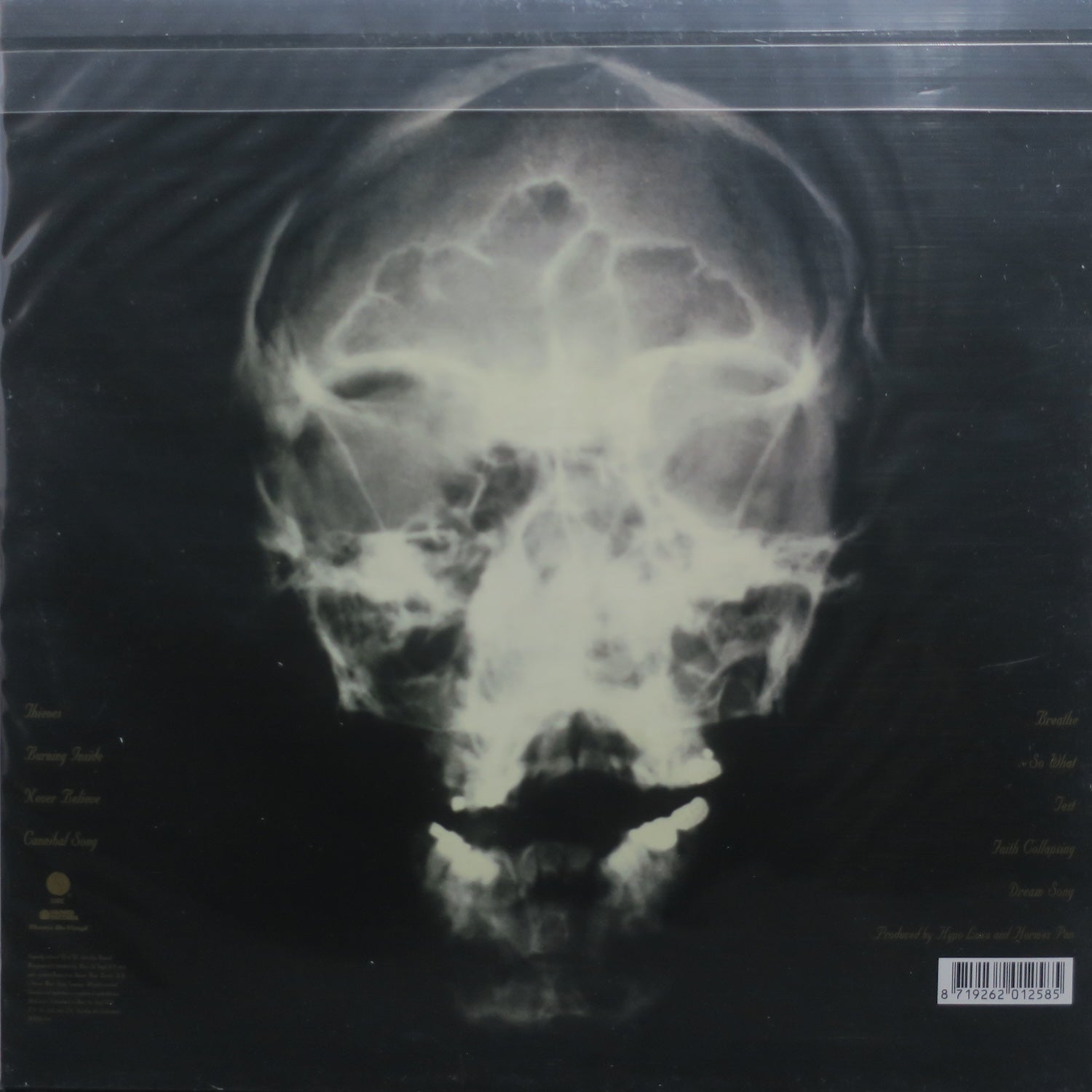
MINISTRY 'Mind Is A Terrible Thing To Taste' 180g Vinyl LP
$55.00
Quick buy
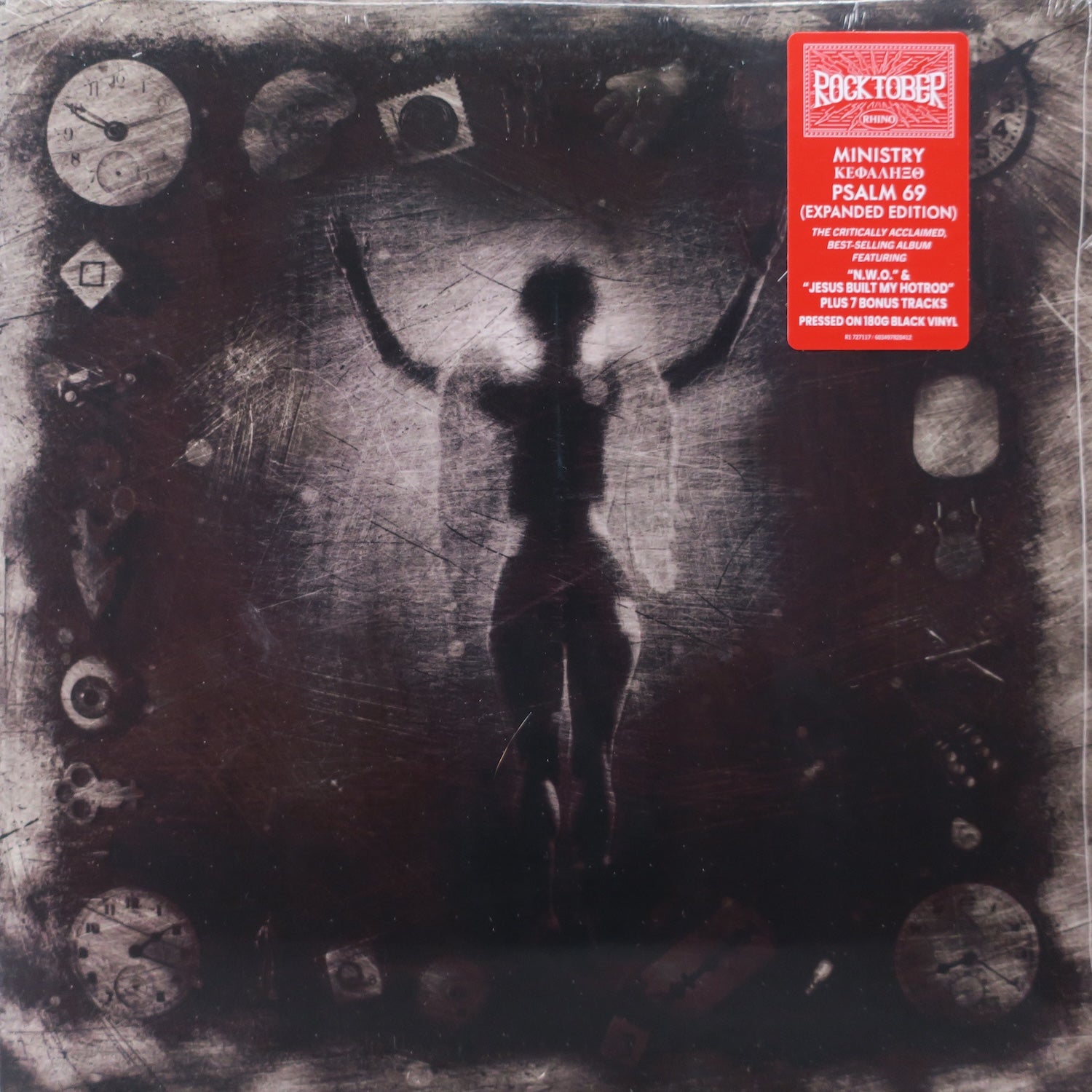
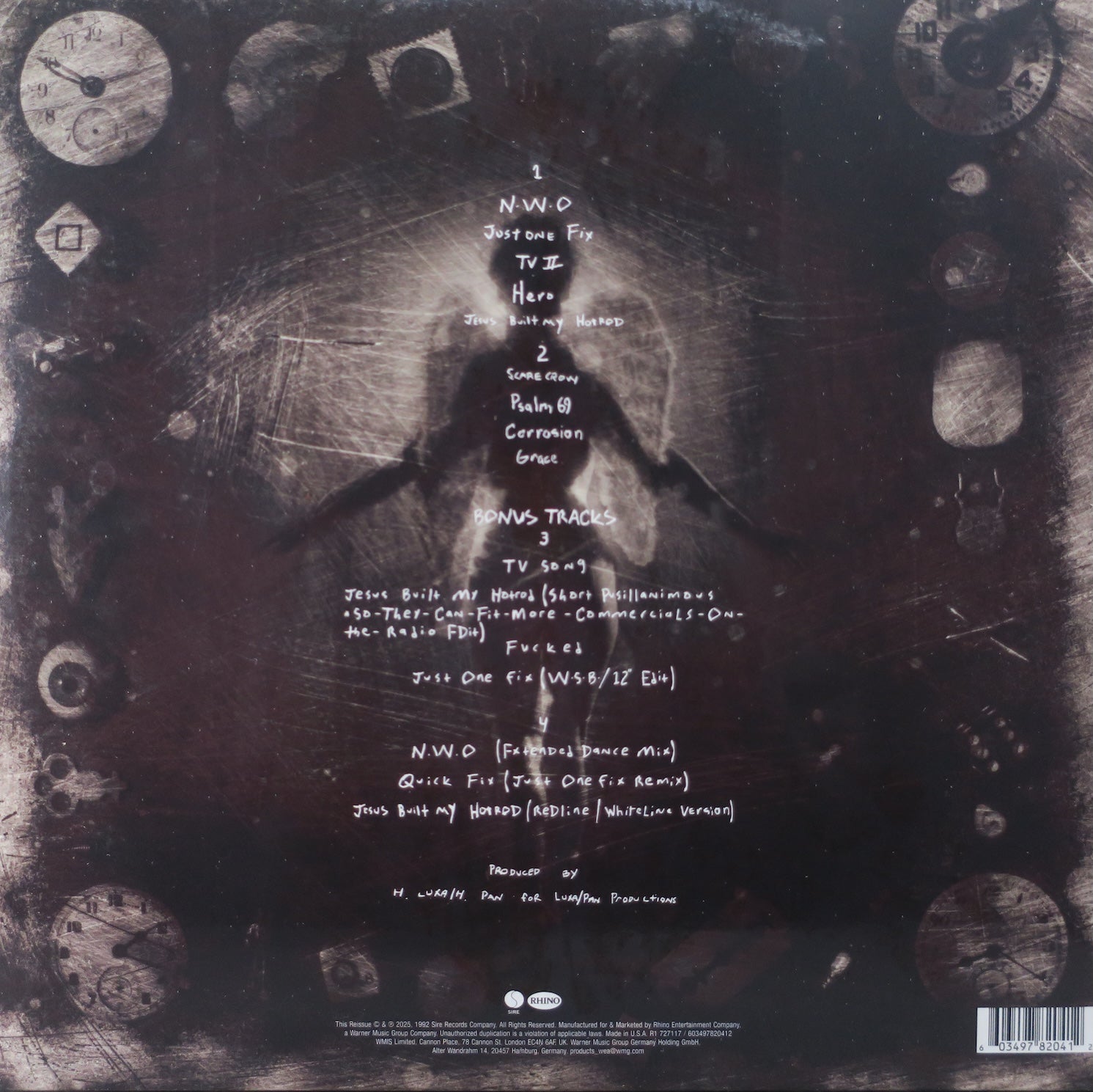
MINISTRY 'Psalm 69' 180g EXPANDED Vinyl 2LP
$85.00
Quick buy
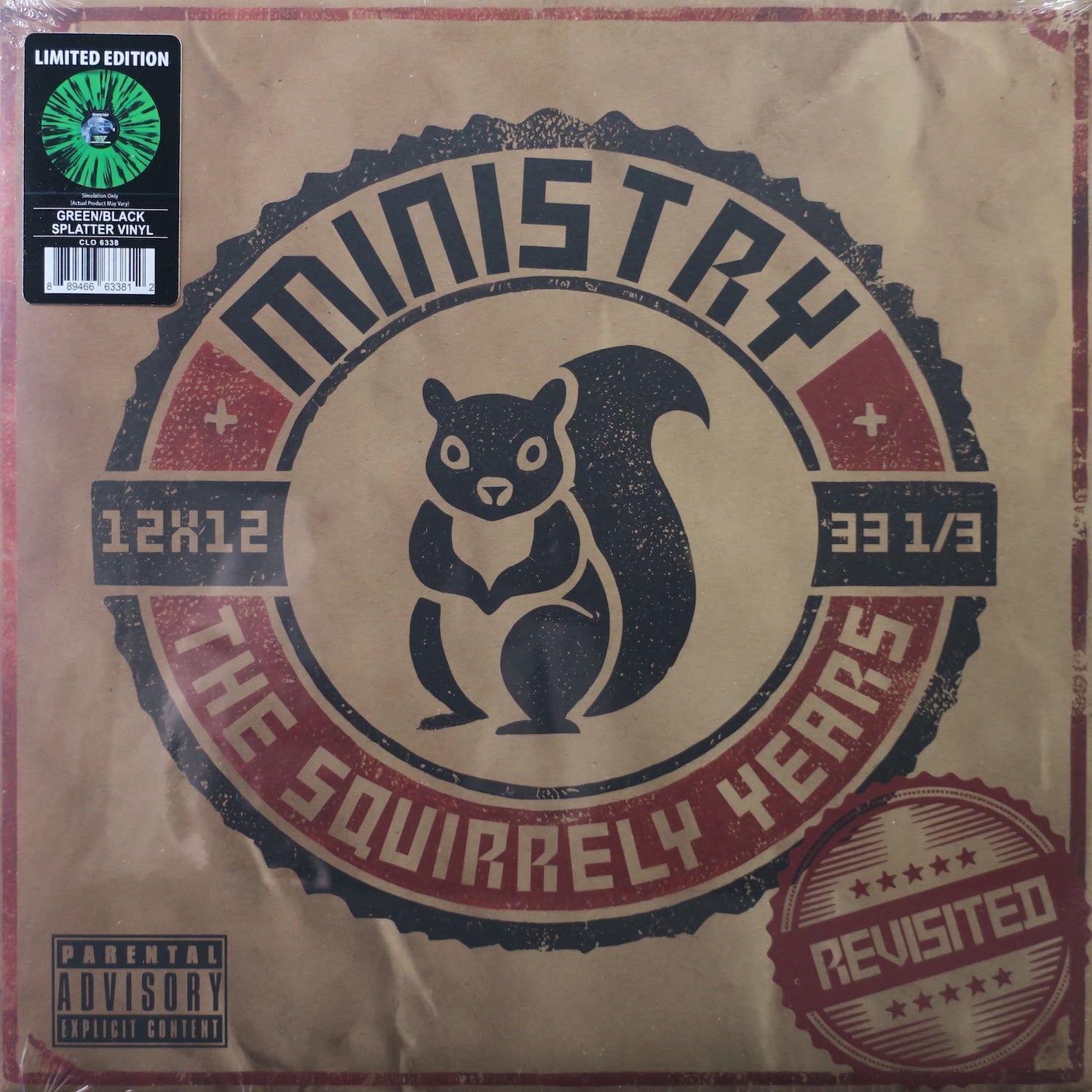
MINISTRY 'The Squirrely Years Revisited' GREEN/BLACK SPLATTER Vinyl LP
$85.00
Quick buy
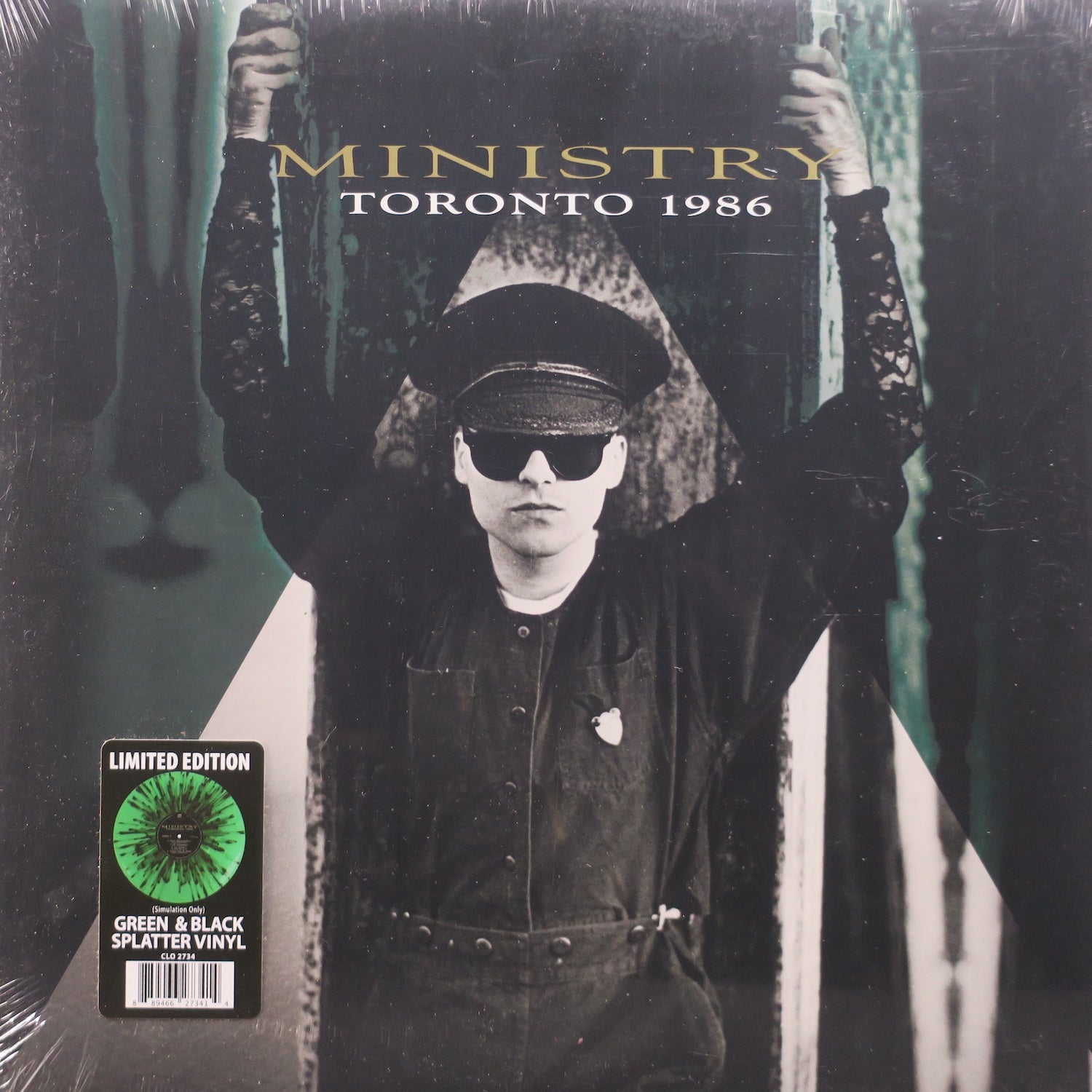
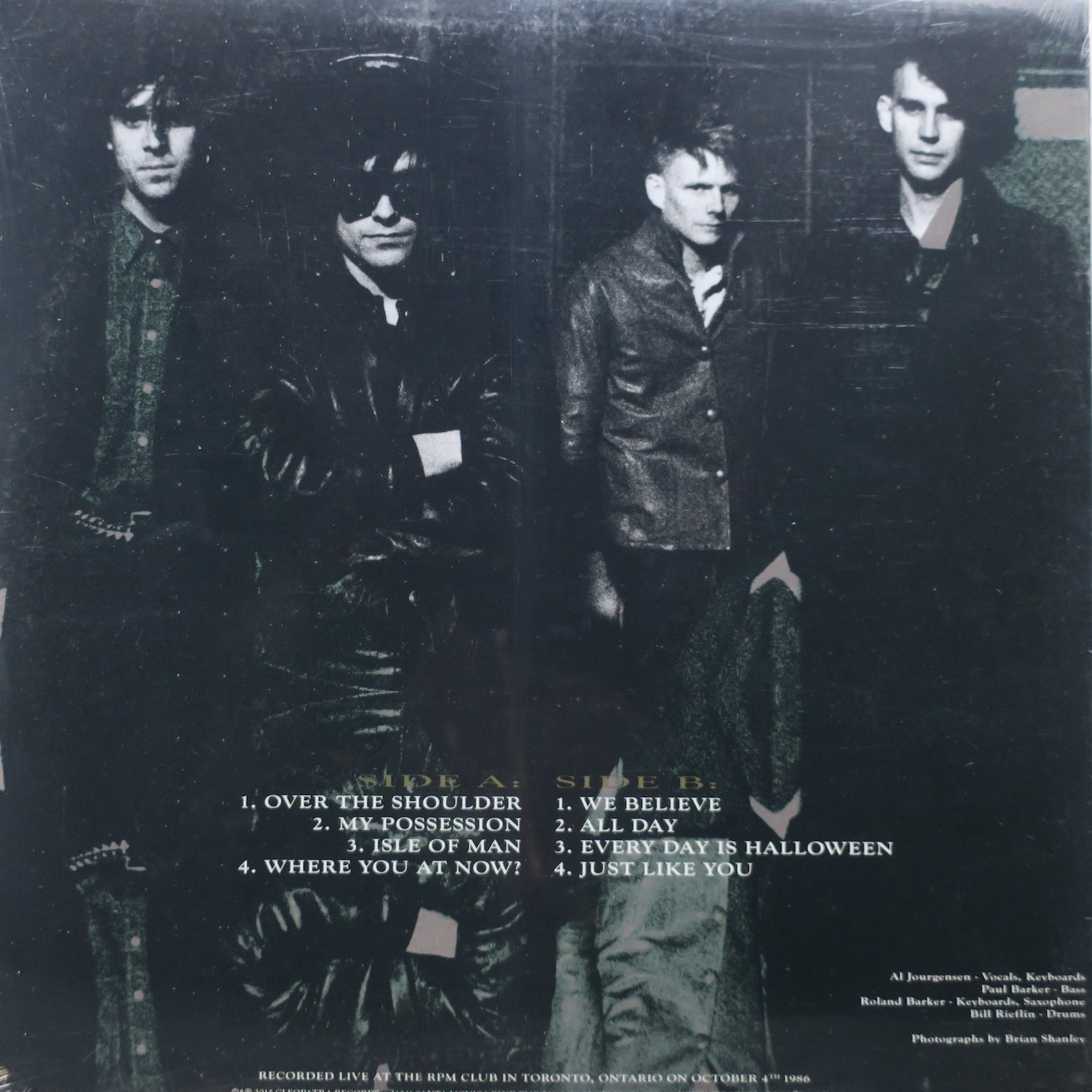
MINISTRY 'Toronto 1986' GREEN/BLACK SPLATTER Vinyl LP
$55.00
Quick buy
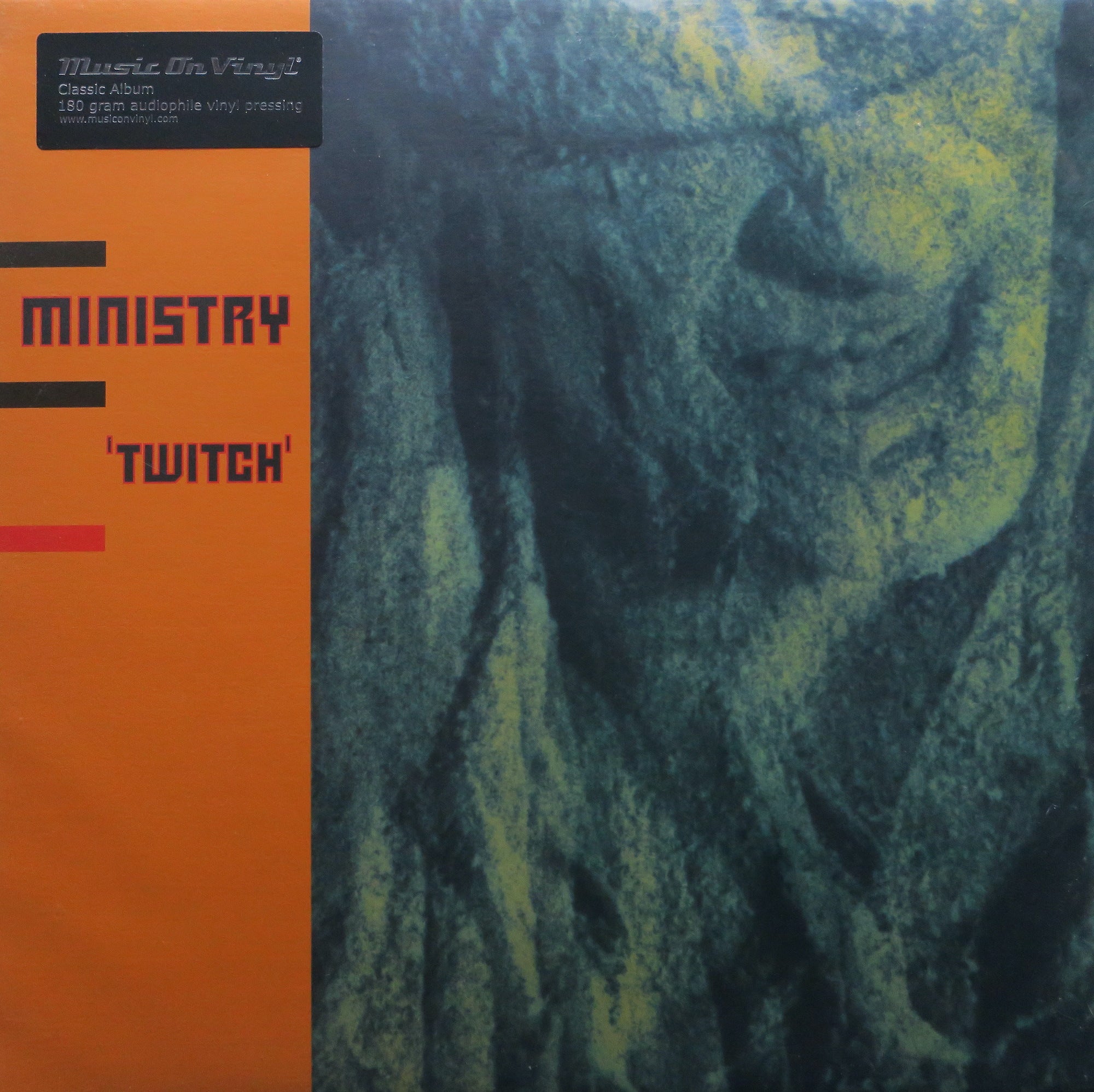
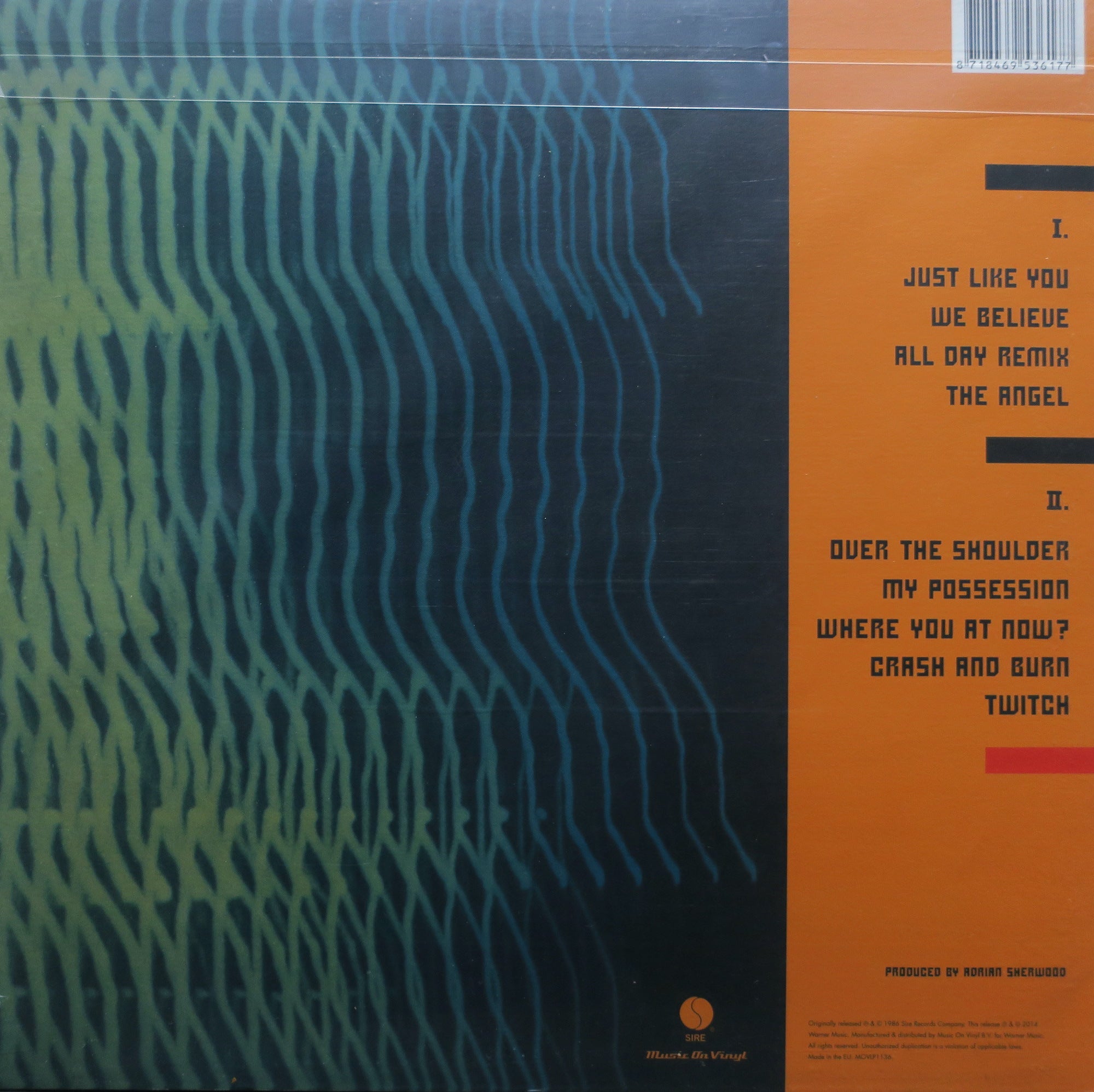
MINISTRY 'Twitch' 180g Vinyl LP (1986 Industrial/Electro)
$55.00
Quick buy
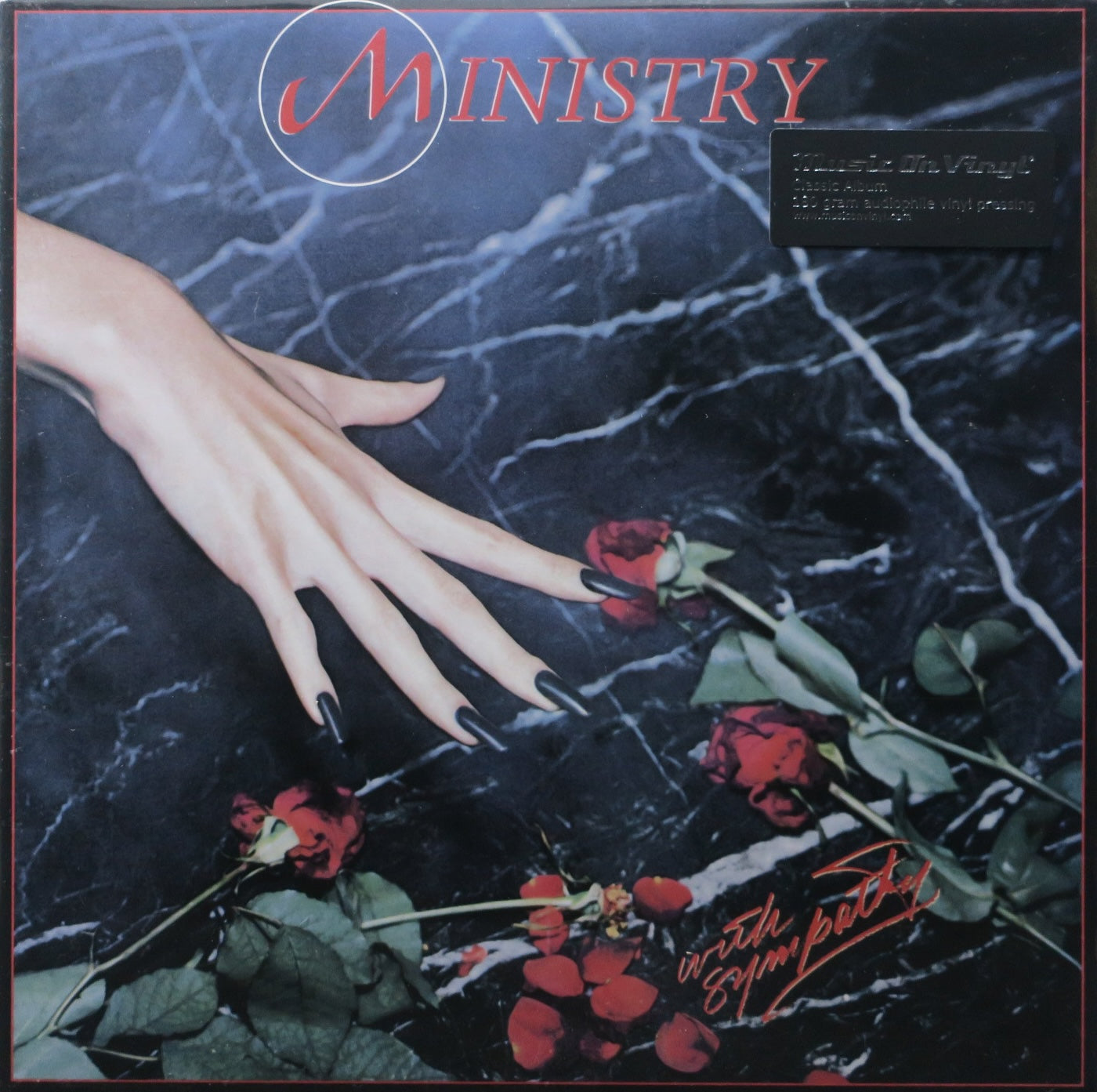
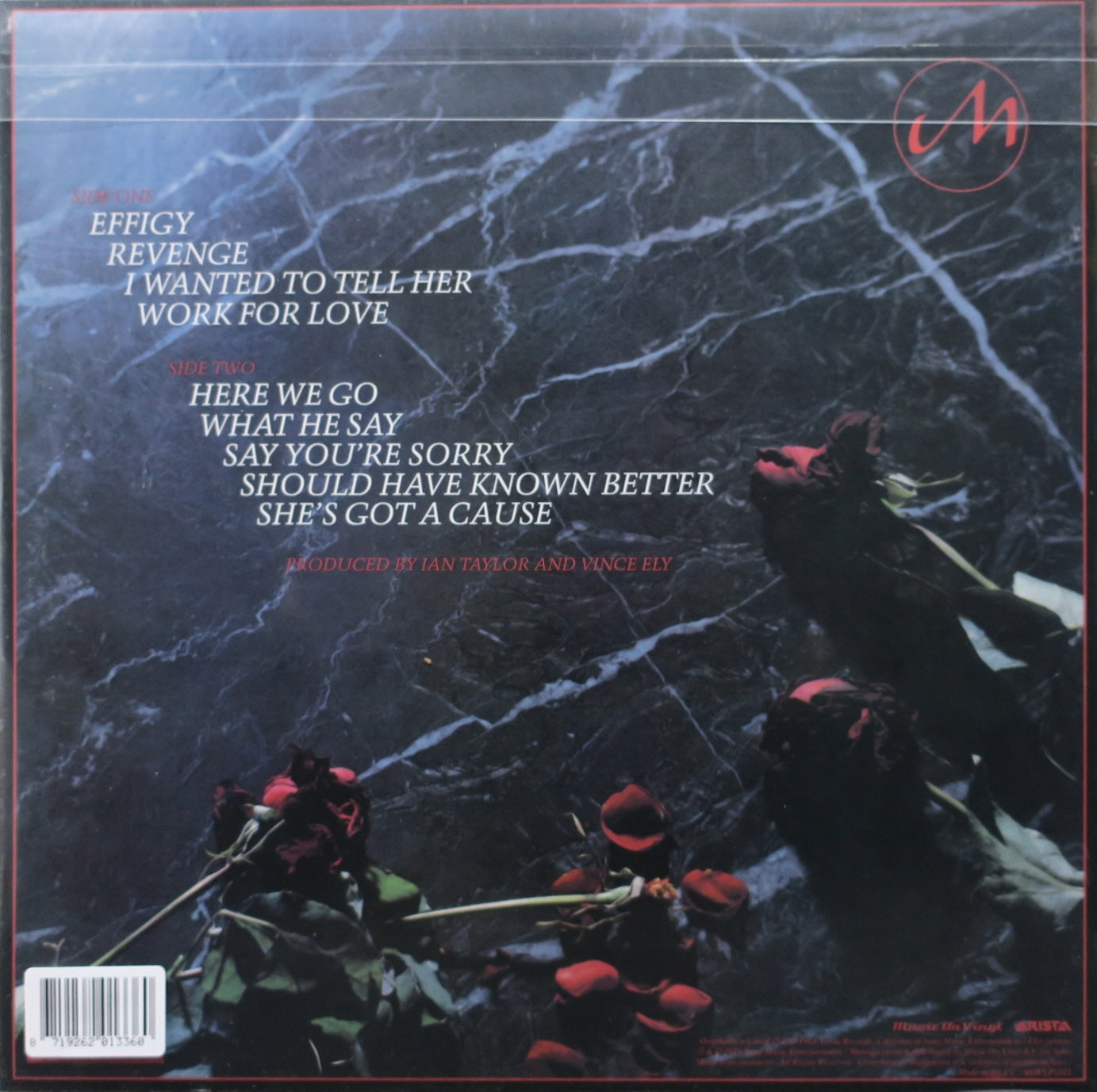
MINISTRY 'With Sympathy' 180g Vinyl LP
$55.00
Your cart
Close
Get 10% off all orders over $150
Close
Your cart is empty
Start shopping
Added to your
Cart