Young Gods
A rock band that started treating samplers like lead guitars: that is the clearest reason the Young Gods still matter. Rather than rely on riffing guitar, the group turned recordings, loops and hard-edged textures into the pulse of their music — a move that made their early shows feel both mechanical and deeply human.
The first phase of the Young Gods' story is about raw chemistry and invention. The band’s self-titled 1987 debut and the follow-up period captured a trio that used sampling to rewrite what a rock band could sound like, fusing dense, percussive loops with Franz Treichler’s urgent, declarative voice. The effect was immediate on record and devastating live: songs were workouts of dynamics, noise and melody rather than straightforward verse-chorus constructions.
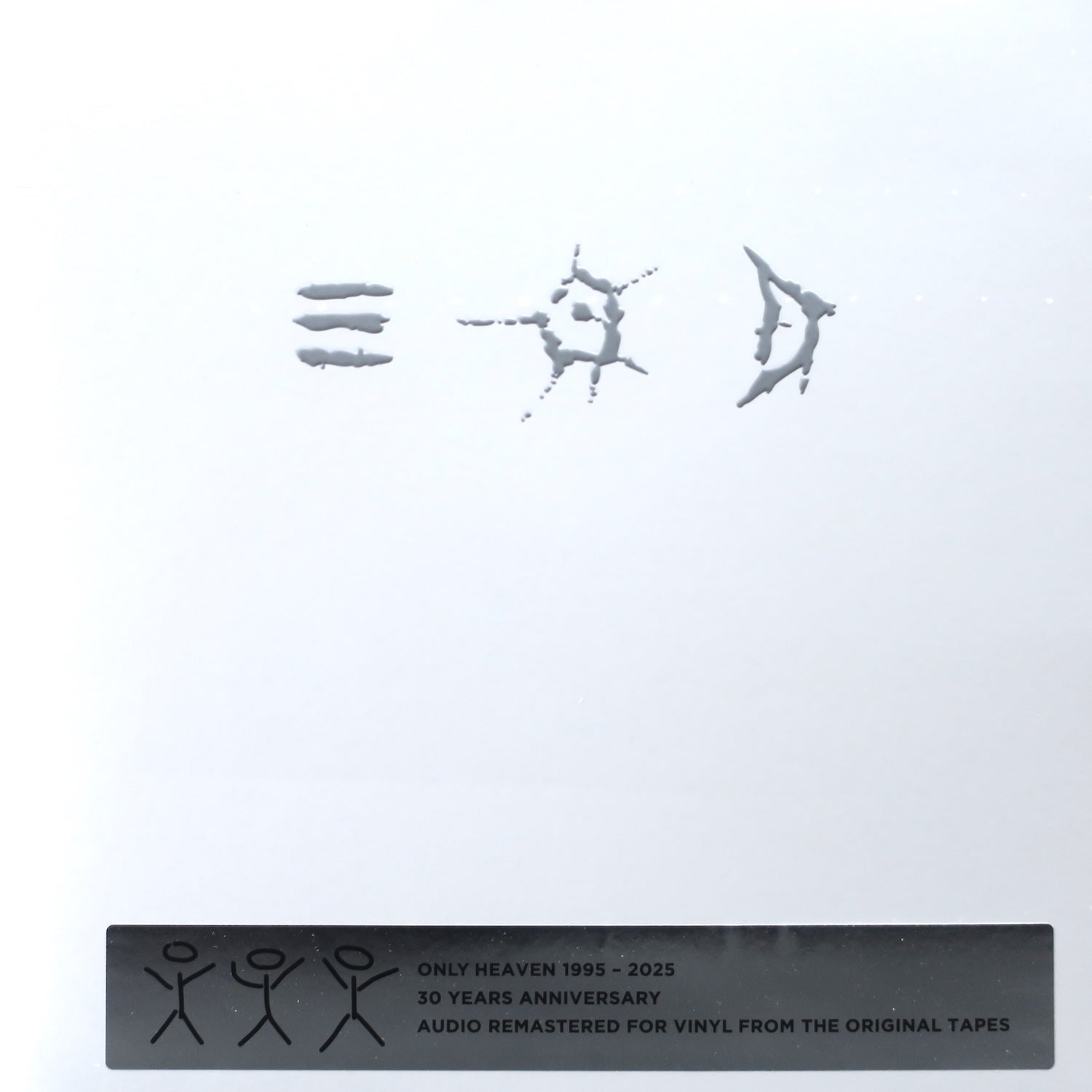
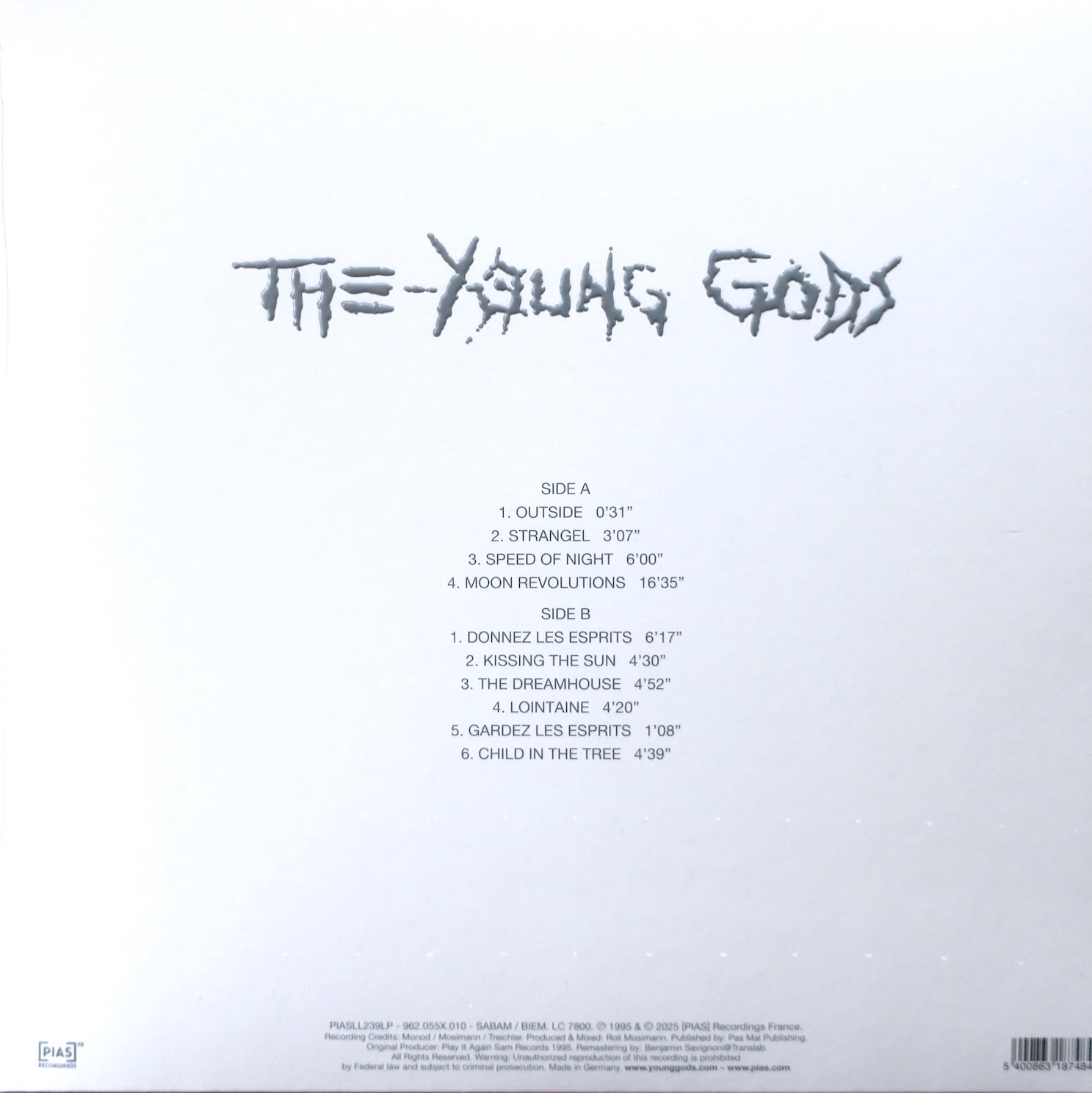
Across the early 1990s — especially on T.V. Sky — the Young Gods expanded their palette. Arrangements became more deliberate, strings and quieter textures appeared alongside the clattering samples, and a broader emotional range emerged. That willingness to shift from punishing to plaintive without losing identity is why albums like Only Heaven still feel unpredictable: the band never settled into a single production trick or genre box.
Lineup changes and long gaps between records never erased the band’s core approach. Franz Treichler remained the defining presence, while Alain Monod (often credited as Al Comet) supplied the electronic and sampler architecture, and Bernard Trontin brought live percussion that translated the studio’s mechanical intensity into human force. Those roles helped the Young Gods remain a living, breathing band rather than a studio experiment.
For newcomers, start with the 1987 debut to hear the original shock of their sampler-as-guitar idea, then move to T.V. Sky to hear where the concept broadened into melody and mood. Across their catalog the Young Gods show how technology can intensify, not flatten, emotional impact — and why a band built on machines can still feel very alive on stage.