Foo Fighters
Few modern rock bands can make a power-chord roar and a quiet, personal chorus coexist on the same record the way Foo Fighters do. Songs like "Everlong" and "My Hero" feel immediate enough to start in a bedroom rehearsal and big enough to close an arena—an ability that explains why the band became a bridge between 1990s alternative angst and the arena-ready rock of the 2000s.
Formed from the ashes of Nirvana, Foo Fighters began as Dave Grohl's one-man demo project; that solitary origin matters because it set the band’s song-first mentality. Early releases reveal a songwriter who prioritized melody and structure over the free-form chaos that marked his previous work. Turning those demos into a full band created a taut, aggressive sound that still prized hooks, which is what made records like The Colour and the Shape resonate beyond the grunge scene.
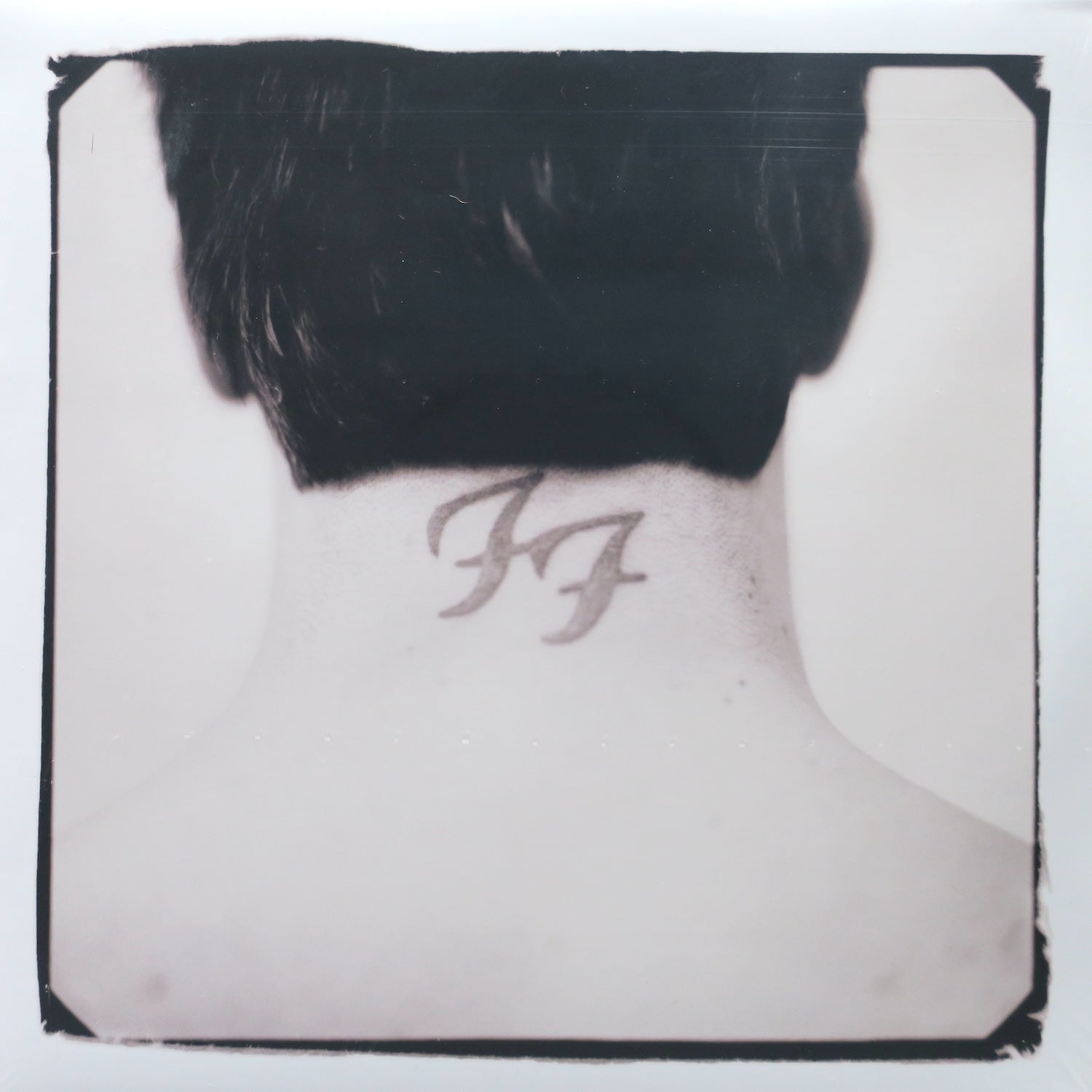
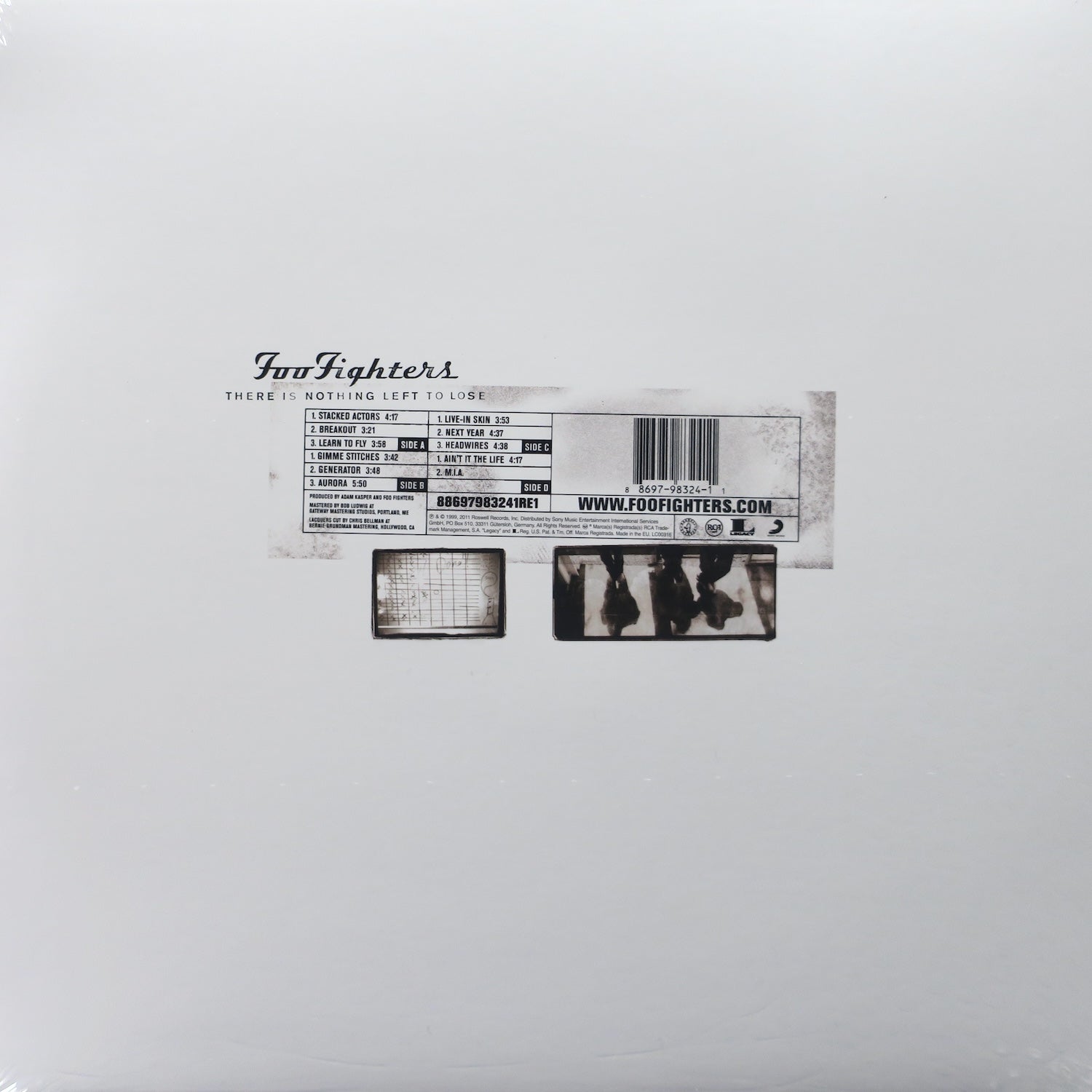
The Colour and the Shape tightened the songwriting and expanded the band’s sonic palette—bigger drums, layered guitars and clearer vocal melodies. That album carved out the Foo Fighters' template: muscular riffing with an ear for pop phrasing. Later records such as There Is Nothing Left to Lose and In Your Honor showed another side, moving toward quieter dynamics and acoustic textures without losing the band’s core punch.
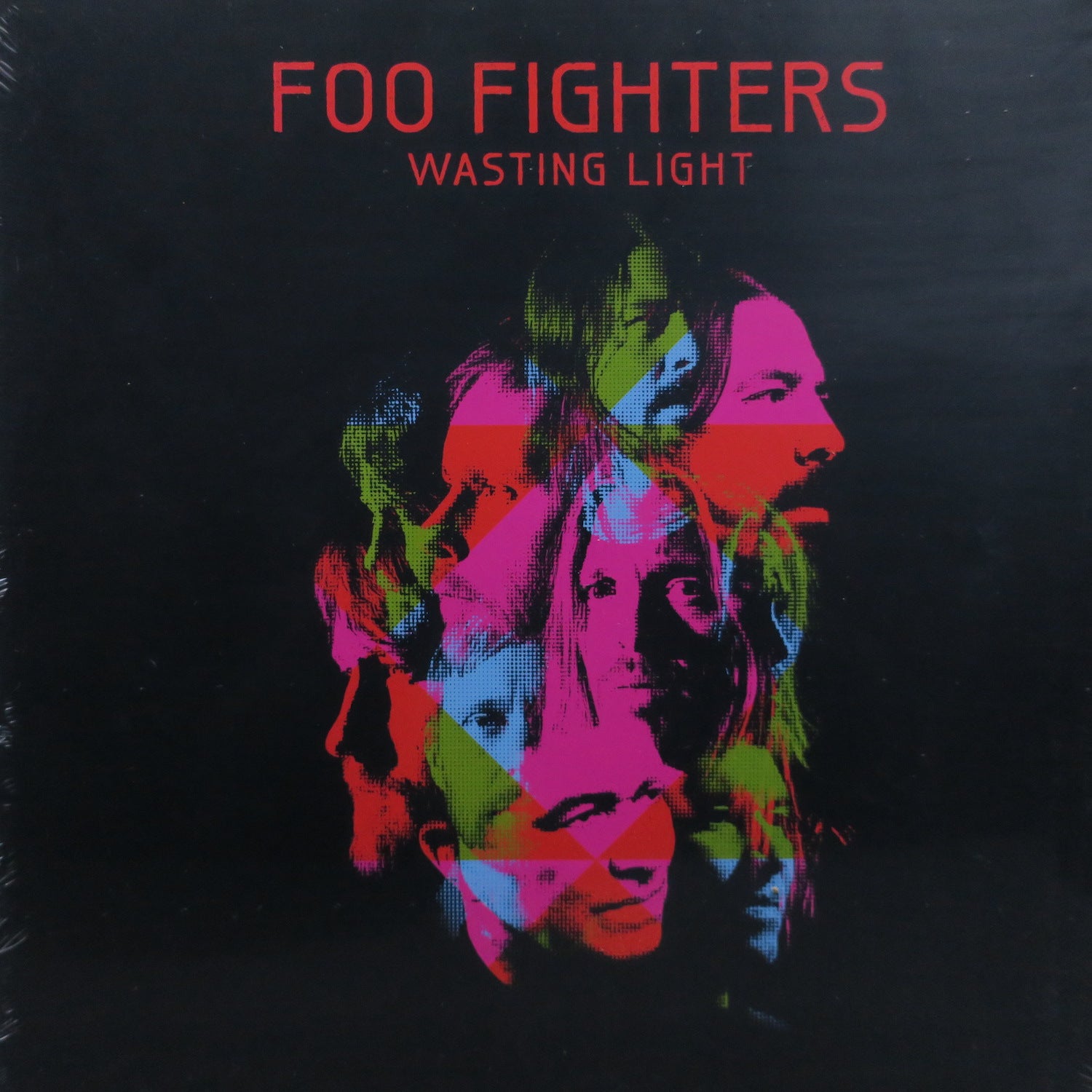
Wasting Light was a deliberate revisit to a raw aesthetic—recorded in a garage and produced by Butch Vig—yet it remained unmistakably melodic. That tension between immediacy and polish kept Foo Fighters sounding vital across decades. On stage, the group’s reputation for high-energy, singalong sets grew into one of modern rock’s most reliable live draws.
Band chemistry and collaborations have shaped the sound: longtime members like Nate Mendel and Pat Smear, plus guitarist Chris Shiflett and the late Taylor Hawkins, added distinct personalities that pushed arrangements and tempo choices. Side projects and guest appearances—Dave Grohl drumming with Queens of the Stone Age, involvement in Them Crooked Vultures—underscore how the band sits at the center of a broad rock network.
Foo Fighters endure because their songs work at multiple scales: intimate, confessional lines that can be screamed back by thousands. For listeners curious about contemporary rock that values both craft and catharsis, the band’s catalog rewards repeated plays across its key records.