Led Zeppelin
Few rock bands balanced a thundering electric riff, fragile acoustic ballad and blues-tinged improvisation as naturally as Led Zeppelin. On one side there is the seismic pulse of John Bonham’s kick drum and Jimmy Page’s riff-centric guitar, and on the other the delicate fingerpicked folk pieces and dusty Delta blues that Robert Plant and John Paul Jones helped fold into a modern rock language.
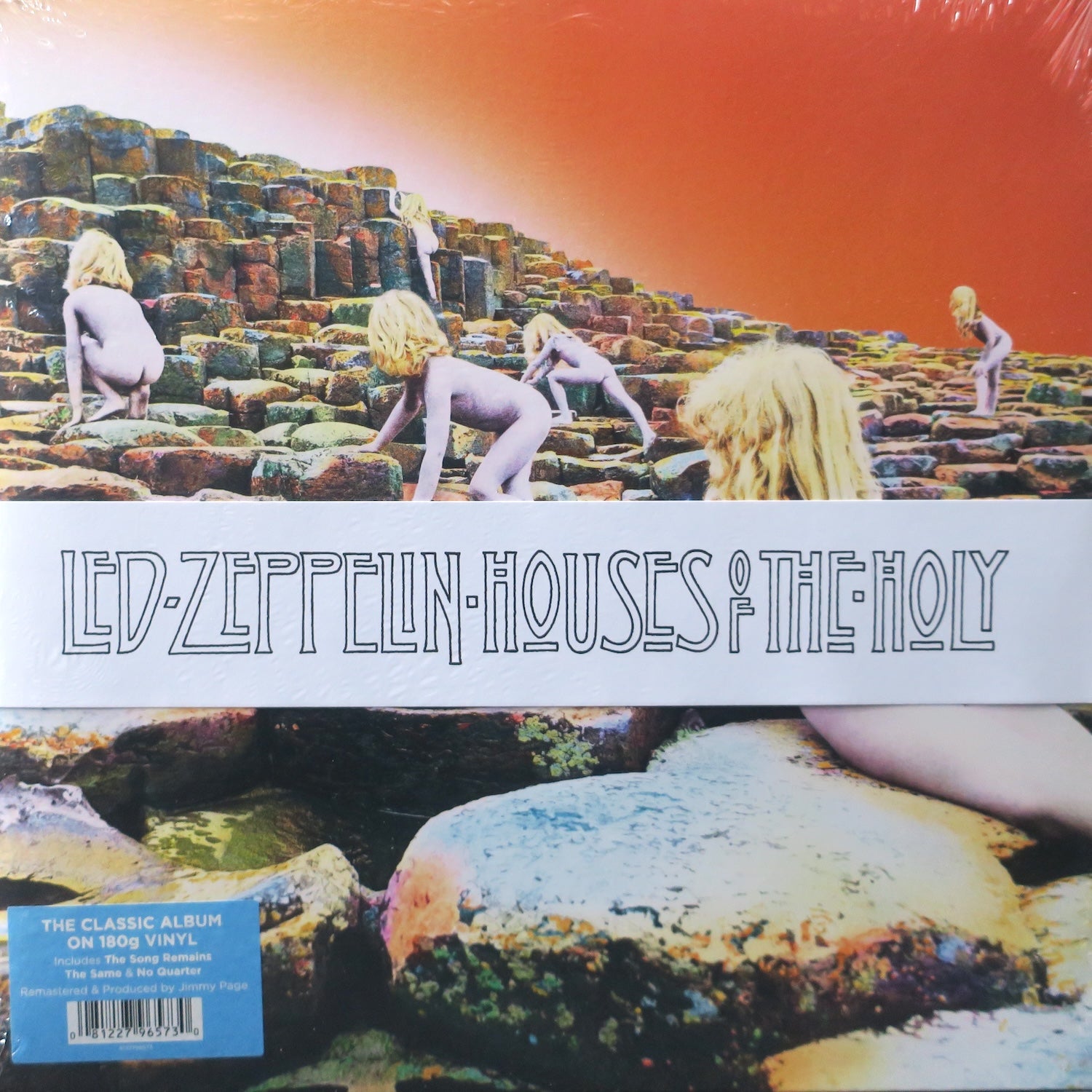
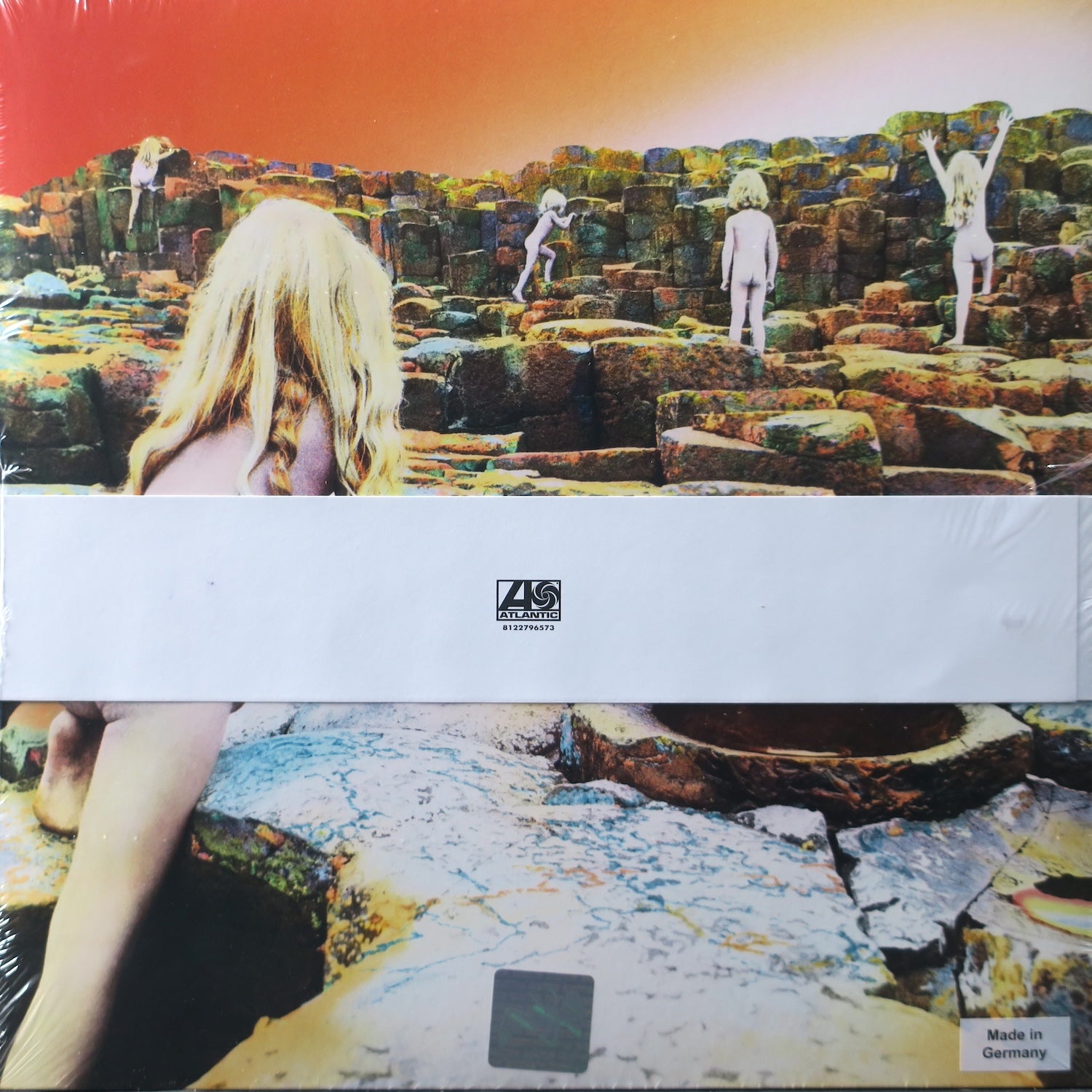
Led Zeppelin matters because the group made genre-melding feel cohesive rather than scattered. Early albums lean heavily on postwar blues — arrangements of songs by Robert Johnson, Willie Dixon and others are reworked with heavier amplification and extended solos — while records like Led Zeppelin III and Houses of the Holy explore acoustic textures, tuned-down guitars and mandolin. Jimmy Page took the production helm, shaping a studio sound that emphasized atmosphere: layered guitars, tape techniques and dynamics that translate into dramatic live performances.
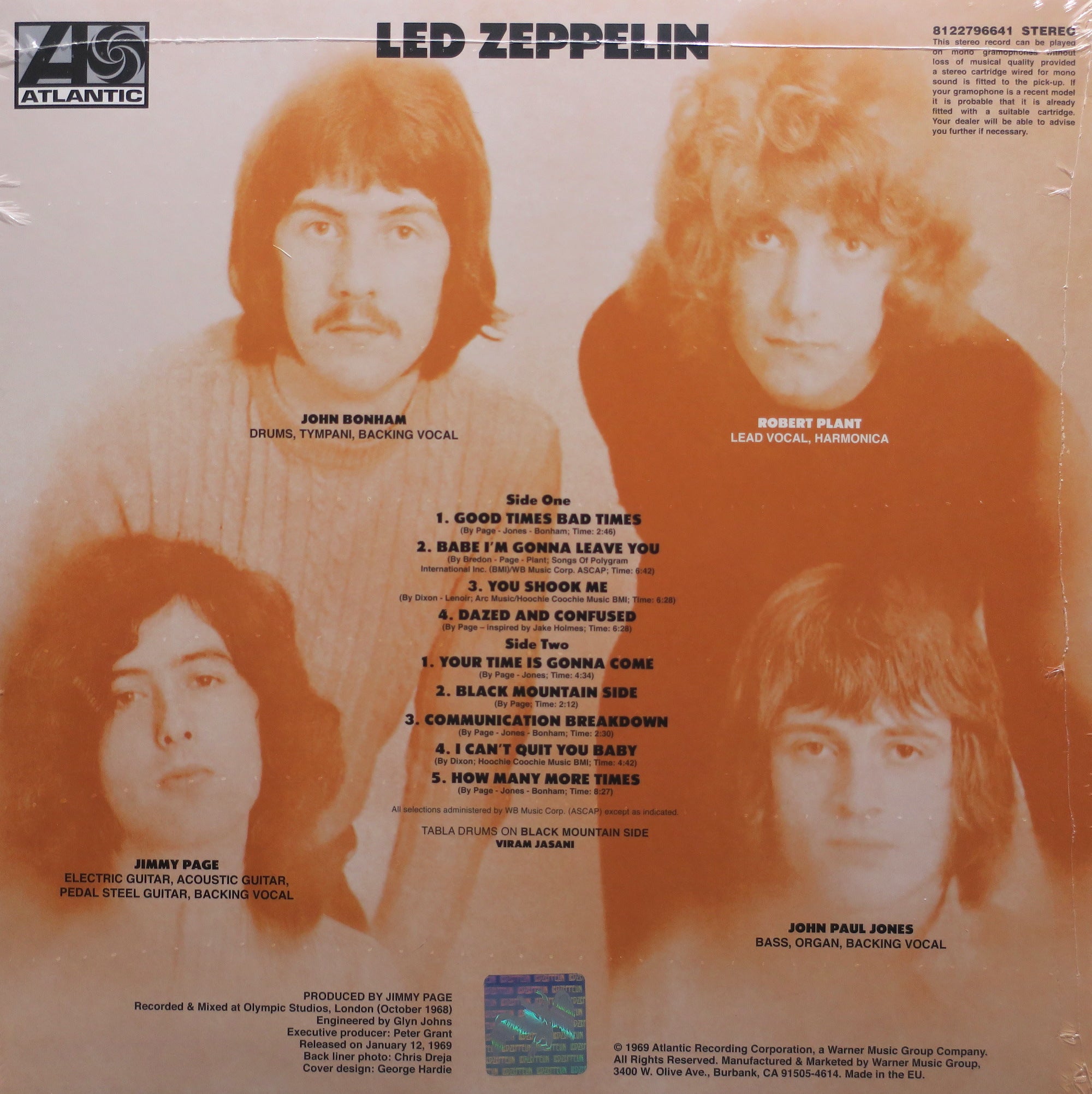
The quartet’s chemistry is central. Robert Plant’s wide-ranging, high-register vocals provided a mythic storytelling voice; Page’s role as guitarist, arranger and de facto producer steered the band’s sonic experiments; John Paul Jones supplied more than bass lines — his keyboard and arrangement work added depth and unexpected orchestral touches; John Bonham’s powerful, groove-driven drumming became a template for heavier rock rhythm sections. That combination let the band move from a raw blues cover to a sprawling studio epic within the same album.
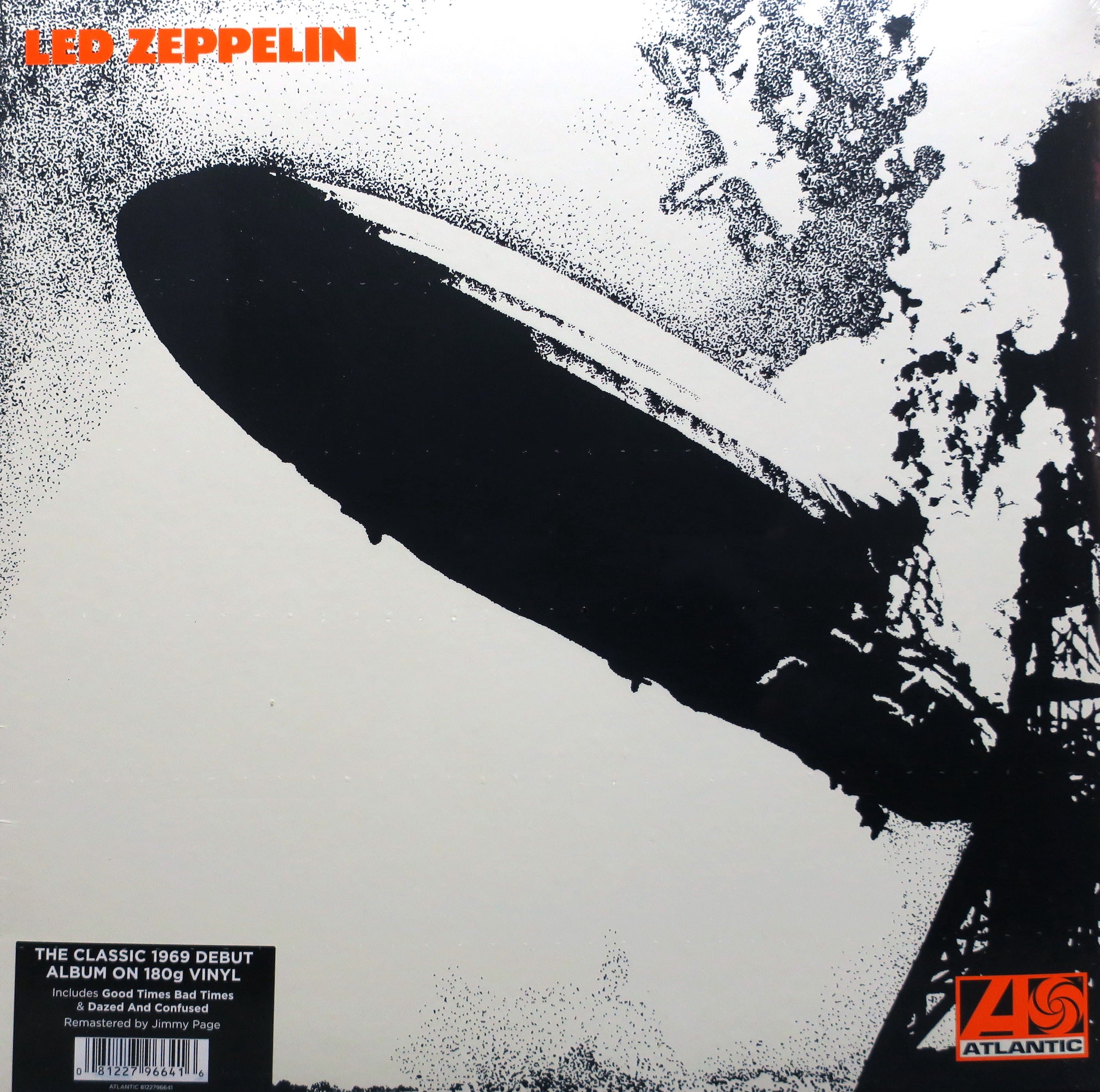
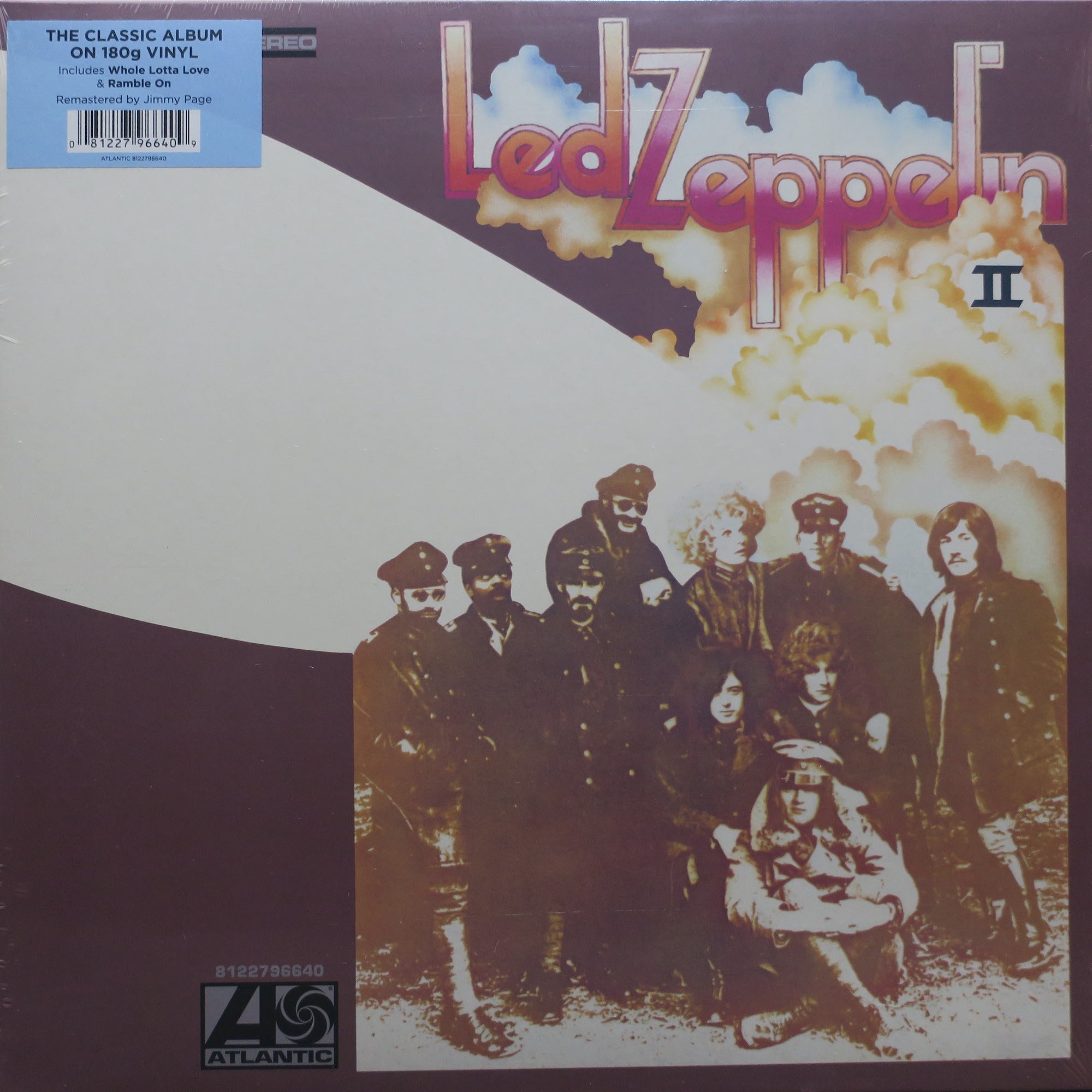
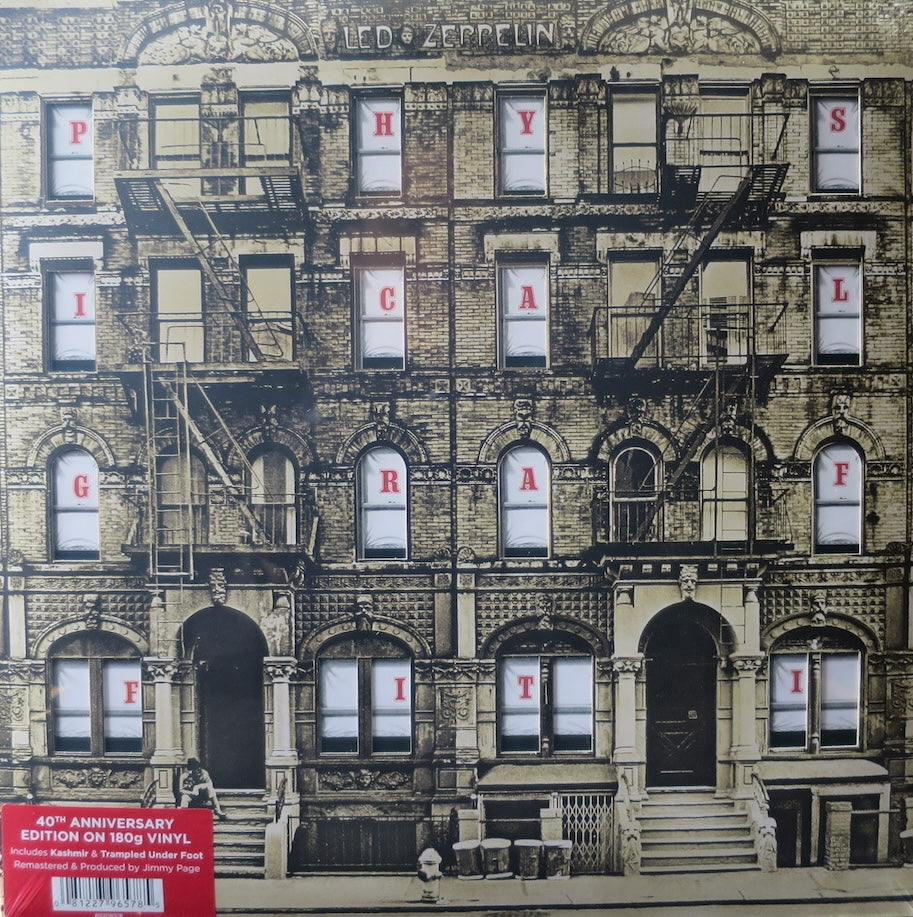
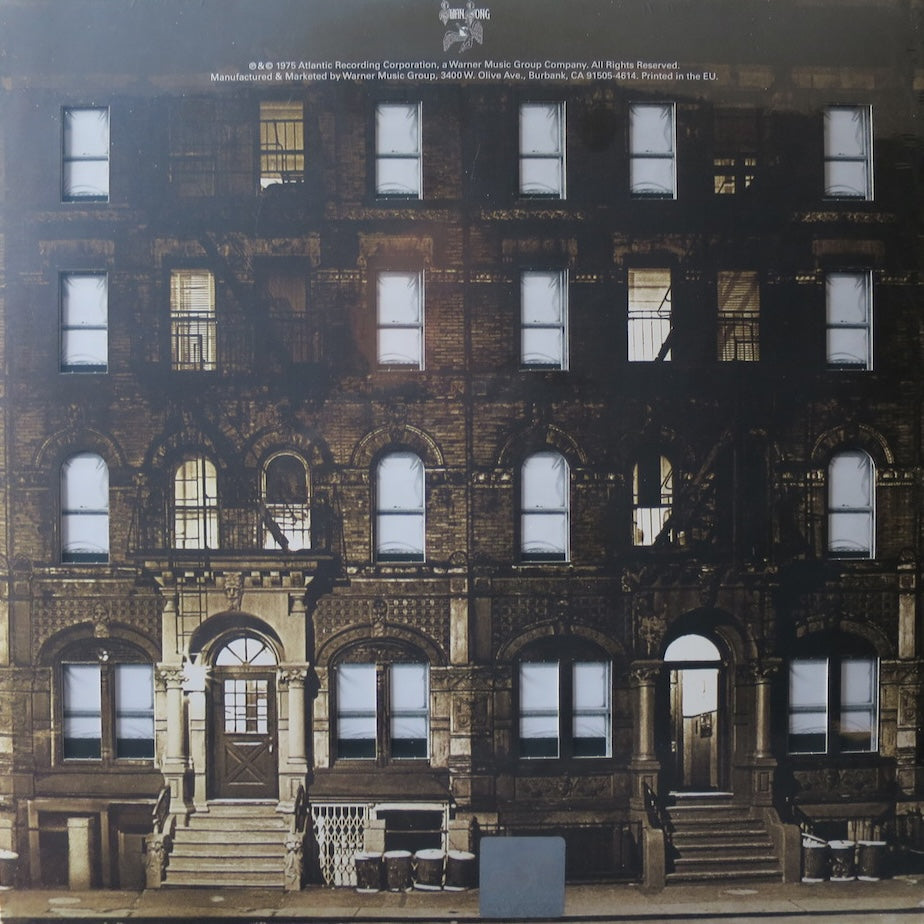
Led Zeppelin’s catalogue contains both concise rockers and sprawling suites. Led Zeppelin IV houses “Stairway to Heaven,” a track that showcases their dynamic shifts from pastoral acoustic intro to full-band climax. Physical Graffiti and Houses of the Holy display adventurous songwriting and studio layering; the debut and Led Zeppelin II capture the band’s early, harder-edged thrust.
The band’s relationship to earlier blues and folk traditions—artists like Muddy Waters and Robert Johnson—and to contemporaries such as The Yardbirds (Jimmy Page’s previous band) and Jimi Hendrix, places them firmly within late-1960s British and American rock dialogues. Later generations of hard rock and grunge bands drew on Zeppelin’s contrasts of size and subtlety.
Hearing Led Zeppelin is an invitation to follow the intersections of blues, folk and amplified rock. Whether approaching their records for the first time or returning for deeper cuts, the band’s albums reward attention to both the immediate riff and the finer details of arrangement and studio craft.