Queen
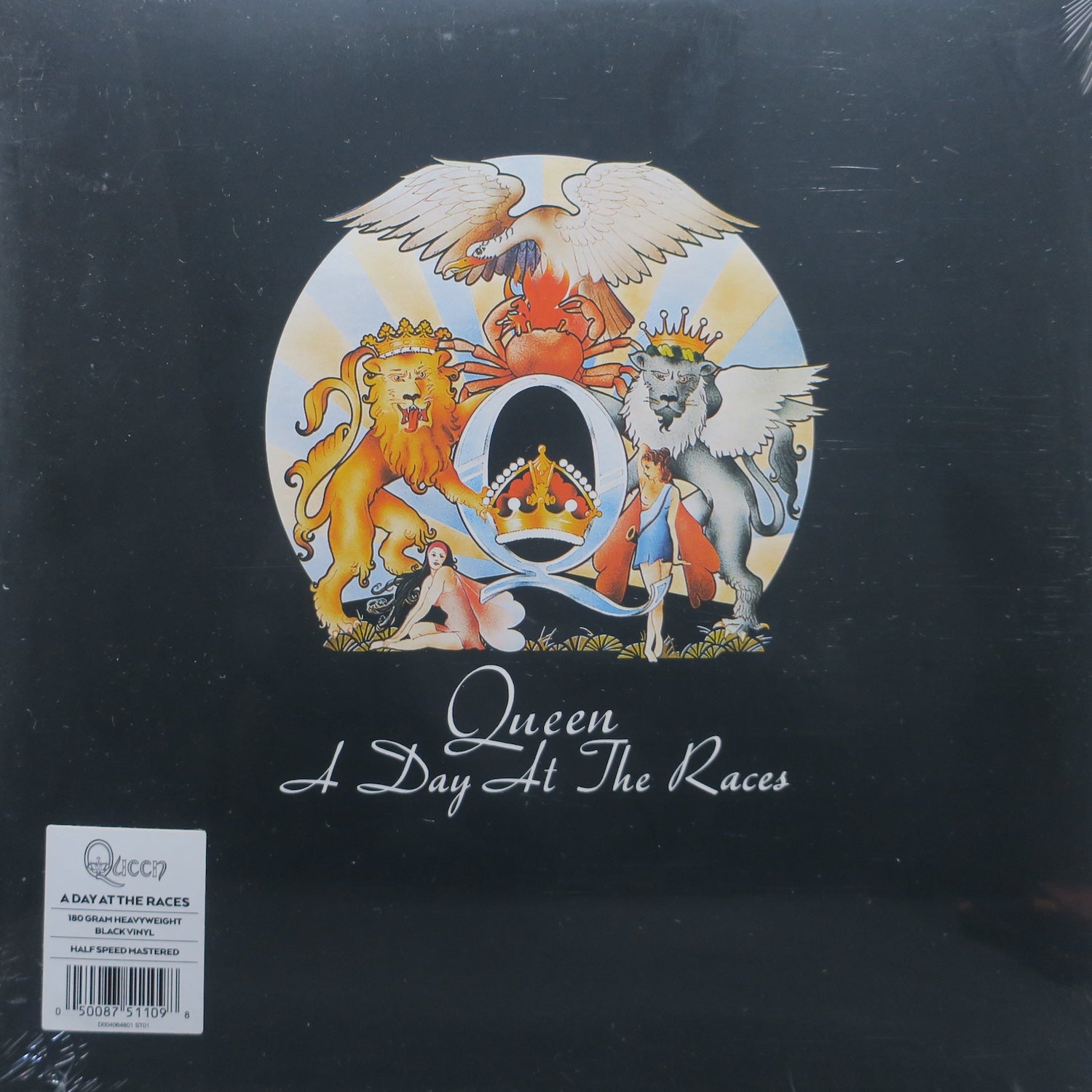
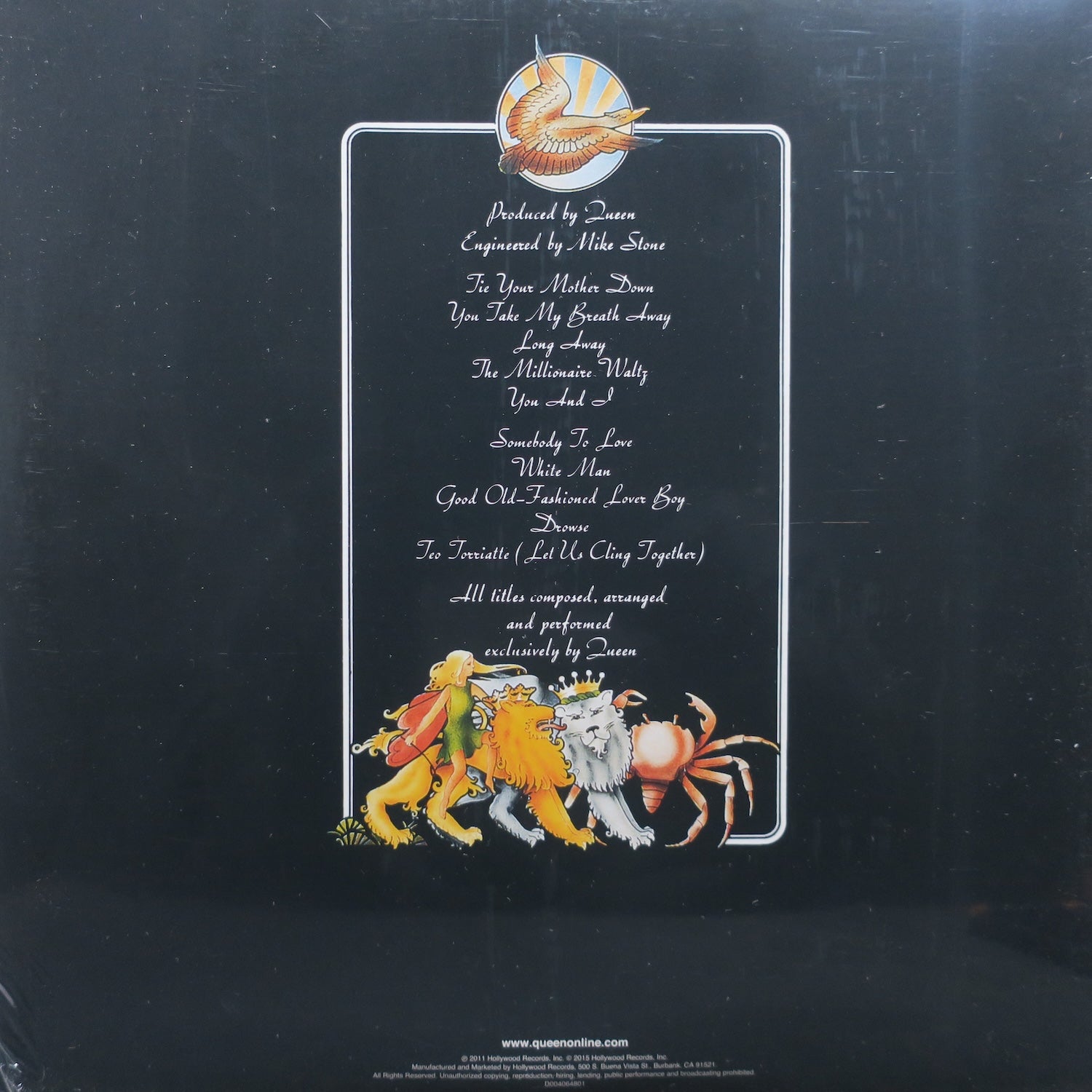
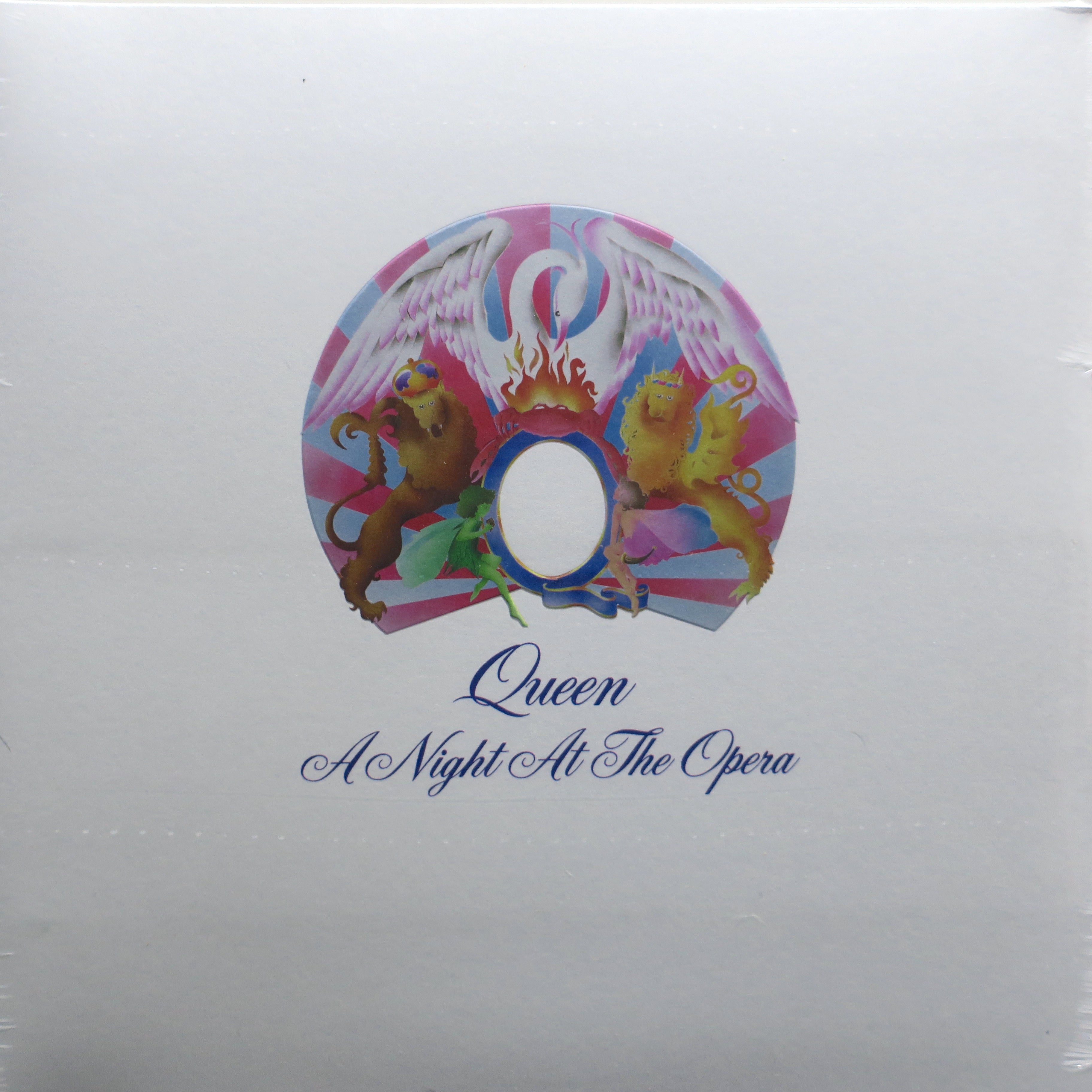
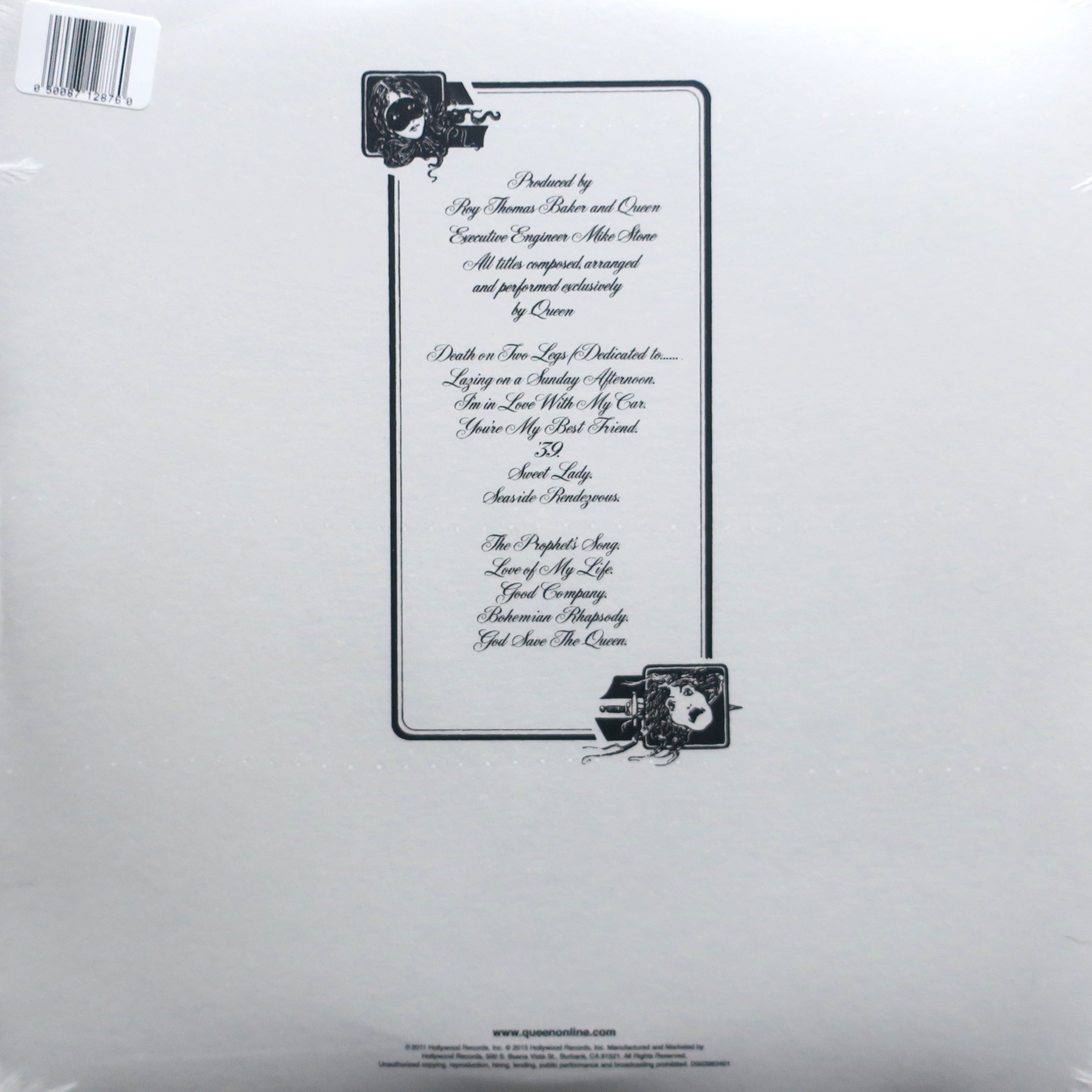
Queen’s music often feels like multiple bands in one: operatic vocal drama, guitar-driven rock, funk-inflected grooves and stadium-ready anthems all stitched together with meticulous studio craft. That restless appetite for variety is why Bohemian Rhapsody still stops people in their tracks and why A Night at the Opera is spoken of as both a pop milestone and a daring studio experiment.
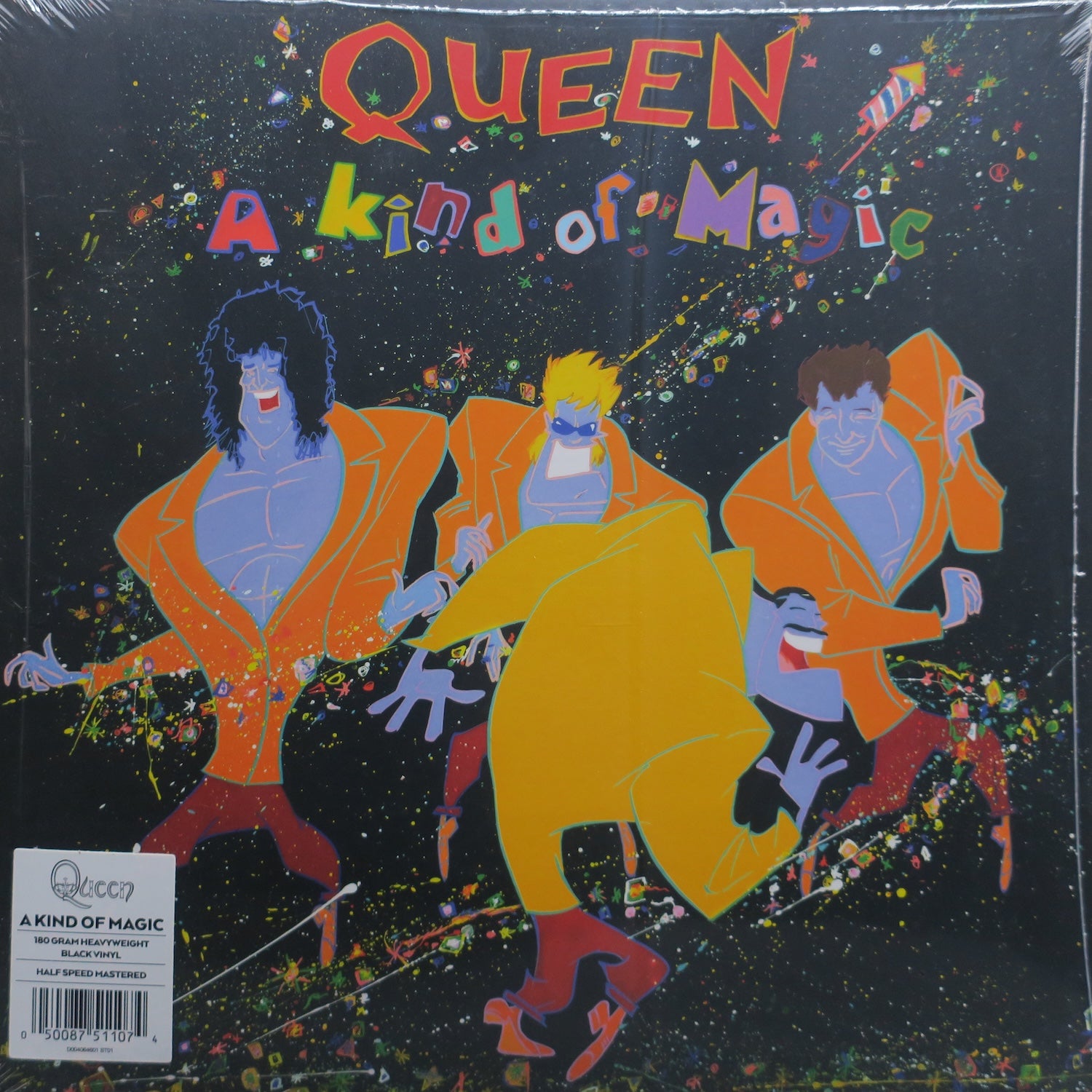
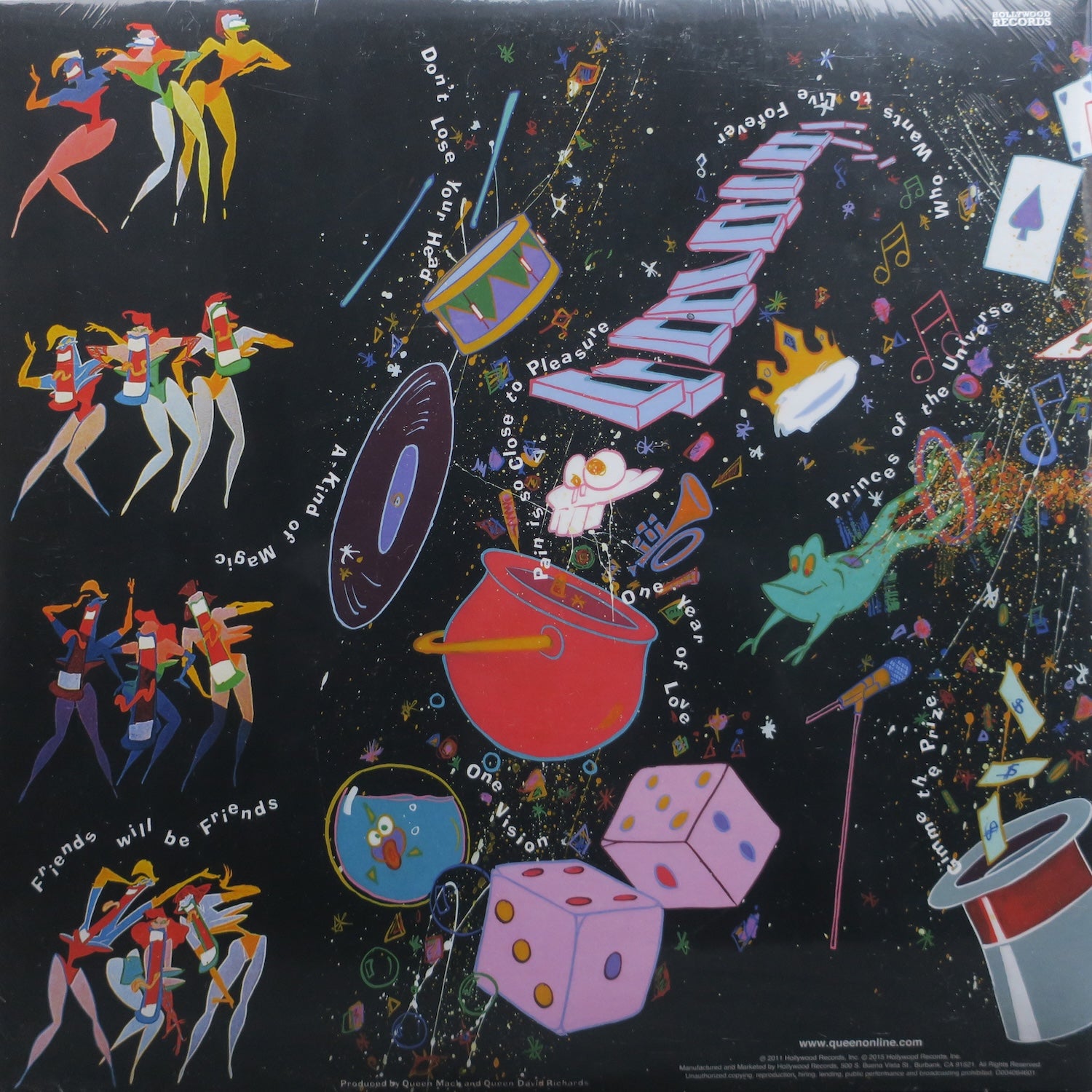
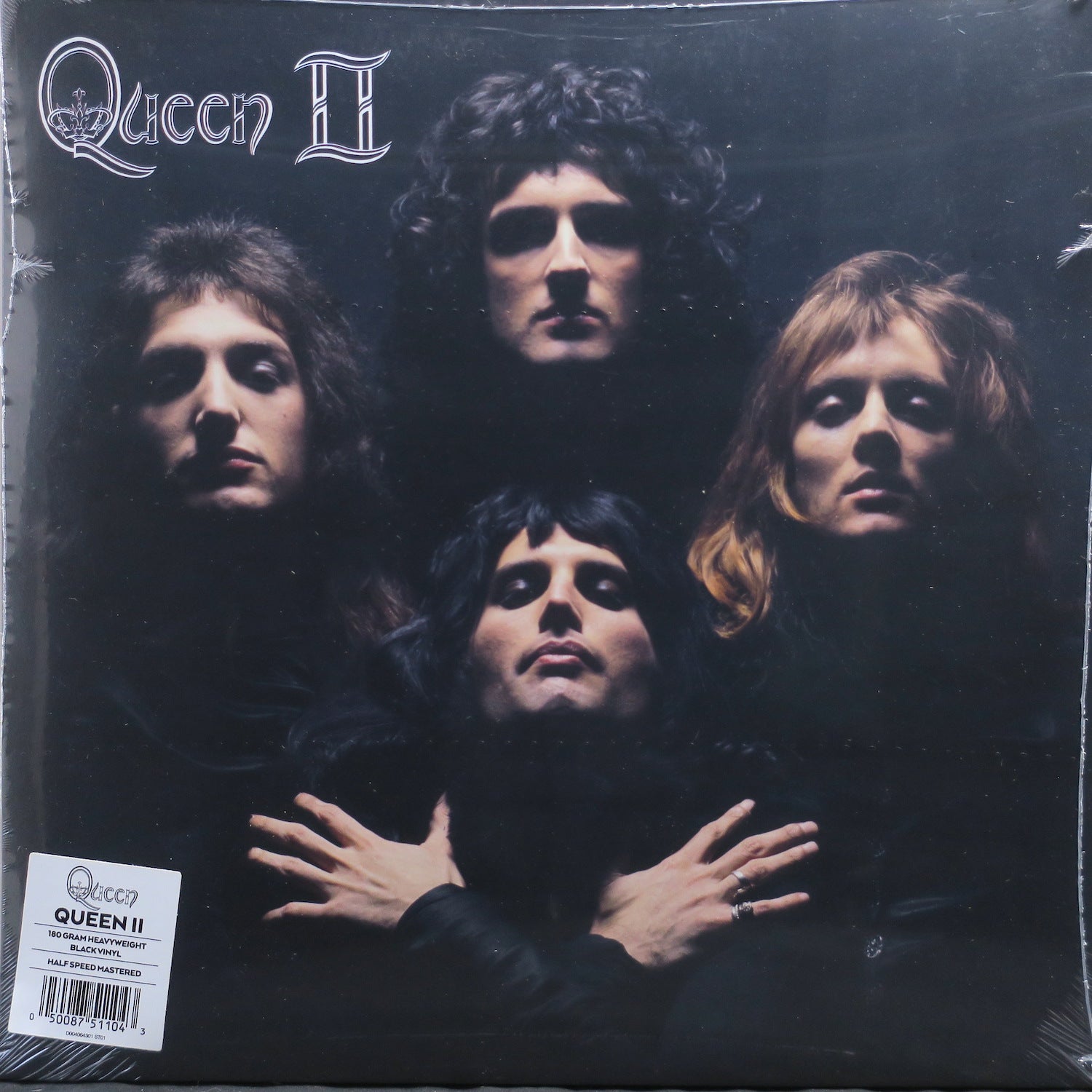
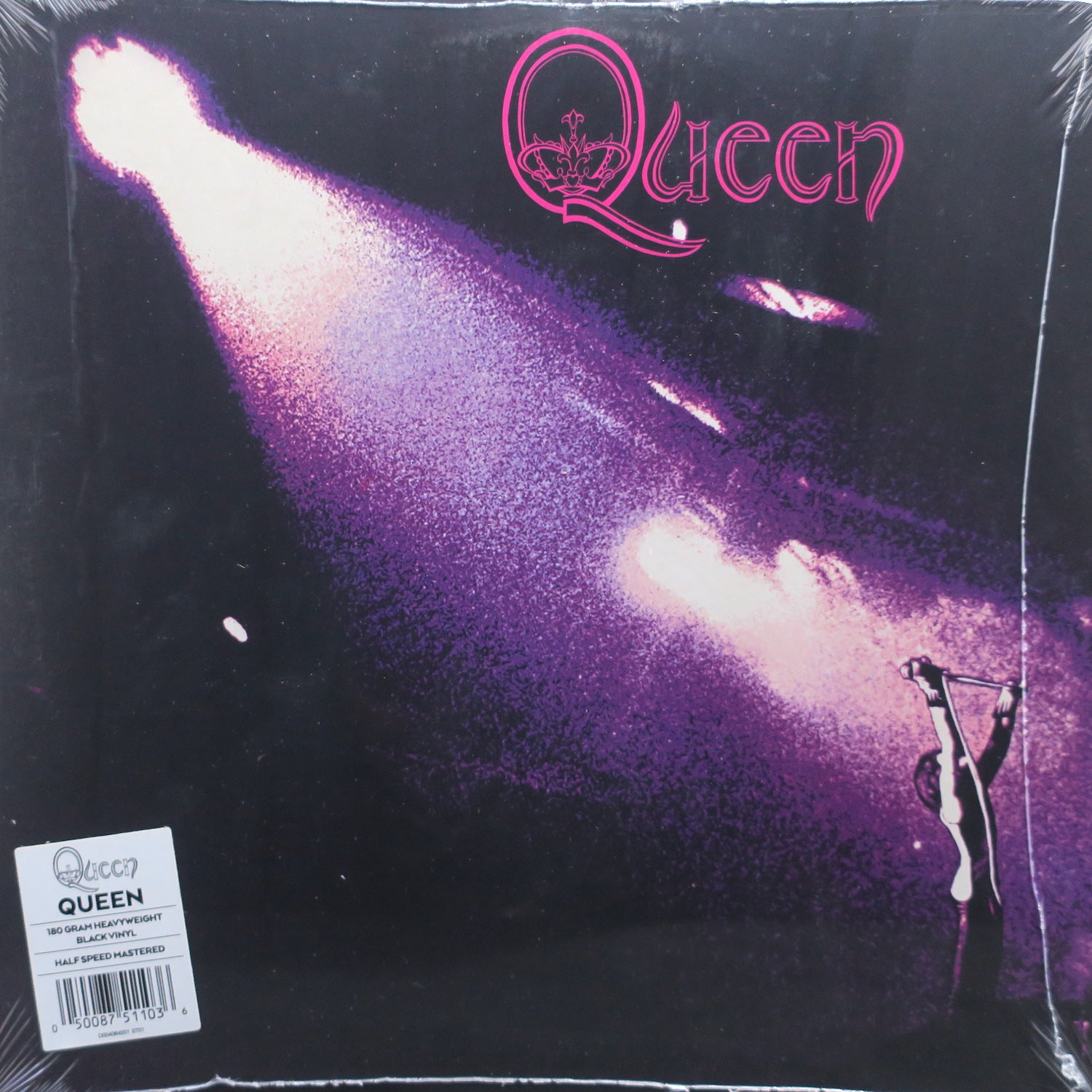
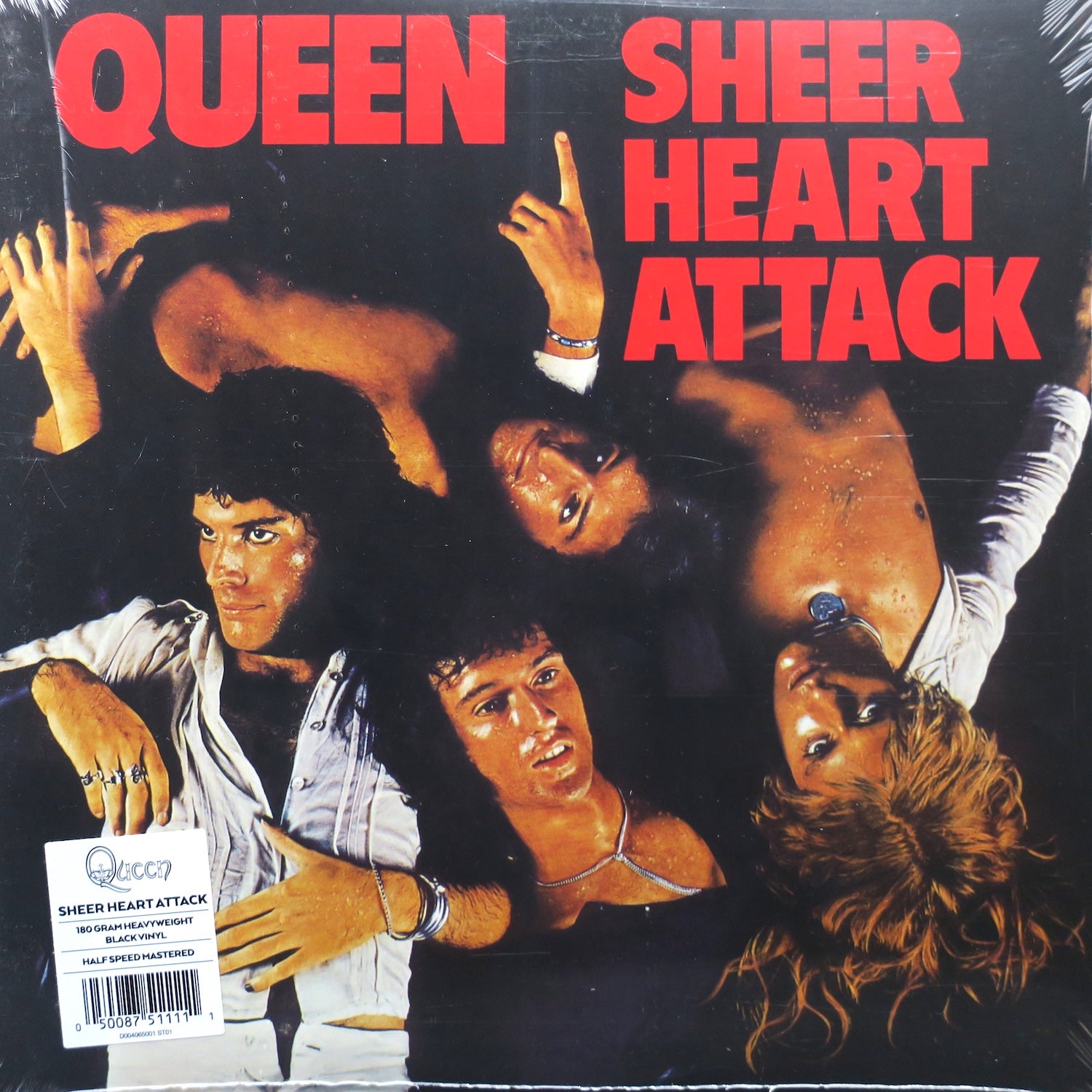
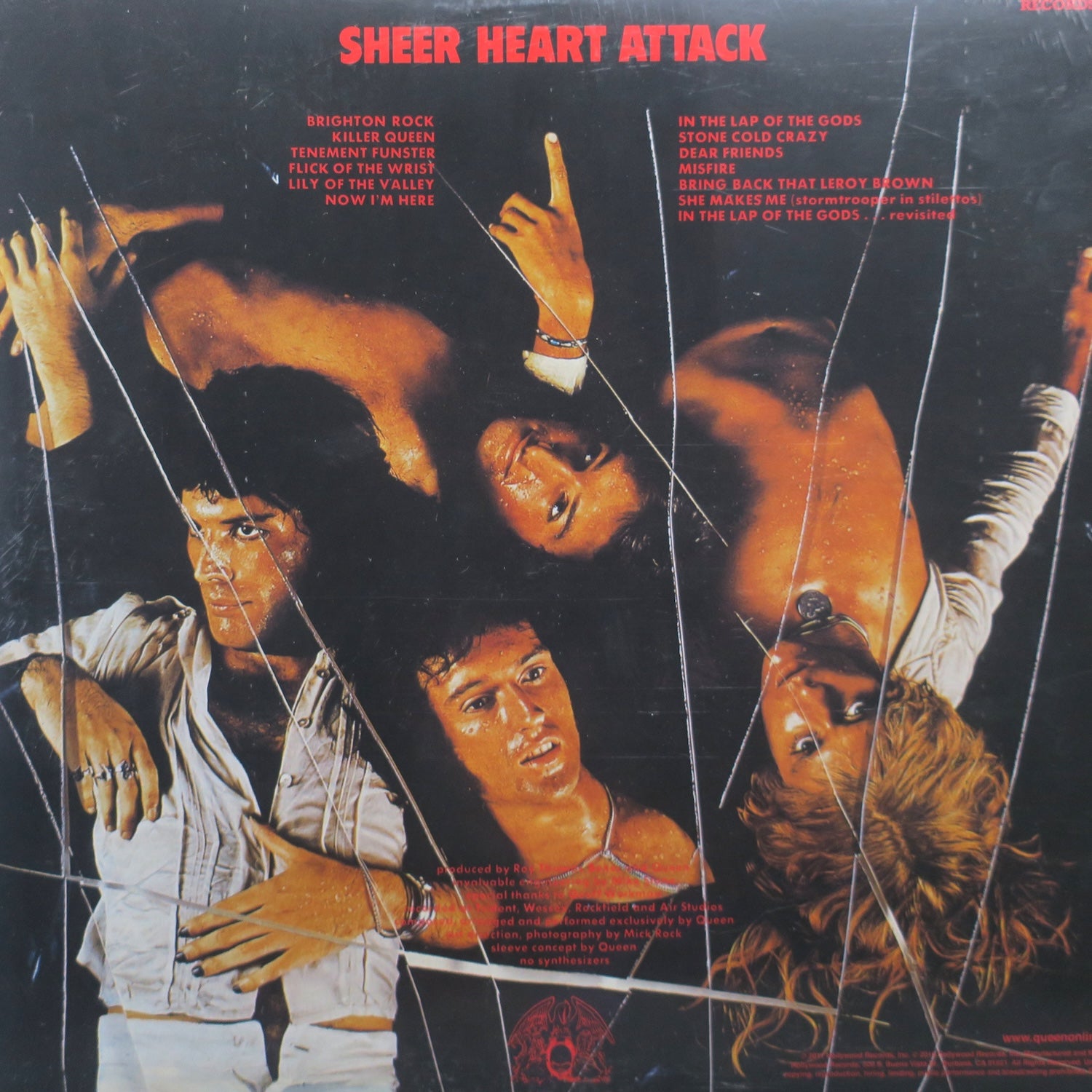
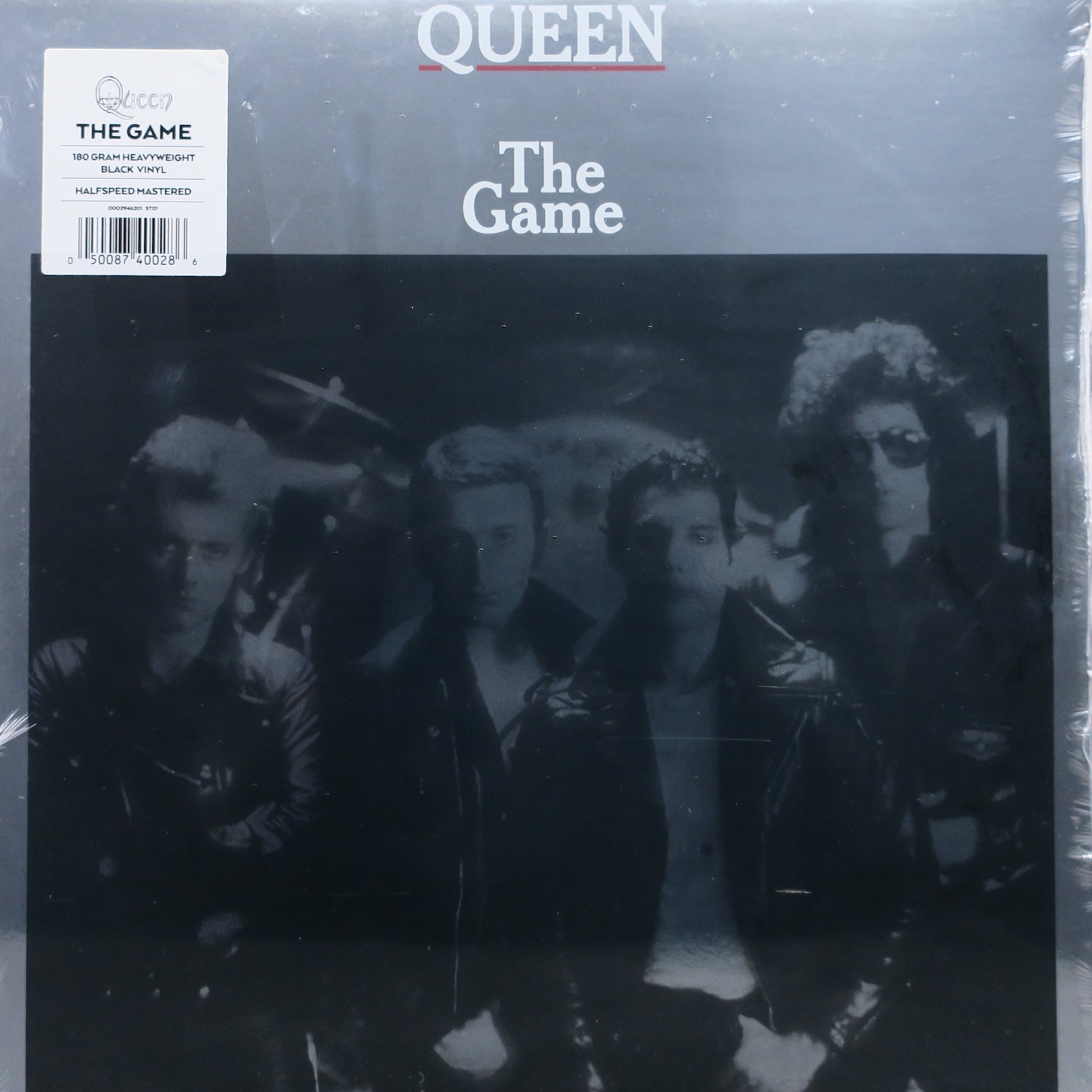
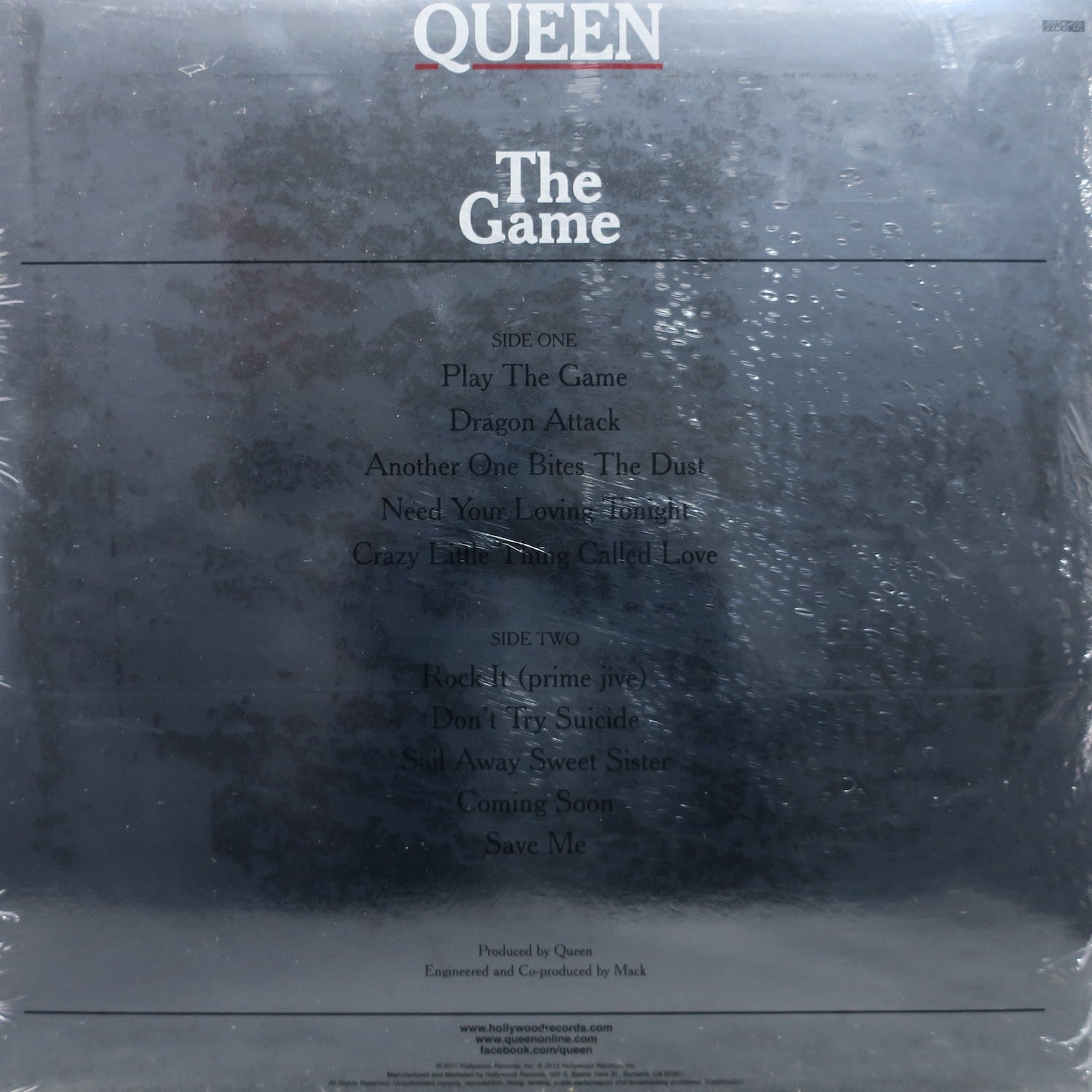
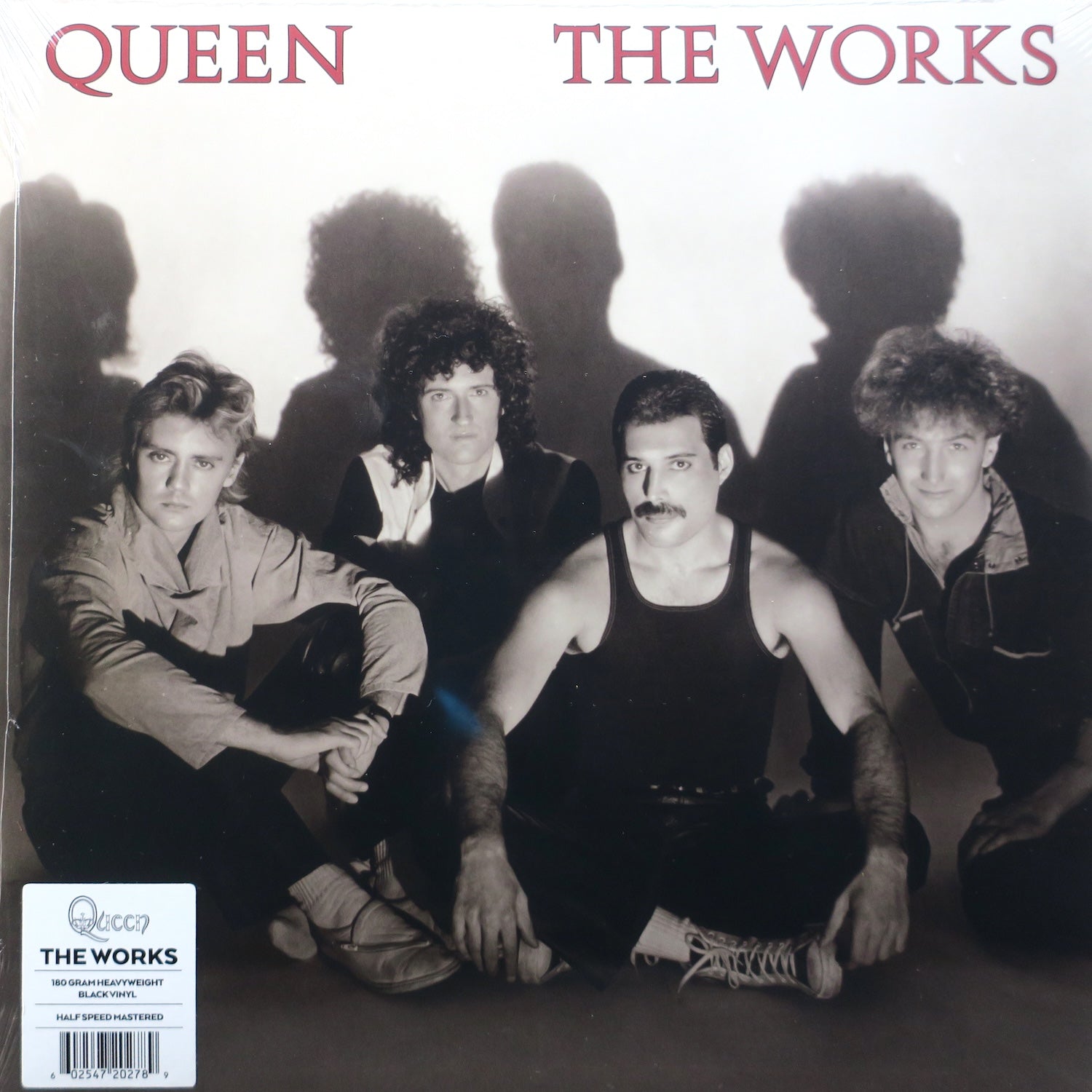
The band’s sound hinged on Freddie Mercury’s theatrical flair and four-octave range, Brian May’s chiming Red Special guitar tone, Roger Taylor’s aggressive and tuneful drumming, and John Deacon’s economical bass and songwriting. Those distinct roles allowed Queen to move from the baroque textures of Queen II to the hard-rock bite of Sheer Heart Attack, then into the funk and disco crossover of The Game. Producer Roy Thomas Baker’s multi-tracked vocal arrangements and willingness to build complex studio layers were crucial to the band’s signature harmonies.
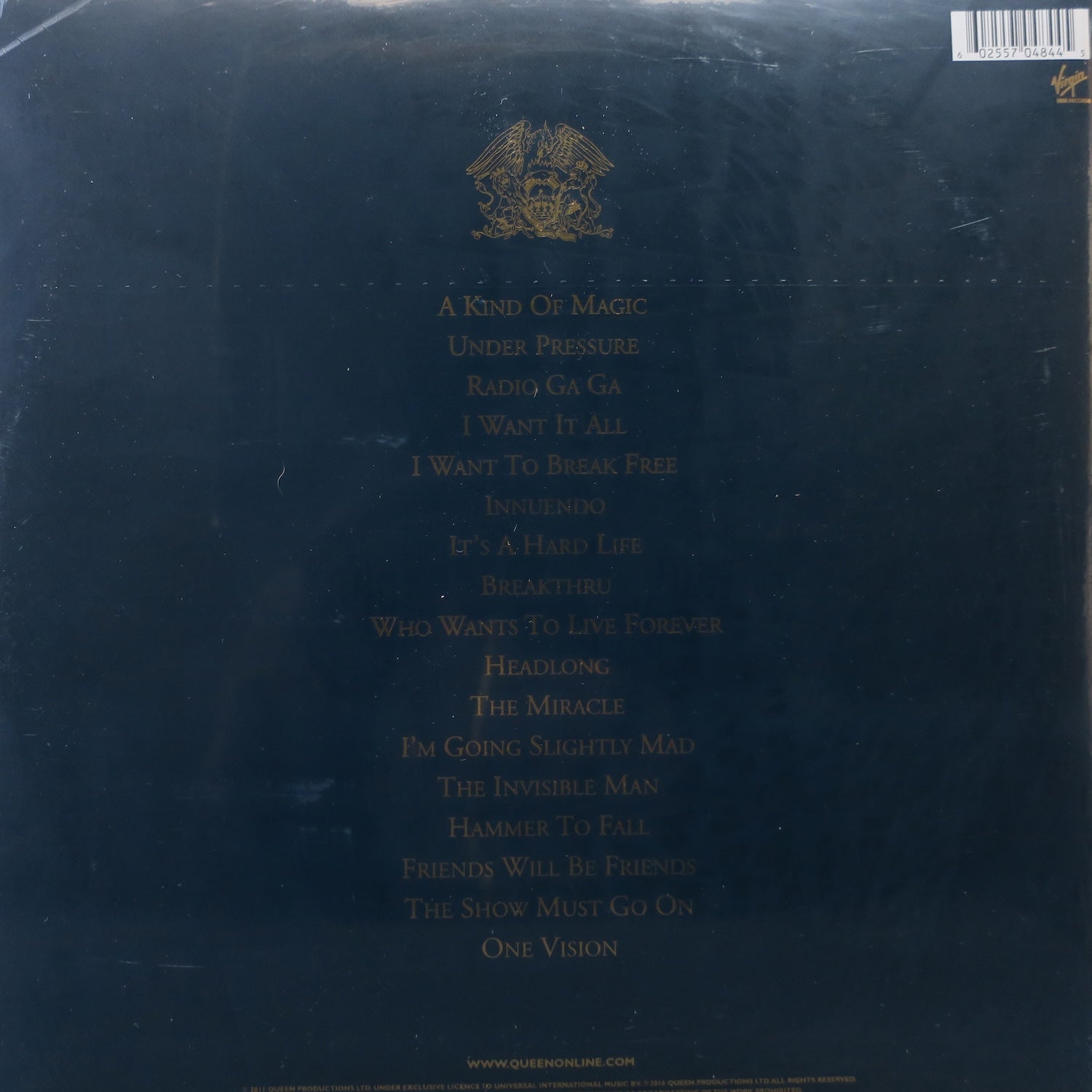
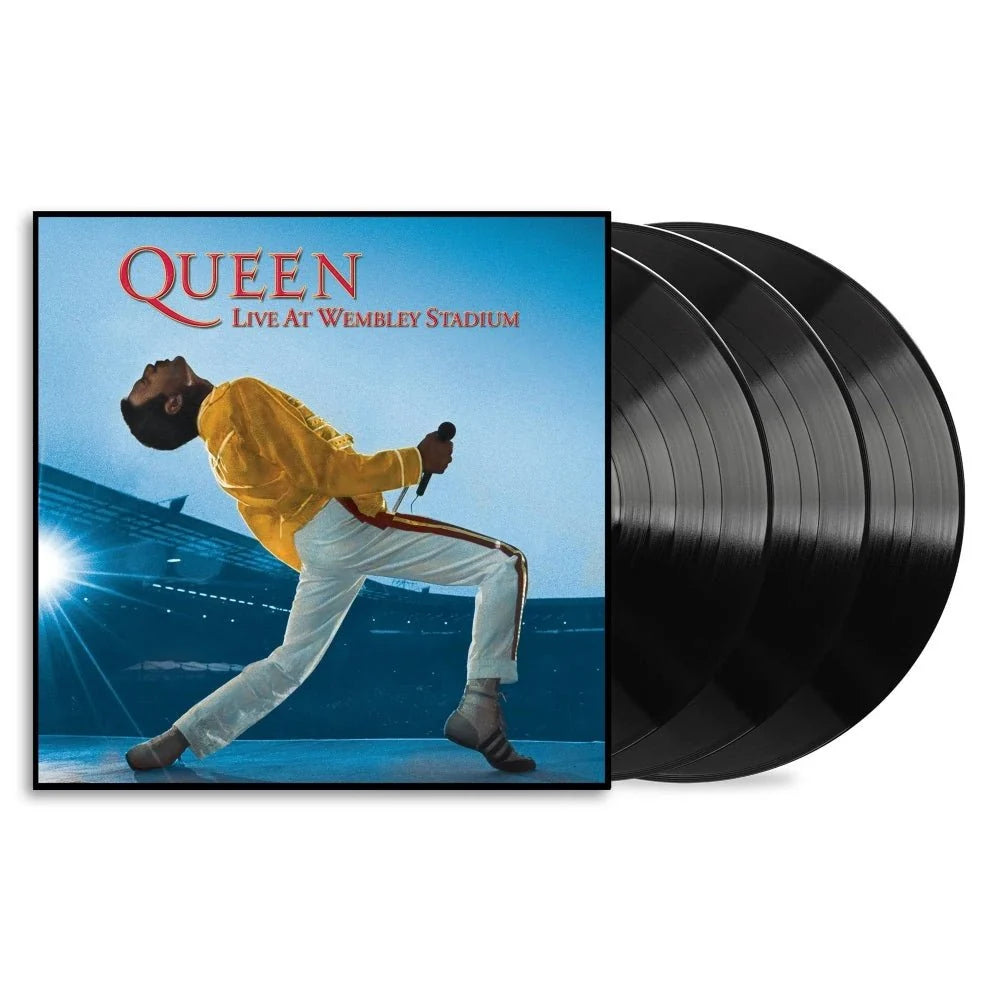
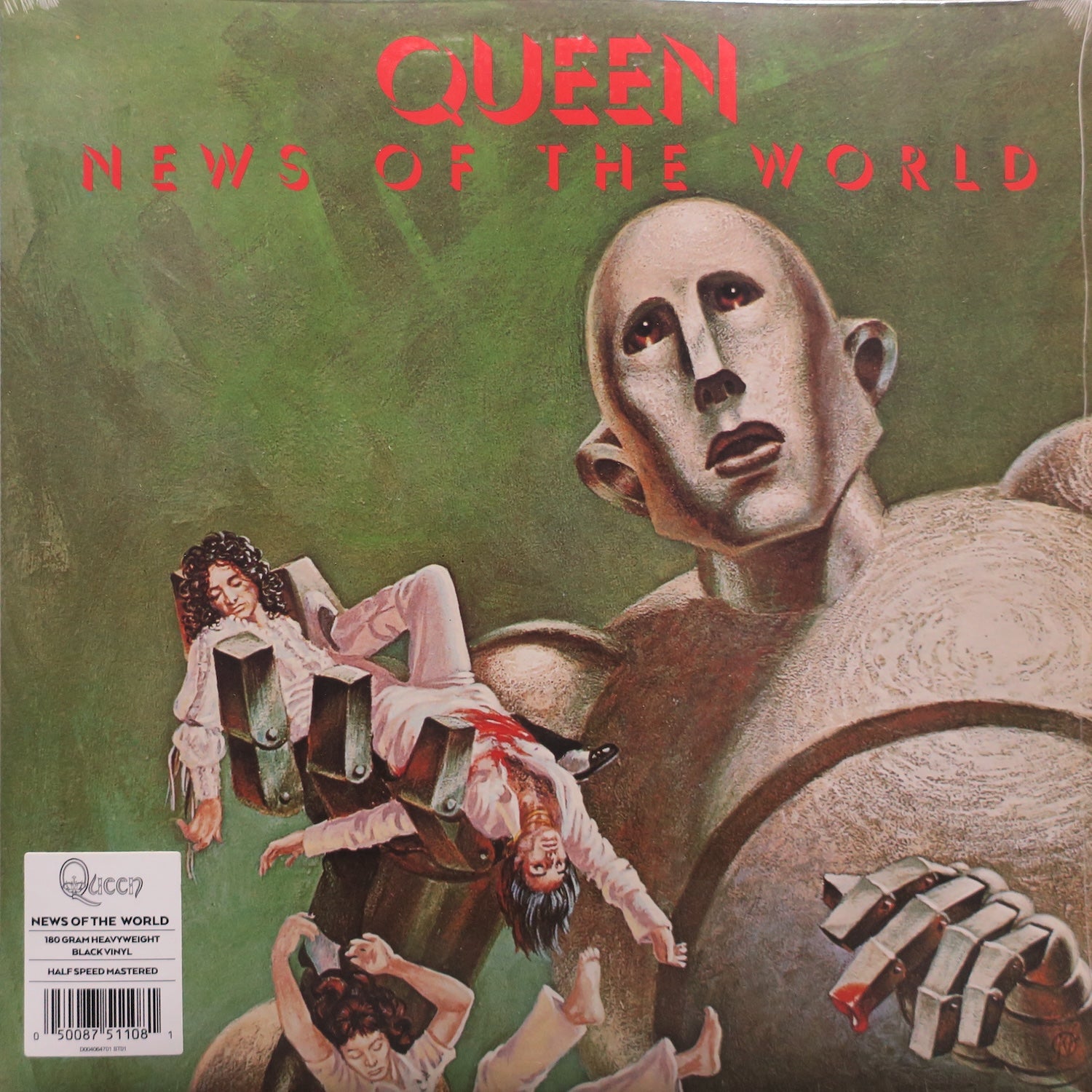
Queen also became a stadium band by design. Songs like We Will Rock You and We Are the Champions distilled crowd participation into architecture—simple, immediate riffs and choruses that fill arenas. Their performance at Live Aid in 1985 is often cited as a defining moment in rock history: a 20-minute set that demonstrated how compact, perfectly executed rock could dominate a global audience.
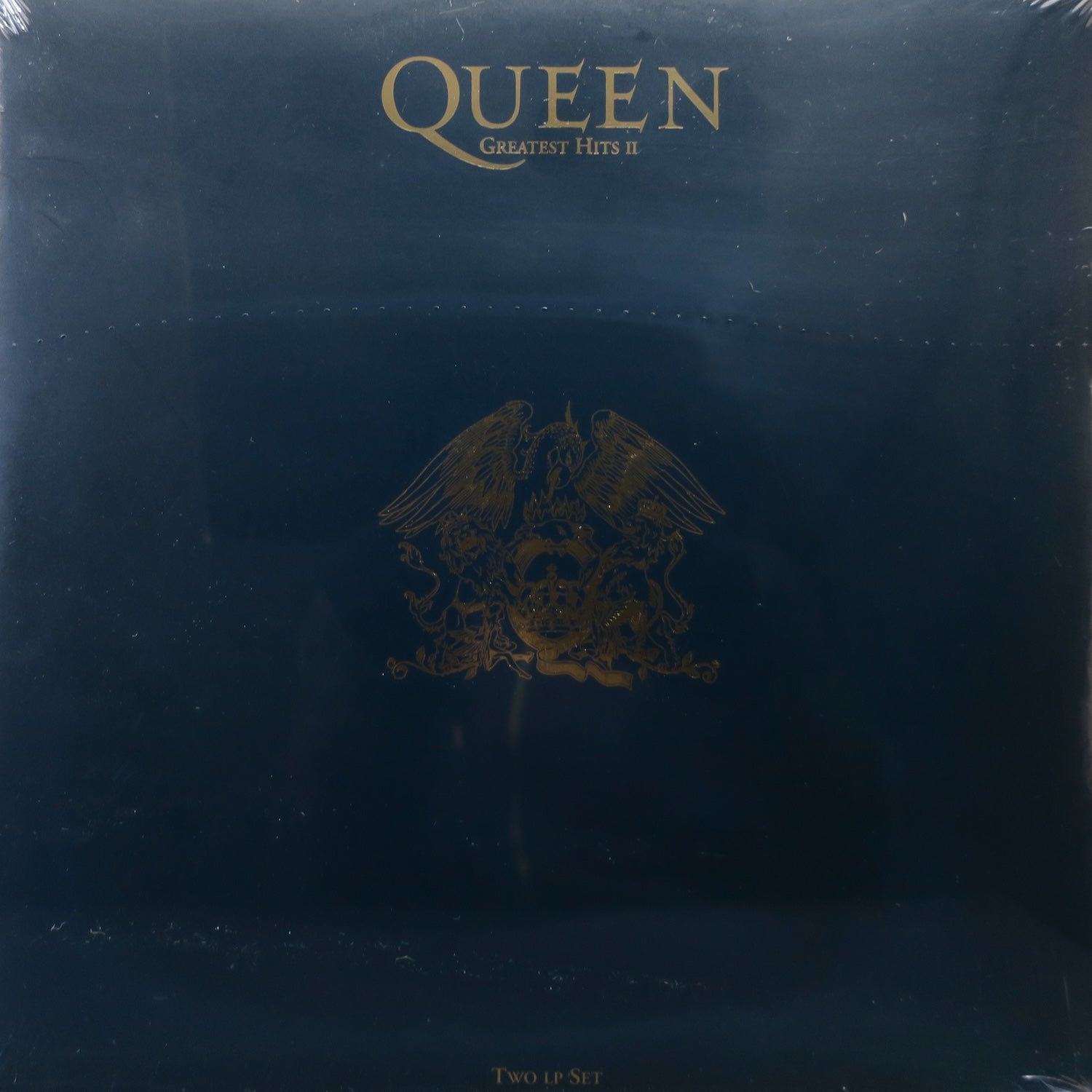
Connections across rock history help explain Queen’s reach. The Beatles’ adventurous studio work was an obvious touchstone for Queen’s arrangements, while David Bowie’s guest turn on Under Pressure showed how peer collaboration could yield a timeless single. Later generations including Muse and Foo Fighters adopted Queen’s blend of melodic ambition and rock muscle; Brian May’s tone and Freddie’s vocal approach crop up in numerous modern acts.
After Mercury’s death the surviving members have worked selectively—John Deacon retired from touring, while May and Taylor have performed with Adam Lambert, bringing Queen’s catalogue to new audiences without rewriting the originals. That balance between faithful performance and creative reinvention is part of why Queen remains compelling: a catalog built on theatrical songwriting, studio invention and songs designed to be sung back at full voice.