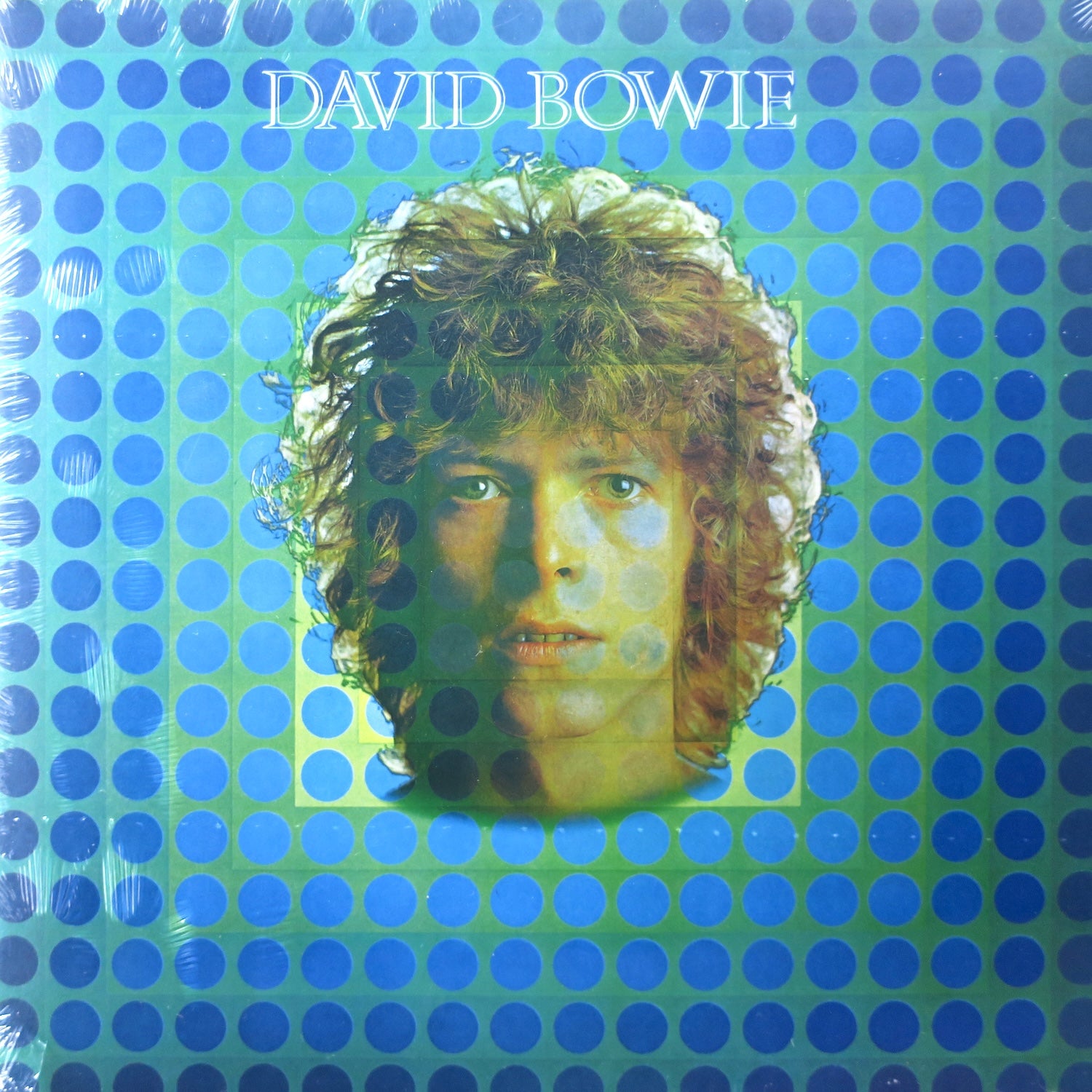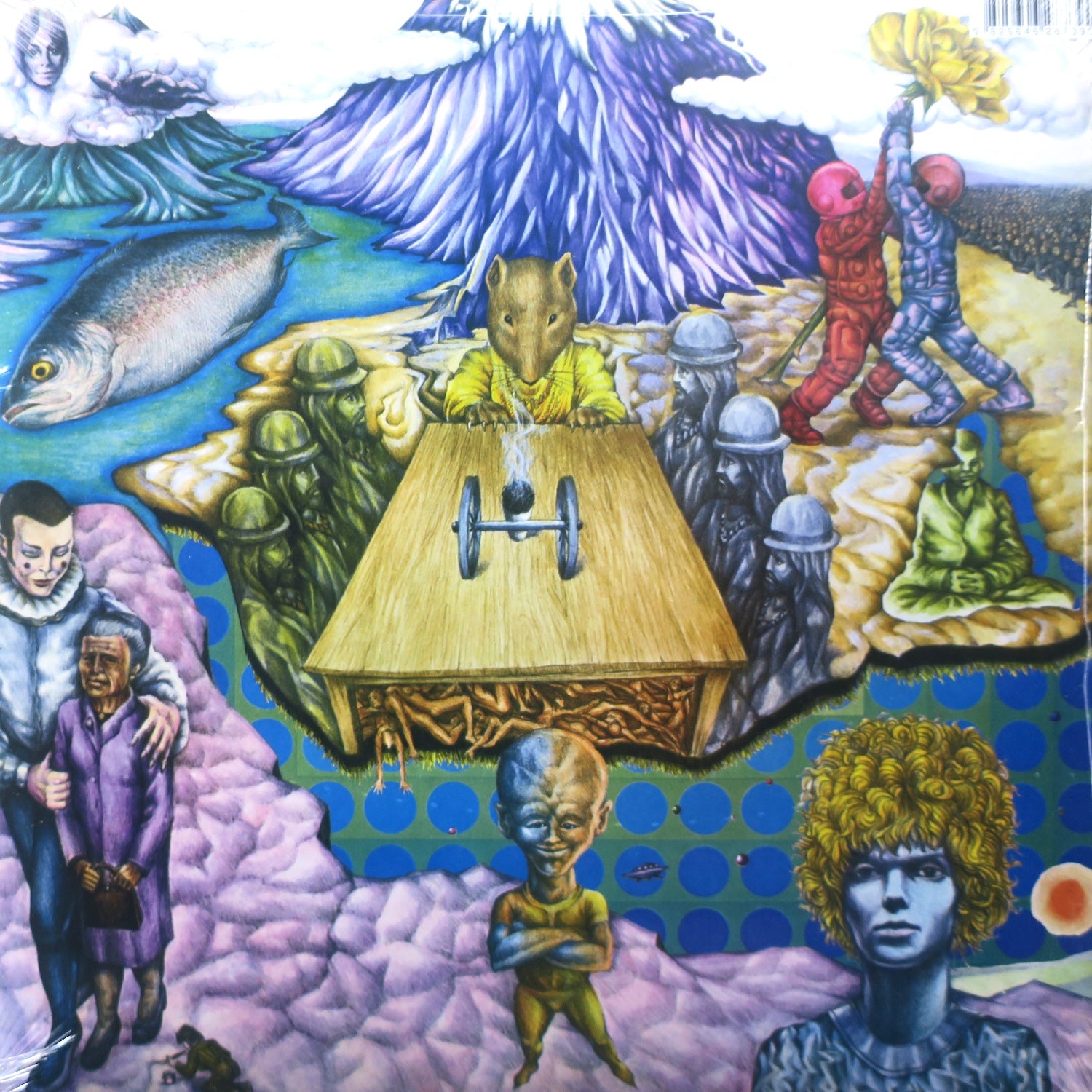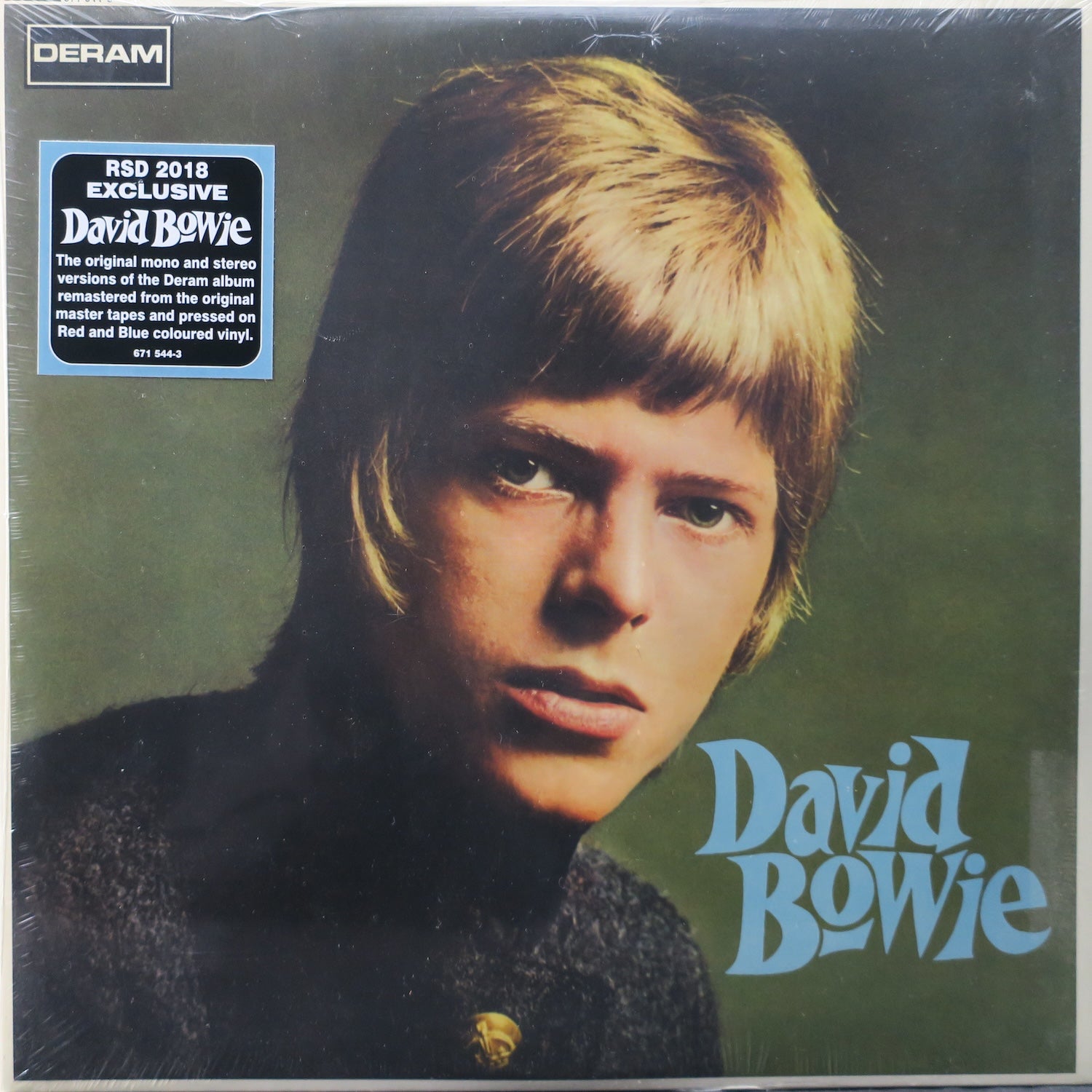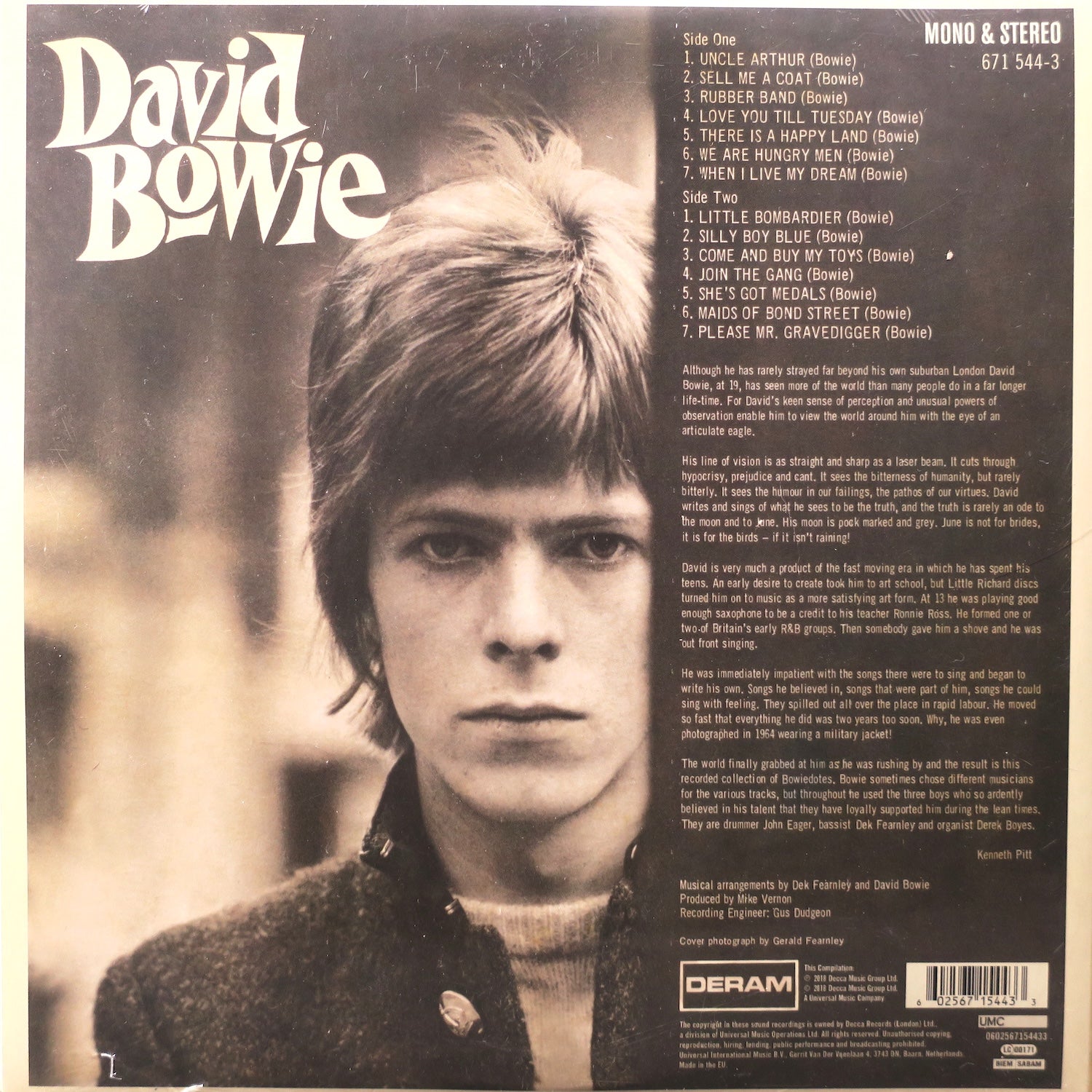
David Bowie
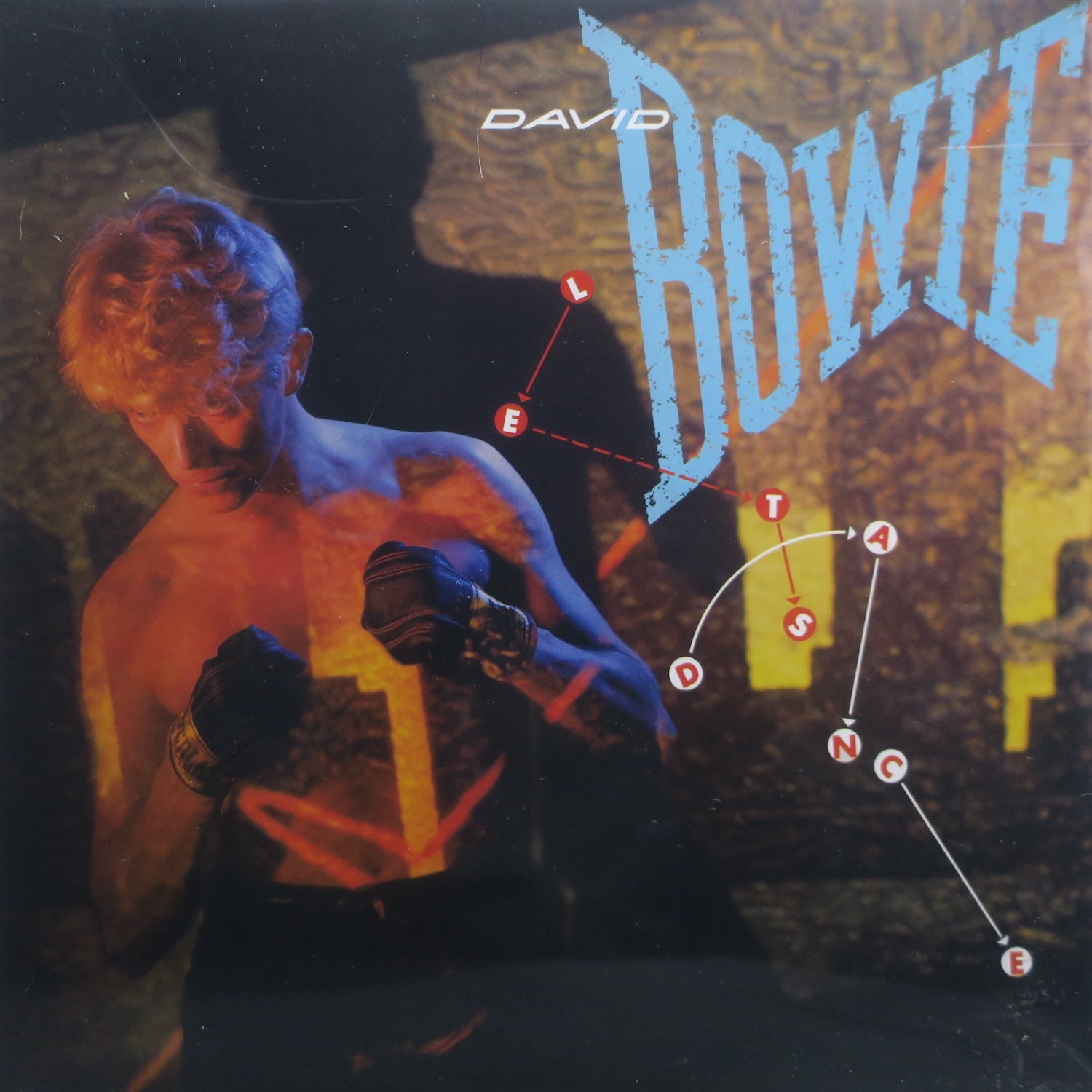
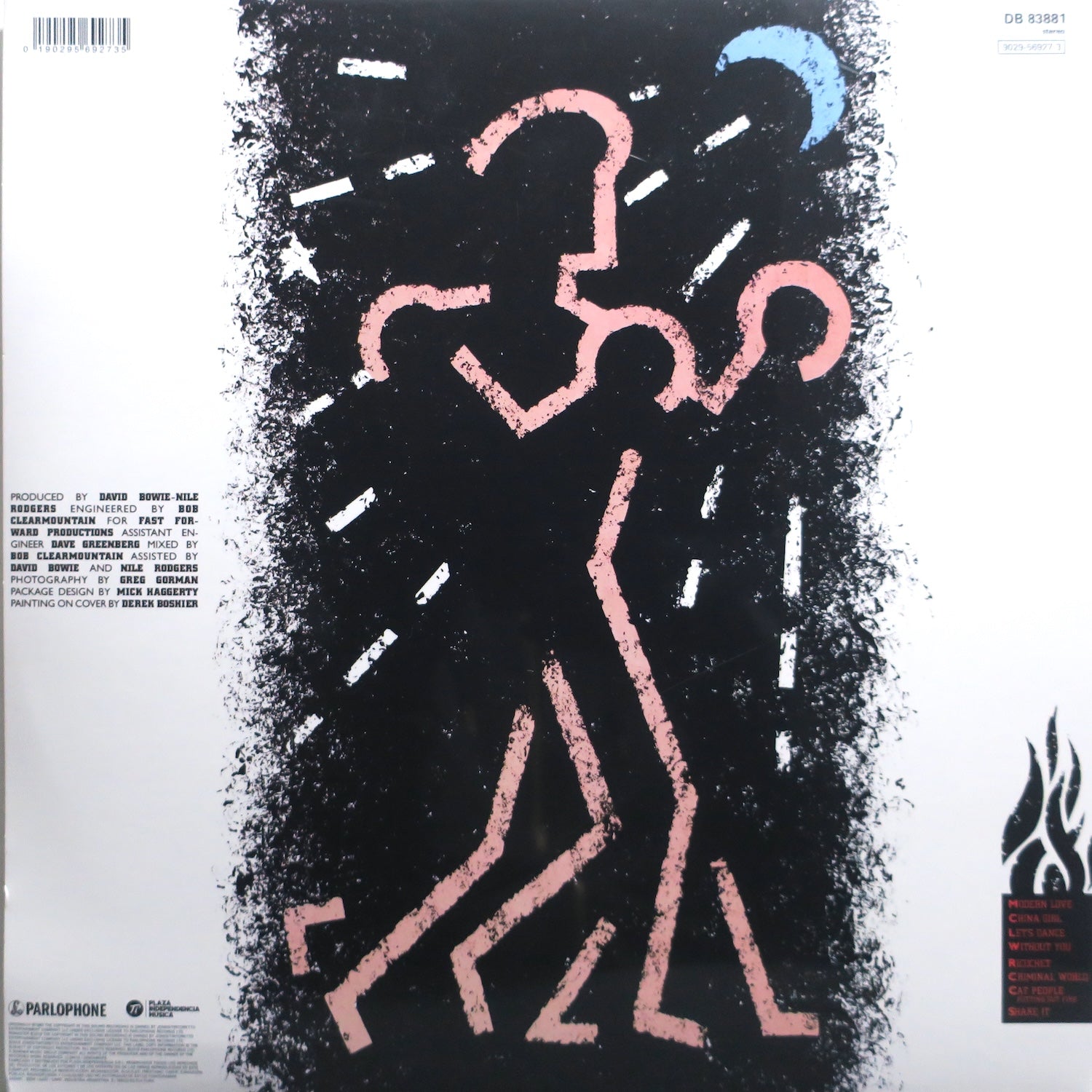
David Bowie treated pop style as a working instrument: persona, production and songcraft shifted in step so that each new record sounded like a deliberate experiment in how rock could look and feel. That impulse—to reinvent performance as much as music—kept listeners guessing from the glam theatre of Ziggy Stardust to the spare electronics of his Berlin period and the radio-ready pop of Let's Dance.
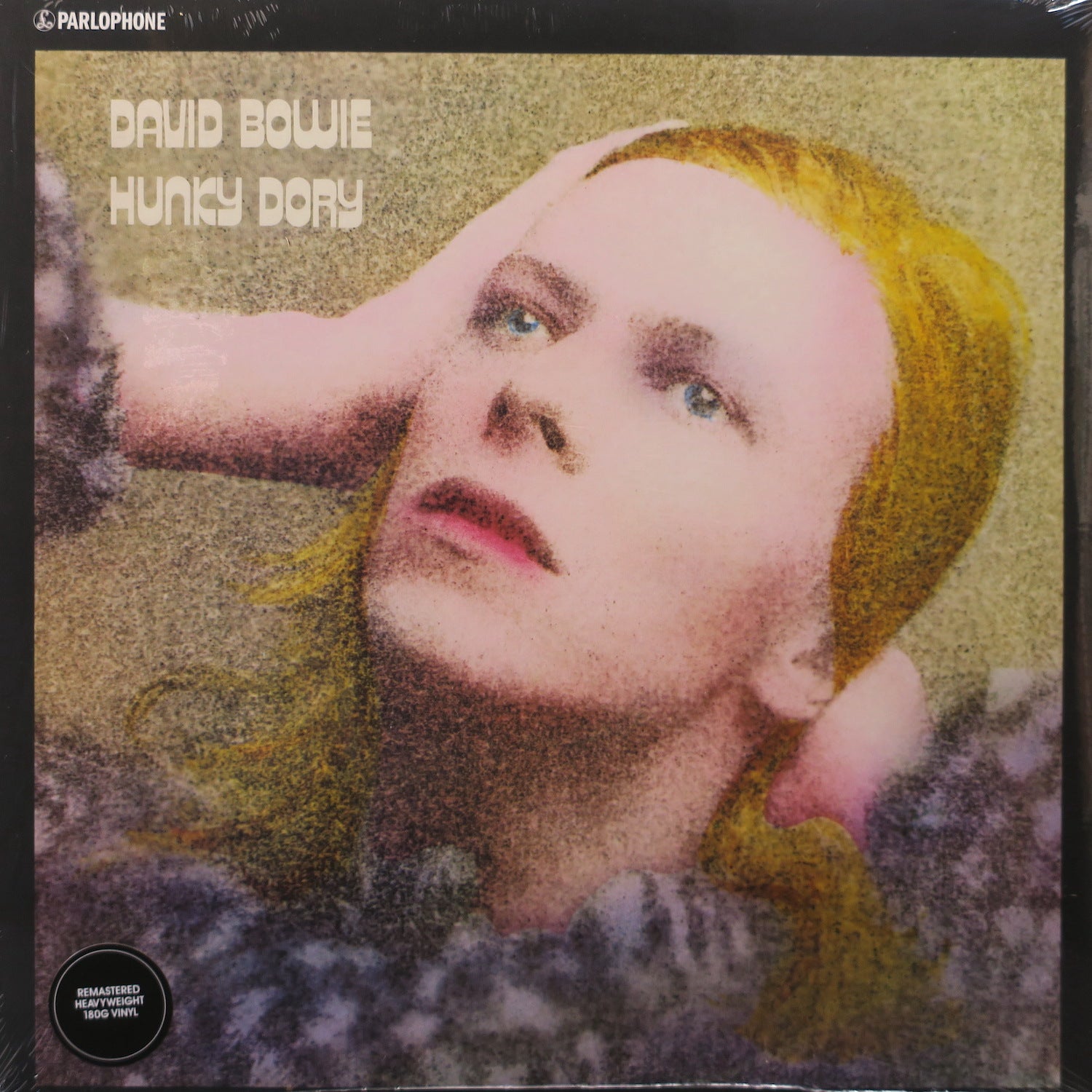
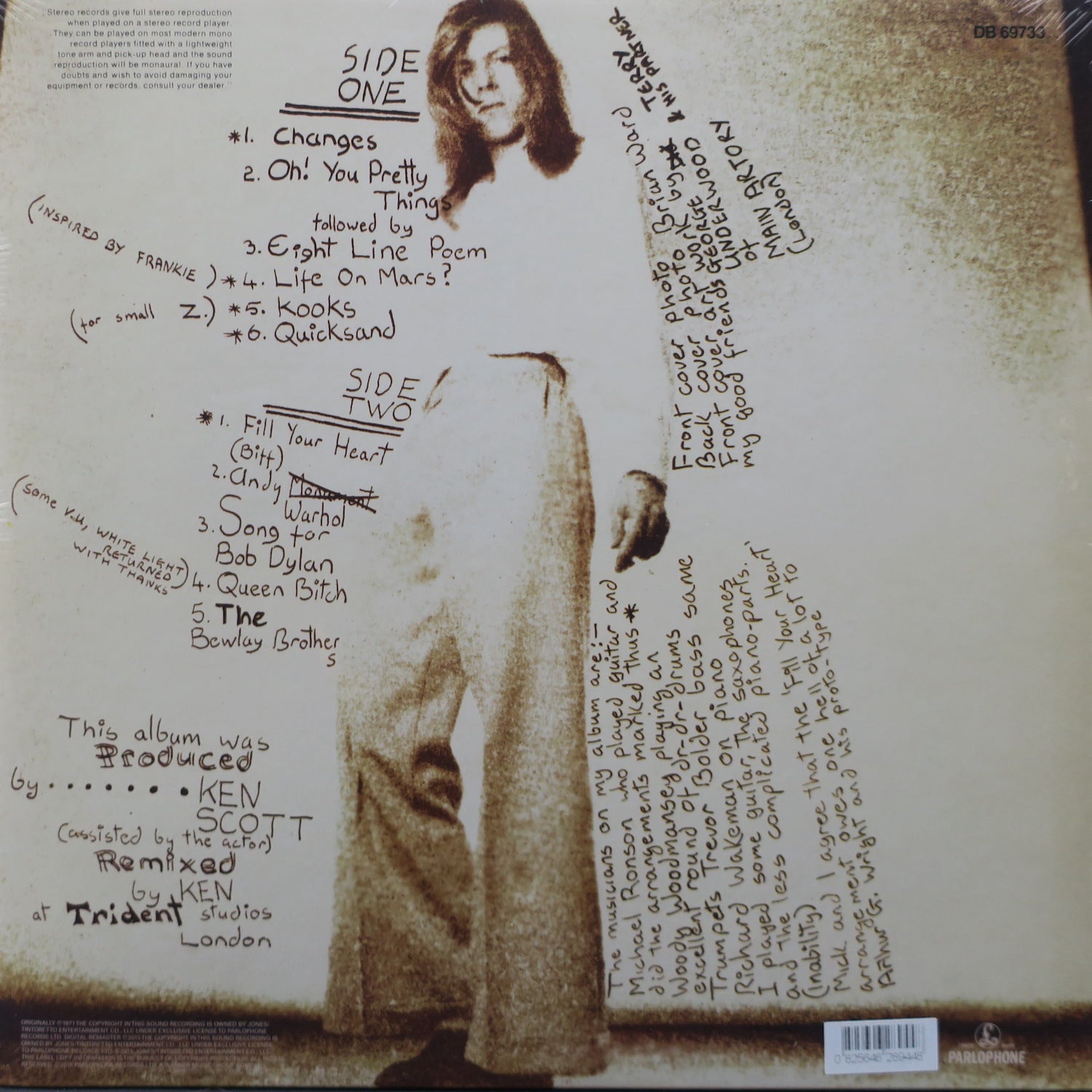
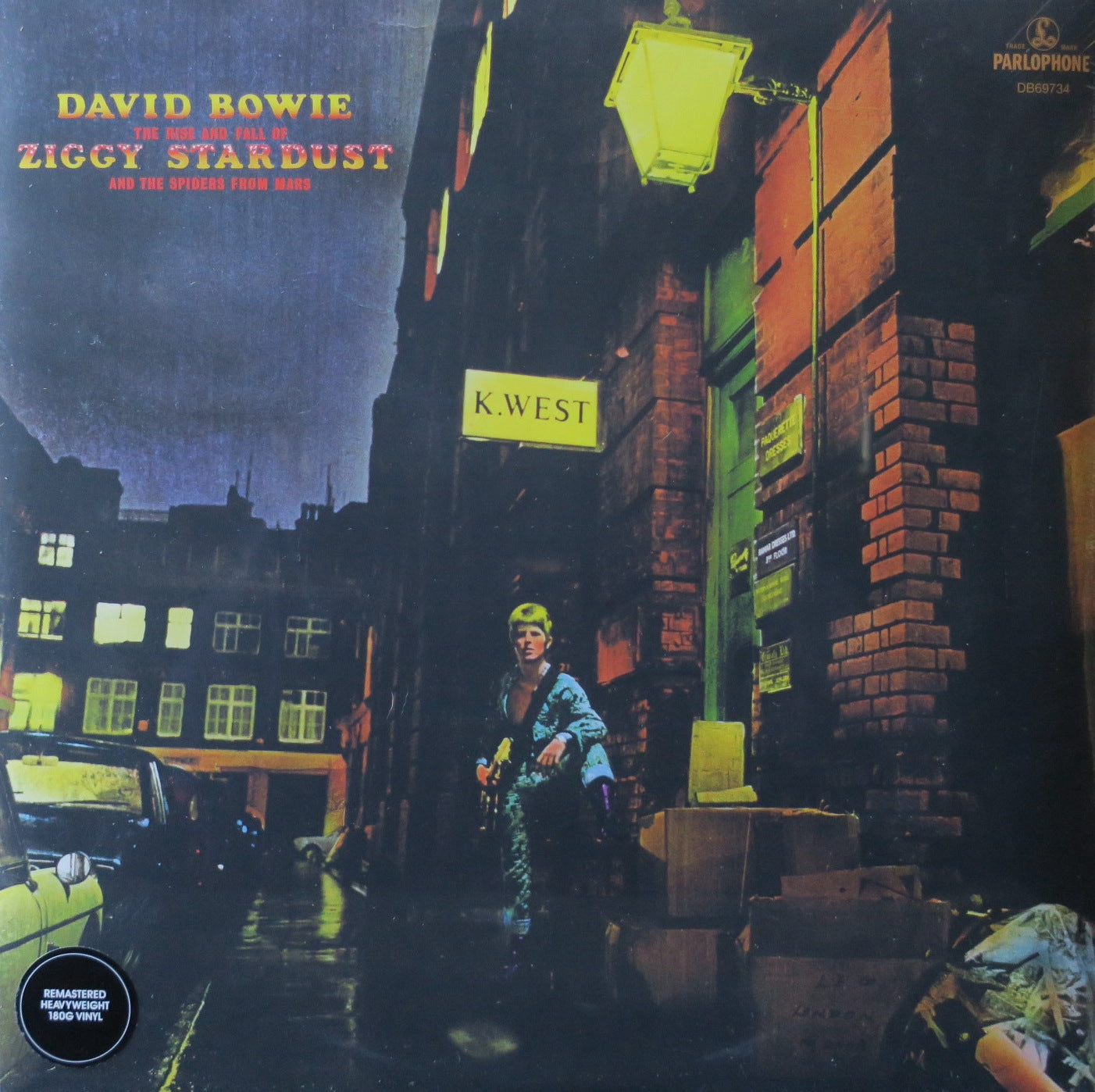
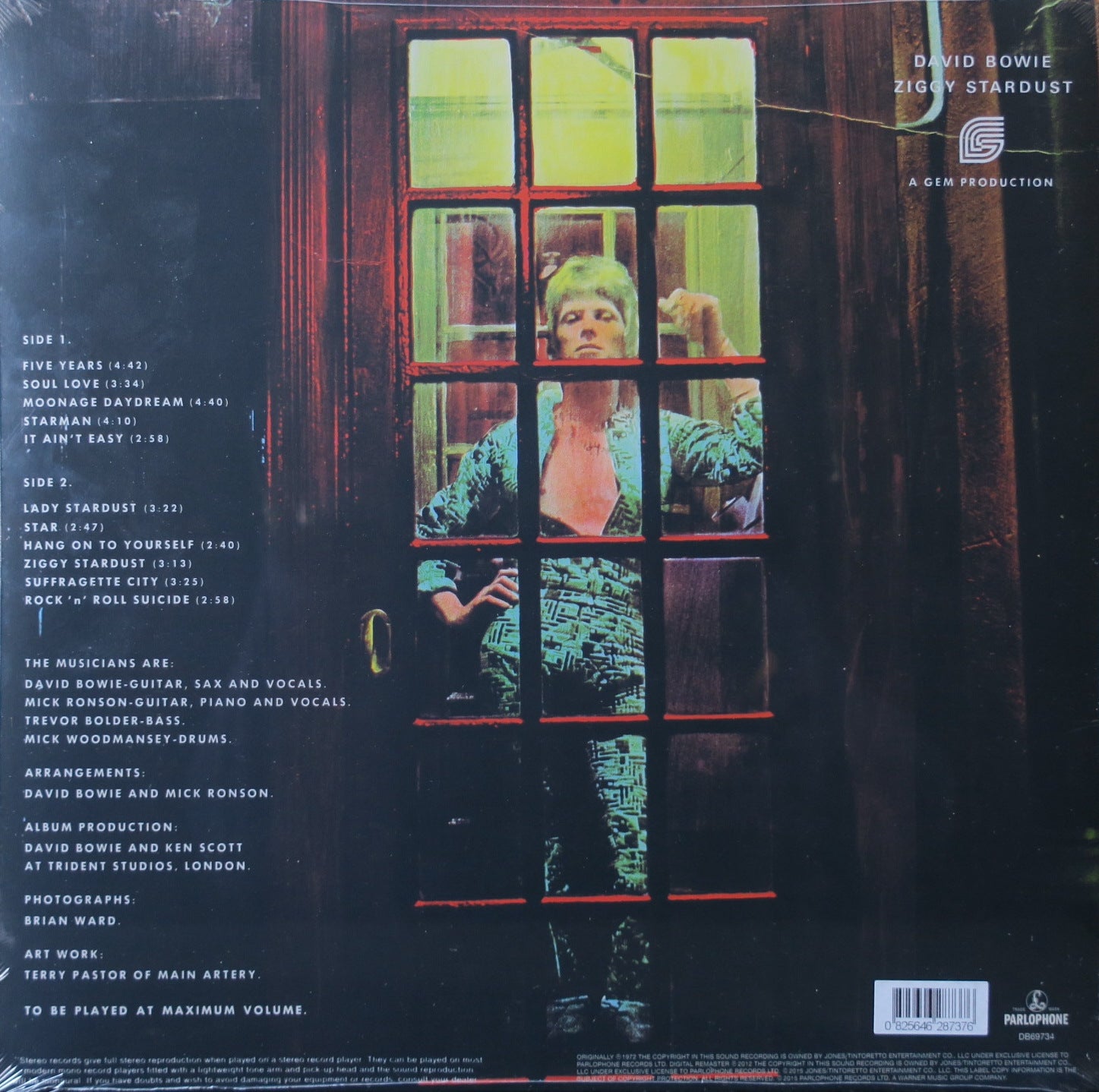
Bowie’s early breakthrough came with Hunky Dory and The Rise and Fall of Ziggy Stardust and the Spiders from Mars, records that fused literate songwriting with theatrical presentation. Guitarist and arranger Mick Ronson and the Spiders from Mars gave those songs muscular, melodramatic backing; producer Tony Visconti, who returned across decades, helped translate Bowie's shifting ideas into studio realities. Those albums mattered because they made persona part of the record—Ziggy was not just a costume but a narrative device that let Bowie bend audience expectations.
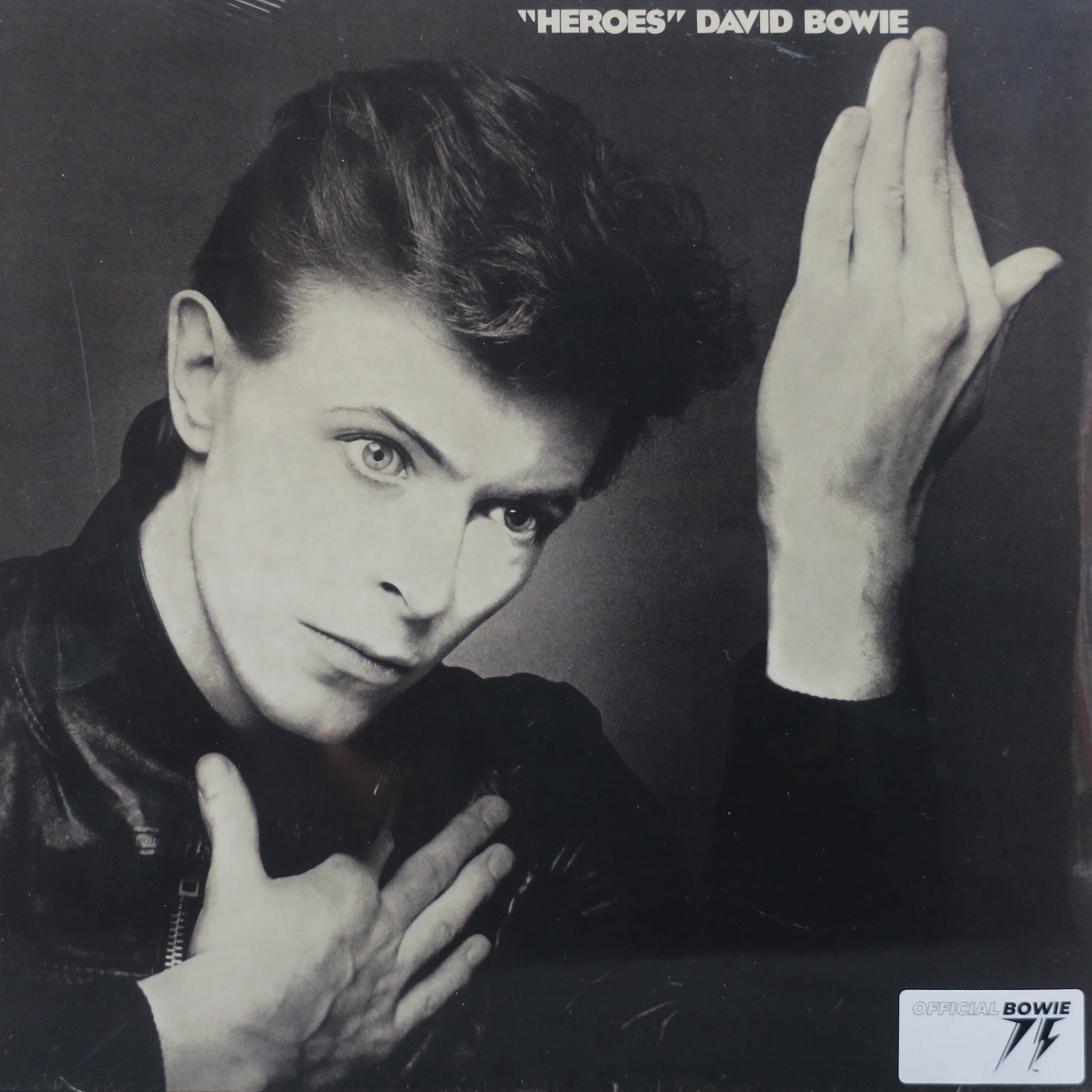
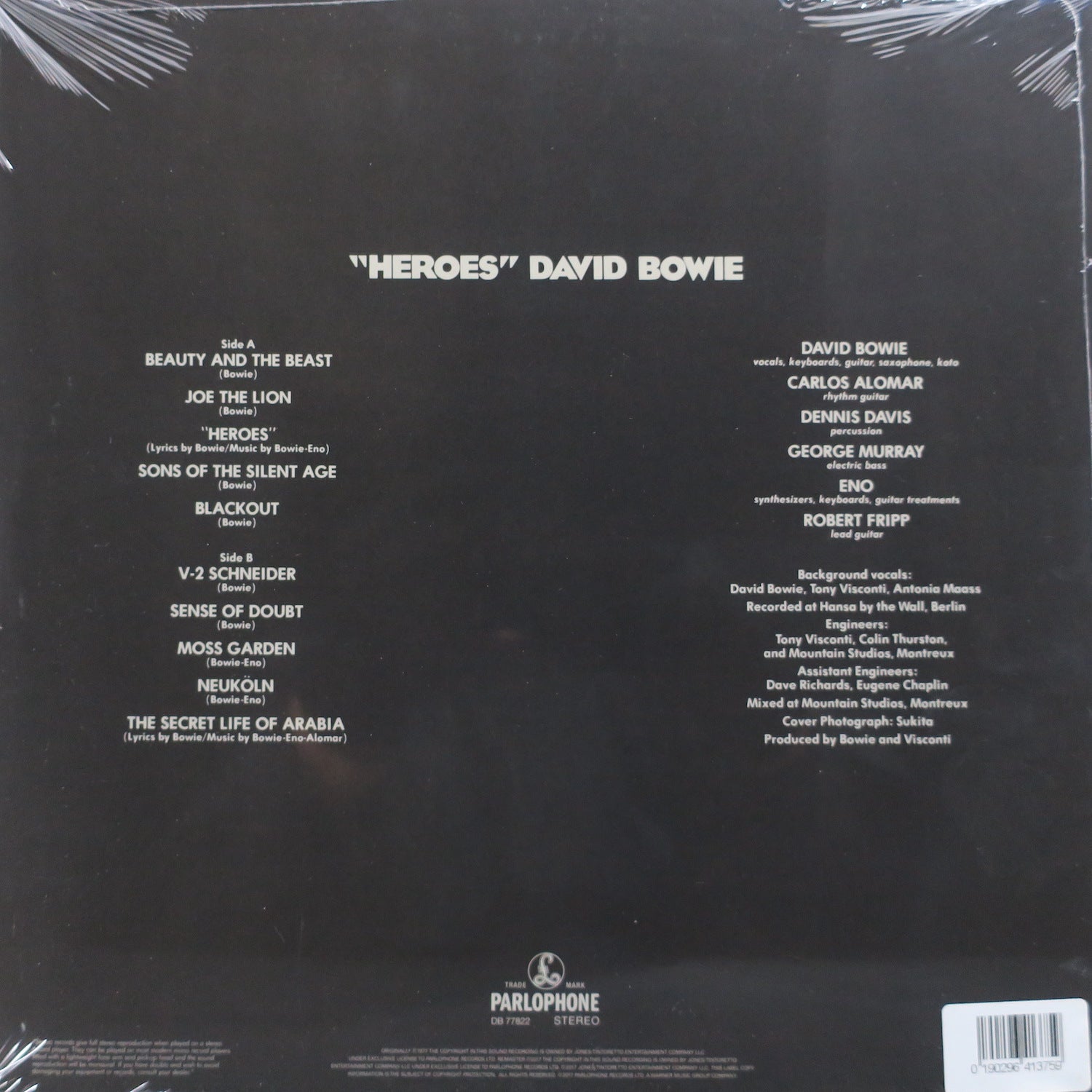
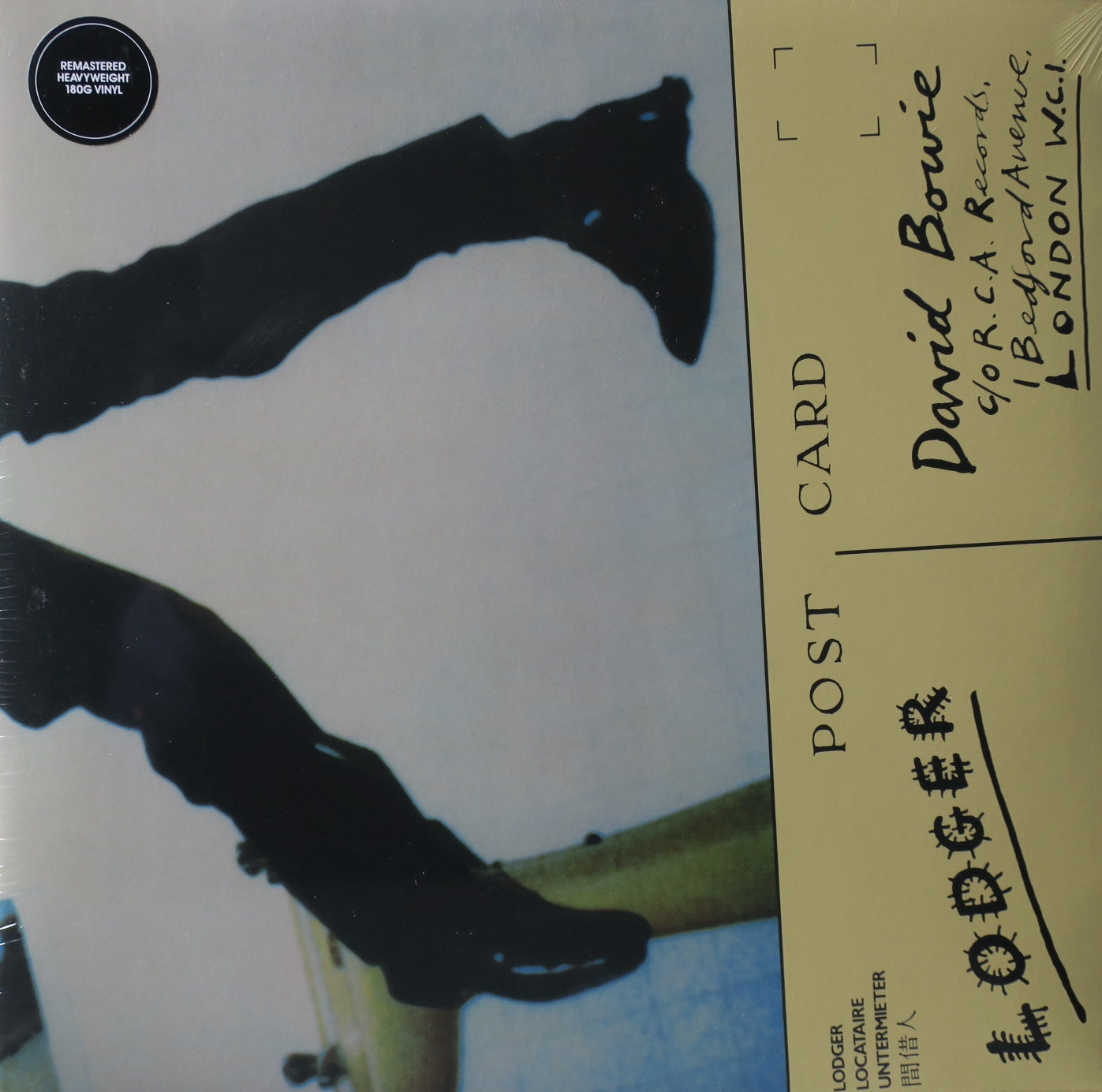
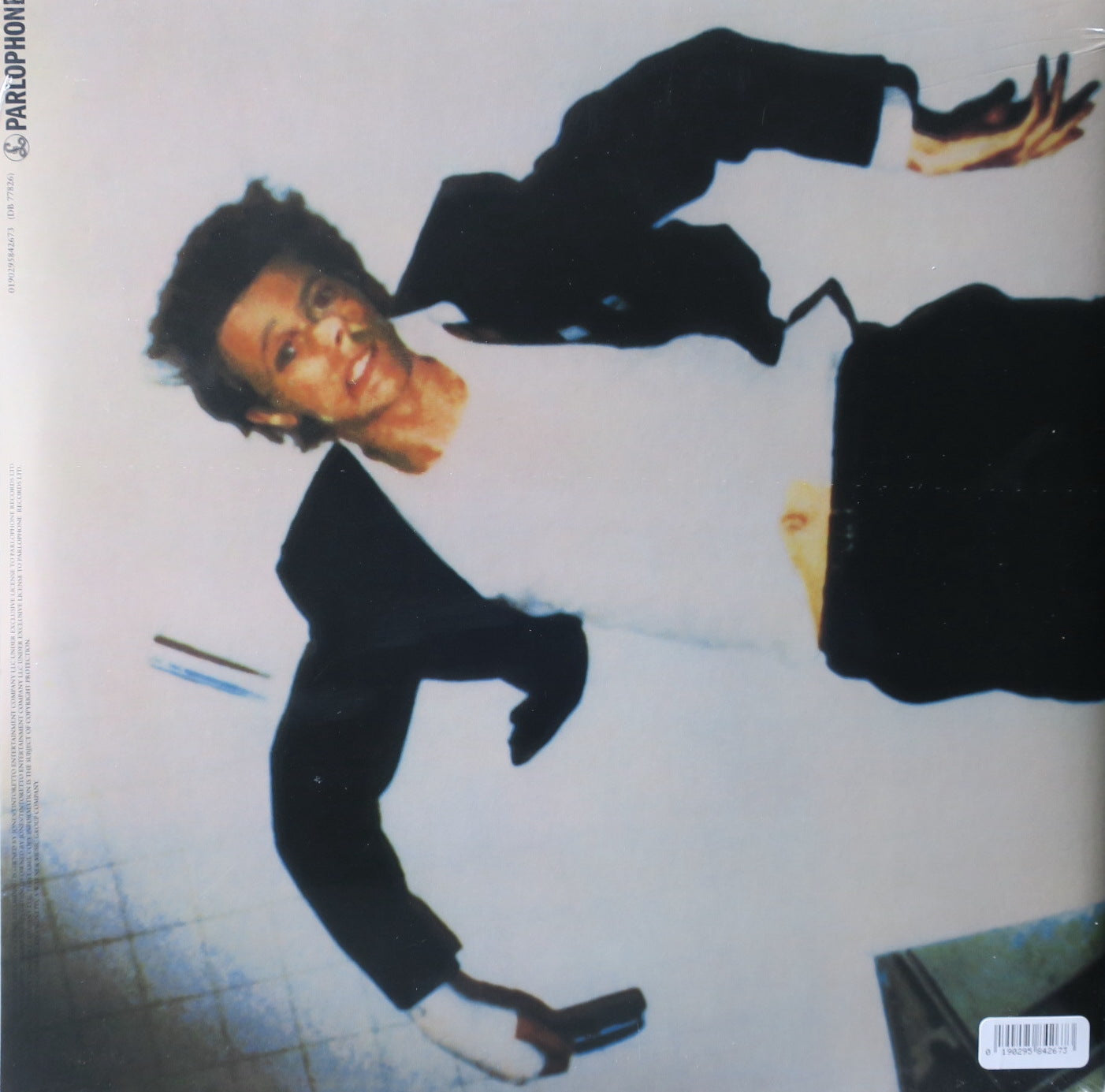
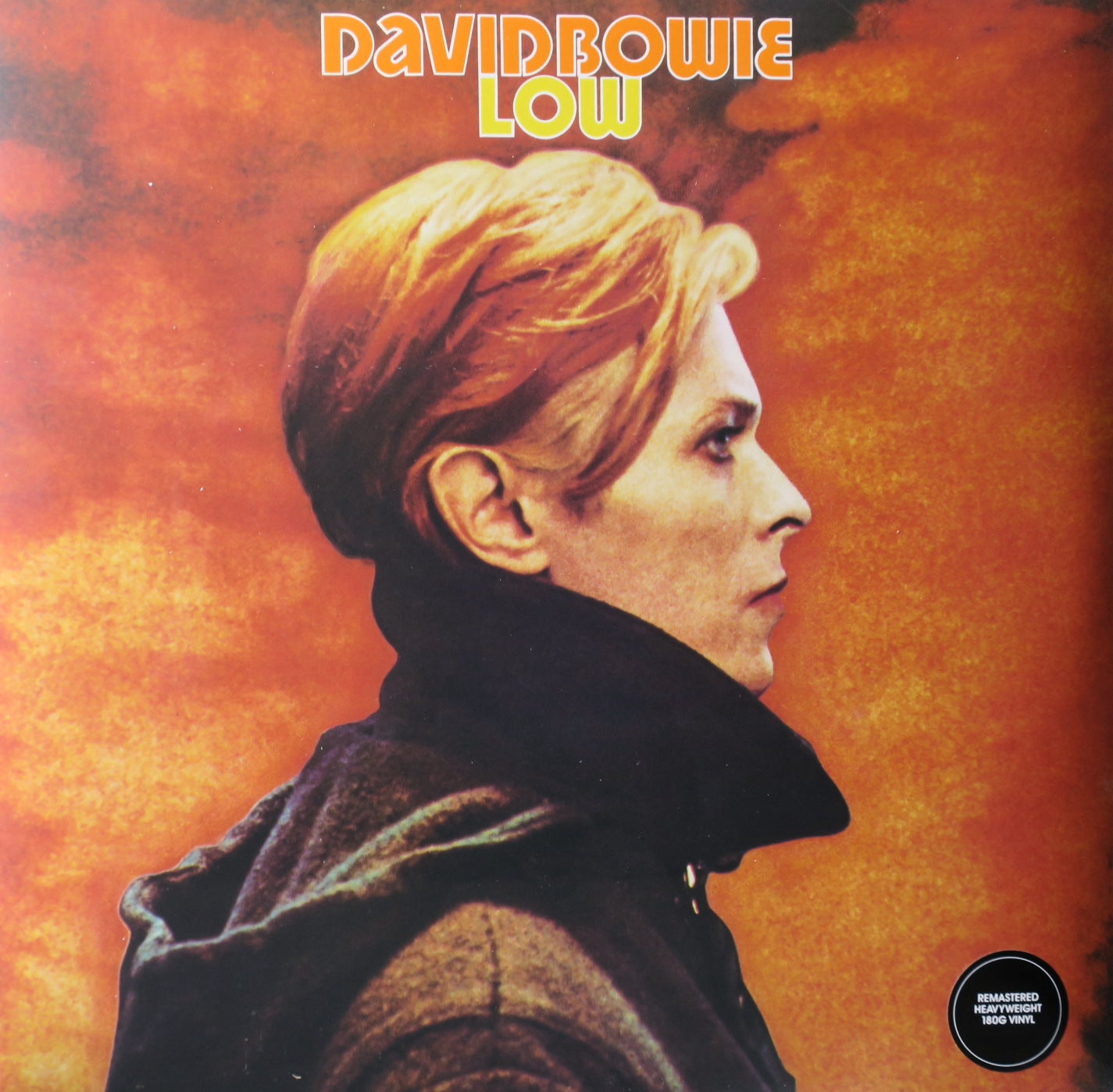
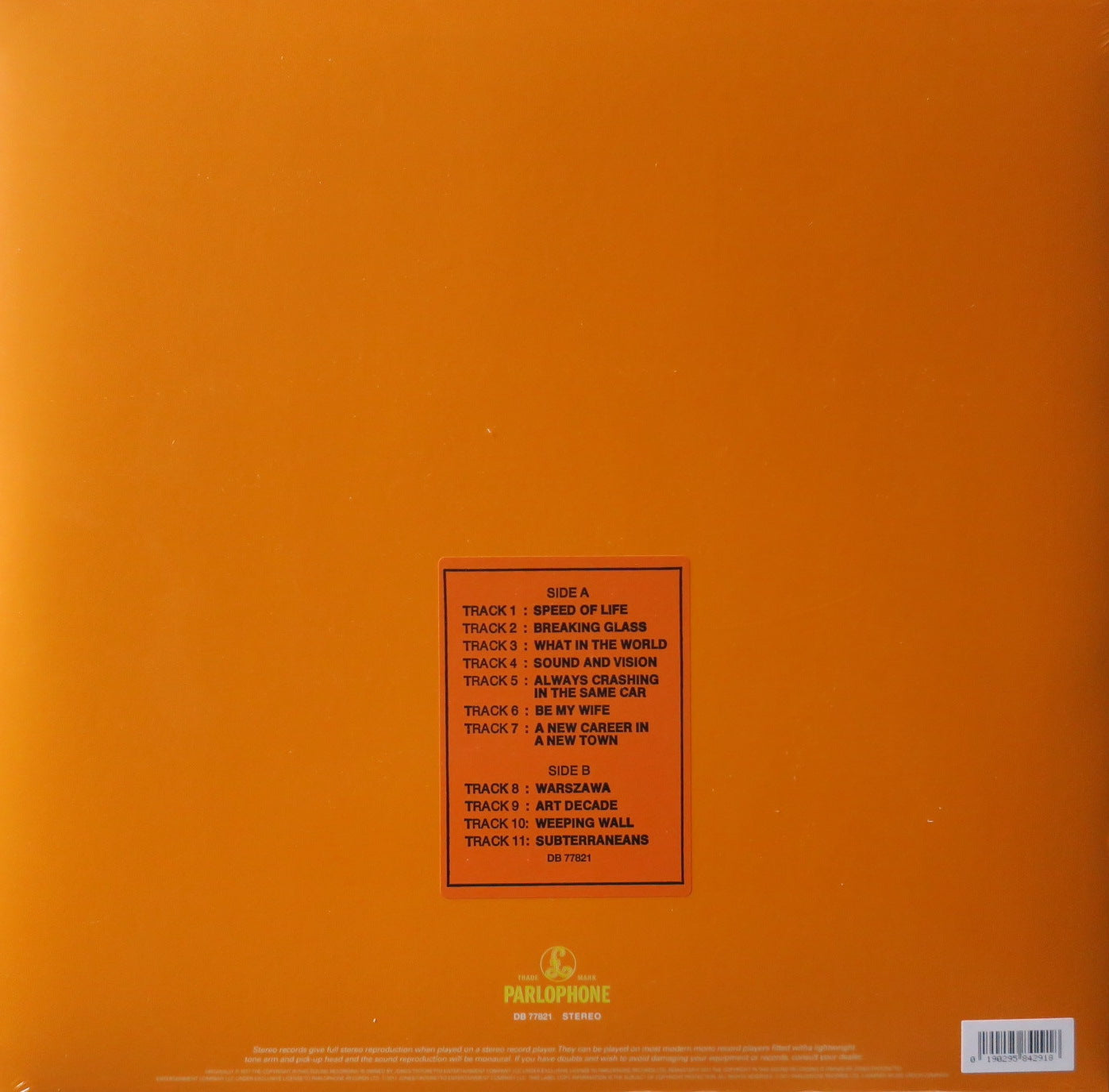
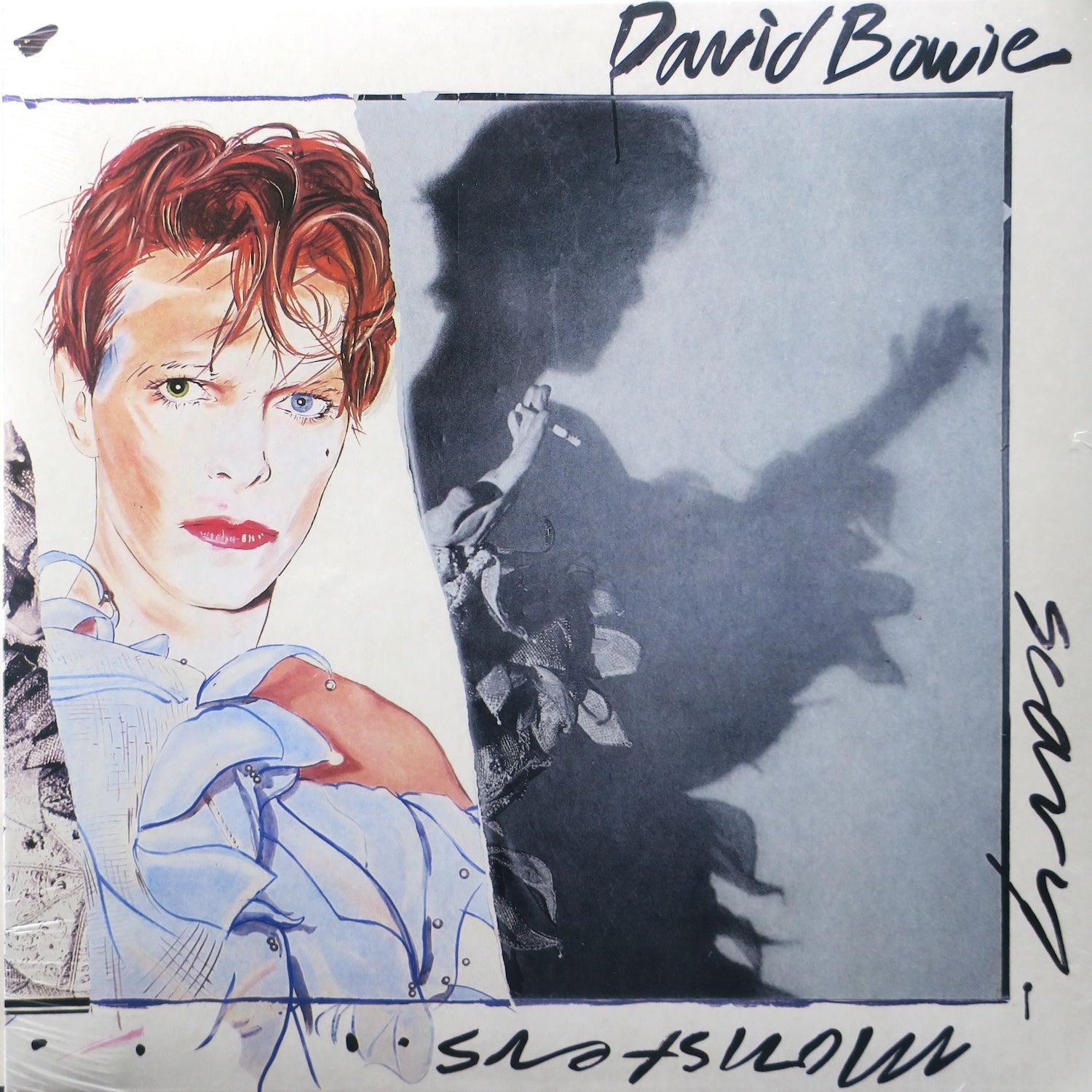
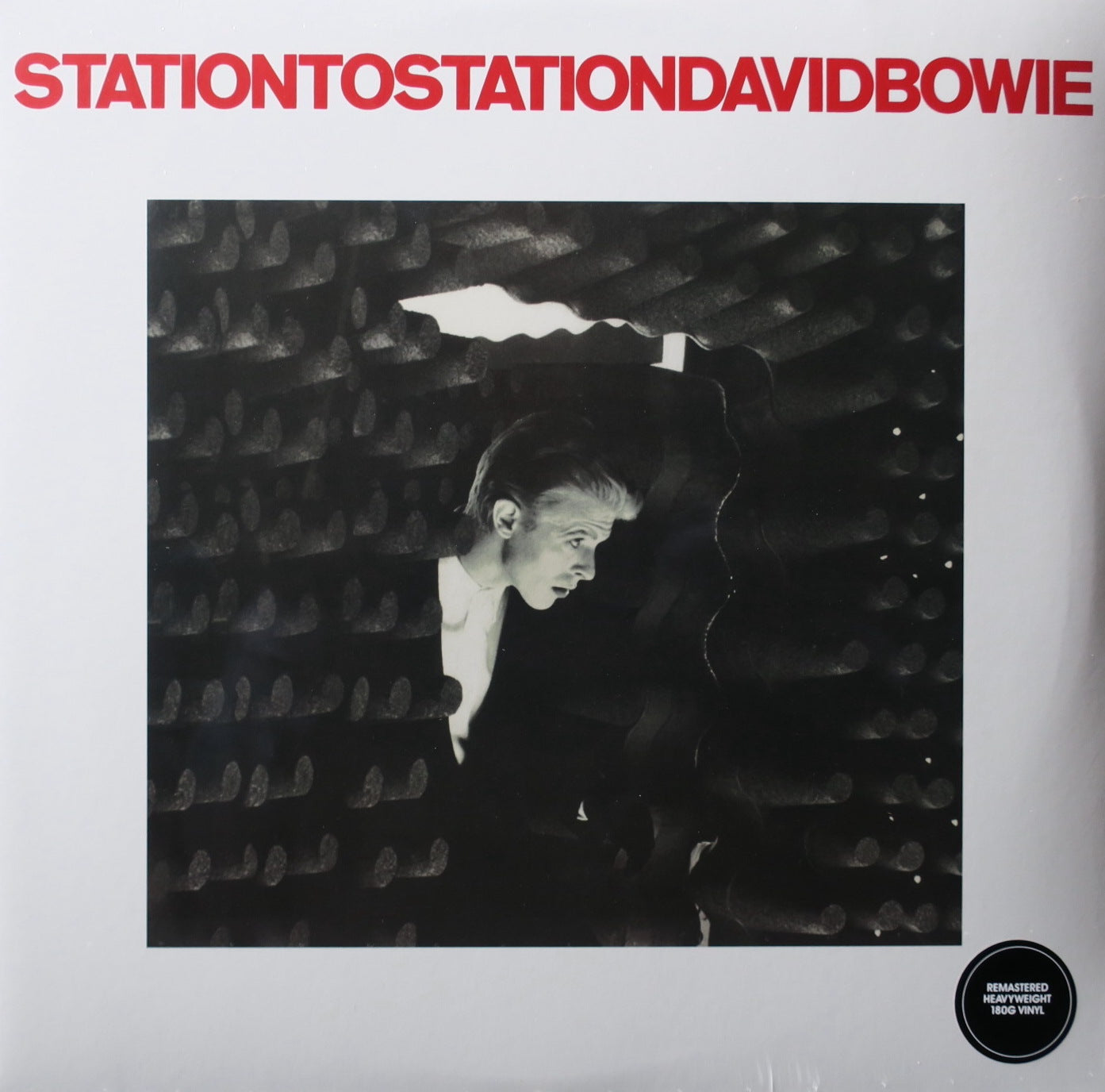
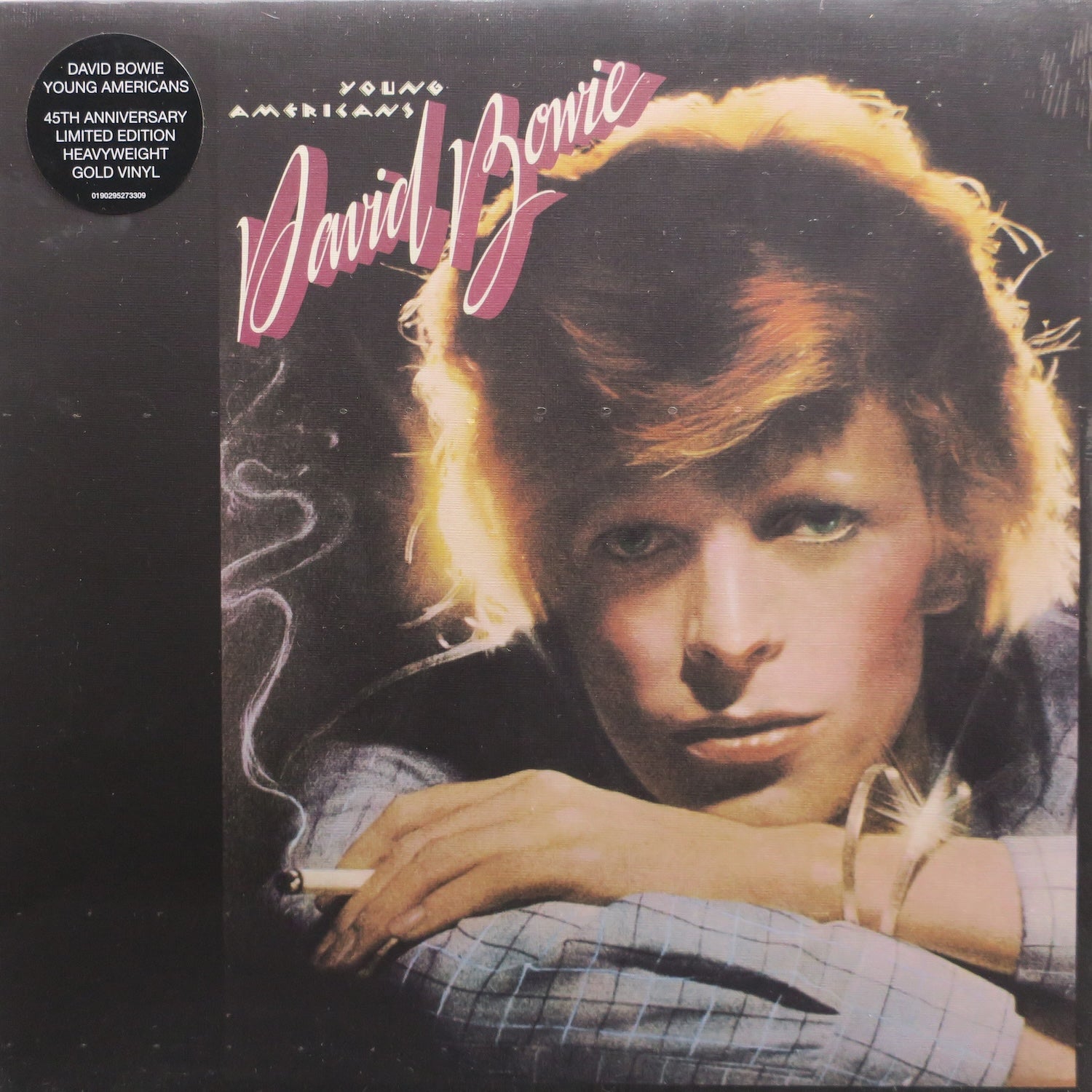
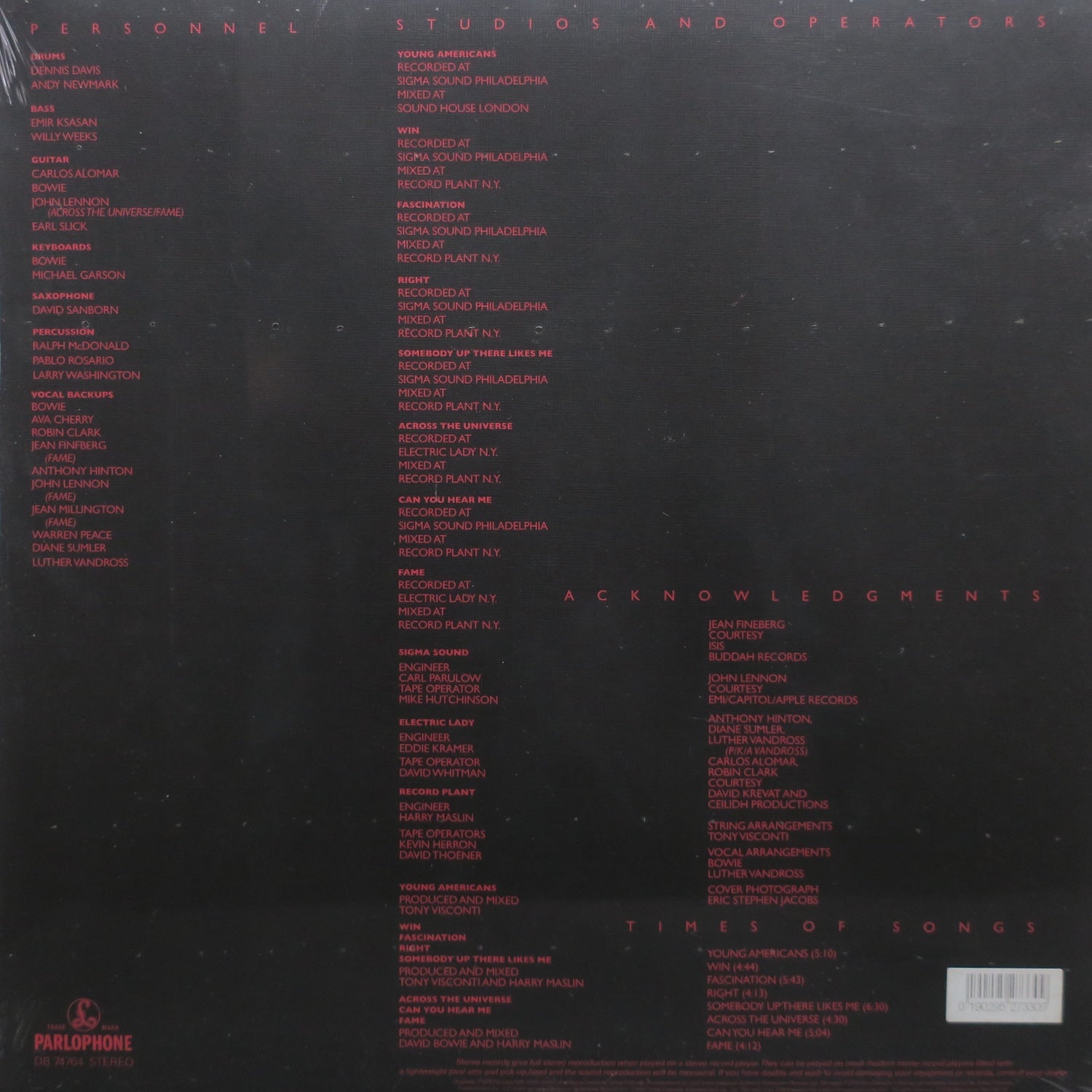
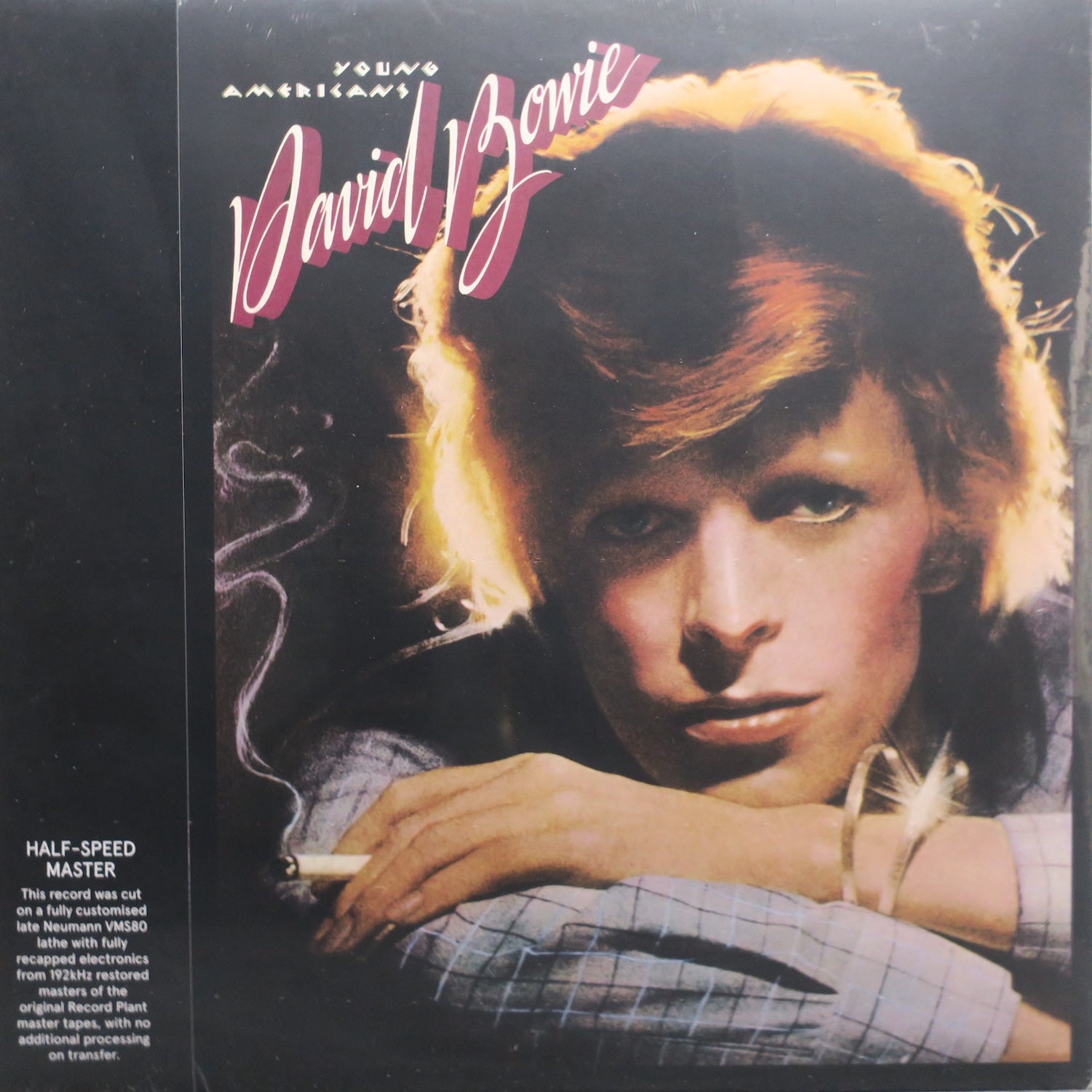
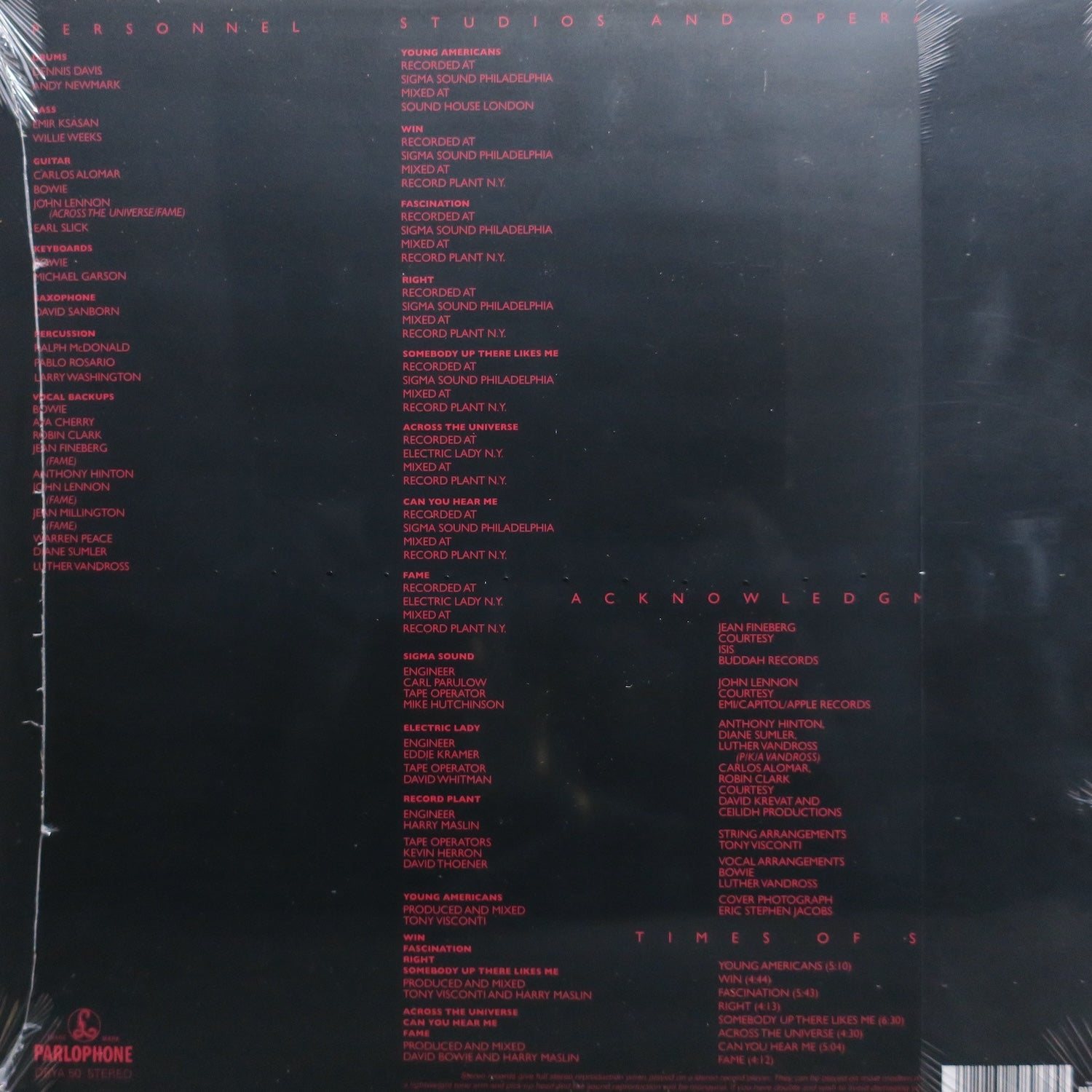
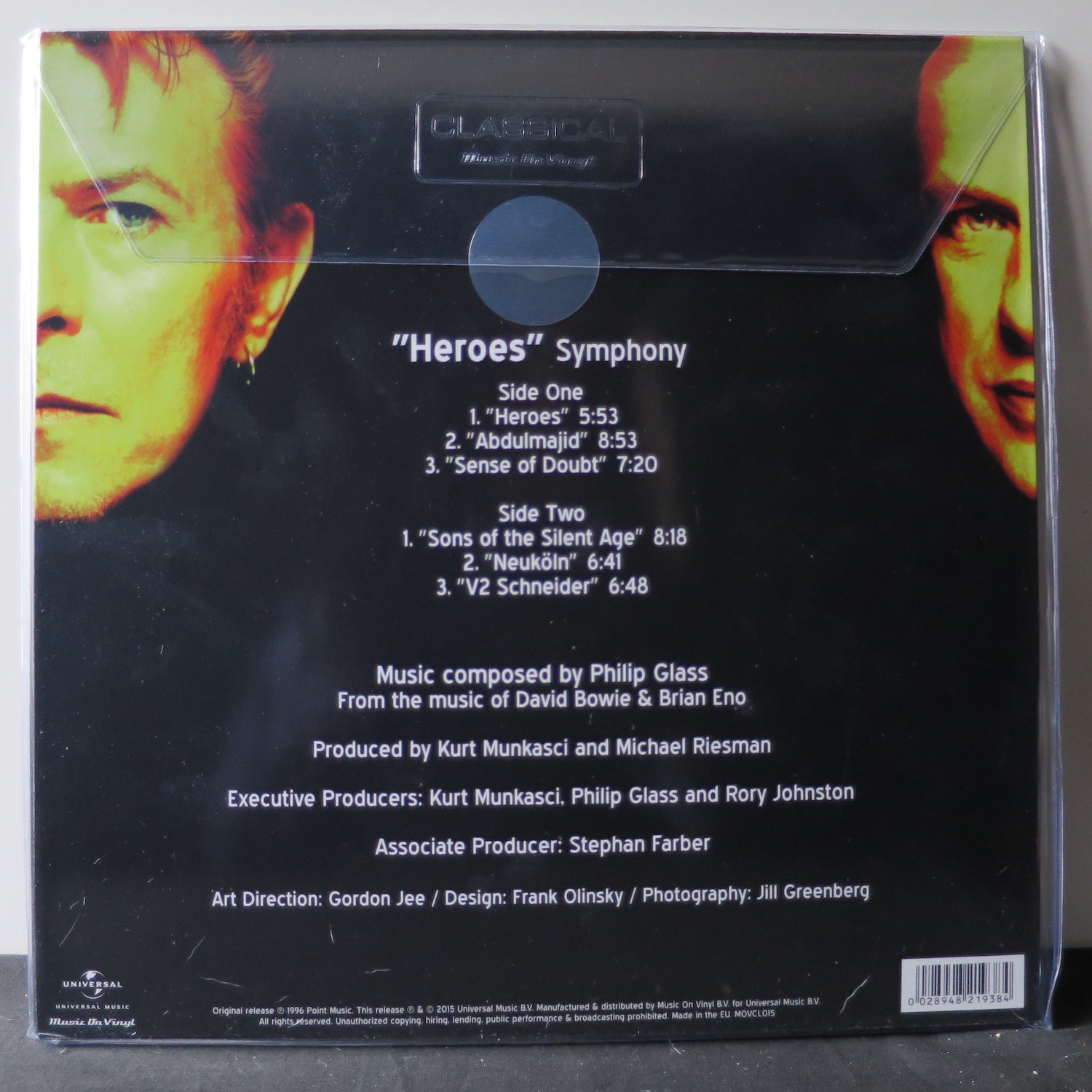
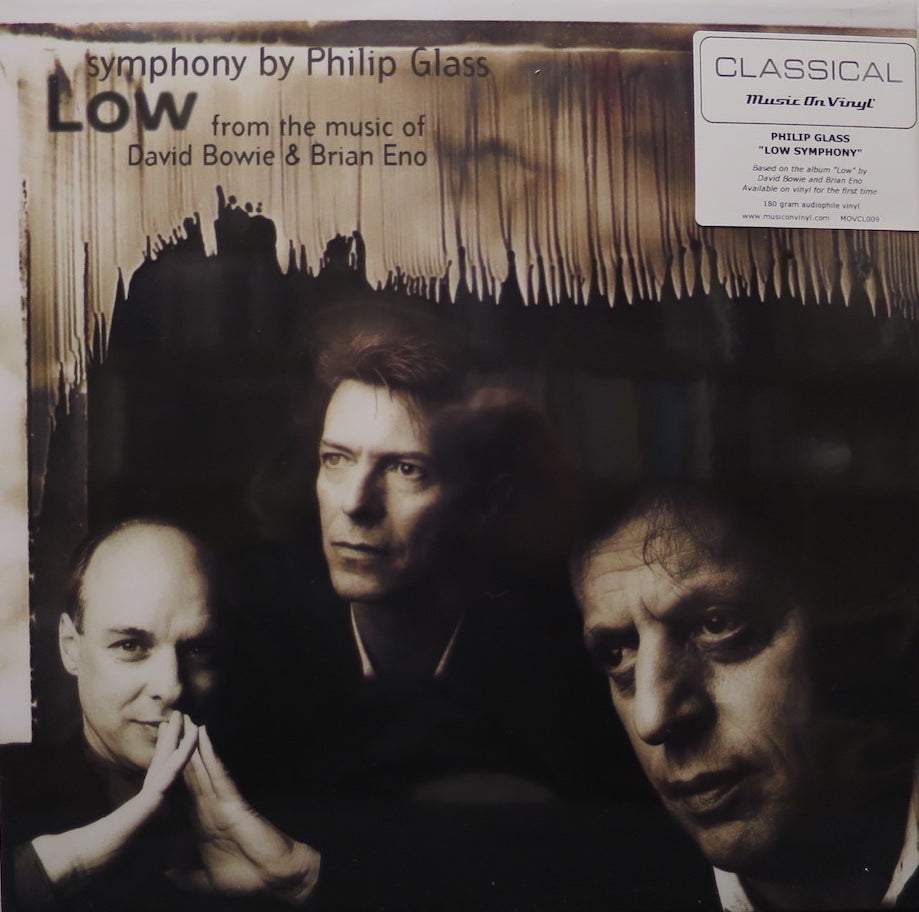
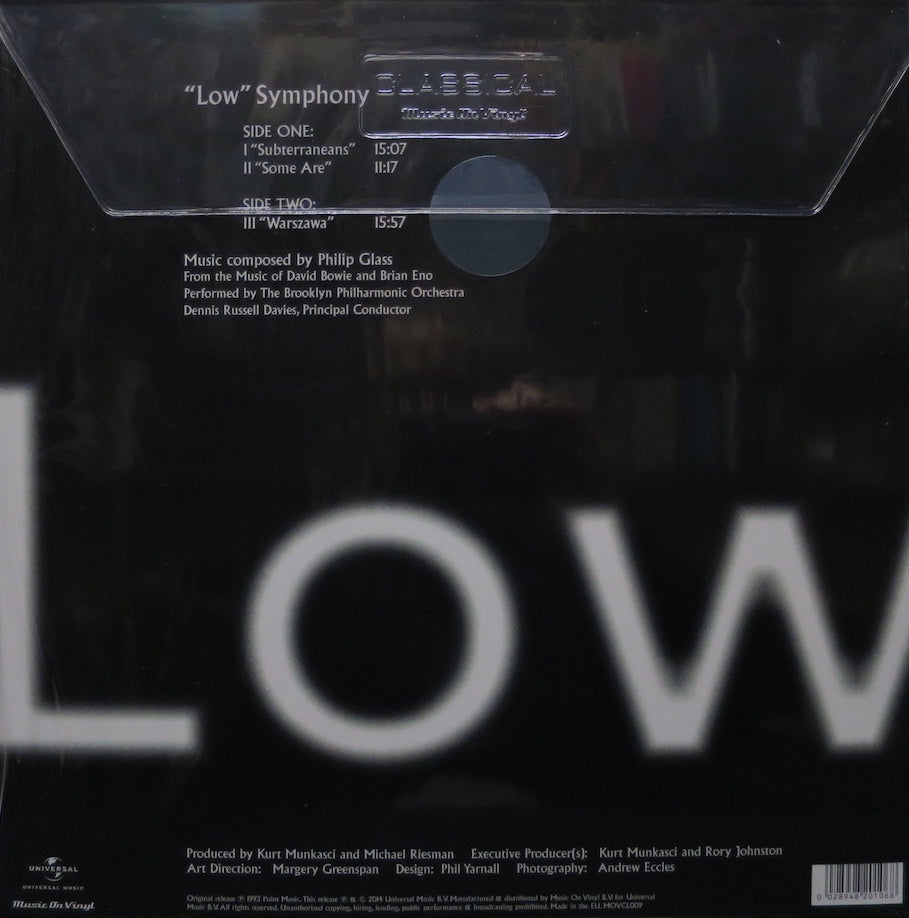
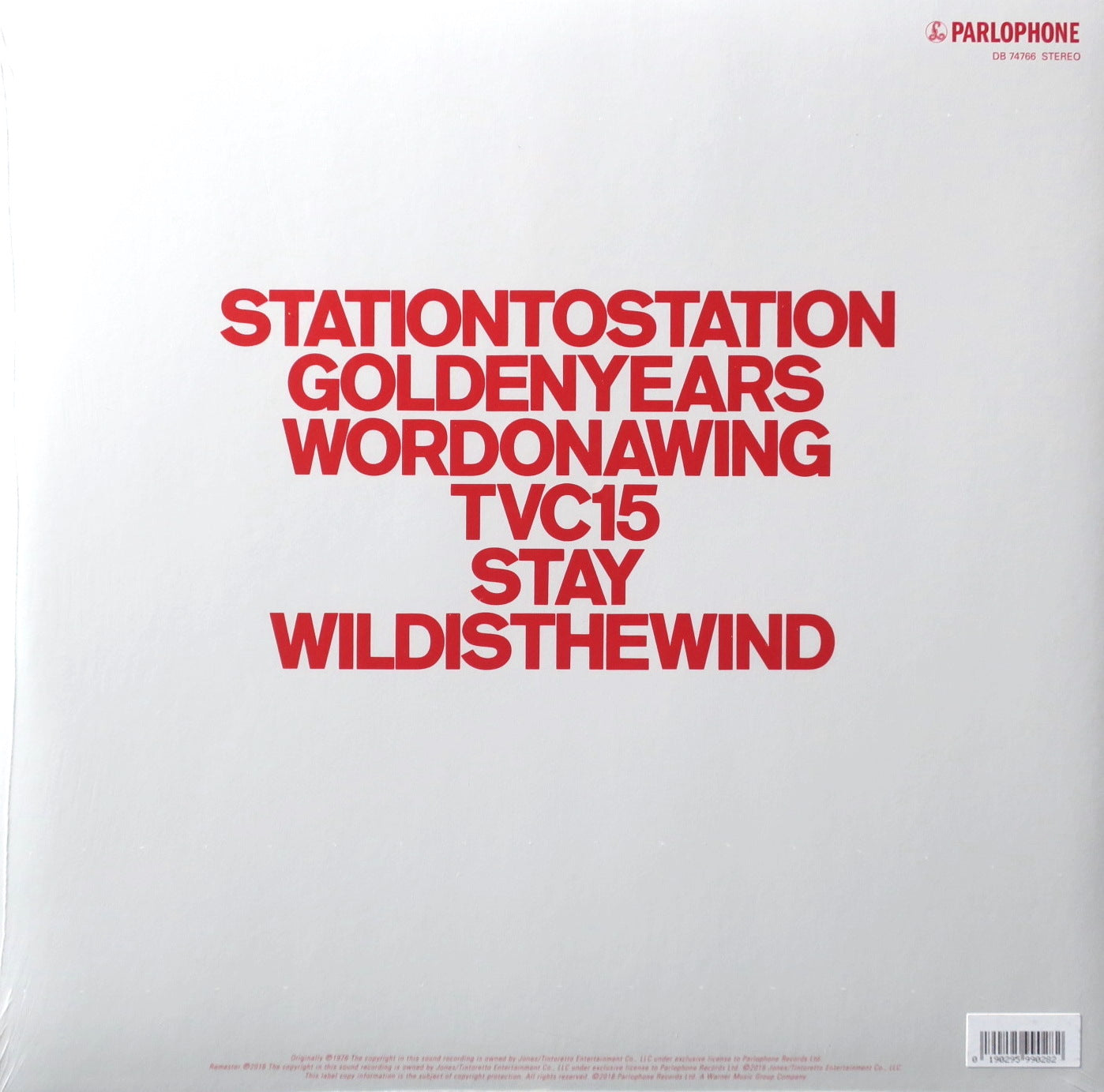
By the mid-1970s Bowie was moving through soul and funk on Young Americans, then into the sleek, high-energy pop of Let's Dance. The late-1970s Berlin years, made with Brian Eno and Visconti, introduced a cooler, fragmentary approach: Low, "Heroes" and Lodger traded verse-chorus immediacy for texture, ambient pieces and fractured songwriting. Those sessions absorbed the era's interest in European electronic music—Kraftwerk and experimental composers were audible reference points—and they reshaped how rock producers used studio space.
Bowie’s role as collaborator and mentor is central to his story. He produced and played on Iggy Pop’s career-reviving records, shared creative time with Brian Eno, and worked with a rotating cast of players and producers who pushed him in new directions. That restless curiosity made him a bridge between pop songcraft and more experimental currents: the theatricality of glam, the aesthetics of art rock and the early adoption of synthesizers all appear across his catalog.
What remains compelling is the willingness to risk alienating parts of his audience in order to pursue new sounds. That volatility—the pleasure of not knowing what a new Bowie record might do—keeps the catalog alive for listeners today. Whether digging into Ziggy-era glam, the ambient shadows of Low, or the dance-floor sheen of Let's Dance, there is always an element that rewards close listening and invites a listener to reconsider how a pop record can be constructed.