Brian Eno
What would music sound like if its job was to change the way a room felt rather than demand attention? Brian Eno turned that question into a career-long experiment, creating records and production approaches that rethought texture, process and the role of the studio.
Eno first reached wider notice as a founding member of Roxy Music, contributing synth treatments and studio effects that stretched glam rock toward artful abstraction. Leaving the band in the early 1970s cleared space for solo records that mixed pop songwriting with off-kilter studio techniques. Here Come the Warm Jets and Another Green World pair charismatic, often fragmented songs with unusual arrangements and the strategic use of the studio as an instrument.
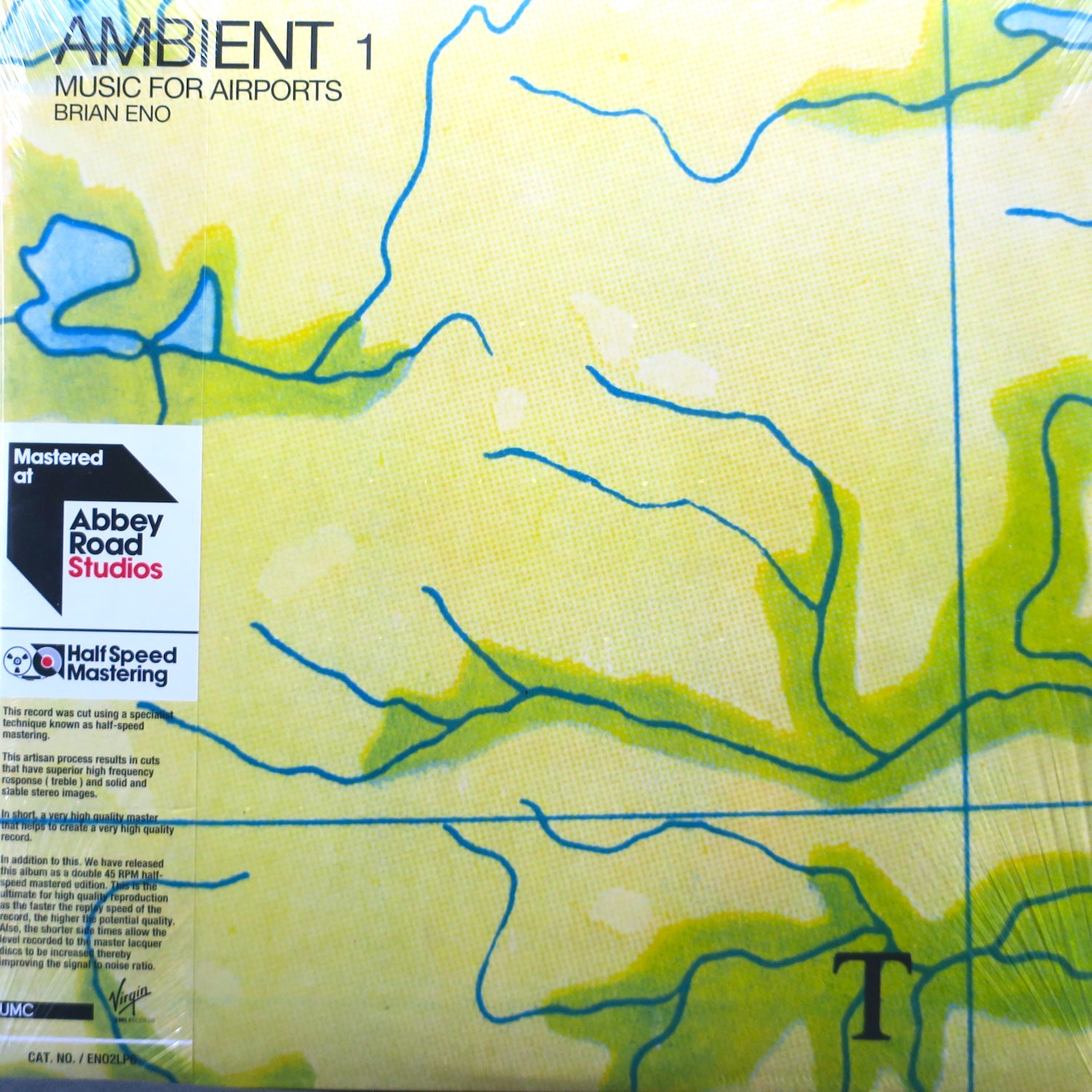
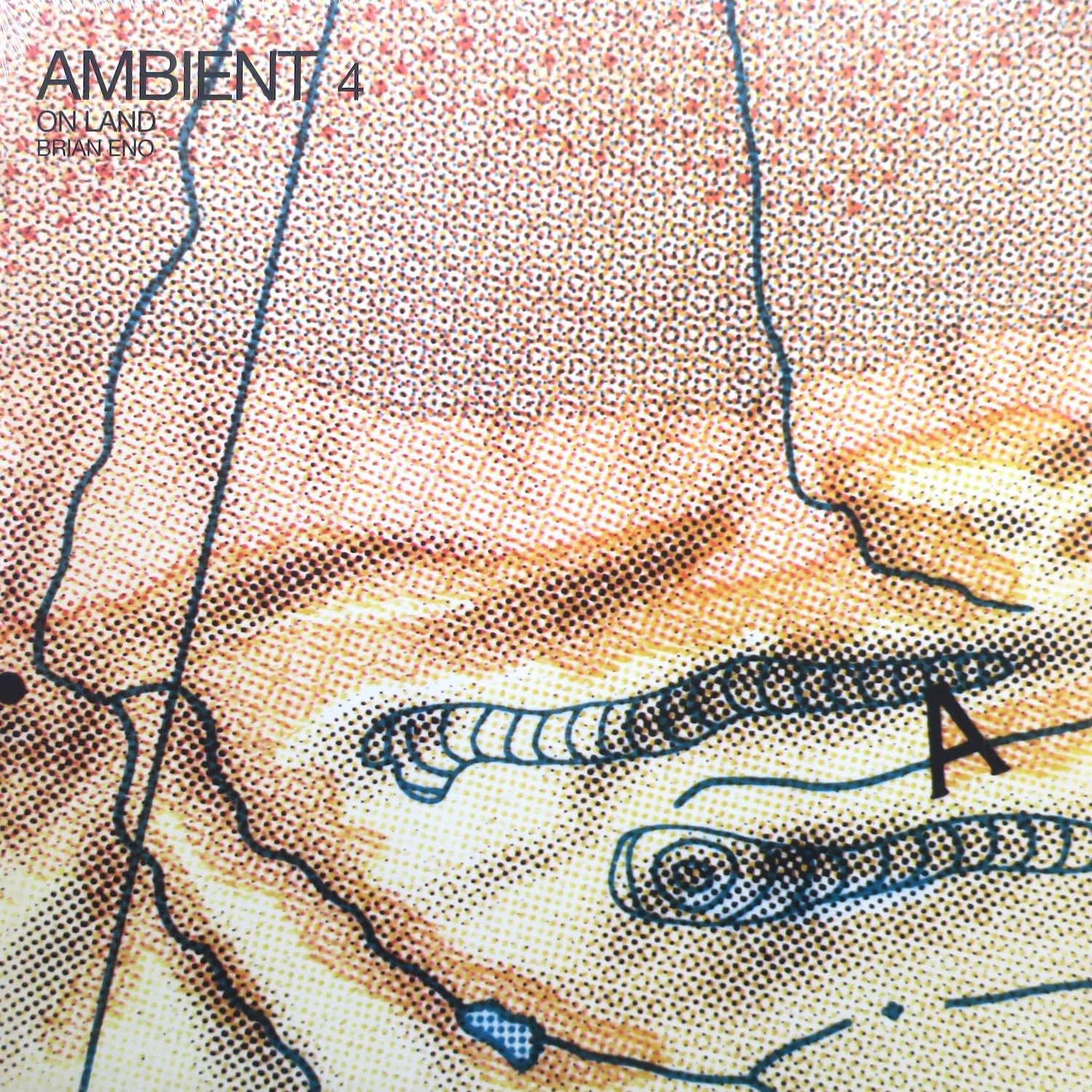
By the latter half of the decade Eno articulated something new: ambient music. Ambient 1: Music for Airports was presented as music that could accommodate both active listening and passive presence — calming but structurally interesting — and it helped give a name and a set of practices to music that prioritised atmosphere, sustained timbres and slow formal change. Discreet Music and later collaborations such as Apollo: Atmospheres and Soundtracks expanded those ideas toward minimalism, generative processes and treatment-based composition.
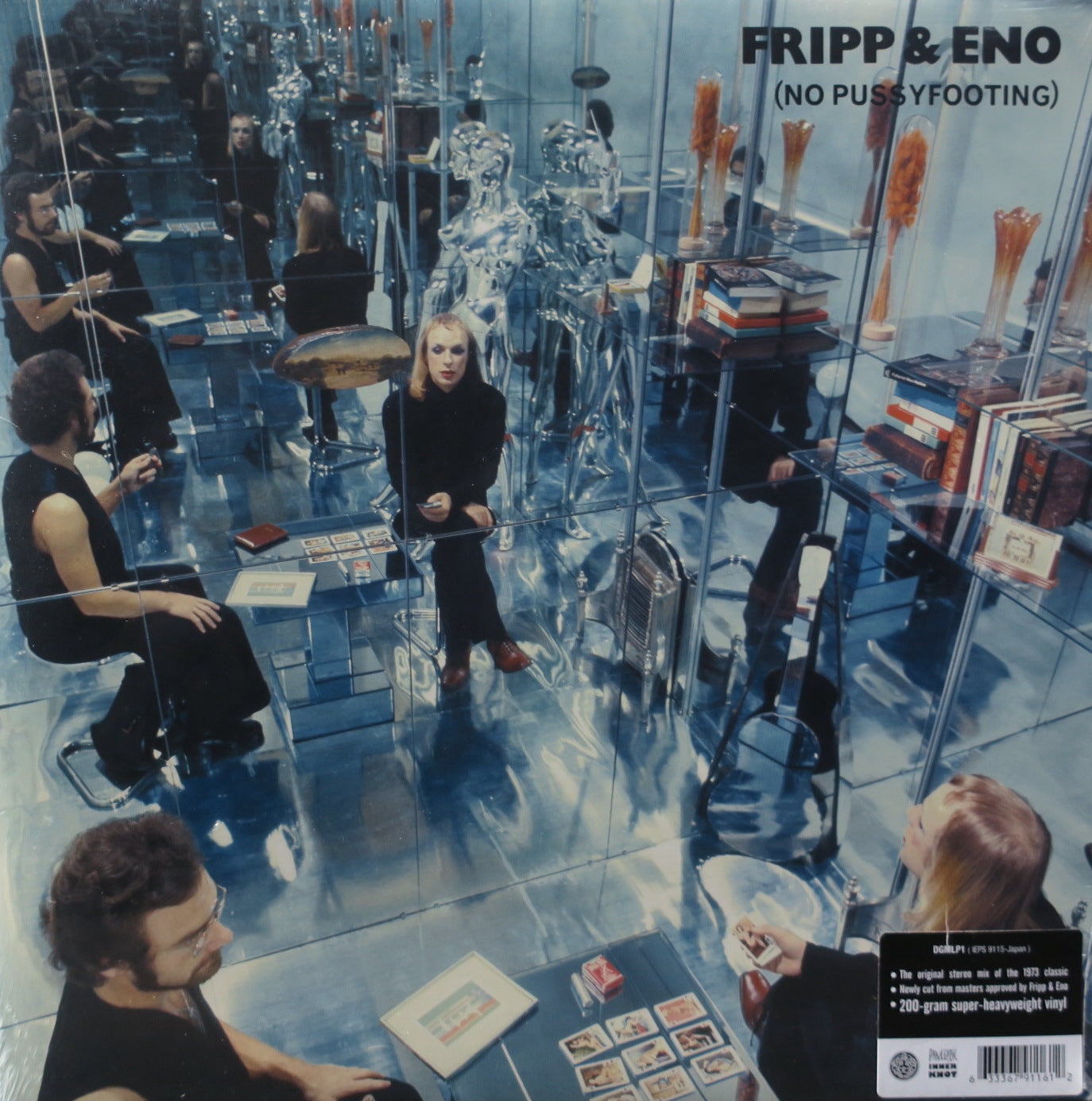
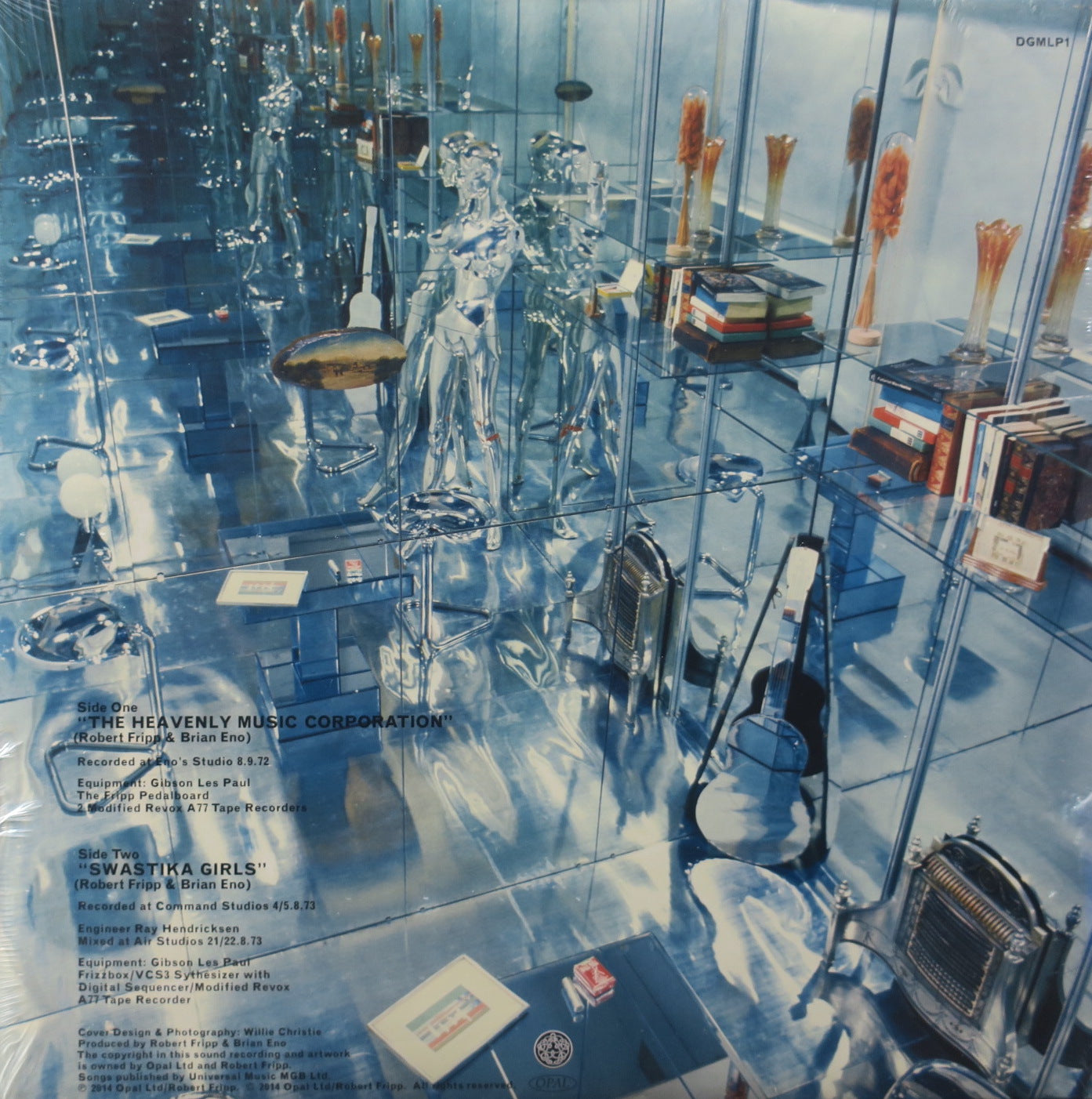
Production work is a central strand of Eno’s story. He applied his studio-minded approach to major acts: co-producing David Bowie’s Berlin-era records, shaping Talking Heads’ rhythm-driven experiments on Remain in Light, and partnering with Daniel Lanois on U2 projects that blended arena rock with ambient color. Collaborations with Robert Fripp (No Pussyfooting) and Harold Budd show another side of his practice — extended, meditative pieces assembled from tape loops and treated instrumentation.
Eno’s tools were sometimes physical — tape-loop systems, treatments, and the Oblique Strategies card deck he used to provoke new decisions — and later digital, with generative music applications that let systems compose within set parameters. His indebtedness to minimal composers and process-based music (artists such as Steve Reich offer a useful reference) is clear, as is his impact on later electronic and ambient producers who picked up his use of texture, space and non-linear composition.
Eno matters because his projects consistently asked: what does it mean to make music that organizes attention, mood and environment? Whether on a song-based record, a film soundtrack or an installation, his work reframes listening as a design problem — one that continues to inform contemporary electronic, ambient and art-rock practice.