Robert Fripp
Robert Fripp turned the electric guitar into a studio instrument and an ongoing compositional process: looping, layering and treating sustained tones so that a single note could become a landscape. That idea—guitar as texture and system—made Fripp less a traditional soloist and more a maker of sonic architecture, whether solo, in King Crimson or alongside Brian Eno.
Fripp is inseparable from King Crimson, the band he founded and repeatedly reinvented. Early albums such as In the Court of the Crimson King and later crucible records like Larks' Tongues in Aspic and Discipline show a restless willingness to change lineups, styles and aims. The 1980s Discipline lineup with Adrian Belew and Tony Levin emphasized interlocking guitars and rhythmic precision; earlier eras featured the jazzy push of Bill Bruford. Those personnel shifts weren’t trivia—each new cast reset what the group could sound like and kept Fripp at the center of progressive rock’s evolving vocabulary.
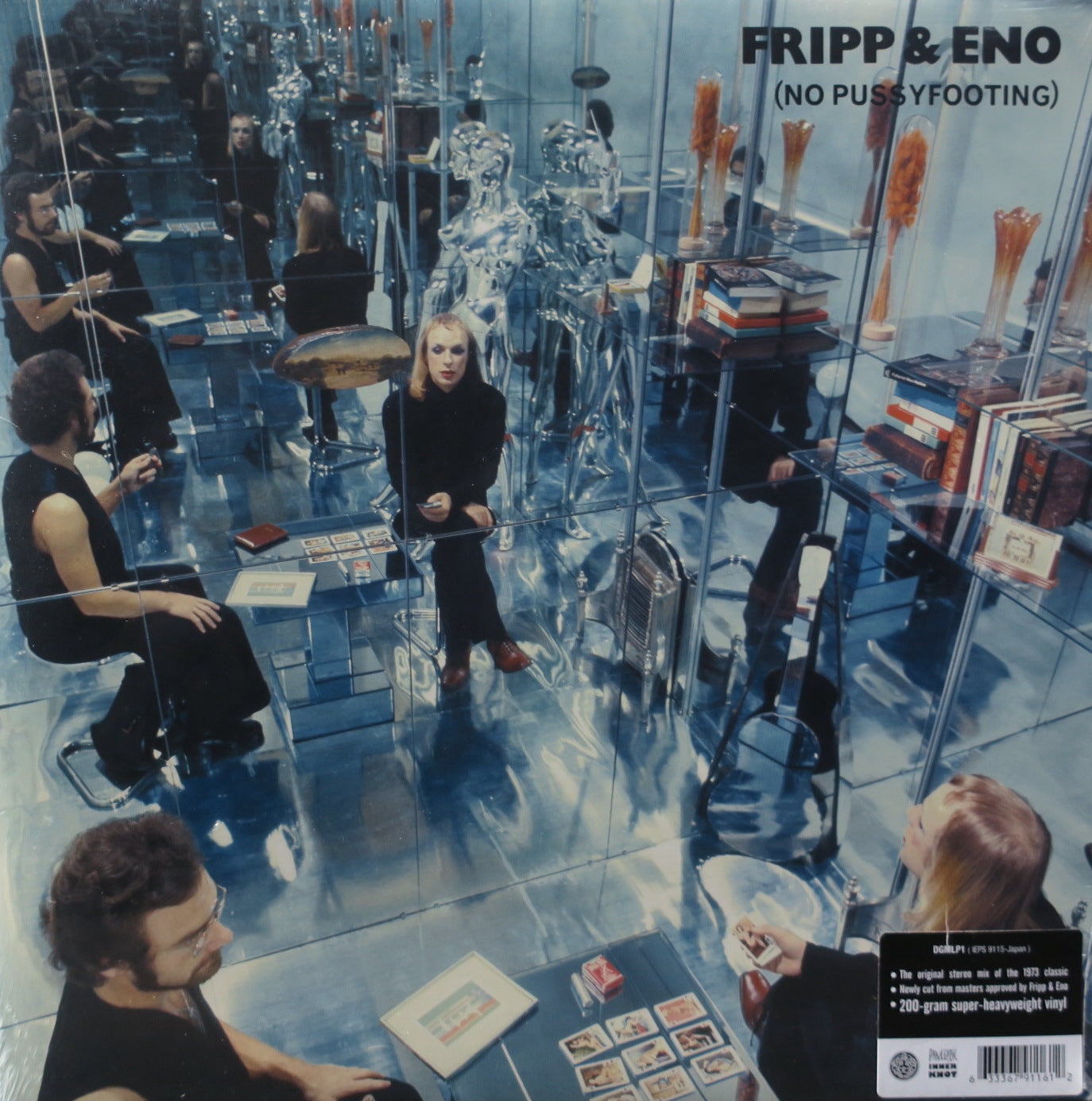
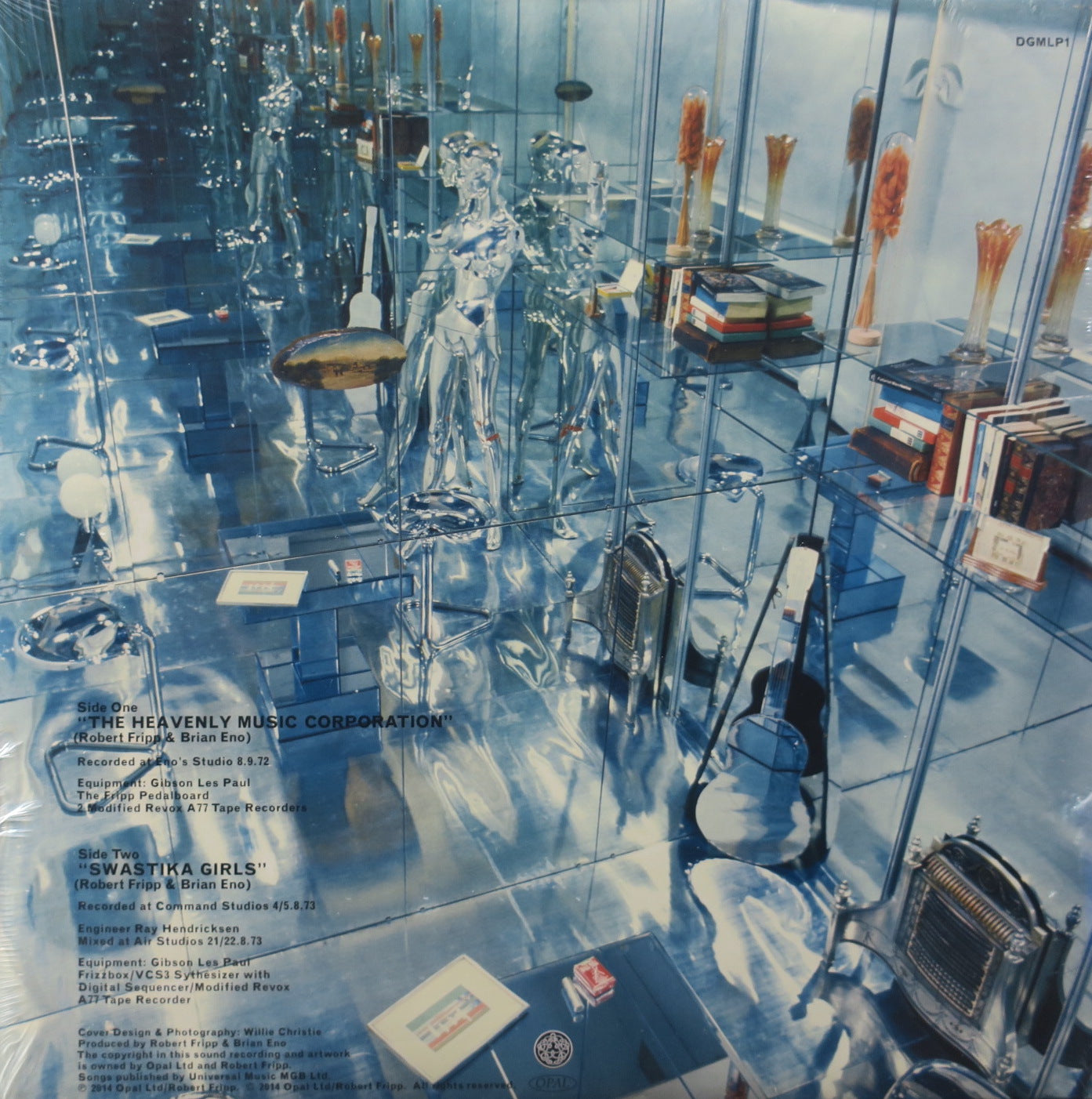
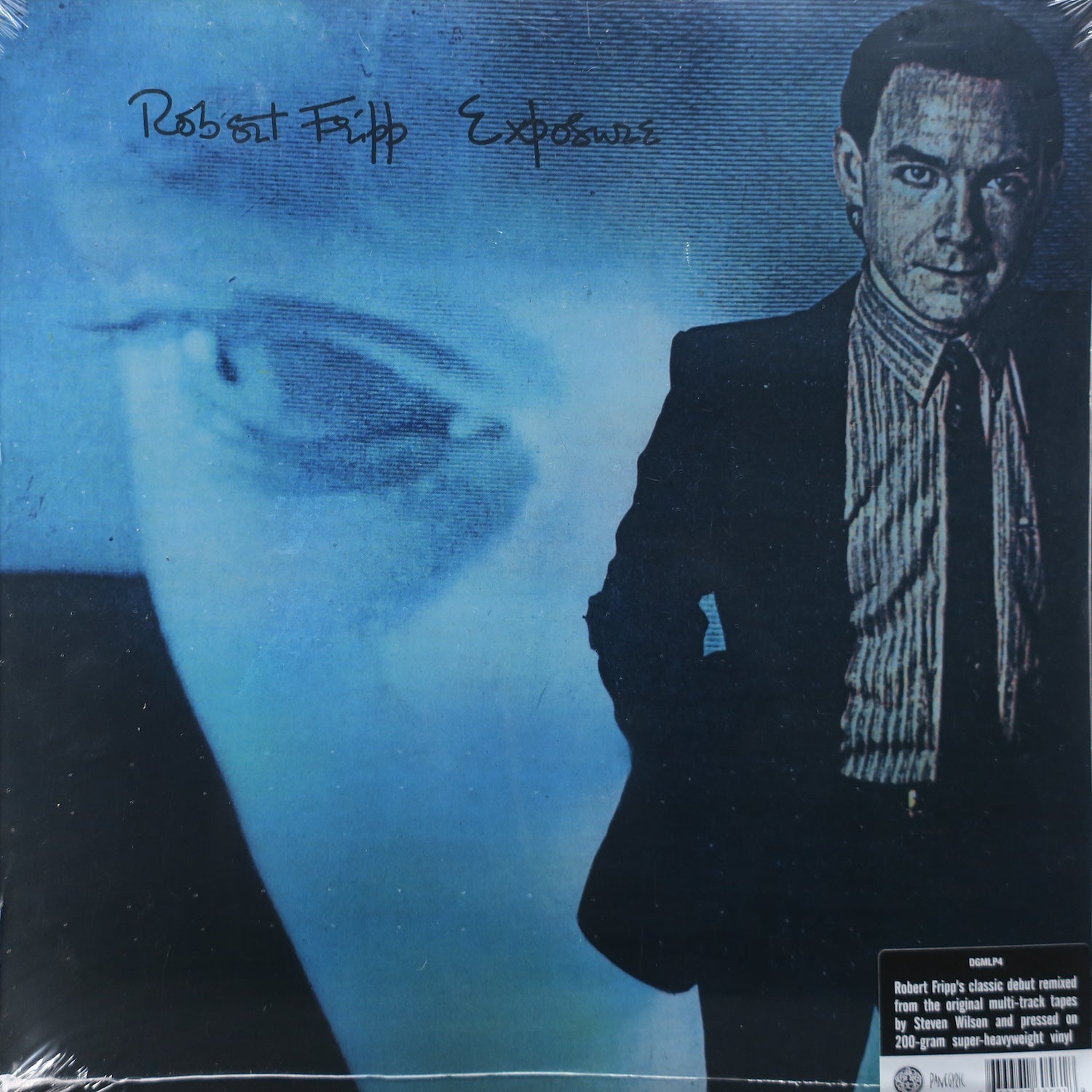
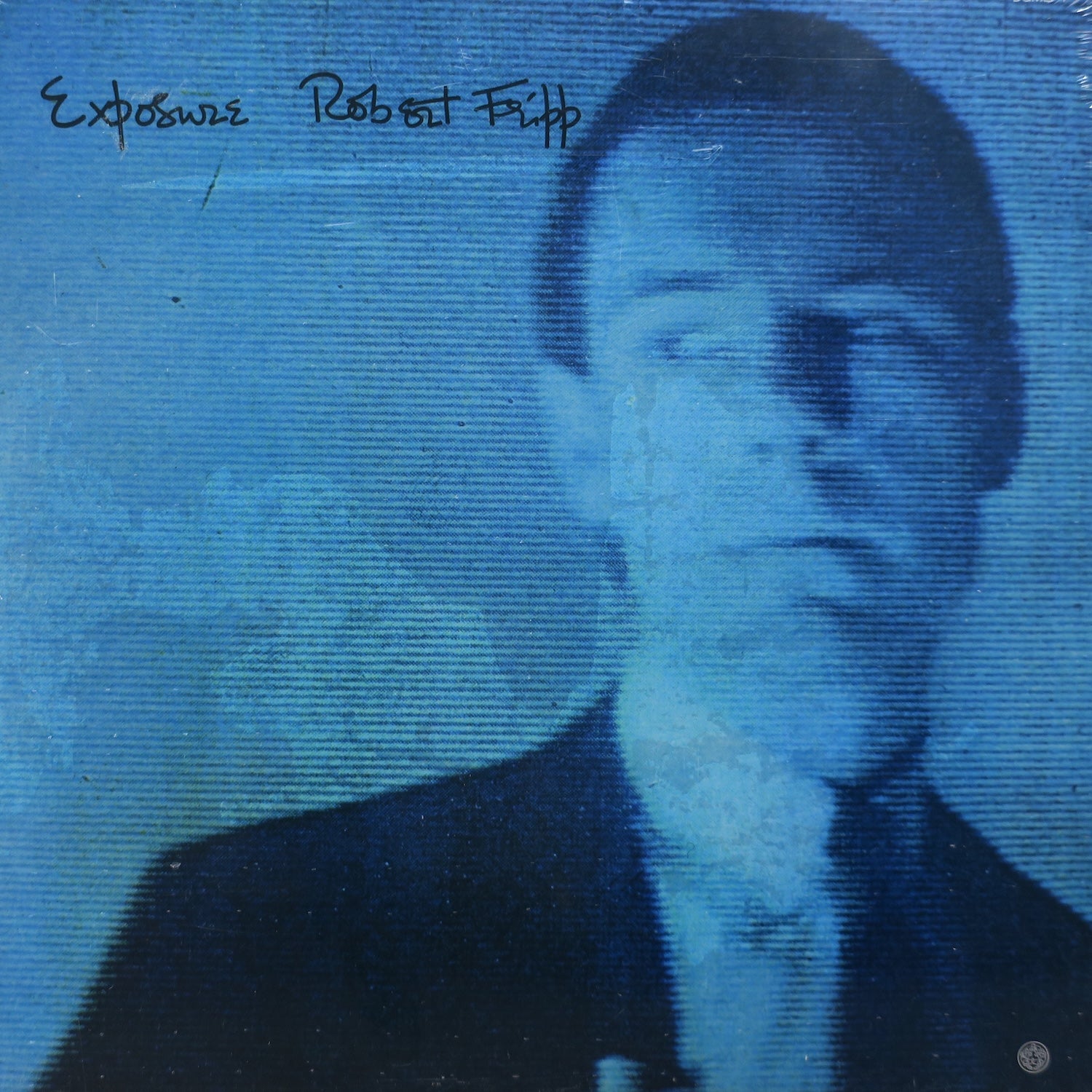
Outside the band, collaborations reshaped modern ambient and art rock. The tape-loop experiments with Brian Eno on No Pussyfooting and Evening Star introduced Frippertronics as a production and performance method. The solo album Exposure collects his compositional breadth—songwriting, atmospheric pieces and guest voices. His distinctive, sustained guitar textures also appear on records by David Bowie (notably during the Heroes period) and on albums by Peter Gabriel, where Fripp’s tone often provides a crystalline counterpoint to singers and synths.
Beyond recordings, Fripp created Guitar Craft and promoted the New Standard Tuning, teaching a disciplined technical approach that reads like a training program for thinking players. That pedagogy produced generations of students and subtly shifted how modern guitarists consider tuning, timbre and ensemble interplay.
Approach Robert Fripp by listening for process as much as melody: the looping, the carefully placed dissonance, the disciplined interplay with other musicians. Whether discovering his solo work, his collaborations with Brian Eno, or the many phases of King Crimson, there’s always a clear through-line—an interest in structure, sustained tone and making the guitar do things it rarely did before.