Terry Riley
Terry Riley's music often feels like a slow-motion experiment in how repetition, time and small shifts can create vast emotional landscapes. Instead of big thematic statements, Riley built immersive systems—looped keyboards, tape delays and modal improvisations—that let patterns breathe and listeners discover new detail on each repeat.
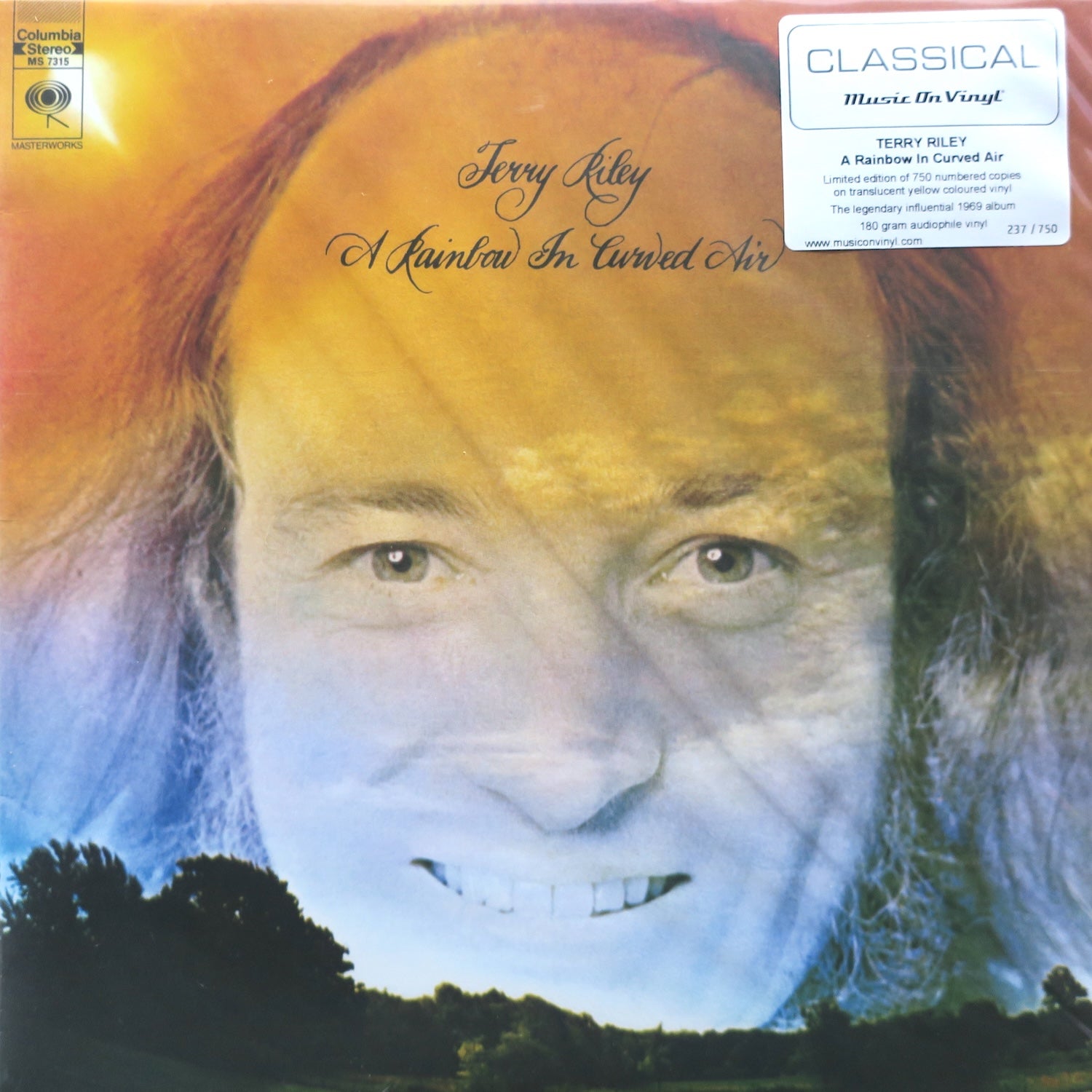
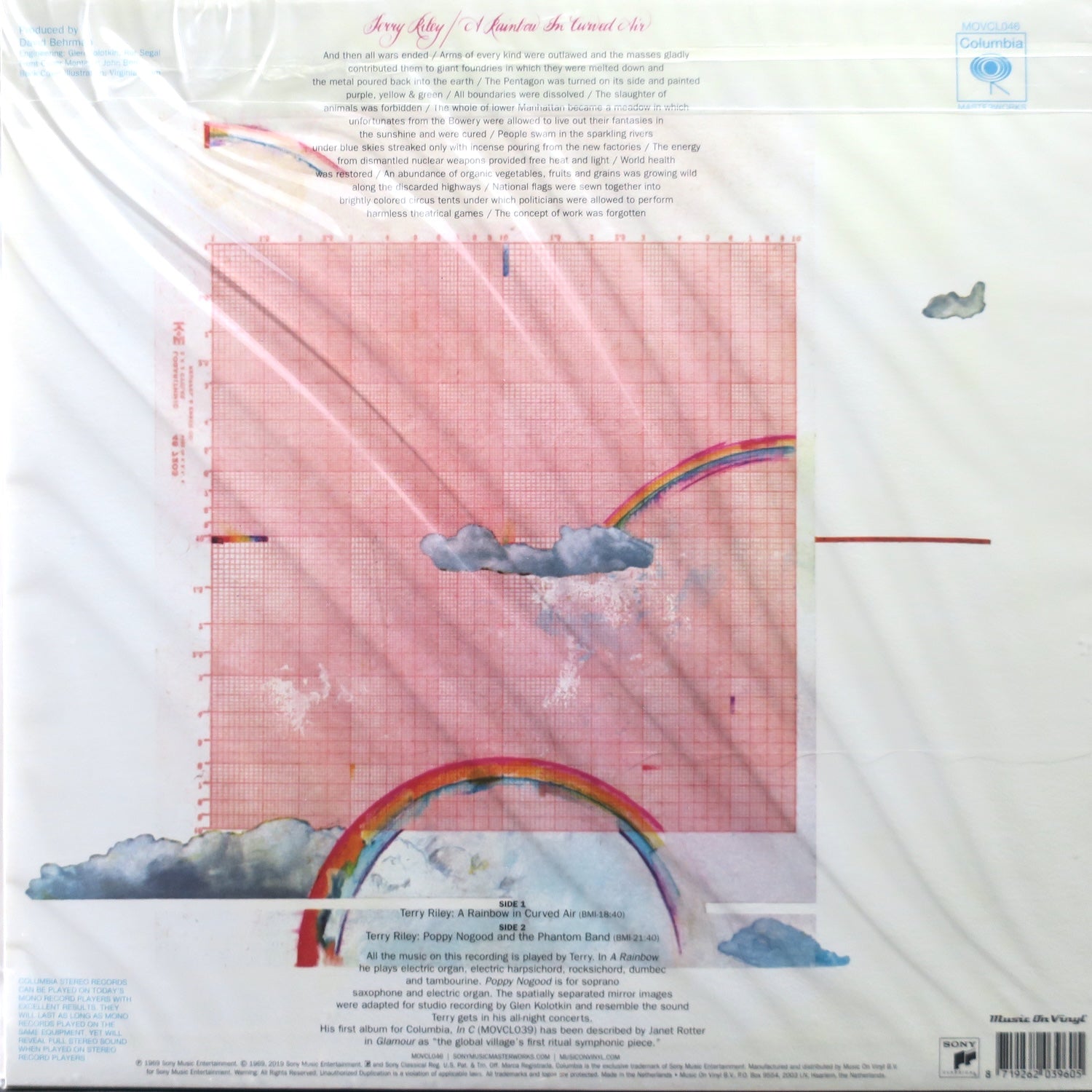
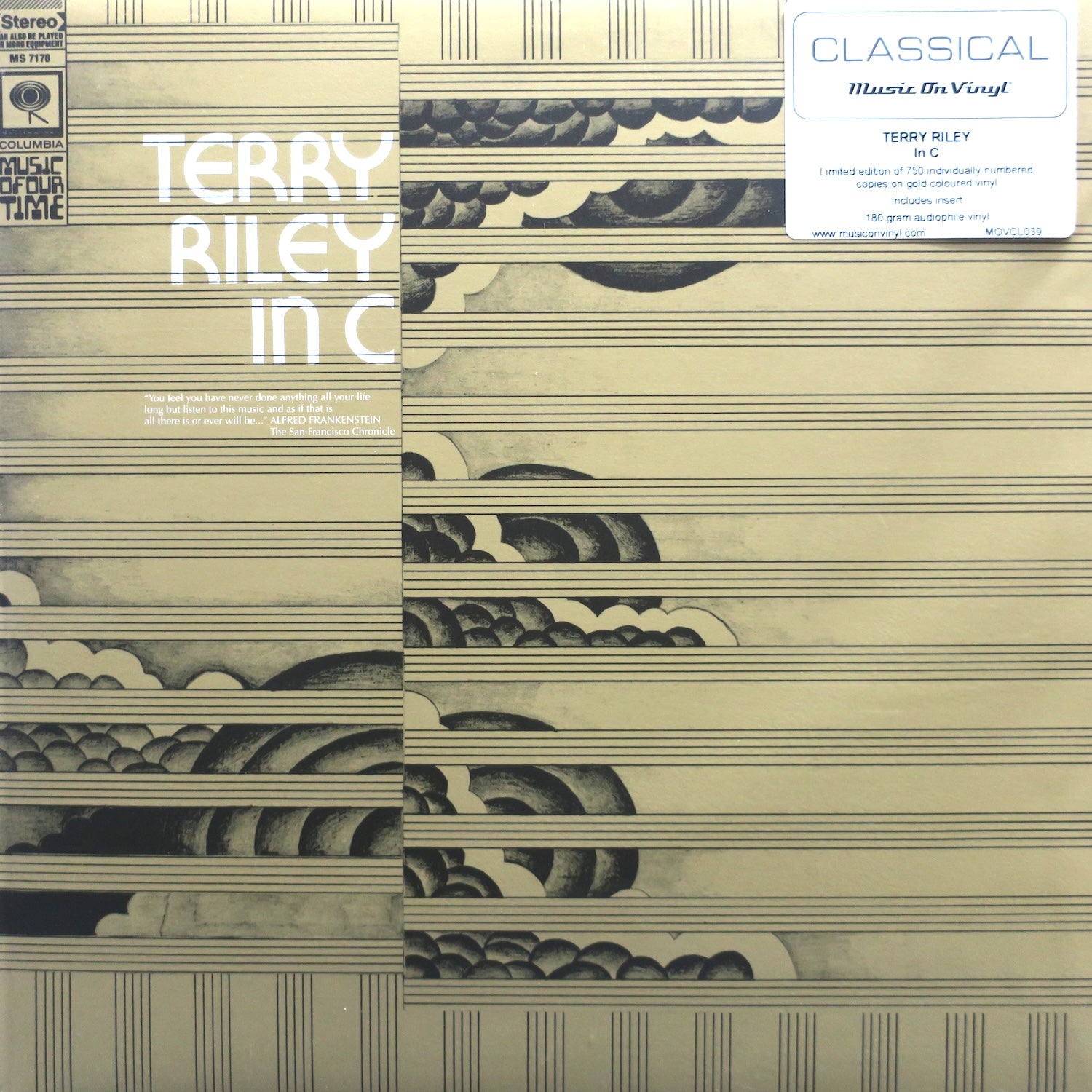
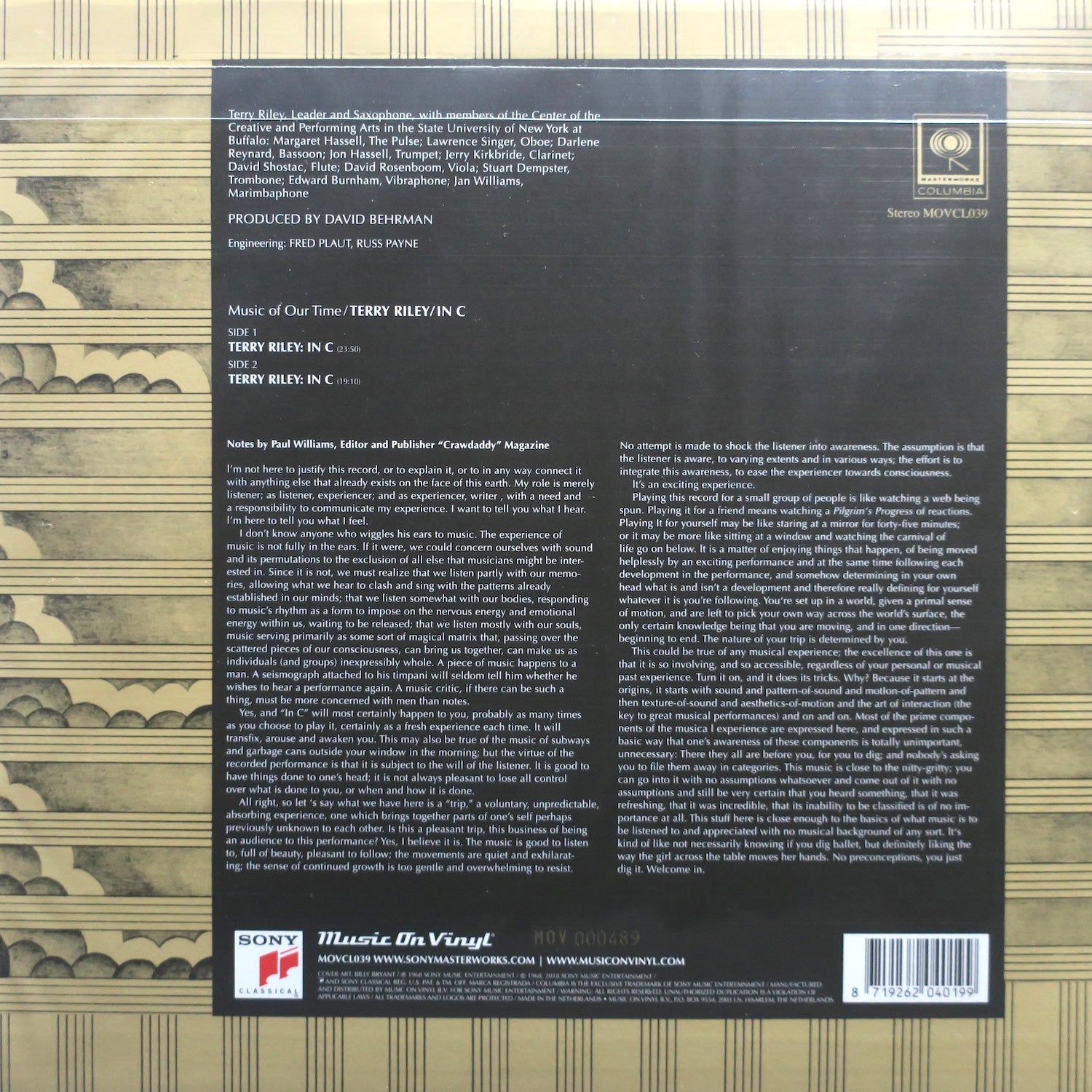
The two works most people come to first, In C and A Rainbow in Curved Air, show two complementary sides of Riley. In C, conceived as a modular score for any number of players, is a communal manifesto: parts interlock and drift, producing emergent rhythms and harmonies. A Rainbow in Curved Air is a solitary, kaleidoscopic keyboard-and-synth suite that foregrounds timbre and ecstatic, cascading arpeggios. Together they map why Riley matters: both the social possibilities of minimalism and its inward, electronic explorations.
Riley’s immersion in Hindustani vocal tradition under Pandit Pran Nath added a distinct color to his work—long tones, microtonal inflections and an emphasis on vocal-like phrasing. That Indian influence helped distinguish his approach from peers in the 1960s and 1970s: while Steve Reich and Philip Glass refined process-based repetition, Riley kept a stronger link to improvisation and raga-like expanses. La Monte Young’s sustained-tone experiments and the West Coast minimal scene created a context that pushed Riley toward both formal simplicity and tonal daring.
Beyond the 1960s, Riley kept evolving—writing for ensembles, collaborating with pulse-oriented string groups and adapting pedals and tape-delay techniques that anticipated ambient and electronic genres. His work has a clear lineage: Brian Eno and later ambient and electronic musicians picked up Riley’s interest in texture and slow transformation, while contemporary experimental ensembles continue to treat In C as a living, playable score.
Riley’s recordings reward patient listening. Whether approaching his music for the first time or returning with more context, the experience often shifts from the cerebral to the bodily: patterns that seemed static begin to sway, harmonies bloom, and simple motifs acquire a strange, cumulative power. That slow accrual is the heart of his legacy—composition as an environment rather than a finished object.
Recommended Artists: La Monte Young, Steve Reich, Philip Glass, Tangerine Dream, Cluster, Kraftwerk