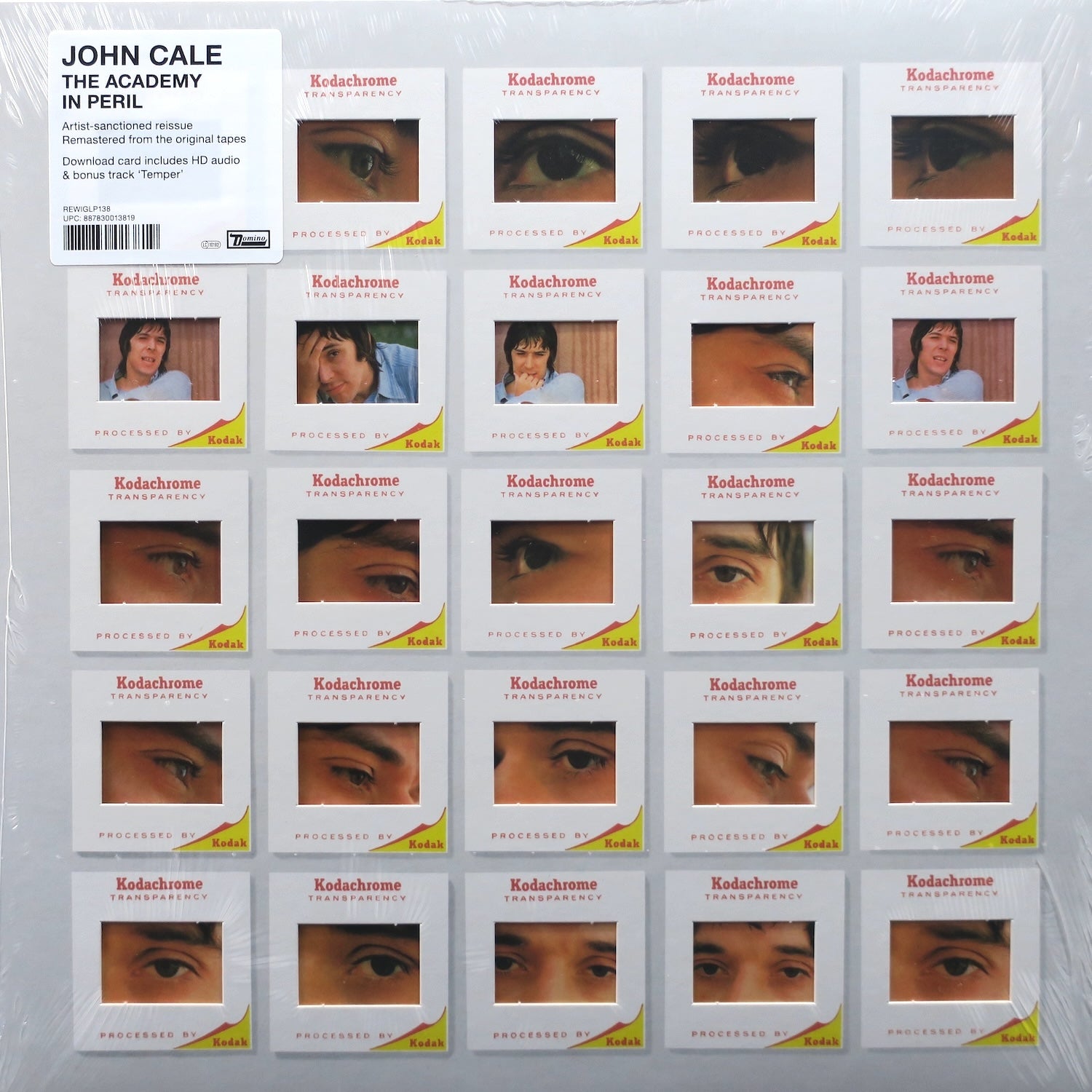
John Cale
John Cale's music lives where classical composition, downtown avant-garde and rock'n'roll rub up against each other. That collision—electric viola and prepared piano brought into songs with sharp melodic hooks—made Cale a singular voice whose records can surprise at every turn.
Long before a solo career, Cale helped shape The Velvet Underground's first phase, supplying an uncompromising tone that pushed the band toward noise, drones and art-concept pieces. His ear for texture and arrangement balanced Lou Reed's songs, while collaborations with Nico added a cold, mythic counterpoint to the group's more immediate rock impulses.
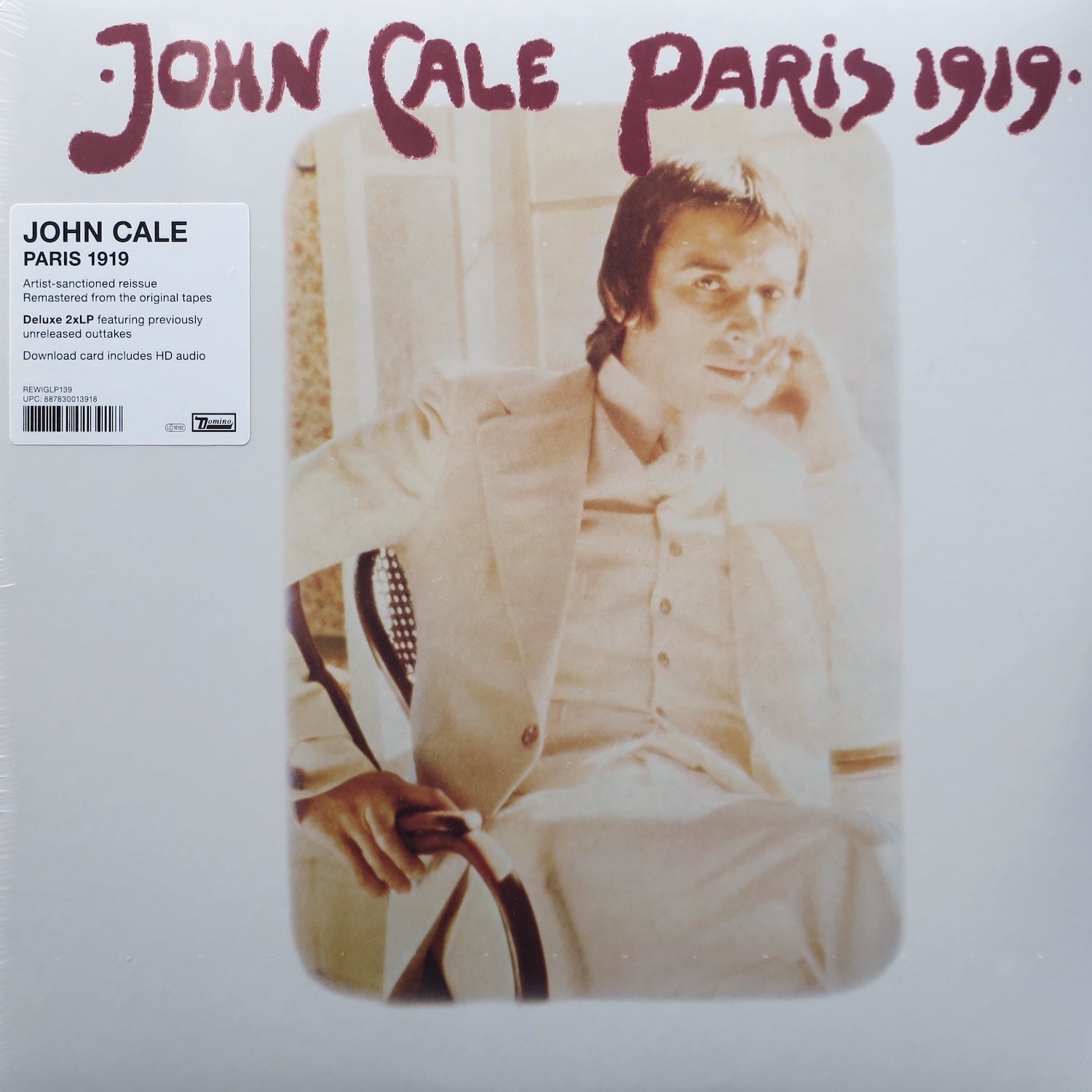
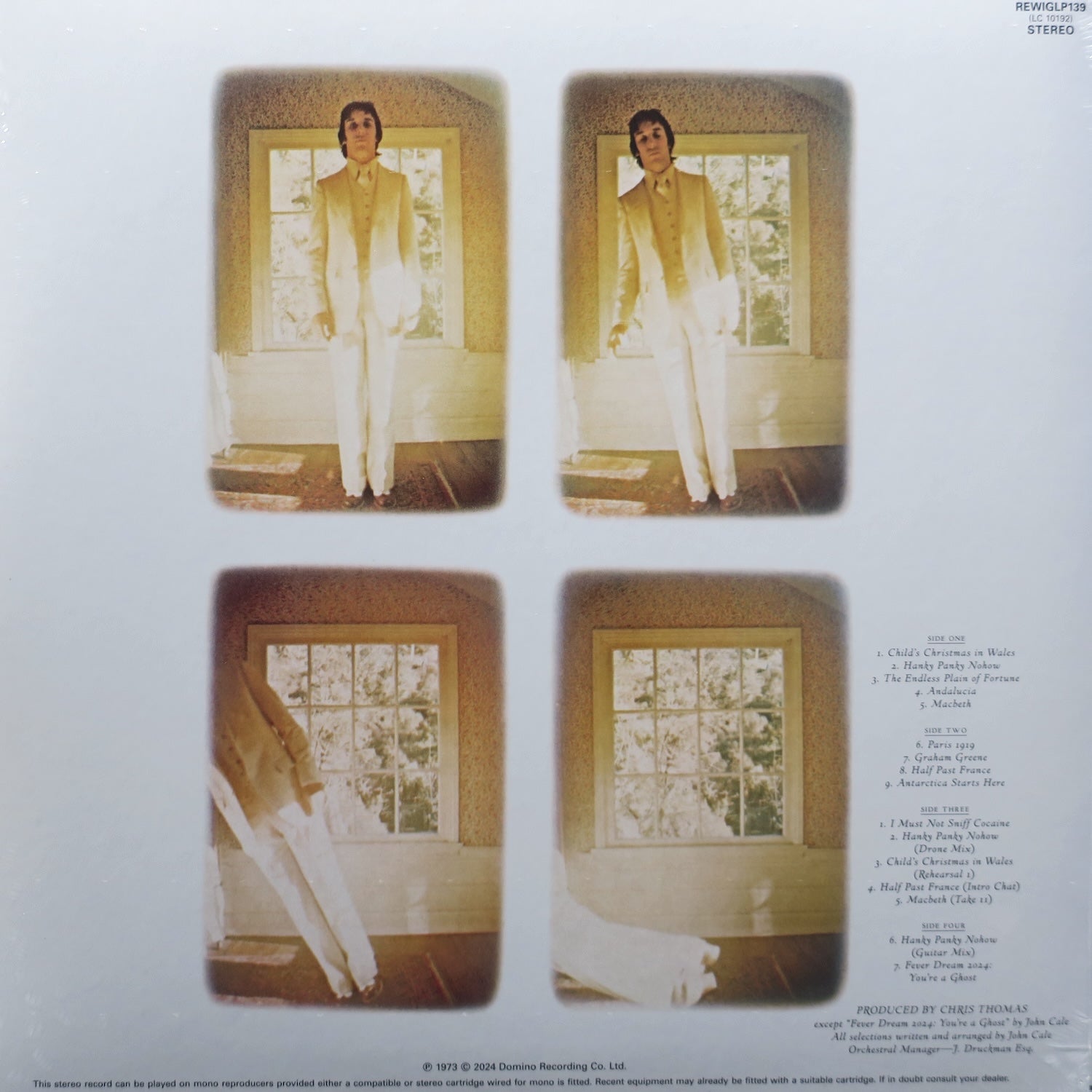
As a solo artist Cale refused to stay in one lane. His 1970 debut Vintage Violence hinted at conventional songwriting but with an uneasy undercurrent; Paris 1919 found him writing literate, almost pastoral pop that still carried odd orchestral touches. Then albums like Fear and Music for a New Society pulled in opposite directions—raw blues-rock and radical minimalism—showing how restless and unpredictable his musical priorities were.
Collaboration is a running theme. Songs for Drella with Lou Reed is a direct, elegiac conversation about their shared past and Andy Warhol's circle, while the 1990 record Wrong Way Up (with Brian Eno) exposes Cale's taste for sleek, experimental pop textures. He also worked closely with Nico, producing and arranging some of her most distinctive records, which deepened his reputation as both a creative catalyst and a mercurial producer.
Explore Cale's catalogue and the shape of modern art-rock becomes clearer: the theatricality of his arrangements, the willingness to destabilize melody, and the cross-pollination between avant-garde technique and accessible songcraft. That mix is why Cale keeps drawing musicians back to his records—he's a touchstone for anyone curious about where experimental music and songwriting meet.