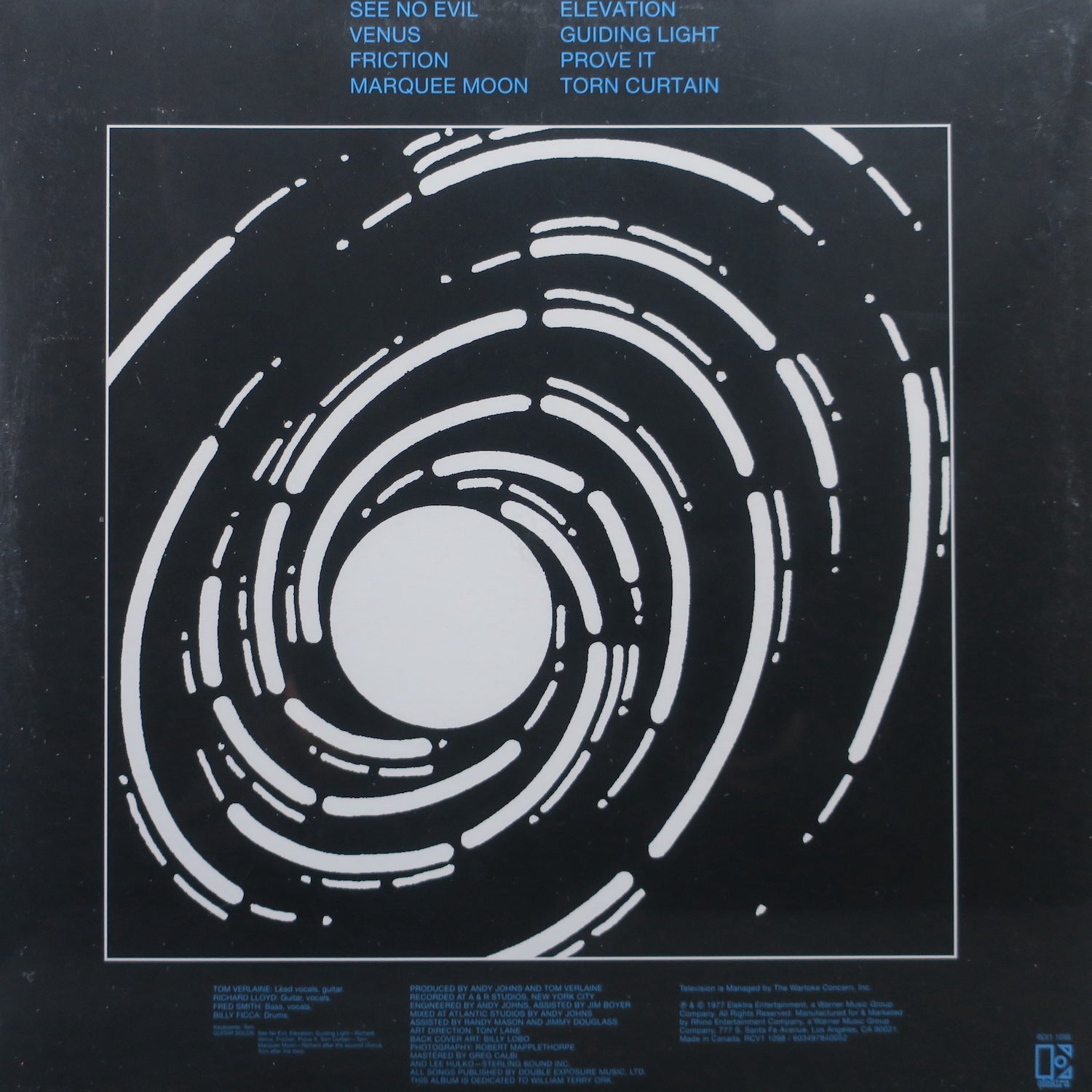
Television
Television turned the idea of punk on its head by treating angular energy as a framework for extended, guitar-led conversation rather than three-chord slogans. From the first notes of Marquee Moon the band favored space, repetition and improvisation: songs unfold like duets, with Tom Verlaine and Richard Lloyd weaving independent lines that lock into memorable melodies.
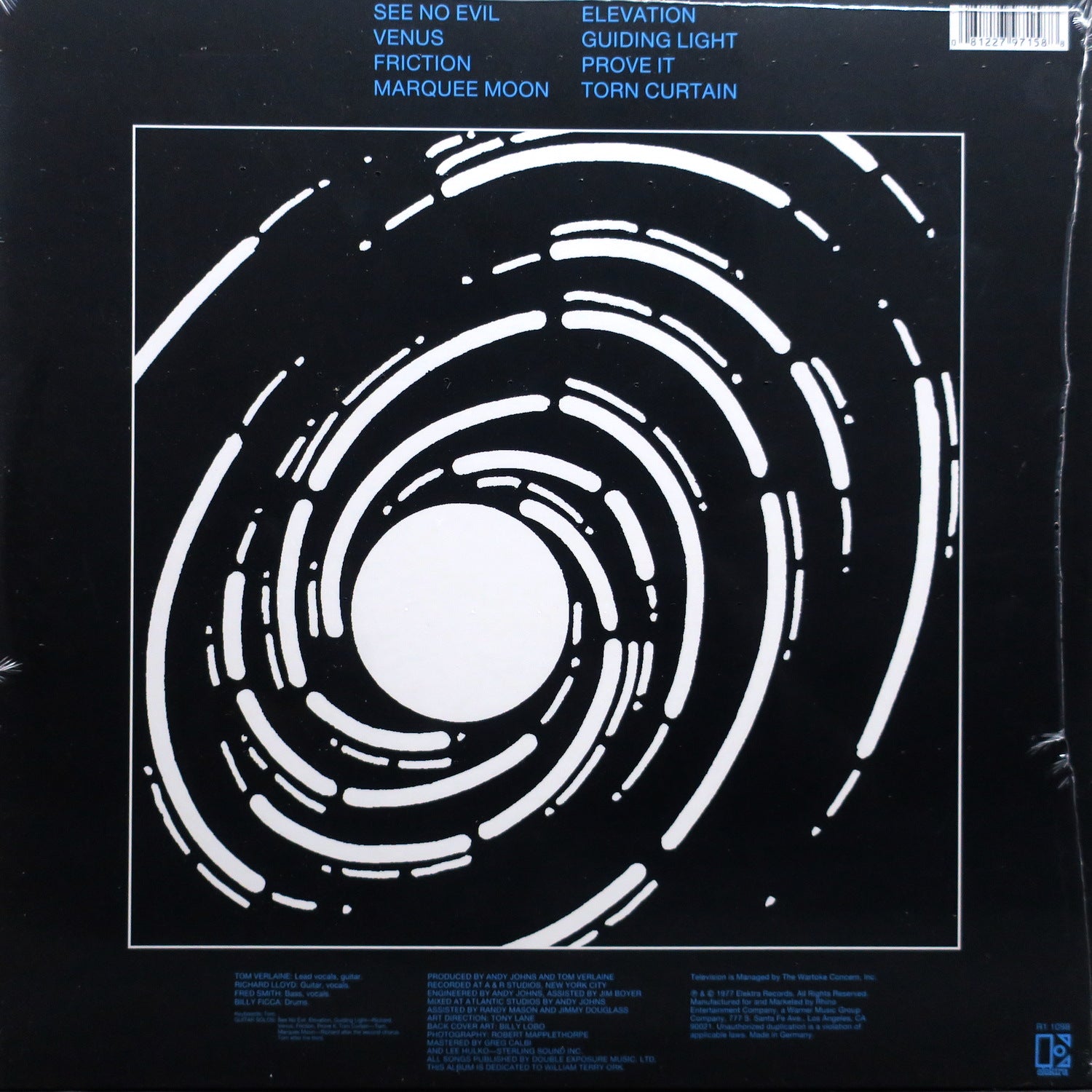
That twin-guitar approach is the clearest reason Television matters. Verlaine’s literate, idiosyncratic vocals and lines give the music a restless intelligence, while Lloyd’s complementary touch adds brightness and counterpoint. The rhythm section—original drummer Billy Ficca and later bassist Fred Smith—keeps the arrangements taut enough for improv but steady enough for hooks, so long tracks still feel purposeful instead of indulgent.
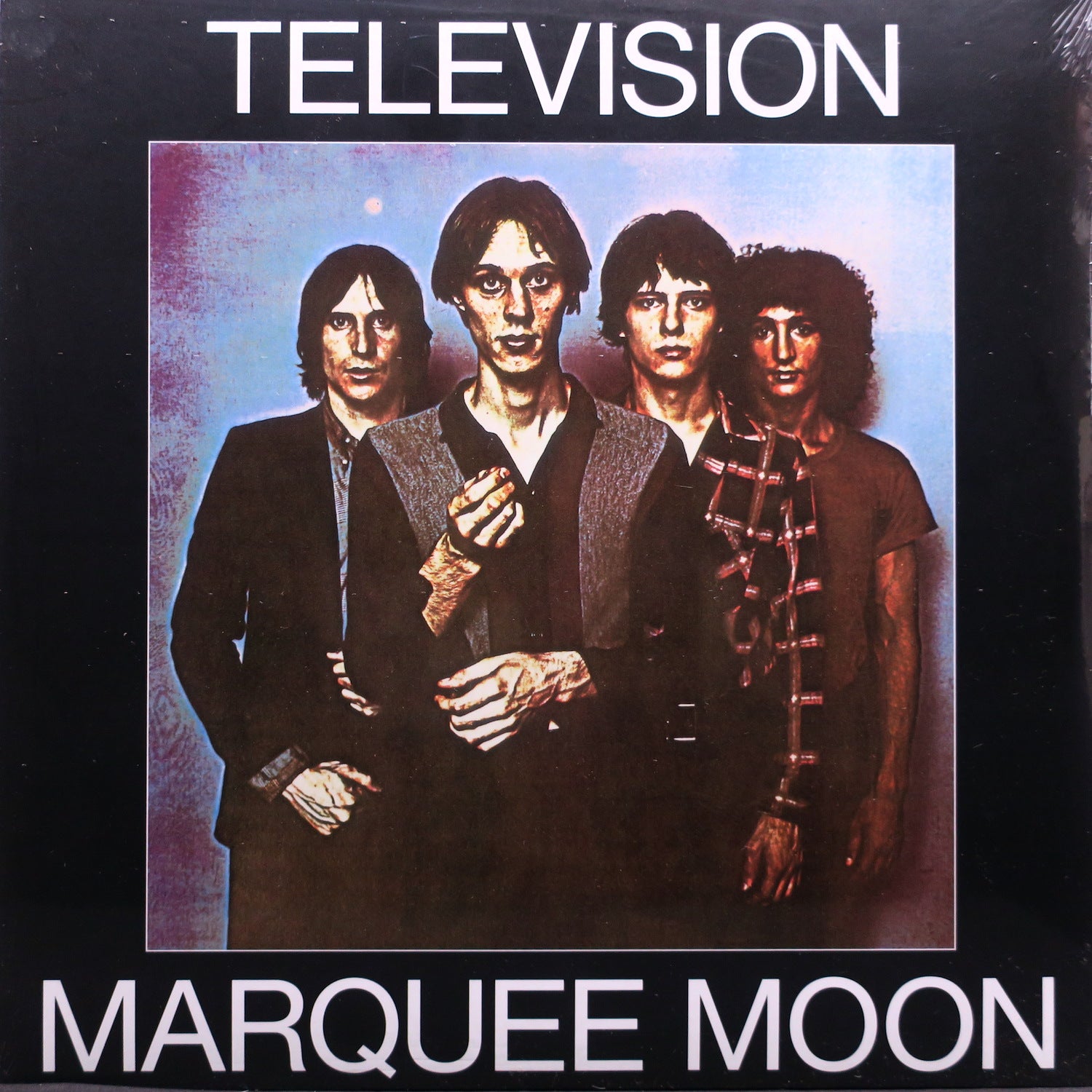
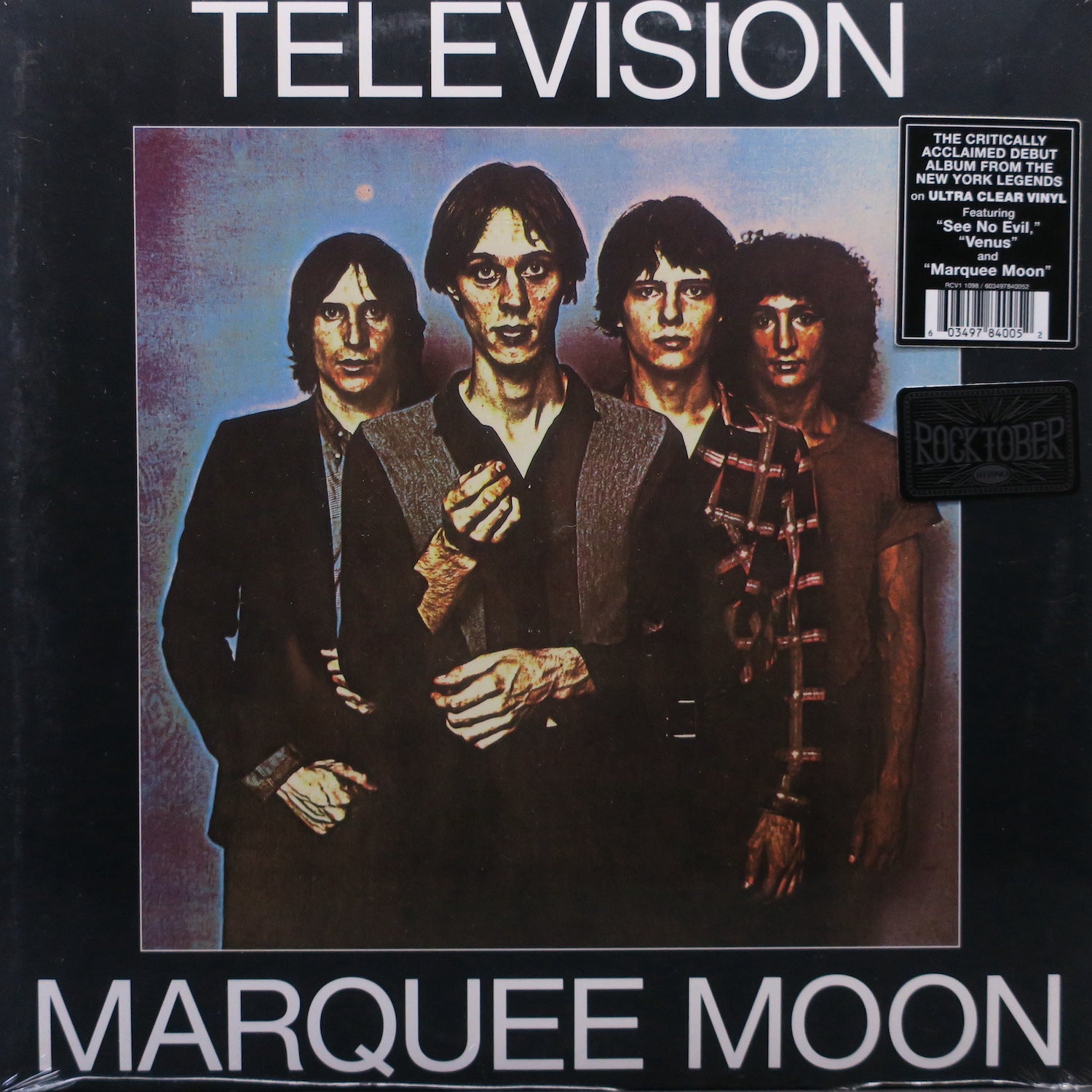
Television’s classic period is captured on Marquee Moon and its follow-up, Adventure. Marquee Moon still reads as a radical statement: long-form songs, immediate yet artful, recorded out of step with the fast-and-furious punk singles around them. Adventure tightened some edges while keeping the band’s compositional focus. After an extended break, Television reunited and released a self-titled album in 1992, proving those guitar conversations still had sparks.
The band came from the CBGB downtown scene and sat alongside Patti Smith, the Ramones and Talking Heads, but Television never simply echoed anyone else. Rather than raw shout or art-school detachment, the group built a vocabulary that later alternative and indie guitar bands would borrow from—those groups picked up Television’s patience for texture and its emphasis on interlocking parts.
Exploring Television is rewarding for listeners who enjoy guitar craft as story-telling: start with Marquee Moon, move to Adventure, then hear how the pieces reassemble on the 1992 reunion record. The band’s work still sounds like an experiment in how much a guitar can say without words—an approach that keeps their records interesting decades on.