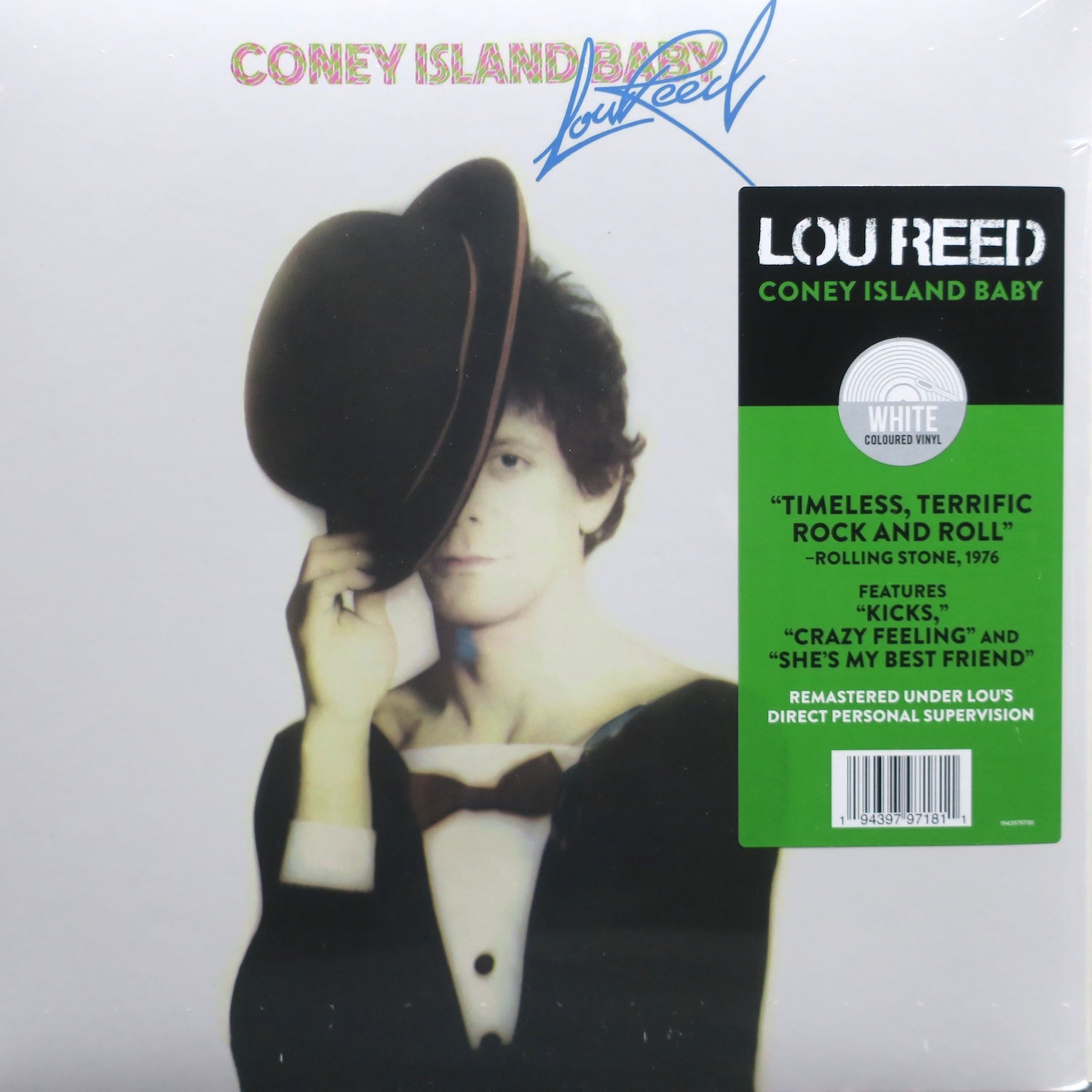
Lou Reed
Few rock singers sounded like Lou Reed: a half-spoken, world-weary delivery that made urban detachment feel like a new kind of poetry. That attitude—equal parts storyteller, provocateur and melodist—is what carried Reed from the Velvet Underground's shadow into a solo career where every album felt like a different experiment in candidness.
Reed's time with the Velvet Underground matters because it rewired rock's possibilities. Songs such as those from the band's early records traded conventional choruses for vignettes about city life, heroin, art scenes and outsider characters. Working alongside John Cale gave those songs an abrasive, avant-garde edge; singing with Nico on the band's early records added a chilly counterpoint that framed Reed's narratives. The Velvet Underground years remain the wellspring for Reed's most durable writing.
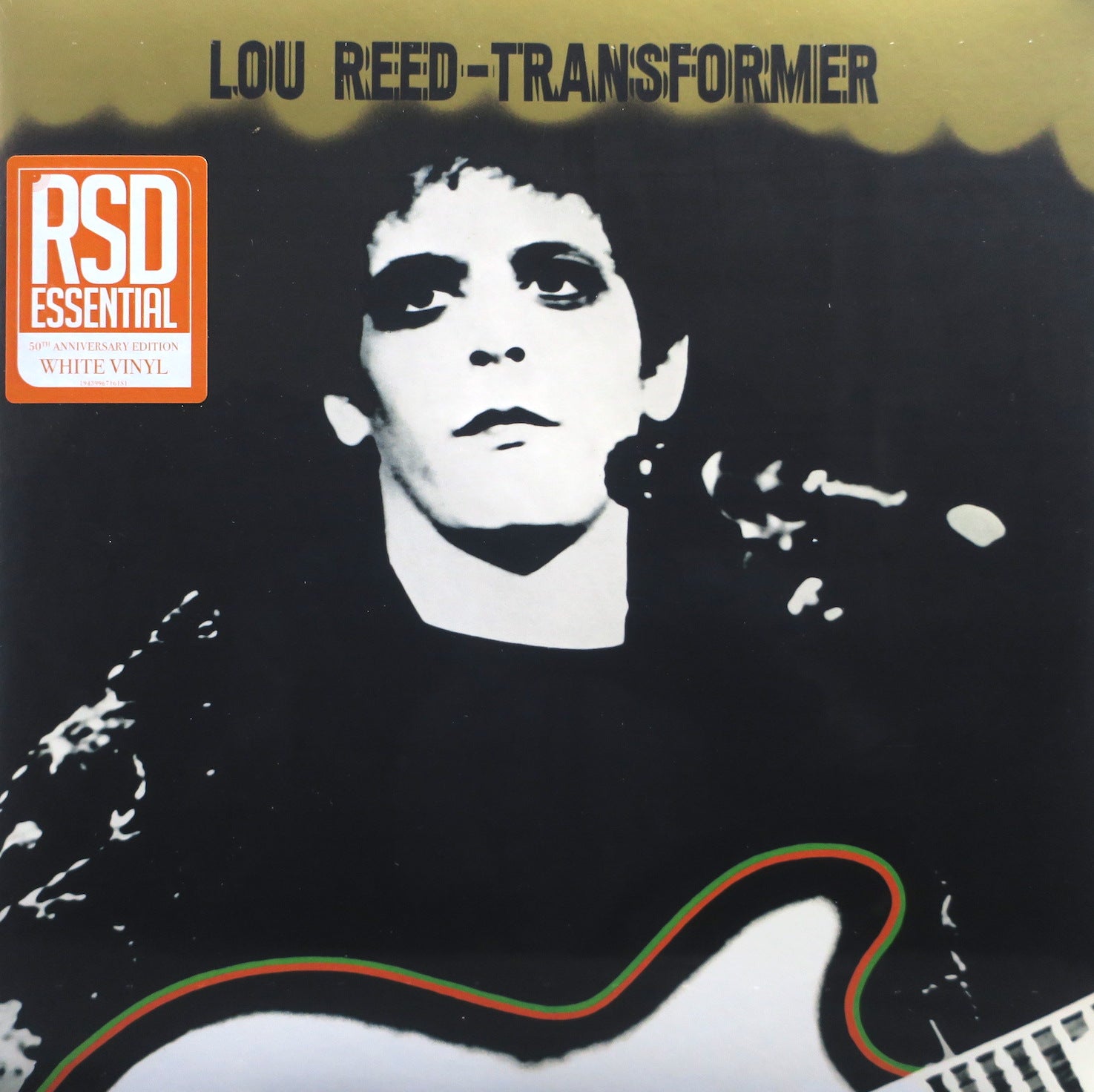
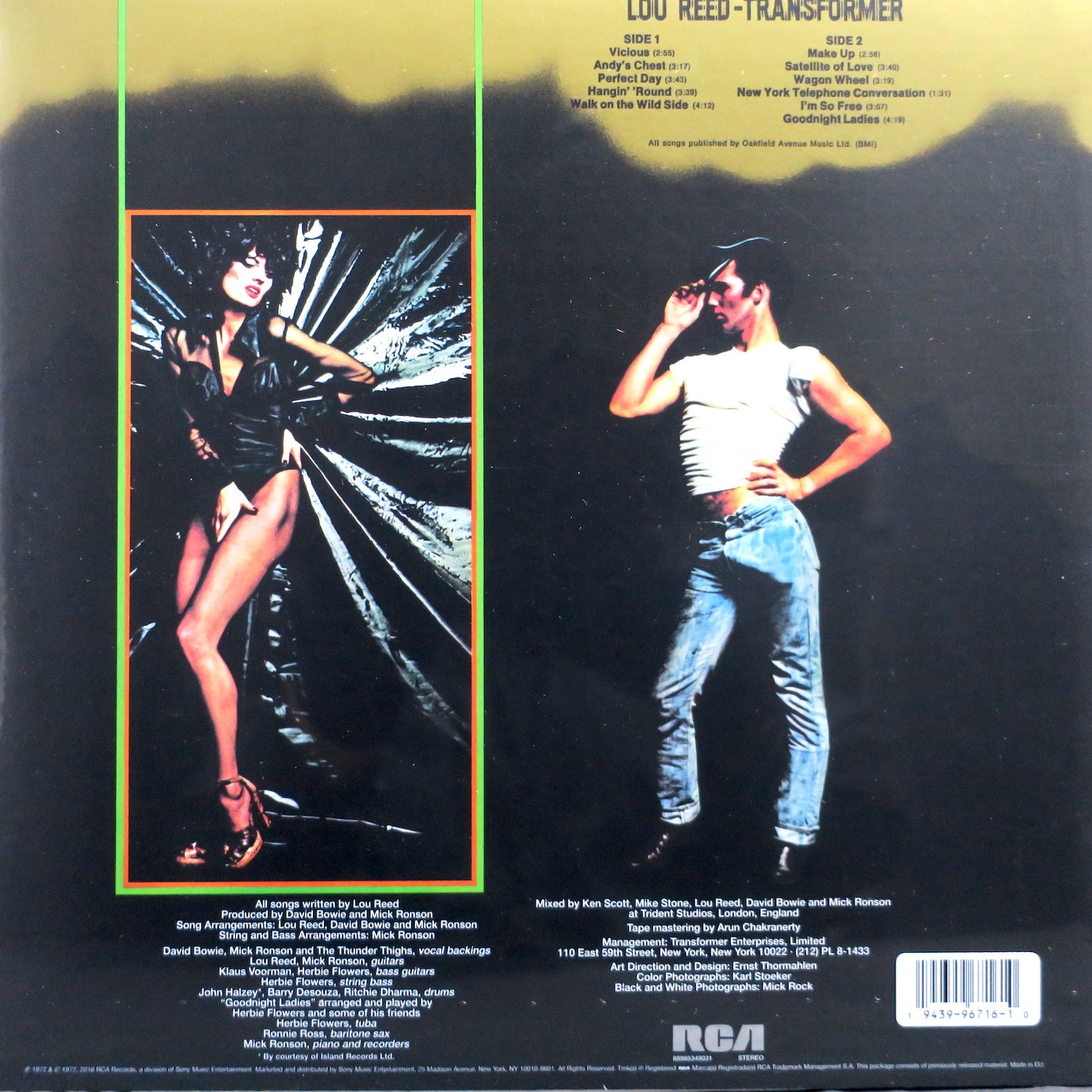
Leaving the band revealed another side of Reed: a songwriter capable of sharp hooks and radio-resistant truth. Transformer, produced and championed by David Bowie, brought Reed commercial visibility without softening his voice—he still sang about characters on the margins, but now studio sheen and Mick Ronson's arrangements amplified the songs' reach. Berlin, produced by Bob Ezrin, pushed Reed into cinematic darkness: a concept album of damaged relationships and theatrical arrangement that divided listeners on release but deepened his artistic range.
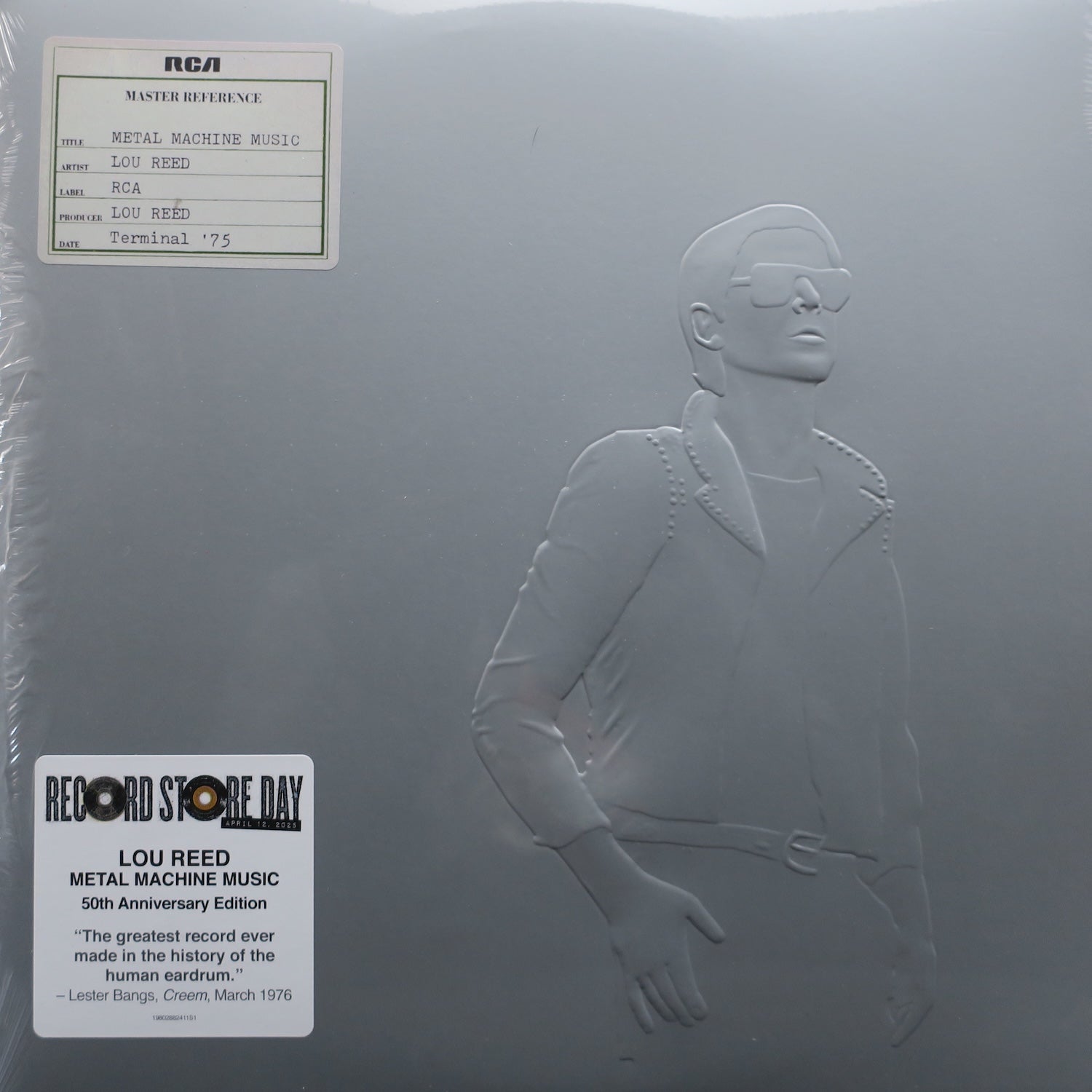
Reed never settled into one mode. Metal Machine Music famously shocked fans with two sides of feedback and tape loops—an unrepentant experiment that redefined what a rock record could be. Decades later, New York returned to sharply observed street-level commentary, delivering some of Reed's clearest, most civic-minded songwriting. Late-career collaborations, most notably the high-profile and polarizing Lulu with Metallica, showed an artist who kept testing boundaries even when expectation leaned the other way.
Reed's influence threads through punk and alternative rock: his conversational lyrics and willingness to embrace ugliness informed artists from Iggy Pop to Patti Smith. For listeners new to Reed, start with Transformer and then follow the detours—Berlin, Metal Machine Music and New York—to understand why his career reads less like a straight line and more like a series of bold departures.