Tom Waits
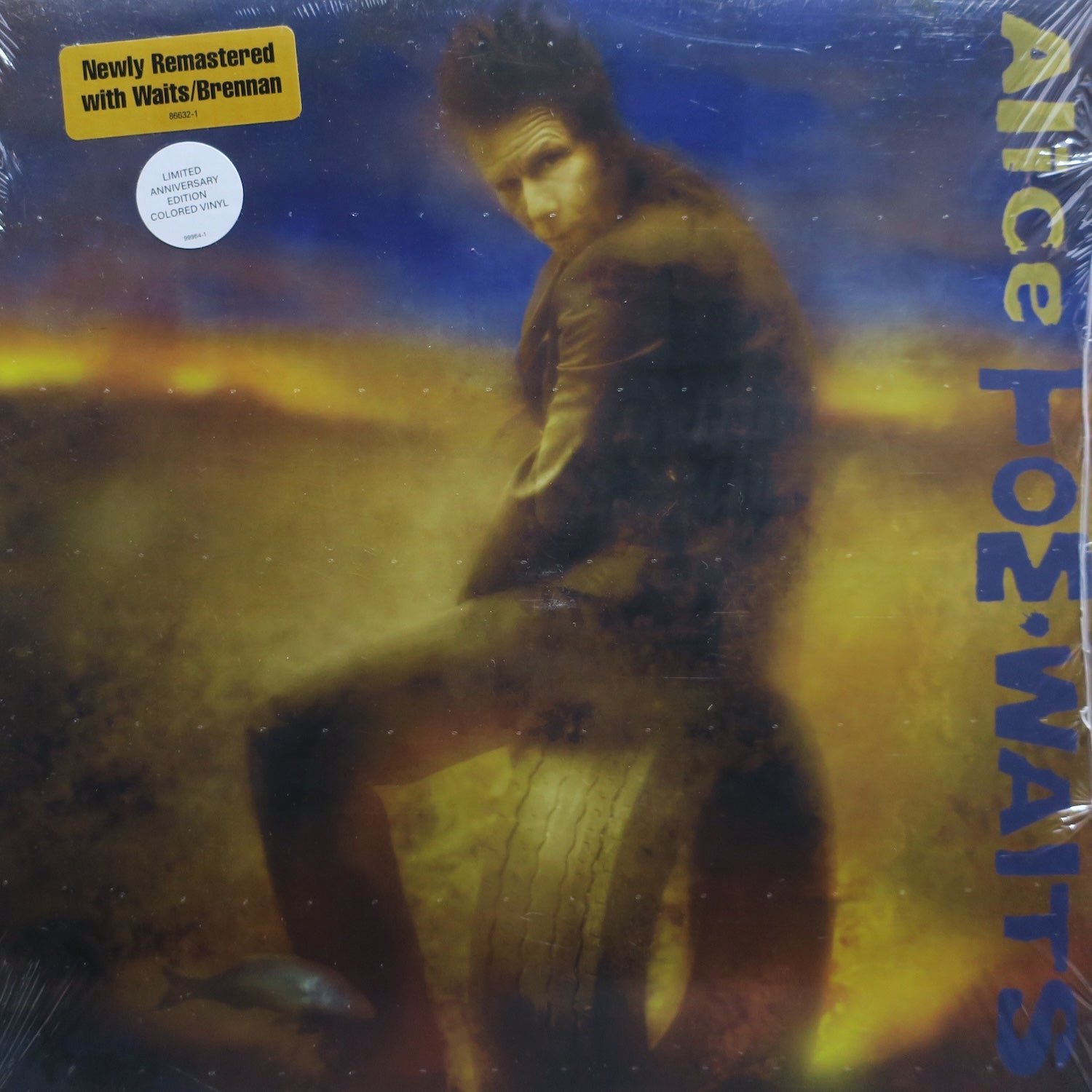
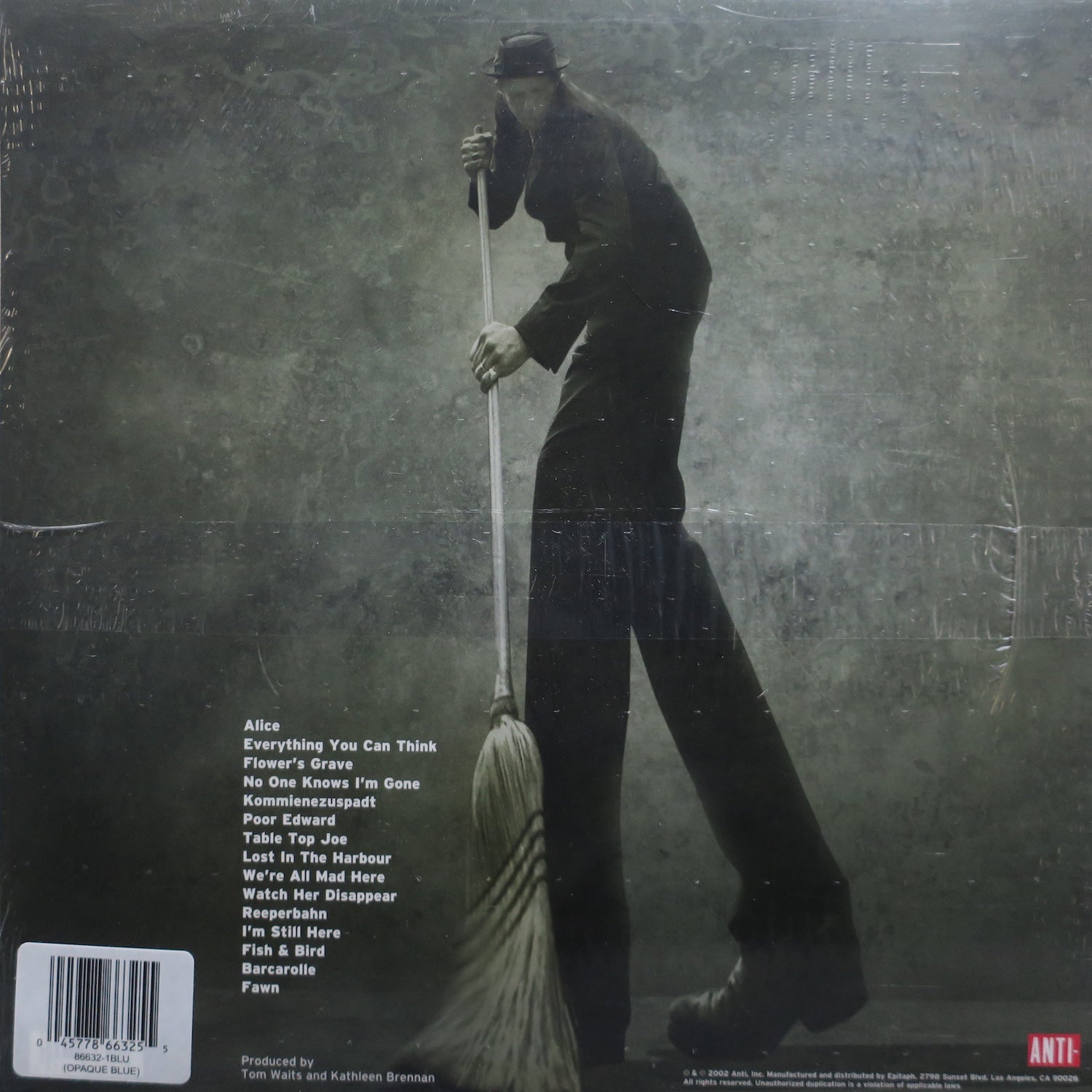
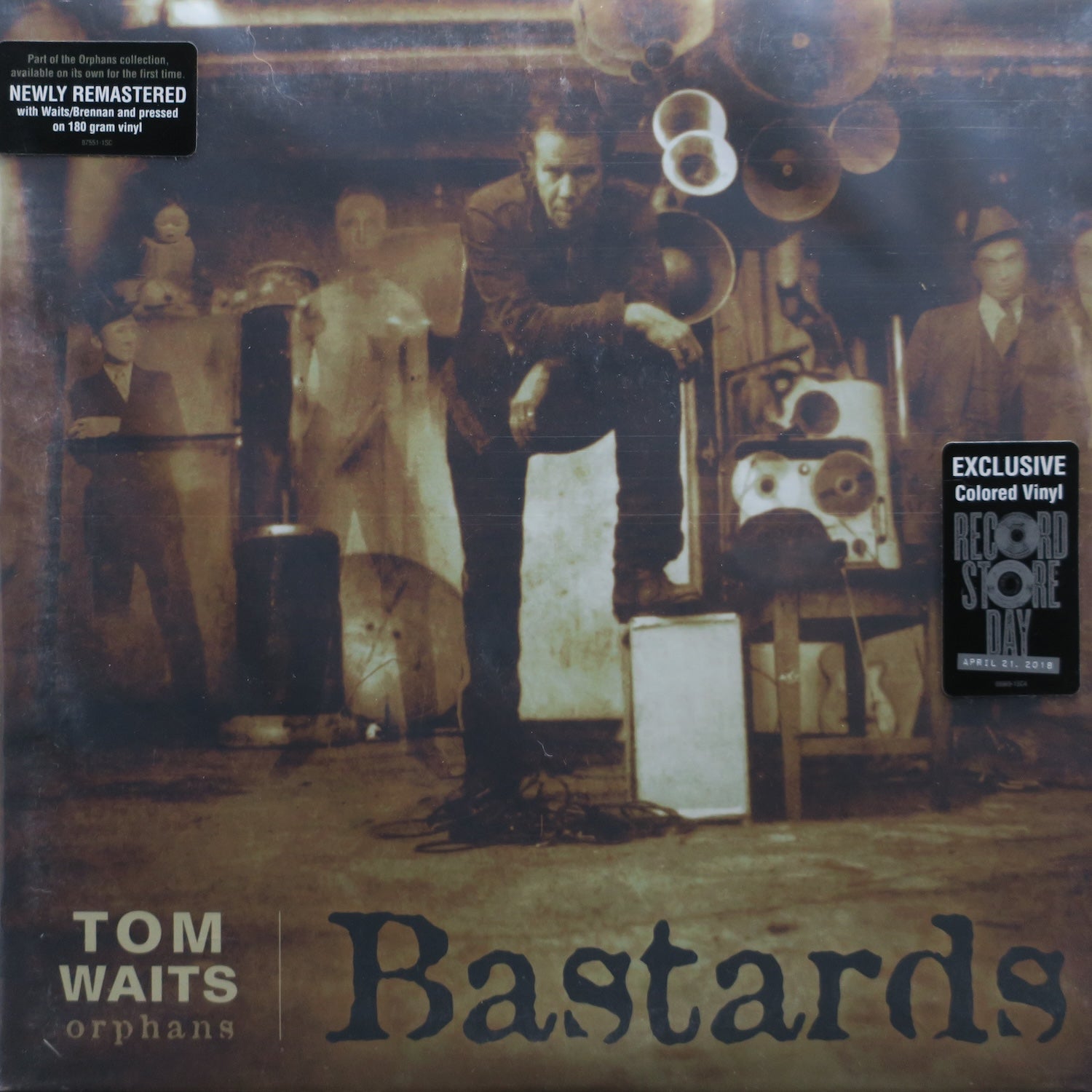
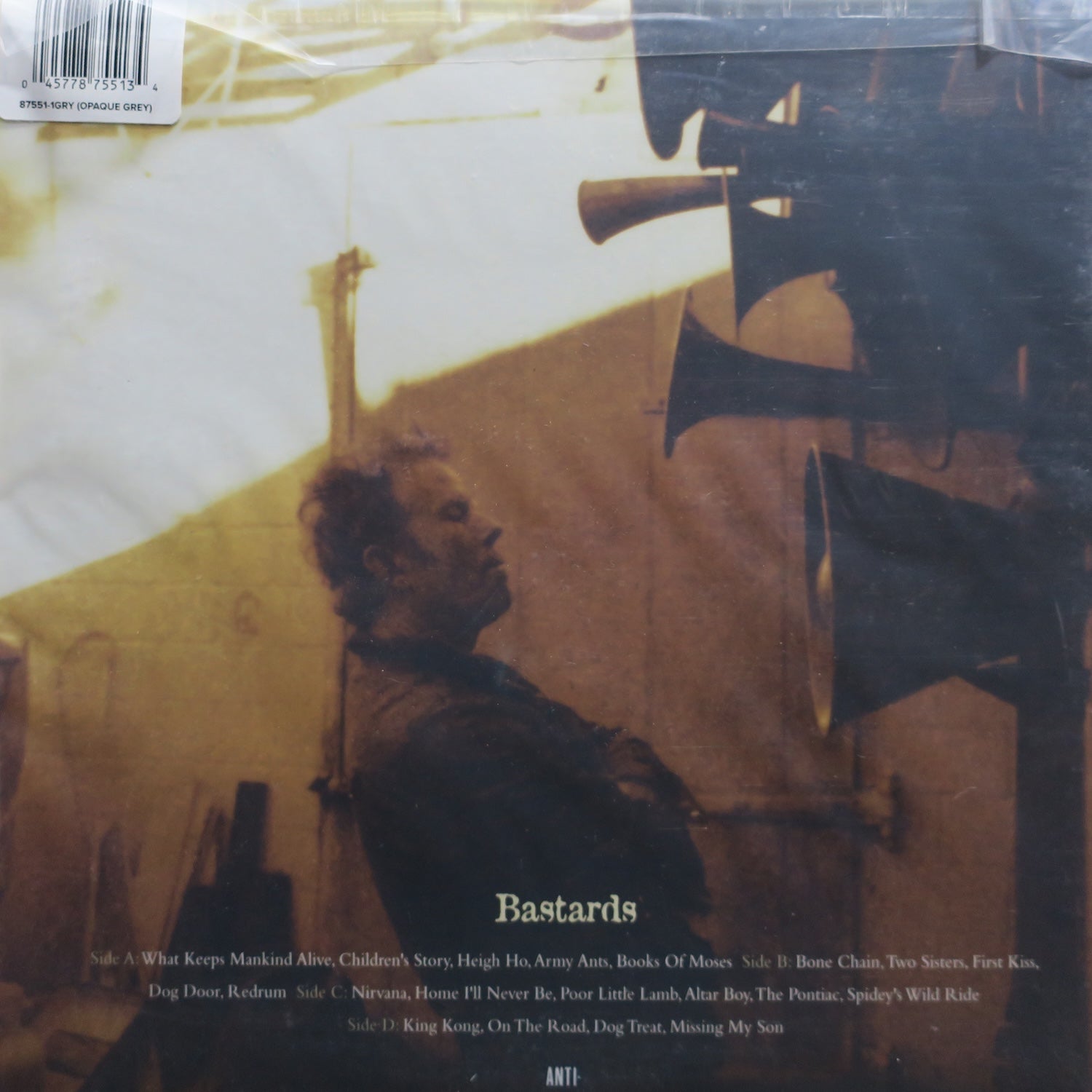
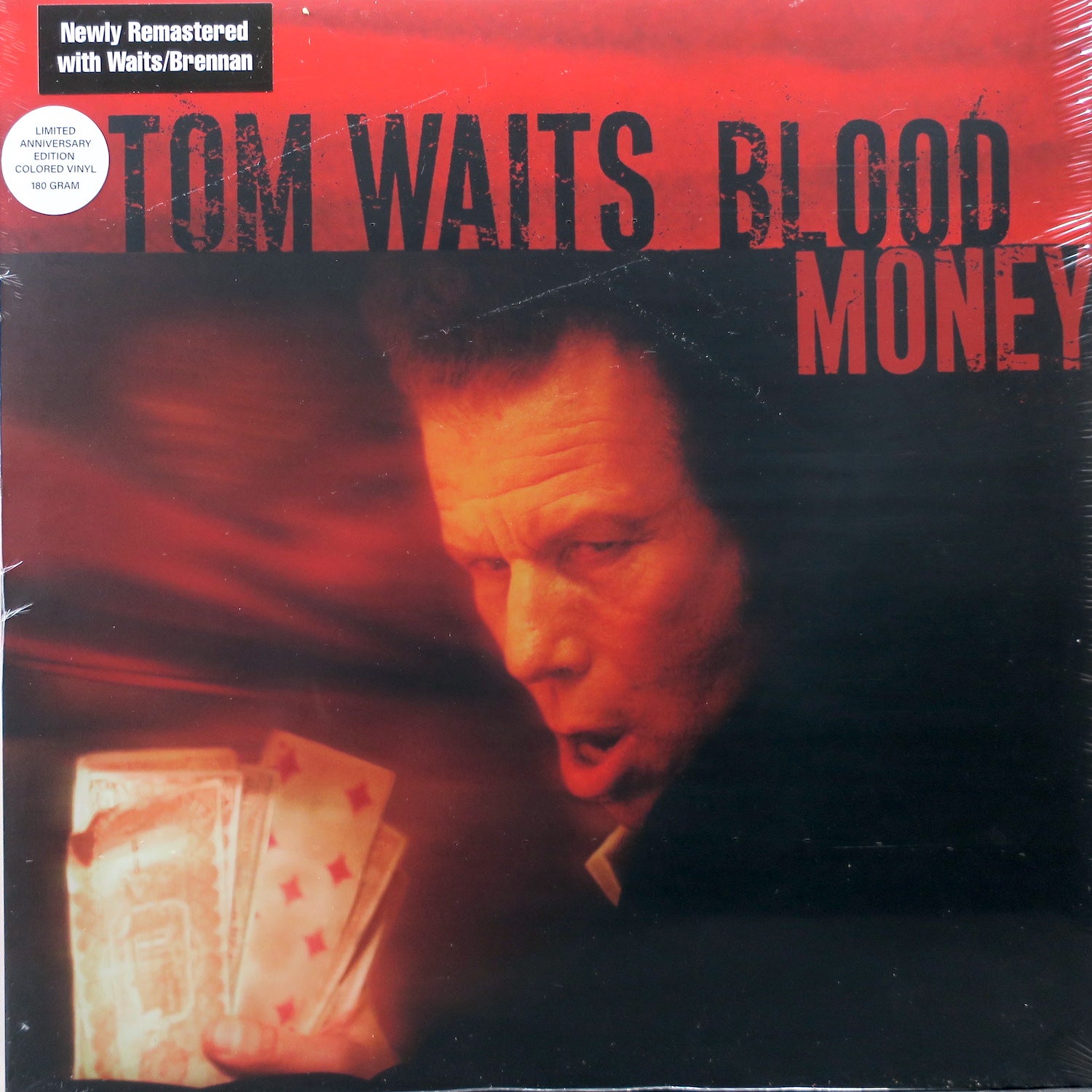
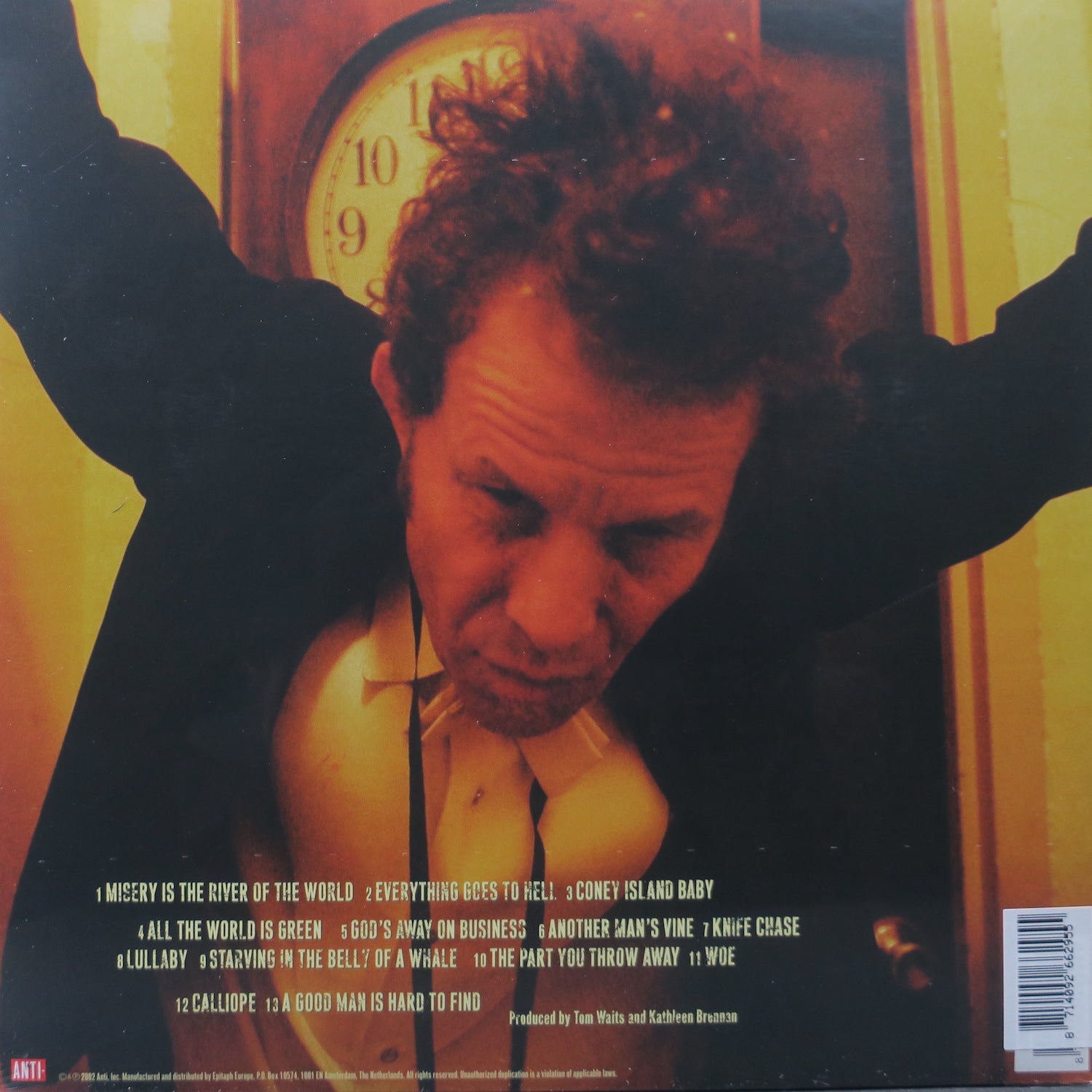
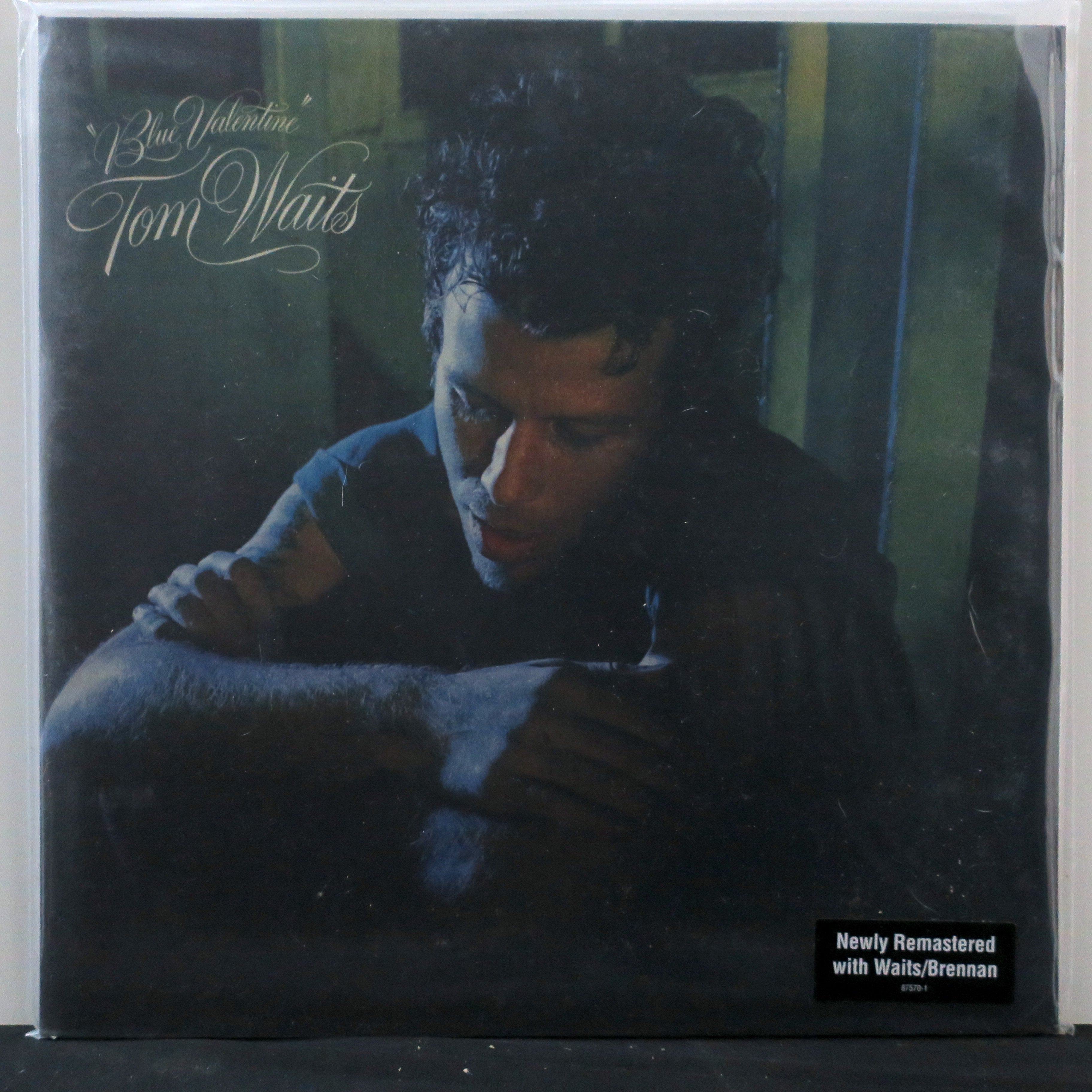
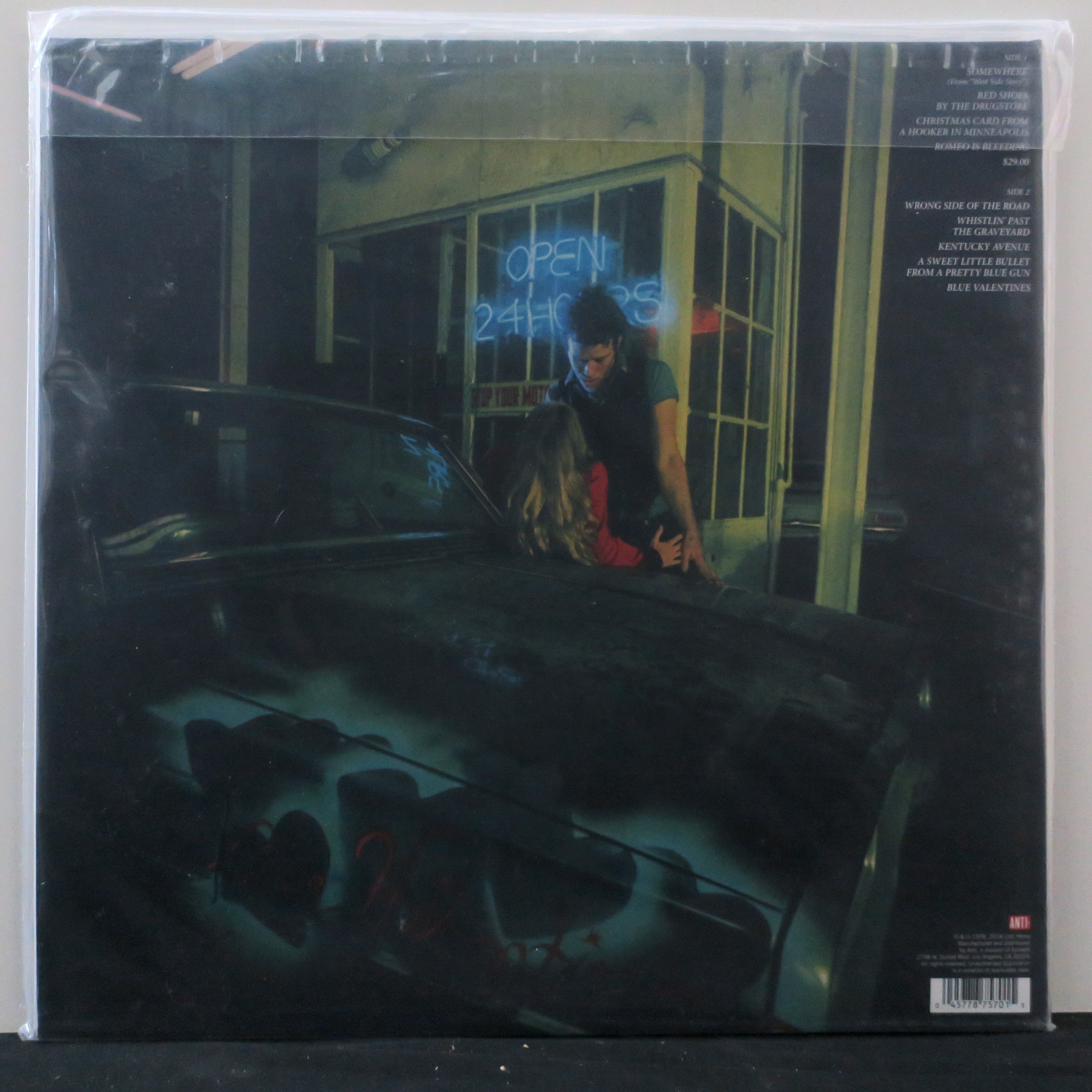
Tom Waits turned the idea of a singer-songwriter into a series of scenes: smoky piano bars, battered alleyways, carnival sideshows and fractured blues halls inhabited by characters with bruised humor. What makes Waits matter is the way voice, arrangement and narrative combine — the gravel of his delivery is an instrument that carries ragged melodies, theatrical timing and an often-surprising tenderness.
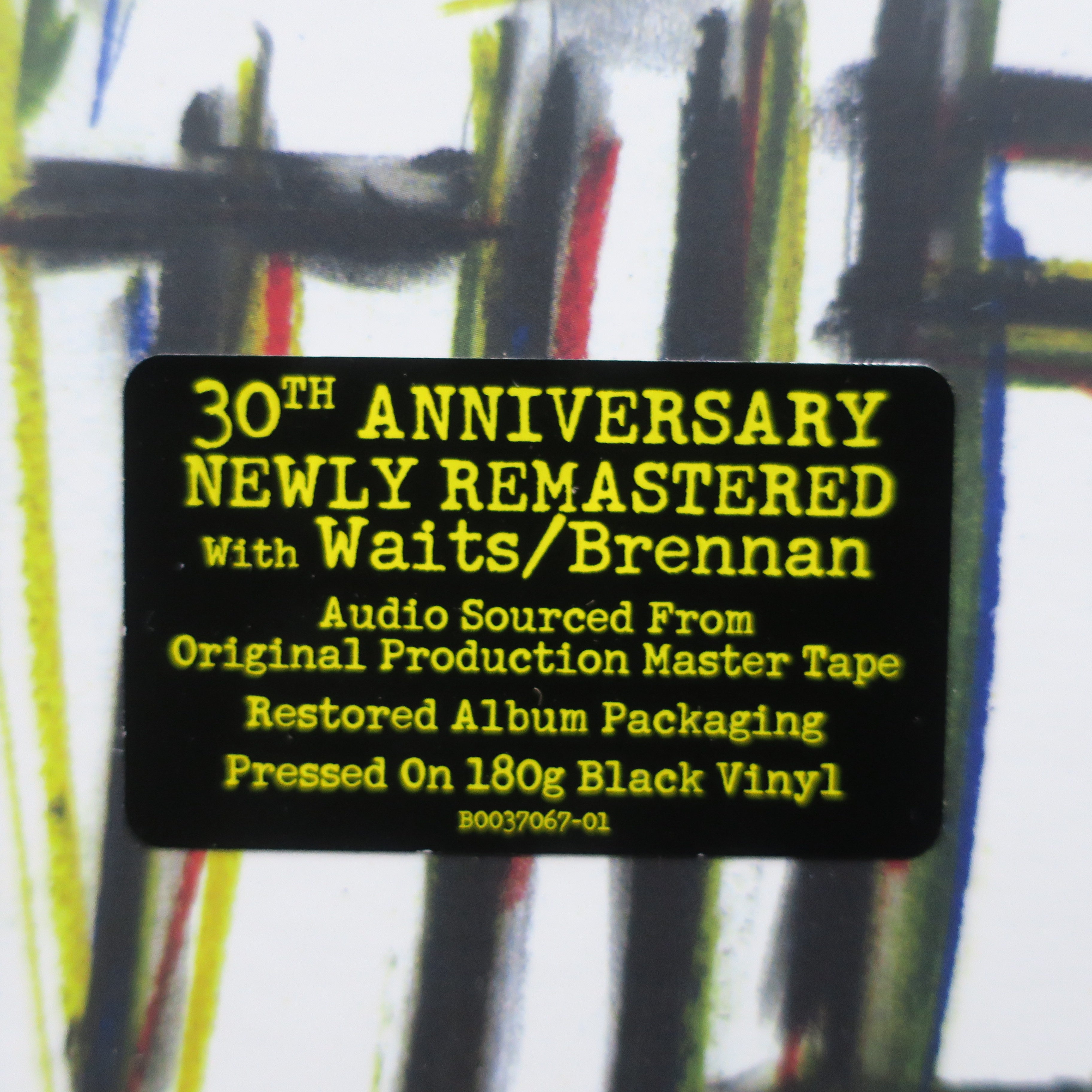
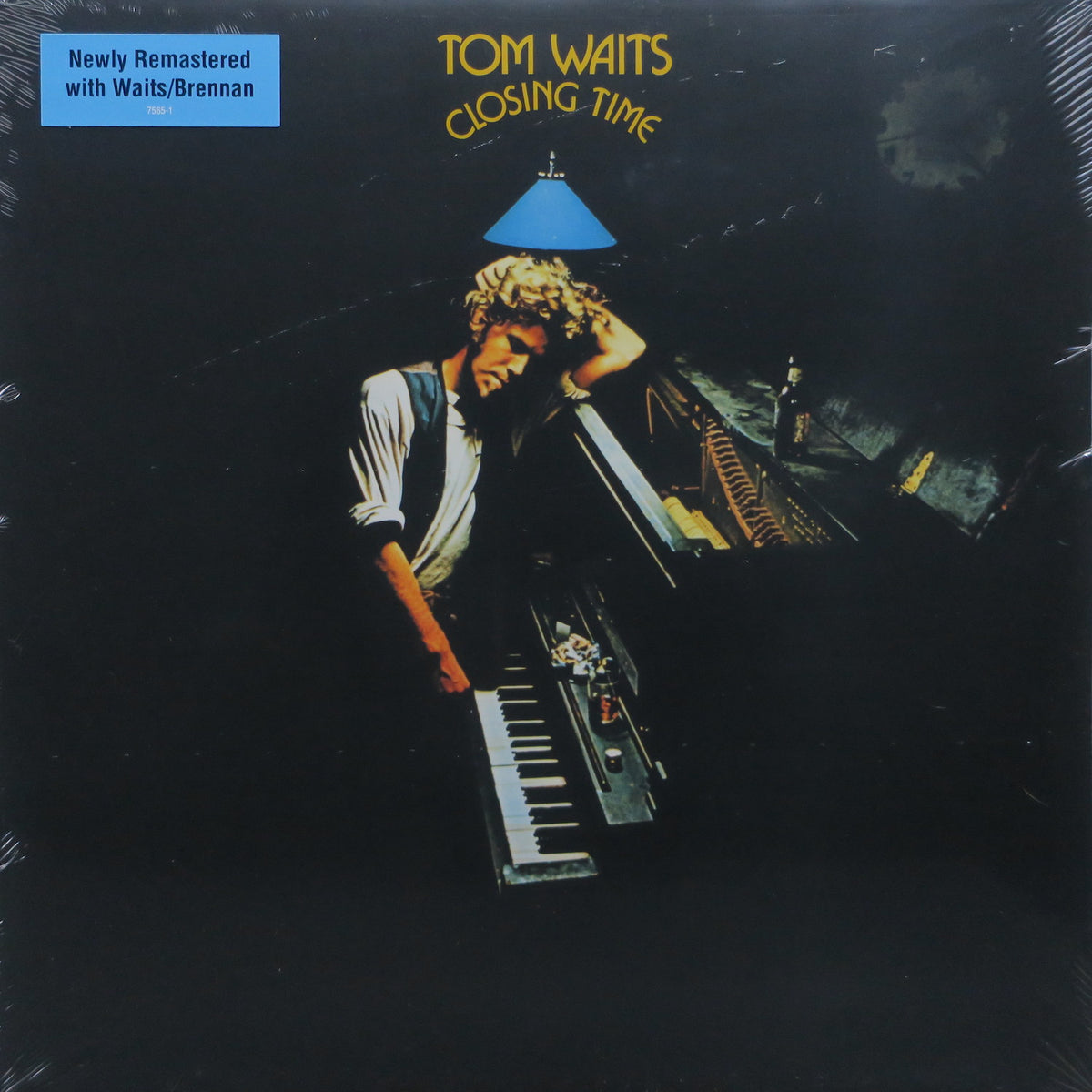
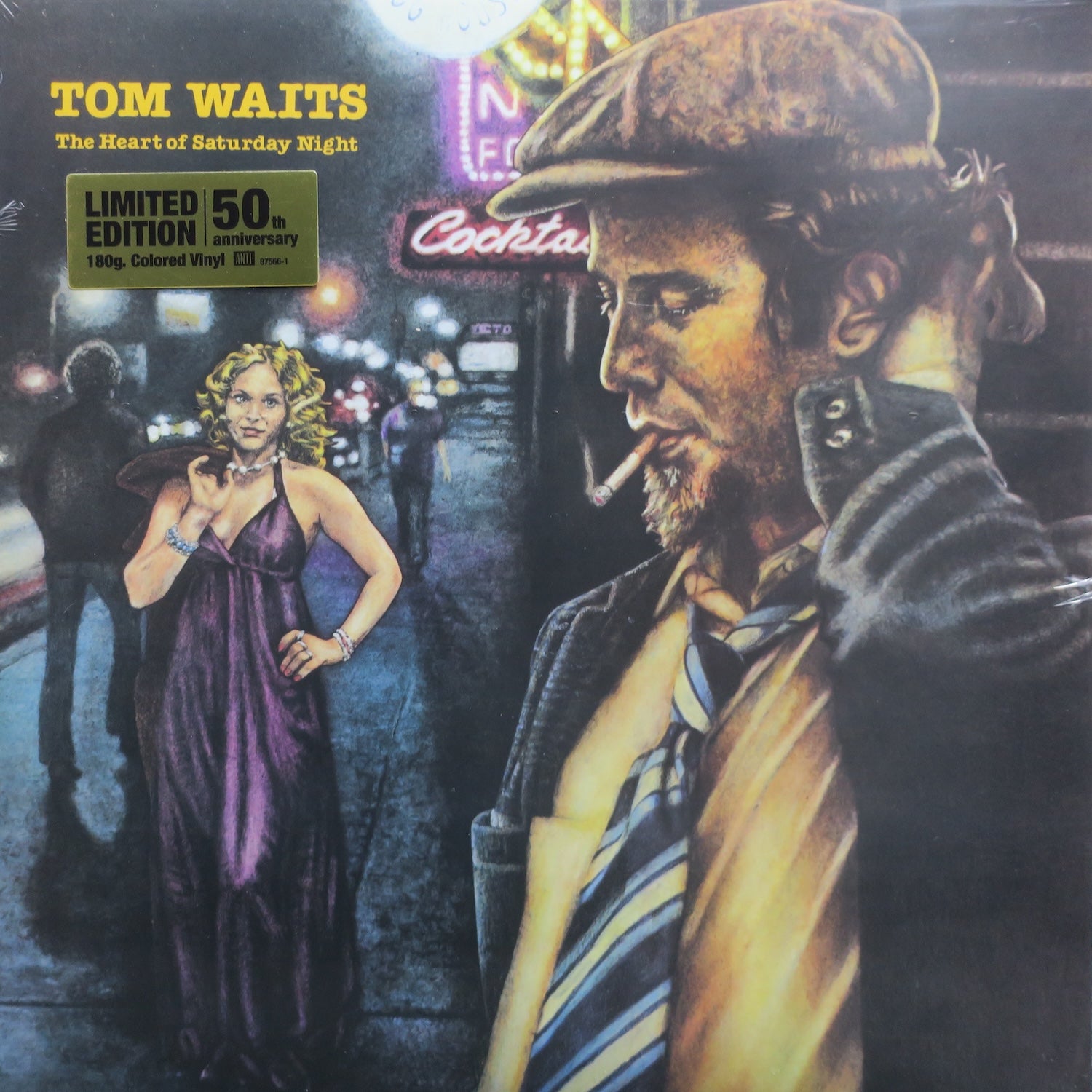
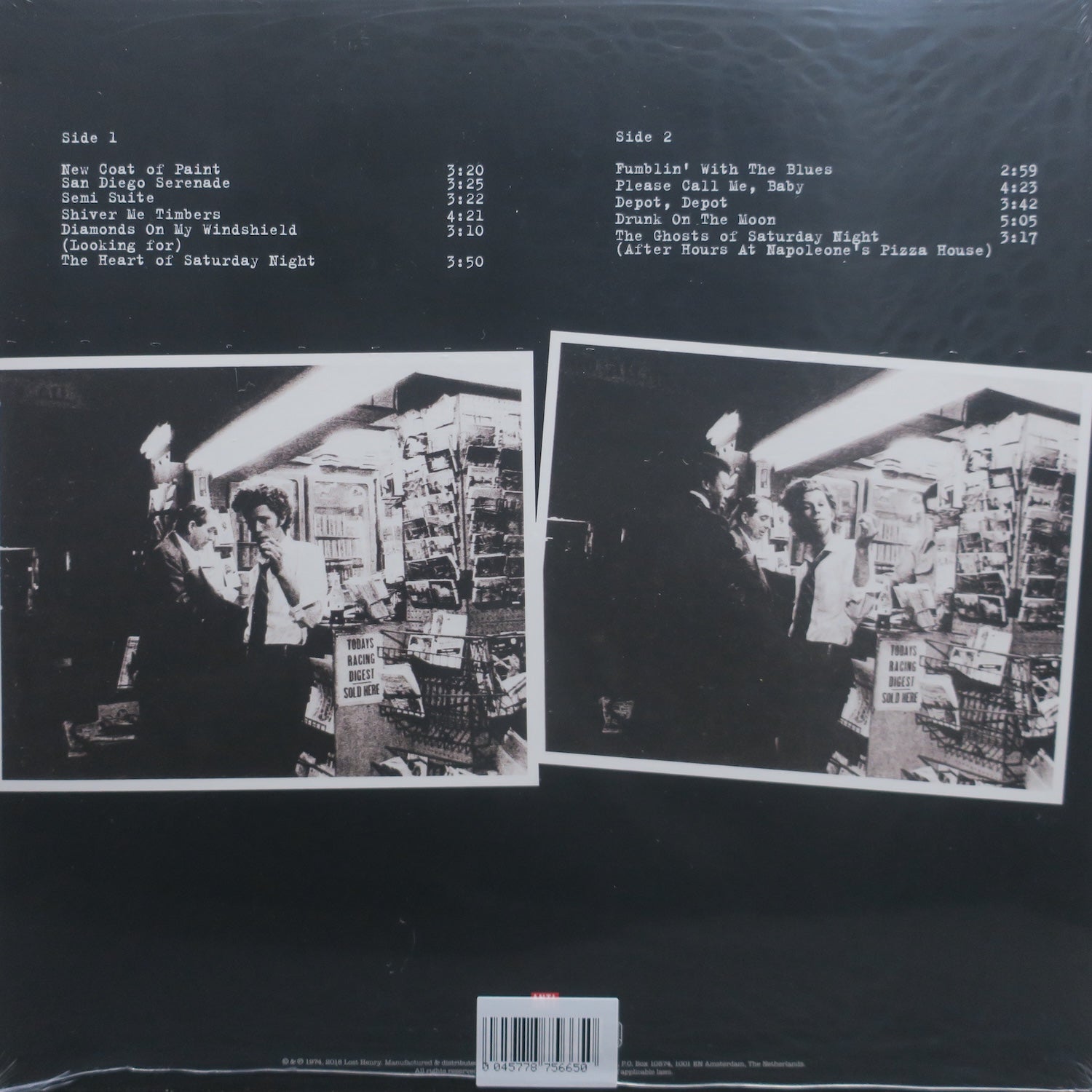
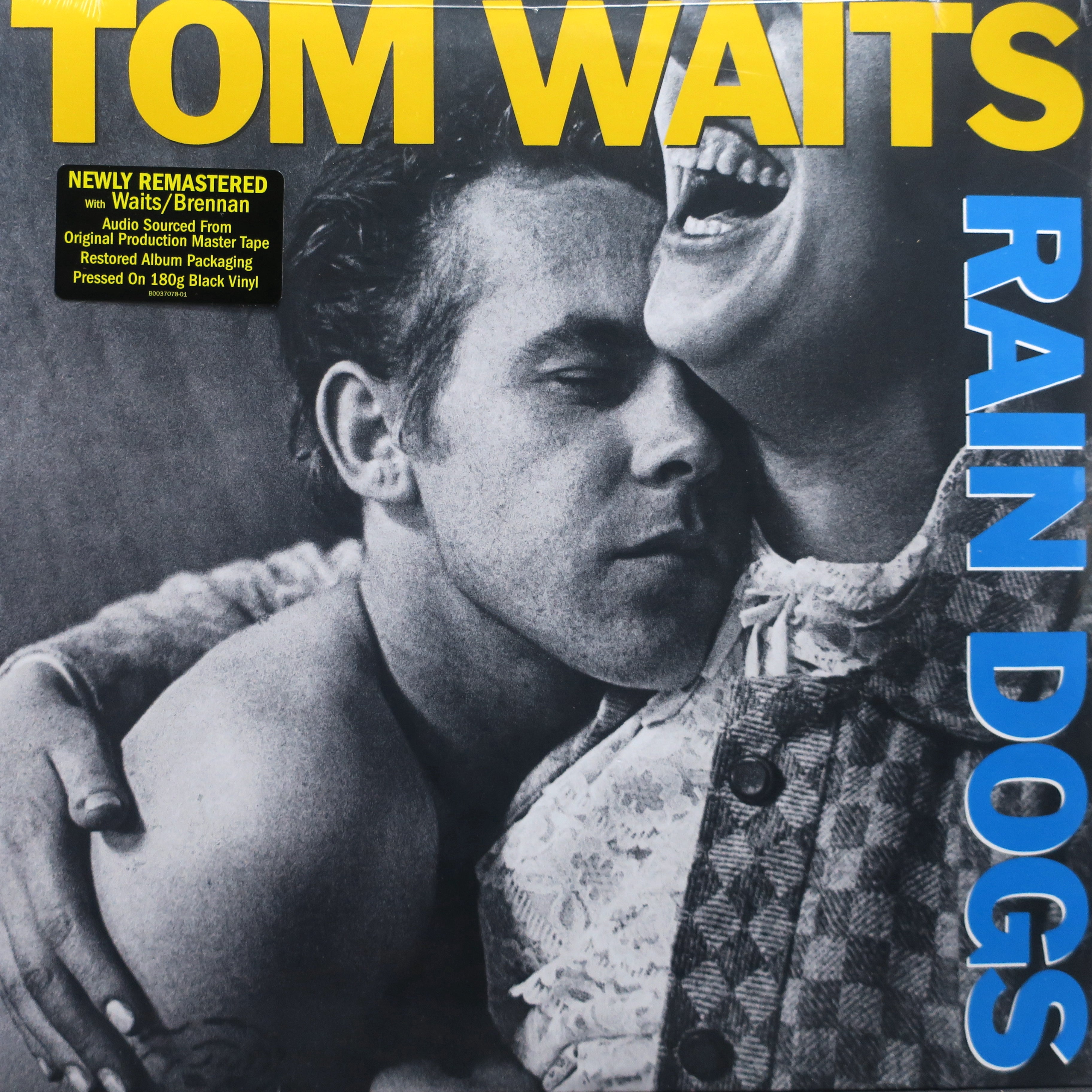
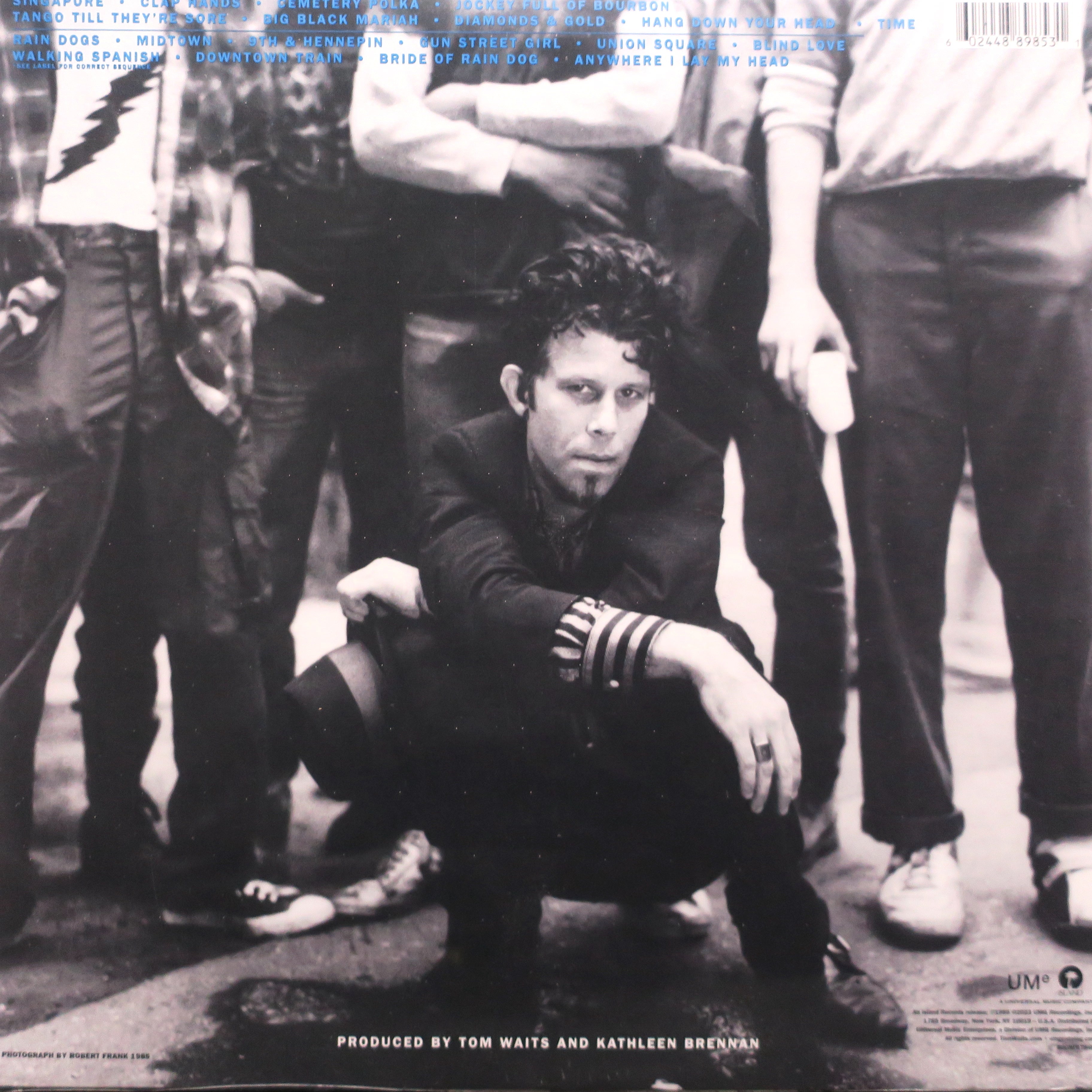
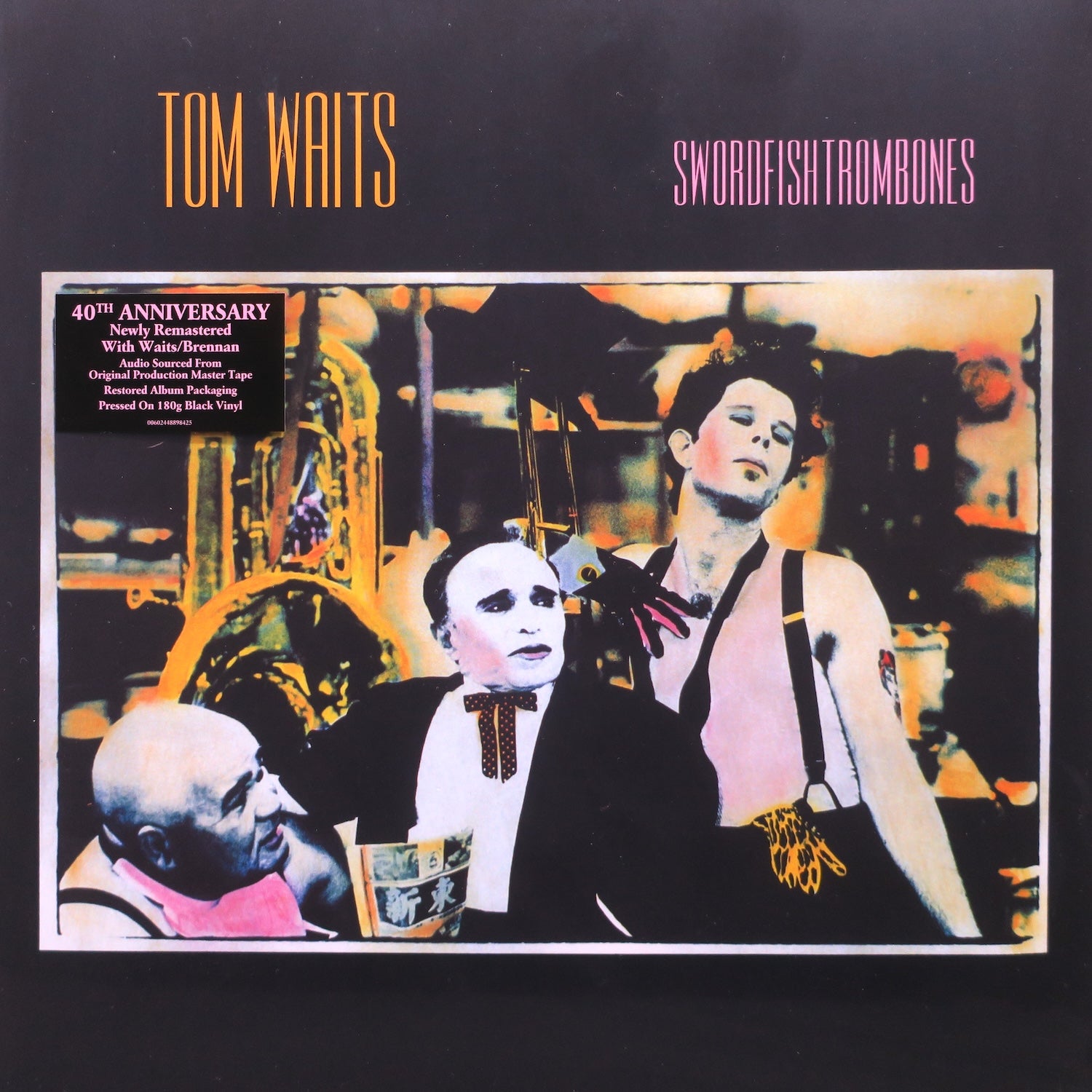
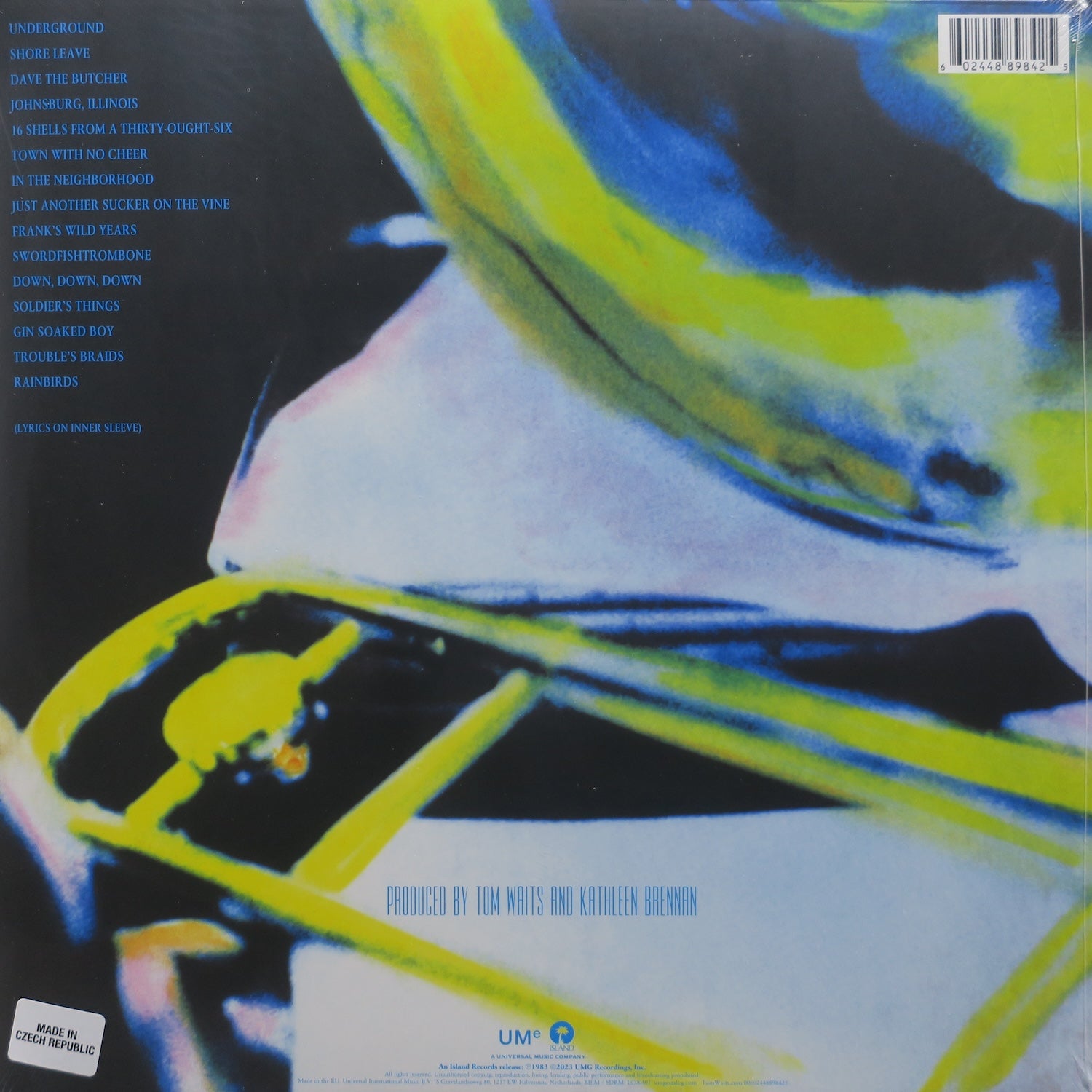
Early records such as Closing Time and The Heart of Saturday Night present a piano-based, jazz-tinged lyricism that sits beside classic American songwriting. A decisive shift arrived with Swordfishtrombones, when long-time collaborator and partner Kathleen Brennan encouraged a move away from conventional song forms toward found percussion, weird instrumentation and a dramaturgical approach to arrangement. That risk paid off on Rain Dogs, where fractured rhythms, accordion, marimba and brass create scenes as much as songs.
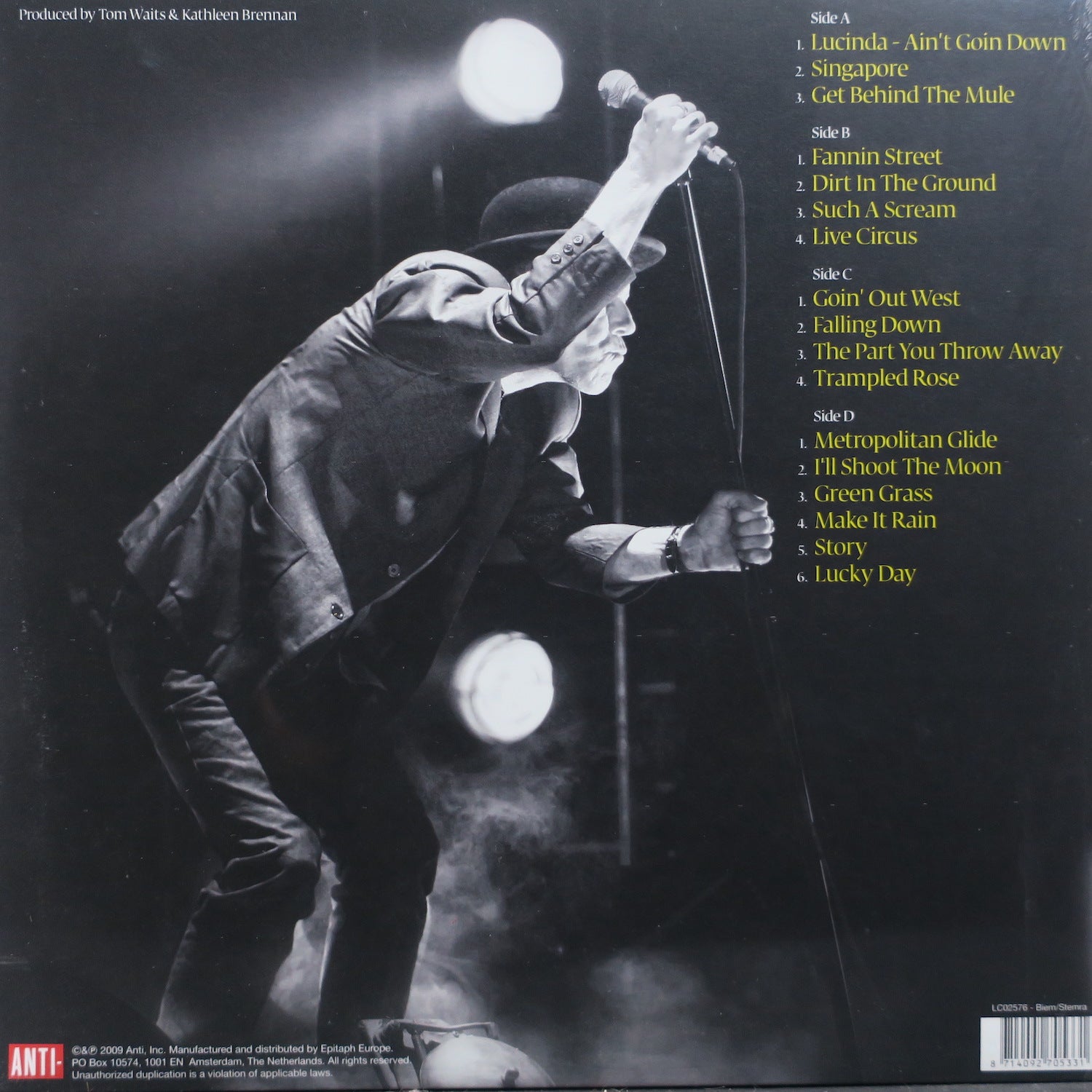
Production and arrangement matter in Waits’s story. Bones Howe produced his early albums, shaping the warm, intimate sound of the 1970s work, while later records embraced a rougher, more sculpted sonic palette that foregrounded texture and rhythm. The result is an artist who sits comfortably between blues, vaudeville, American roots songwriting and experimental rock — a catalog that can surprise listeners who come for the lyric and stay for the sound design.
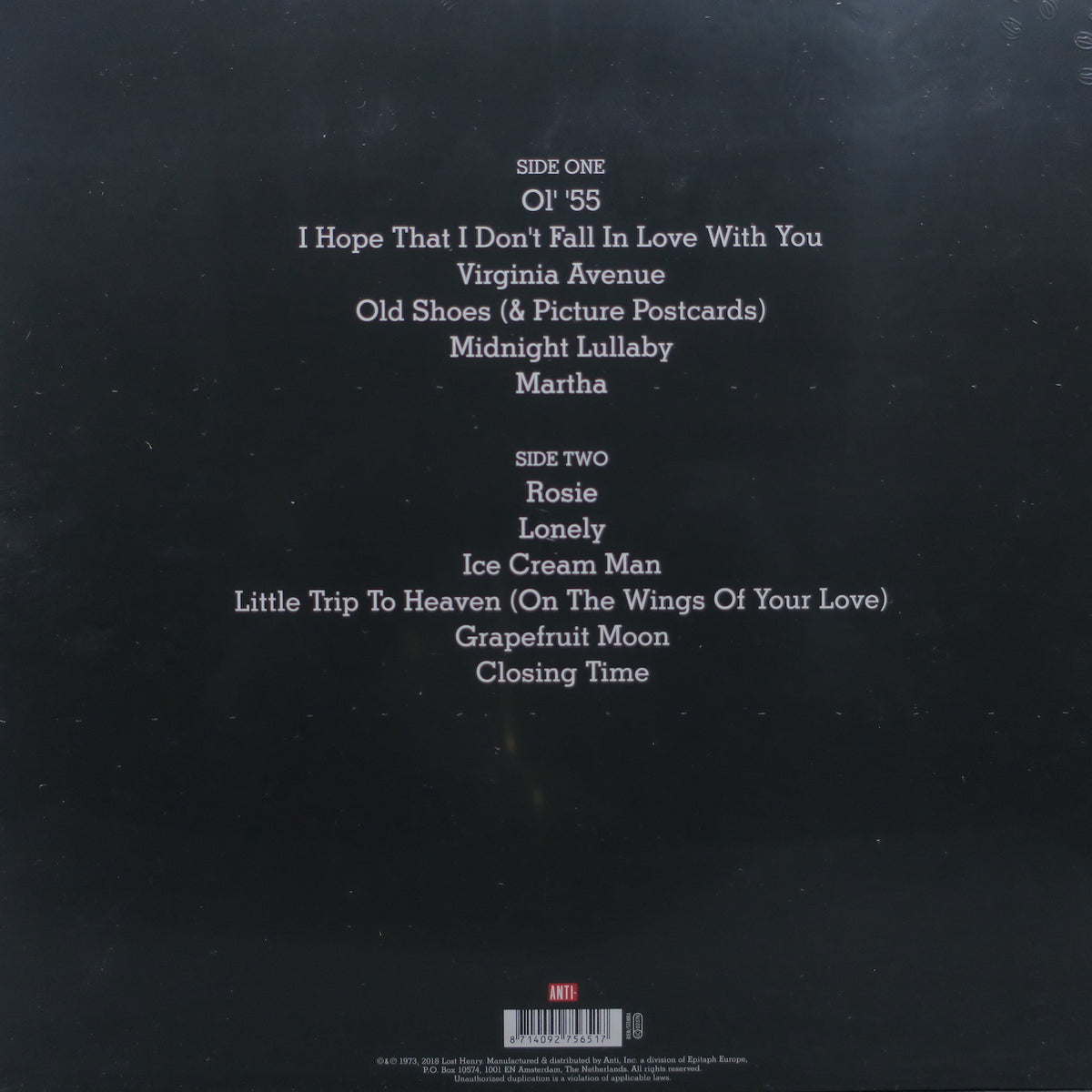
Waits’s songs have circulated widely: “Ol’ 55” found a mainstream audience after being covered by the Eagles, and his influence can be heard in later noir-rooted writers and performers, notably Nick Cave, who adopted a similarly theatrical, narrative darkness. Captain Beefheart and various jazz and blues traditions also feed into Waits’s aesthetic, giving his music both a primitive pulse and a literate sensibility.
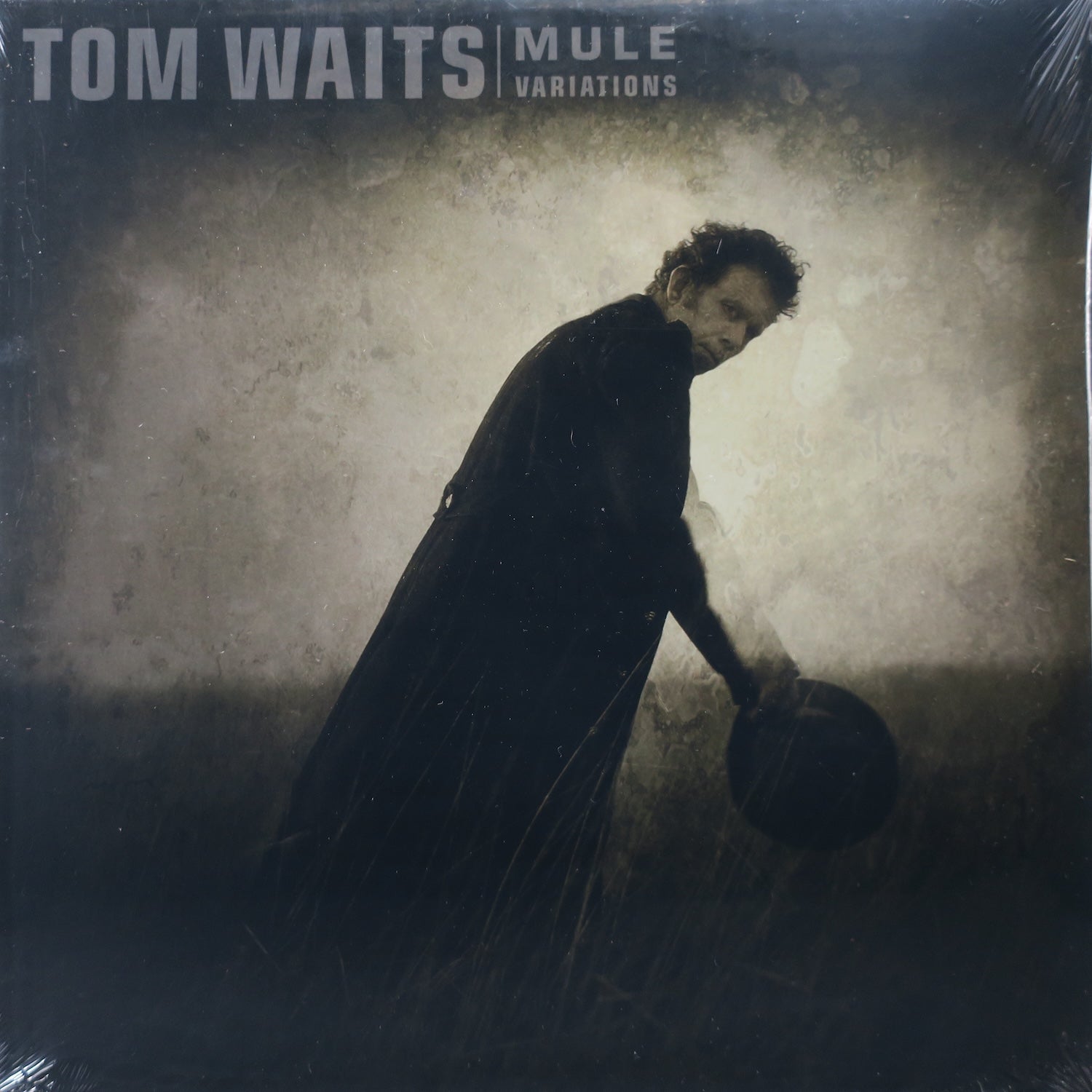
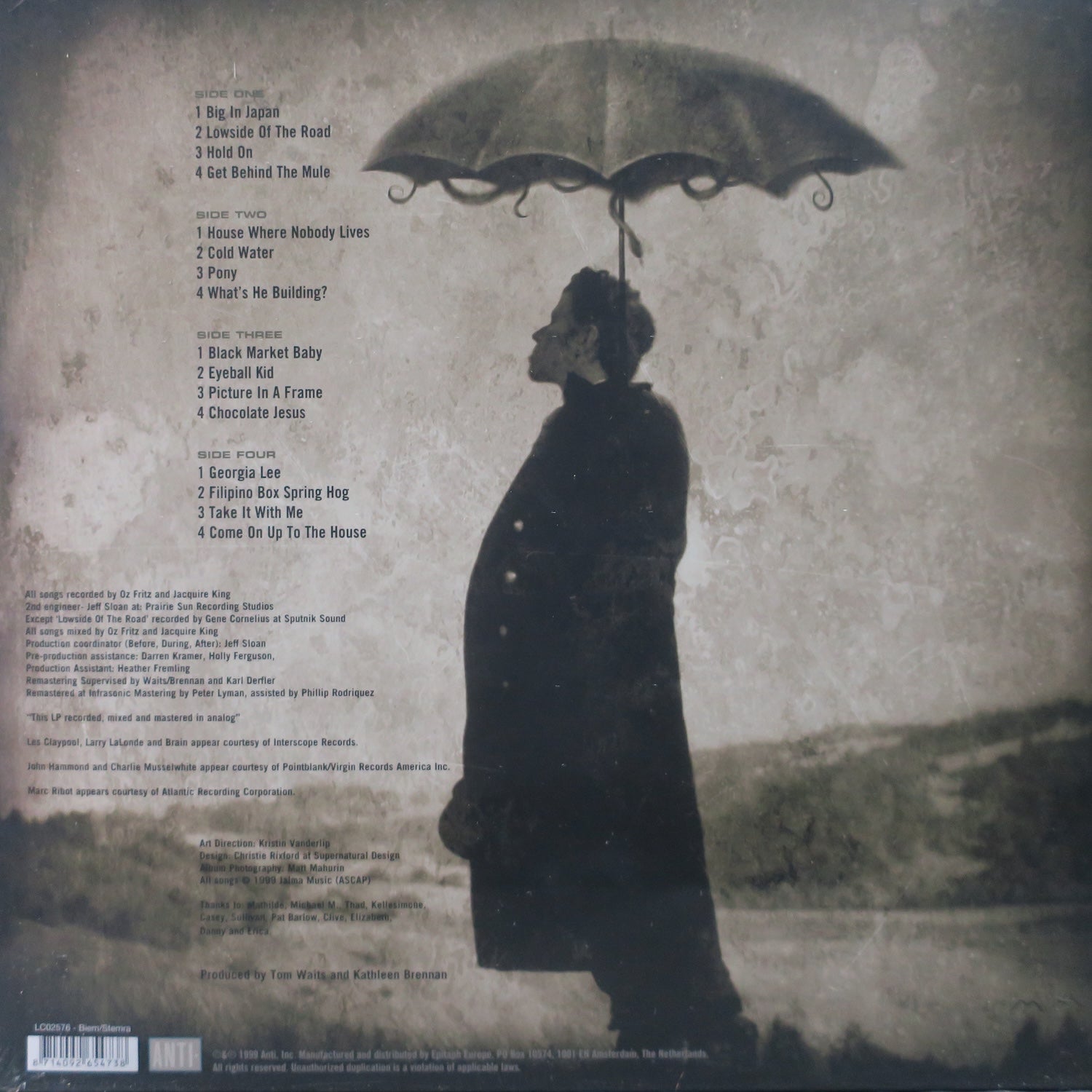
For newcomers, start with Closing Time for warm, lyric-driven craft; move to Swordfishtrombones and Rain Dogs to hear his reinvention; finish with Mule Variations to see how grit and melody coexist later in his career. Across decades, Tom Waits remains compelling because his records are less collections of songs than invitations to inhabit particular moods and streetscapes — each album a different storefront light on the same city.