Johnny Cash
Johnny Cash's music lives in a set of powerful contrasts: spare, railroad-like rhythms and an unvarnished baritone that could carry both a confessional gospel hymn and a hard-hitting portrait of American life. That tension — between intimacy and moral drama, between a working-class storyteller and a larger-than-life public persona — is what makes Cash such a distinctive figure in American music.
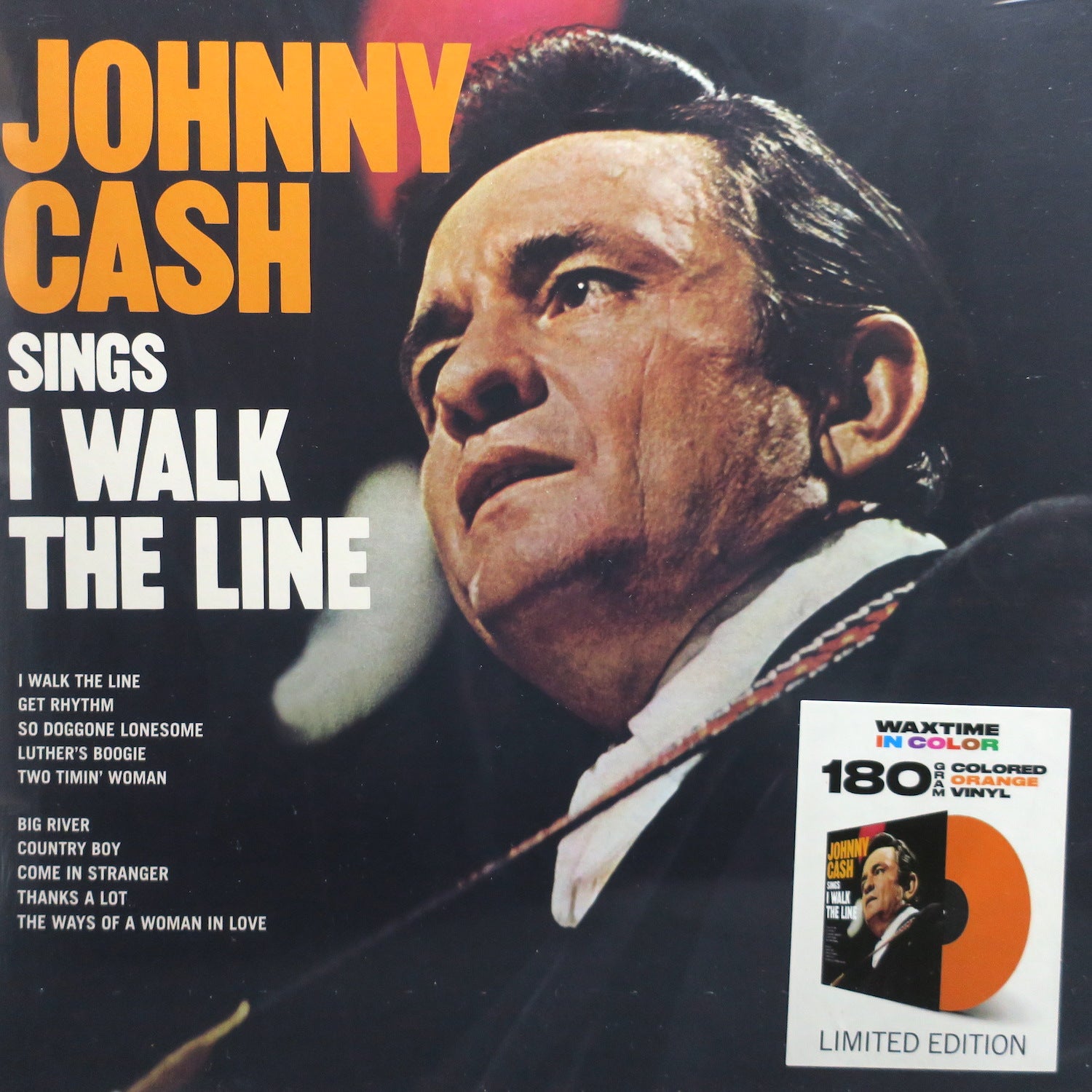
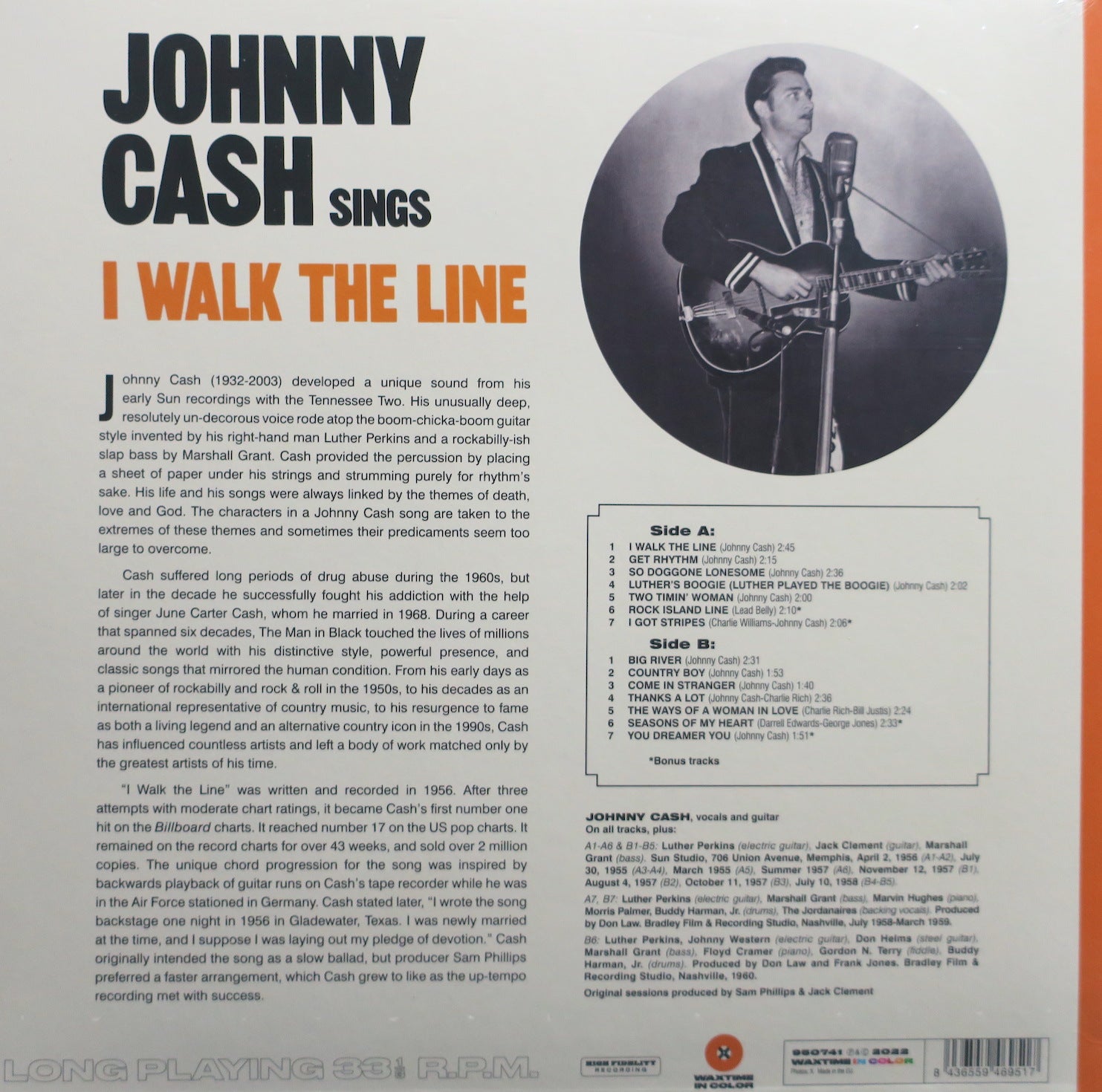
The decade that made Cash began at Sun Records, where his early recordings combined country, rockabilly and folk storytelling. Songs like "I Walk the Line" and the material collected on With His Hot and Blue Guitar! show how a minimalist approach — simple guitar, steady pulse, focused vocals — could produce songs that were immediate and durable. Alongside Elvis Presley, Carl Perkins and Jerry Lee Lewis, Cash helped establish Sun as one of the places where country and rhythm and blues collided with the emerging sound of rock & roll.
Cash's public breakthrough came in a setting few country stars had used so directly: prisons. At Folsom Prison and At San Quentin are not just concert documents; the audience reactions, outlaw songs and rawness of the performances made Cash's identification with prisoners and outsiders feel tangible. The records also brought the storytelling traditions of country music to an audience far beyond its usual boundaries.
Relationships mattered to Cash's music. June Carter Cash — performer, songwriter and the partner who became both personal anchor and musical foil — was central to his life and stage career. The Highwaymen brought another dimension, teaming Cash with Willie Nelson, Kris Kristofferson and Waylon Jennings and placing four of country's great individualists in the same group.
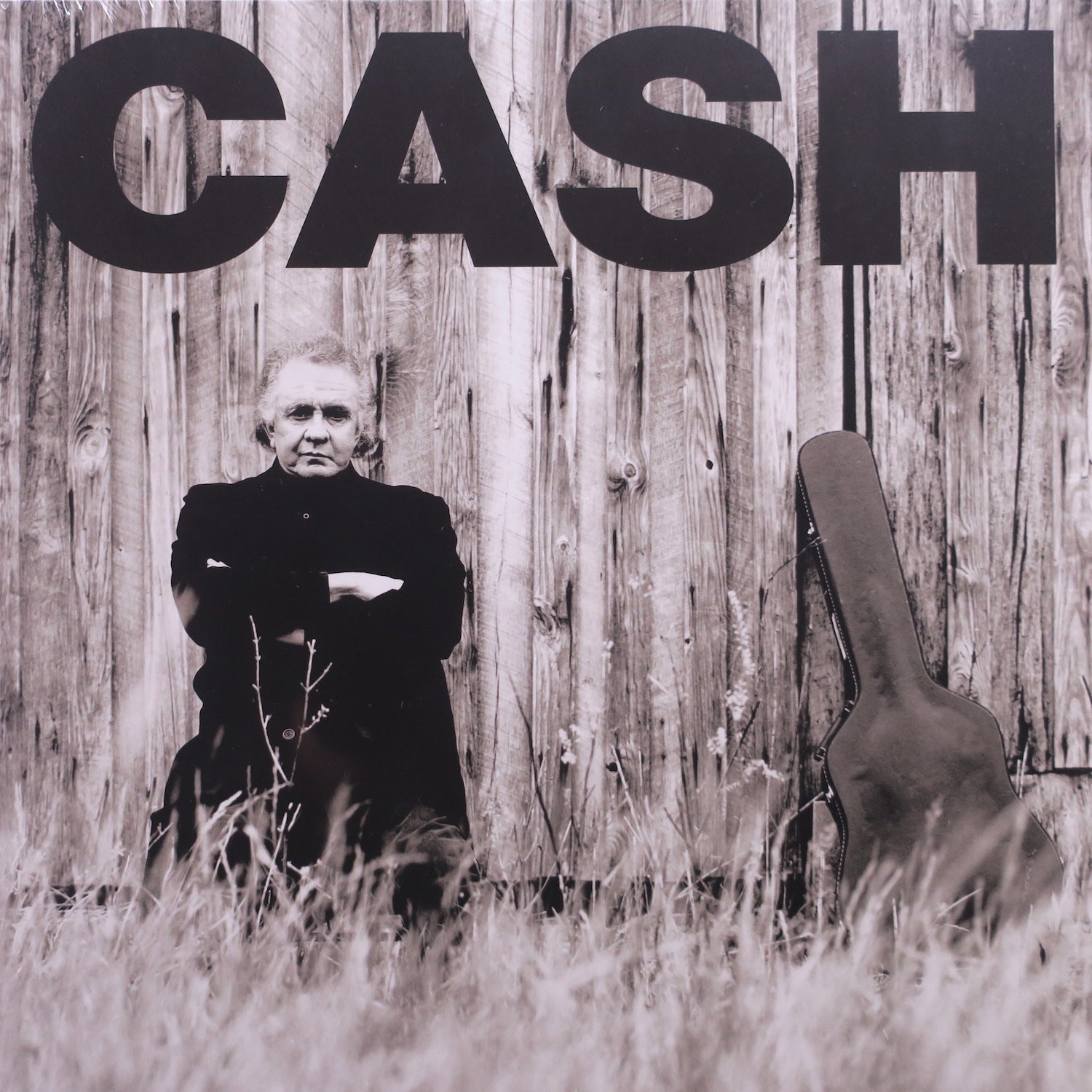
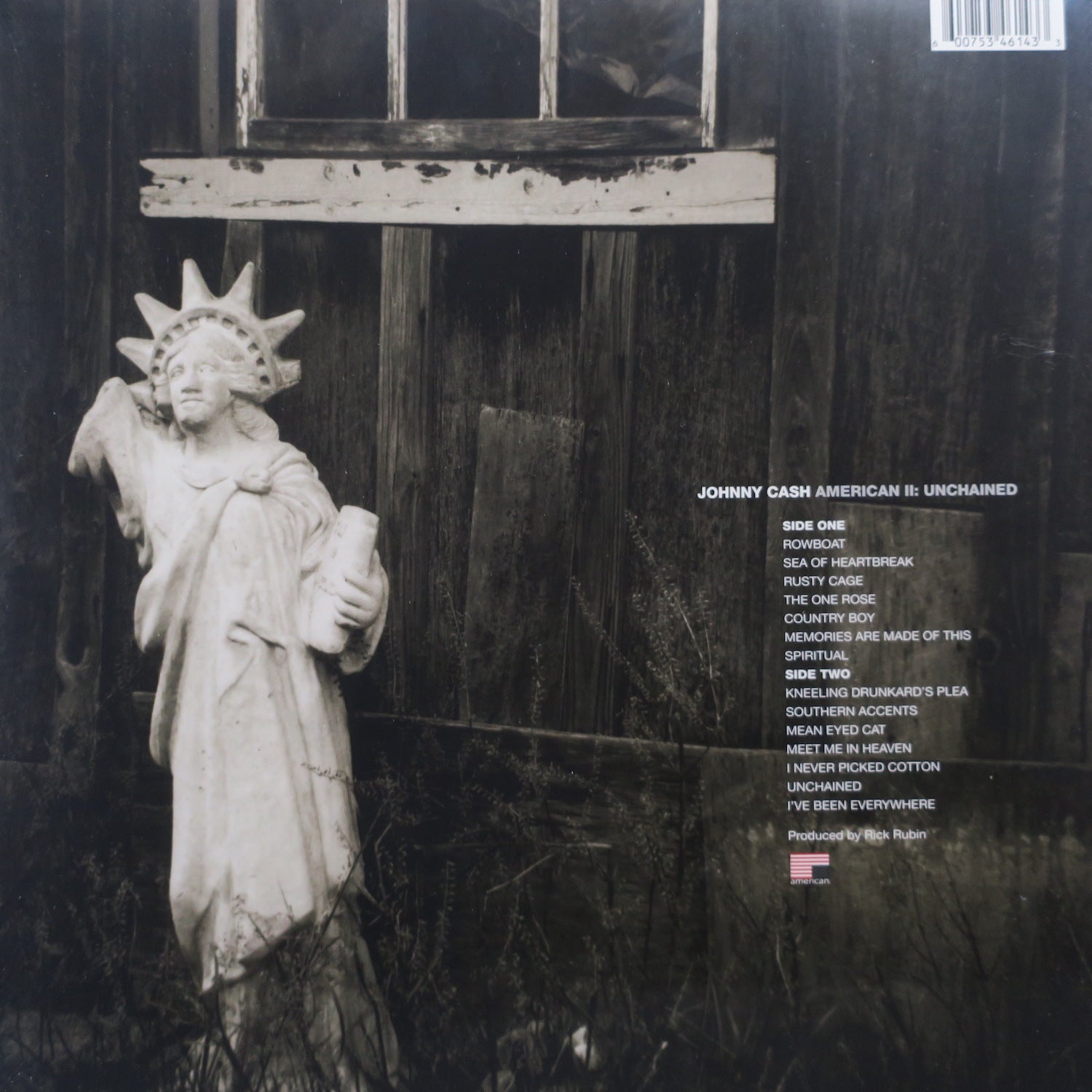
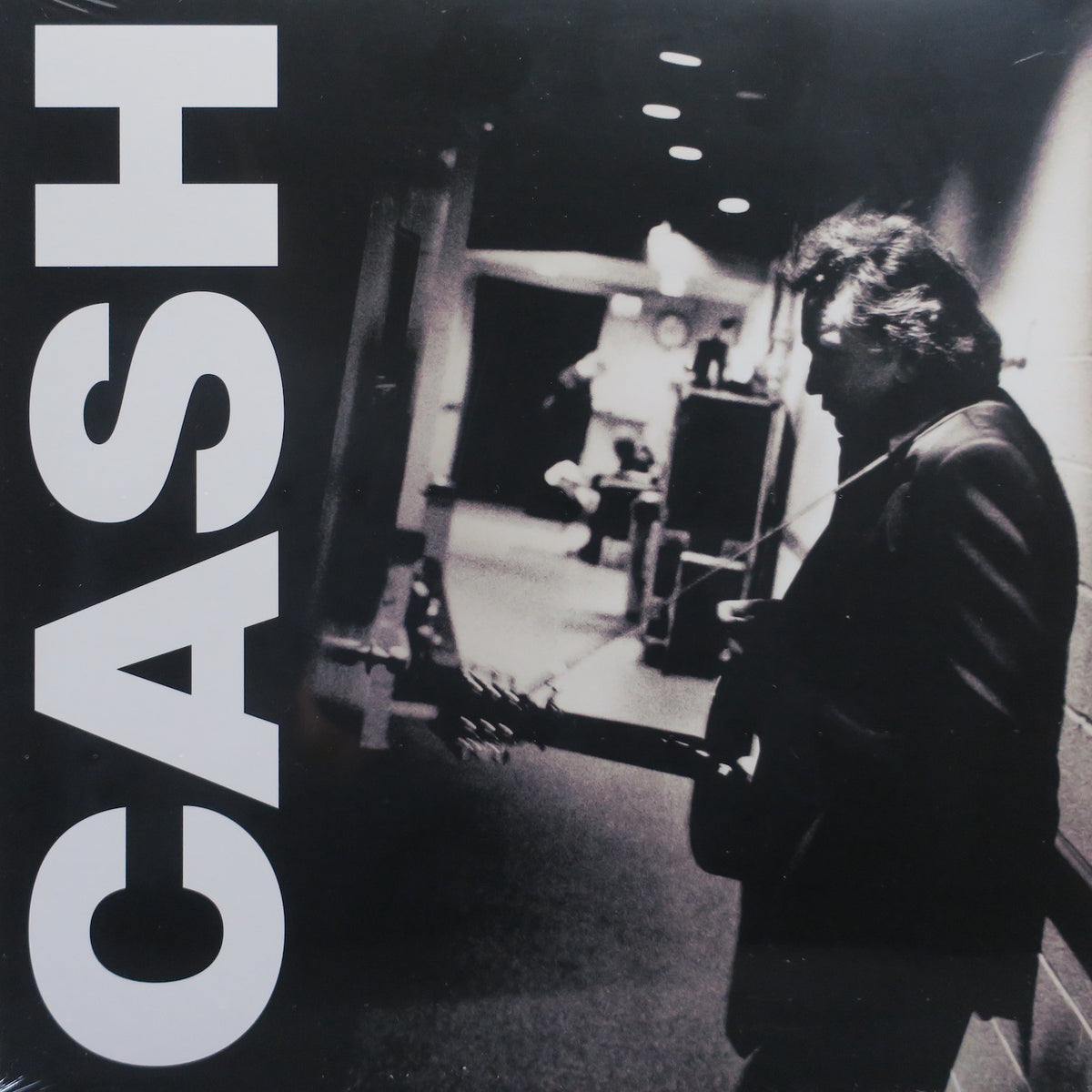
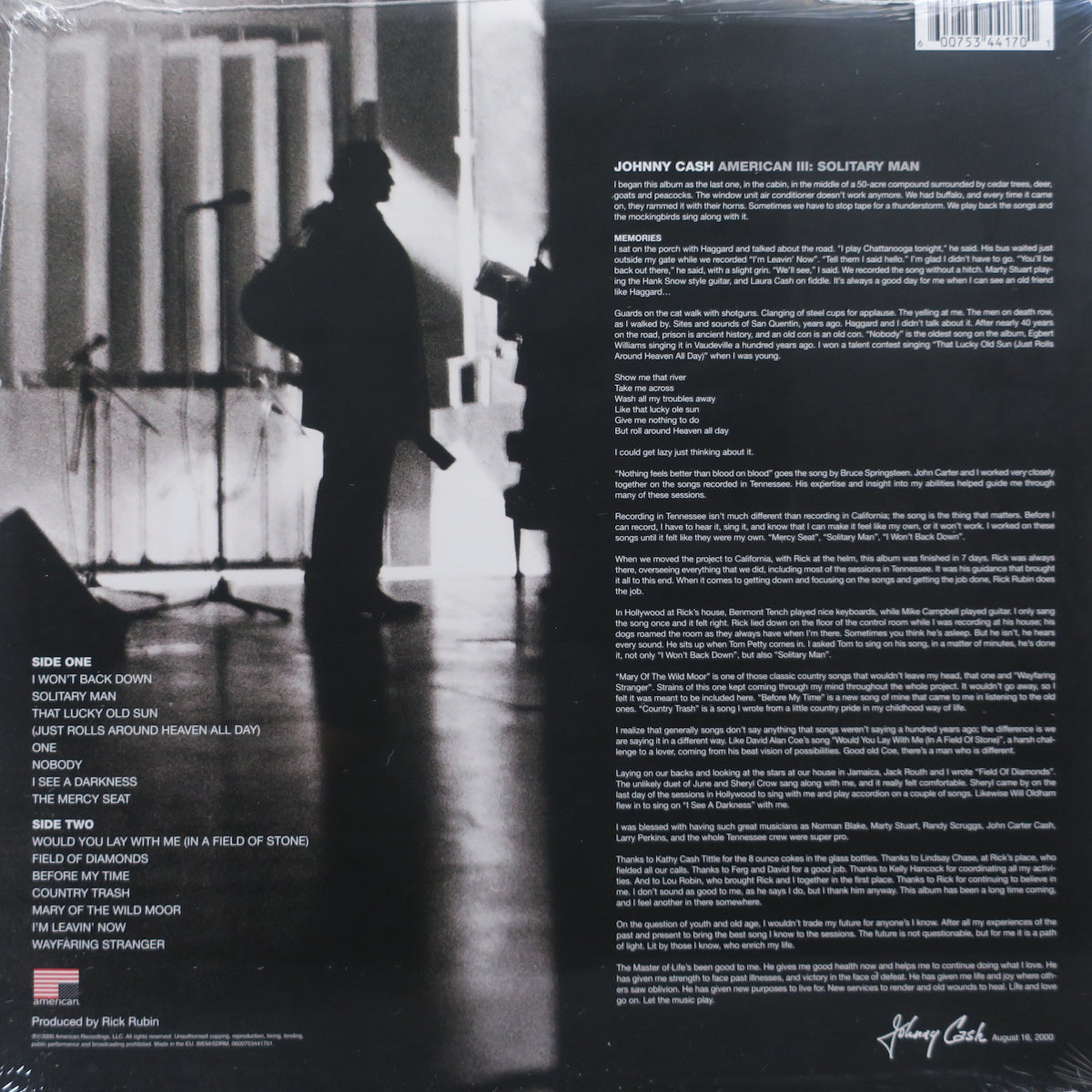
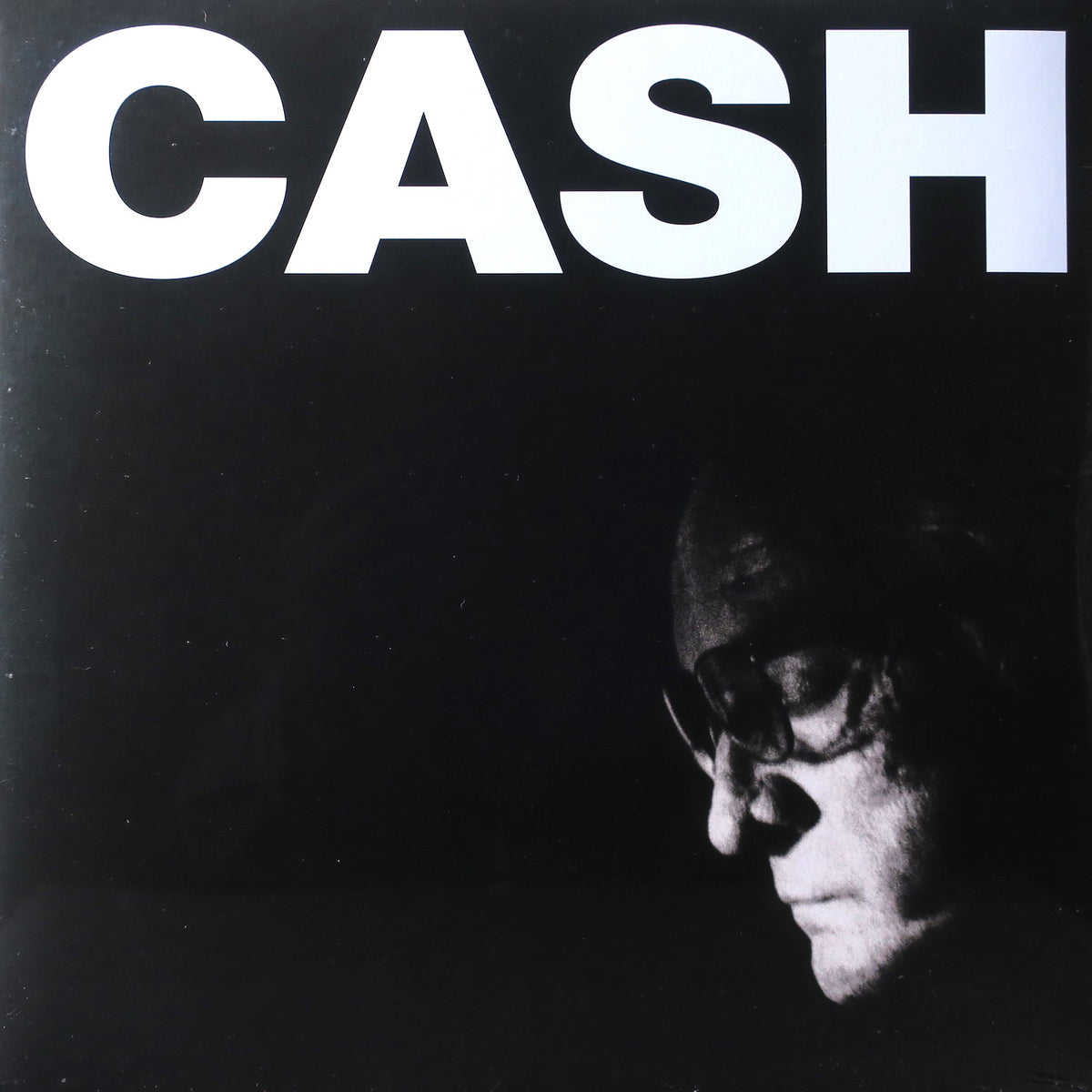
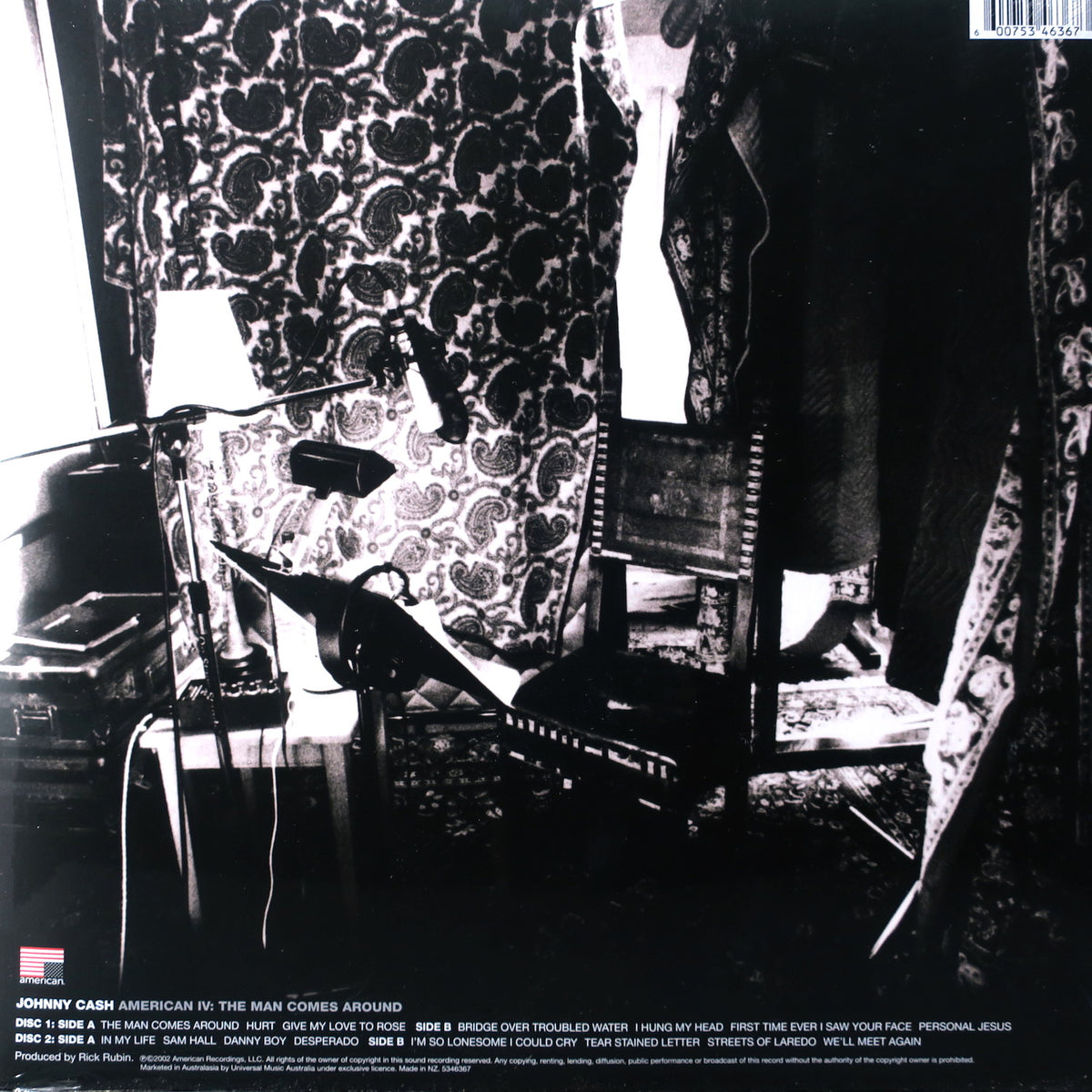
Decades later, producer Rick Rubin found a remarkably effective way of presenting Cash's voice: strip almost everything else away. Beginning with American Recordings in 1994, Cash revisited traditional songs and his own material while also interpreting music from artists far outside the country world. Across the American series he tackled songs associated with Nick Cave, Tom Waits, Soundgarden, Beck, U2 and Depeche Mode, among others. His stark version of Nine Inch Nails' "Hurt" became particularly famous, transforming Trent Reznor's song into something that sounded inseparable from Cash's own experiences of age, regret and mortality. These weren't novelty covers; Cash had a remarkable ability to find the part of another writer's song that could become part of his own story.
That willingness to move between musical worlds helps explain Cash's longevity. He could sing gospel, murder ballads, protest songs and sentimental country without any of them feeling like a costume, and could interpret songs written decades after his career began without chasing contemporary fashion. From the Sun singles and prison albums through to the American recordings, Johnny Cash's catalogue traces nearly half a century of American music while retaining the same essential ingredients: a great song, an unmistakable voice and very little standing between the two.