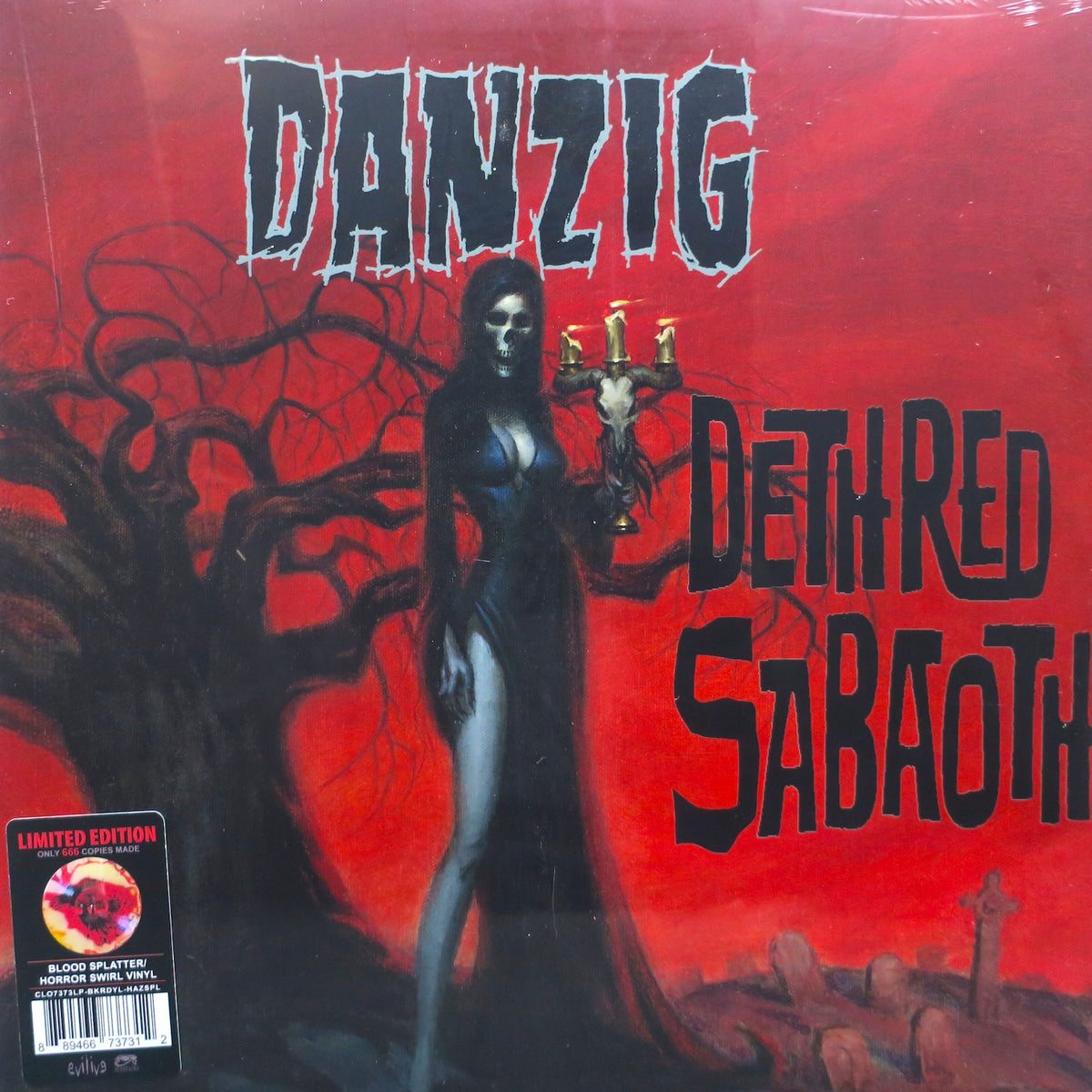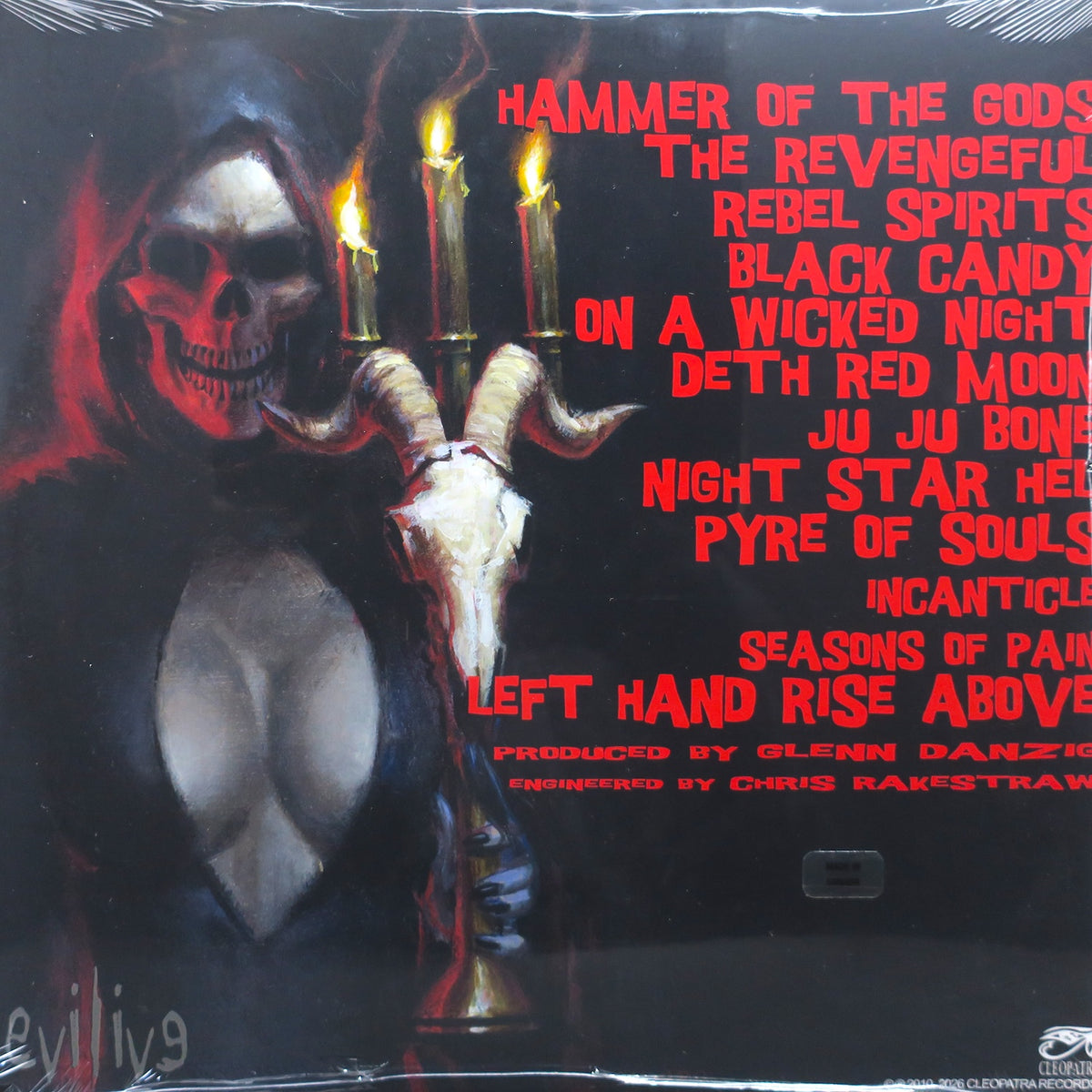
Danzig
Few acts in heavy rock married a roadhouse baritone to Sabbath-weight riffing with the same deliberate menace as Danzig. The band is best known for the contrast between Glenn Danzig’s leather-deep croon — rooted as much in Elvis Presley’s bluesy phrasing as in punk urgency — and songs built from slow, monolithic guitar riffs that favor mood and menace over speed.
The first Danzig album trilogy (Danzig; Danzig II: Lucifuge; Danzig III: How the Gods Kill) maps the project’s most persuasive spells: songs that move from swampy rock to gothic metal while keeping a songwriter’s focus on melody and hook. Guitarist John Christ and bassist Eerie Von, part of the classic lineup alongside drummer Chuck Biscuits, provided a tight, muscular backing that let Glenn’s voice sit up front and hypnotize the arrangements; their contributions are why those early records still sound immediate on vinyl and radio.
Understanding Danzig means tracing Glenn’s path from the Misfits’ horror-punk theatrics through Samhain’s darker, slower experiments into the full-band, riff-led Danzig. Those earlier bands supplied not only fan expectations but much of the visual and lyrical vocabulary: occult imagery, noir romanticism and a preference for dramatic, ritualistic performance. The transition also shows how heavy-rock traditions — notably the doom and atmosphere of Black Sabbath — get refracted through a punk-born sense of economy.
Beyond lineage, Danzig’s reach extends into later shock-rock and goth-tinged metal acts; artists such as Marilyn Manson picked up on the blend of theatricality and muscular rock that Danzig championed. The band’s catalog rewards more than casual listening: the slower cuts reveal blues roots, the louder tracks reveal metal craft, and repeated spins expose the care behind the phrasing and production choices.
Even decades on, Danzig remains worth exploring for anyone curious about where punk attitude and classic-rock phrasing collide with heavy metal’s darker textures. The records keep revealing small details that explain why the band still holds a distinct place in the heavier side of rock.
Recommended Artists: The Cult, Black Sabbath, The Sisters Of Mercy, Bauhaus, Judas Priest, Motörhead, Alice In Chains, The Doors