Skip to content
Facebook
Instagram
10% off orders over $150 . . . Flat rate shipping within Australia
Search
BUY STUFF
SELL YOUR RECORDS & CDs
VINYL FLATTENING
GIFT VOUCHER
CONTACT
Account
Search
Cart
BUY STUFF
SELL YOUR RECORDS & CDs
VINYL FLATTENING
GIFT VOUCHER
CONTACT
Motörhead
1975–2015
Metal
If you like Motörhead you should check out:
Judas Priest
,
Metallica
,
Iron Maiden
,
Rose Tattoo
Filter
8 products
Sort by
Alphabetically, A-Z
Most relevant
Best selling
Alphabetically, A-Z
Alphabetically, Z-A
Date, old to new
Date, new to old
Filters
Sort by
Most relevant
Best selling
Alphabetically, A-Z
Alphabetically, Z-A
Date, old to new
Date, new to old
Apply
Quick buy
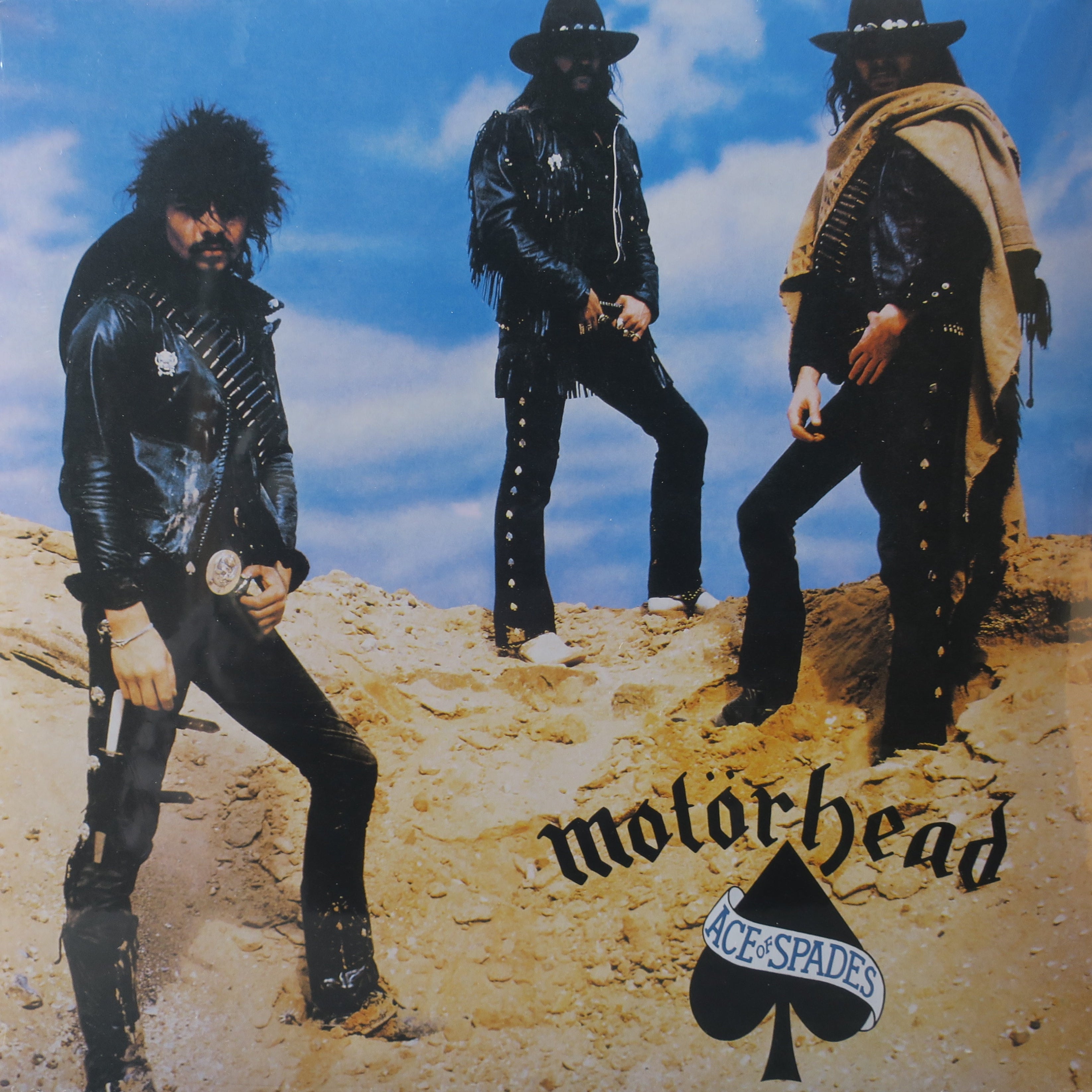
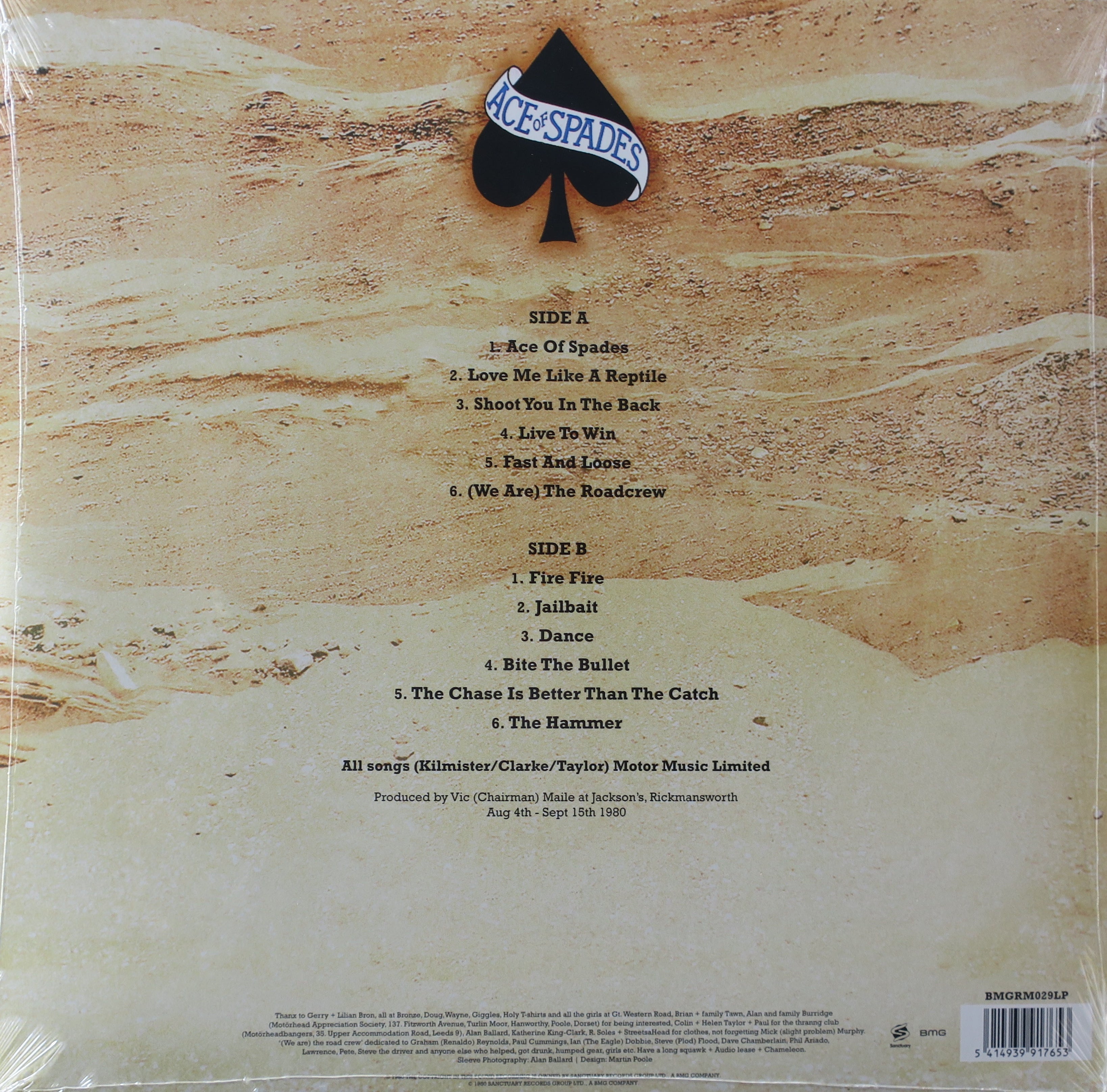
MOTORHEAD 'Ace Of Spades' Vinyl LP
$50.00
Quick buy
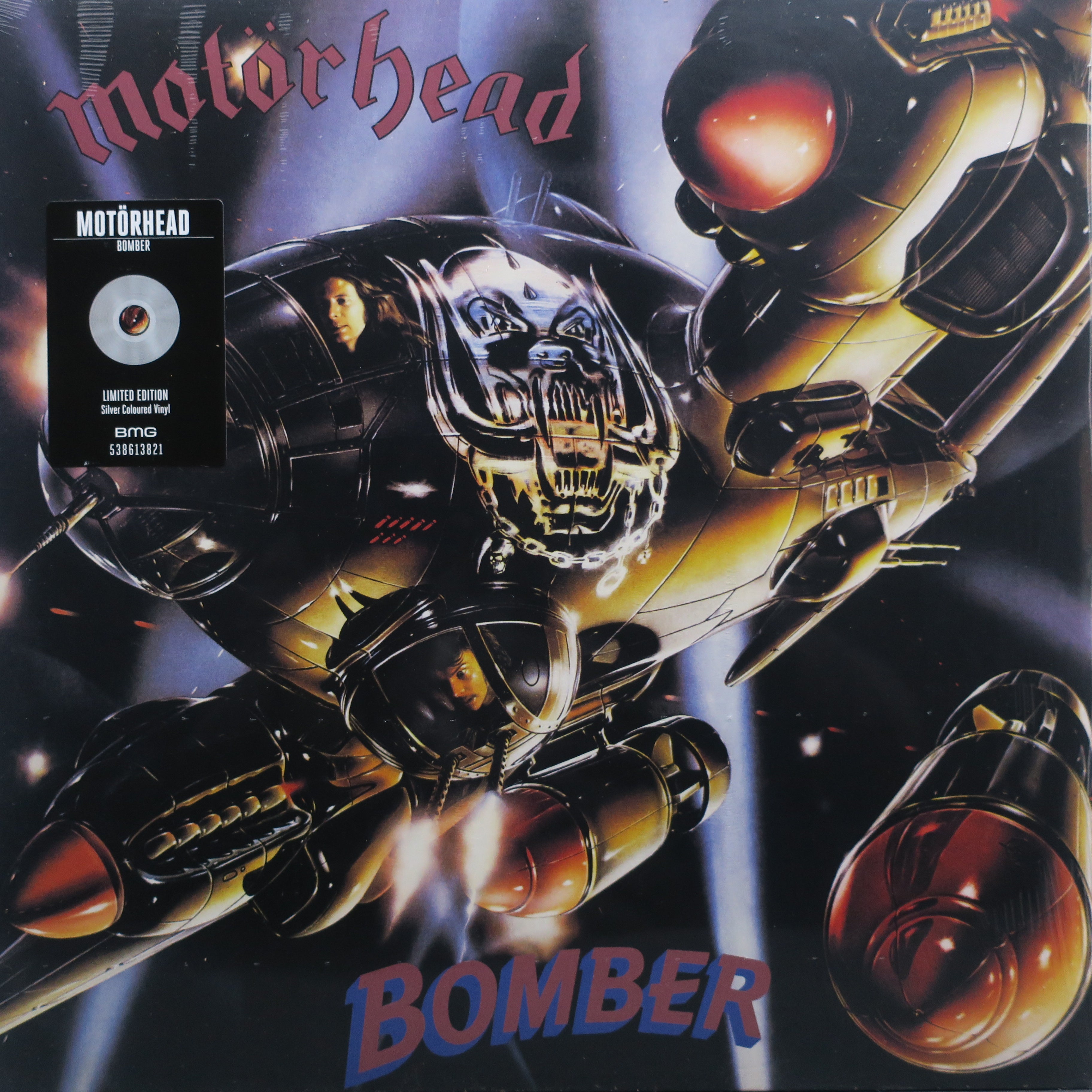
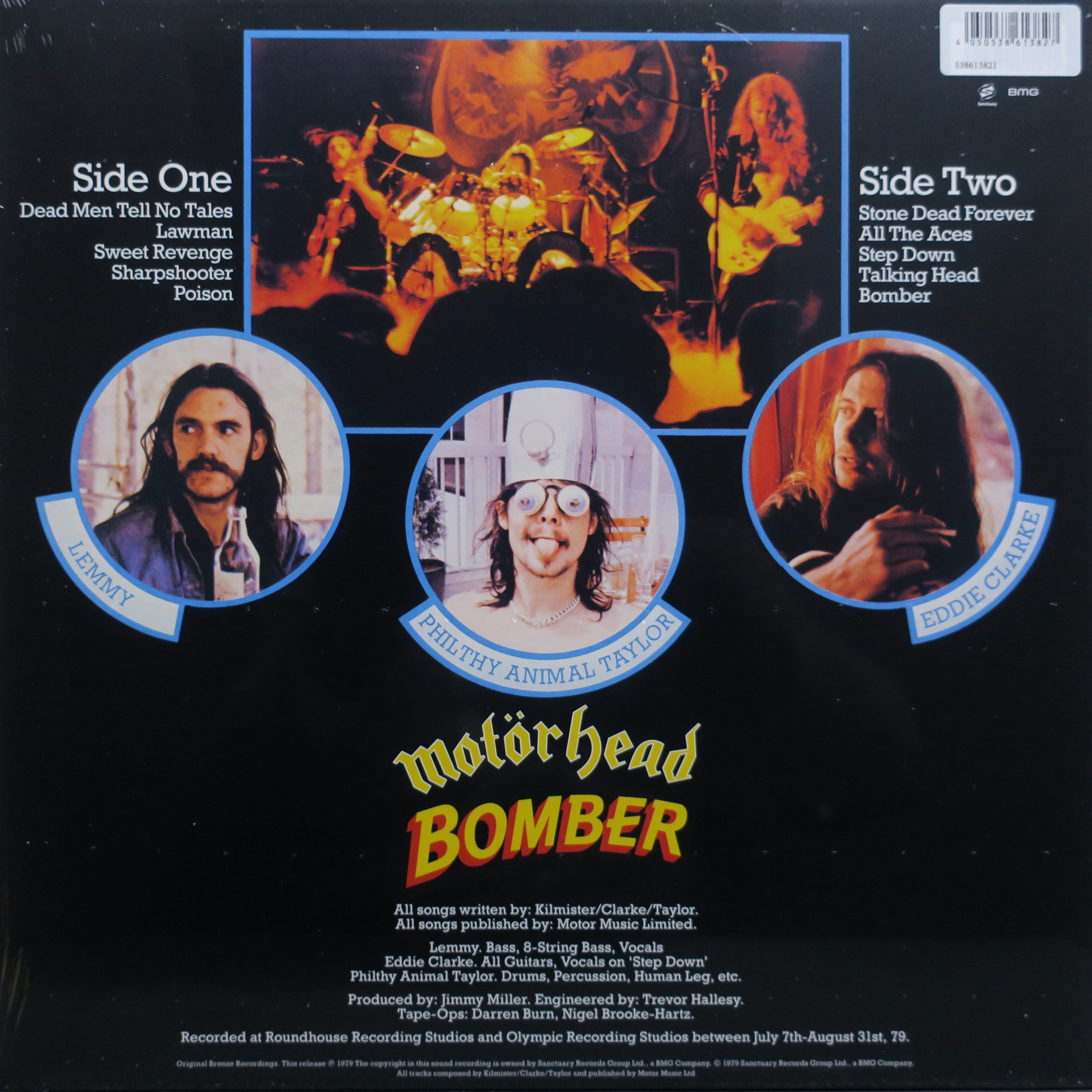
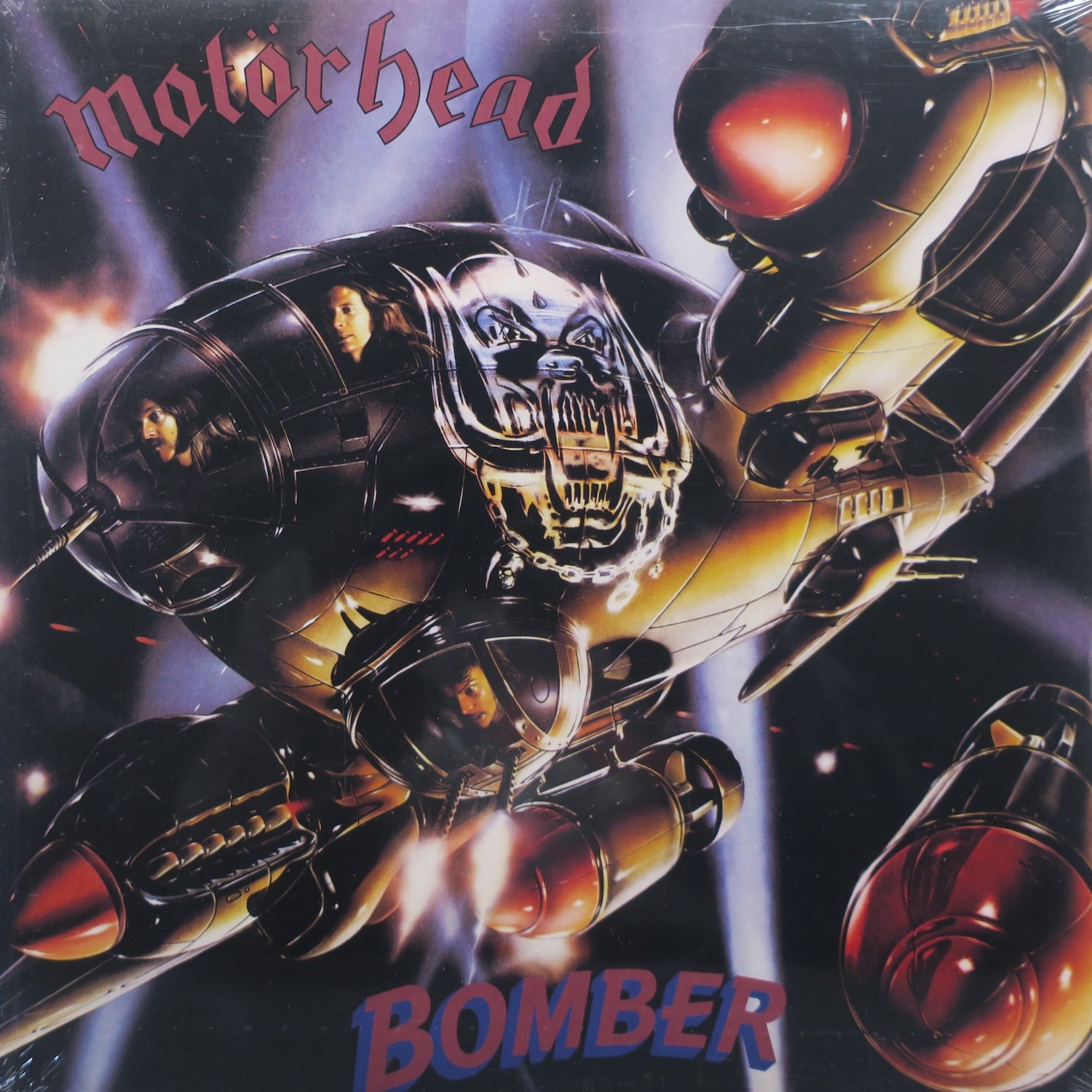
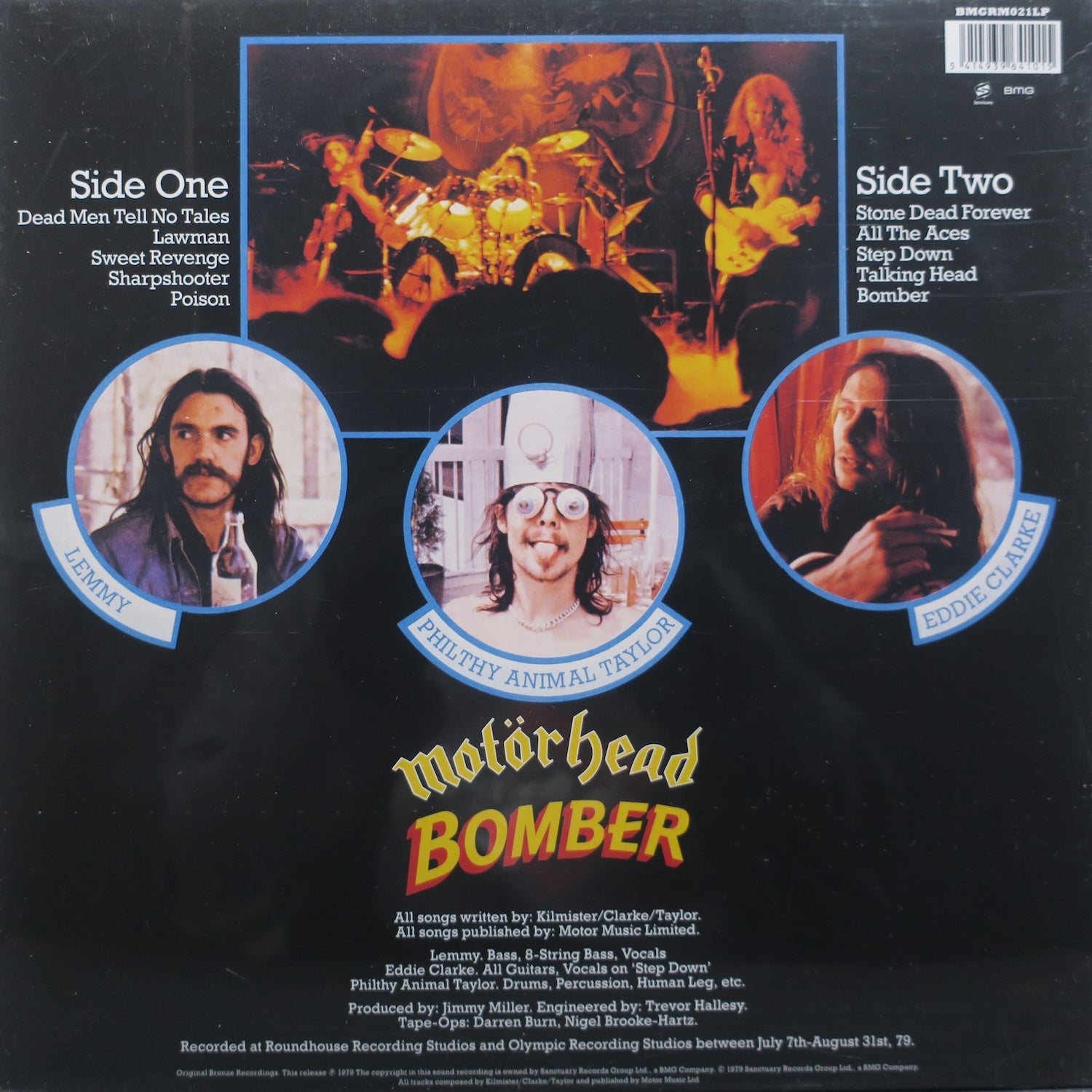
MOTORHEAD 'Bomber' SILVER Vinyl LP
$50.00
Quick buy
MOTORHEAD 'Bomber' Vinyl LP
$55.00
Quick buy
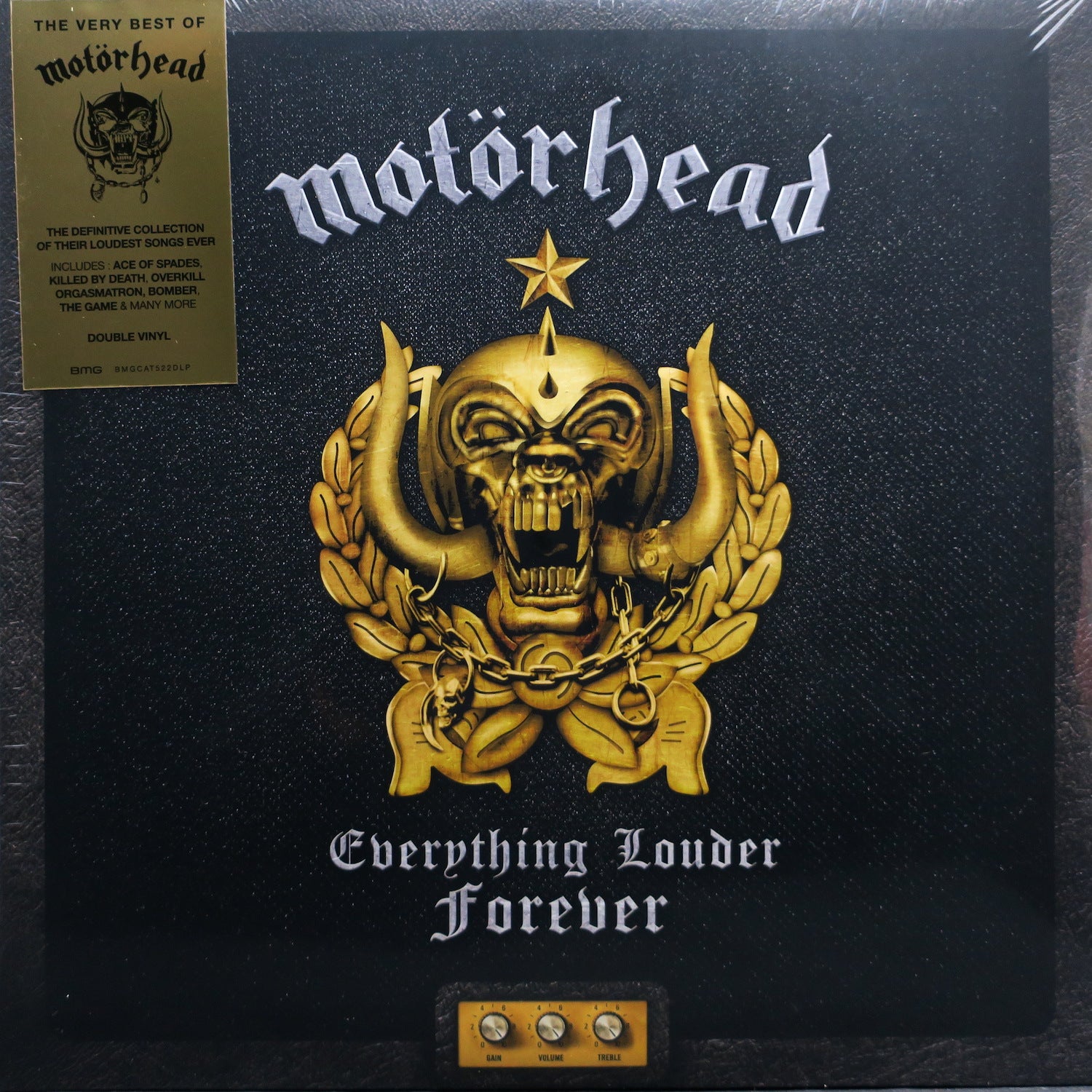
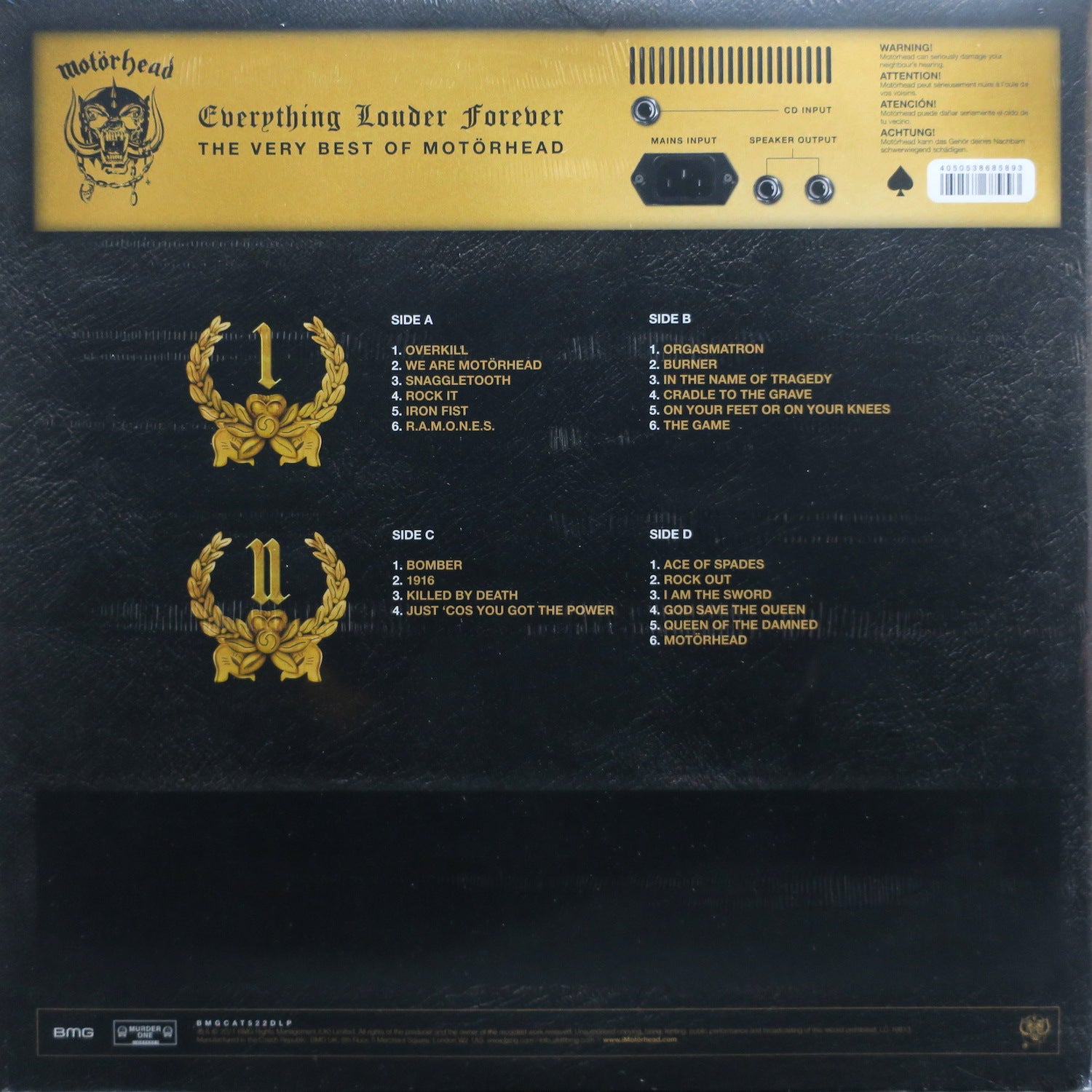
MOTORHEAD 'Everything Louder Forever: Very Best Of' Vinyl 2LP
$75.00
Quick buy
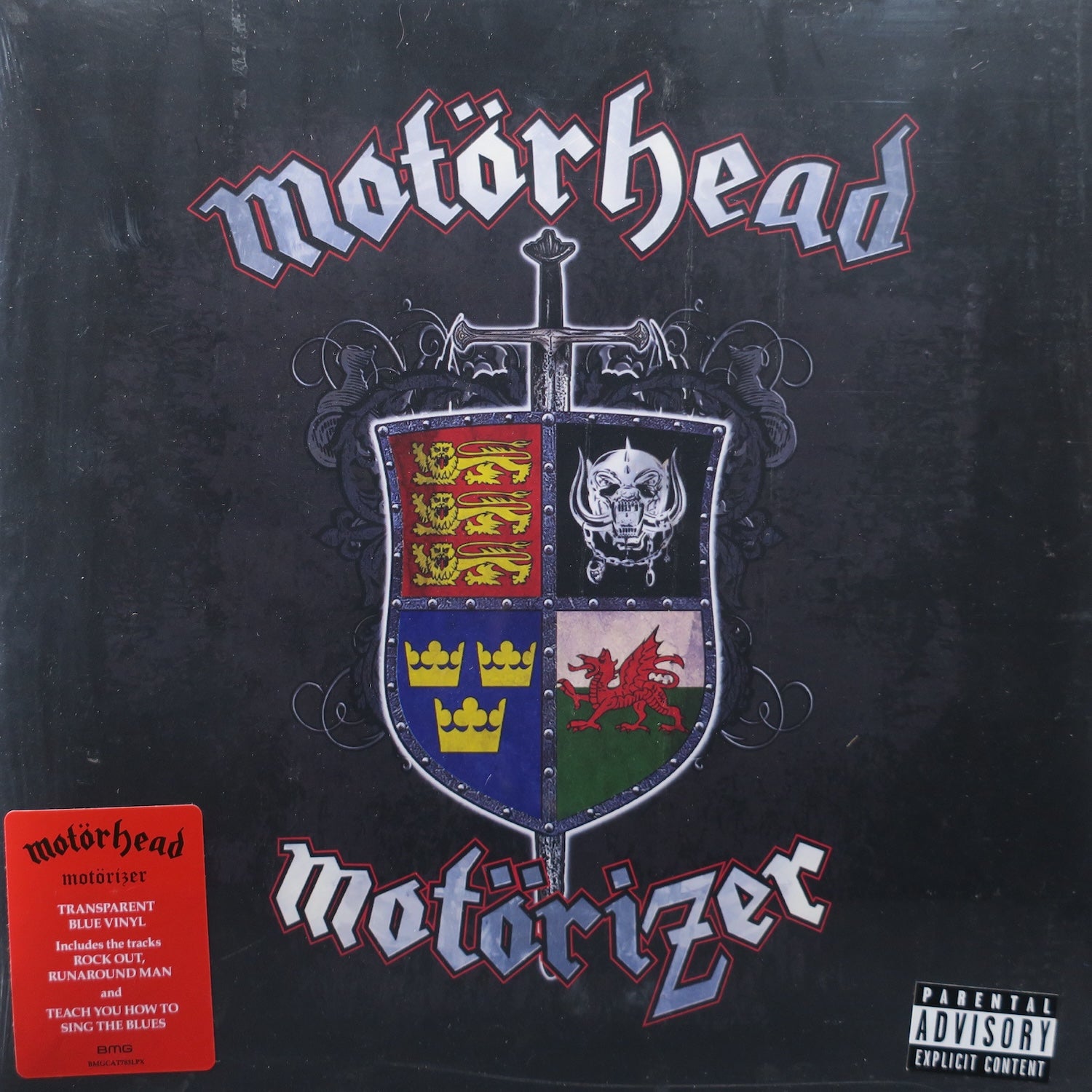
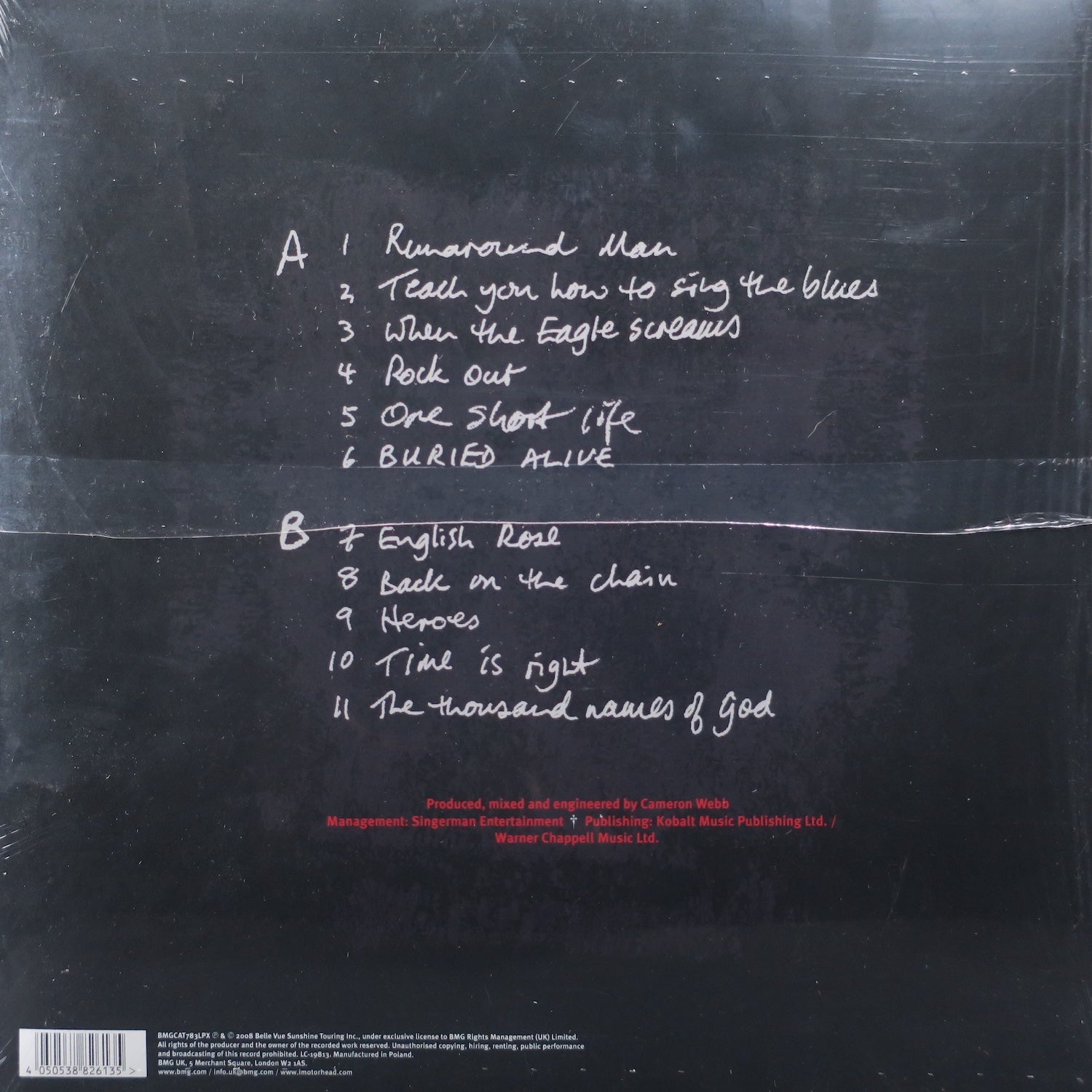
MOTORHEAD 'Motorizer' Vinyl 2LP
$50.00
Quick buy
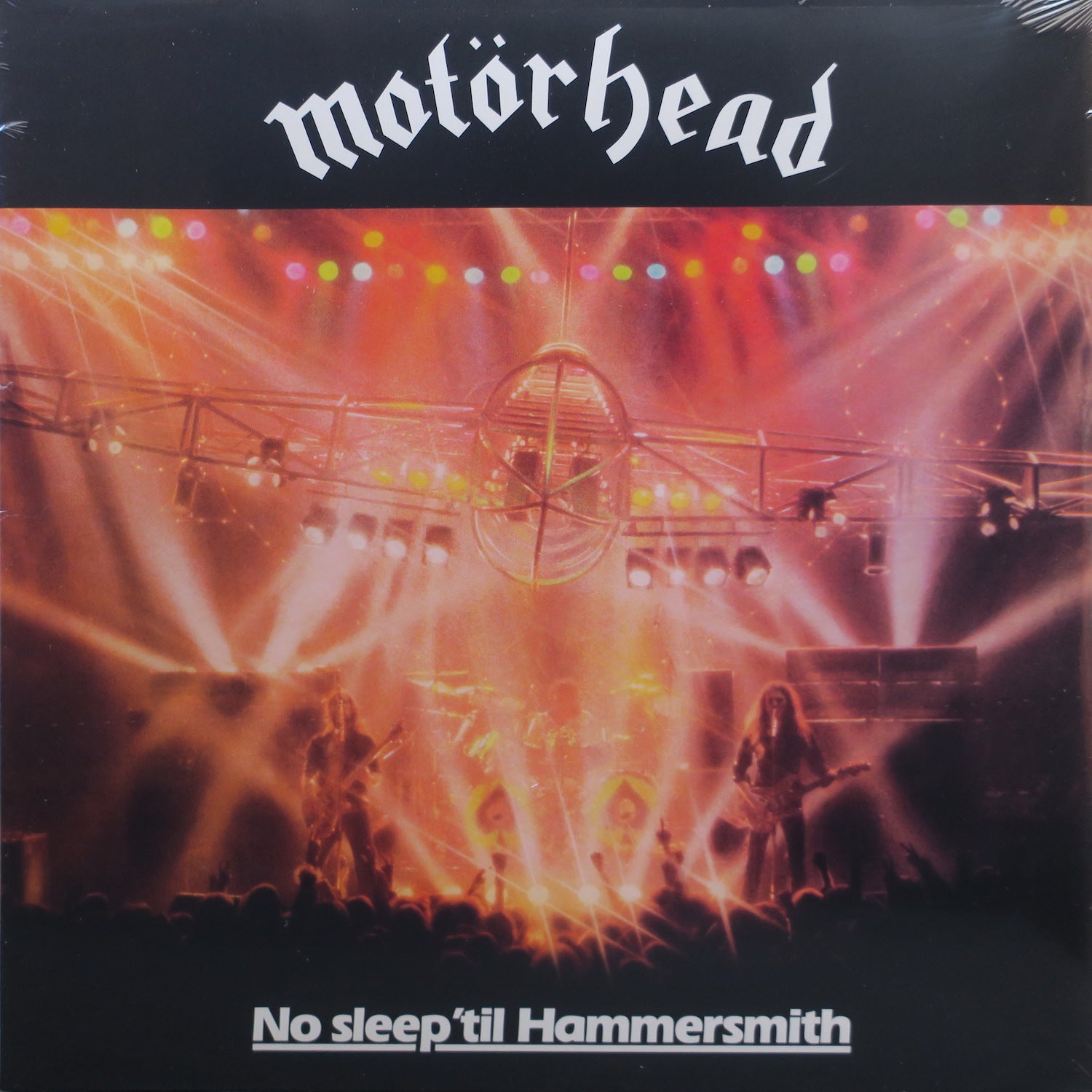
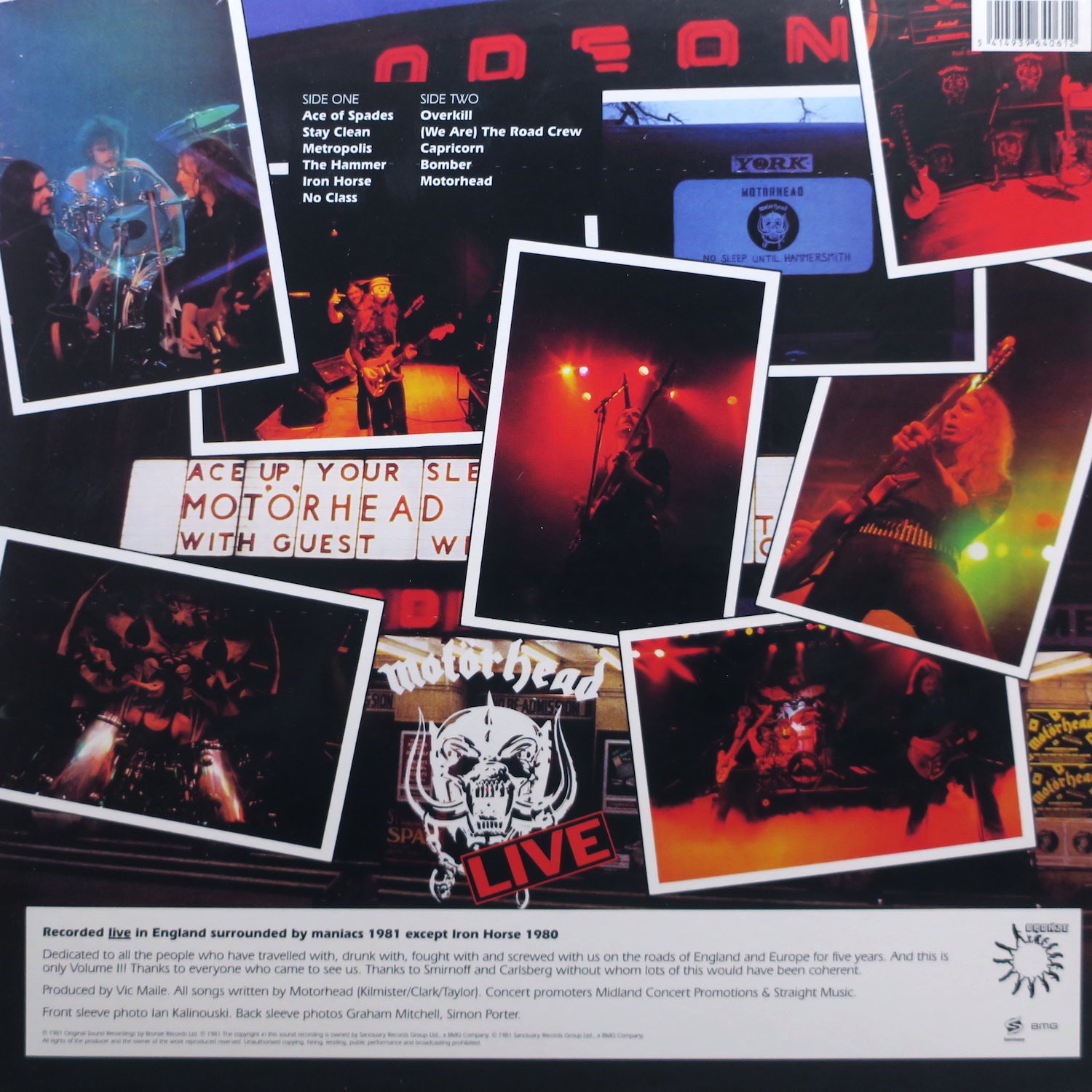
MOTORHEAD 'No Sleep 'Til Hammersmith' 180g Vinyl LP
$55.00
Quick buy
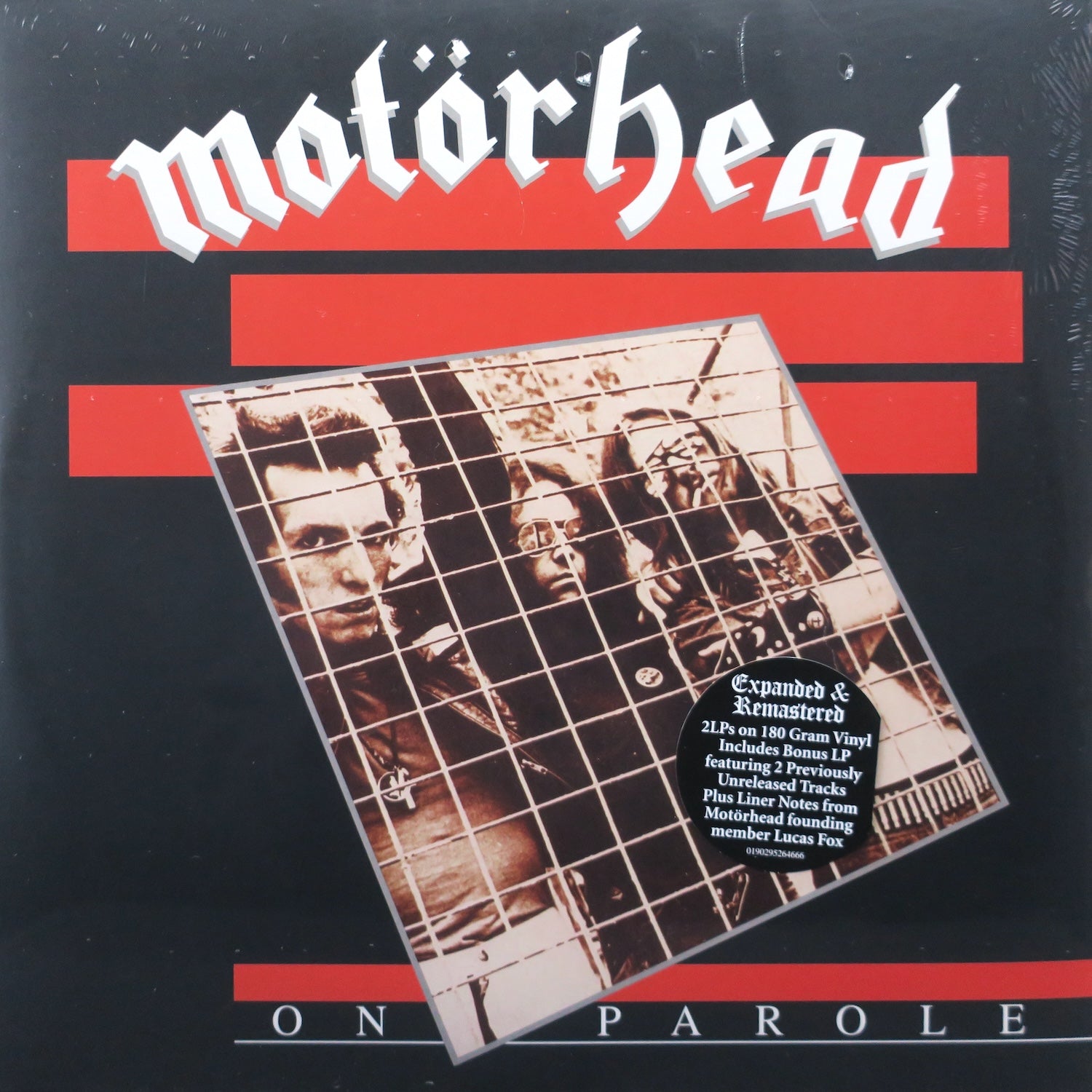
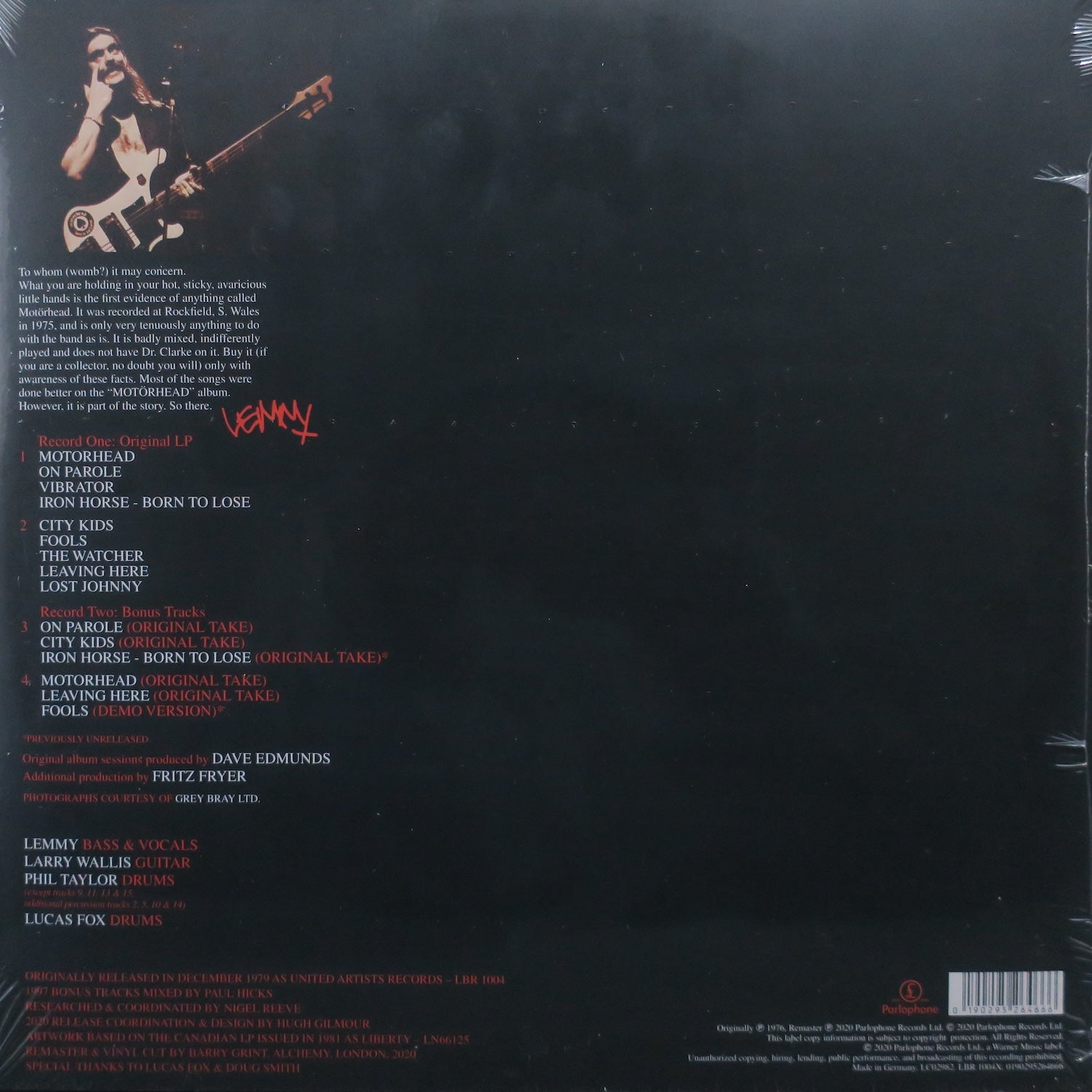
MOTORHEAD 'On Parole' Expanded & Remastered 180g Vinyl 2LP
$55.00
Quick buy
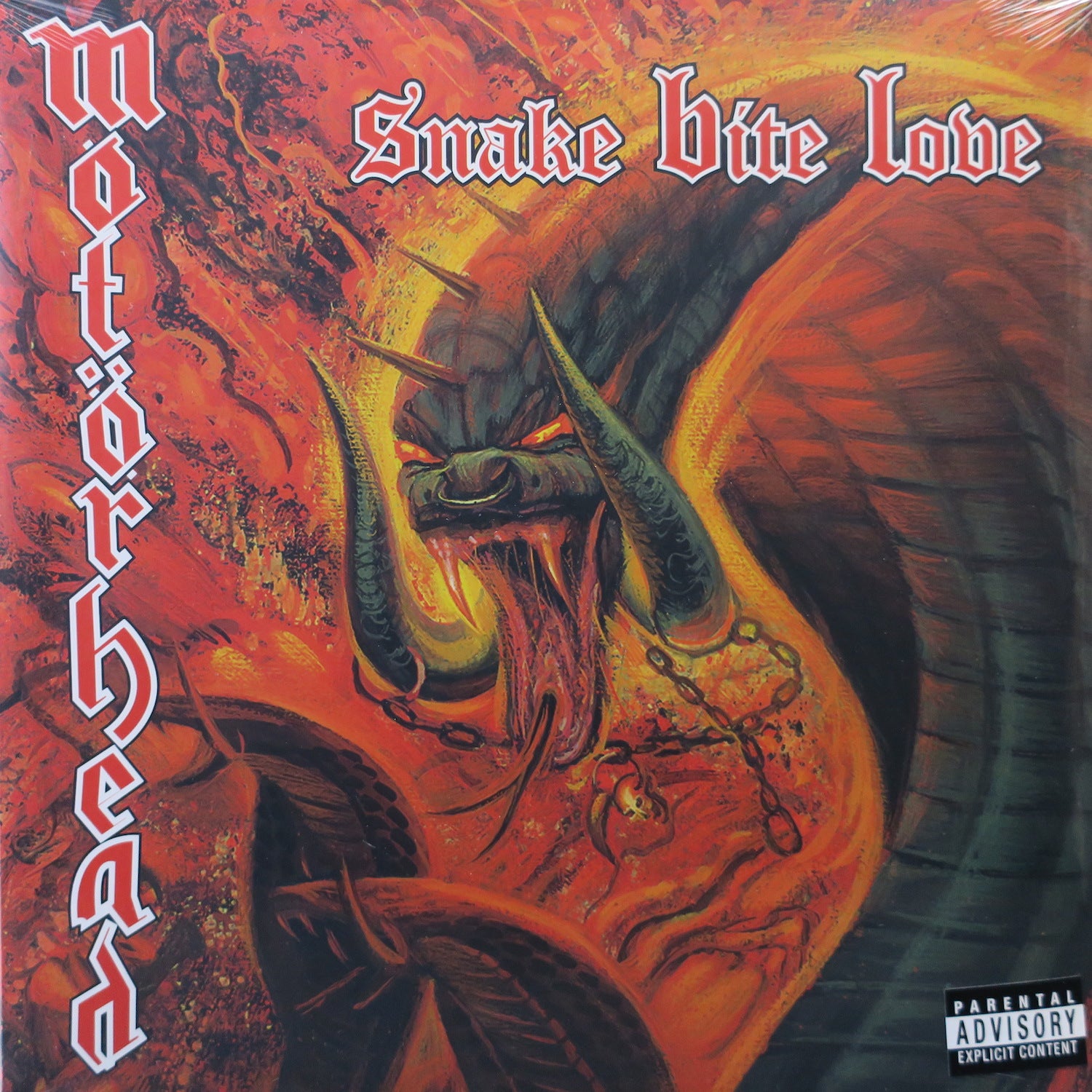
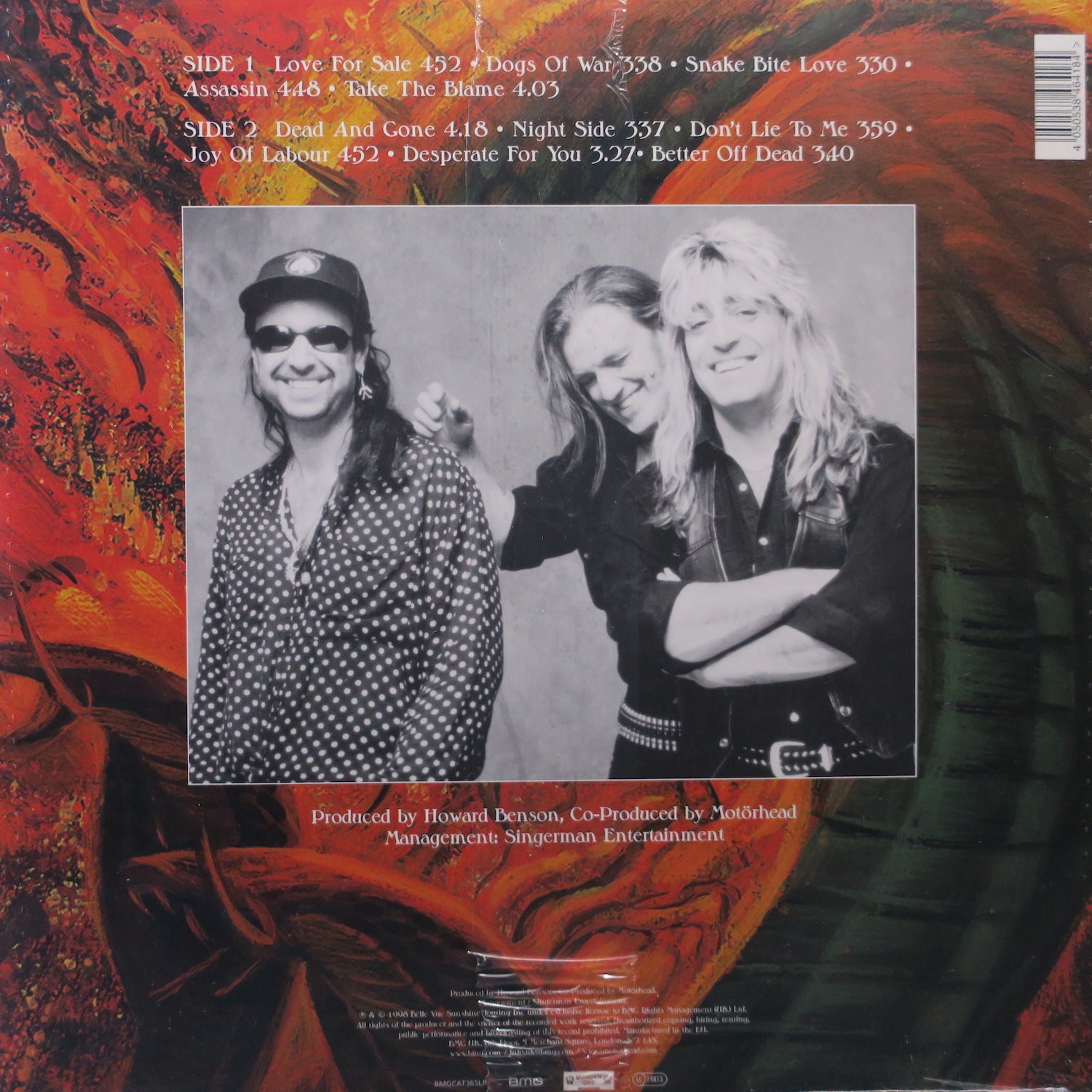
MOTORHEAD 'Snake Bite Love' Vinyl LP
$45.00
Your cart
Close
Get 10% off all orders over $150
Close
Your cart is empty
Start shopping
Added to your
Cart