Iron Maiden
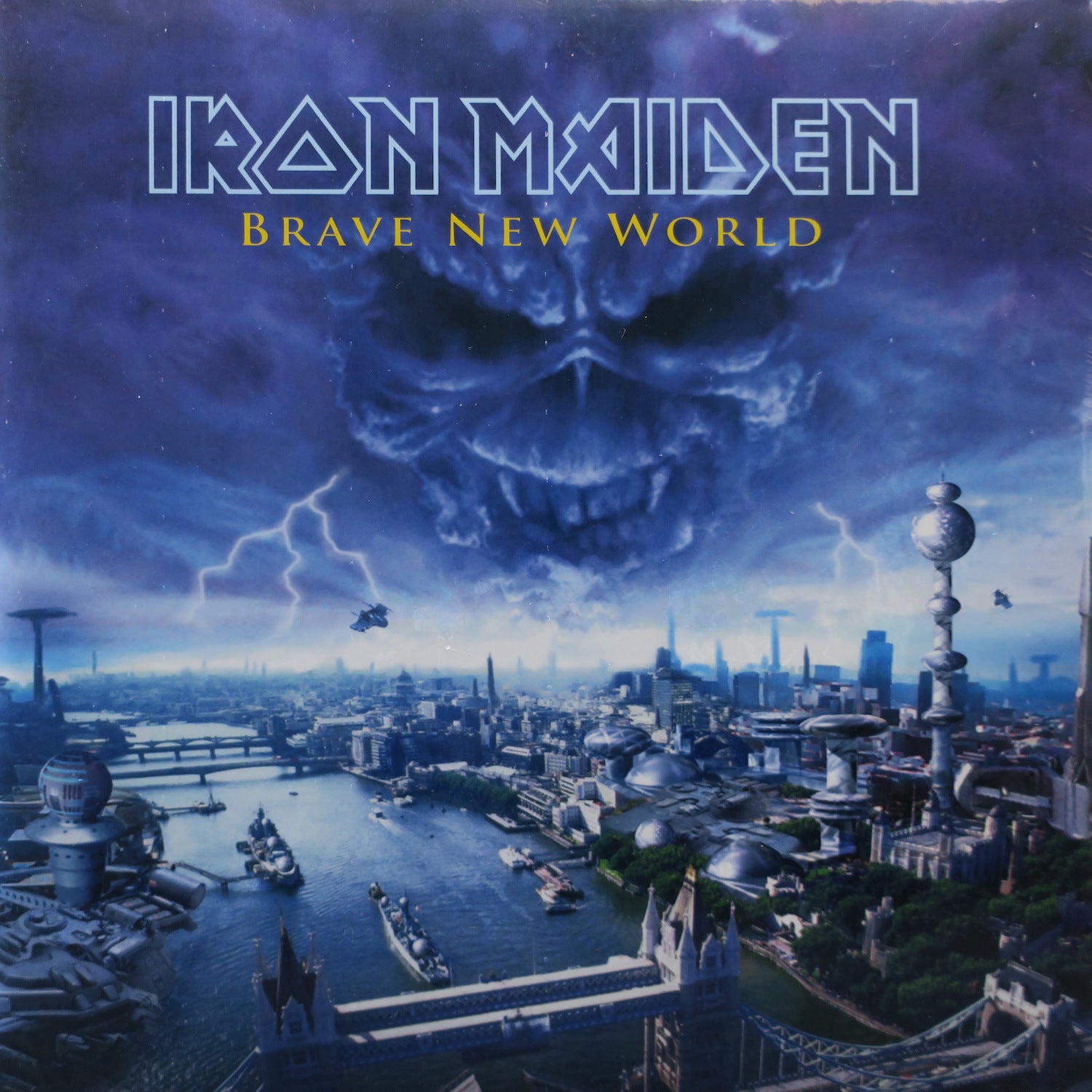
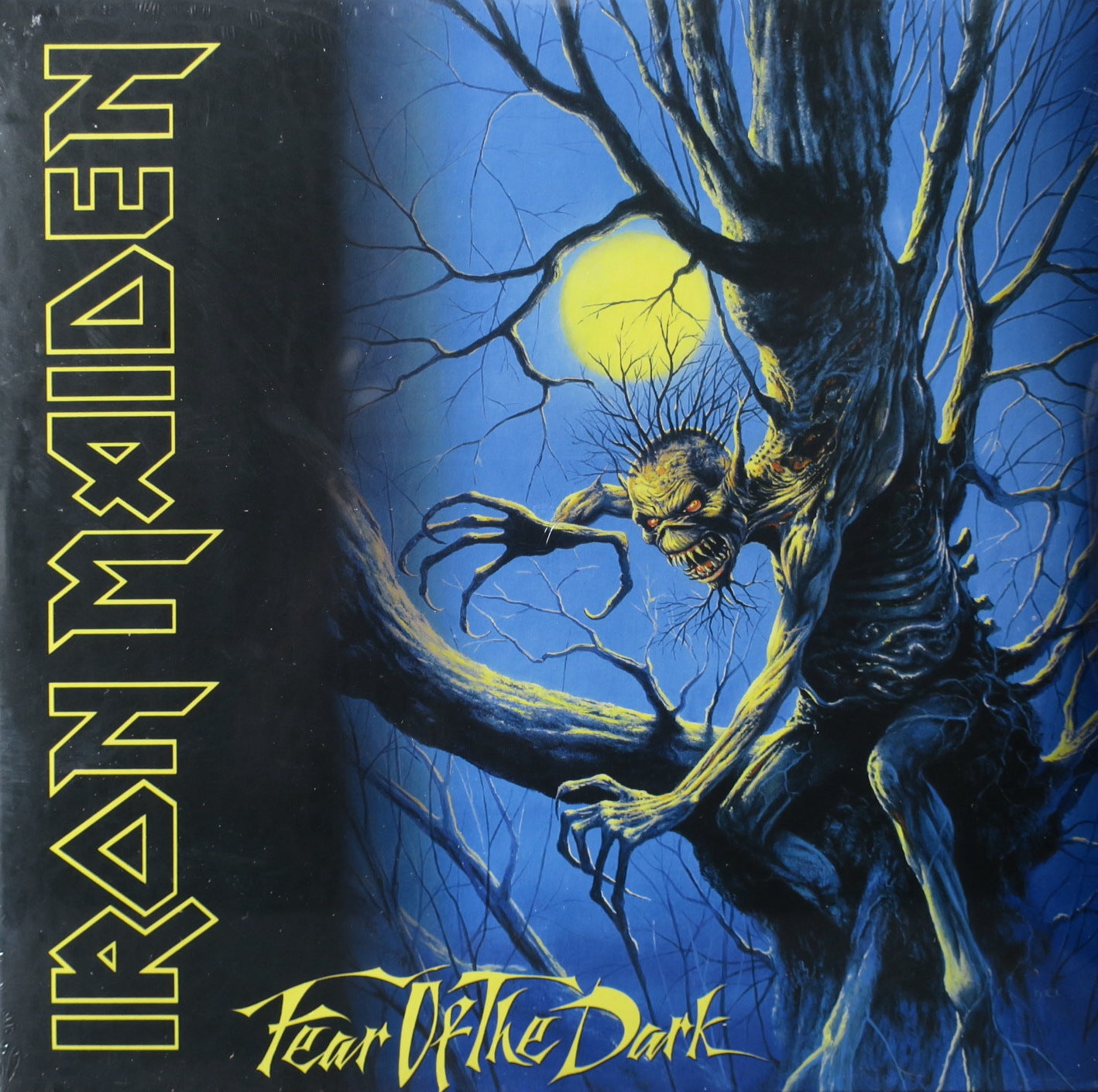
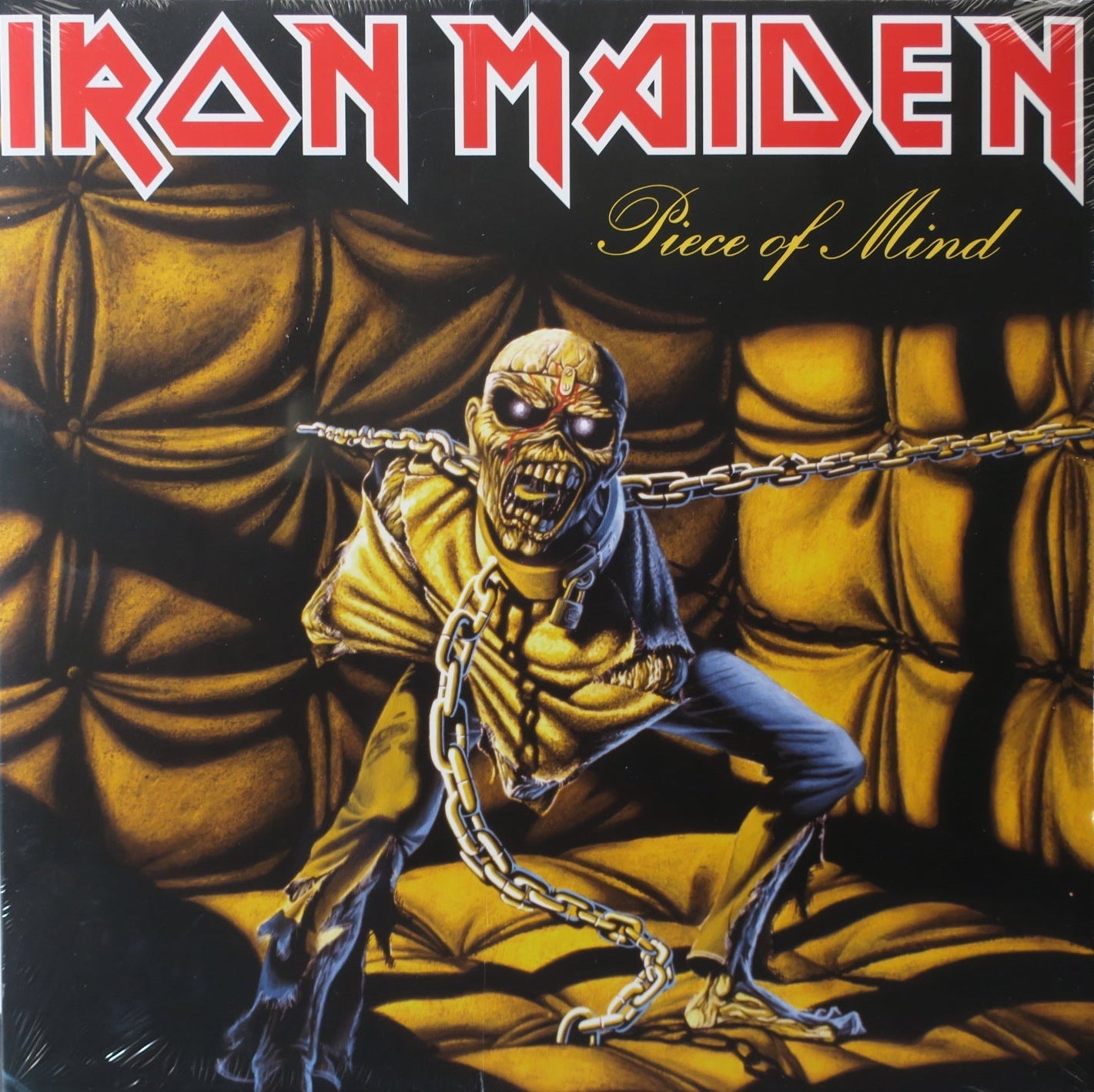
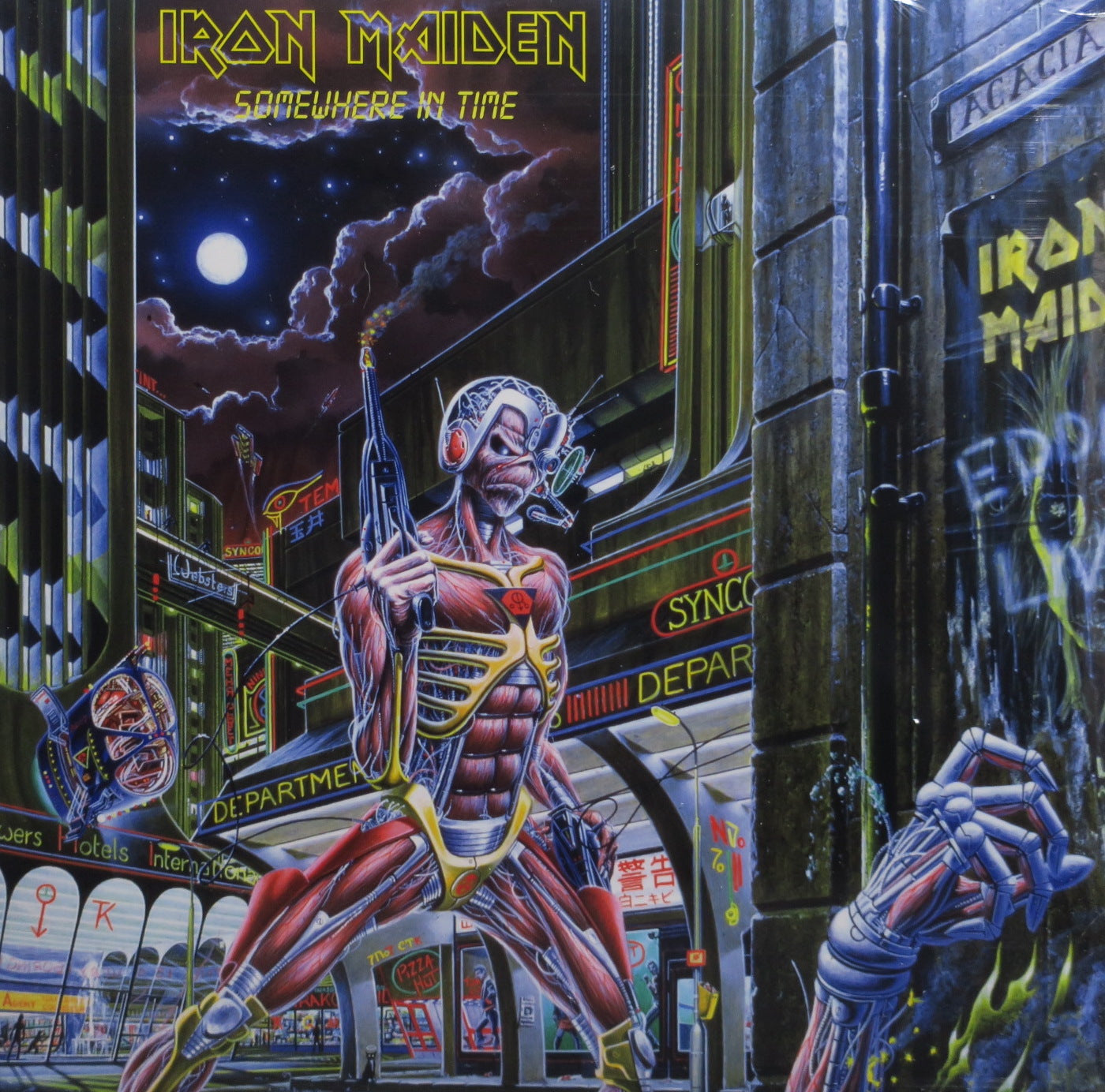
Few bands made a single riff pattern — the galloping, syncopated bass and twin-guitar harmonies — into a signature so immediately identifiable. Iron Maiden turned that rhythmic drive into long-form songs, theatrical choruses and a visual identity (Eddie the mascot) that let heavy metal expand its storytelling without losing its bite.
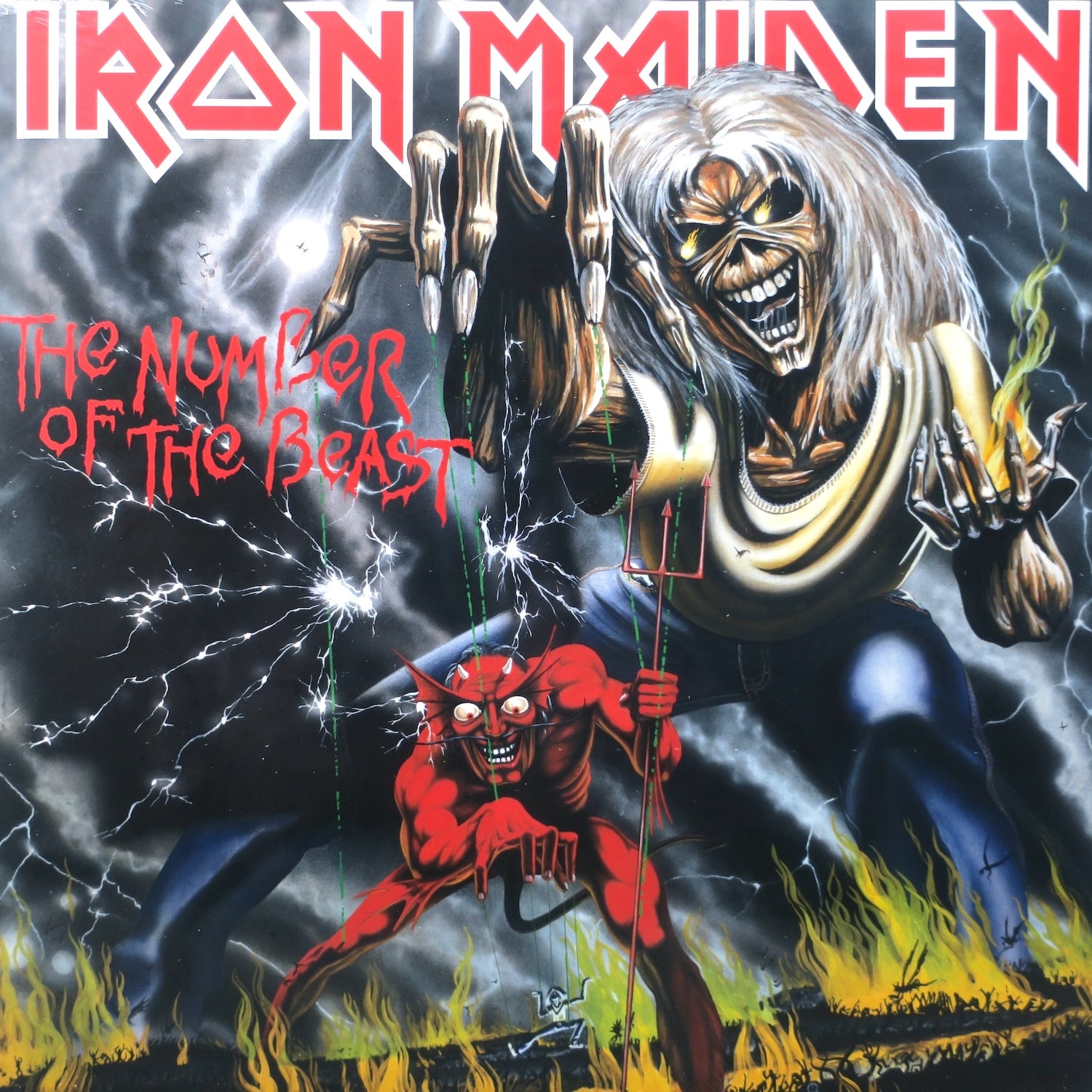
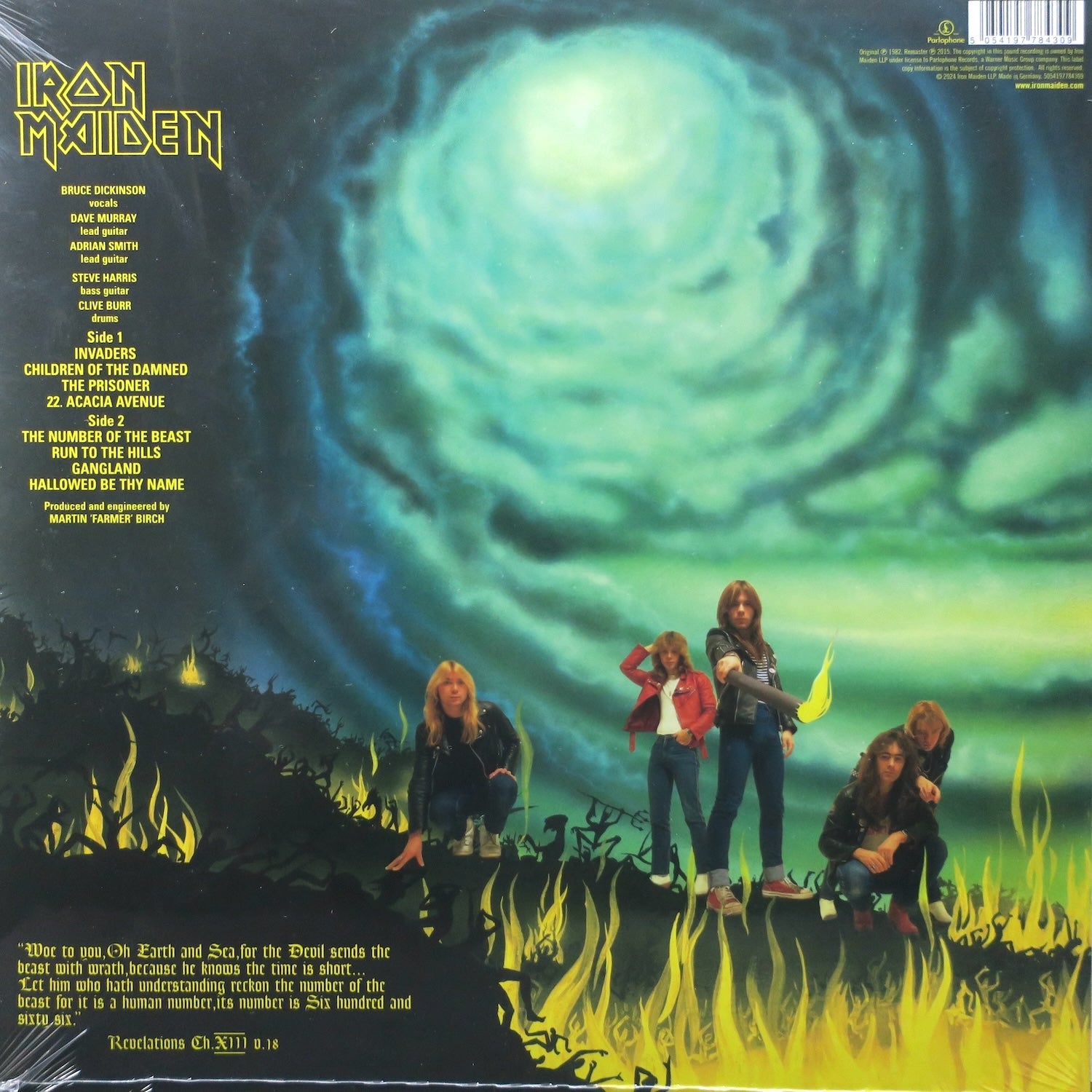
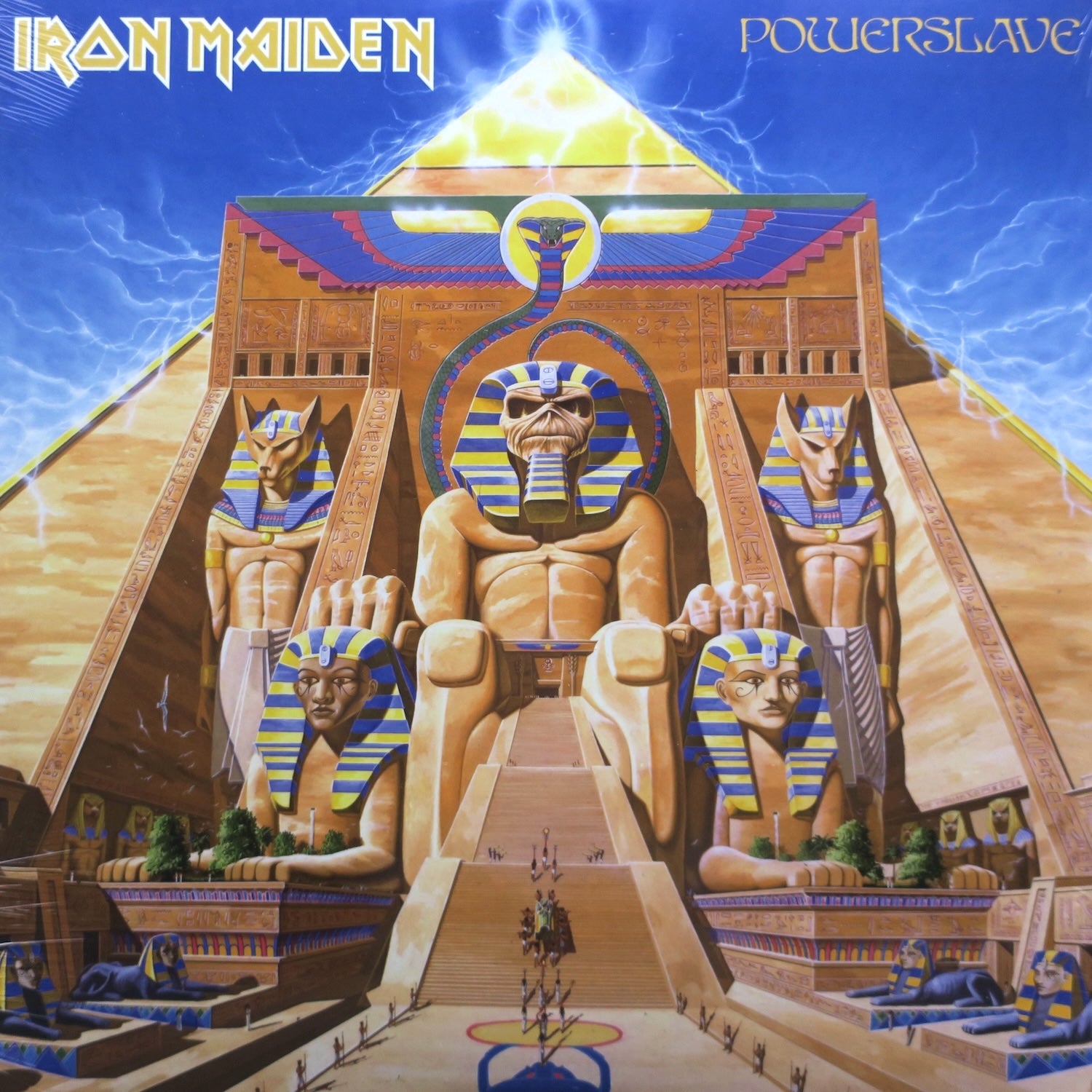
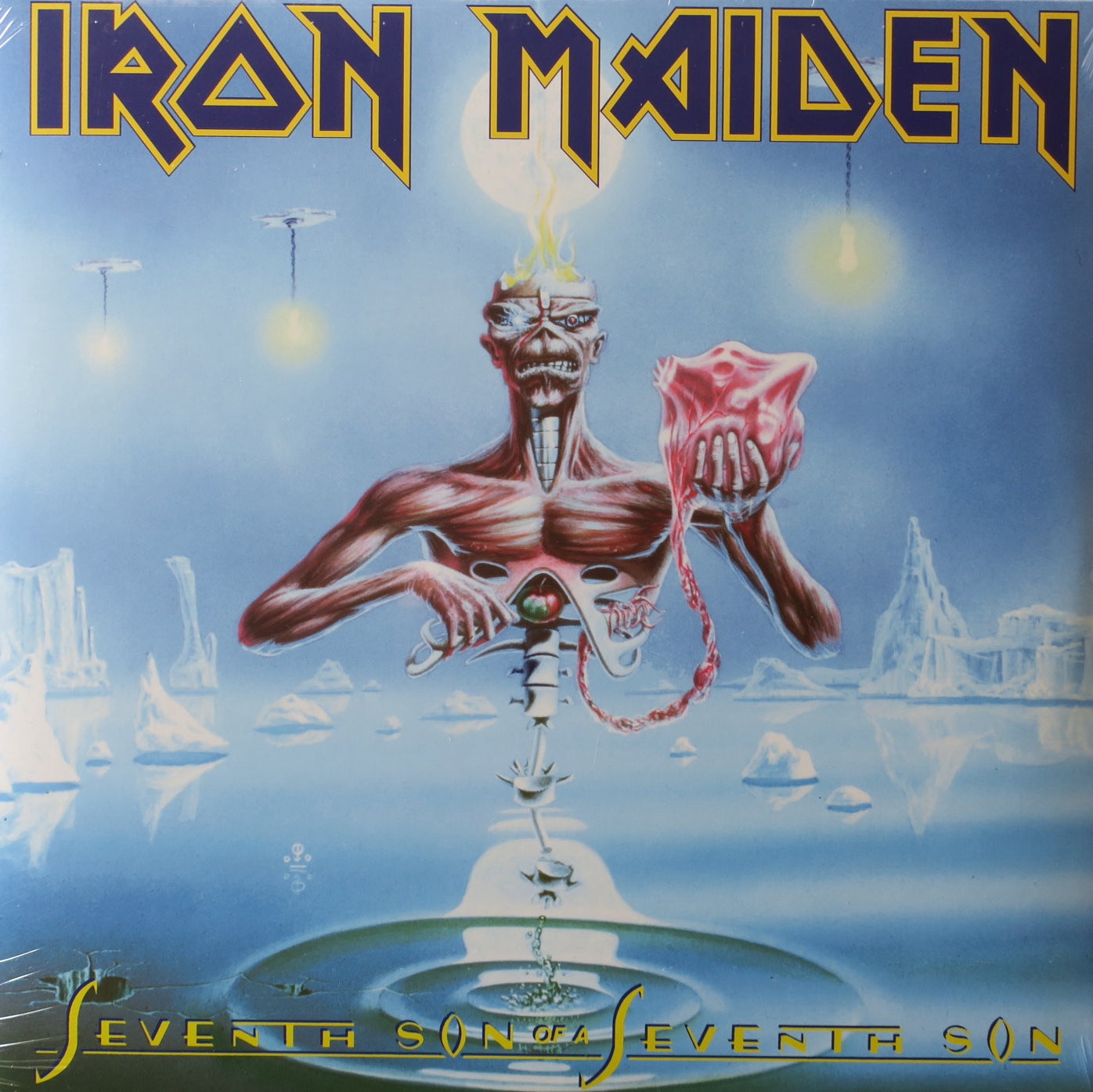
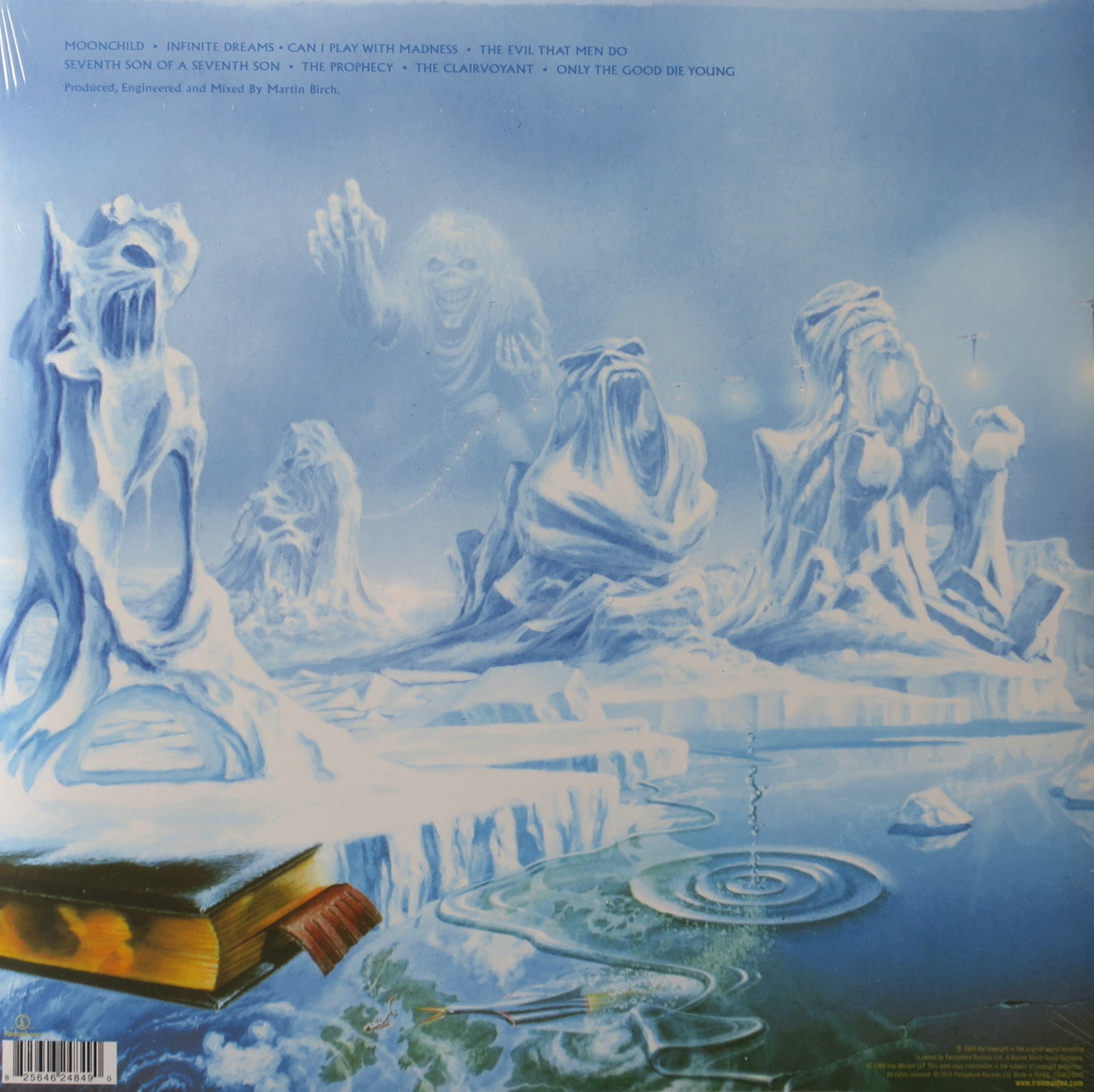
At the heart of the music is Steve Harris, whose propulsive bass lines and songwriting shaped the group’s sound from the first self-titled album through their mid-1980s peak. Vocal choices define much of Maiden’s personality: Paul Di'Anno’s raw punk-tinged delivery on the earliest records gave way to Bruce Dickinson’s wider range and operatic intensity, which helped the band push into more ambitious arrangements on records like The Number of the Beast and Seventh Son of a Seventh Son.
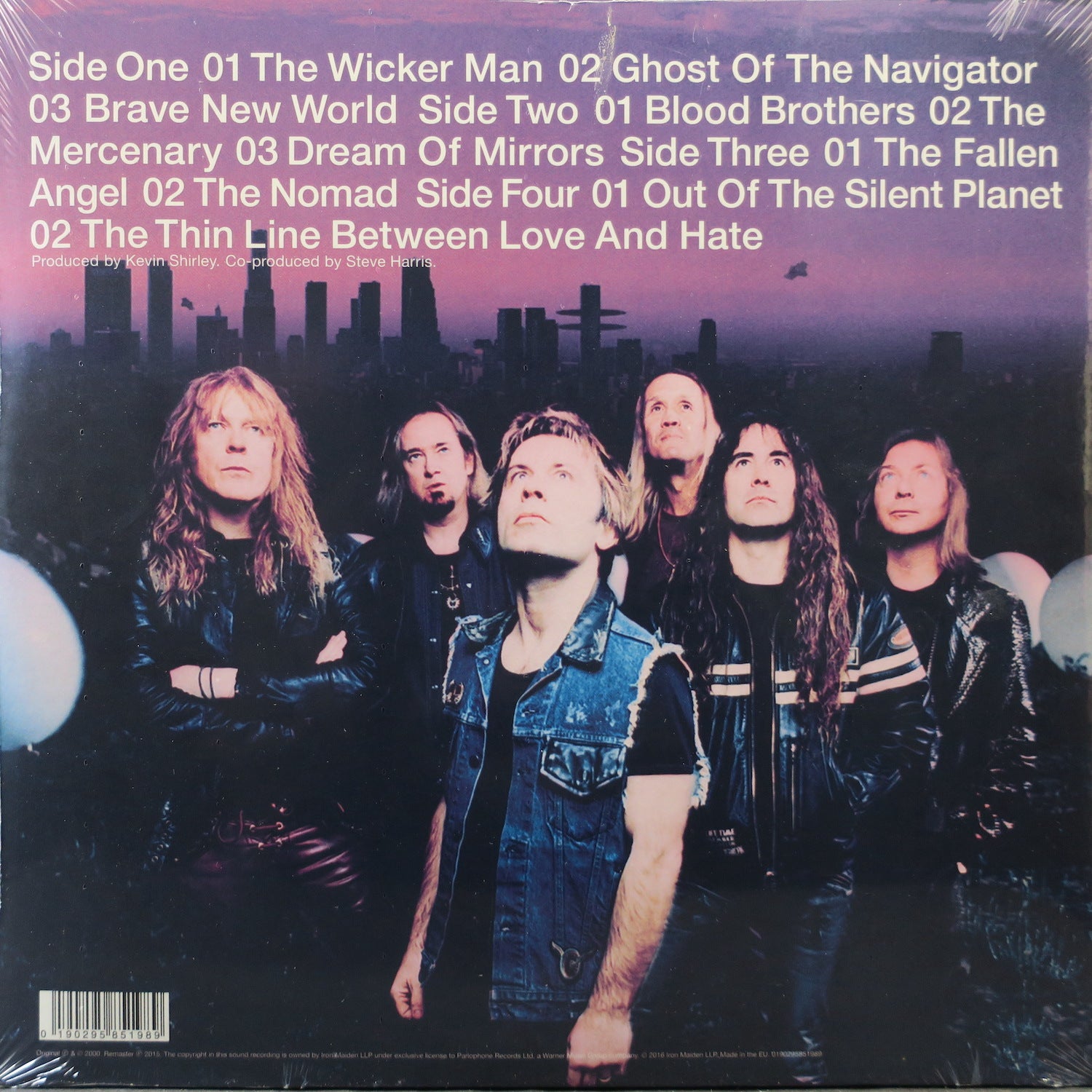
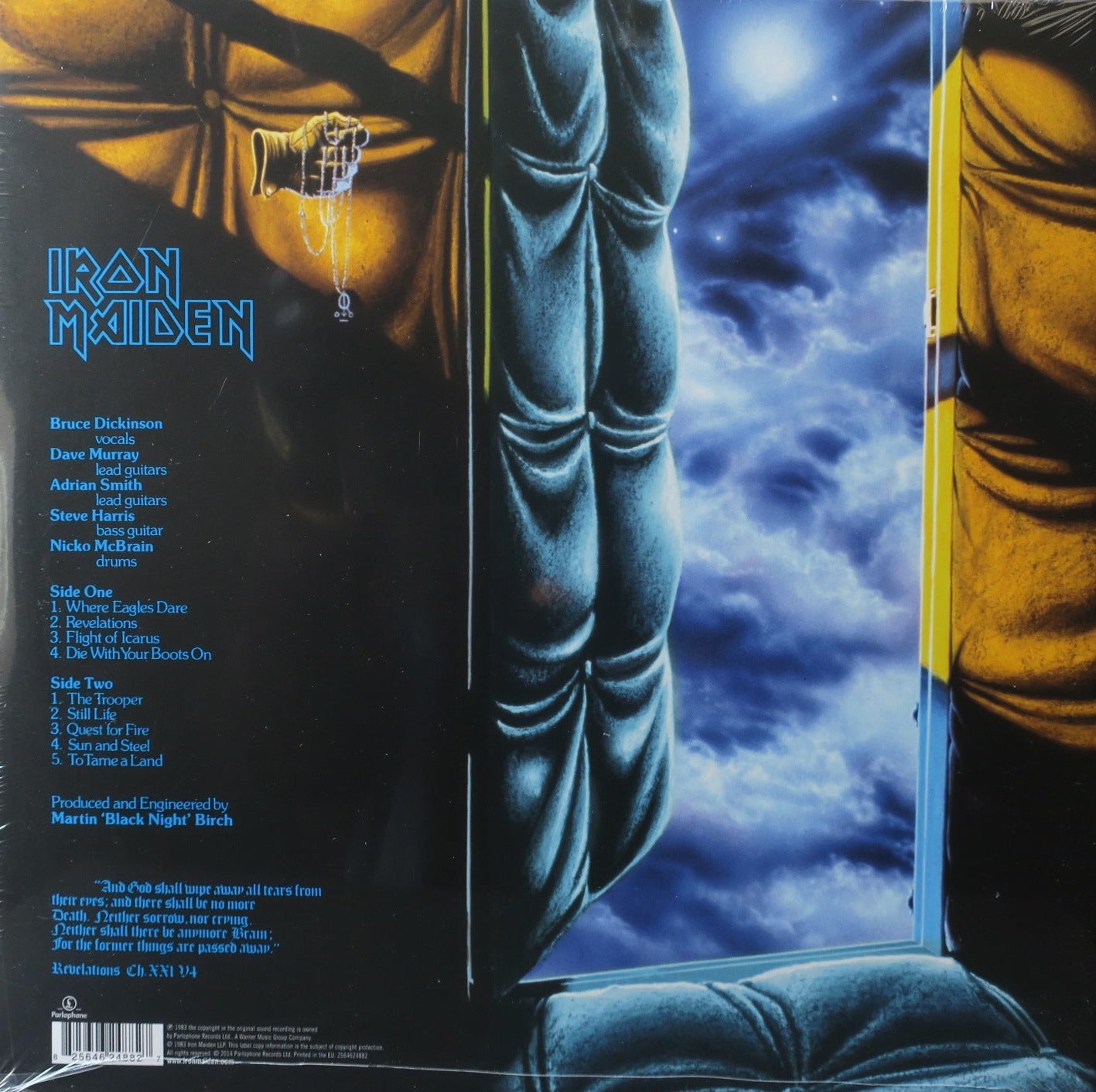
Guitar work is another central story. Dave Murray’s fluid single-note runs, Adrian Smith’s melodic phrasing and the later addition of Janick Gers created a layered guitar attack that could be both metallic and melodic. Nicko McBrain’s drumming provided a steady, dynamic backbone that let songs breathe even at high speeds. These players combined to make Maiden a band comfortable with galloping three-minute anthems and with sprawling, prog-tinged epics.
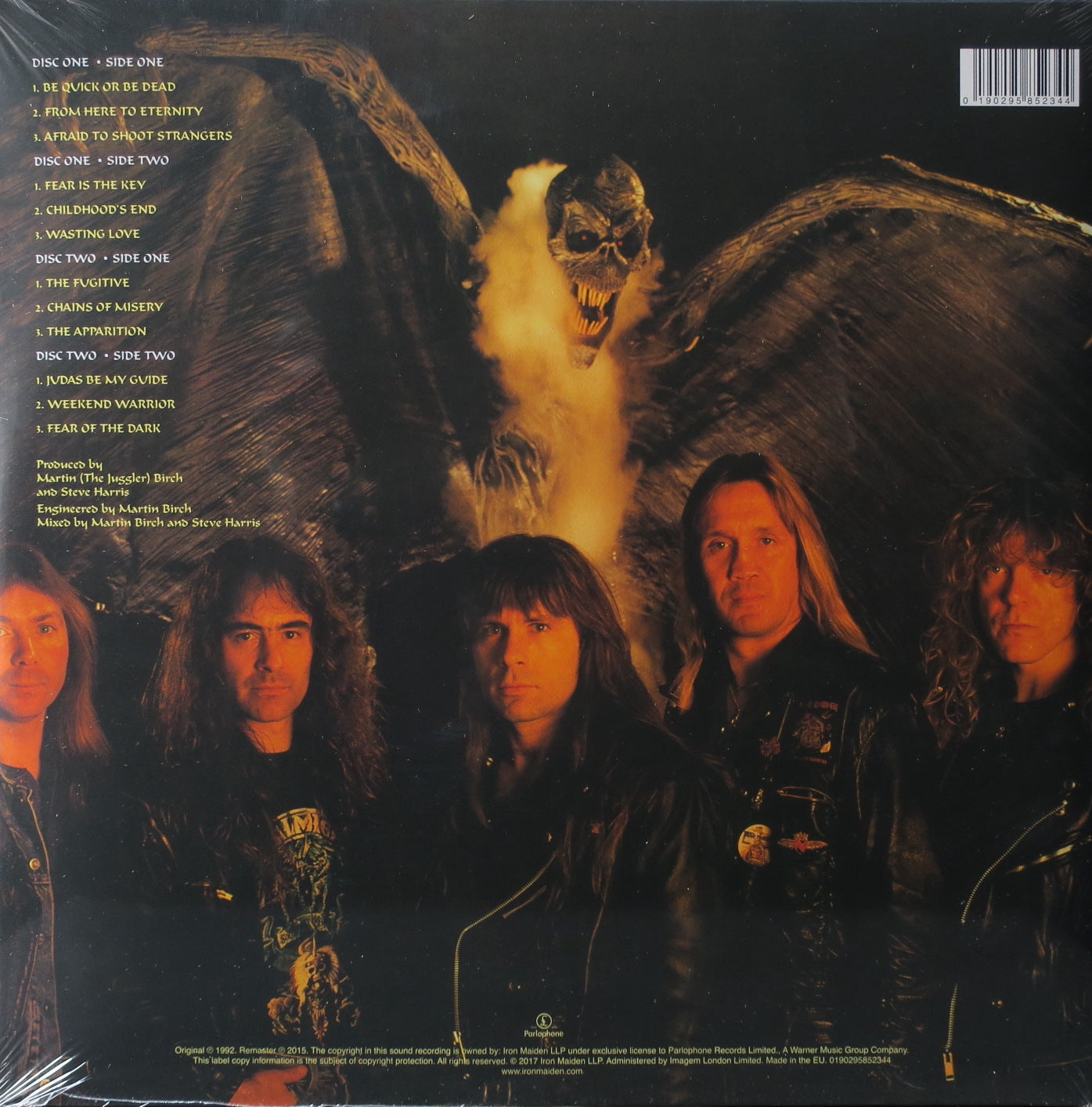
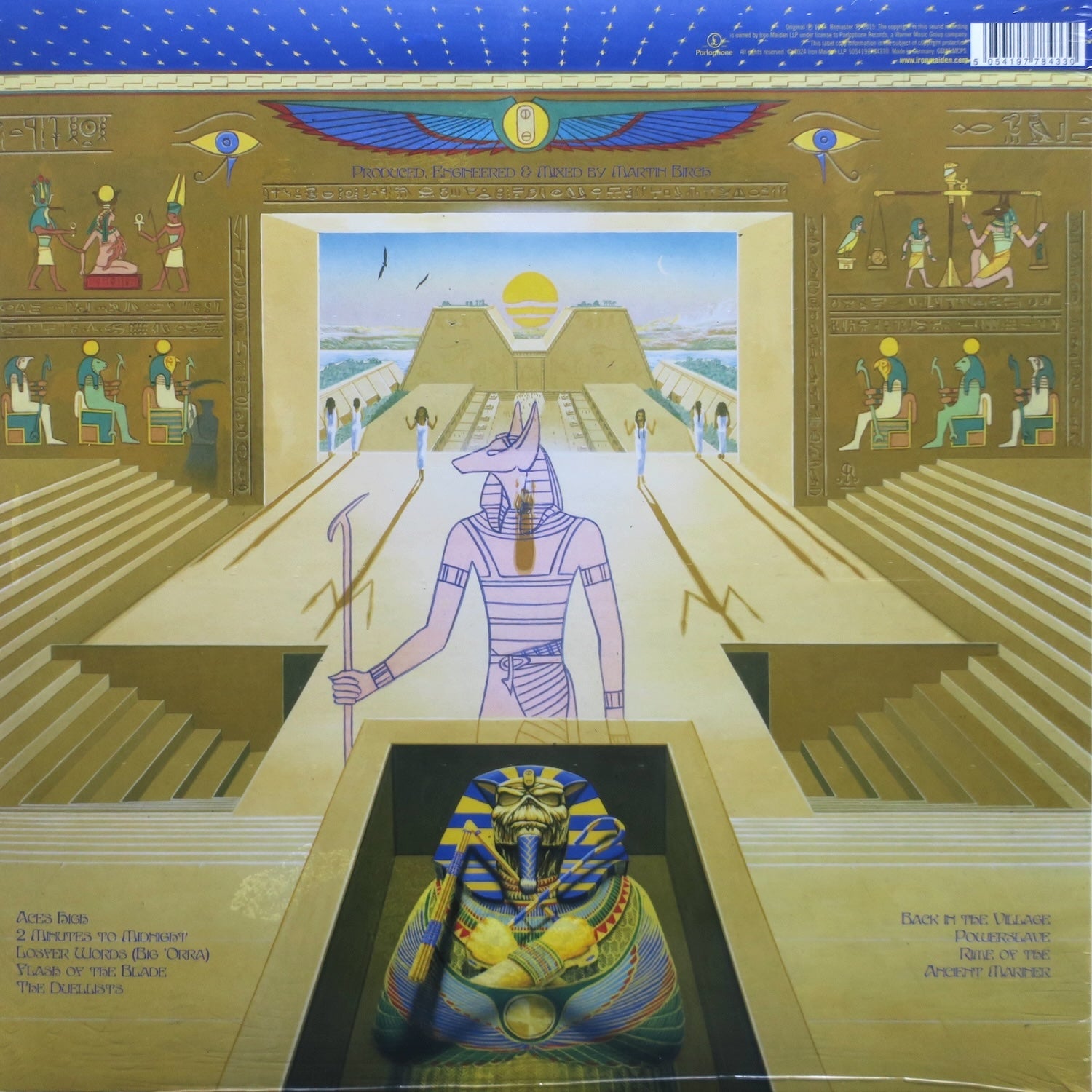
Context matters: Iron Maiden emerged from the New Wave of British Heavy Metal alongside acts such as Saxon and Judas Priest, but they carved a distinct niche by blending historical and literary themes — from war to folklore to sci-fi — with tight, riff-driven songwriting. Producers like Martin Birch helped translate the band’s live energy into studio clarity, emphasizing both the punch of the rhythm section and the interplay of multiple guitars.
Their influence can be heard across later metal subgenres. Thrash bands such as Metallica took cues from Maiden’s aggression and songcraft, while European power-metal acts expanded on Maiden’s melodic and narrative tendencies. Yet Maiden’s appeal isn’t only historical: their catalog rewards repeated listening, revealing small arranging choices and lyrical turns that explain why songs like "Hallowed Be Thy Name" and "Rime of the Ancient Mariner" remain favorites among fans and players.
Exploring Iron Maiden is as much about discovering individual performances — Harris’s bass lines, Dickinson’s vocal flights, Smith and Murray’s guitar conversations — as it is about tracing how a British heavy-metal band turned a specific rhythm and an unmistakable aesthetic into a lasting, varied body of work.