Slayer
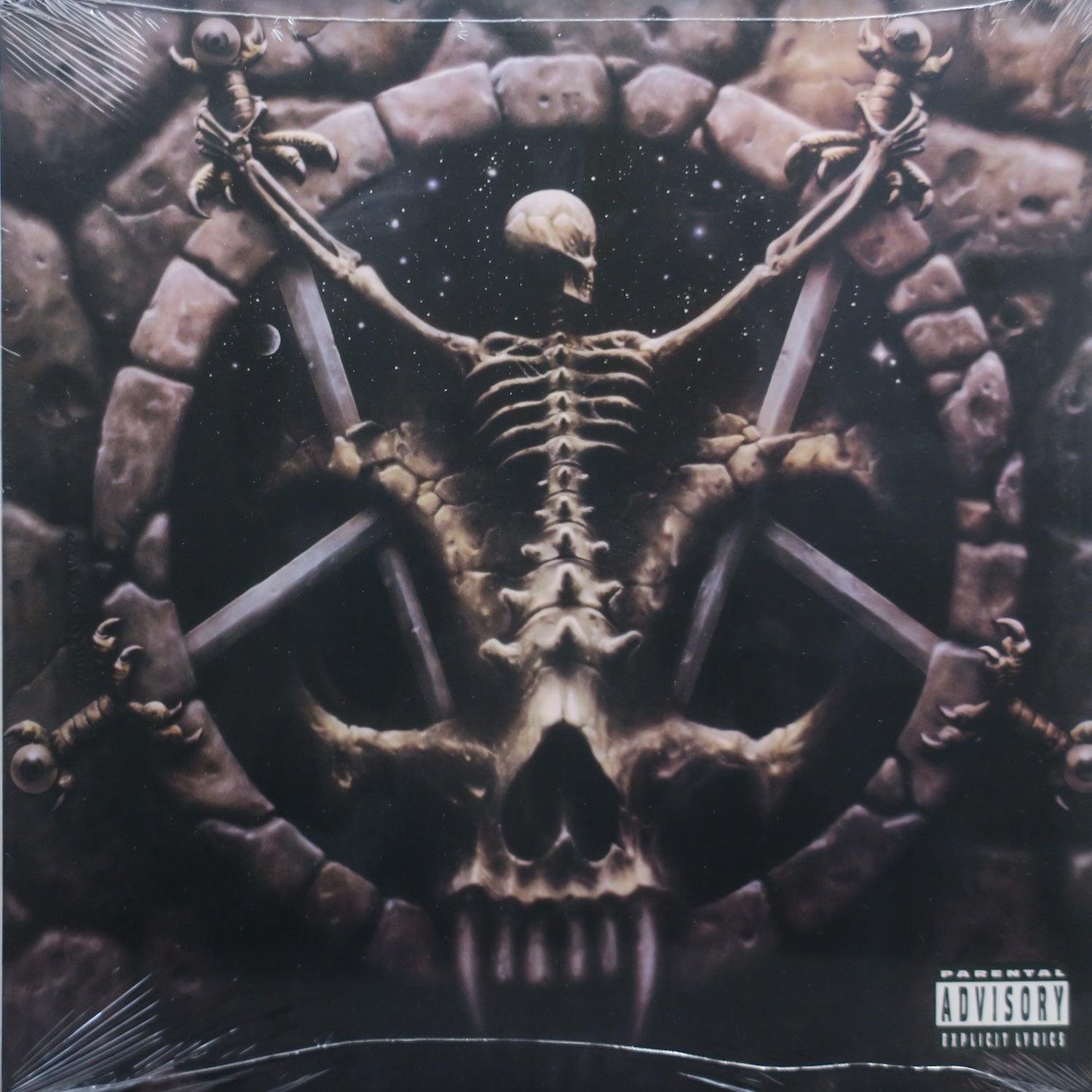
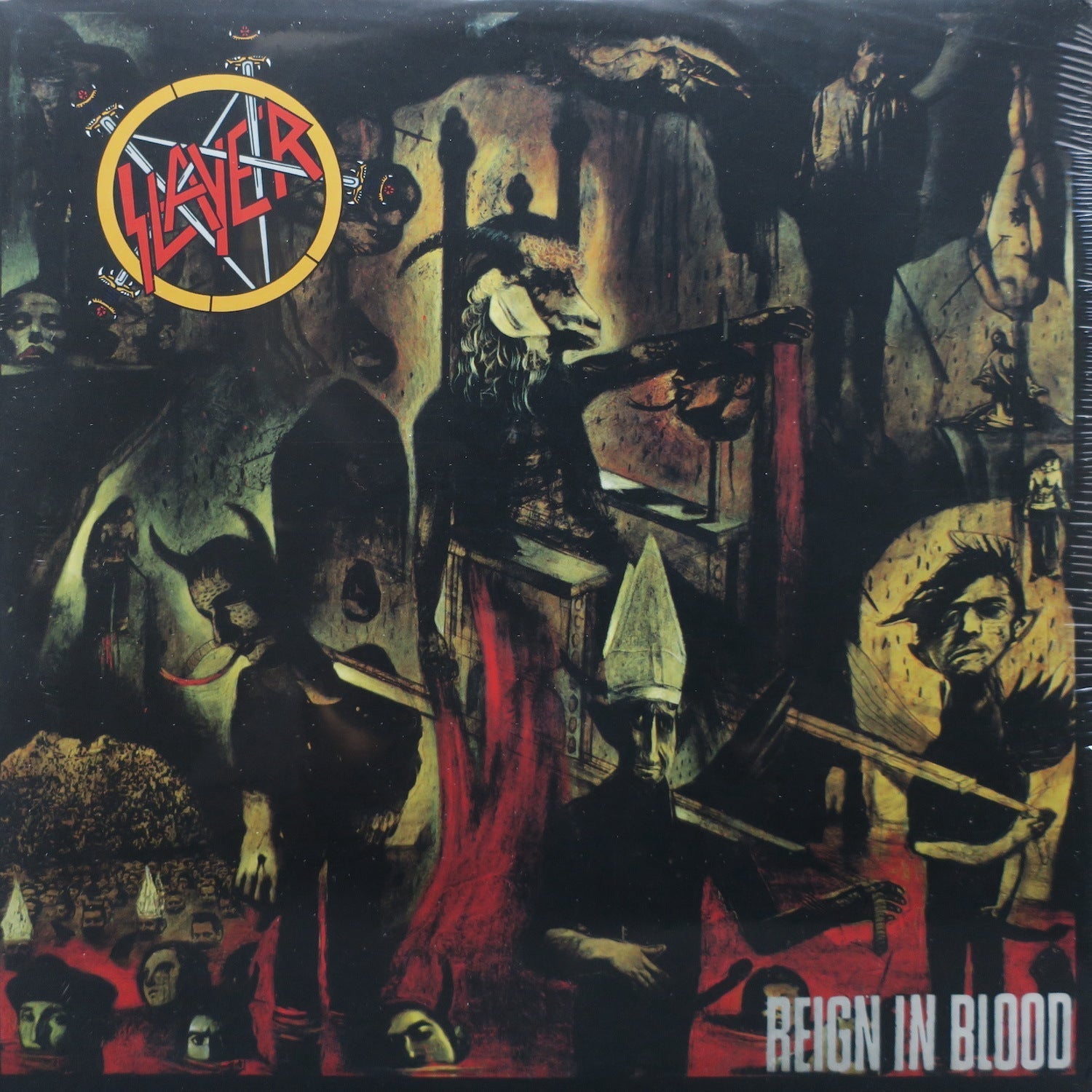
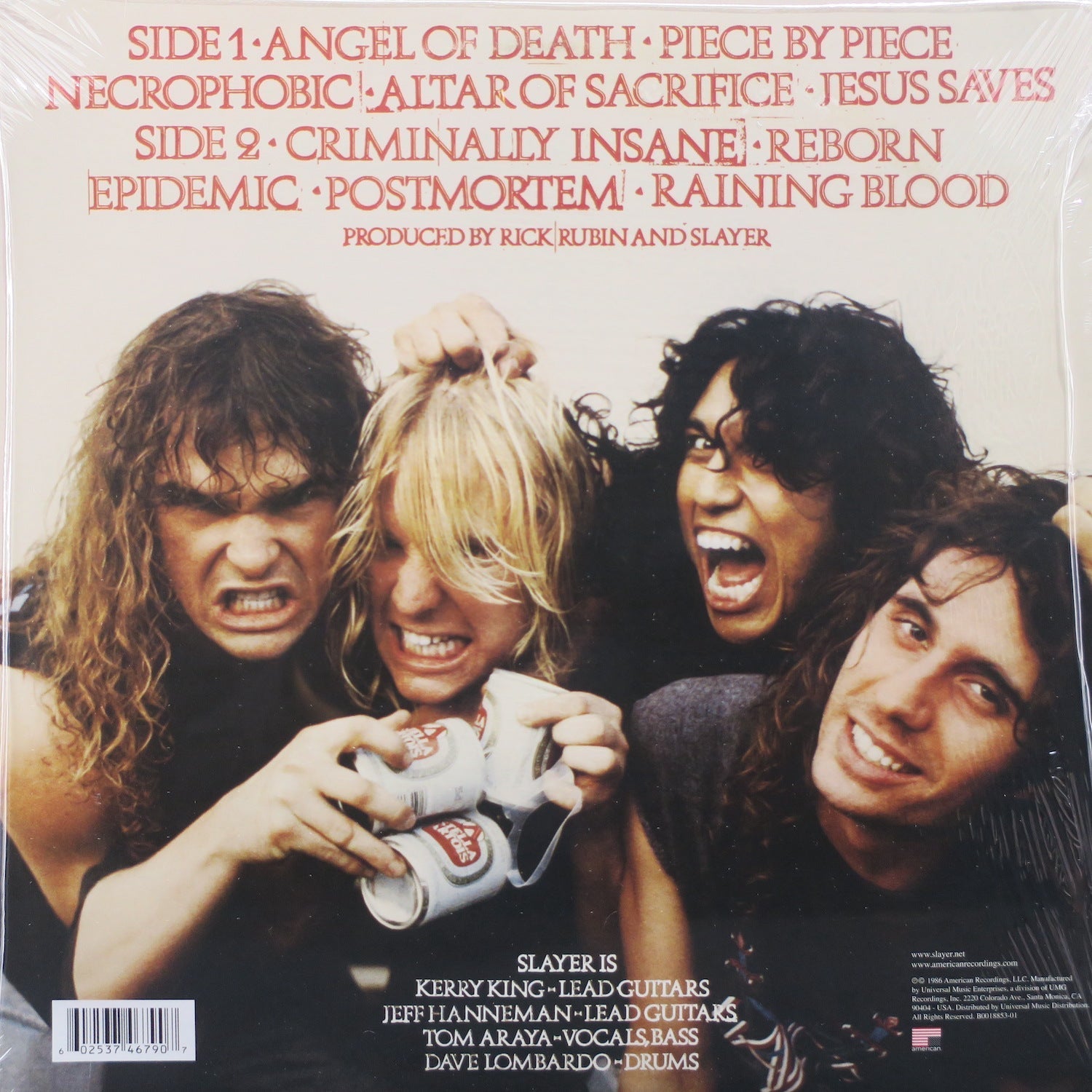
Slayer refined speed and menace into a compact, surgical form of heavy metal: riffs that stop on a dime, drums that pummel like a machine and lyrics that pushed subjects most bands avoided. That concentrated ferocity—most famously distilled on Reign in Blood—reframed what a metal band could deliver in under half an hour.
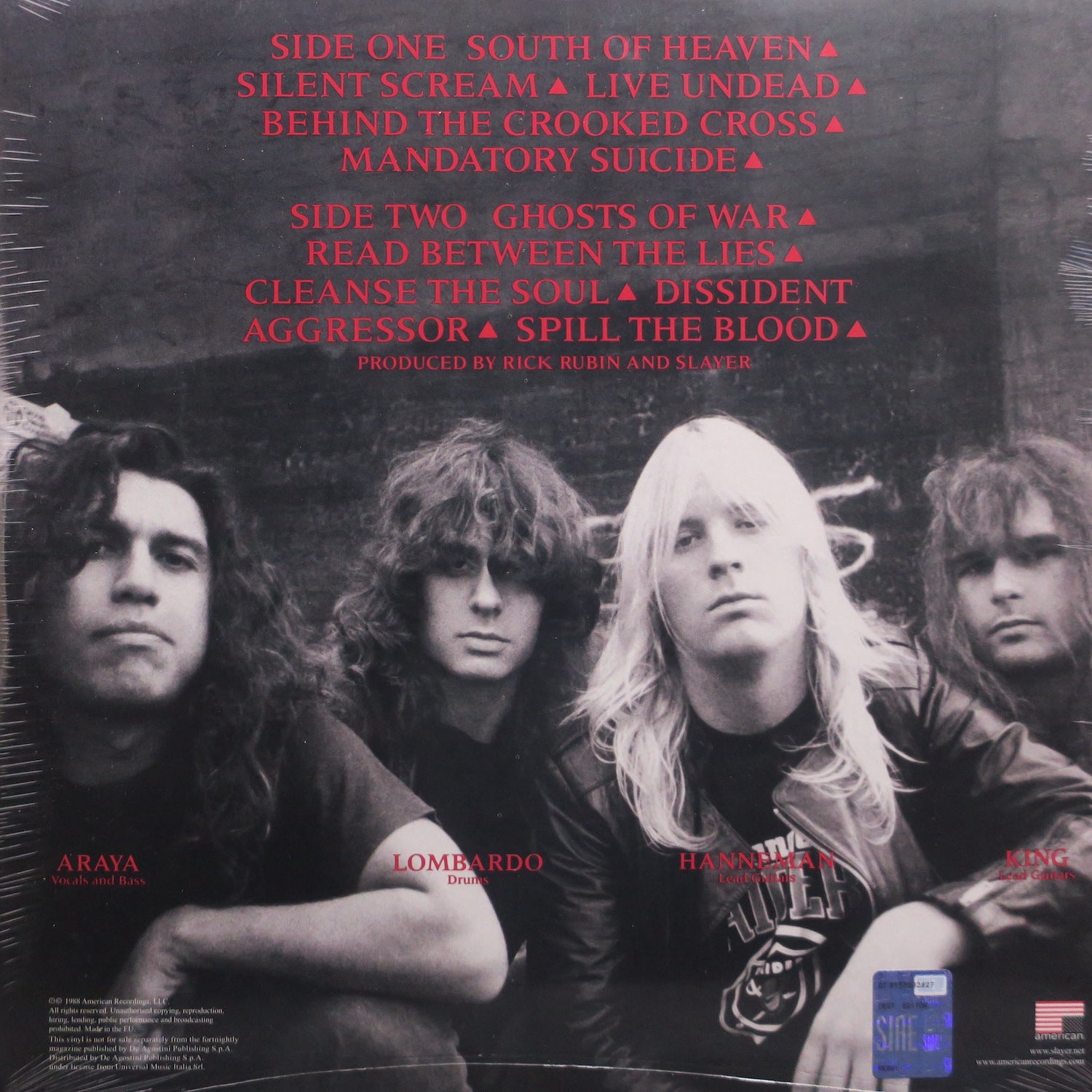
The core unit—Tom Araya's bass and vocal delivery, Jeff Hanneman and Kerry King's twin-guitar attack, and Dave Lombardo's drum language—gave Slayer a distinct voice. Early LPs like Show No Mercy and Hell Awaits showed a band sharpening punk energy into metallic precision; by the time Rick Rubin produced Reign in Blood the group had a leaner, more aggressive production that made every second hit harder.
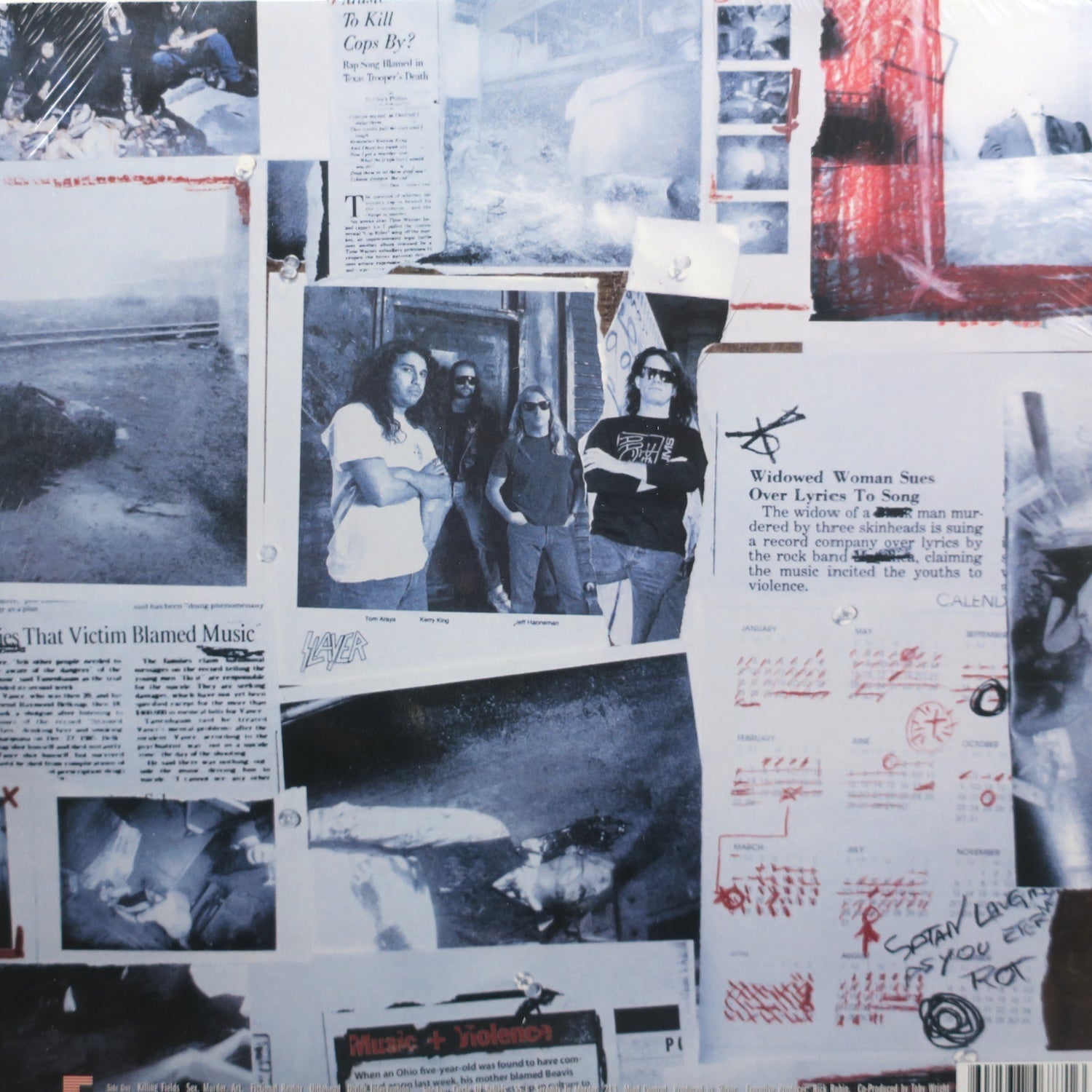
Lyrically Slayer courted controversy but not as mere provocation. Songs about war, serial killers and historical atrocity were handled with a blunt, cinematic bluntness that attracted backlash and attention in equal measure—the debate around tracks such as "Angel of Death" forced conversations about intent, context and censorship that outlasted the headlines. Musically, that same bluntness influenced extreme forms of metal by demonstrating how speed, economy and darkness could coexist without losing musicality.
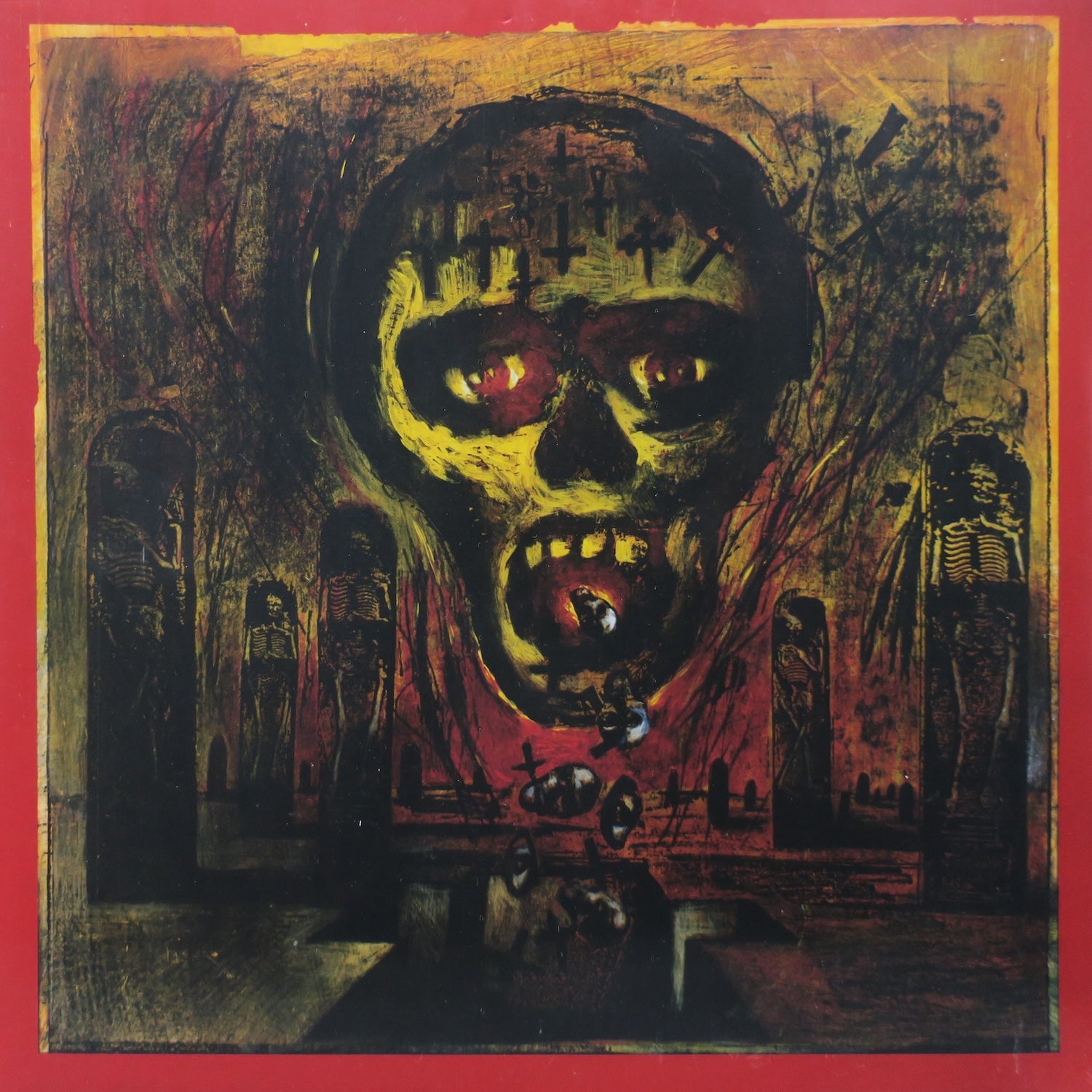
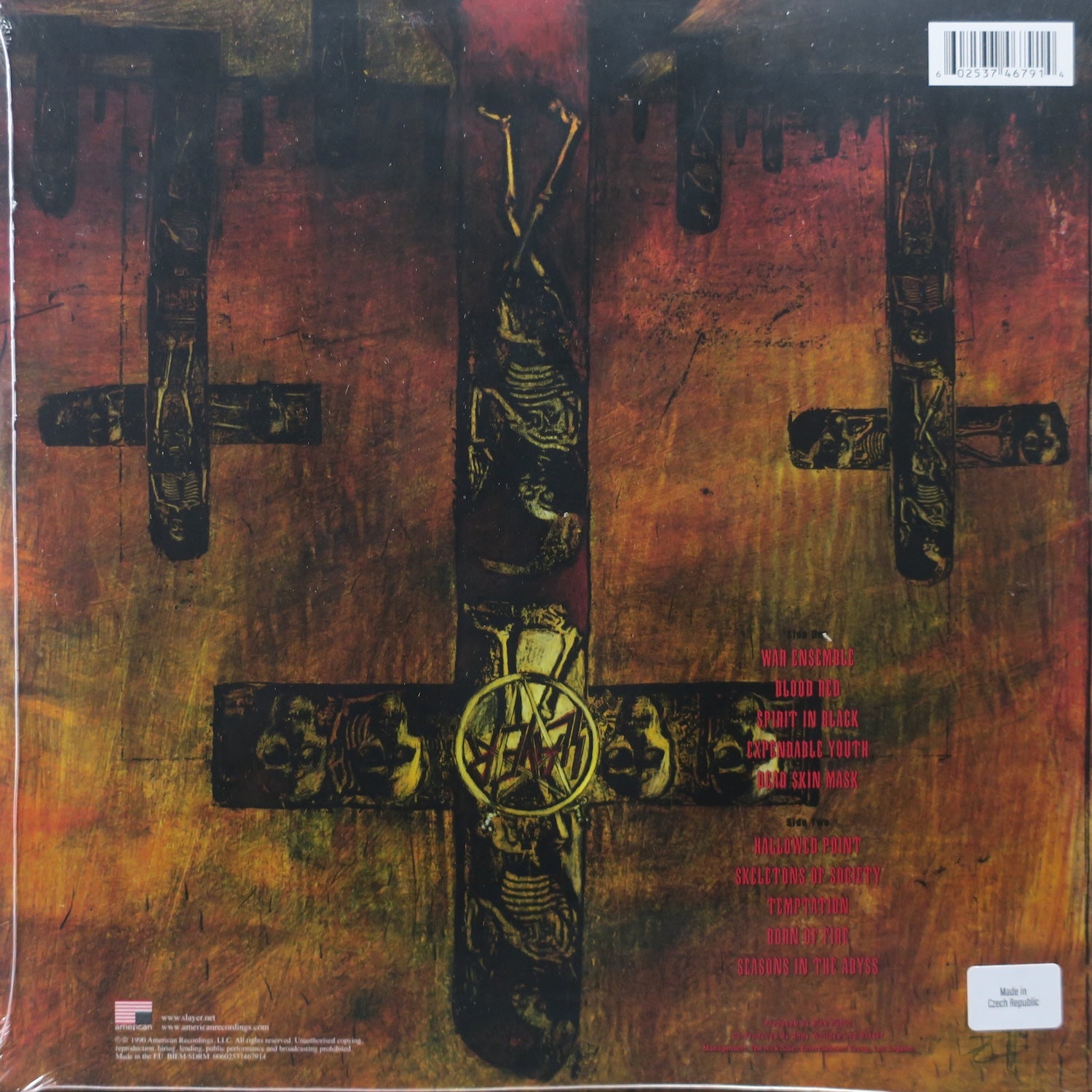
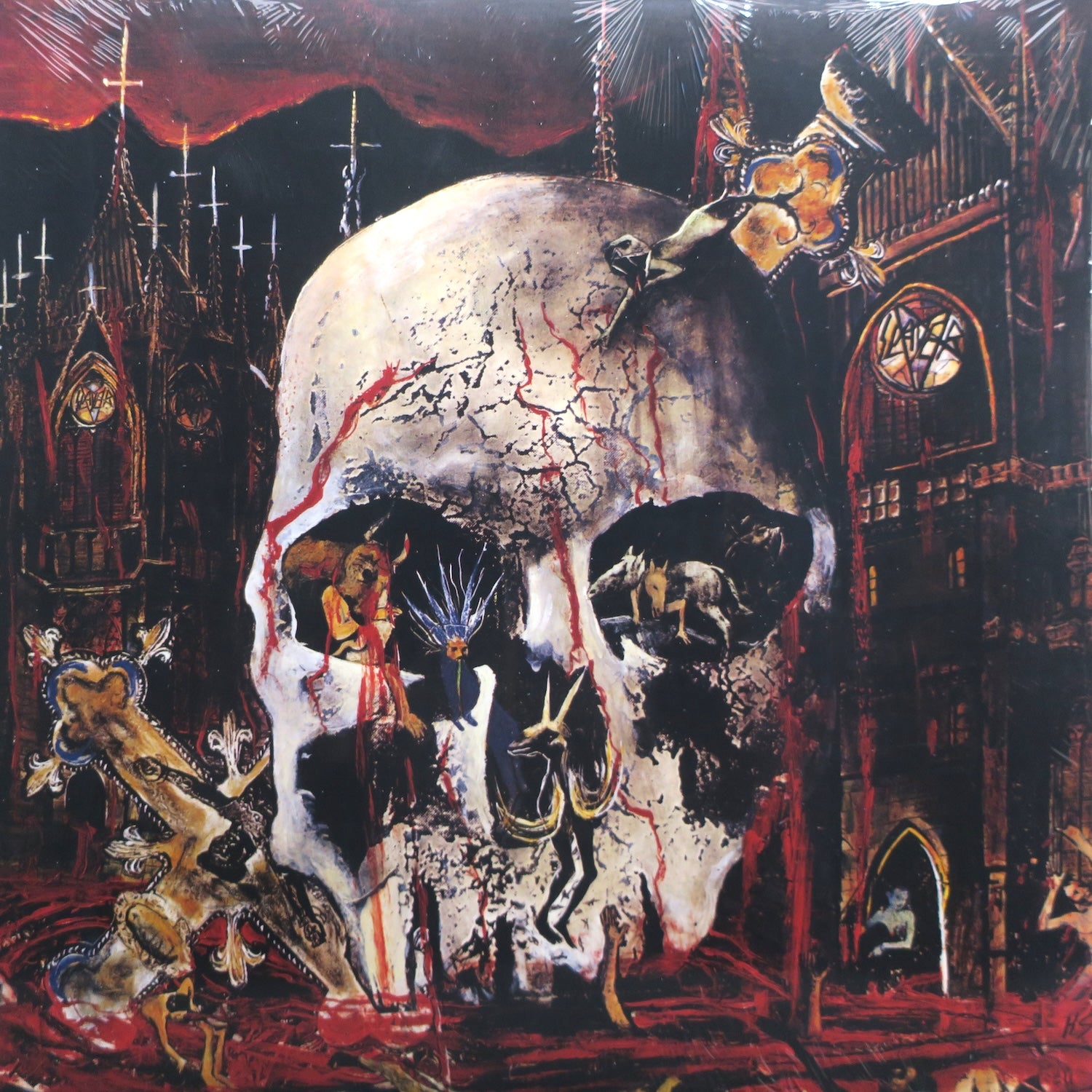
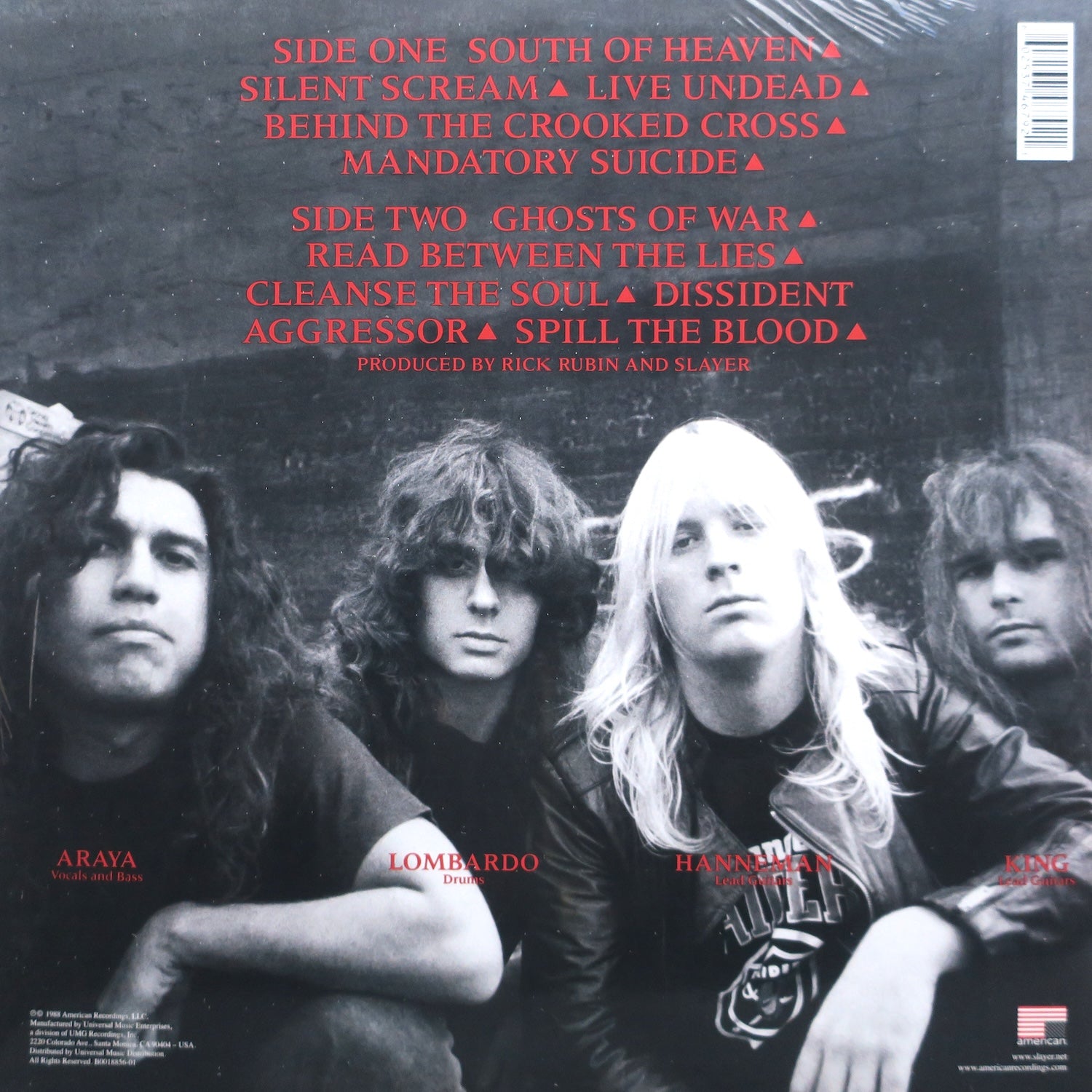
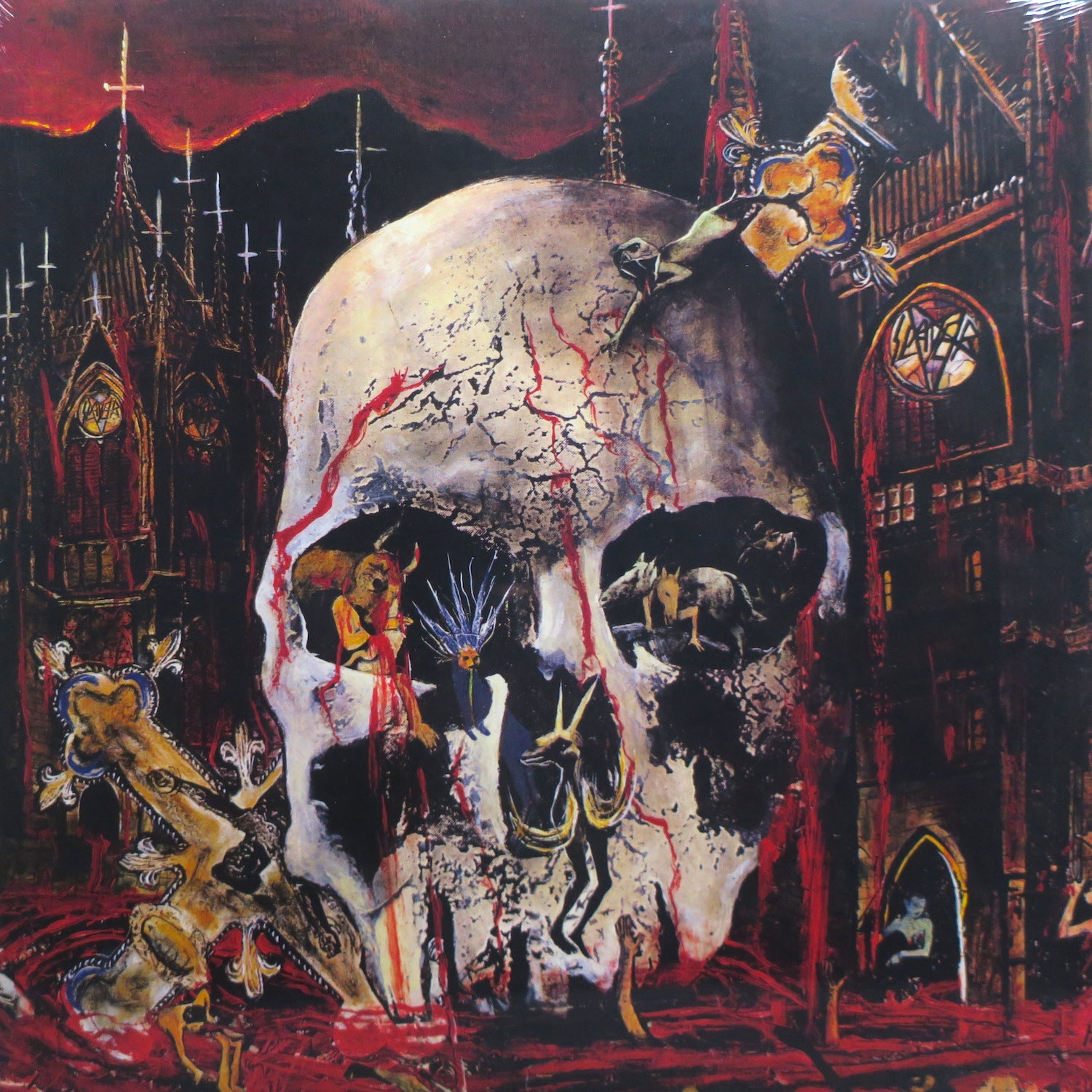
Rather than remaining trapped in one mode, Slayer experimented with pace. South of Heaven slowed the tempos to create a heavier, more ominous tone; Seasons in the Abyss married the band's older speed with a newfound groove and melodic sweep. Personnel changes—Dave Lombardo's intermittent departures and returns, Paul Bostaph stepping in as a steadying player, and Gary Holt from Exodus joining live after Hanneman's death—altered dynamics but the band's approach to riff and rhythm remained consistent.
Tours and cultural moments cemented Slayer’s place in the 1980s and beyond: shared-bill visibility with contemporaries and the Big Four performances alongside Metallica, Megadeth and Anthrax brought thrash to stadium audiences. At the same time the band's sound drew direct lines back to aggressive predecessors like Motörhead and Venom and pushed forward into death and black metal territories taken up by later bands.
For newcomers, the arc from Show No Mercy through Reign in Blood to Seasons in the Abyss maps how Slayer compressed intensity without sacrificing craft. Listening with attention reveals why their riffs, drum patterns and ruthless economy of song remain a study in how metal can be both visceral and exacting.