Captain Beefheart
Captain Beefheart's music sounds like the blues after it has been twisted inside out — familiar motifs reassembled into jagged tempos, strange harmonies and surreal storytelling. That startling sonic juxtaposition is what makes his records feel unpredictable every time through the speakers.
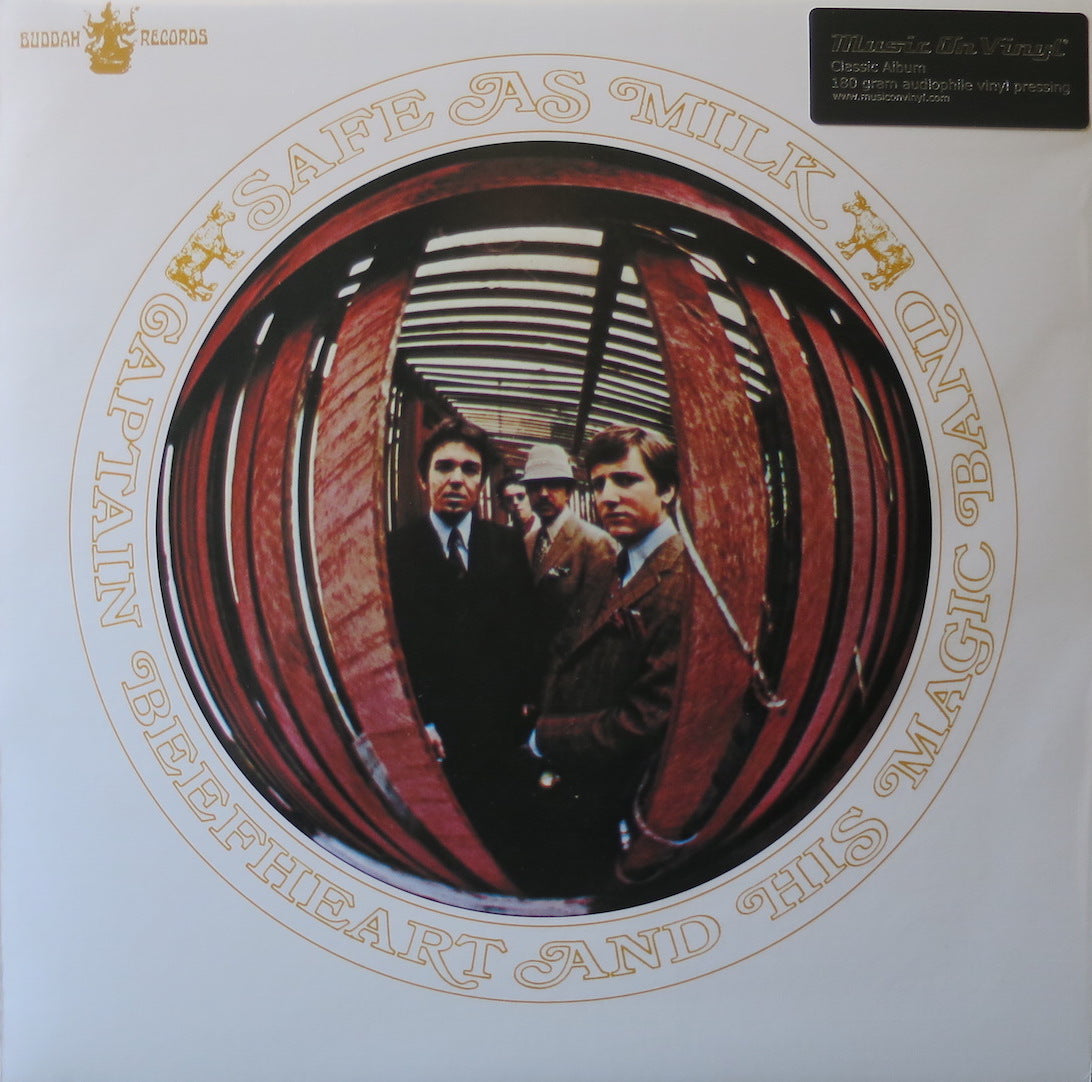
Don Van Vliet led the Magic Band as a strict musical director. Rather than relying on conventional song structures, Van Vliet shaped material through repeated rehearsal, odd metric shifts and vocal phrasing that ranged from guttural hollers to spoken incantations. The result on albums like Safe as Milk and Trout Mask Replica is music that still sounds alive, as if the pieces were composed and discovered simultaneously.
Trout Mask Replica stands as the clearest example of Beefheart's methods: dense arrangements, abrupt tempo changes and an emphasis on texture over standard guitar solos. John "Drumbo" French's role was crucial during this period — he acted as drummer, arranger and the person who translated Van Vliet's often nonlinear ideas into parts the band could perform. Guitarists such as Bill "Zoot Horn Rollo" Harkleroad and bassist Mark "Rockette Morton" Boston supplied angular riffs and counterpoint that kept the songs teetering between blues and controlled chaos.
The roots are unmistakably American: delta blues phrasing, R&B echoes and a love of raw timbre, but Beefheart filtered those influences through a modernist sensibility — elements of free jazz, found sounds and surrealist poetry. That combination inspired a broad swath of later musicians who wanted to break songwriting rules without abandoning emotional directness. Artists from Tom Waits to post-punk experimental groups credit his willingness to make music that refuses easy categorization.
Beefheart's catalogue also contains warmer, more accessible moments. Clear Spot and Lick My Decals Off, Baby show that the Magic Band could tighten grooves and make the odd approachable without losing their edge. Those records provide good entry points for listeners put off by Trout Mask's deliberate disorientation.
Even now, Beefheart's work rewards repeated listening: the more attention given to his rhythms and phrasing, the more small structural surprises reveal themselves. His balance of blues grit and avant-garde curiosity continues to attract musicians and listeners who want music that challenges assumptions while still swinging.