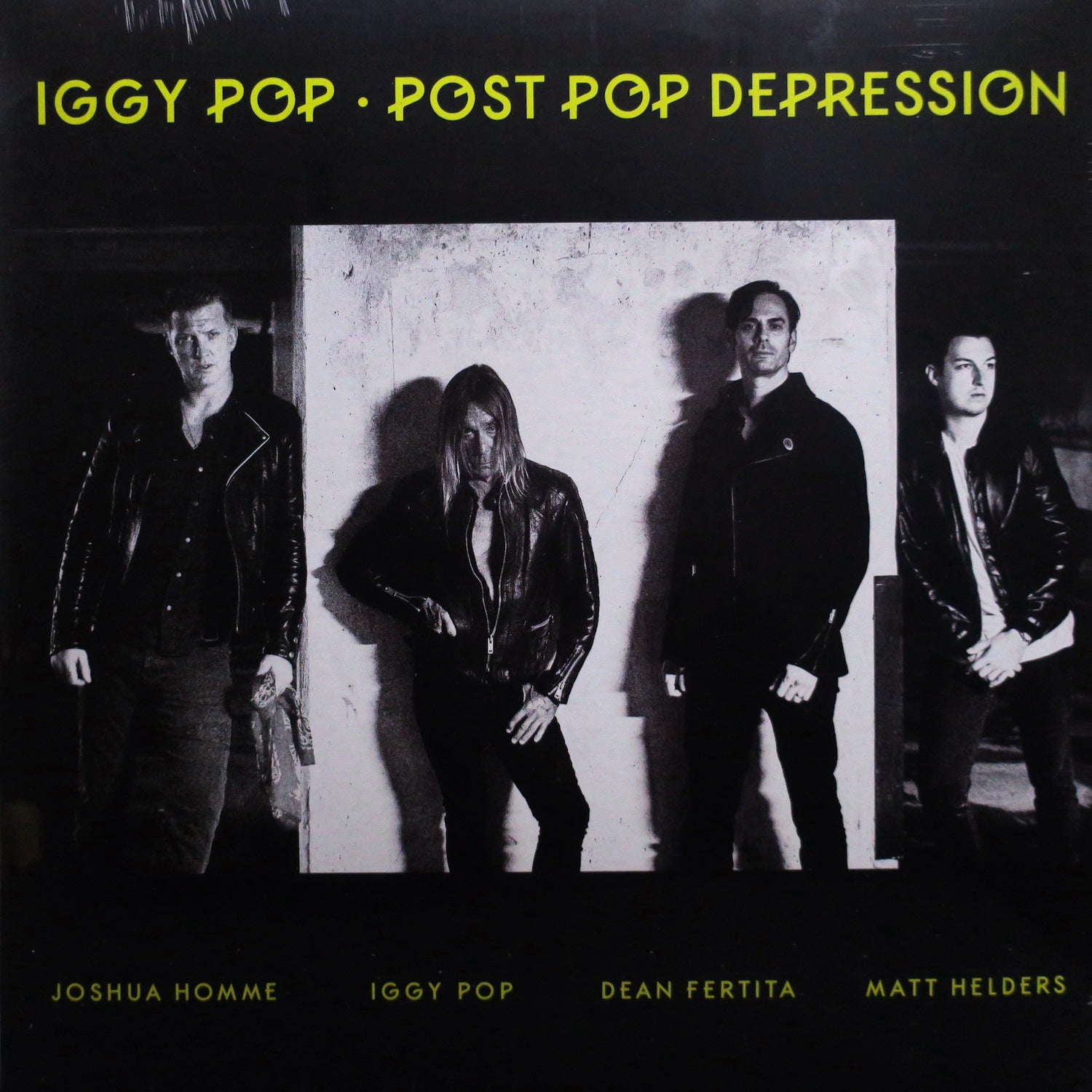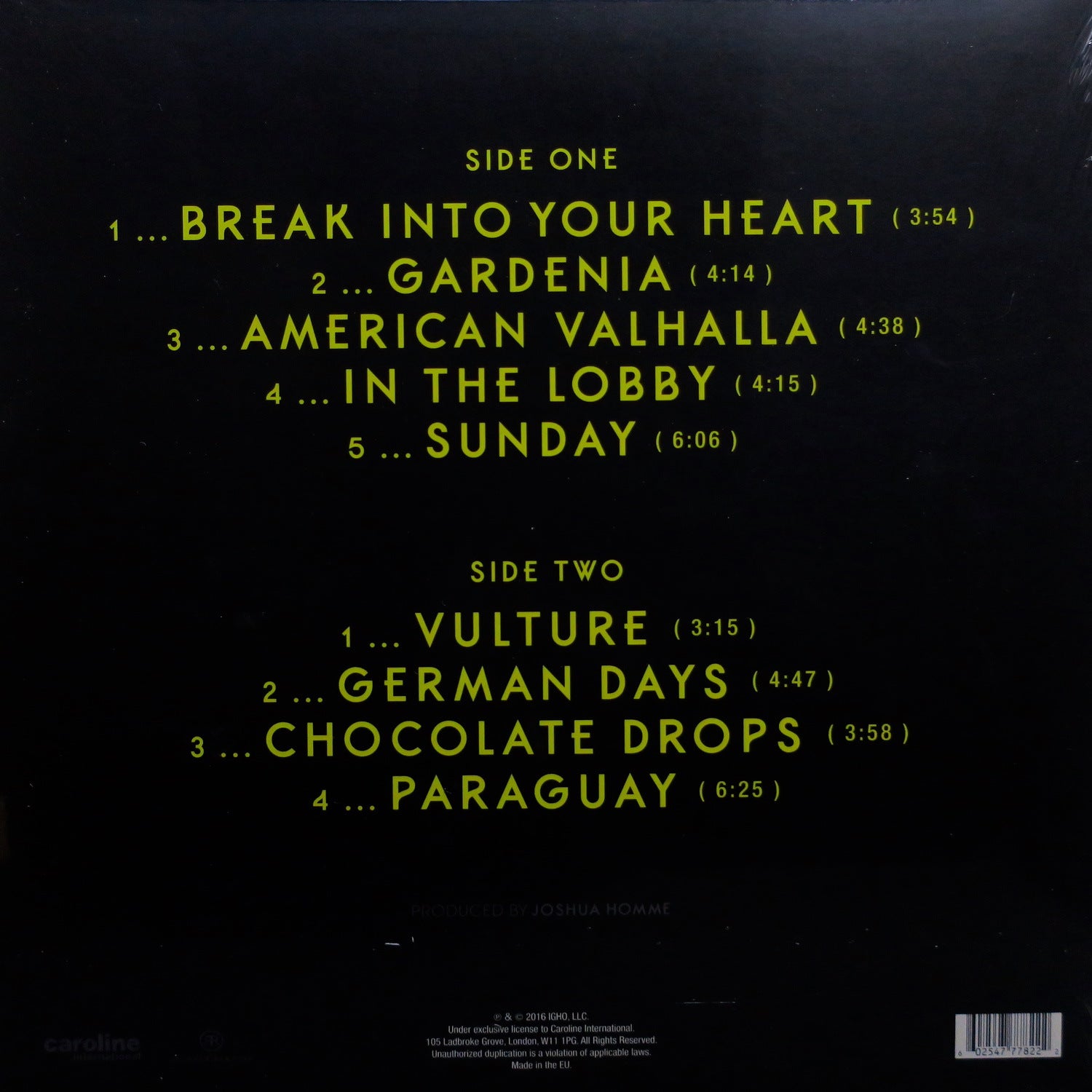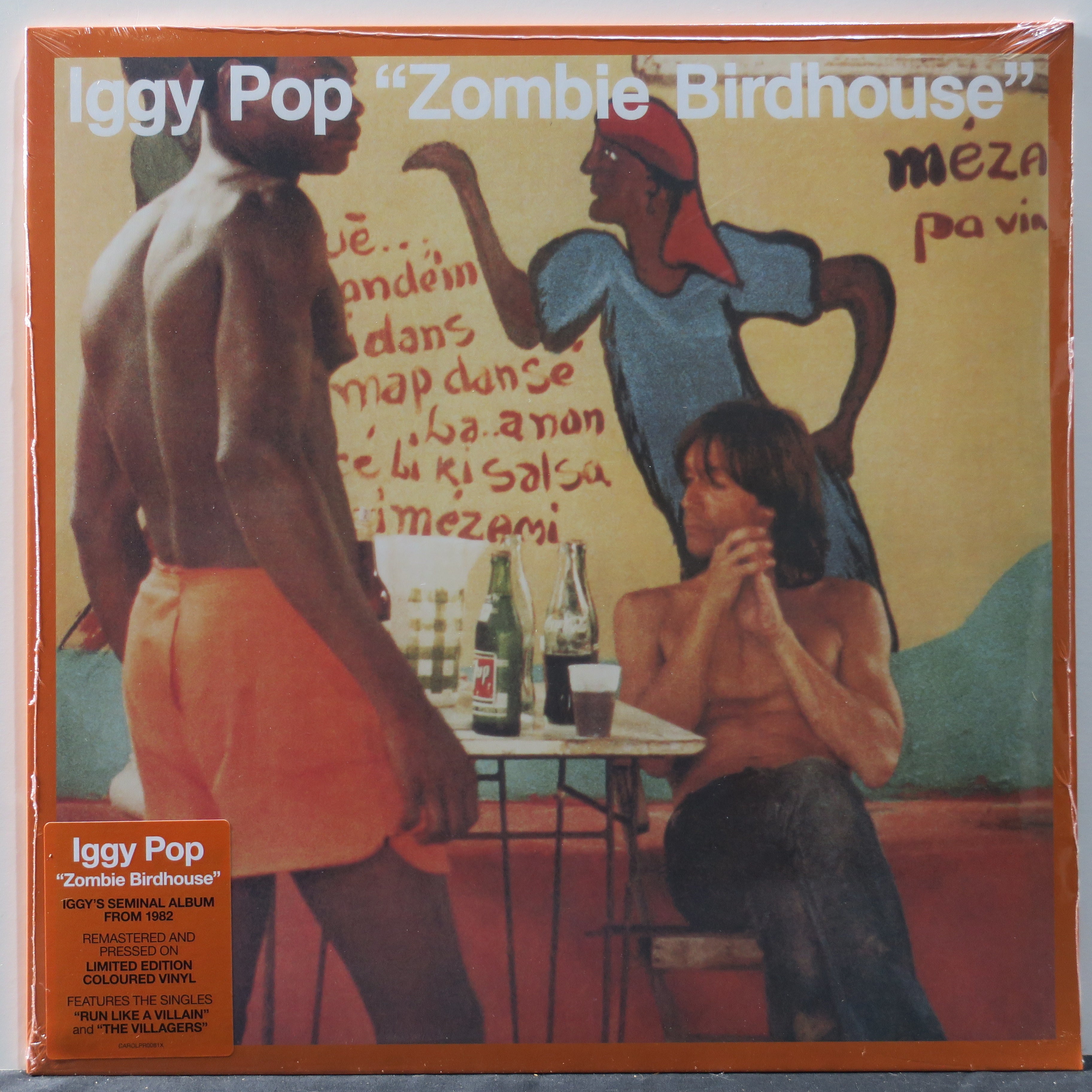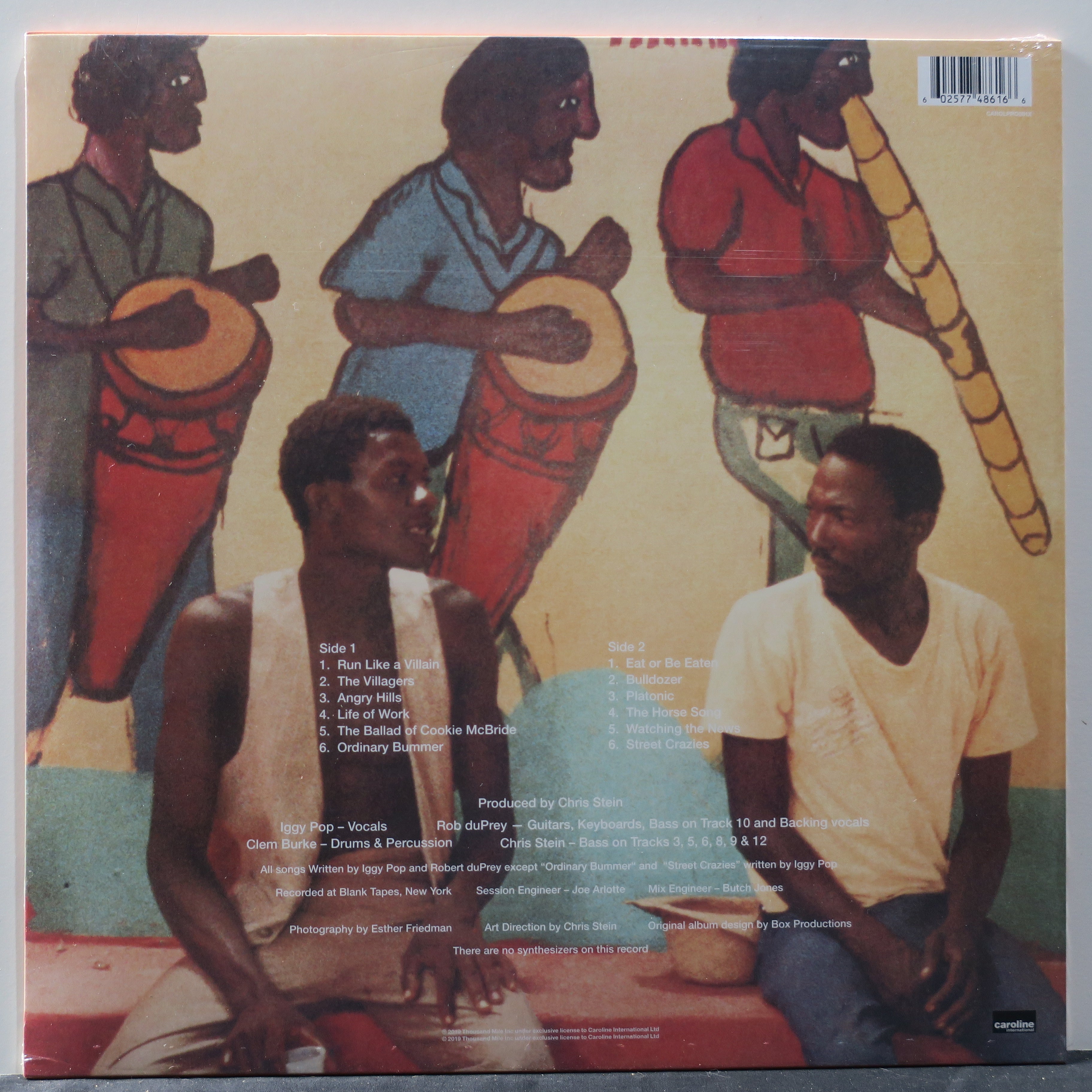
Iggy Pop
Few performers have used raw vocal delivery and confrontational stagecraft as a compositional tool the way Iggy Pop did. Rather than dressing intensity up as theatricality, his work often feels like a direct transmission of urgency: the record crackles, the voice slices through, and the listener is left where punk begins.
Growing to prominence as the volatile frontman of The Stooges, Iggy Pop turned snarling garage riffs into something sharper and more ecstatic on albums such as Fun House and Raw Power. Those records concentrated simple song forms into a harsher, more physical sound—tight rhythms pushed forward by guitar work and a singer who treated the microphone as an extension of his body. Songs like "I Wanna Be Your Dog" and "Search and Destroy" became templates for countless punk bands that followed because they married immediacy with a willingness to bruise the ear and provoke a reaction.
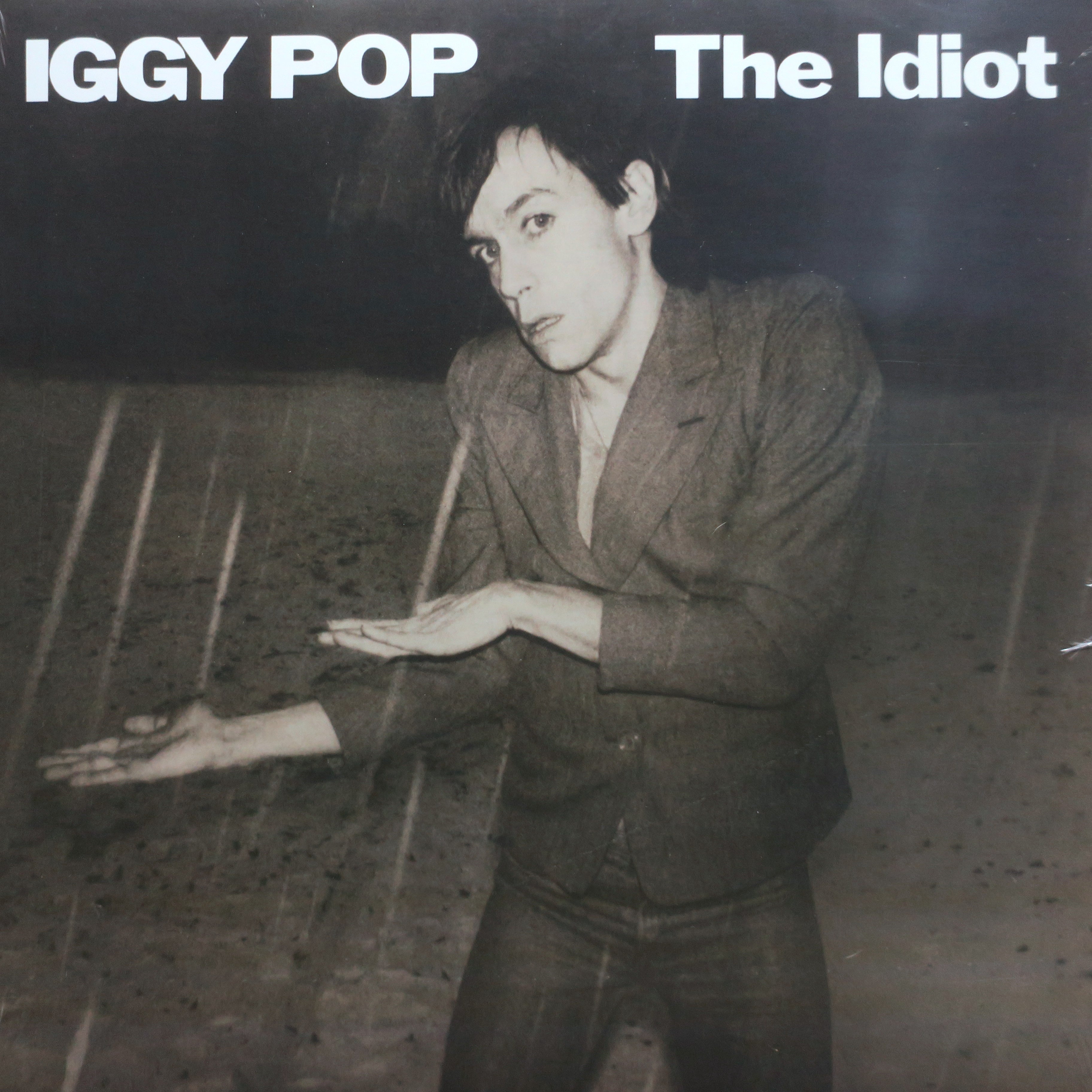
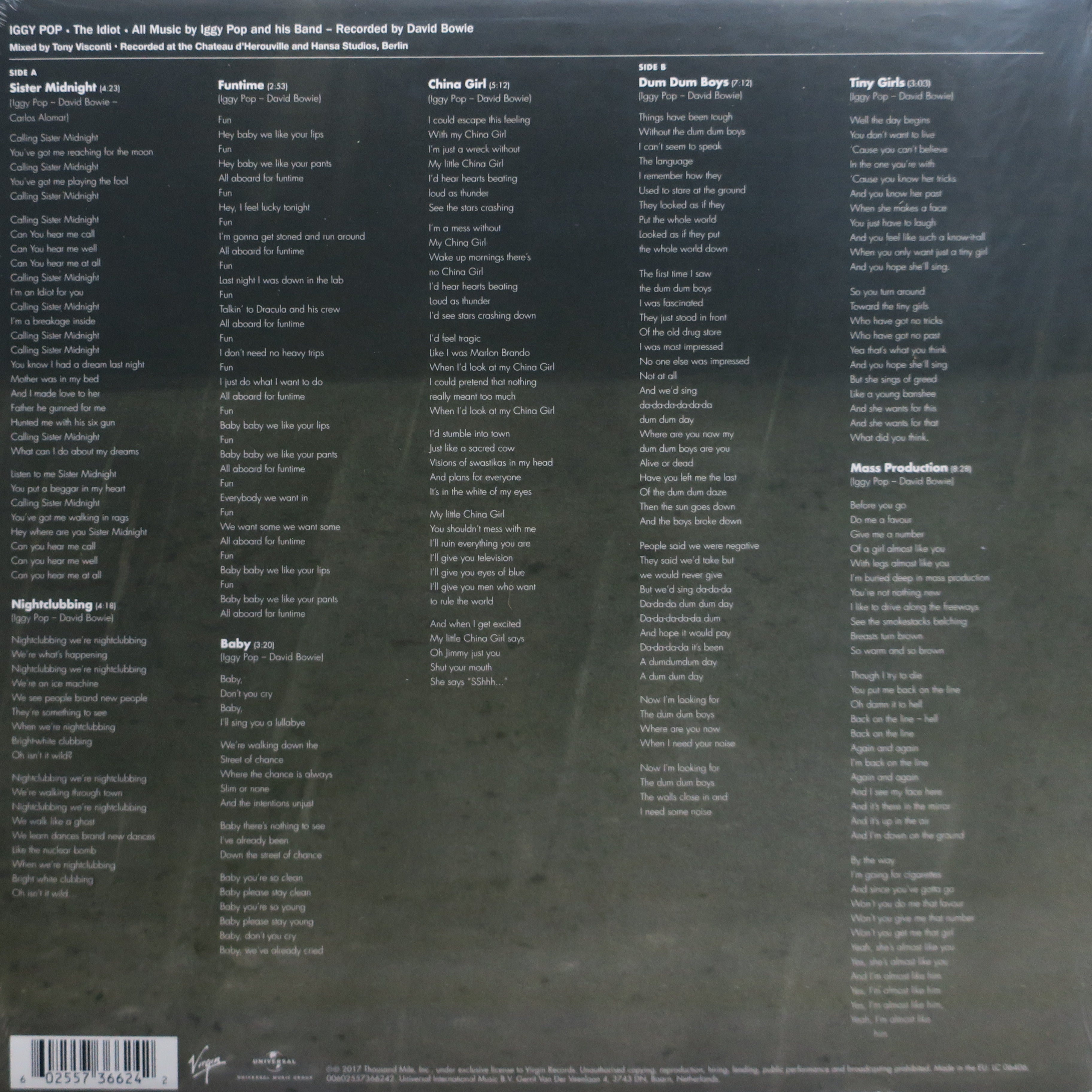
His reinvention in the mid-1970s, most visibly through collaborations with David Bowie on The Idiot and Lust for Life, showed a different edge: leaner, more art-rock textures and a focus on phrasing and atmosphere. Those records helped move Iggy beyond pure garage fury into songwriting that could be brittle, hook-driven and occasionally melodic without losing its hard-edged temperament. Producers and collaborators mattered here—Bowie's aesthetic nudged Pop toward mood and studio craft while preserving the performer’s trademark rawness.
Across decades Iggy Pop remained a touchstone for artists seeking to balance danger and craft. His influence is audible in early punk groups and in artists who wanted to fuse performance art with rock’s aggression. Equally important are the Stooges’ original members—guitarists and rhythm sections who shaped the band’s early sonic identity—and the way Iggy’s stage behavior changed live music presentation, from audience interaction to stage diving.
Listening now, the thrill is in the contrast: records that can sound both immediate and oddly modern, primitive but with sharp melodic hooks. Whether coming at Iggy Pop through The Stooges’ first records or his Berlin-era solo work, what remains arresting is the commitment to sound as action. That commitment keeps each era of his catalog rewarding to revisit and explains why Iggy still draws attention from listeners tracing punk’s origins or anyone curious about rock played at full intensity.