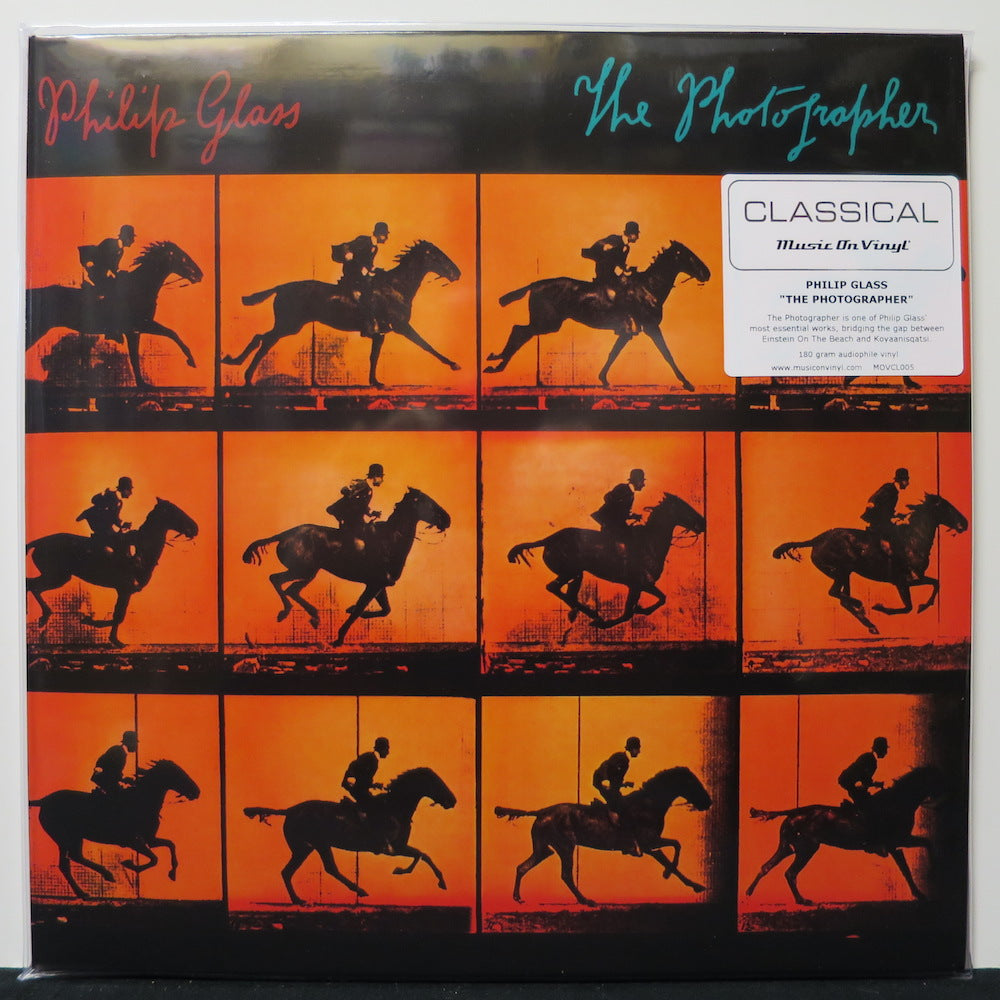
Philip Glass
A single looping arpeggio can function as both machine and mantra in Philip Glass's work: its insistence creates motion, shape and narrative where conventional melody might not. That tension—between pulse and hush—explains why listeners cross from classical halls to art-house cinemas to hear the same composer.
Glass emerged from classical training but adopted an economy of material that became associated with minimalism. Early pieces such as Music in Twelve Parts explored long-form repetition and subtle rhythmic shifts; the effect is less about hypnotic sameness than about tiny transformations that register across time. These techniques put Glass alongside contemporaries like Steve Reich and Terry Riley, but his bent for theatrical architecture and collaboration set him apart.
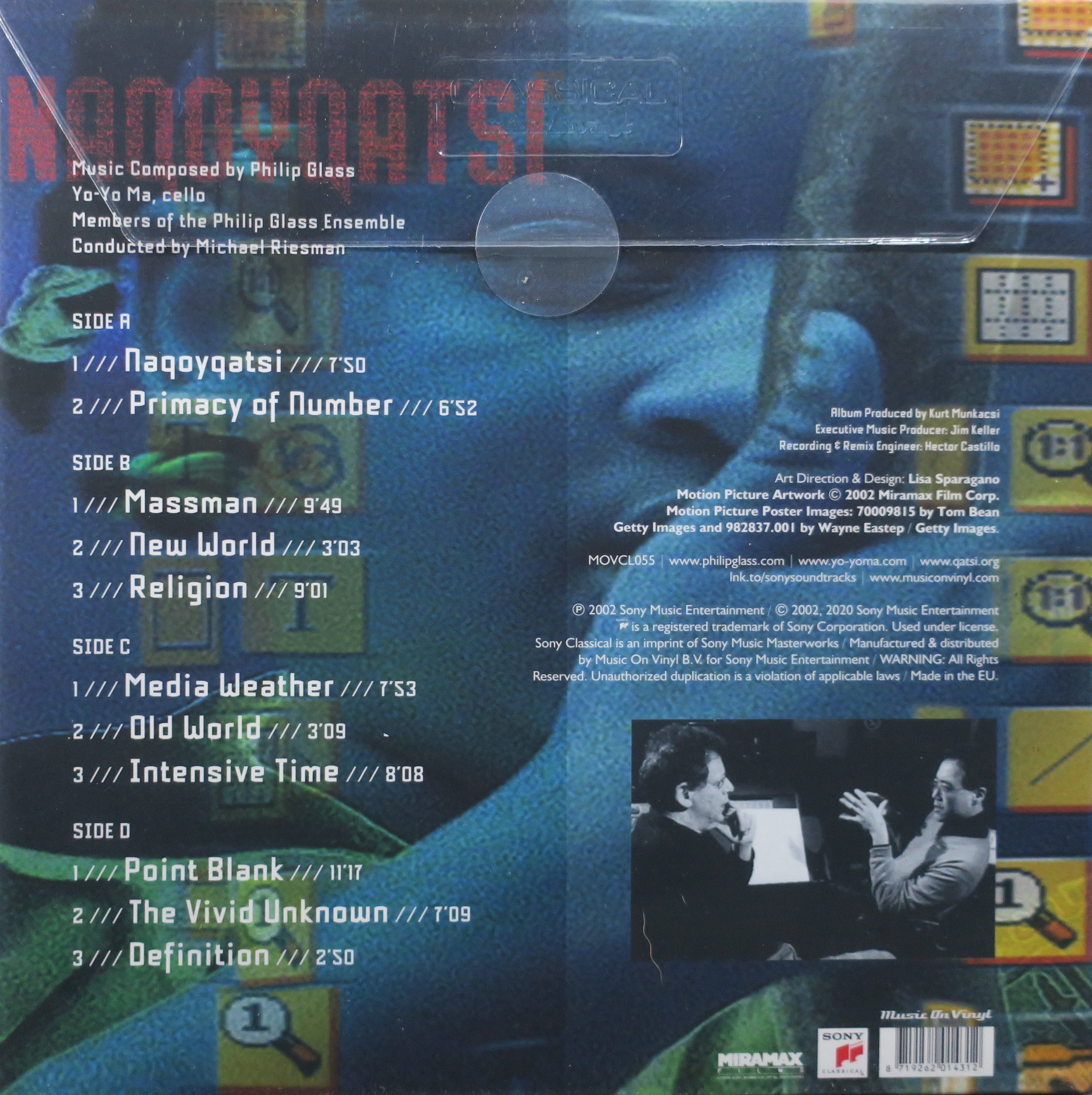
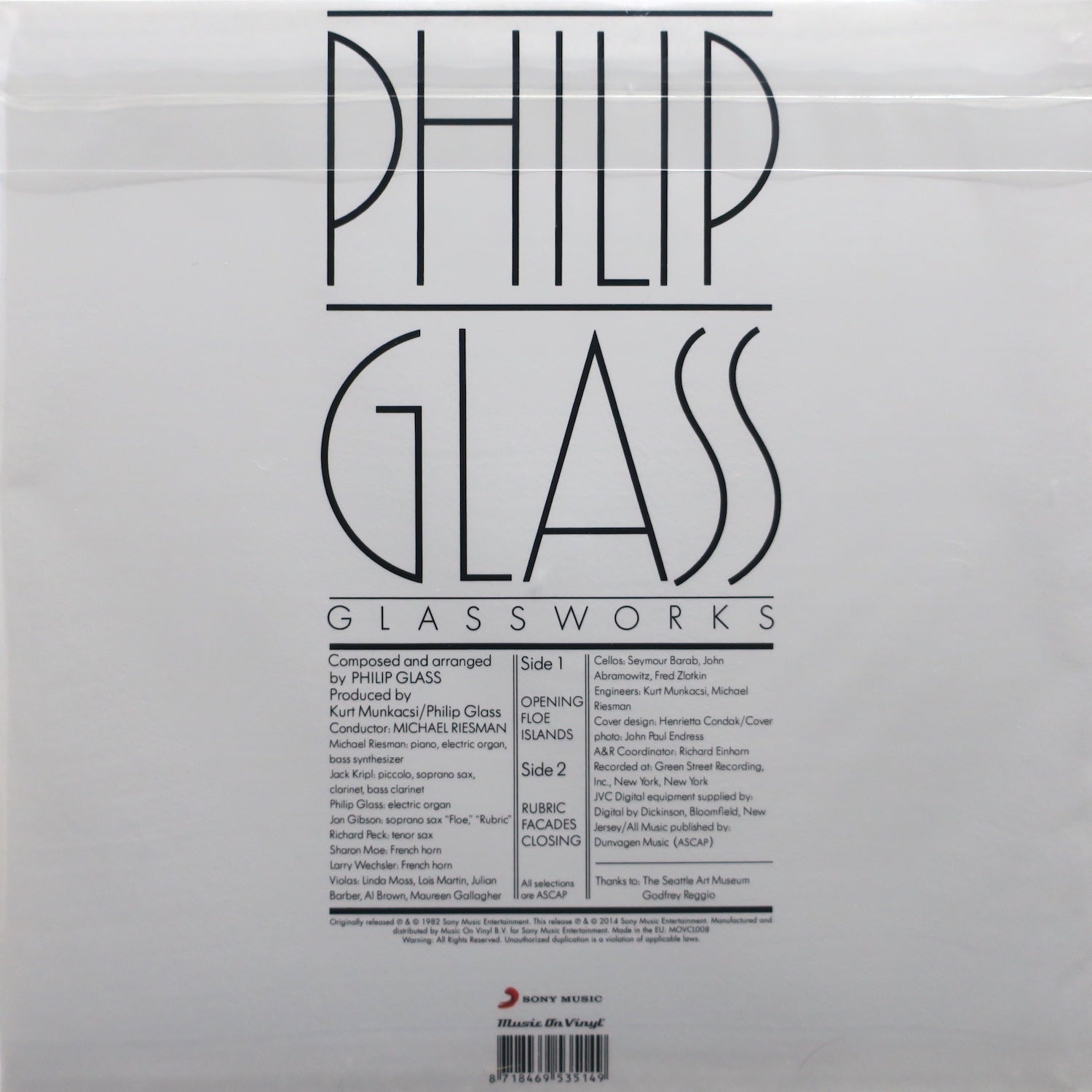
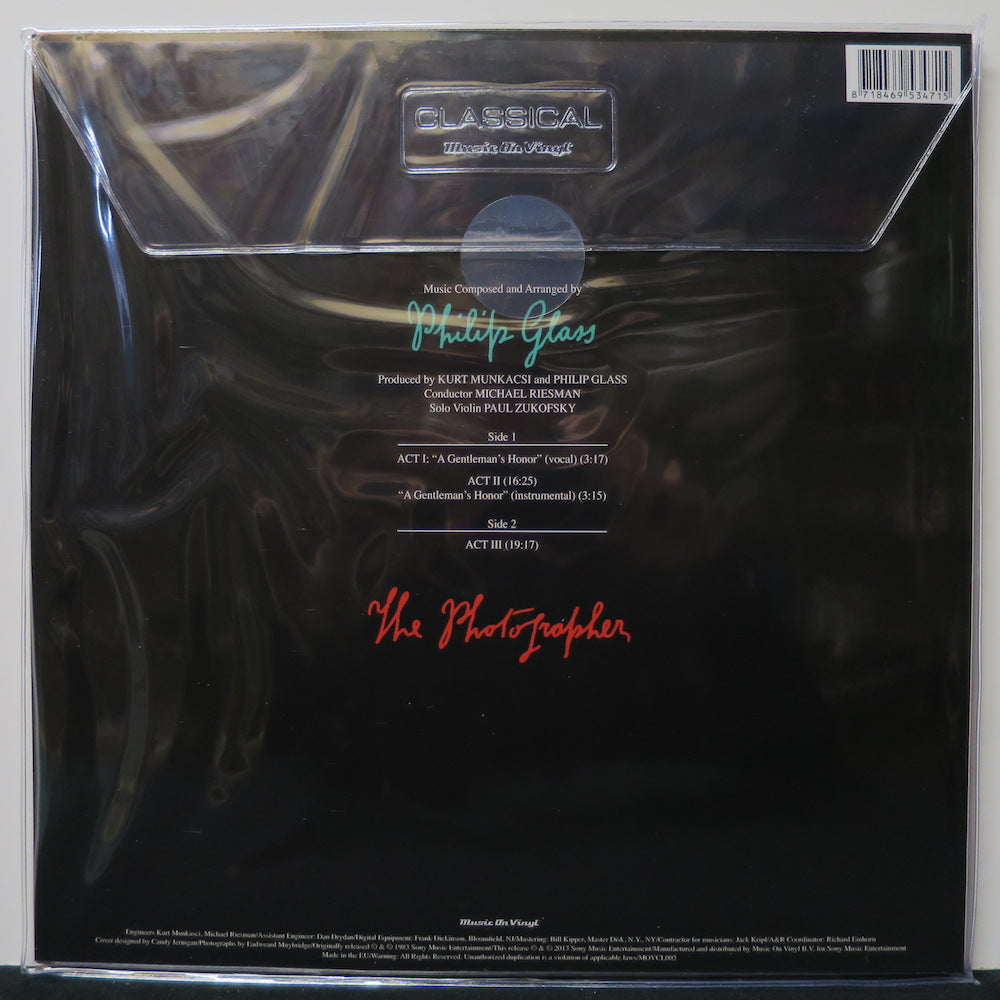
The Philip Glass Ensemble, formed to perform his amplified keyboard-and-wind pieces, was crucial to his sound. Longtime musical director Michael Riesman helped translate Glass’s sketches into the recorded and staged performances that reached wider audiences. That ensemble approach and a taste for theatrical scale led directly to operas such as Einstein on the Beach, created with director Robert Wilson; the piece treats duration, repetition and visual design as a single dramatic device rather than a vehicle for conventional plot.
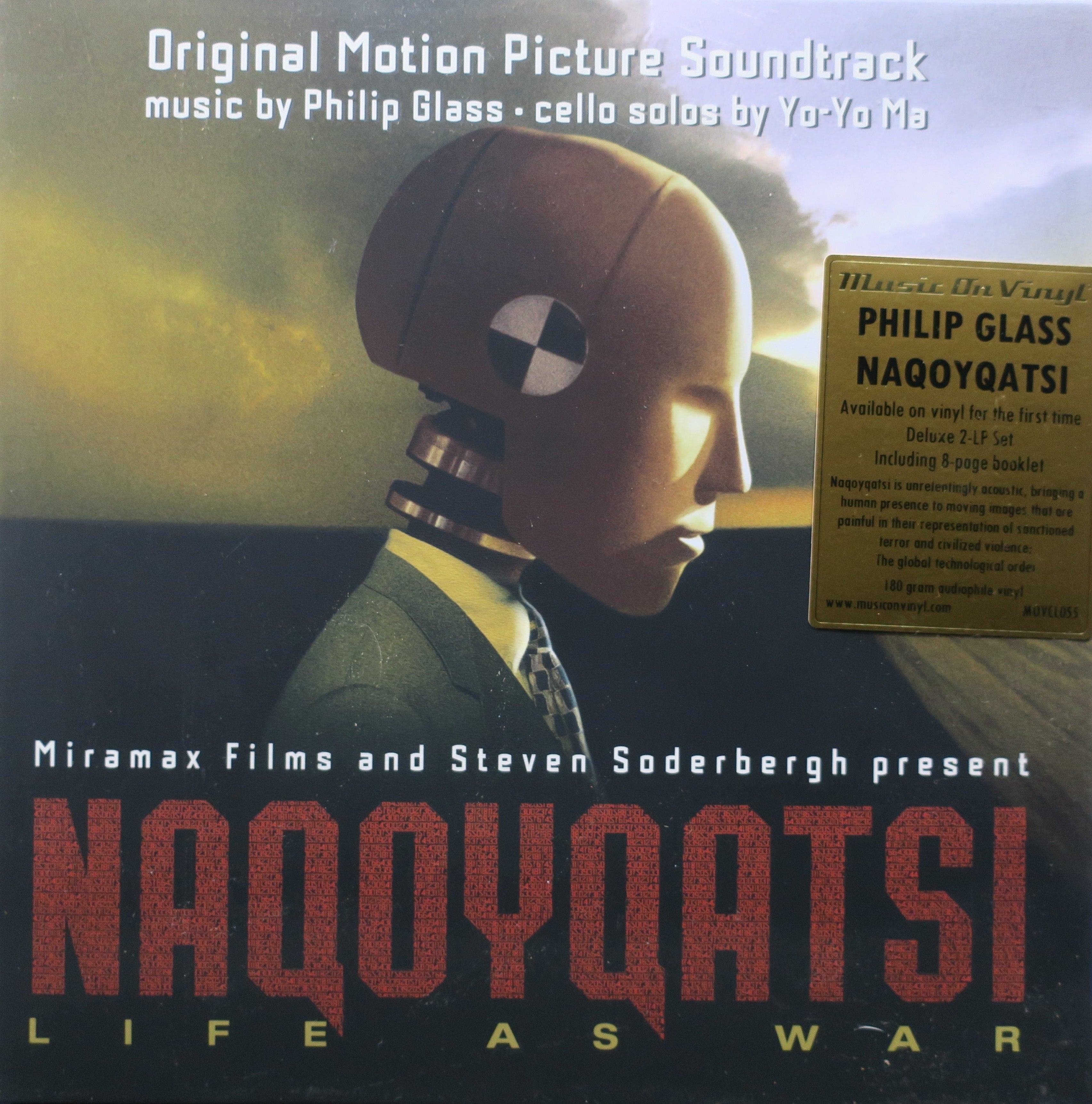
Film work widened Glass’s reach. The Koyaanisqatsi soundtrack (for Godfrey Reggio’s film) paired sustained, pulsating textures with striking imagery of landscape and urban life, showing how a score built from repetitive cells could drive cinematic argument. Glass also turned to historical figures and political ideas in operas like Satyagraha, where musical stasis and vocal lines fold into storytelling in nontraditional ways.
Glass’s practice has encouraged composers and filmmakers to rethink form and function. Composers such as John Adams and Michael Nyman absorbed aspects of Glass’s rhythmic clarity and applied them in orchestral and film contexts. At the same time Glass sought out collaborators across disciplines—from theater directors to poets—which kept his work in dialogue with contemporary art.
Whether sampled by rock and electronic artists, programmed in contemporary concert halls, or heard in the dark of a cinema, Glass’s music rewards close, repeated listening. It’s music built to reveal tiny decisions over long spans, and that patience—both in composition and in the listener—remains the clearest reason his work still invites exploration.