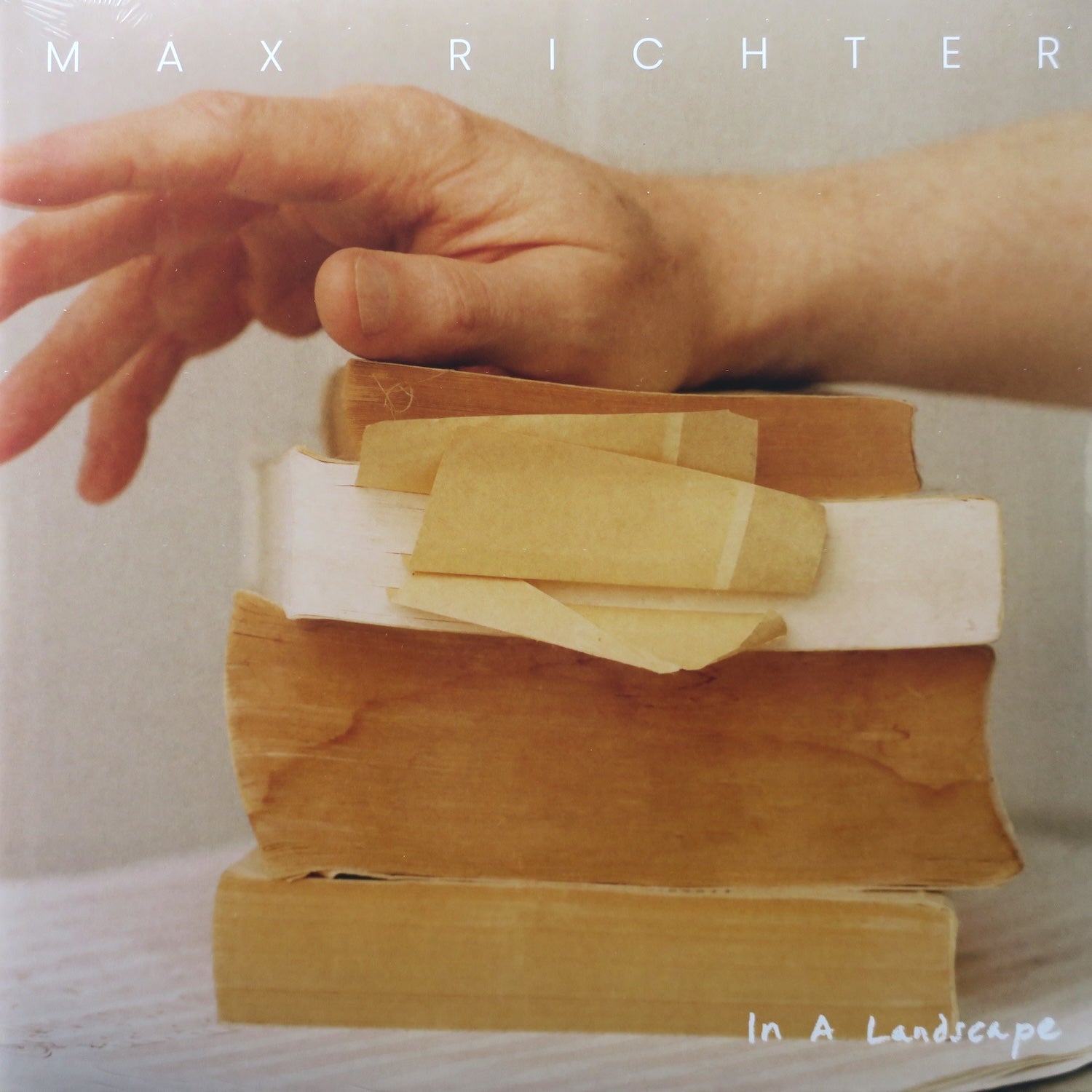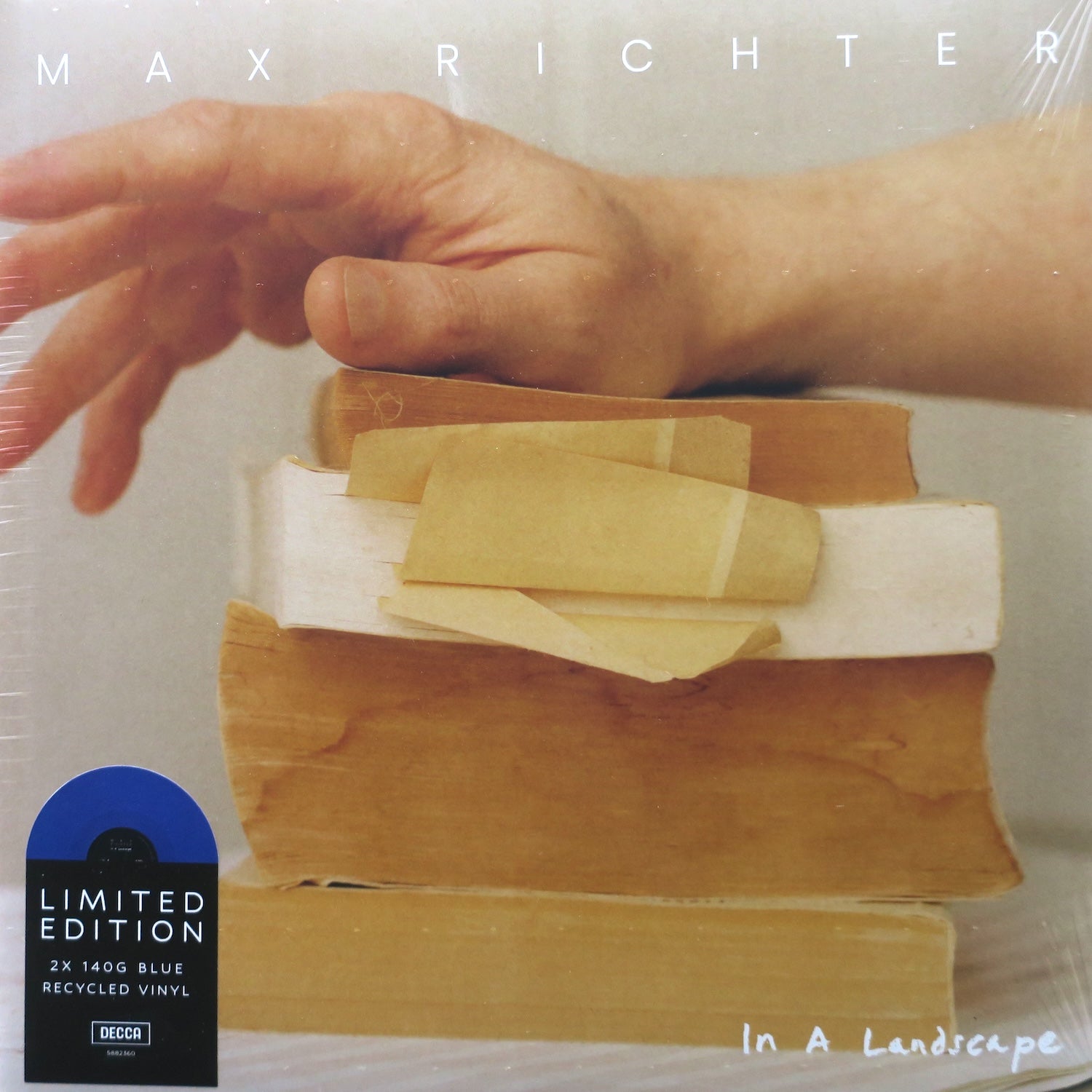
Max Richter
Max Richter's music lives in the space where classical form meets contemporary life: piano figures that repeat until they feel inevitable, strings that swell with cinematic clarity, and electronic textures that keep the music rooted in the present. That combination is why a single piece like "On the Nature of Daylight" can sound intimate on headphones and monumental on a film soundtrack.
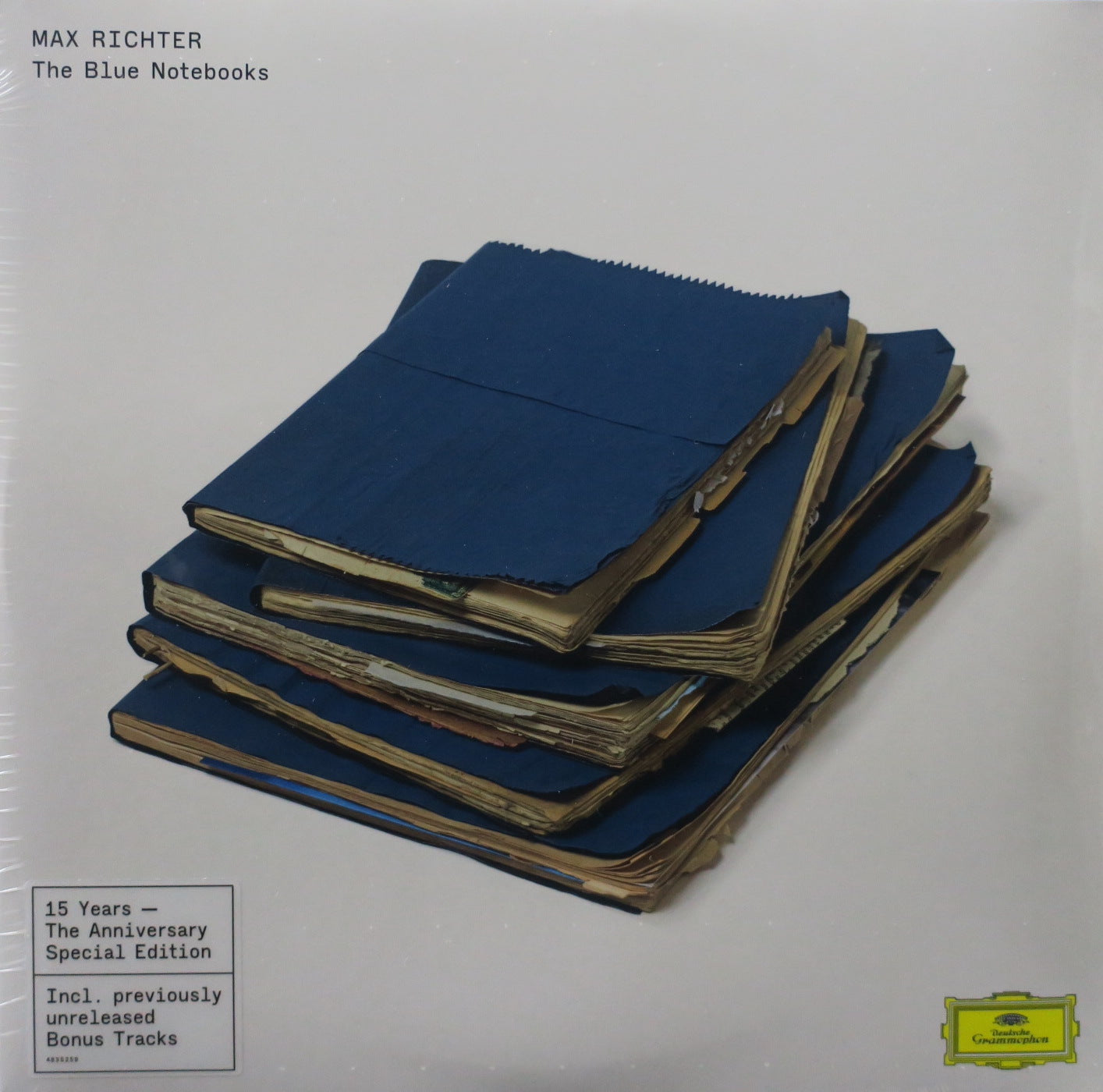
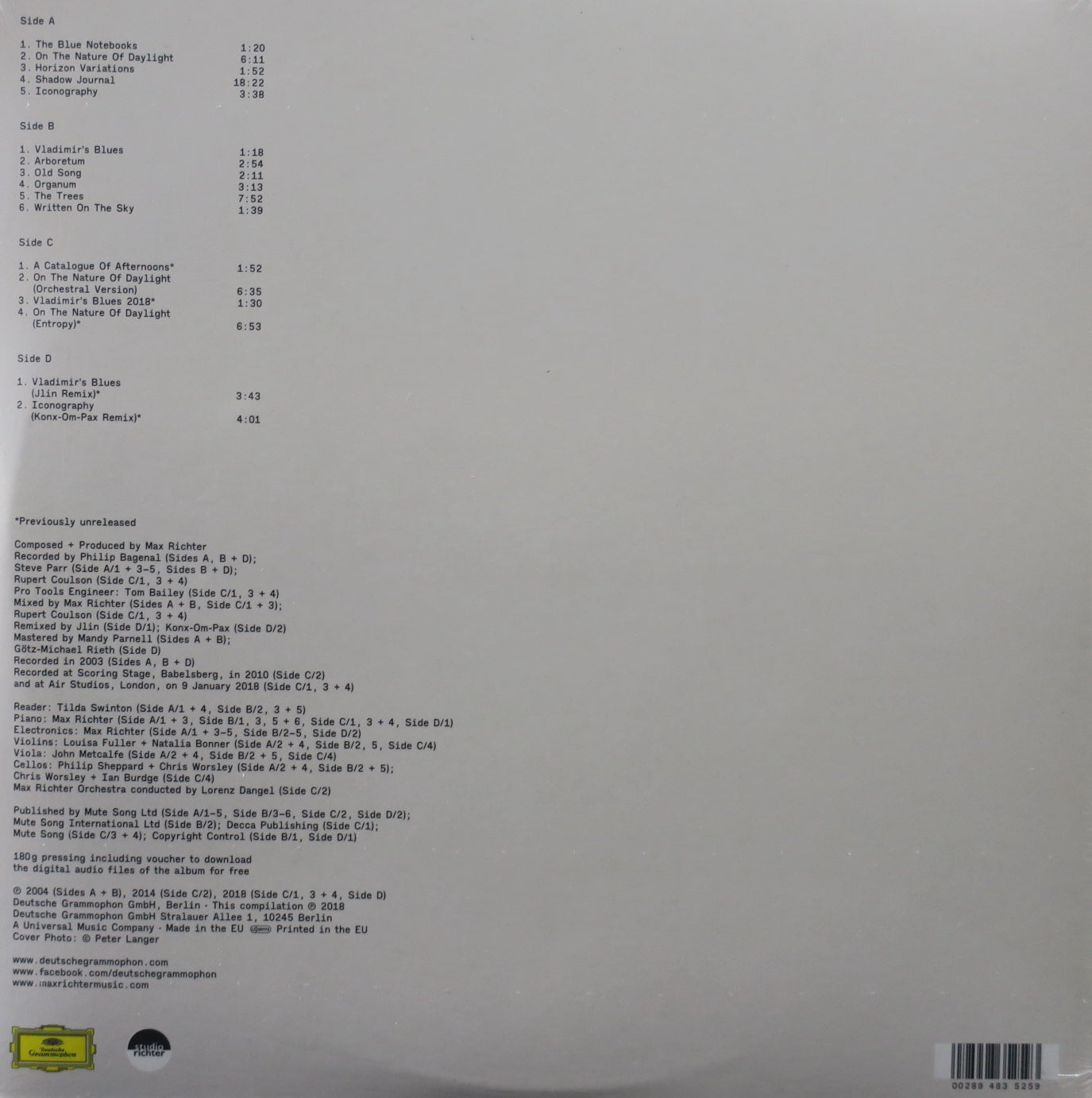
Early releases such as Memoryhouse and The Blue Notebooks established Richter as a composer who borrows the methods of minimalism—clear motifs, patient development—but applies them with literary and political sensitivity. The Blue Notebooks pairs field recordings and spoken-word passages with fragile piano and strings, giving it a documentary-like atmosphere that invited listeners beyond the traditional classical audience.
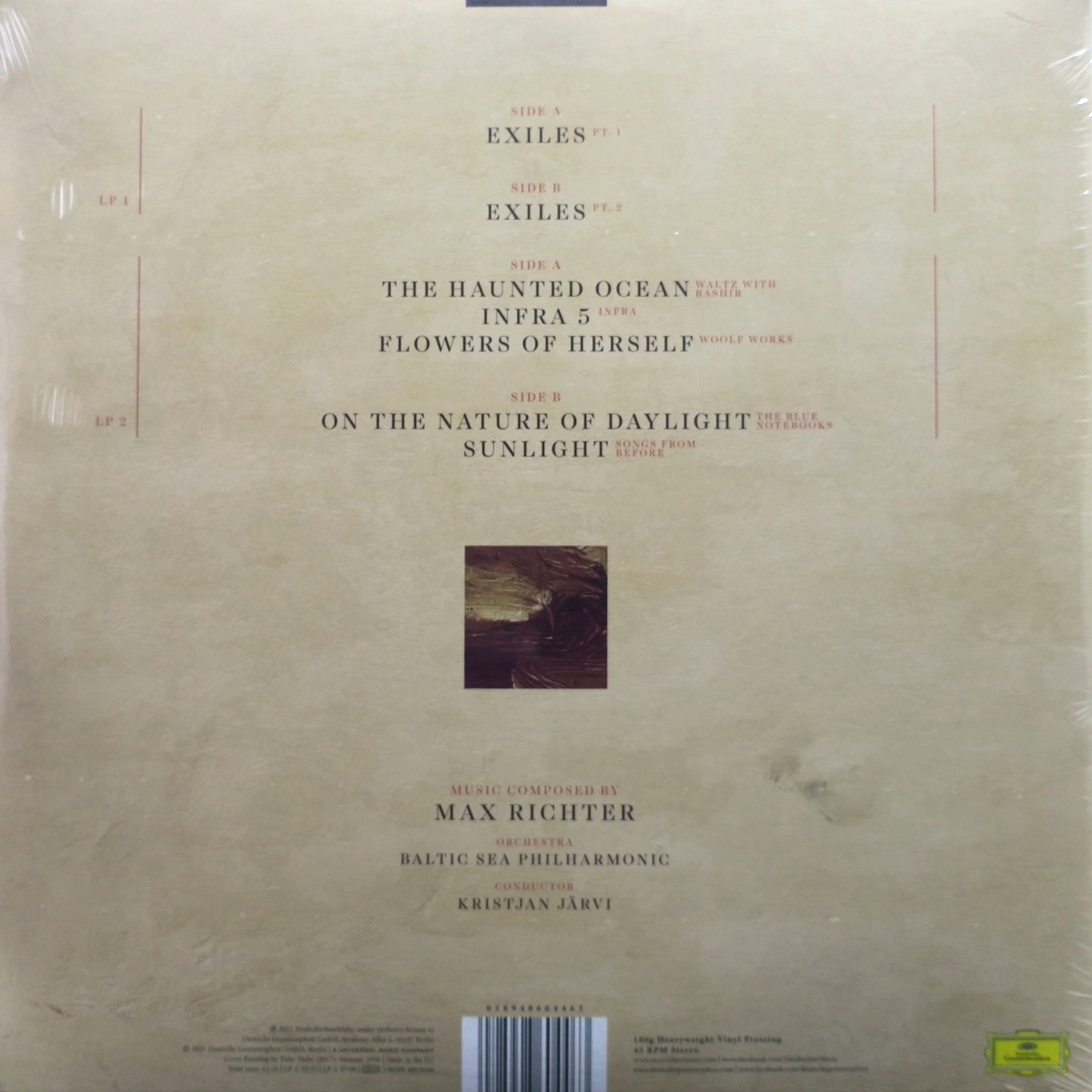
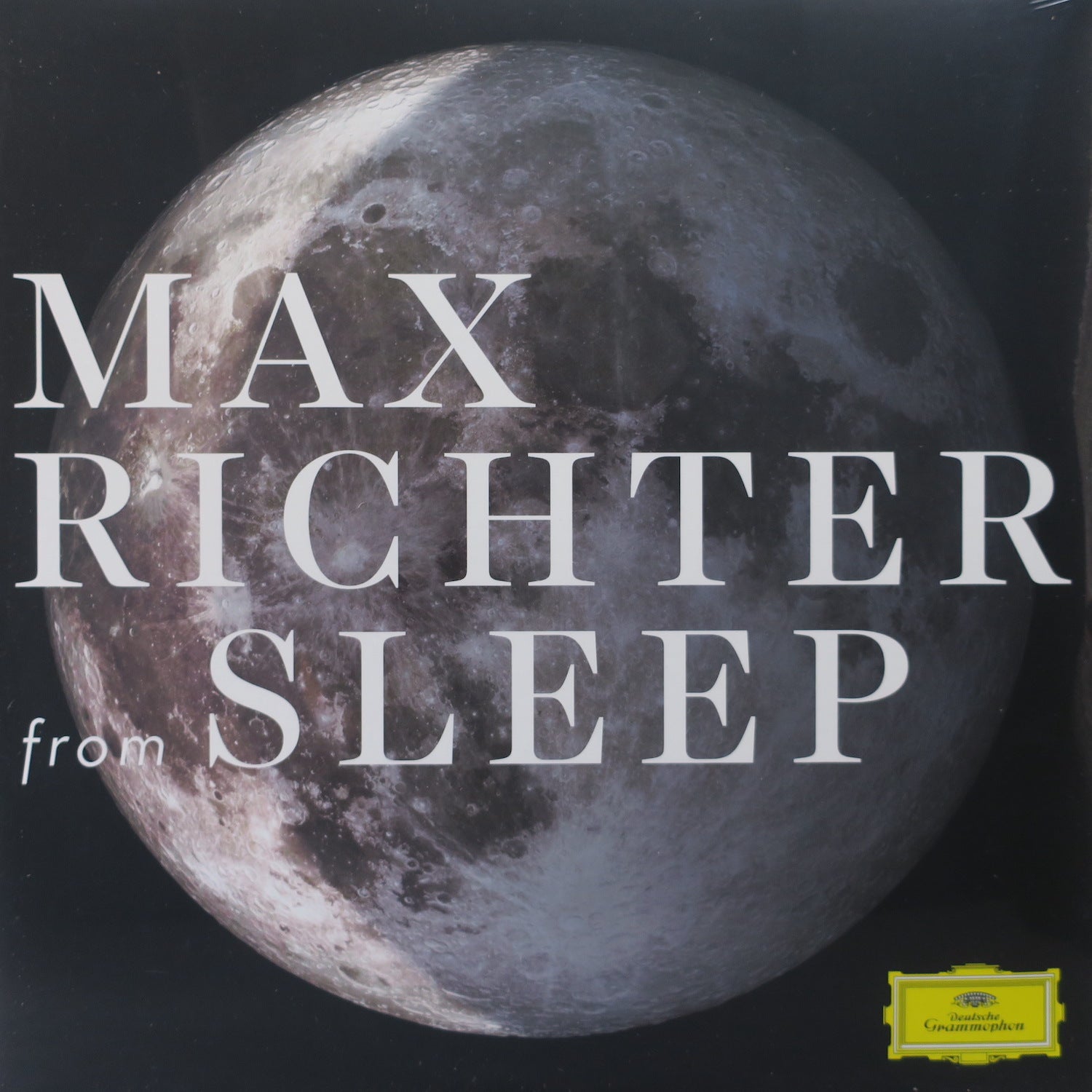
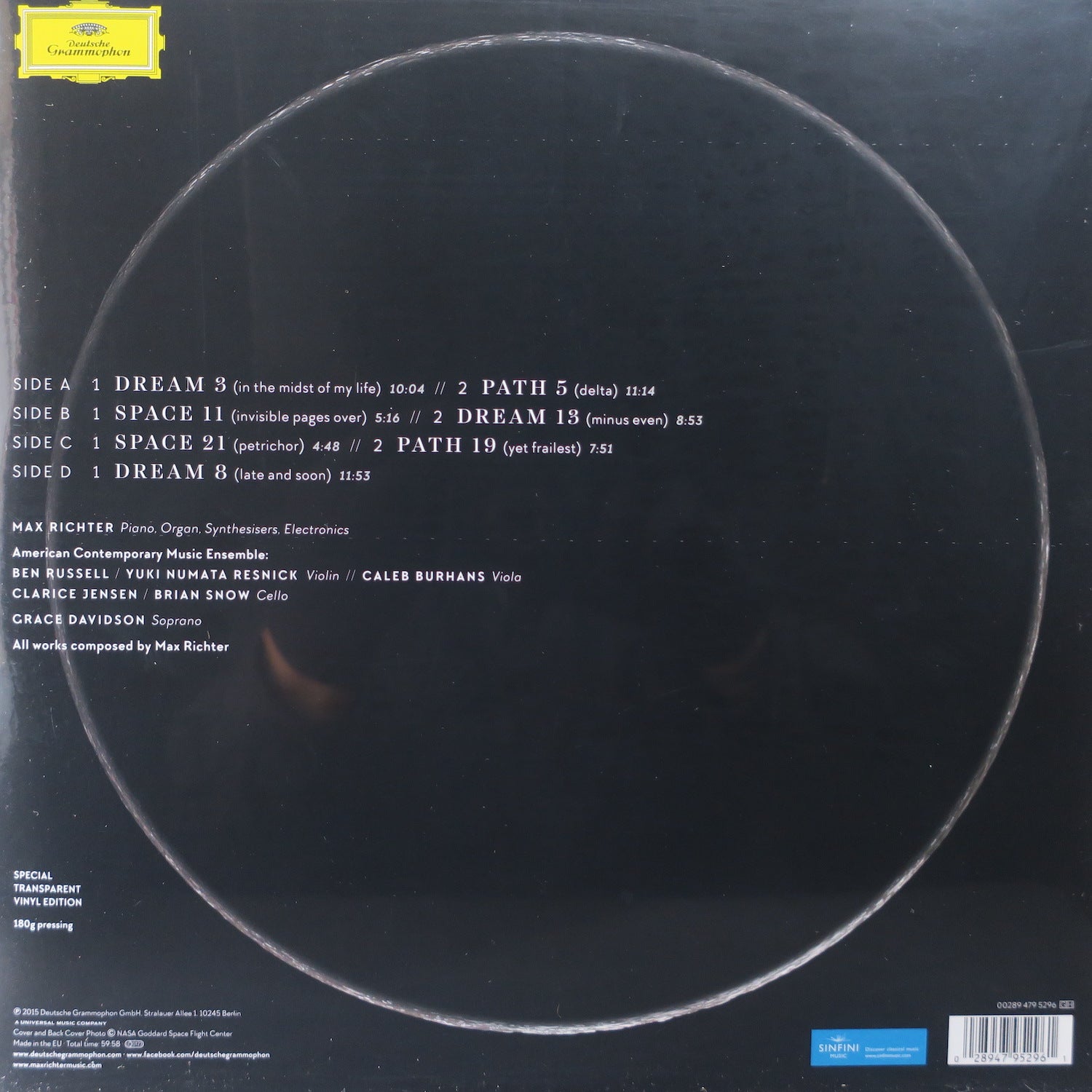
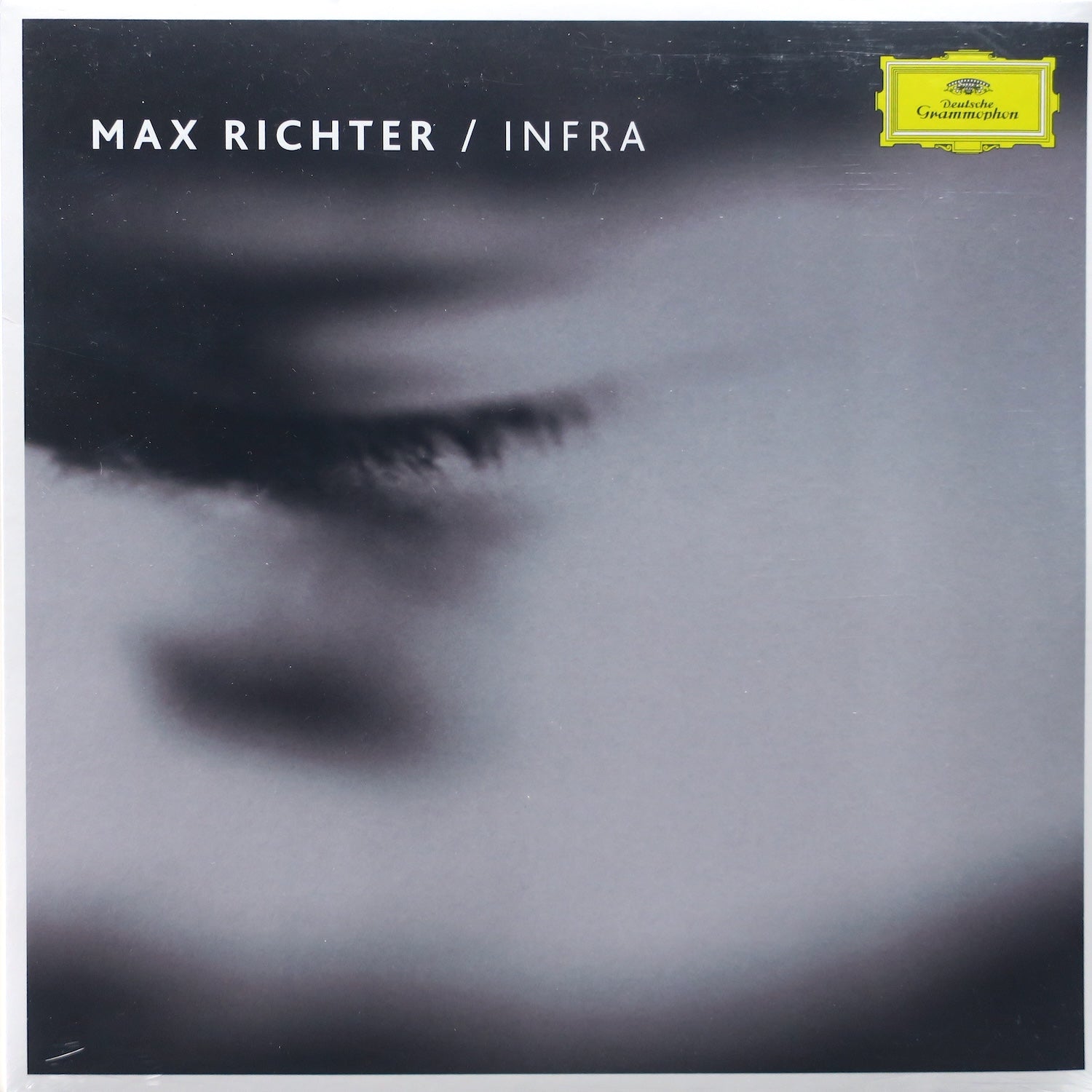
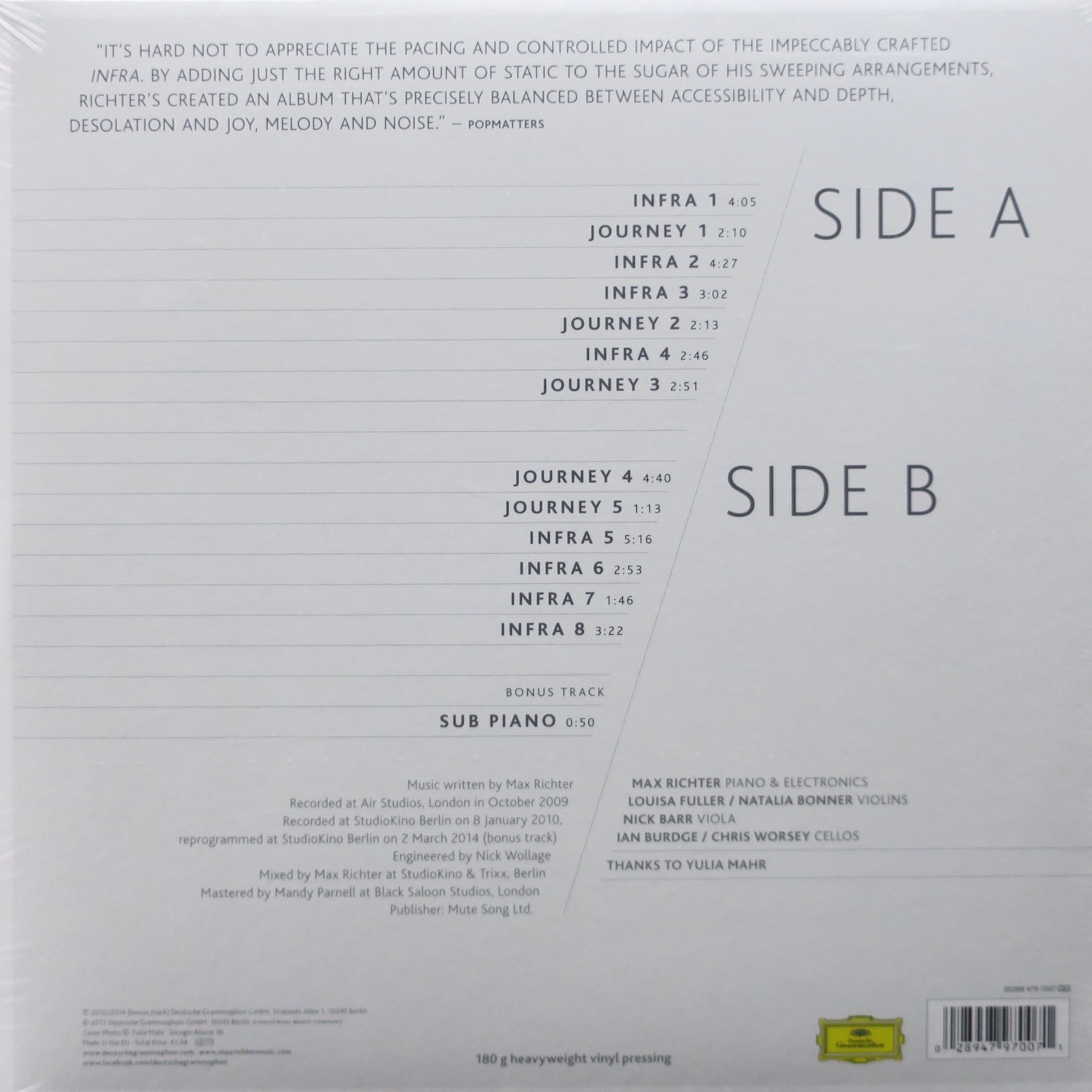
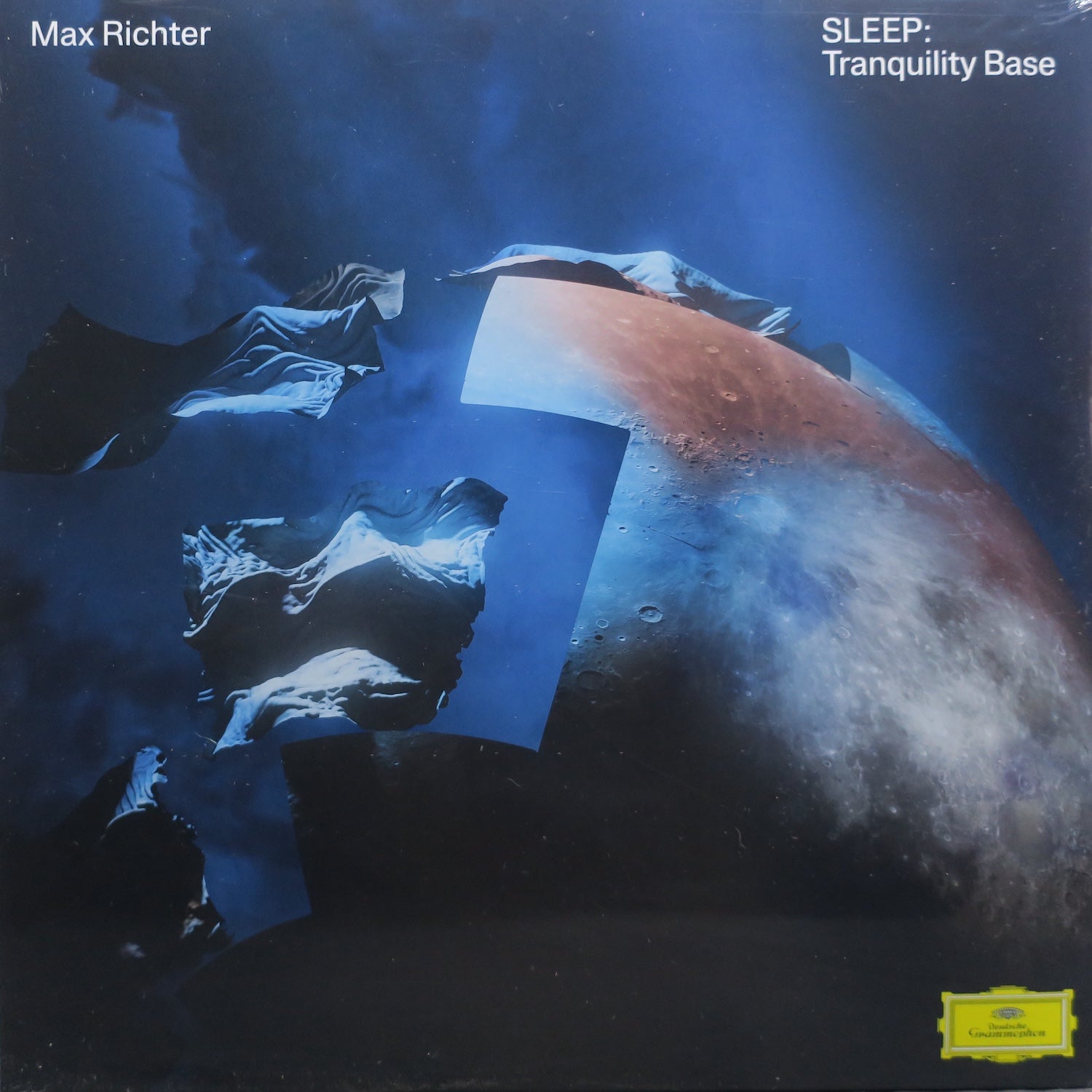
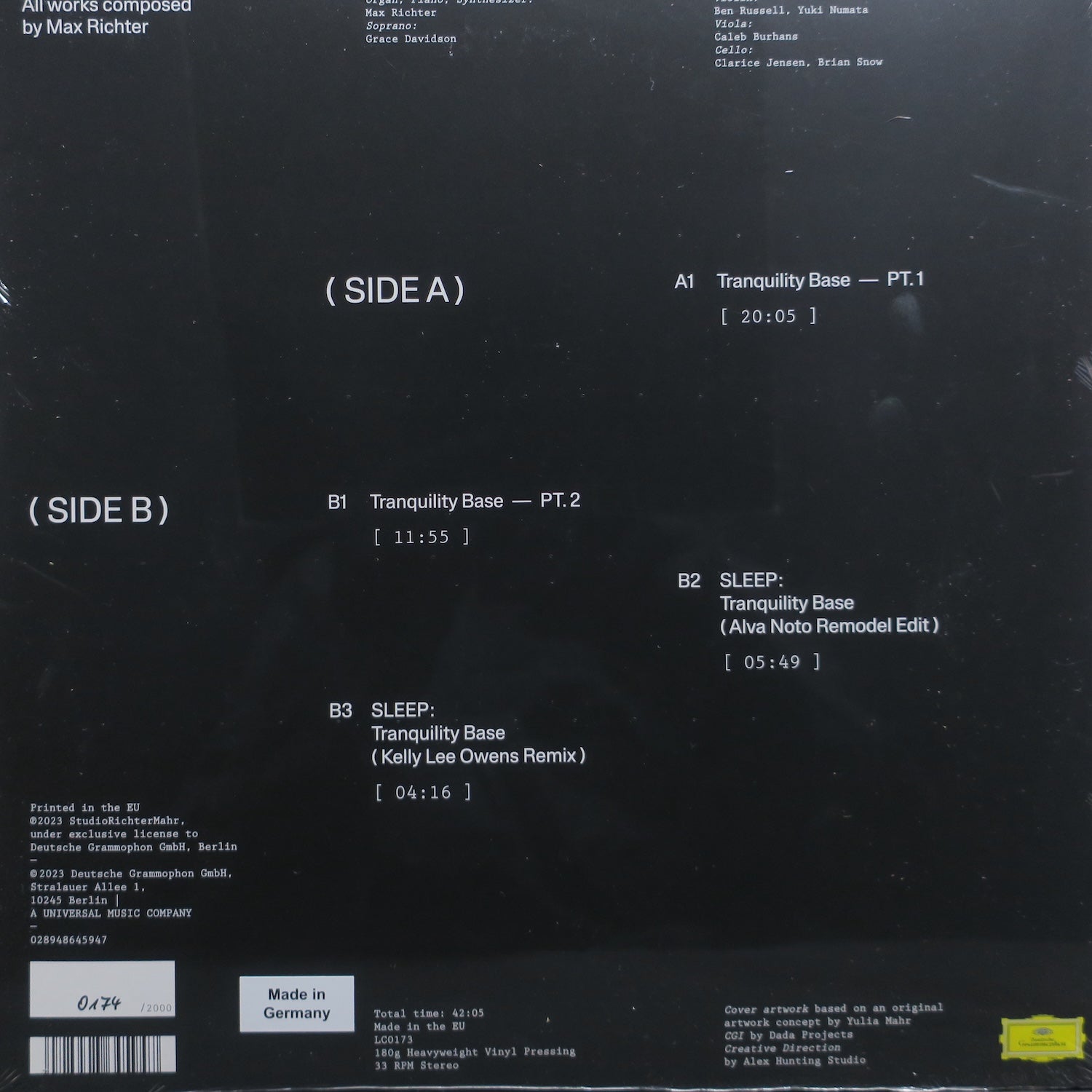
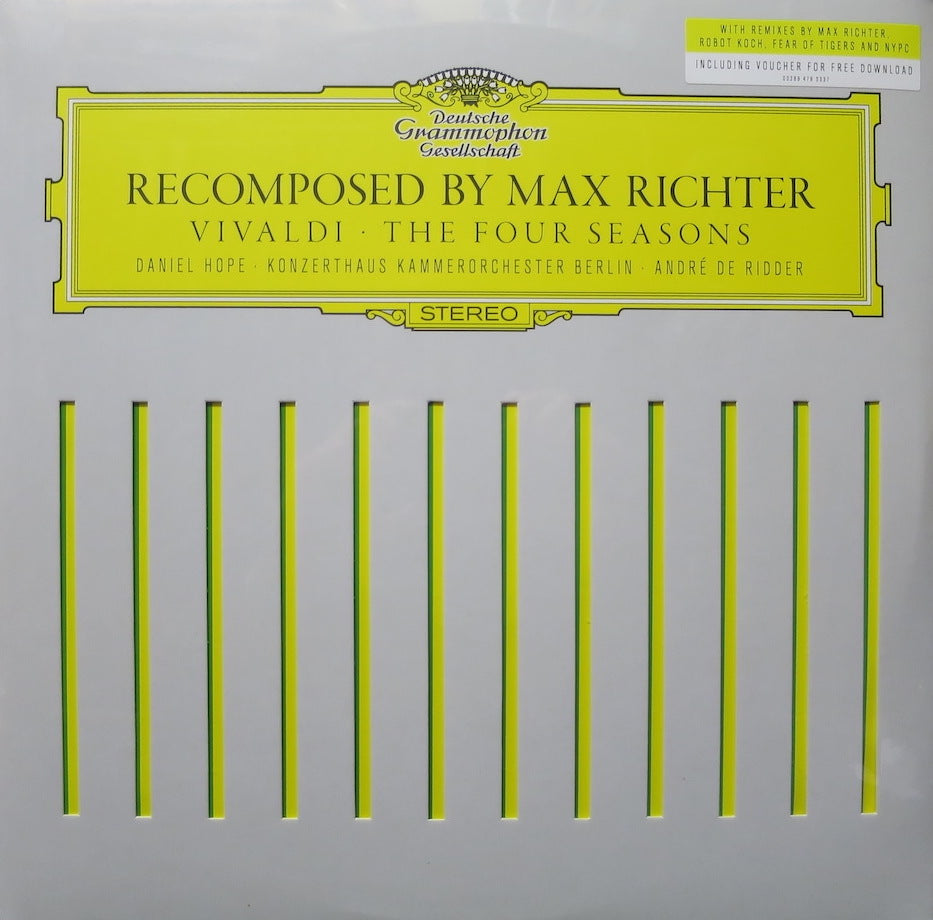
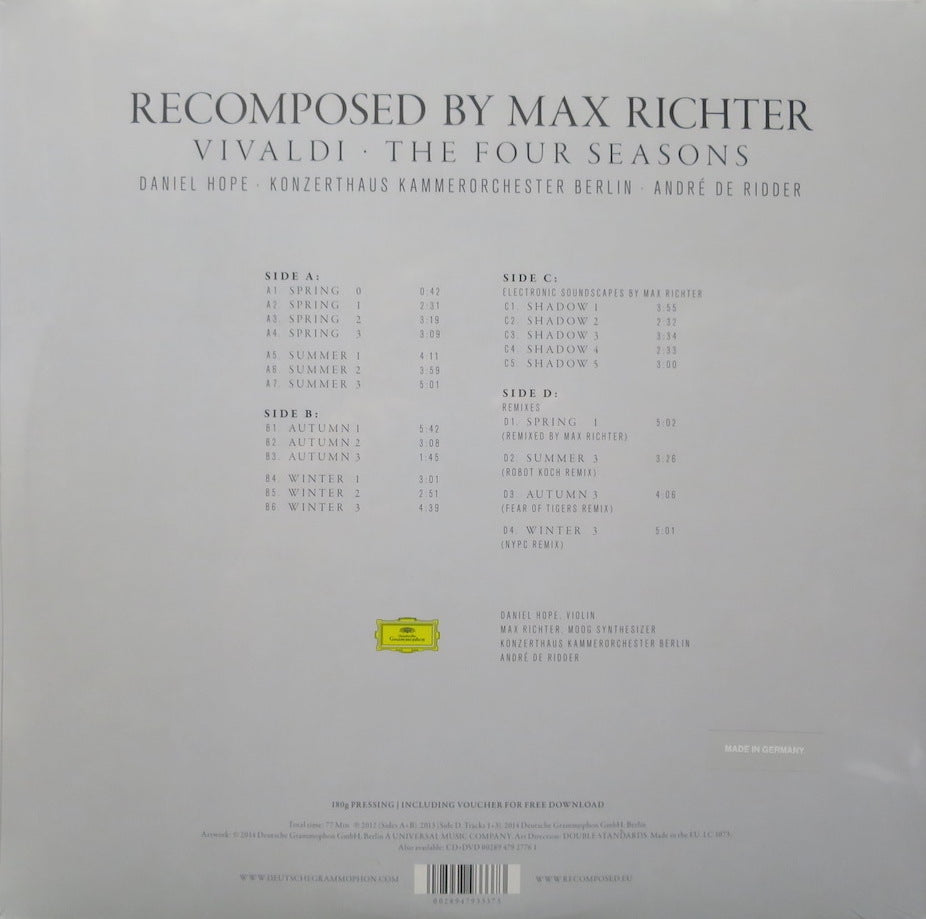
Richter's work also explores form as concept. Infra and the eight-hour Sleep project treat duration and repetition as compositional elements: Infra refracts urban life through austere string writing and electronics, while Sleep deliberately recalibrates listening habits by composing for states of rest. The 2012 Recomposed by Max Richter: Vivaldi – The Four Seasons is another side of his practice—an explicit dialogue with the classical canon that reimagines familiar material without turning it into simple pastiche.
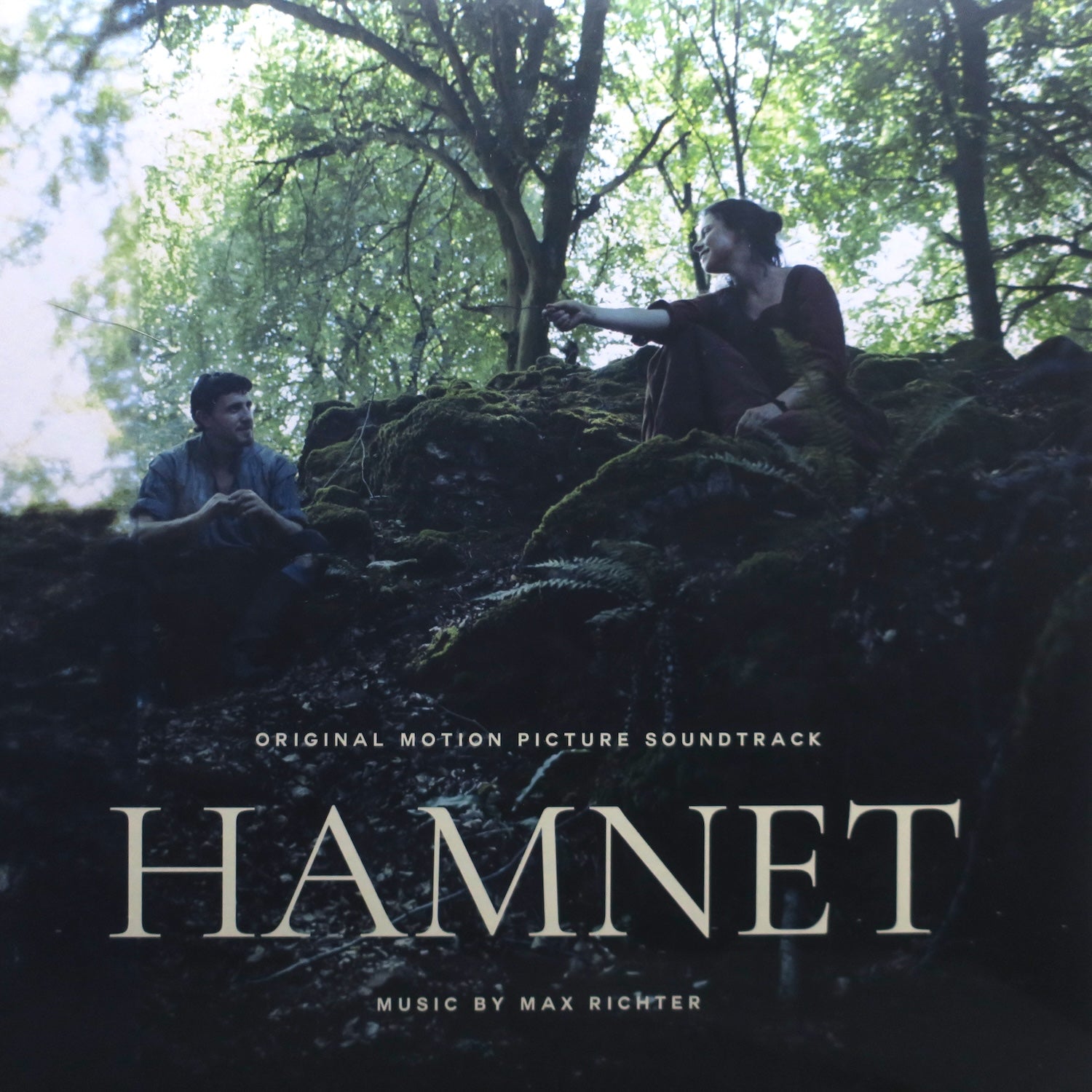
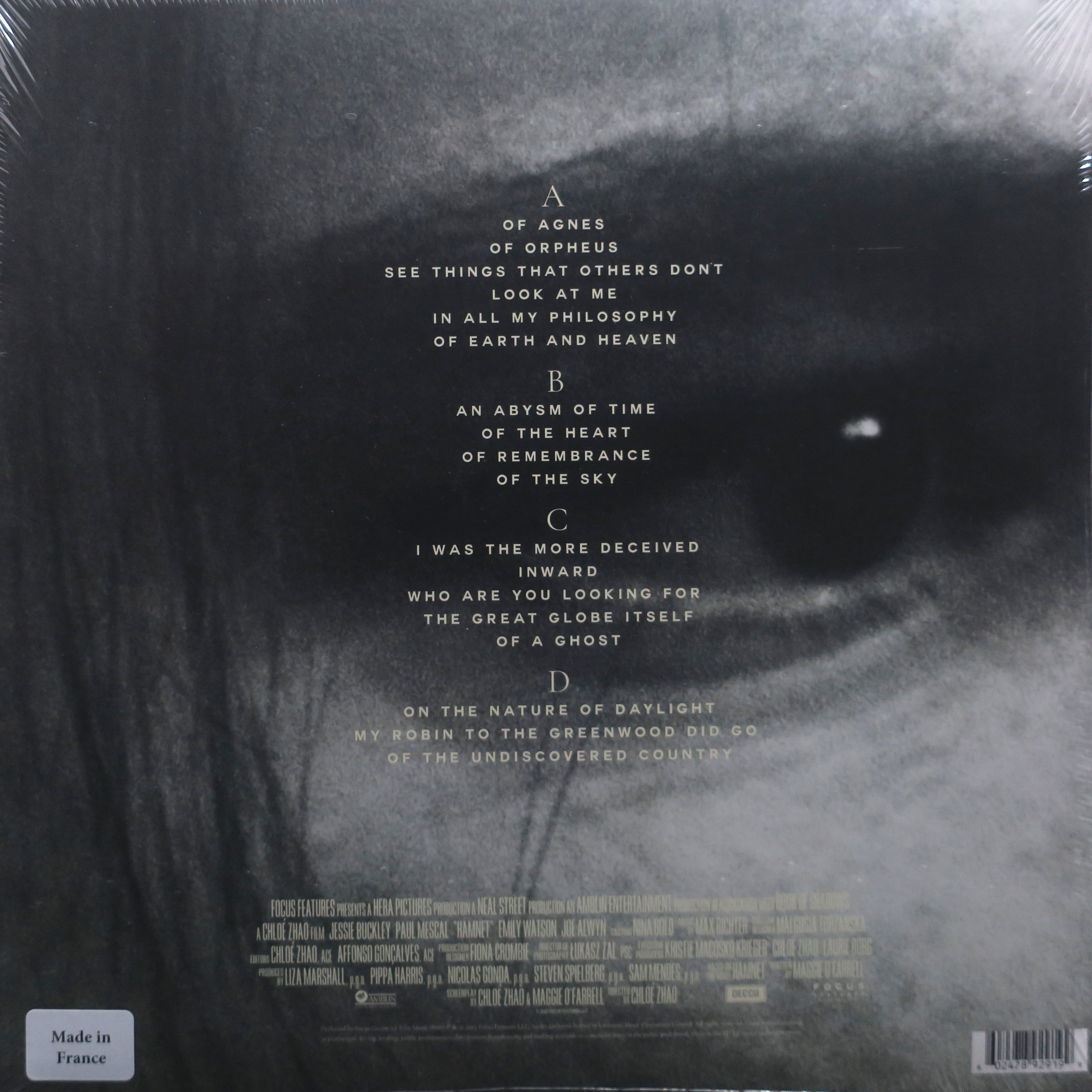
Beyond studio albums, Richter's pieces have threaded into film and television, where single strands of his music often take on new meanings. Tracks placed in productions such as Shutter Island and The Leftovers exposed his work to broader audiences and showed how his restraint and emotional clarity can amplify narrative imagery. That crossover has also sparked conversations with contemporary composers and performers working between classical and ambient worlds.
Mentioning contemporaries helps map Richter's place: the spare spirituality of Arvo Pärt, the process-driven minimalism of Philip Glass and the cinematic sensibilities of artists like Jóhann Jóhannsson and Ólafur Arnalds all provide useful points of comparison. Yet Richter's hallmark is a persistent willingness to blur boundaries—between concert and soundtrack, between old scores and new technologies—so the music feels both familiar and newly tuned to the present.
For listeners coming from film scores, ambient playlists or modern classical concerts, Richter offers a doorway: music that rewards focused listening but also settles into everyday life, changing in meaning depending on context. That flexibility helps explain why his albums continue to invite repeated listening and rediscovery.
Related Artists: Philip Glass