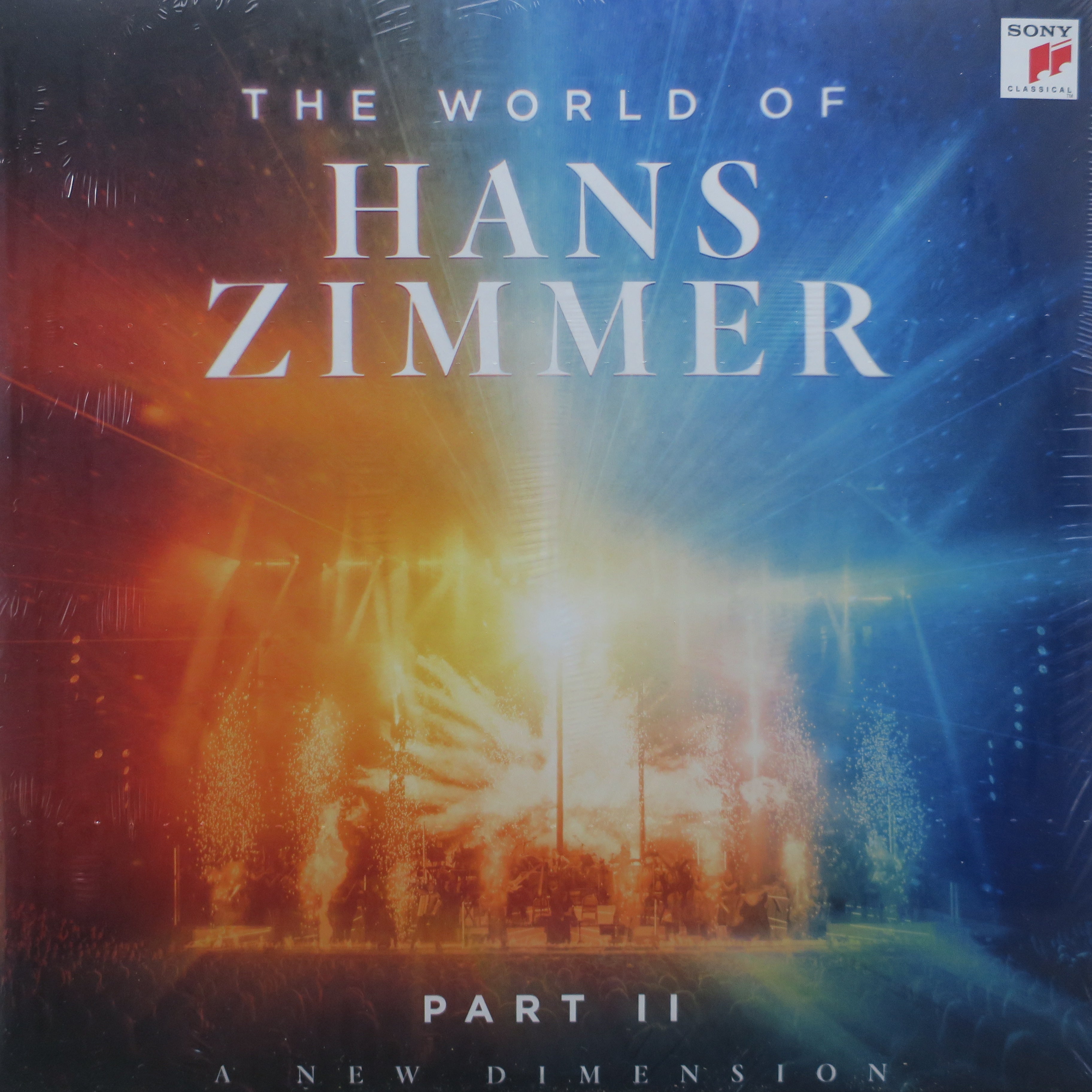
Hans Zimmer
Hans Zimmer's music is instantly recognizable for the way it combines raw sonic heft with melodic clarity. Rather than relying solely on traditional symphonic writing, Zimmer grafts synthesizers, unusual percussive textures and modern production techniques onto big-screen themes, producing scores that hit as much in the chest as in the imagination.
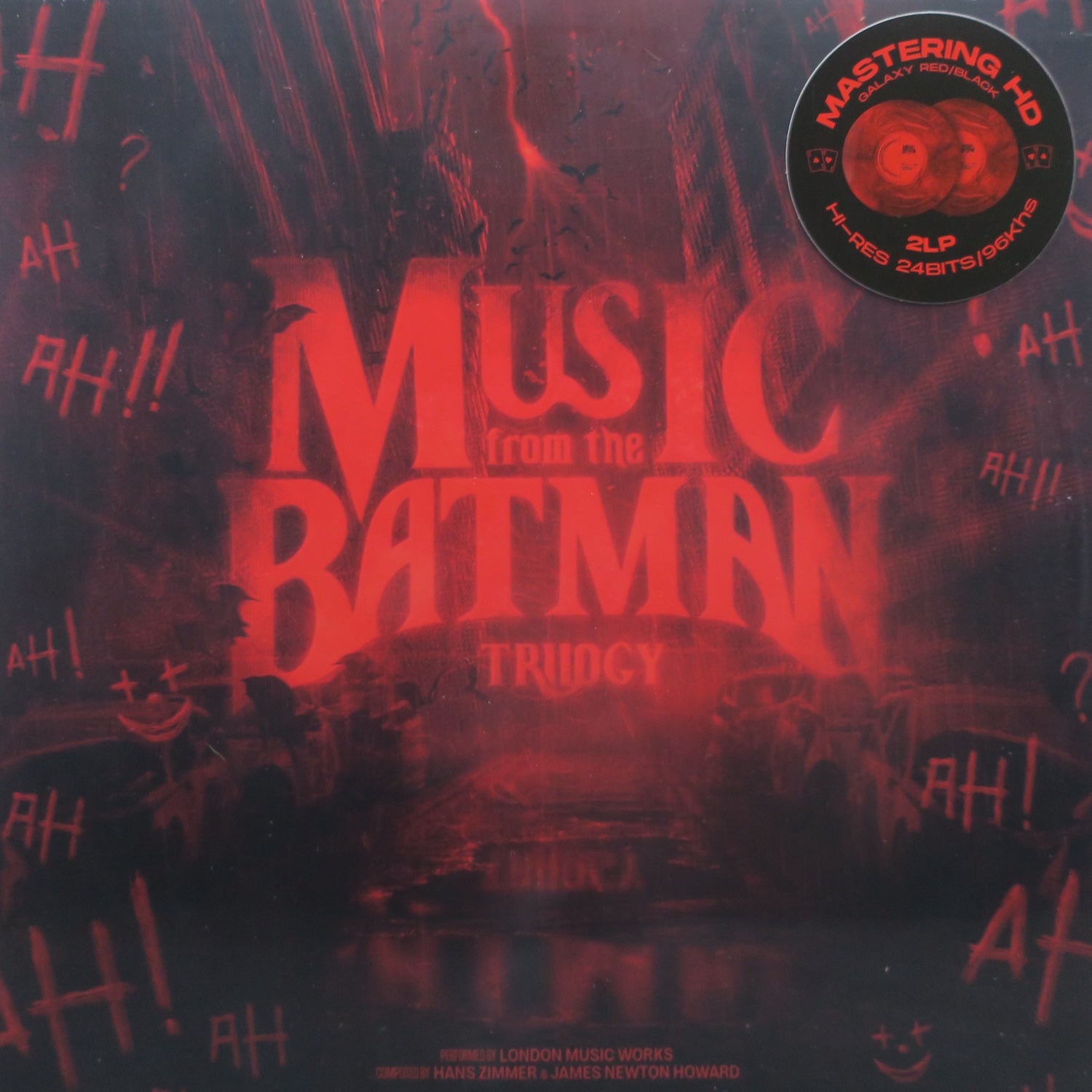
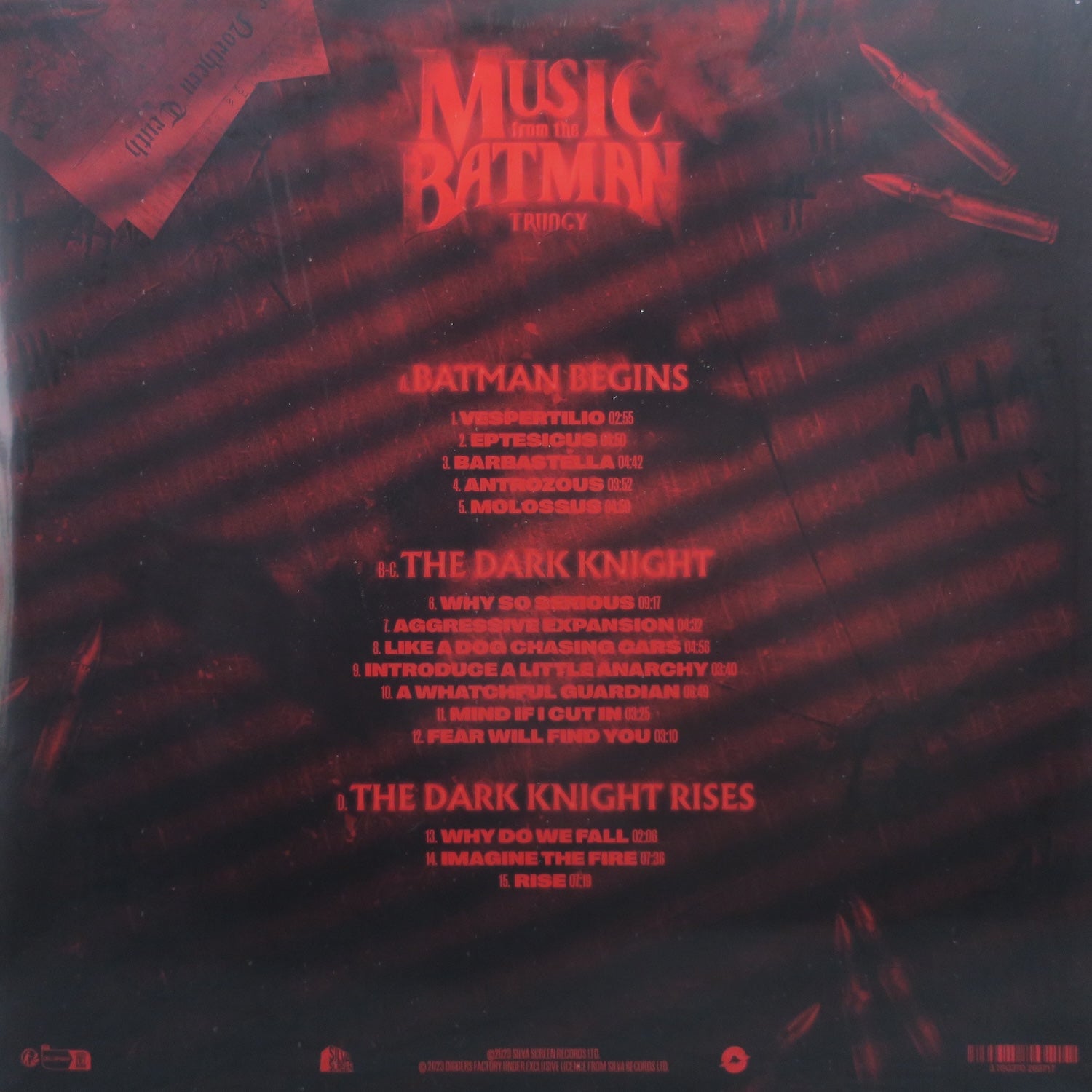
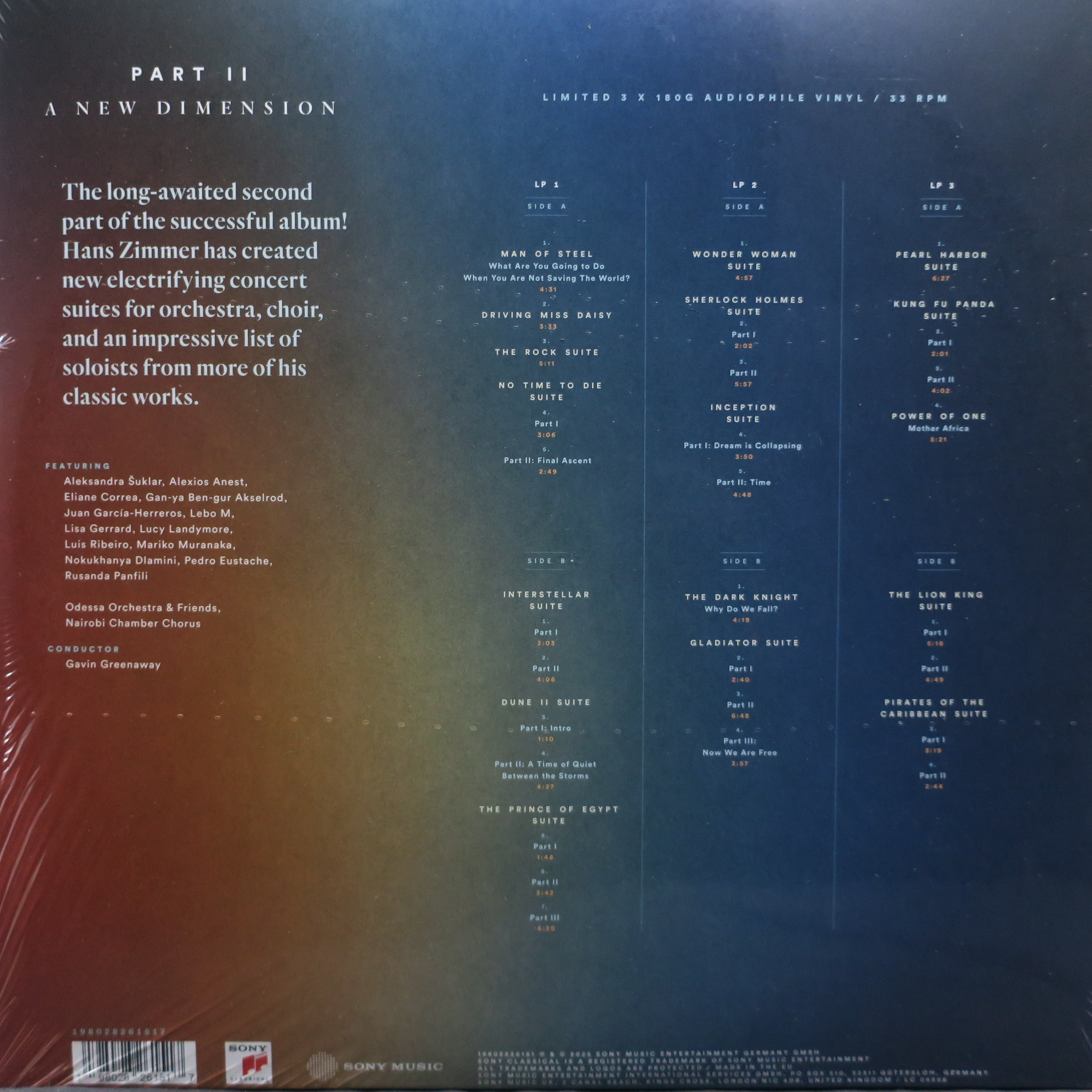
Zimmer's career is shaped as much by director partnerships as by individual albums. Long collaborations with Christopher Nolan yielded Inception and Interstellar, albums that foreground rhythm and atmosphere as narrative devices. Work with Ridley Scott on Gladiator and with Disney on The Lion King show his ability to move between intimate themes and stadium-size drama. His teamwork with other composers—most notably James Newton Howard on Batman Begins and The Dark Knight—and with vocalists such as Lisa Gerrard on Gladiator, illustrates how Zimmer treats each film as a creative workshop.
Musically, Zimmer lives between orchestral tradition and electronic innovation. Themes can arise from a single repeating pattern or a distinctive sonic color as often as from a sweeping melody. That hybrid approach helped redefine how modern blockbusters are scored: pulsating ostinatos, processed brass, and immersive low-end rumble became part of the vocabulary of contemporary film music because Zimmer used them so effectively.
Beyond the scores themselves, Zimmer's role as a mentor and studio leader matters. Remote Control Productions became a hub for collaborators and younger composers—Ramin Djawadi, John Powell and others who worked under or alongside Zimmer took elements of his palette into their own films and series. That network effect means Zimmer's fingerprints appear across a generation of media scores without erasing individual voices.
Listening to Zimmer's key soundtracks—The Lion King, Gladiator, Inception, Interstellar and The Dark Knight—reveals different priorities: singable themes, mythic chorus textures, rhythmic landscapes, intimate piano writing and sheer sonic mass. Those differences explain why collectors and newcomers still return to his albums: they document not just moments in film but a persistent reshaping of cinematic sound.
Zimmer continues to matter because he treats film scoring as both craft and experiment. Even when the tools change, his scores aim to do the same thing: support story through a mix of melody, texture and dramatic color in ways that still invite repeat listening.
Related Artists: Ennio Morricone · Vangelis