Skip to content
Facebook
Instagram
10% off orders over $150 . . . Flat rate shipping within Australia
Search
BUY STUFF
SELL YOUR RECORDS & CDs
VINYL FLATTENING
GIFT VOUCHER
CONTACT
Account
Search
Cart
BUY STUFF
SELL YOUR RECORDS & CDs
VINYL FLATTENING
GIFT VOUCHER
CONTACT
Ennio Morricone
1946–2020
Italy
Soundtracks
,
Indie/Alt. Rock
If you like Ennio Morricone you should check out:
Hans Zimmer
,
Max Richter
Filter
13 products
Sort by
Alphabetically, A-Z
Most relevant
Best selling
Alphabetically, A-Z
Alphabetically, Z-A
Date, old to new
Date, new to old
Filters
Sort by
Most relevant
Best selling
Alphabetically, A-Z
Alphabetically, Z-A
Date, old to new
Date, new to old
Apply
Quick buy
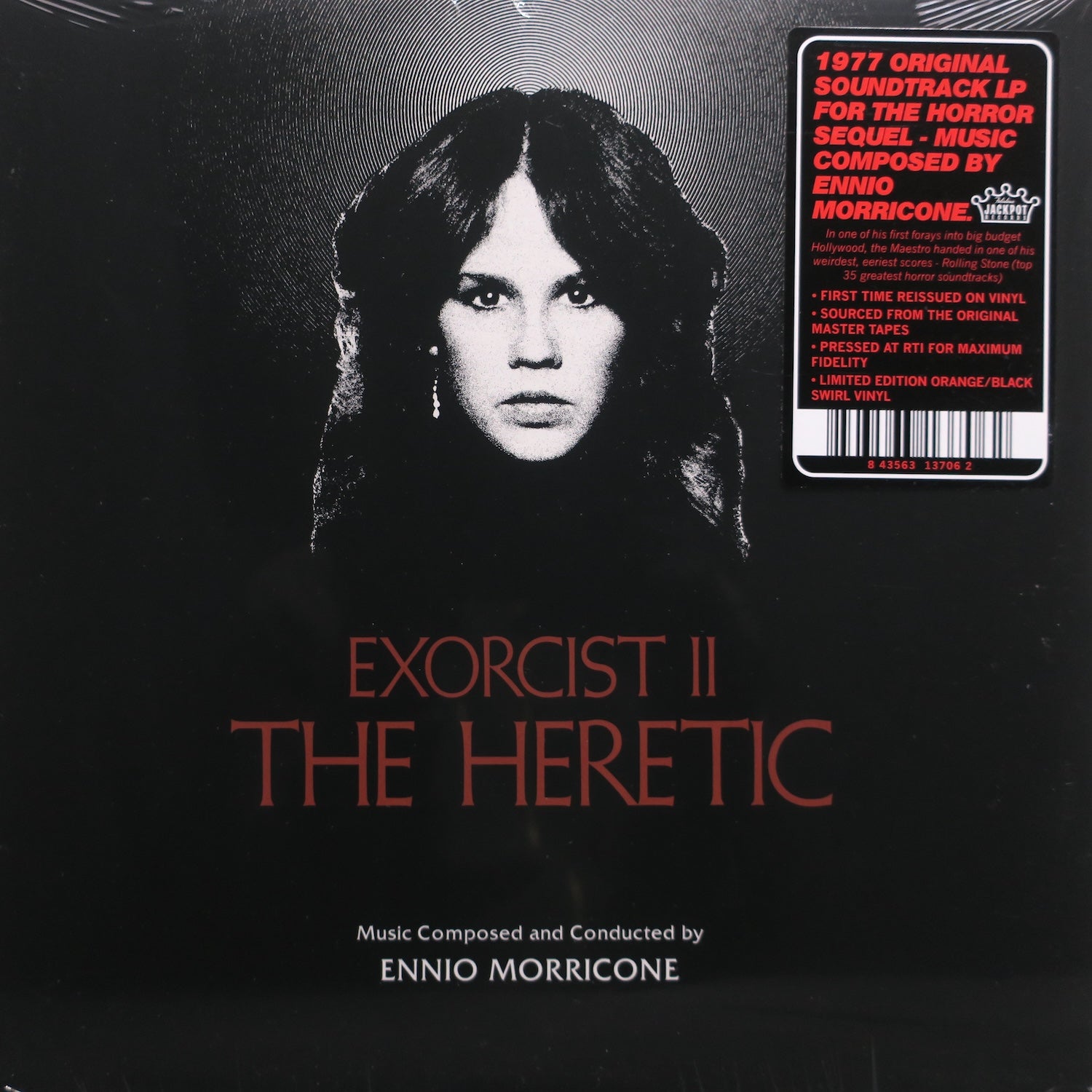
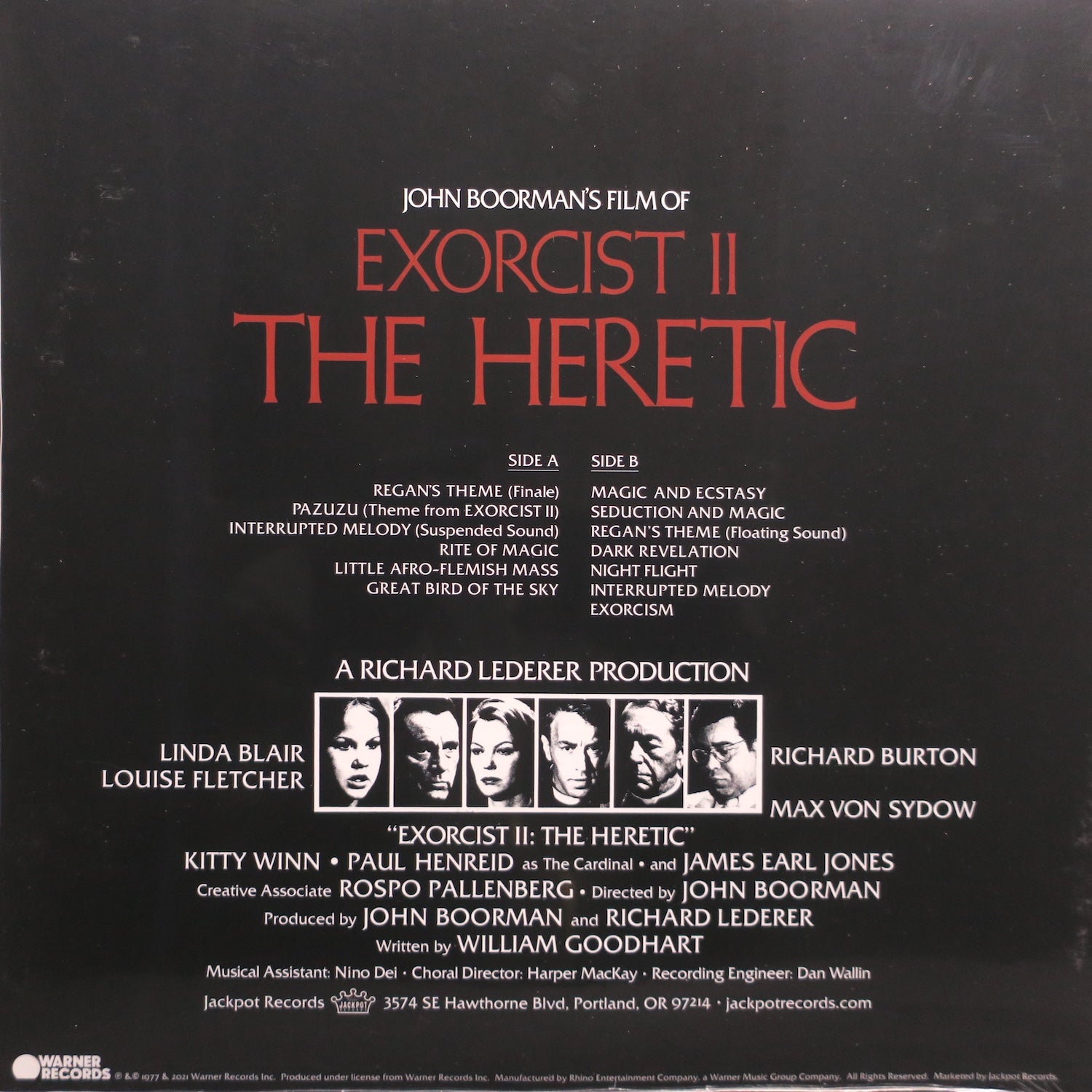
'EXORCIST II' Soundtrack (Ennio Morricone) ORANGE/BLACK SWIRL Vinyl LP
$50.00
Quick buy
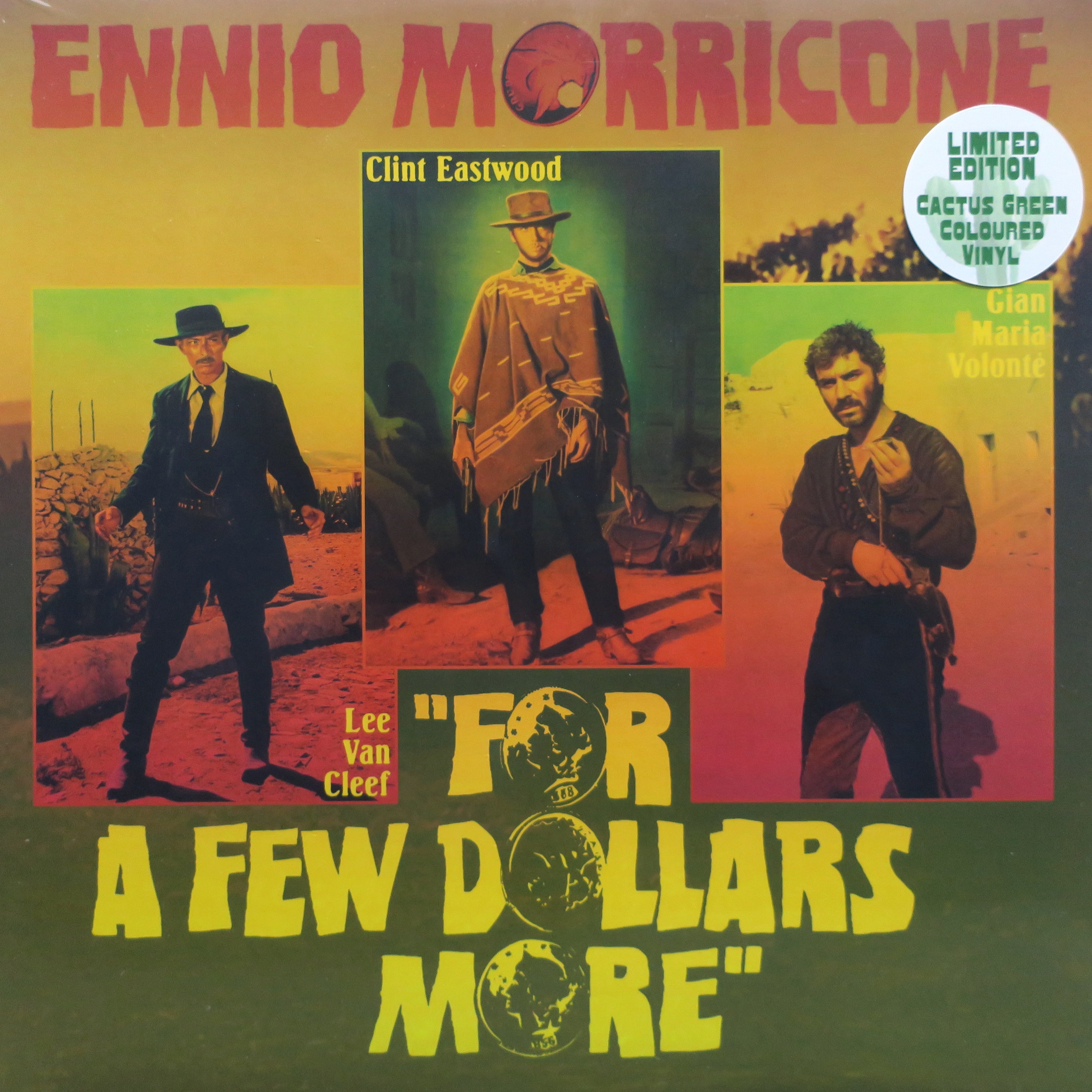
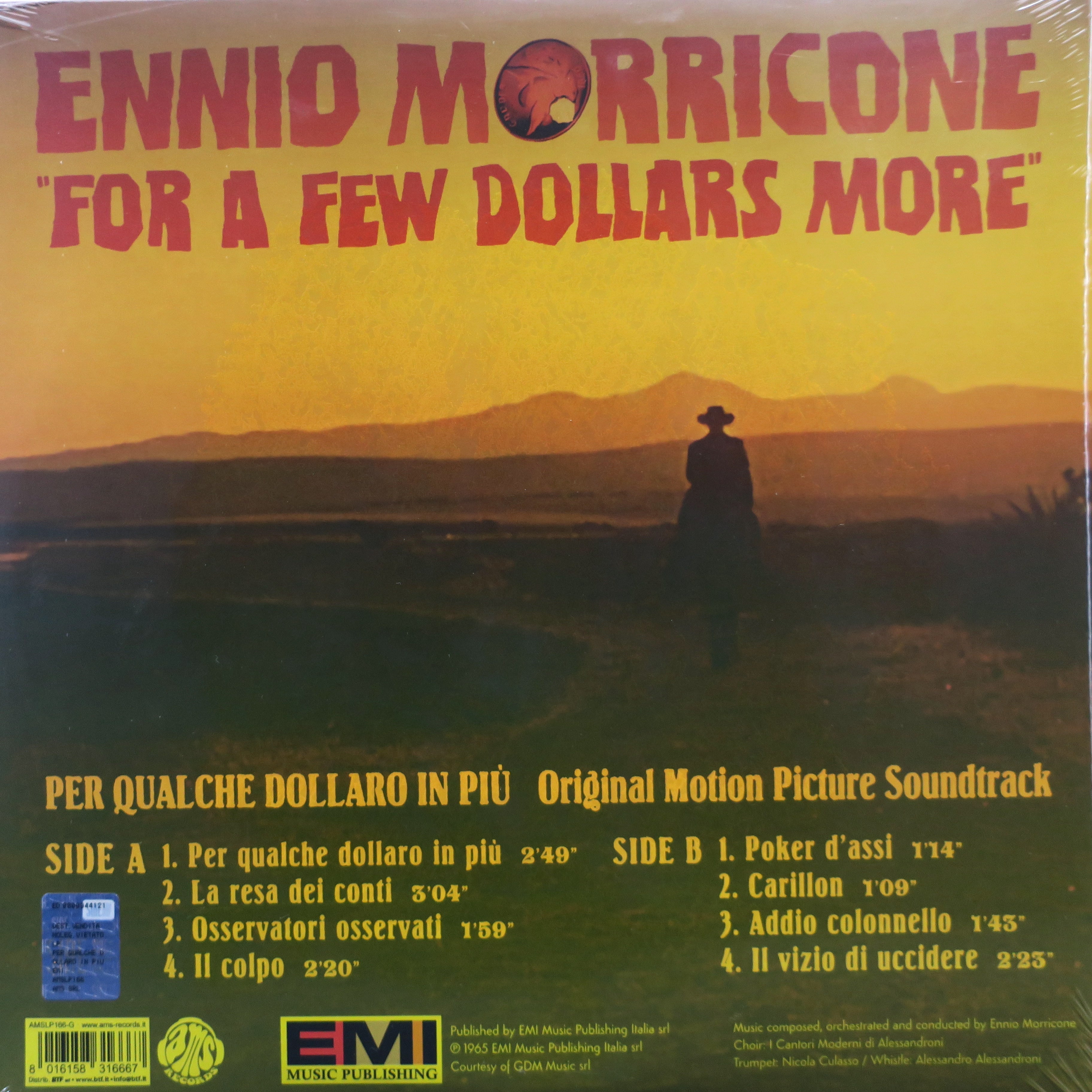
'For A Few Dollars More' Soundtrack (Ennio Morricone) CACTUS GREEN Vinyl LP
$65.00
Quick buy
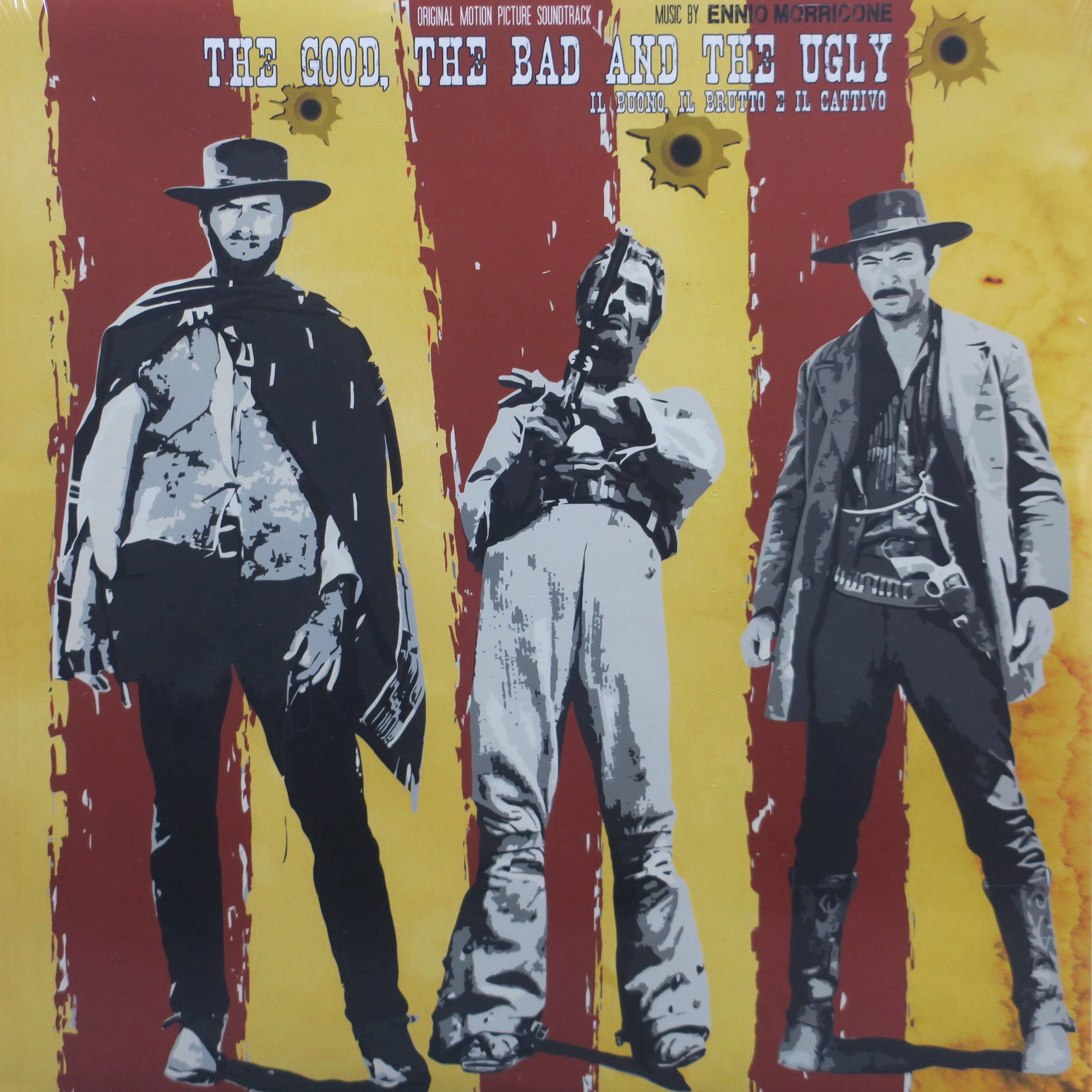
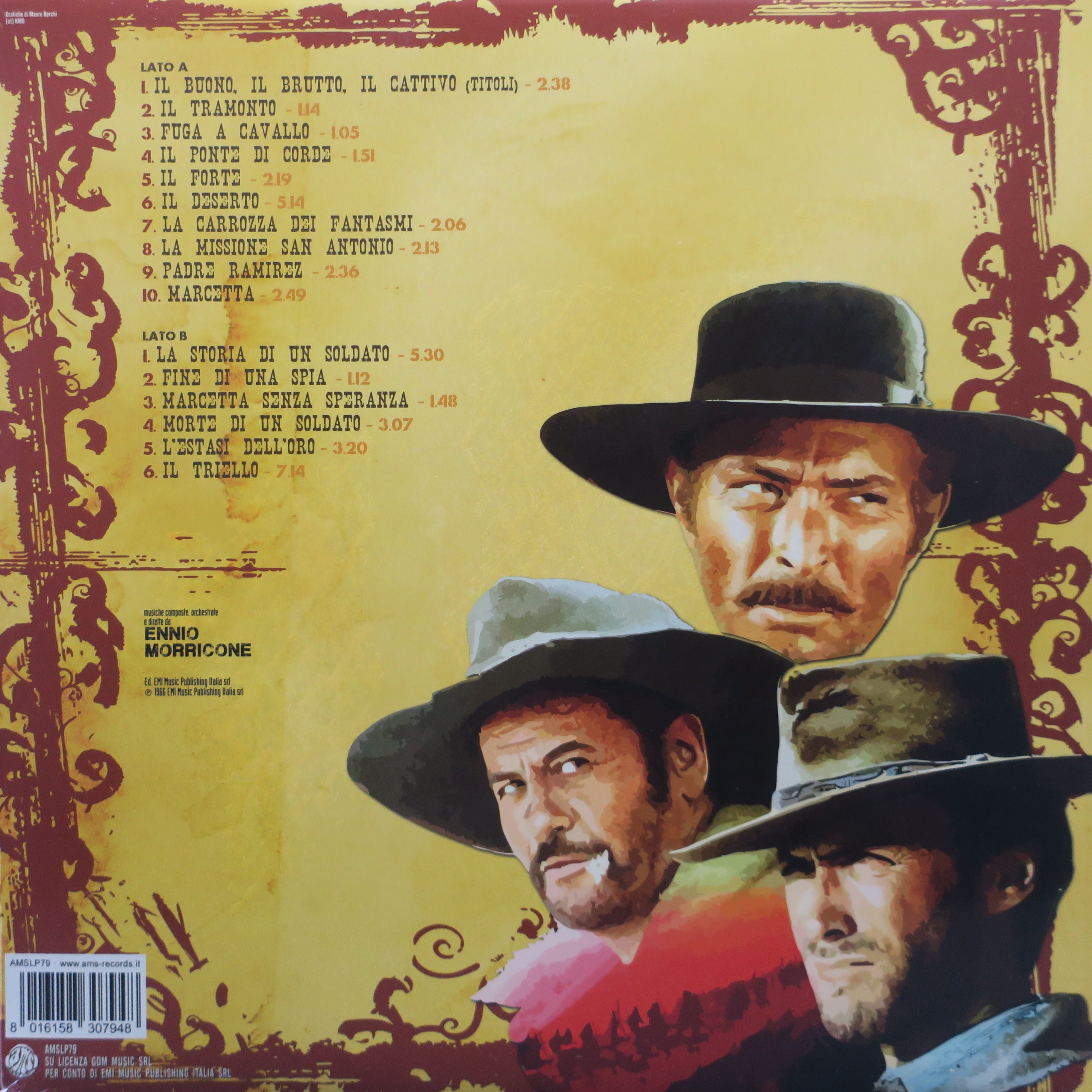
'Good, The Bad And The Ugly' Soundtrack (Ennio Morricone) Vinyl LP
$60.00
Quick buy
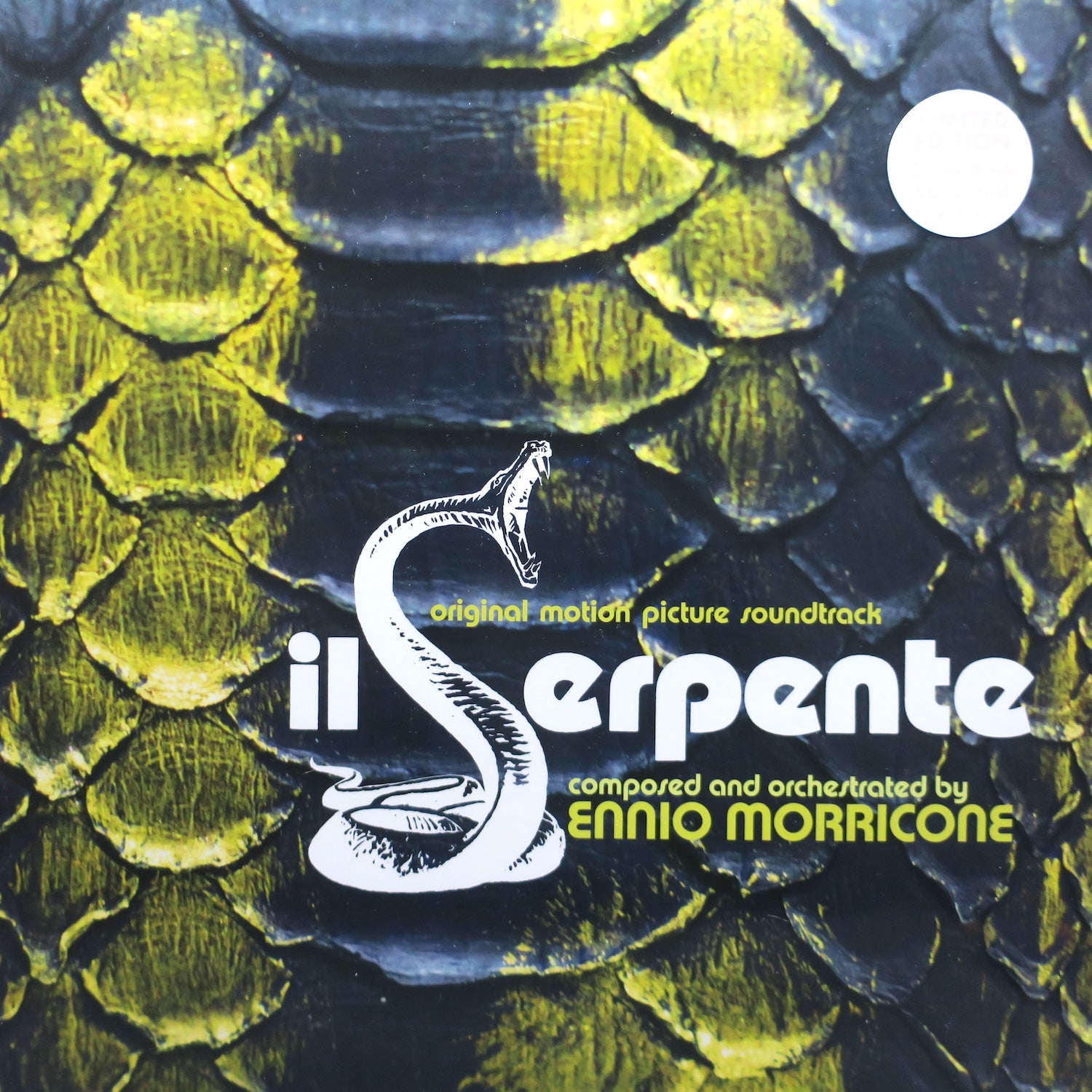
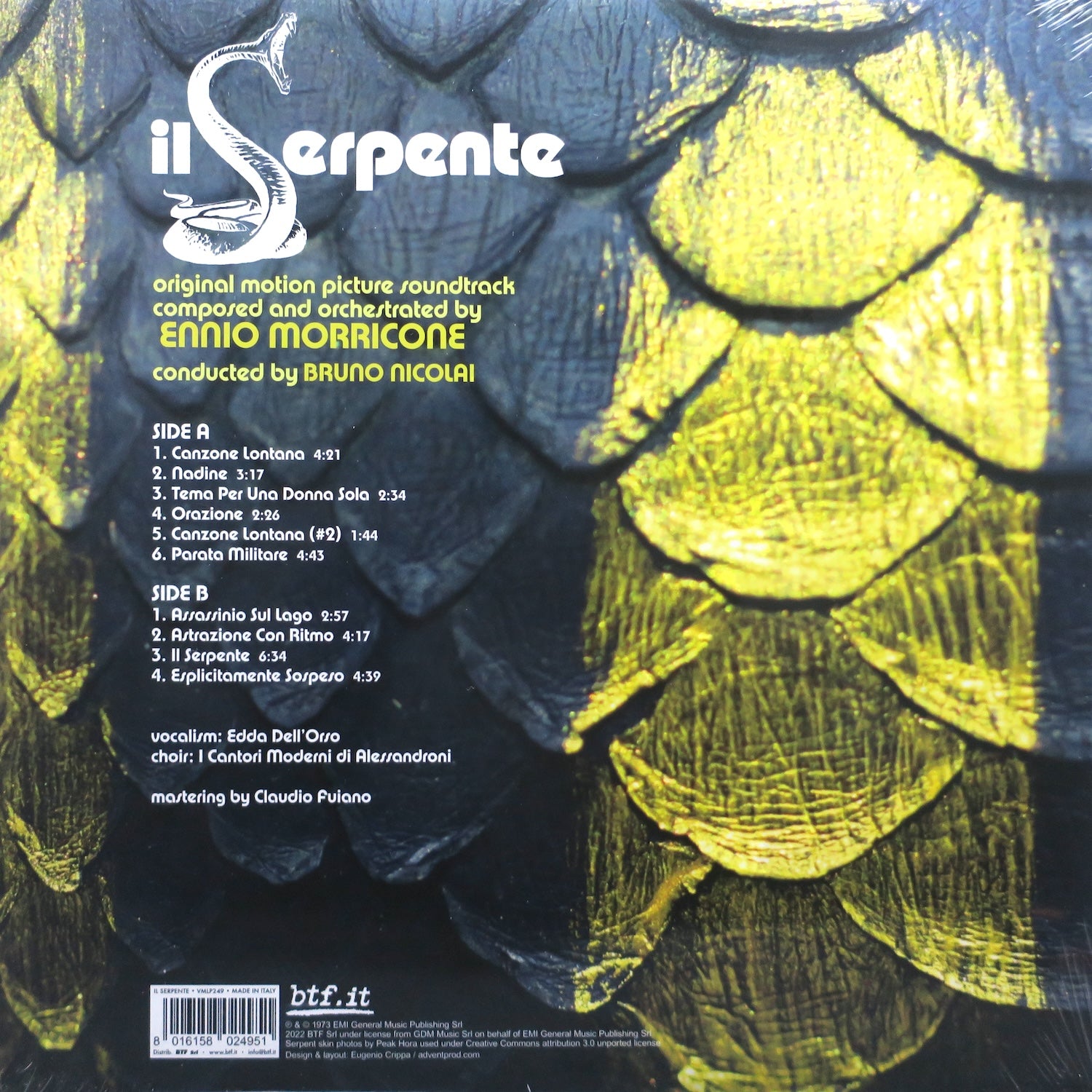
'IL SERPENTE' Soundtrack (Ennio Morricone) PINK Vinyl LP
$40.00
Quick buy
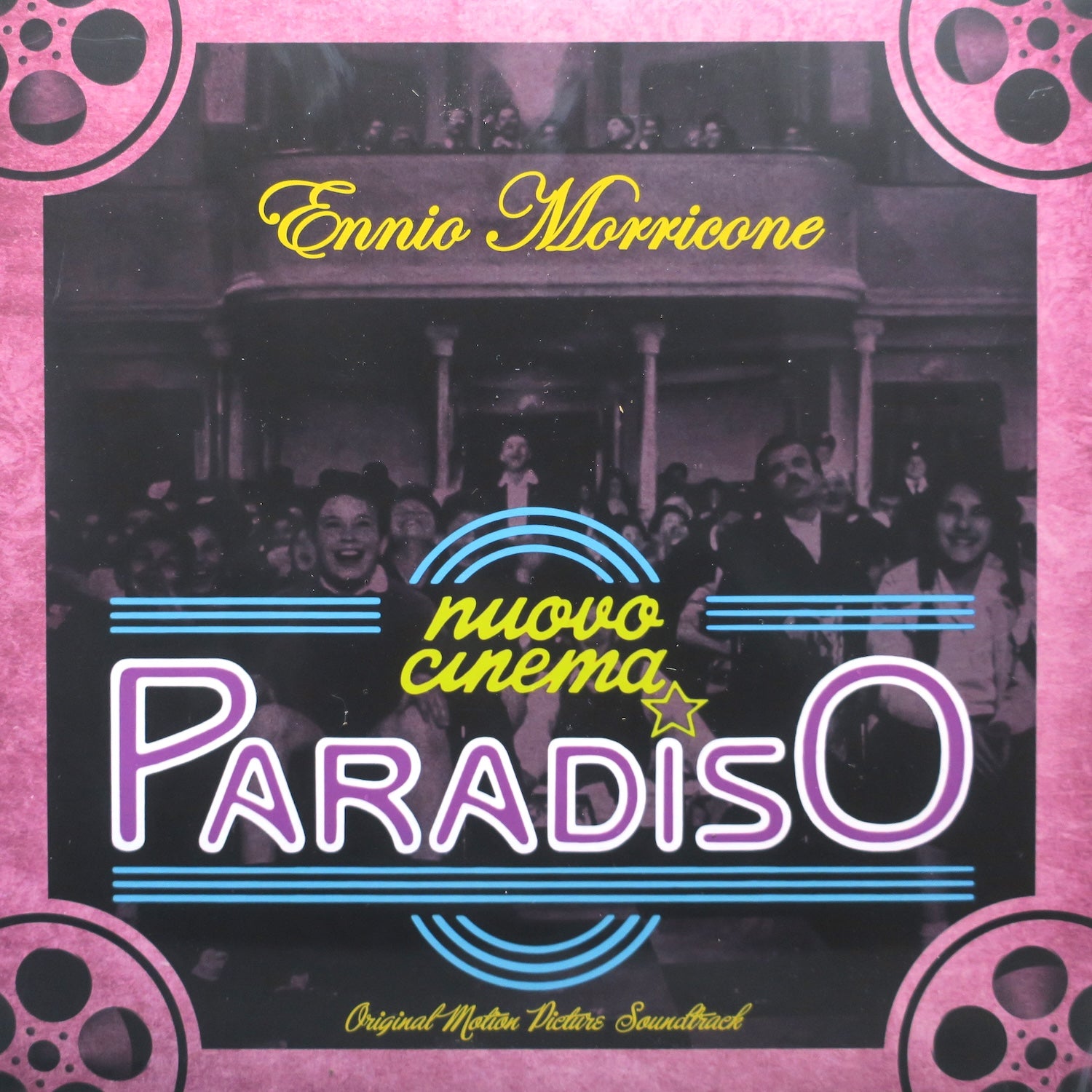
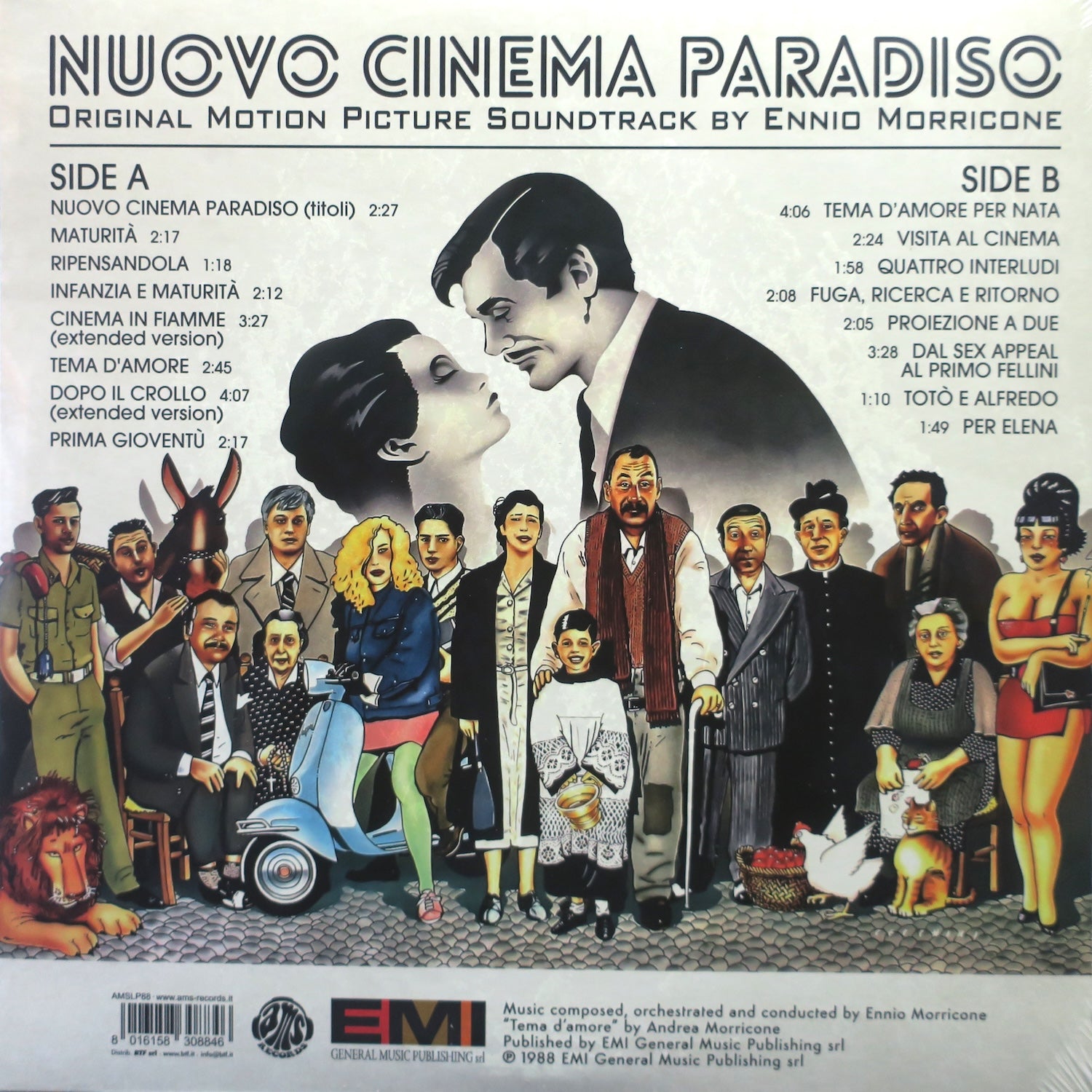
'NUOVO CINEMA PARADISO' Soundtrack (Ennio Morricone) Vinyl LP
$65.00
Quick buy
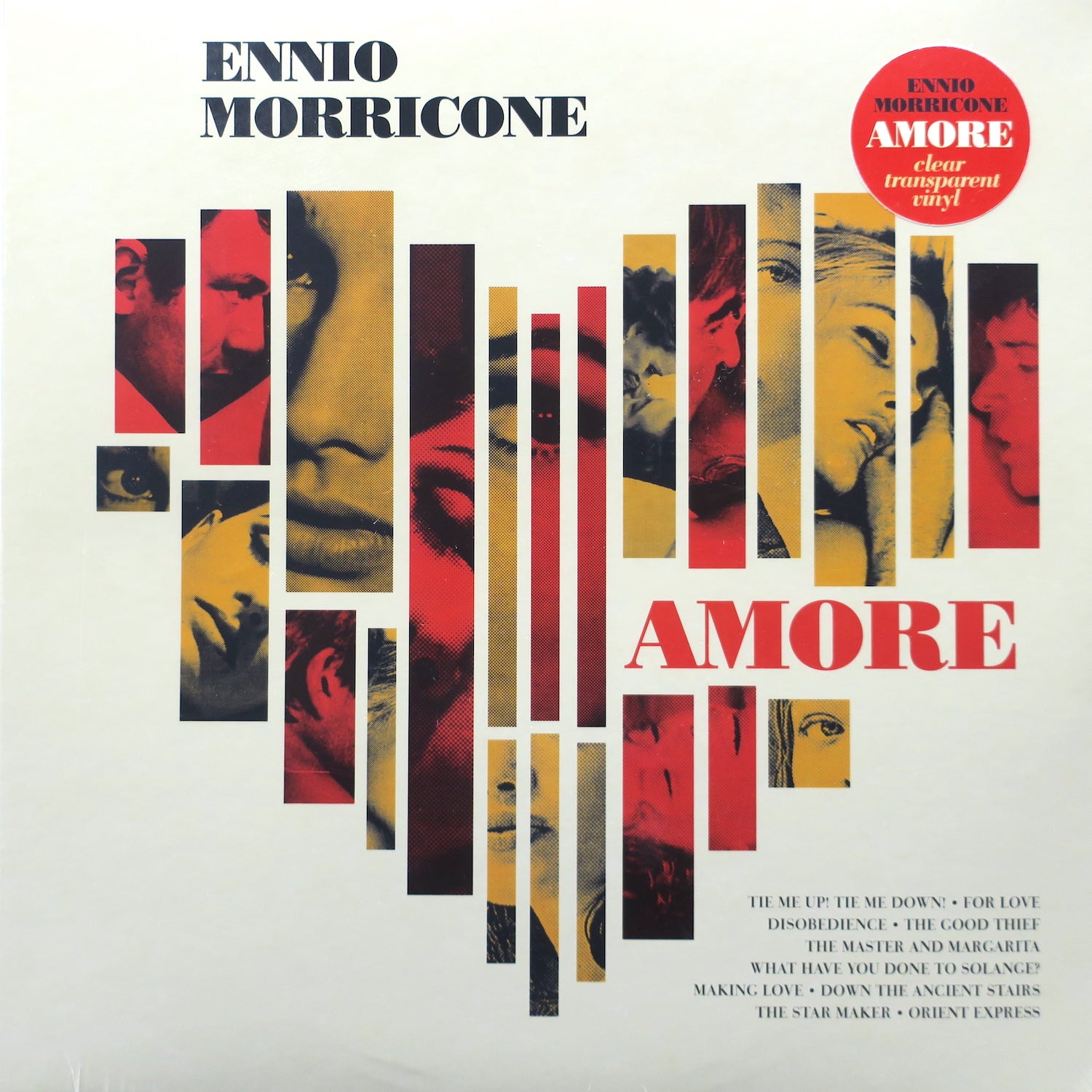
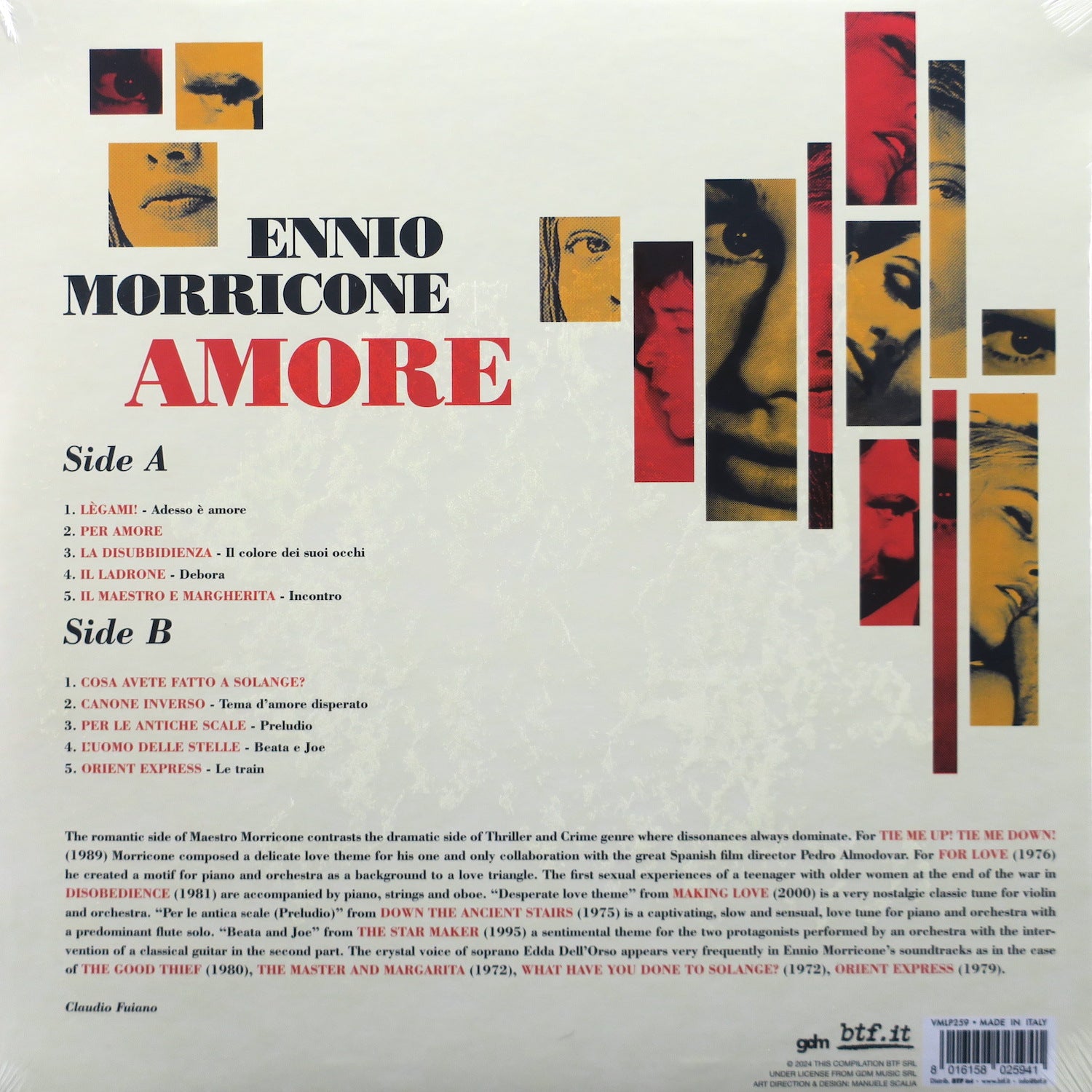
ENNIO MORRICONE 'Amore' CLEAR Vinyl LP
$40.00
$60.00
Sale
Quick buy
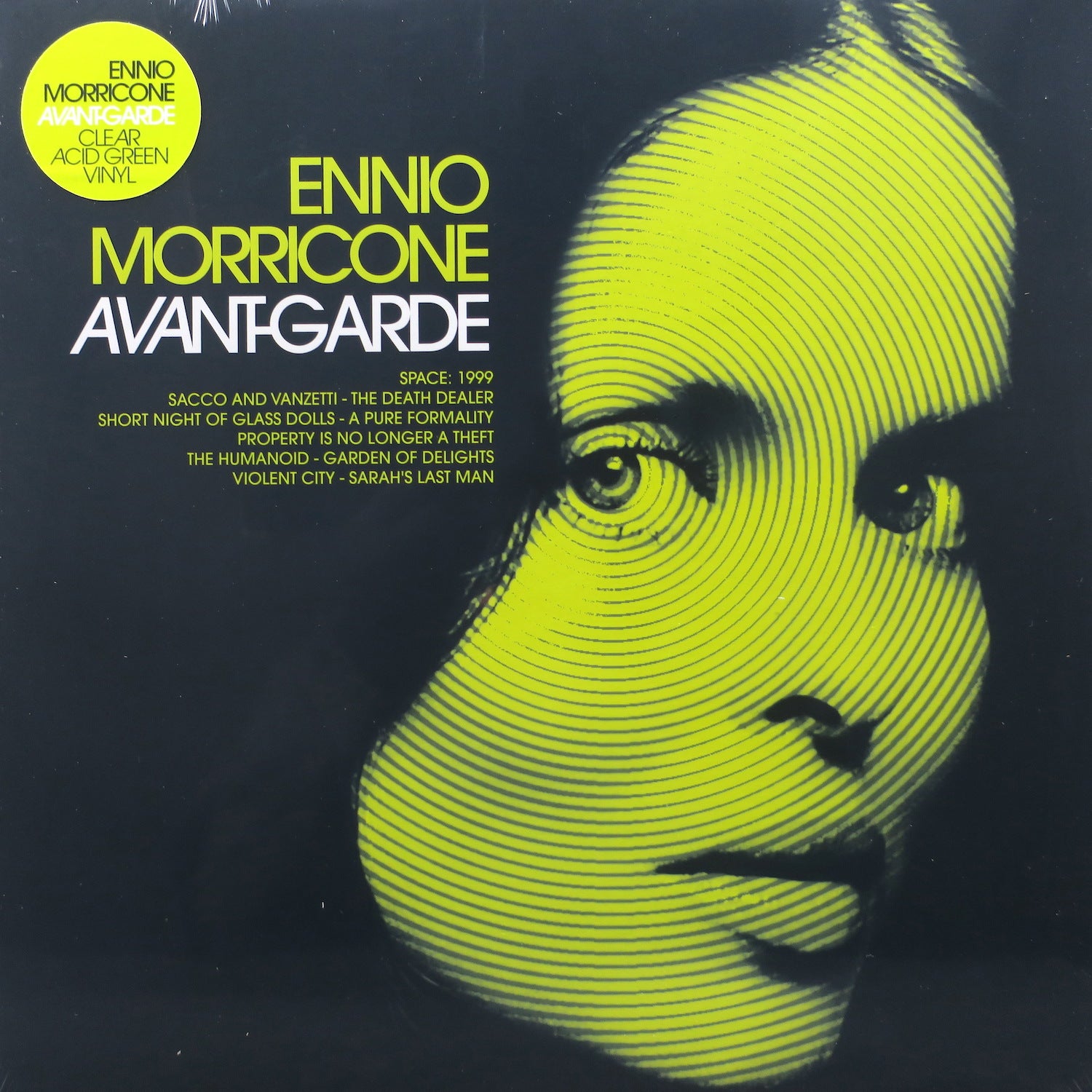
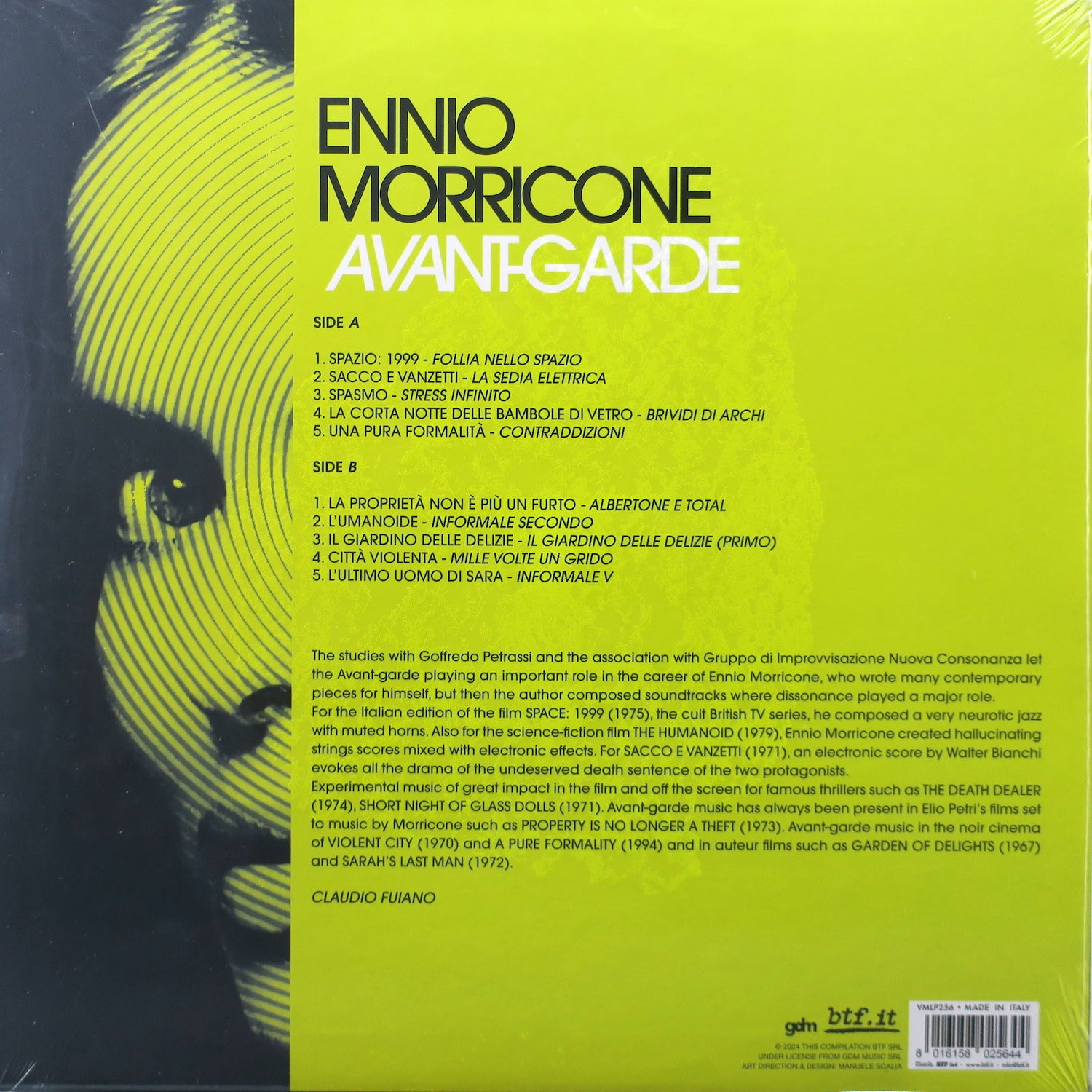
ENNIO MORRICONE 'Avant-Garde' ACID GREEN Vinyl LP
$45.00
$60.00
Sale
Quick buy
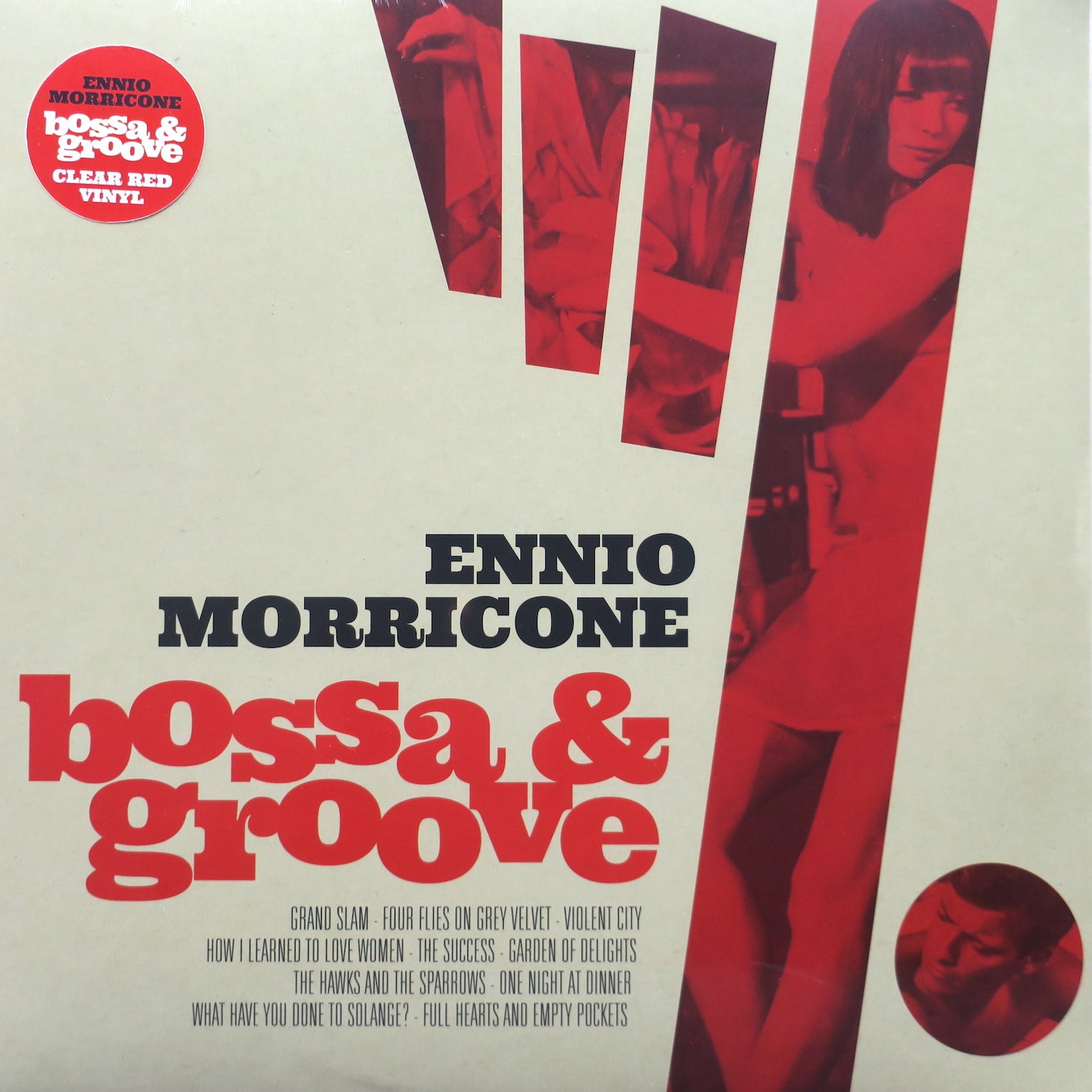
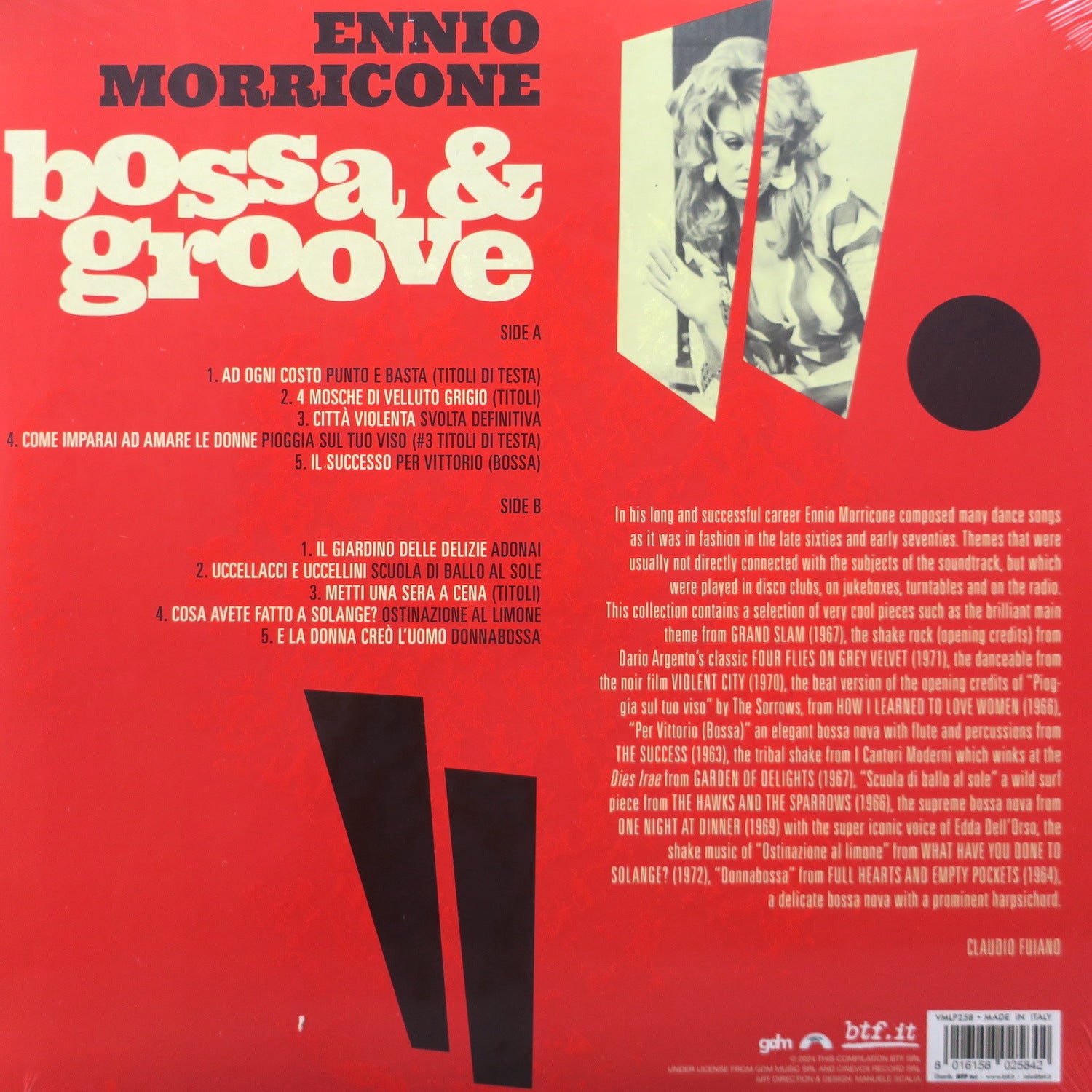
ENNIO MORRICONE 'Bossa & Groove' RED Vinyl LP
$40.00
$60.00
Sale
Quick buy
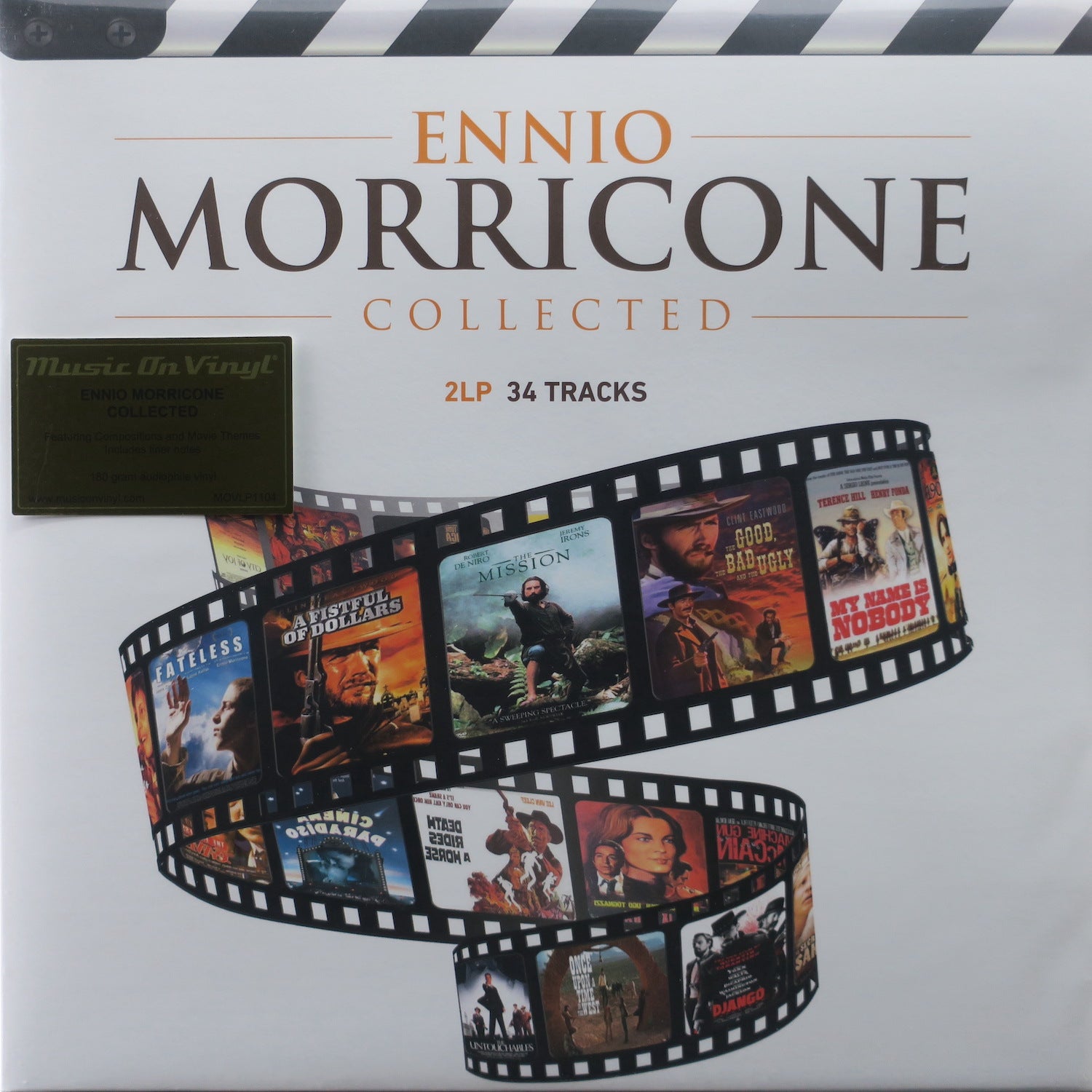
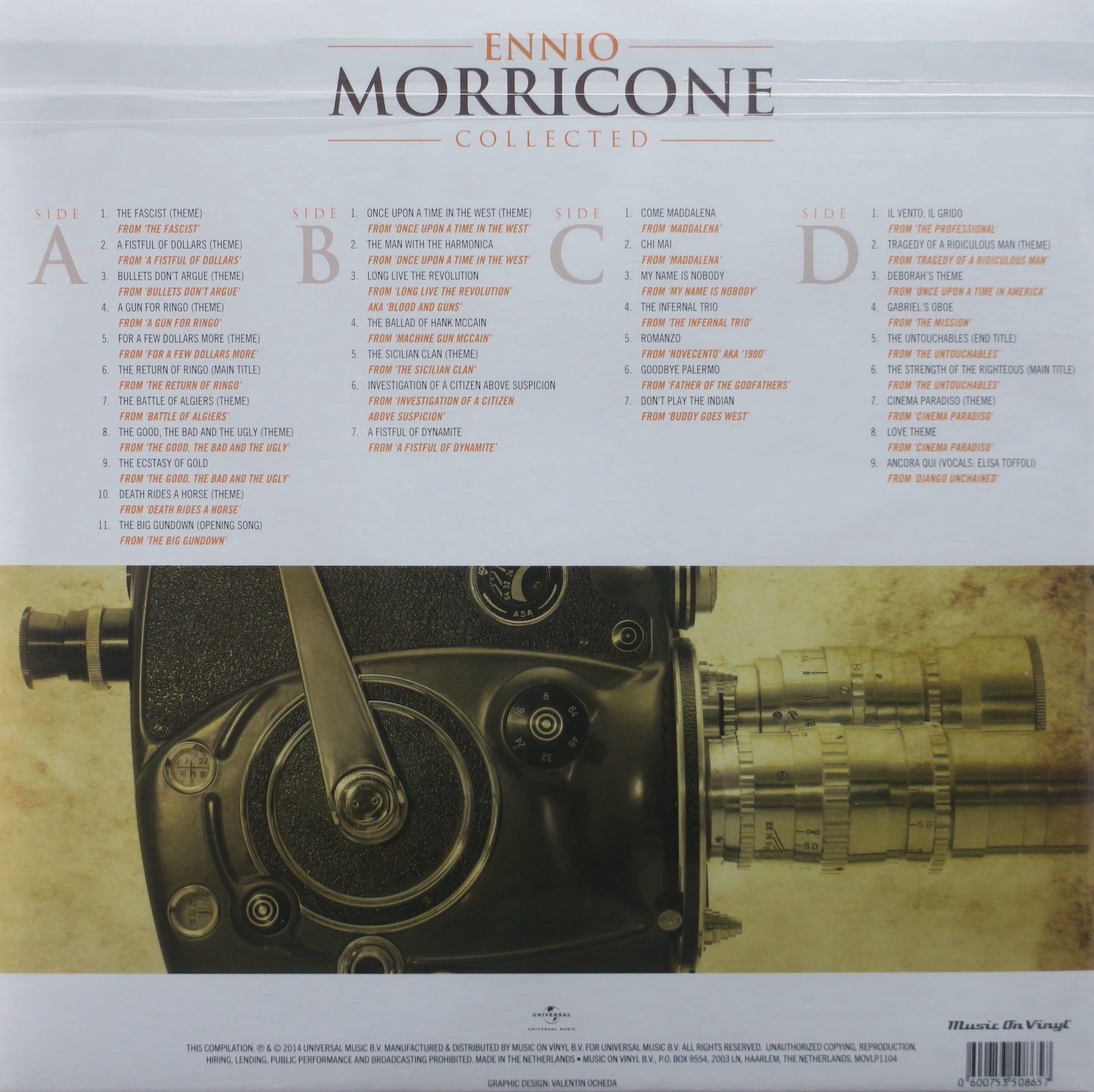
ENNIO MORRICONE 'Collected' 180g Vinyl 2LP
$75.00
Quick buy
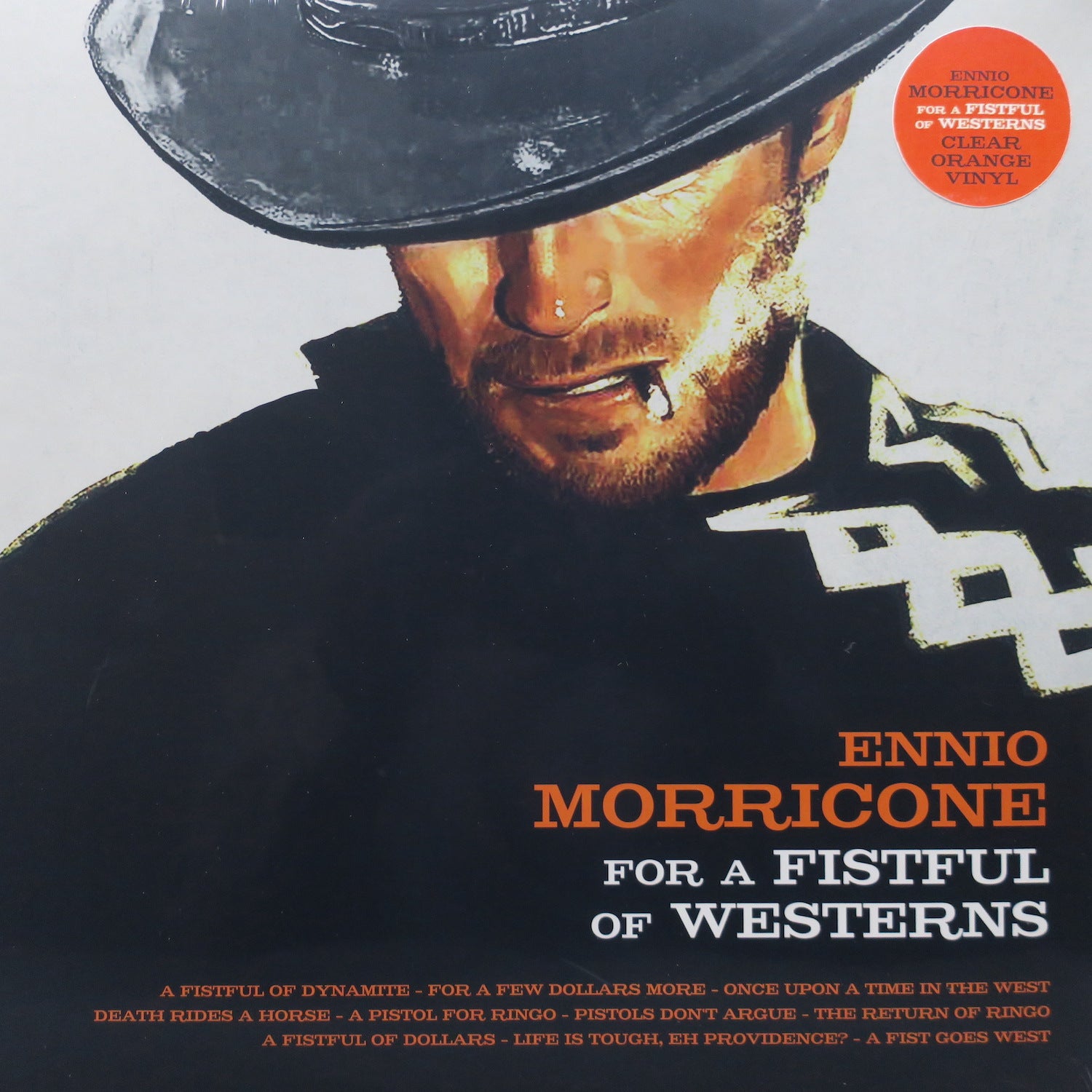
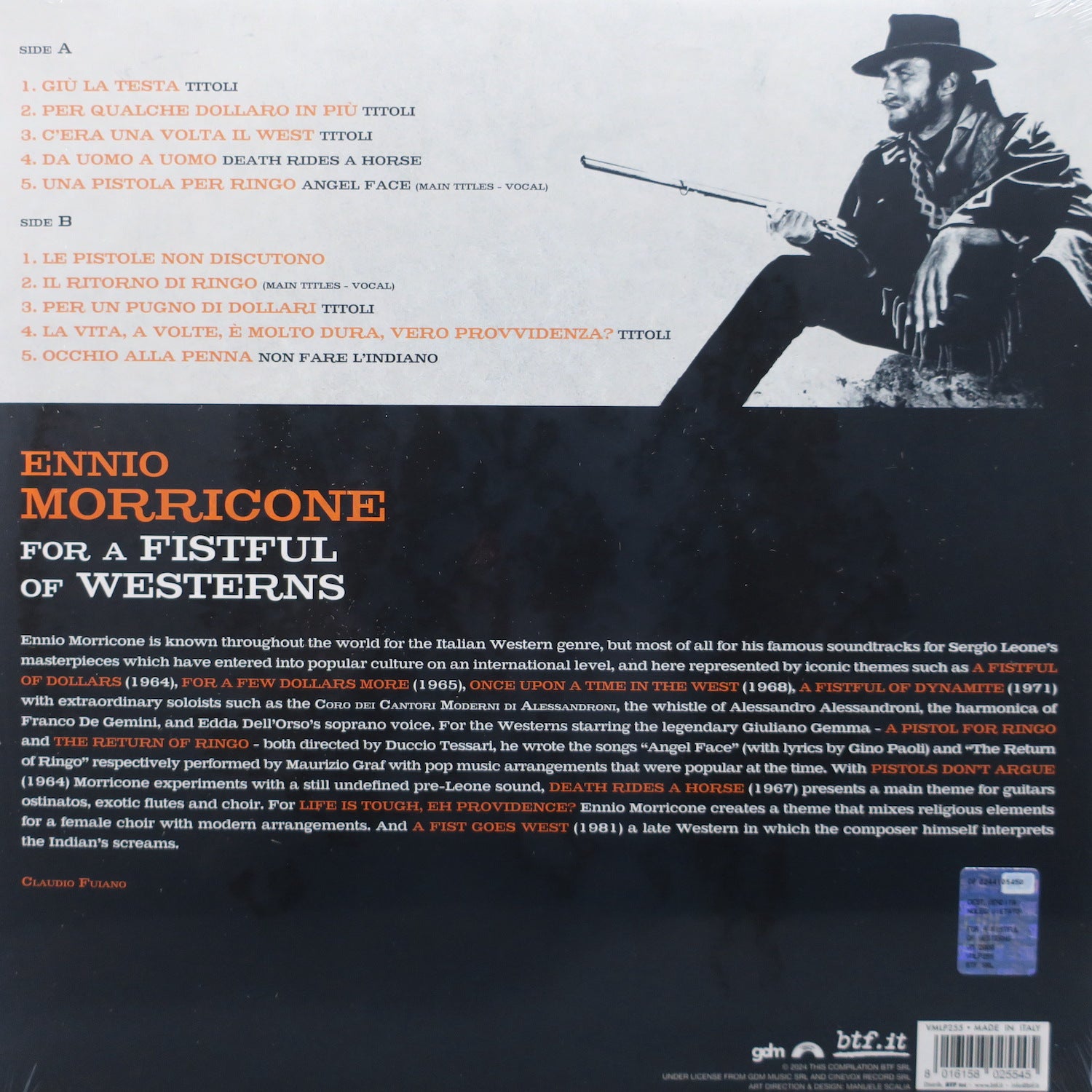
ENNIO MORRICONE 'For A Fistful Of Westerns' ORANGE Vinyl LP
$60.00
Quick buy
ENNIO MORRICONE 'Passion' 180g RED/WHITE Vinyl 2LP
$50.00
Quick buy
ENNIO MORRICONE 'Psycho' 180g RED Vinyl 2LP
$50.00
Quick buy
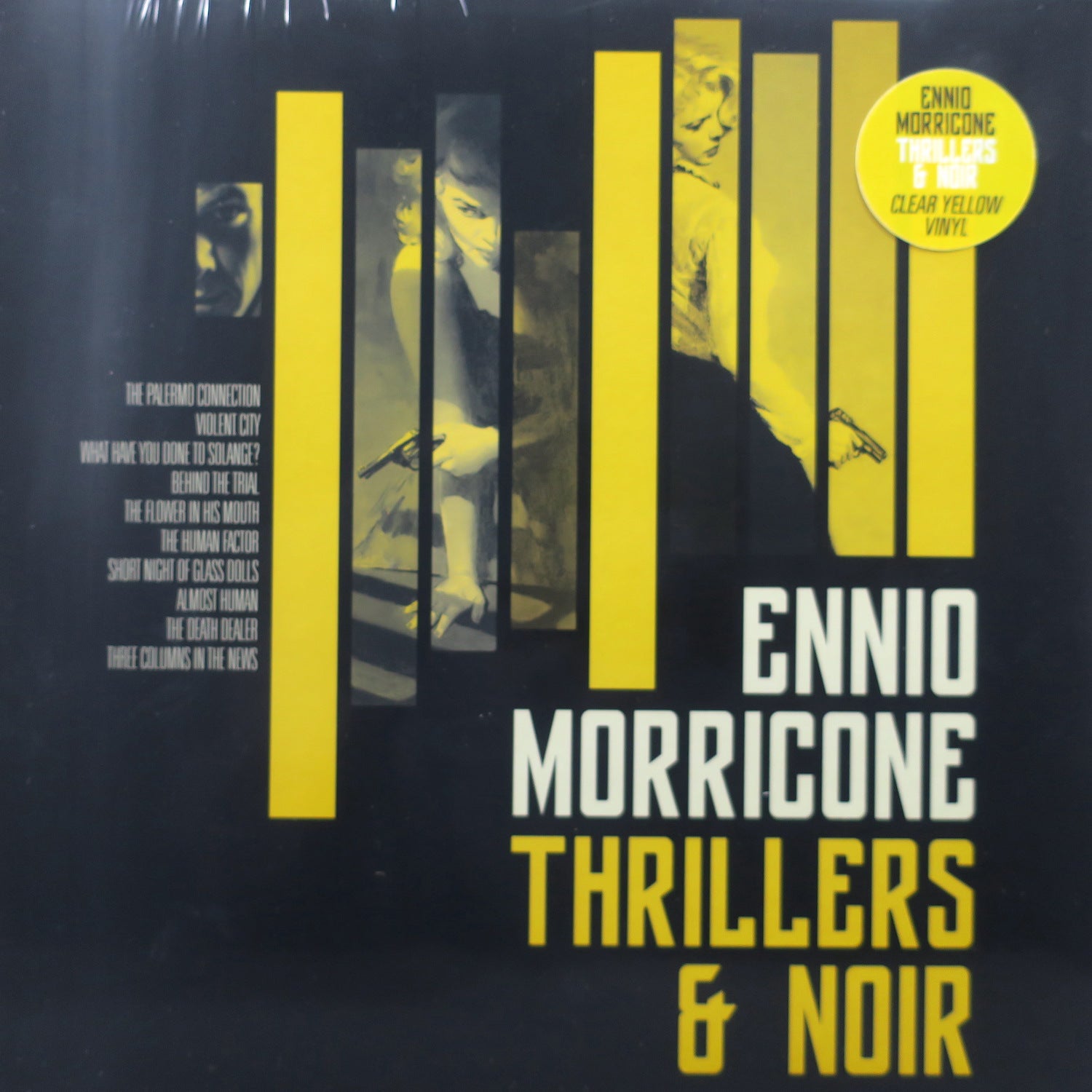
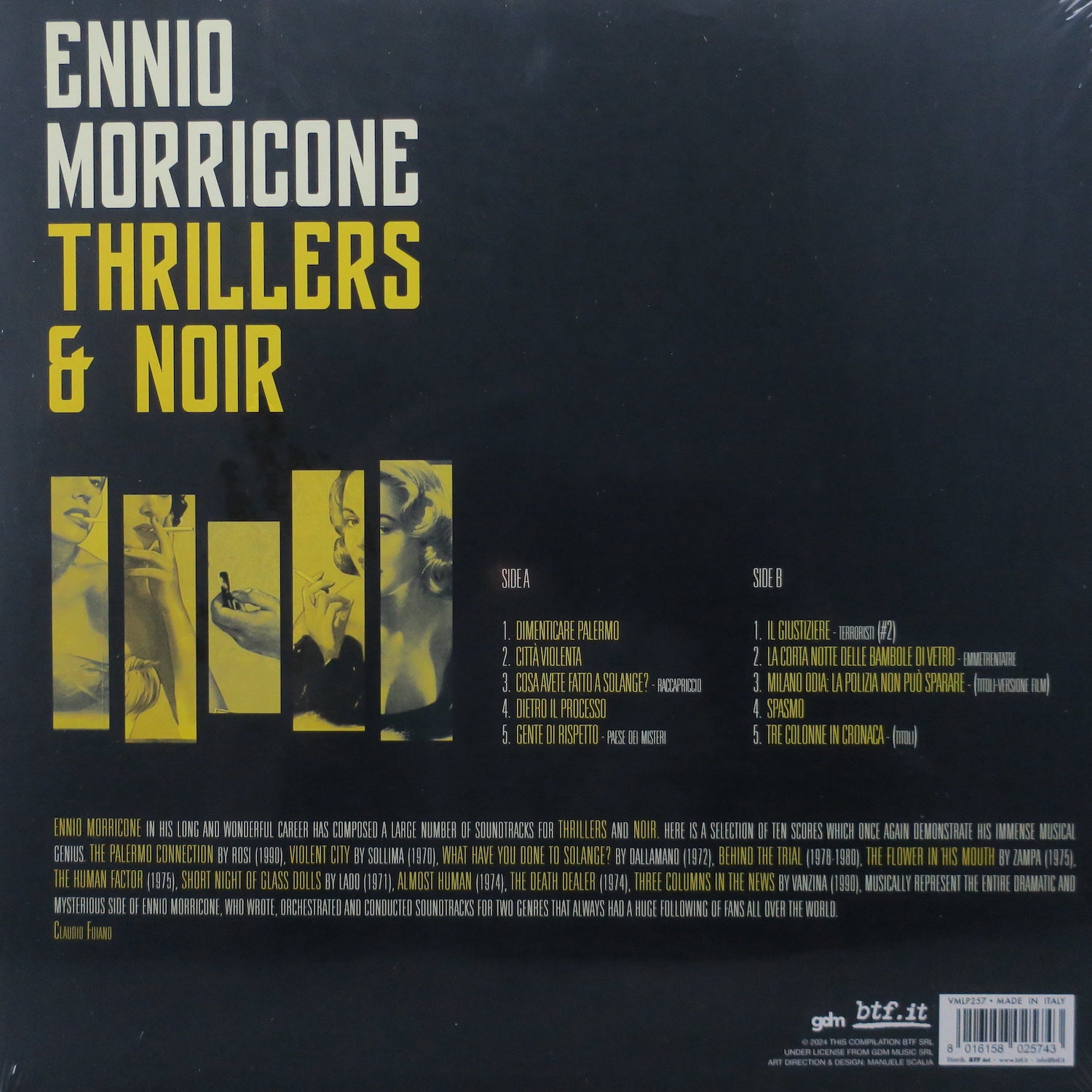
ENNIO MORRICONE 'Thrillers & Noir' YELLOW Vinyl LP
$40.00
$60.00
Sale
Your cart
Close
Get 10% off all orders over $150
Close
Your cart is empty
Start shopping
Added to your
Cart