La Monte Young
La Monte Young's music asks listeners to rethink time and pitch: long sustained tones, careful use of just intonation and performances that stretch conventional concert duration into an almost architectural experience. That focus on sustained sound and tuning makes a Young record feel less like a collection of songs and more like an environment to inhabit.
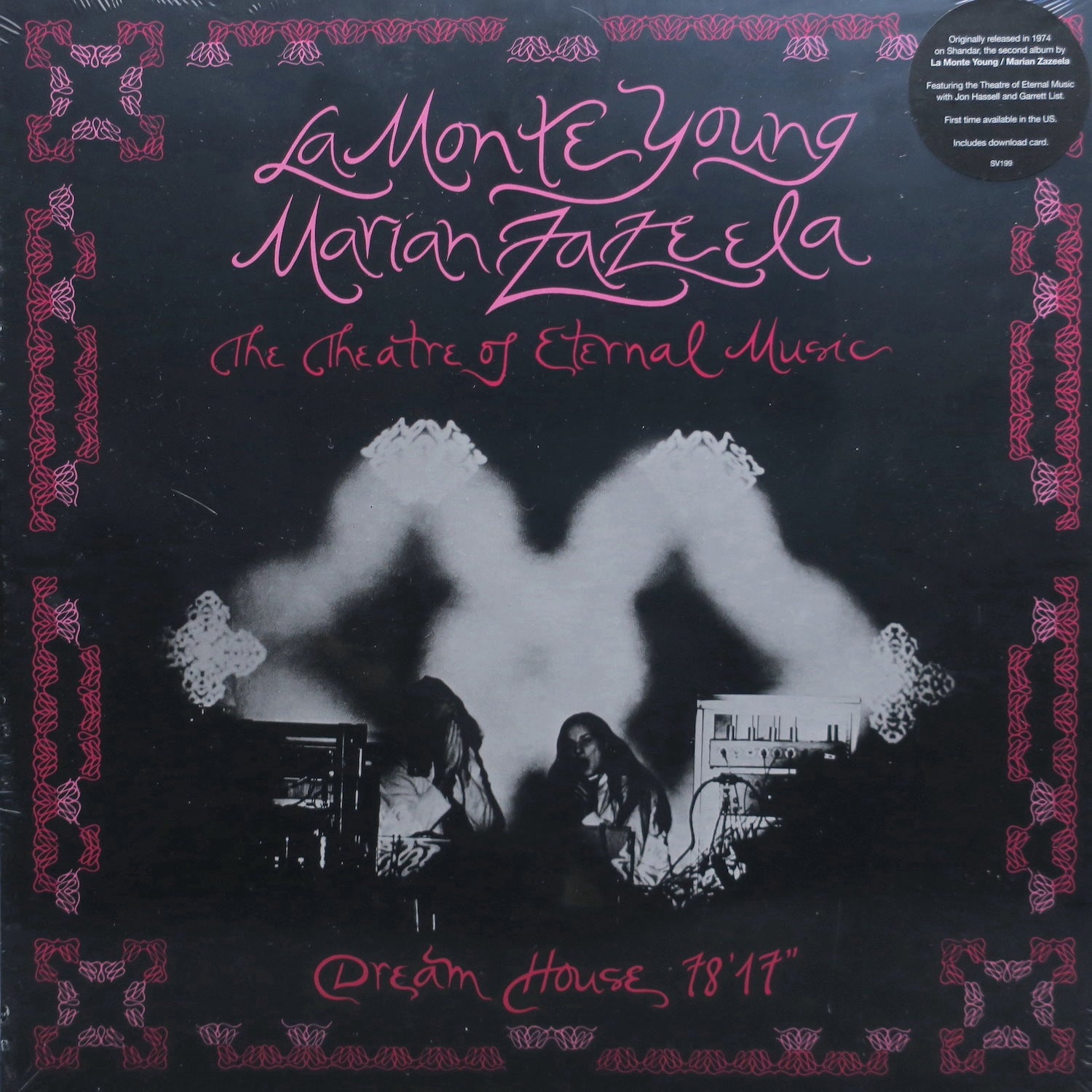
Much of Young's reputation rests on a handful of defining projects. The Well-Tuned Piano is both a composition and a practice—a living exploration of a piano retuned to a unique system of intervals that rewards close, repeated listening. Earlier work with the Theatre of Eternal Music placed multiple violins, voices and sine waves in locked drones; those performances, captured in various documentations, point to the origins of modern drone and minimalist technique.
Collaboration is central to Young's world. Marian Zazeela has been an artistic partner for decades, shaping the visual and sonic fabric of Dream House installations that combine sustained sound with immersive light. The musicians who passed through Young's ensembles—Tony Conrad, John Cale, Angus MacLise and Terry Jennings—helped translate his compositional ideas into raw, electric performances that then radiated into other scenes.
Young's study of Indian classical voice with Pandit Pran Nath deepened his interest in extended vocalism and subtle tuning, and that influence is audible across later works. Composers associated with the rise of minimalism—Terry Riley and Philip Glass—absorbed aspects of Young's approach even as they charted different melodic and rhythmic paths.
Beyond academic circles Young's emphasis on duration, timbre and microtonality filtered into rock and experimental music through players like John Cale and later generations of drone artists. Listening to La Monte Young is often a low-key revelation: pieces reveal new internal motion the longer they are heard. For newcomers, The Well-Tuned Piano and the collections documenting the Theatre of Eternal Music are natural entry points that explain why so many artists, across classical and underground scenes, still reference his work.
Young remains worth exploring because his music isn't about immediate payoff—it's designed to alter perception. Even a short exposure can change how a listener thinks about pitch, time and the physical presence of sound.