Ash Ra Tempel
Ash Ra Tempel made long-form improvisation feel like a map of outer space: sprawling, repetitious grooves that let guitar, bass and early synths dissolve conventional song shapes. Their approach turned marathon studio jams into immersive journeys where texture mattered as much as melody.
The band coalesced around guitarist Manuel Göttsching, bassist Hartmut Enke and the early involvement of Klaus Schulze on drums. That original trio’s self-titled 1971 debut captures the group at its most raw and exploratory—extended tracks built from simple motifs that expand through feedback, delay and spontaneous interplay. Schulze’s presence linked the group to the broader electronic experiments taking place in West Germany.
Musically Ash Ra Tempel sits at the intersection of Krautrock, kosmische music and space rock. Göttsching’s guitar work often favors sustained tones, loops and subtle rhythmic shifts over conventional solos, while Enke’s bass anchors the drone-like passages. The result is music that can be meditative one moment and volcanic the next, a quality that later connected their sound to contemporaries such as Tangerine Dream and Cluster.
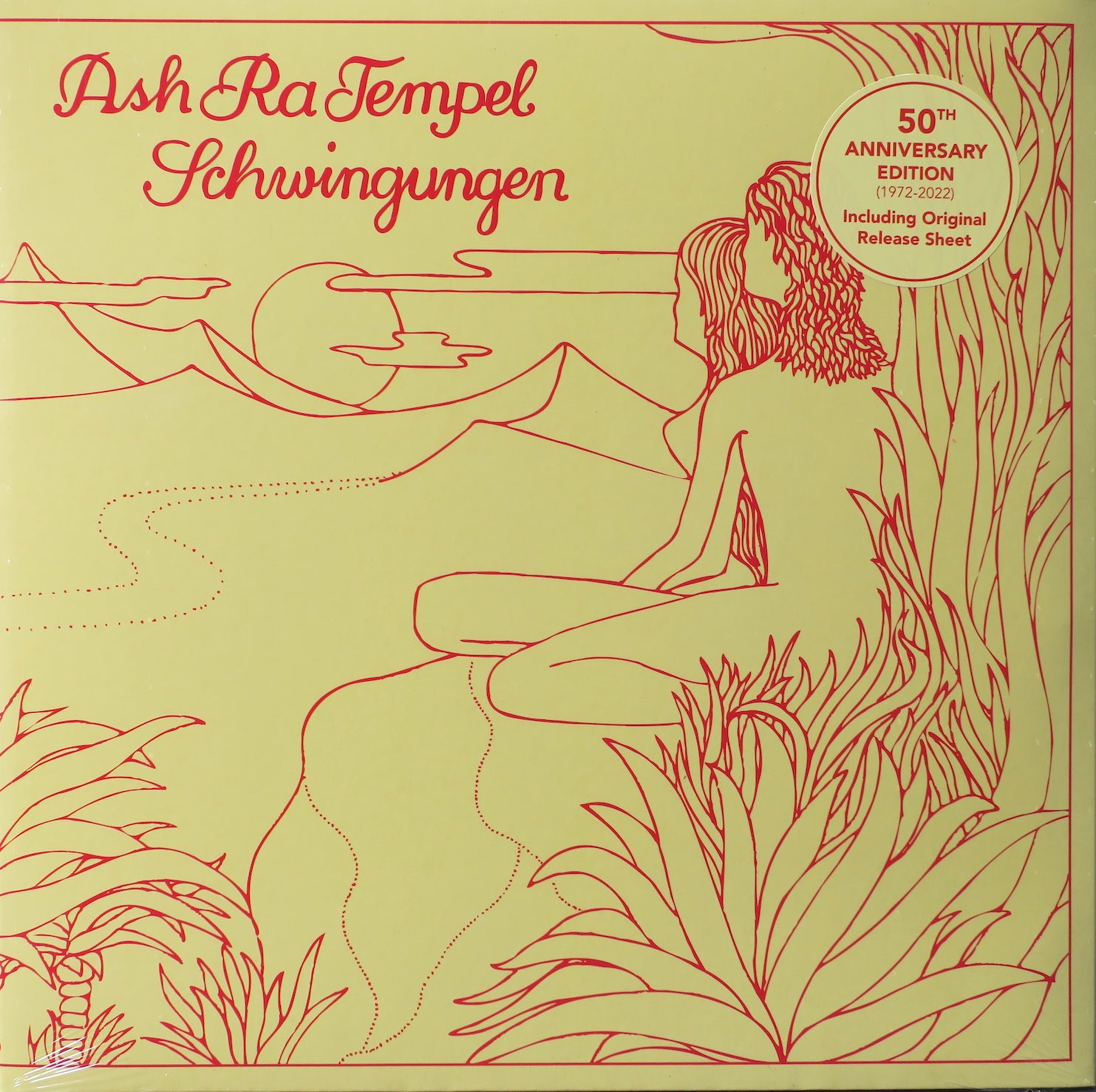
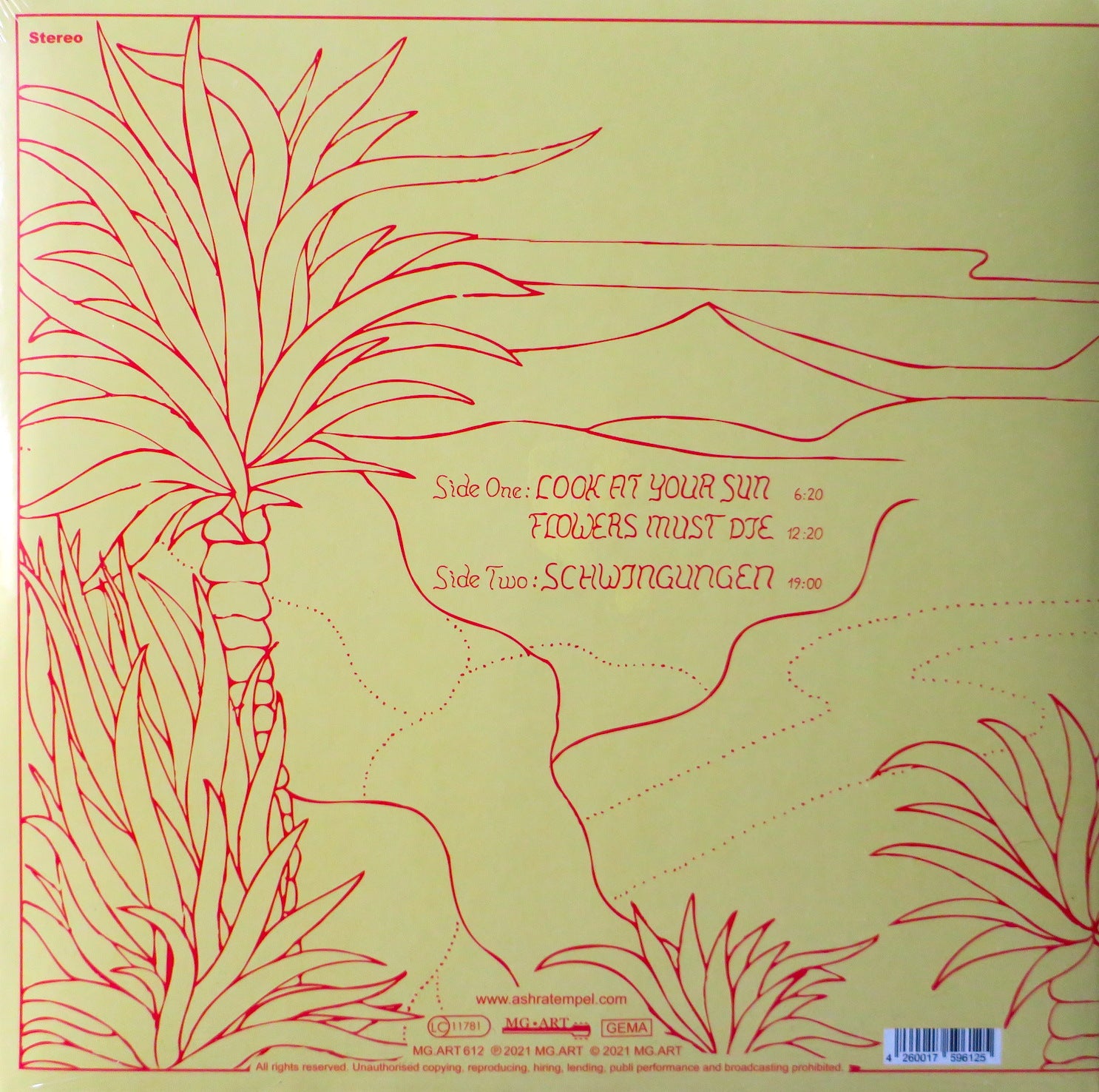
After the debut, albums like Schwingungen and Join Inn show a band balancing improv with clearer structures. Schwingungen leans into more melodic motifs without losing the group’s sprawling feel; Join Inn documents collaborative sessions that emphasize mood and studio experimentation. Starring Rosi, which features more vocal-led pieces, points toward the band’s willingness to reshape their palette rather than repeat a single formula.
Ash Ra Tempel’s story also matters because of what it led to. Manuel Göttsching’s subsequent solo work carried the textural, space-oriented guitar language into electronic and ambient contexts, while Klaus Schulze became a major figure in solo electronic music. Those offshoots helped spread the band’s aesthetic across ambient, electronic and post-rock currents.
Revisiting Ash Ra Tempel today reveals music that still rewards patient listening: long tracks that unfold slowly, surprising transitions, and a focus on tone and atmosphere that influenced many experimental artists that followed. Their records remain compelling documents of a moment when rock loosened its grip on structure and let sound itself become the destination.