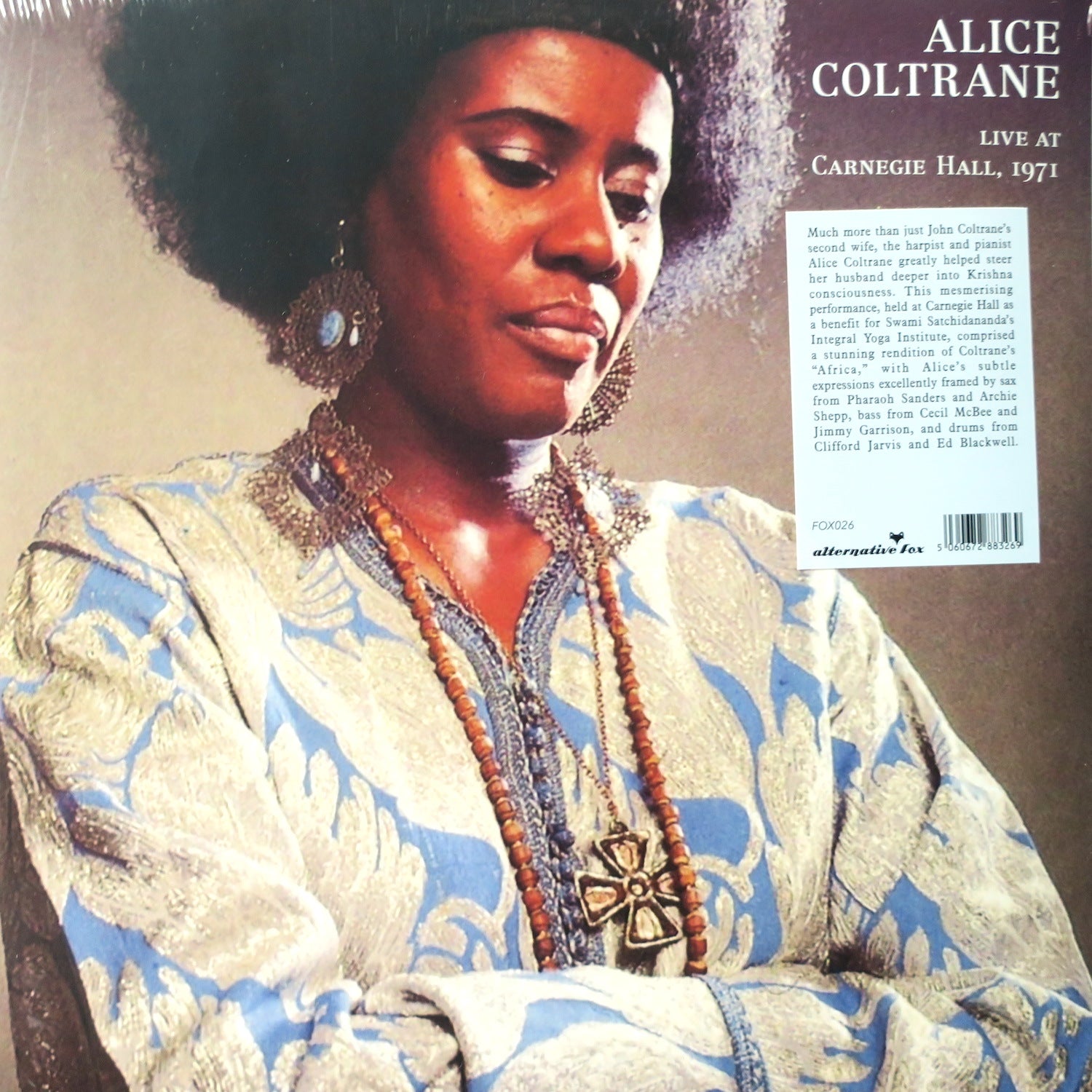
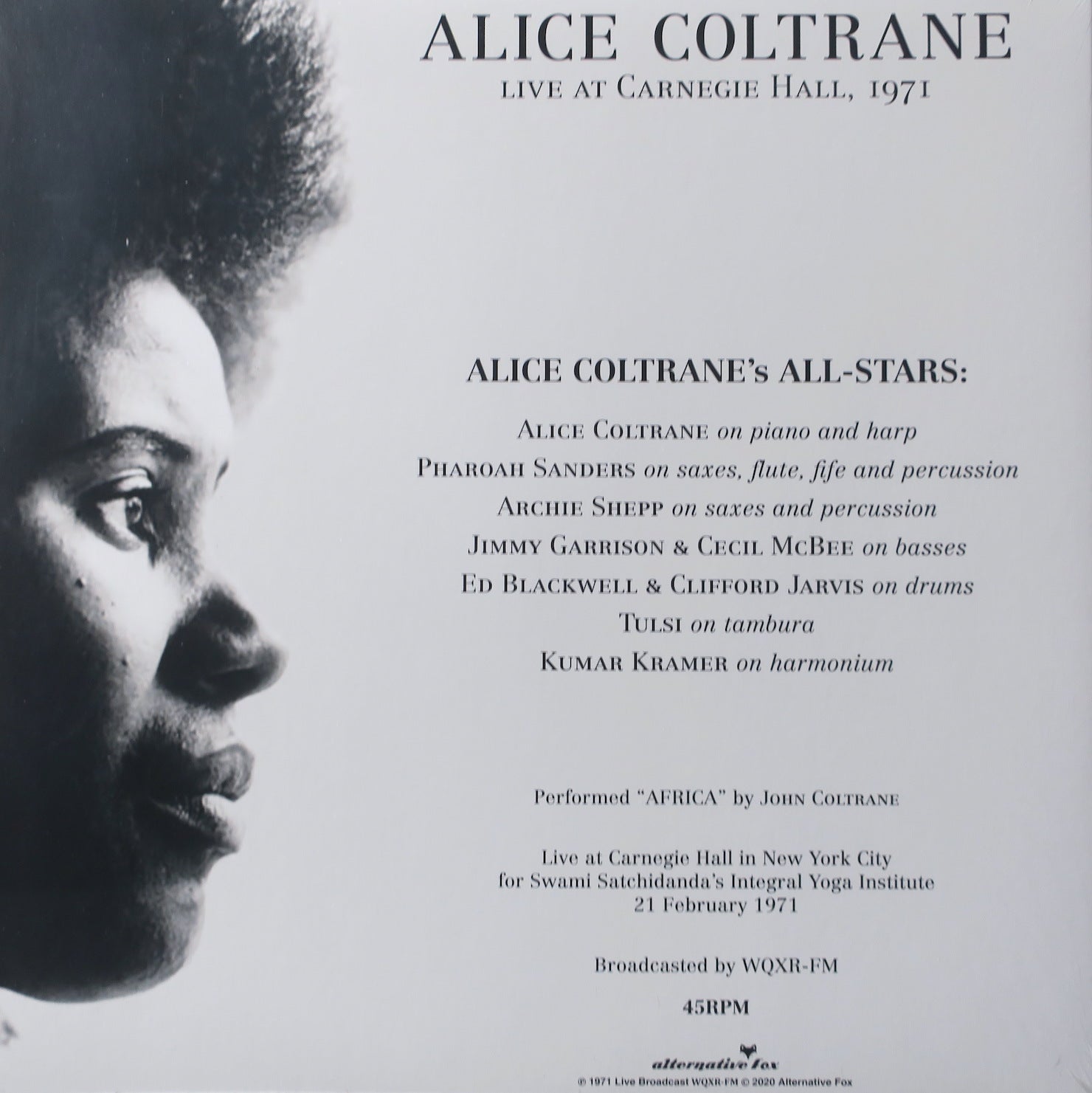
Alice Coltrane
Alice Coltrane rewrote the vocabulary of post‑John Coltrane jazz by making the harp, organ and devotional drone central to forward‑looking improvisation. Rather than merely adapting the standard piano‑led combo, she blended modal jazz, Eastern sonorities and orchestral strings to create music that felt both meditative and kinetically searching. That sonic risk — harp arpeggios under saxlike modal lines, suites driven by tanpura drones and choral chants — is what made her records arresting then and enduring now.
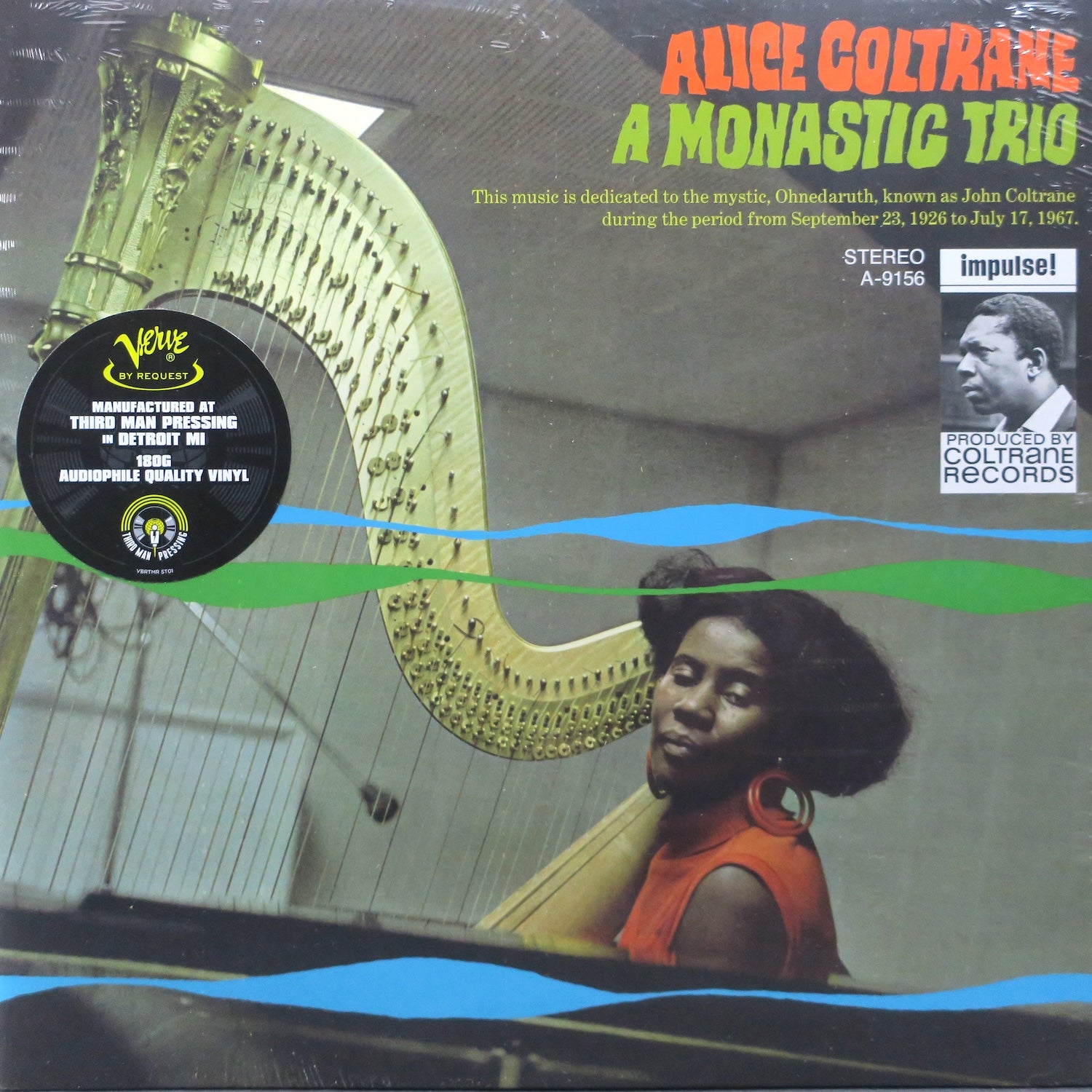
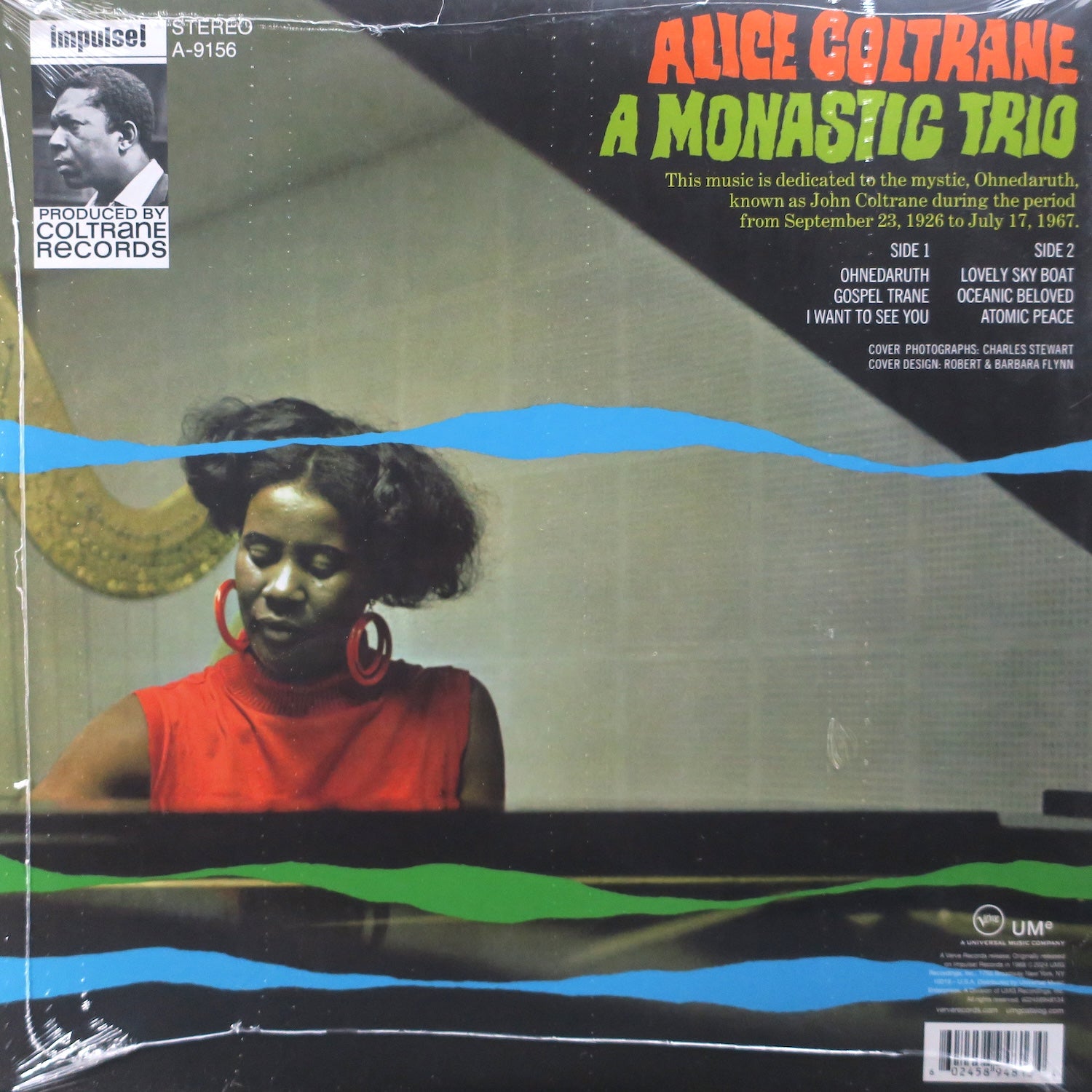
Her early solo albums, beginning with A Monastic Trio, show a player steeped in bebop and post‑bop technique who immediately began stretching toward mystical forms. Ptah, the El Daoud and Journey in Satchidananda mark the moment she fully embraced a spiritual jazz language: loose, expansive rhythms, sustained harmonies and an emphasis on texture as much as melody. Producers and listeners often single out the presence of harp and organ as the defining colors of those sessions, but the records also feature tenor and soprano voices from the likes of Pharoah Sanders and drummers who carried forward John Coltrane’s late energy.
Alice’s musical trajectory cannot be separated from her personal one. Touring and recording during John Coltrane’s late period exposed her to the era’s most radical improvisers, and after his death she moved even more overtly toward devotional practice, eventually taking the name Swamini Turiyasangitananda and composing long, chant‑based works. That turn didn’t pull her away from jazz so much as expand its parameters: she treated improvisation as ritual, and arrangements as vehicles for spiritual concentration.
Her influence shows up across contemporary jazz and beyond. Modern arrangers and bandleaders point to her use of sustained drones, organ textures and non‑Western instrumentation as a touchstone for large‑scale, spiritually oriented projects. At the same time, her early records remain thrilling listens for anyone curious about how jazz could incorporate both orchestral ambition and free‑form devotion.
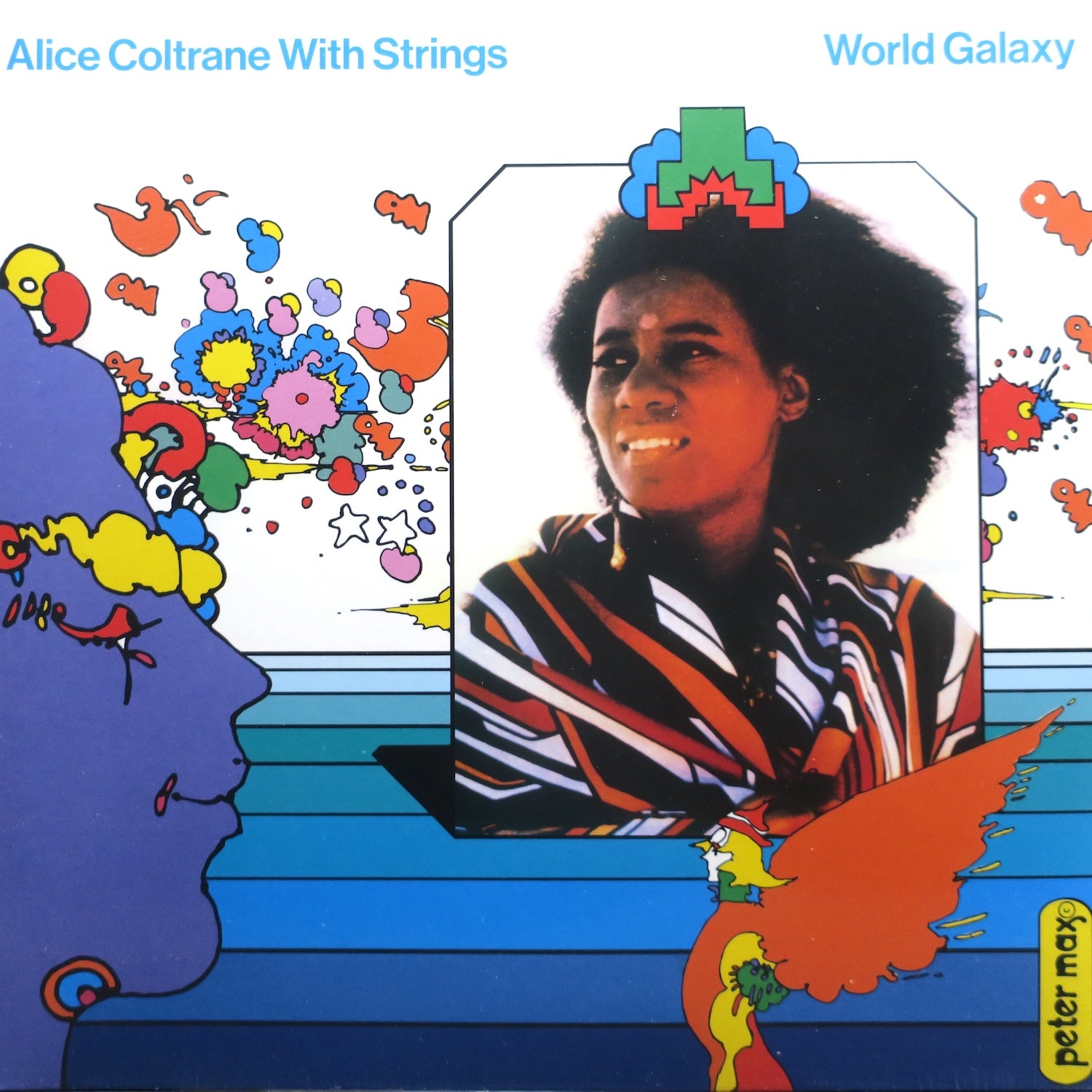
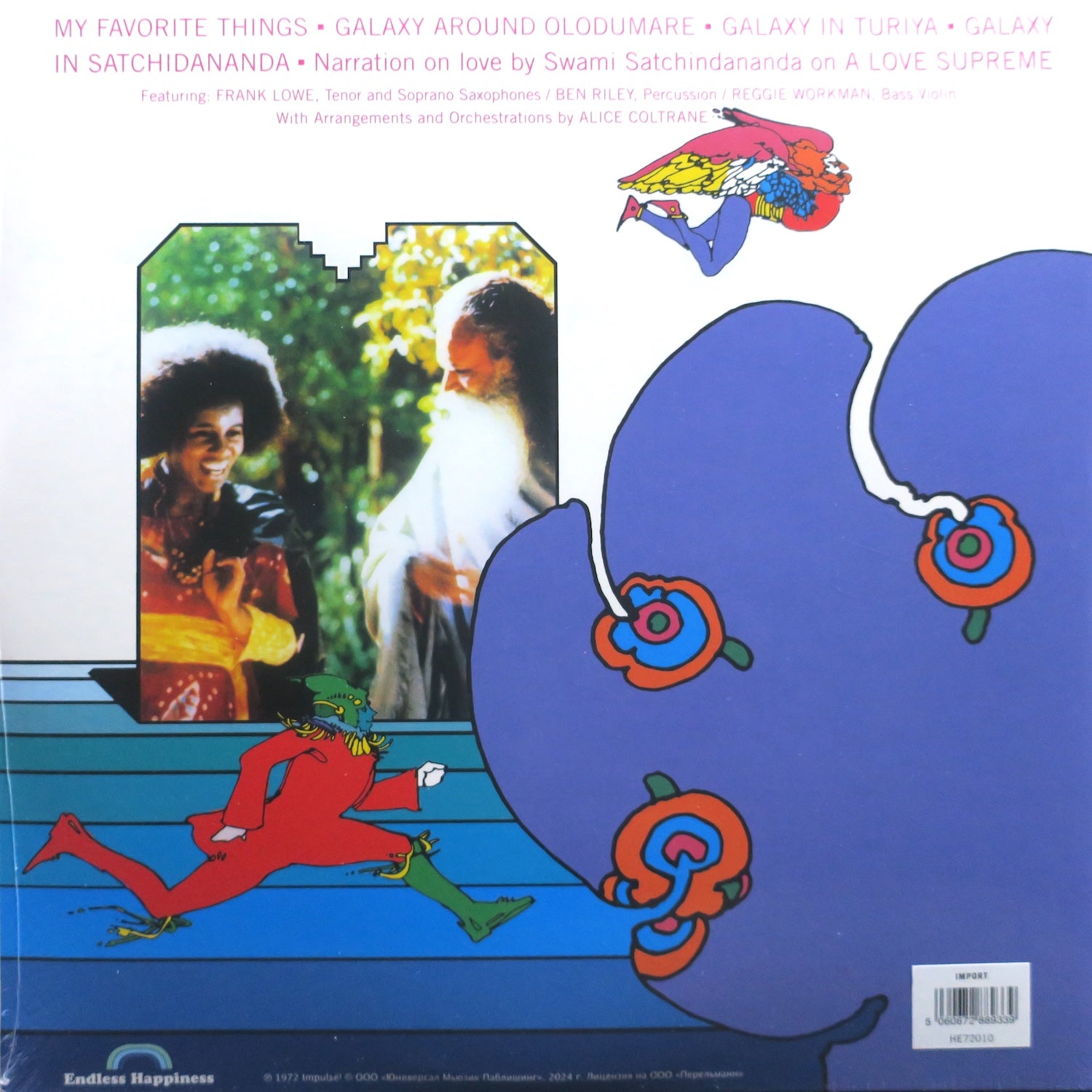
For listeners new to her work, start with Ptah, the El Daoud and Journey in Satchidananda to hear the hallmark blend of harp, modal improvisation and chant; follow with Universal Consciousness and World Galaxy to trace how her sound broadened into orchestral and electric realms. Alice Coltrane’s music rewards both focused attention and repeated listening — it’s music that reveals more of its spiritual and sonic architecture the deeper one goes.