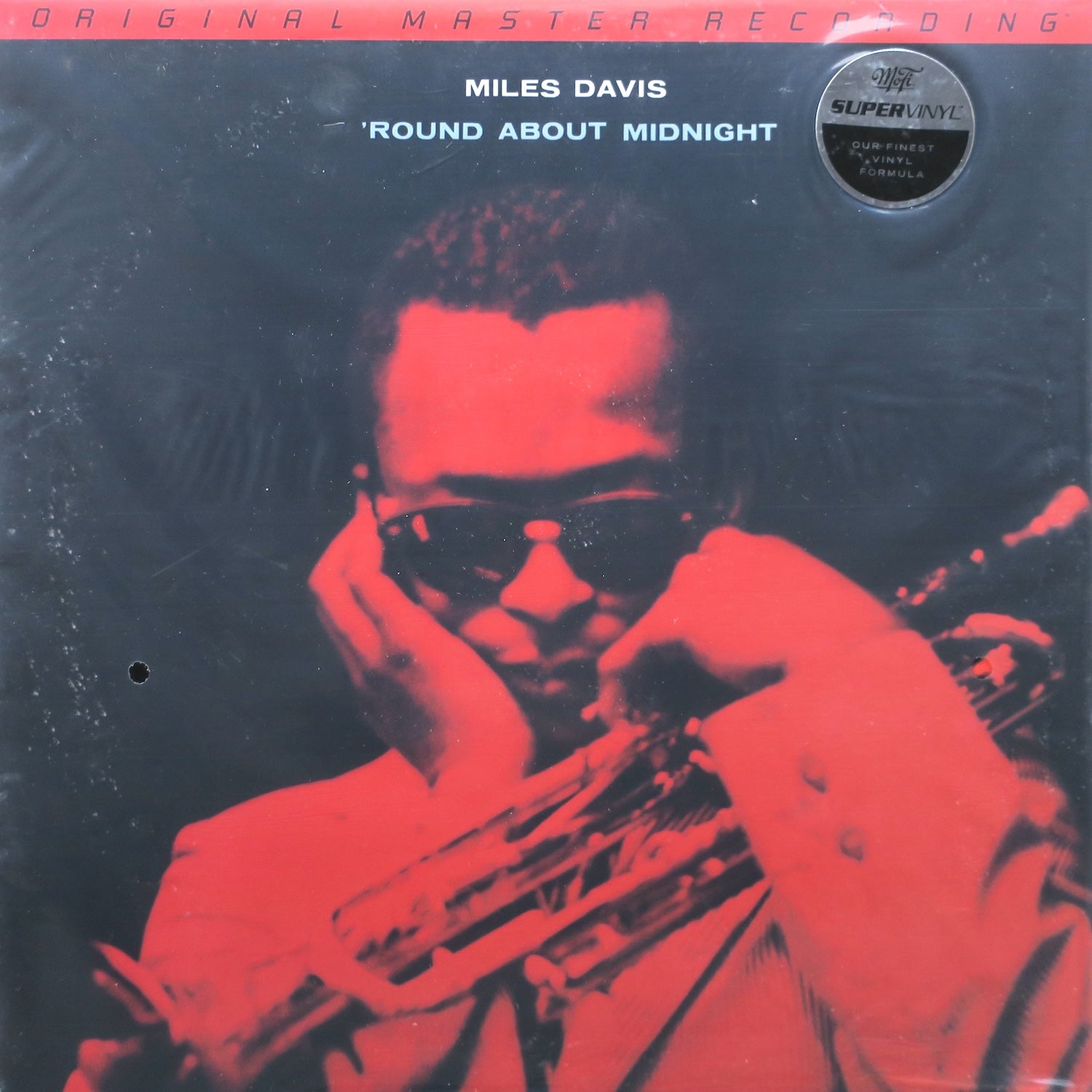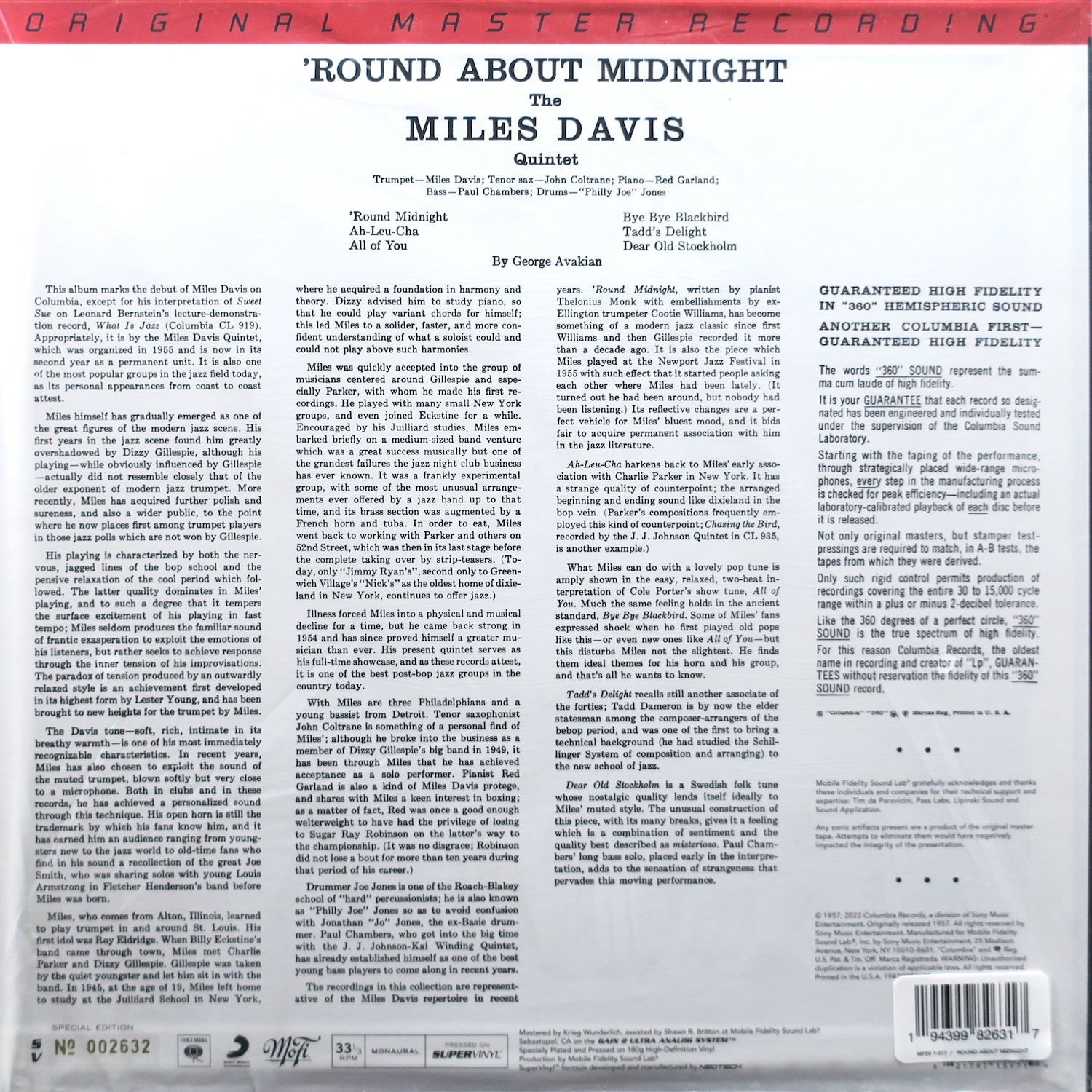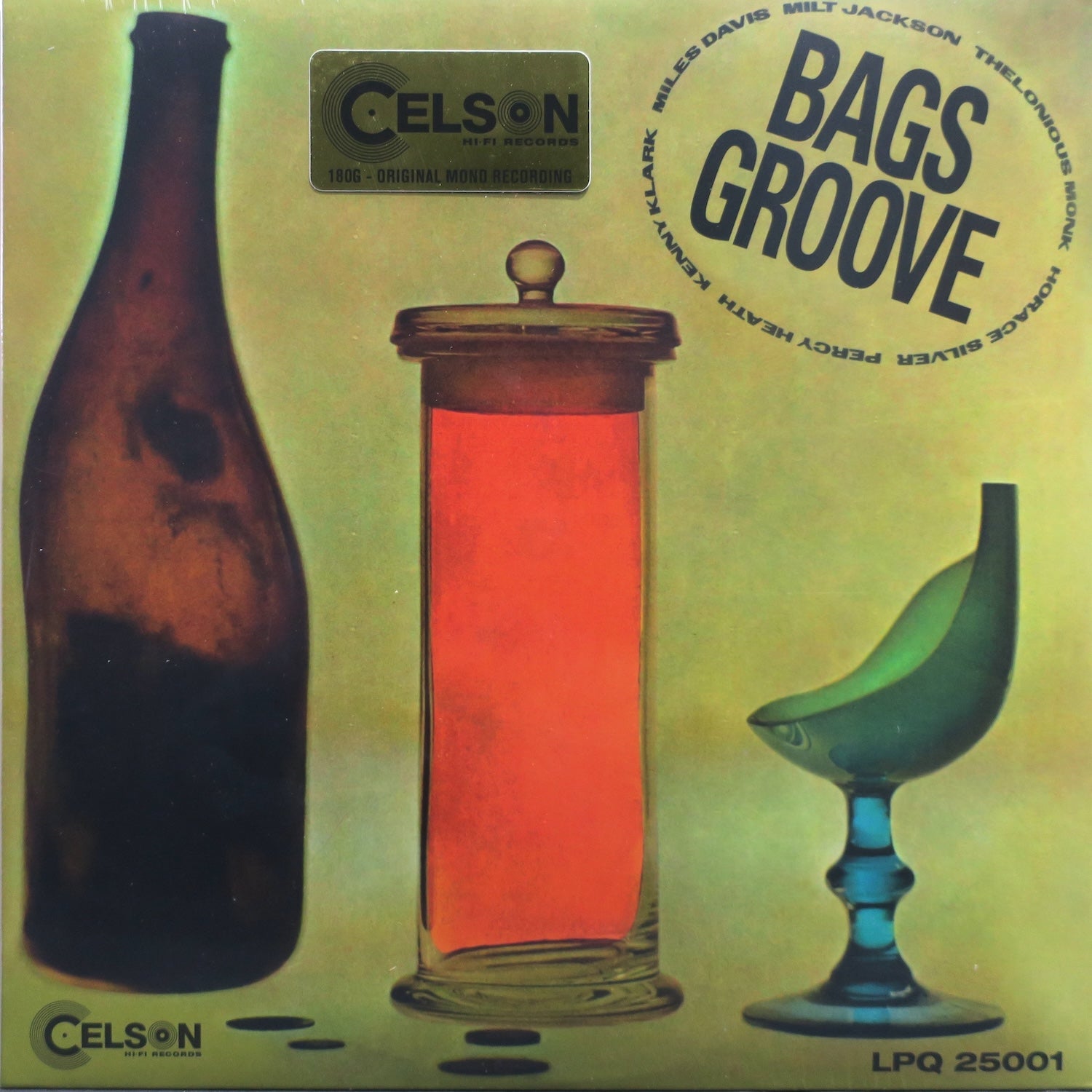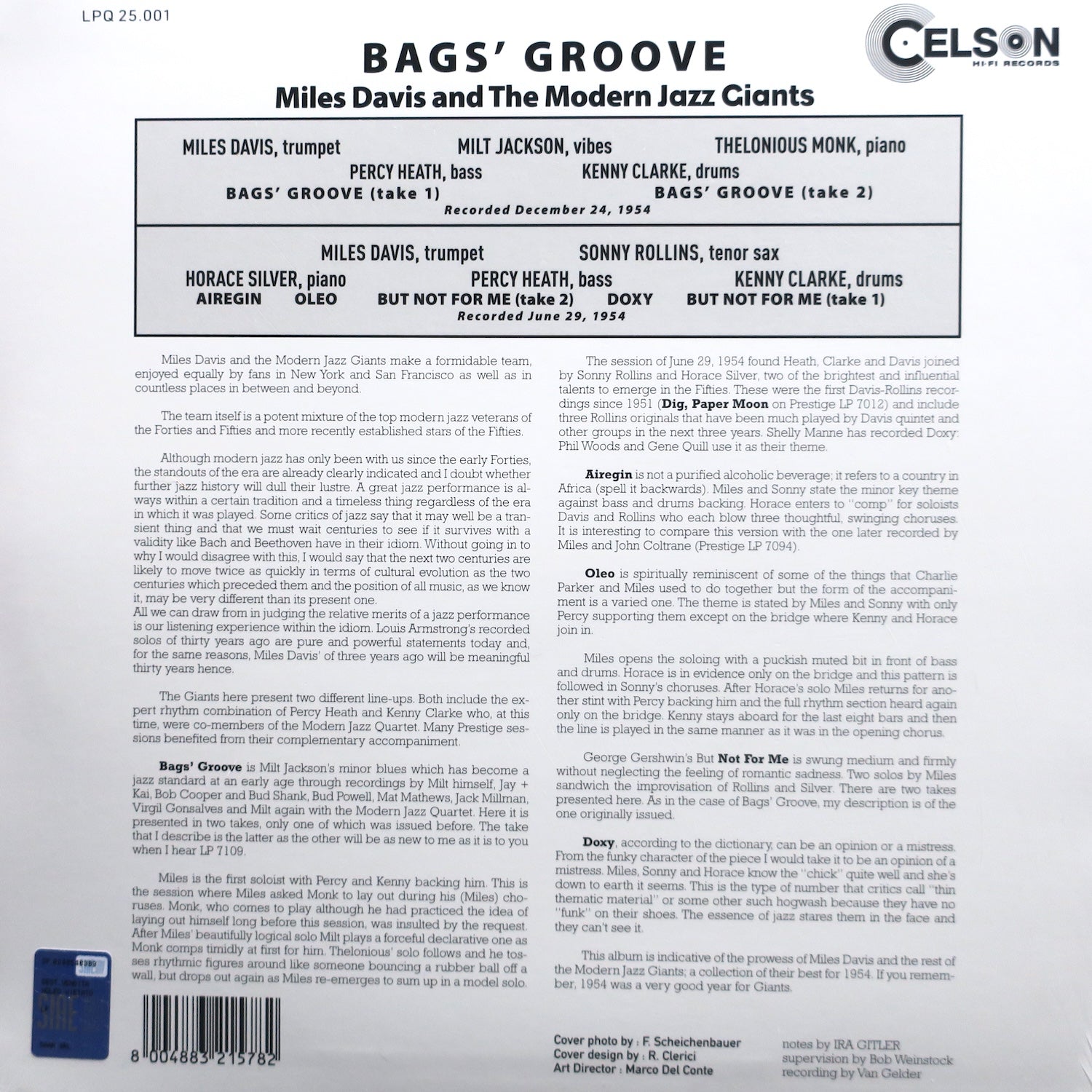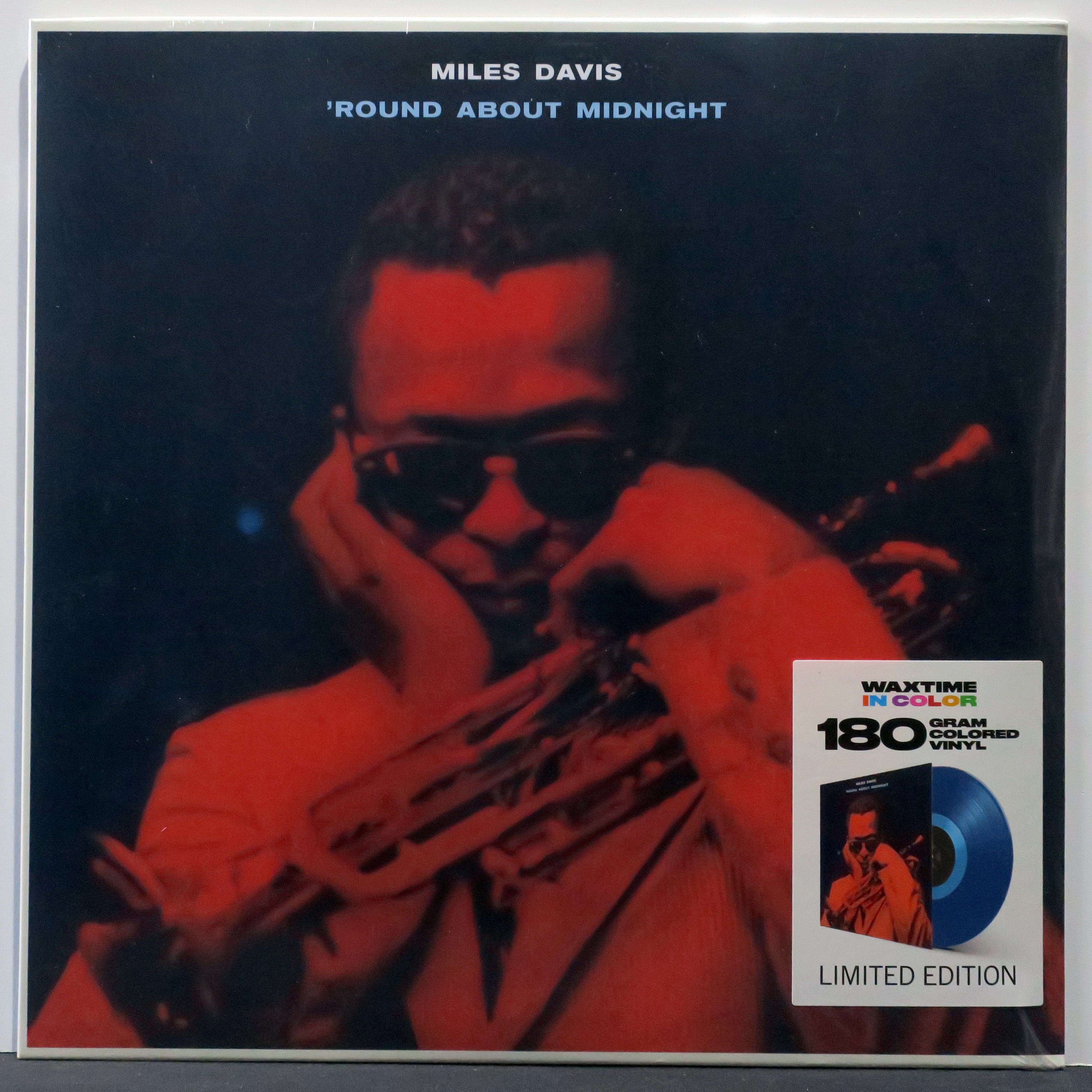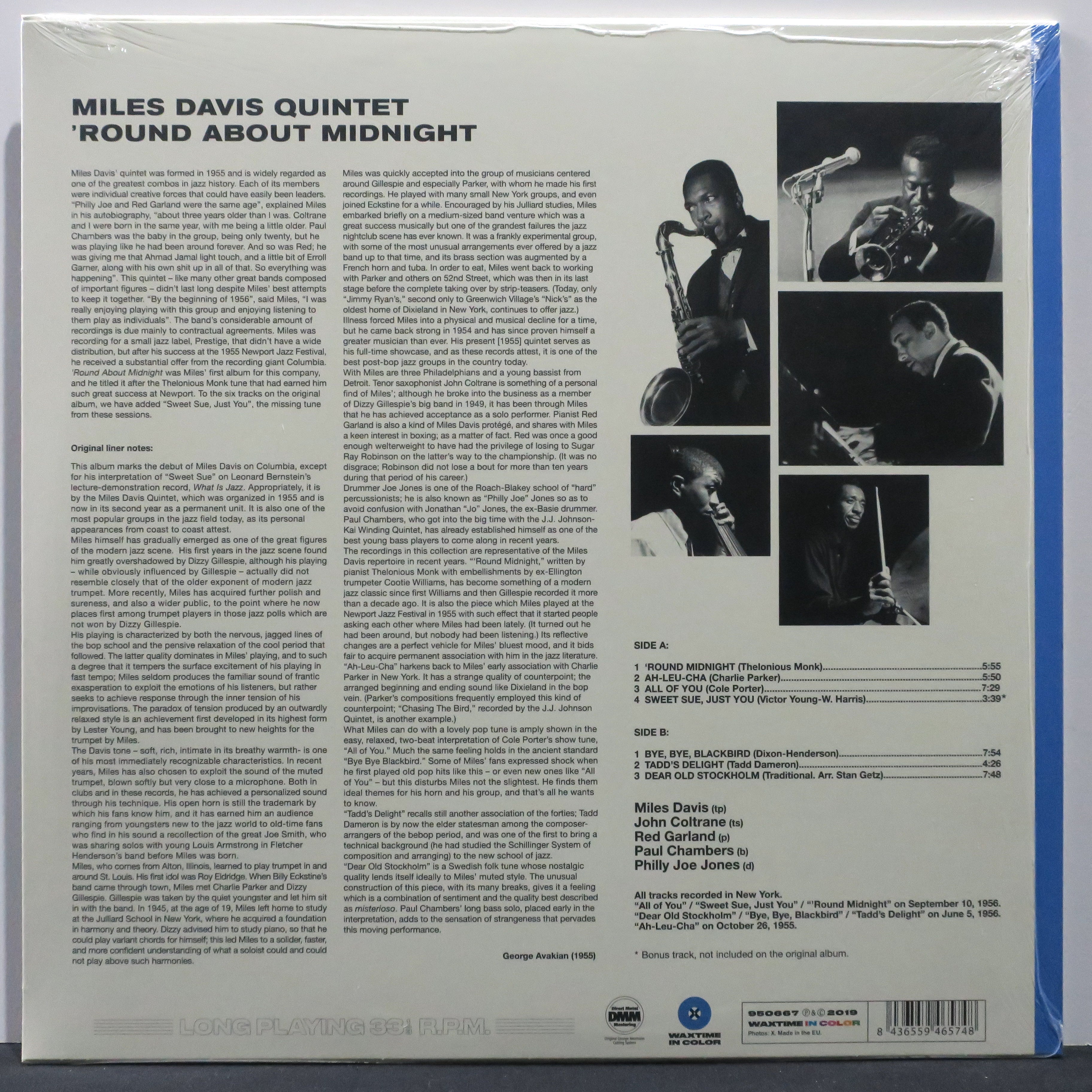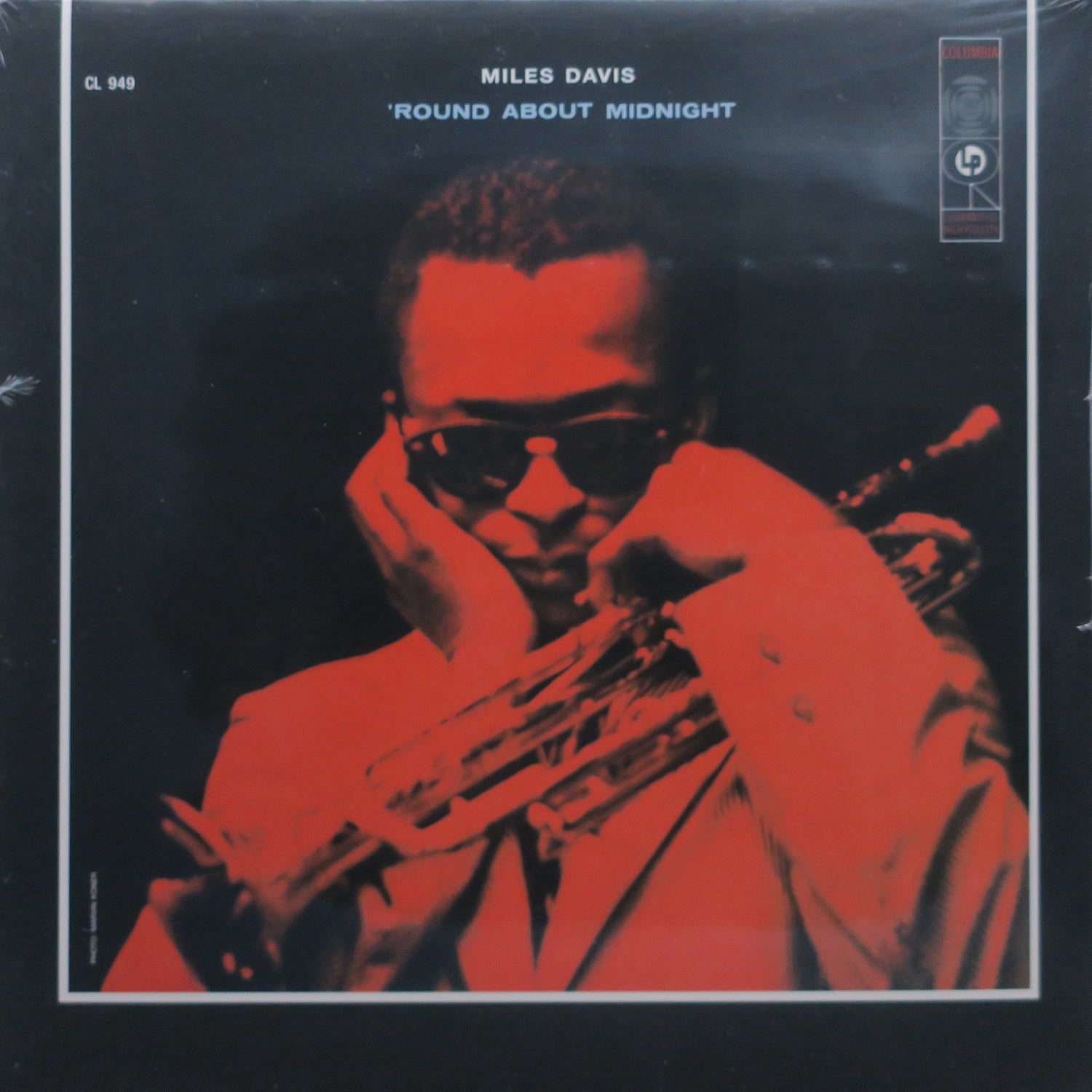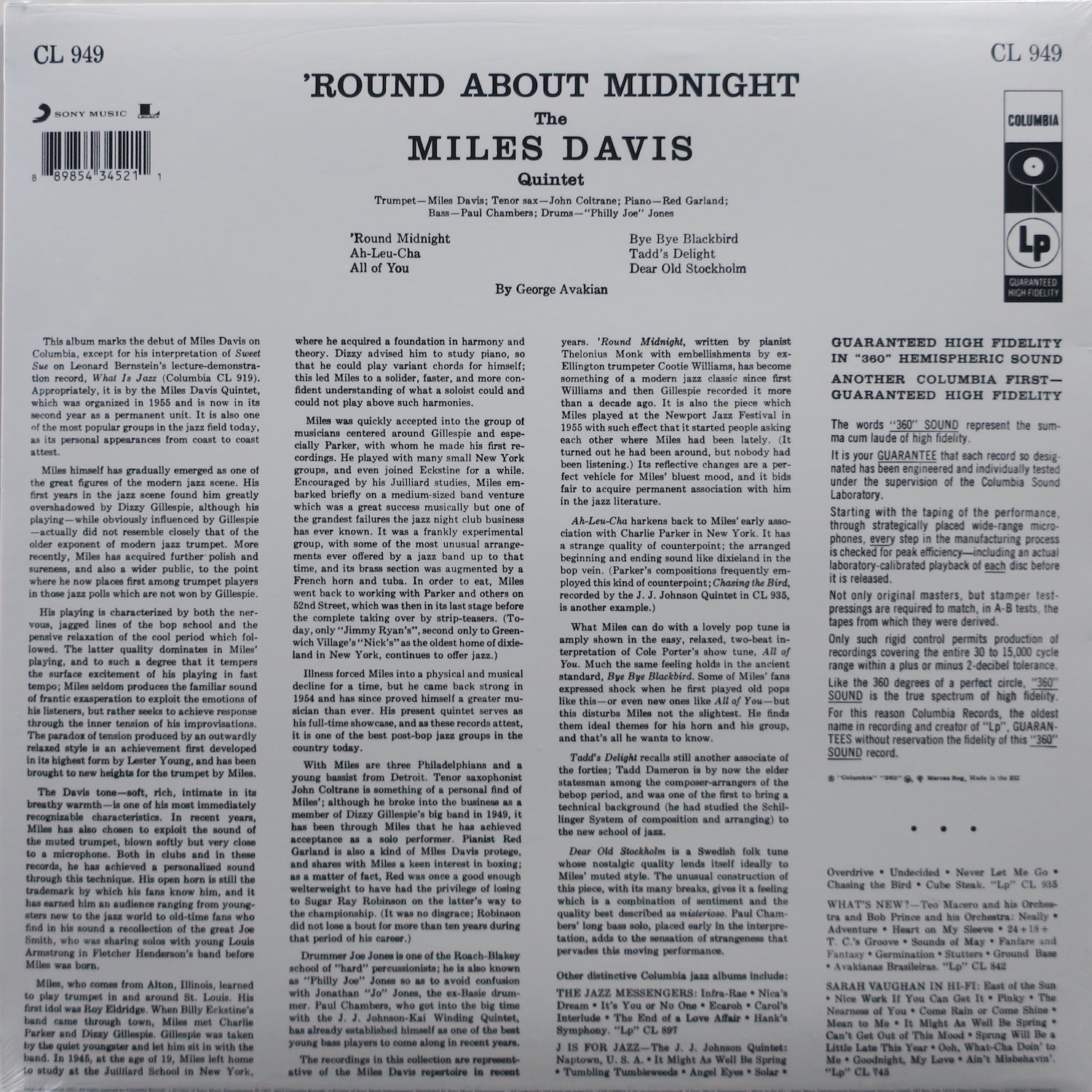
Miles Davis
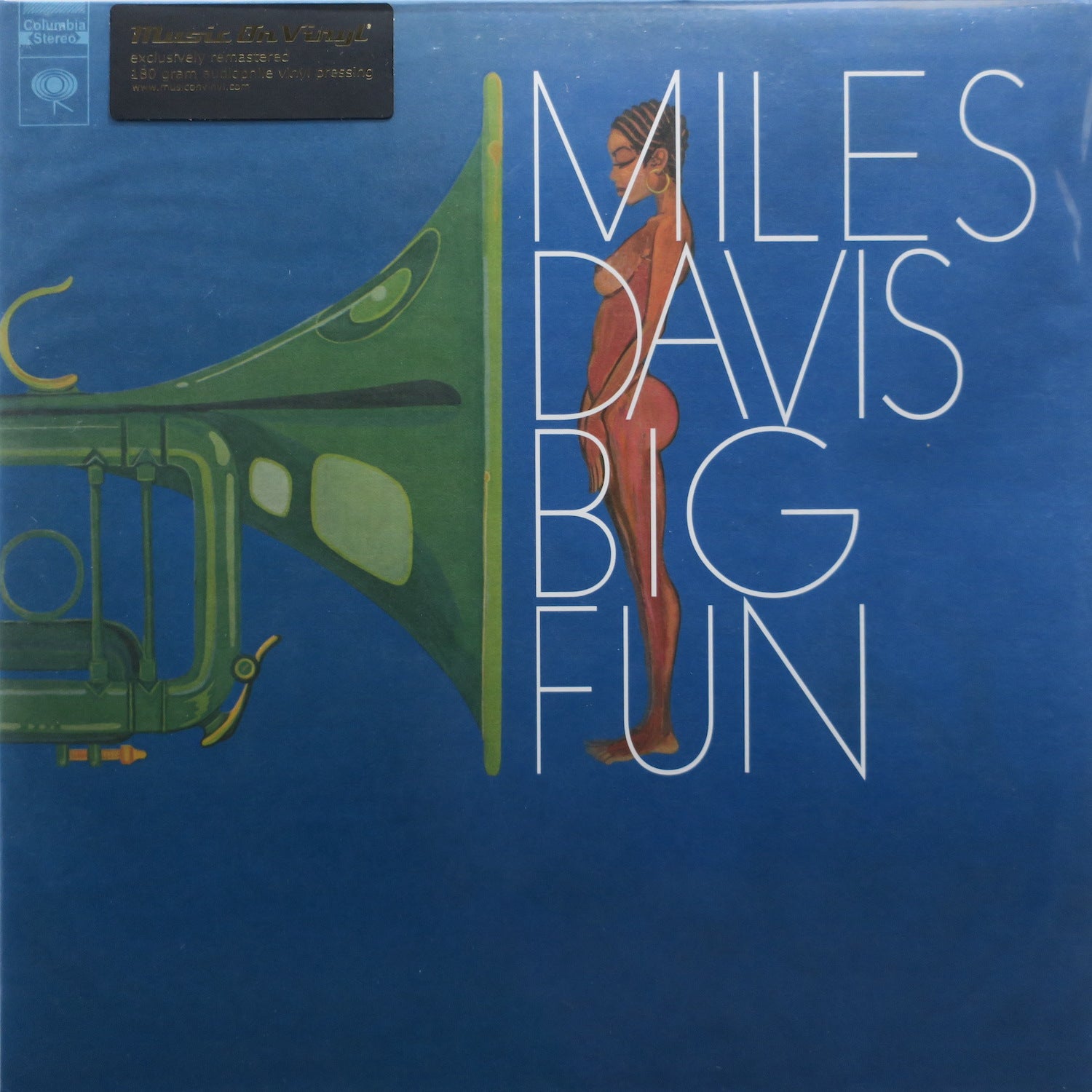
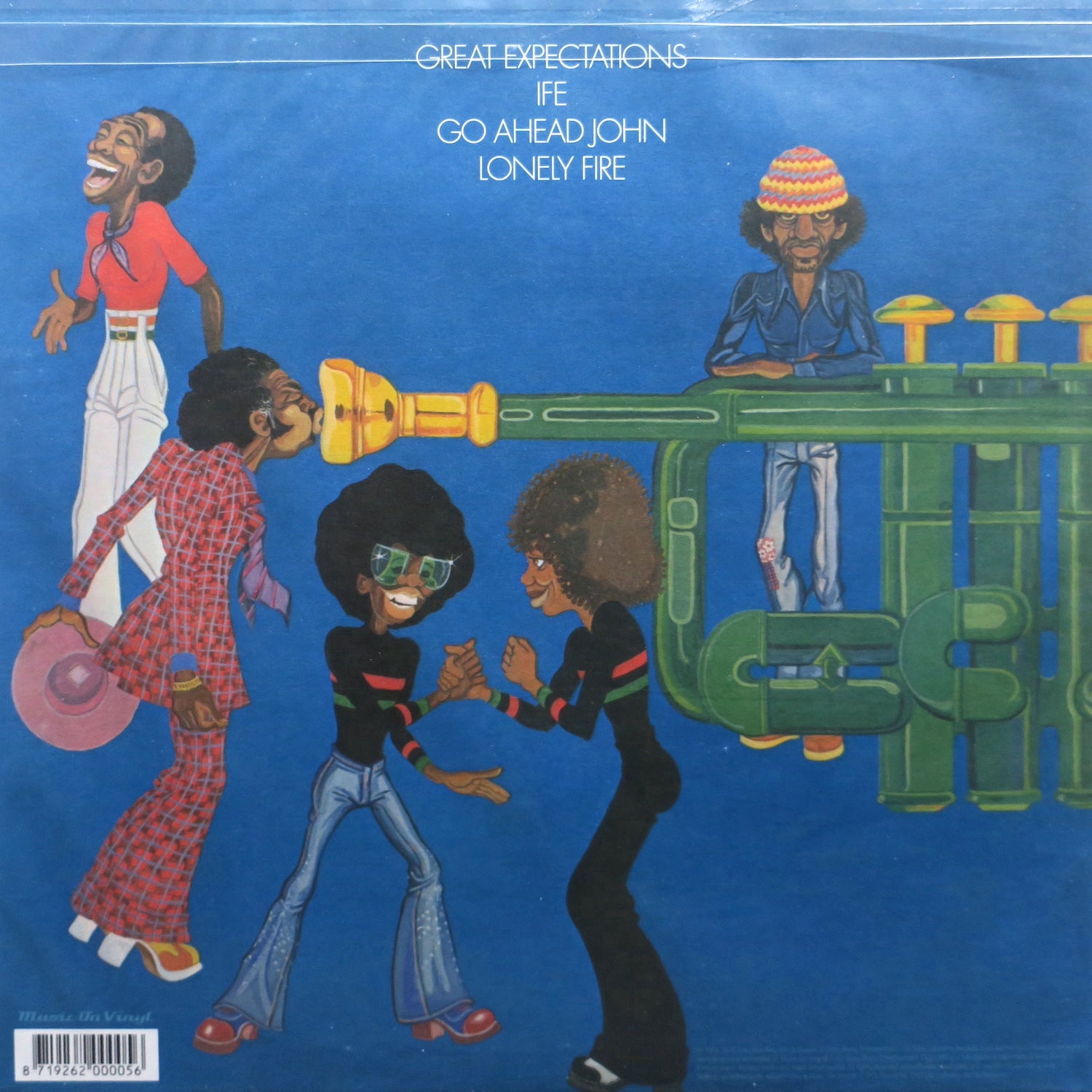
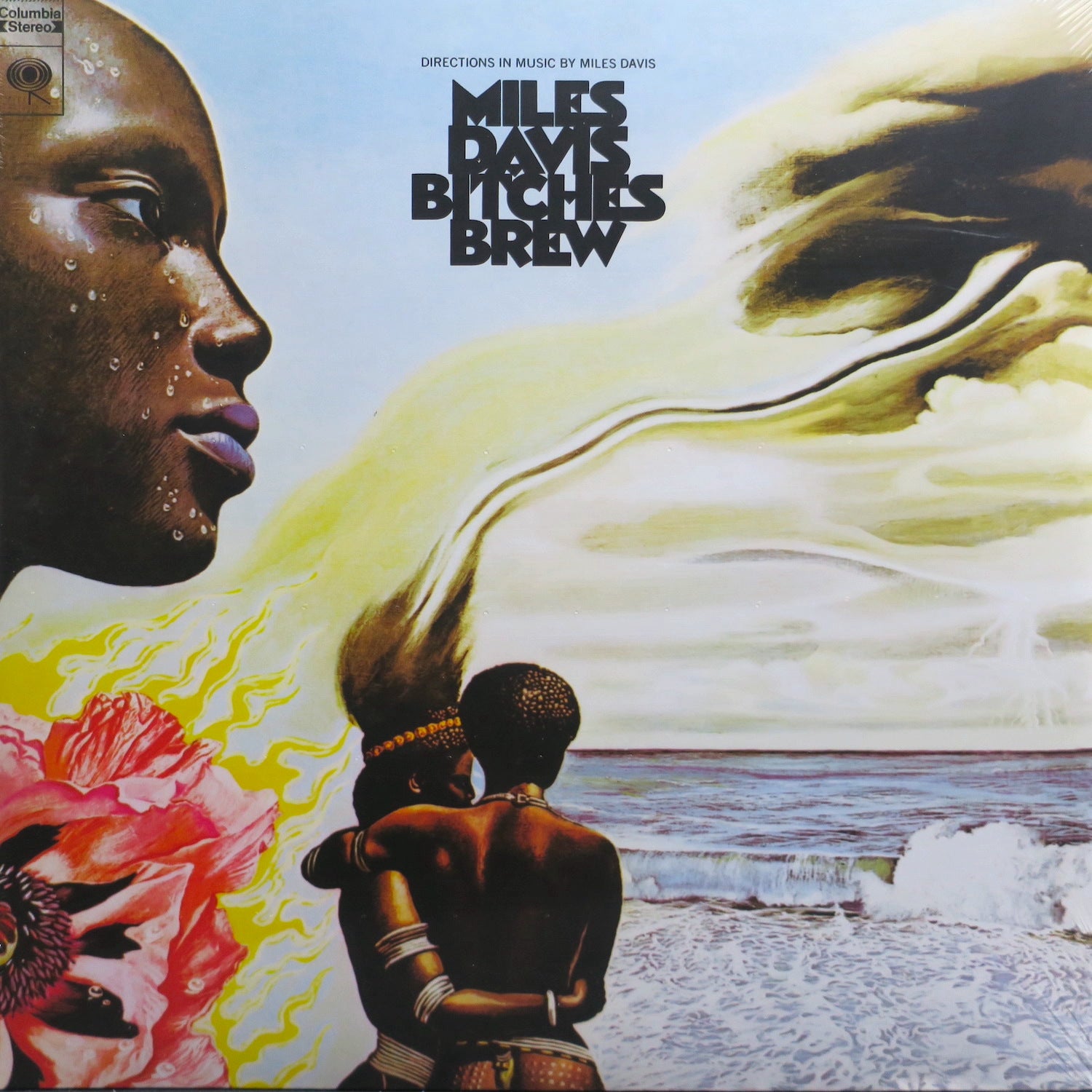
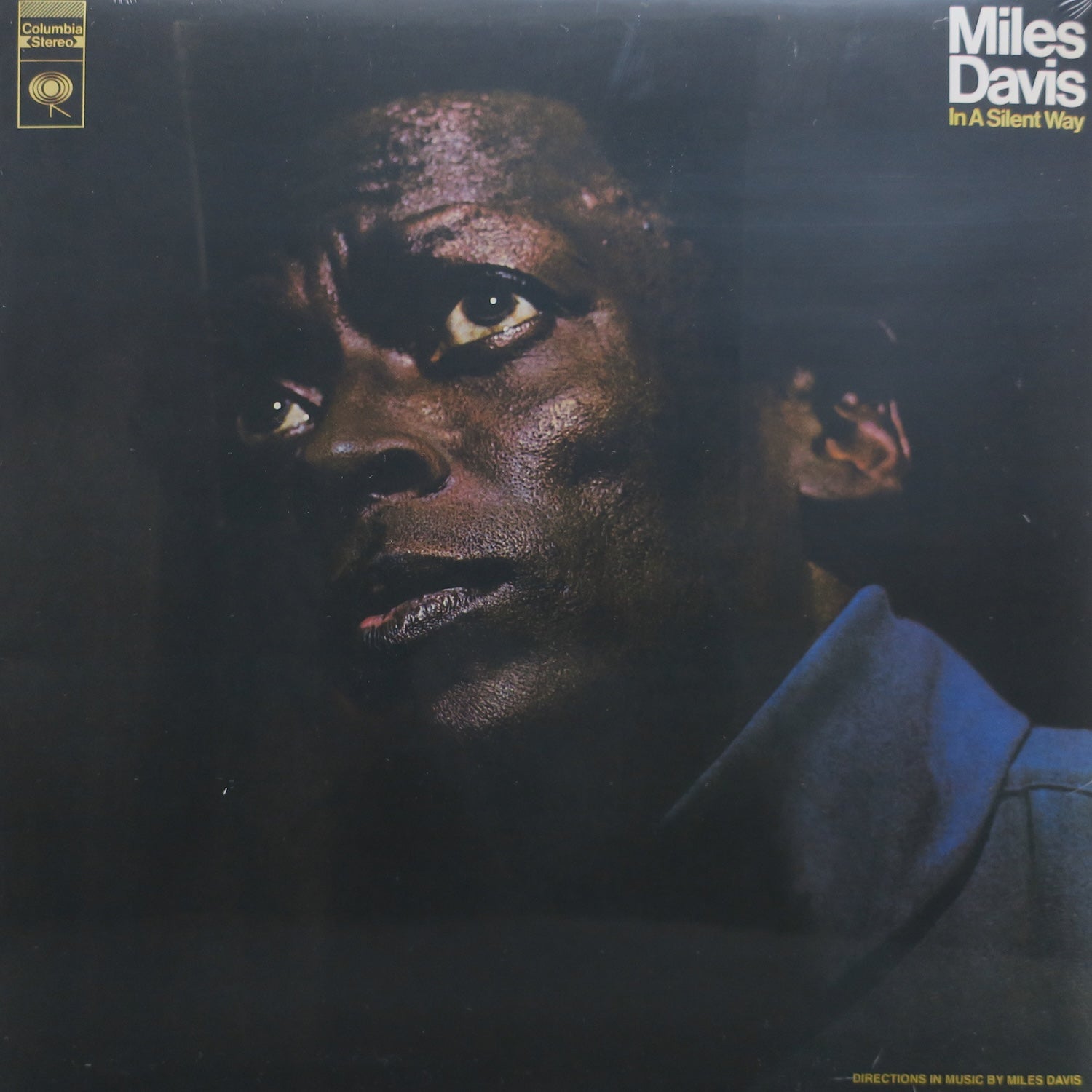
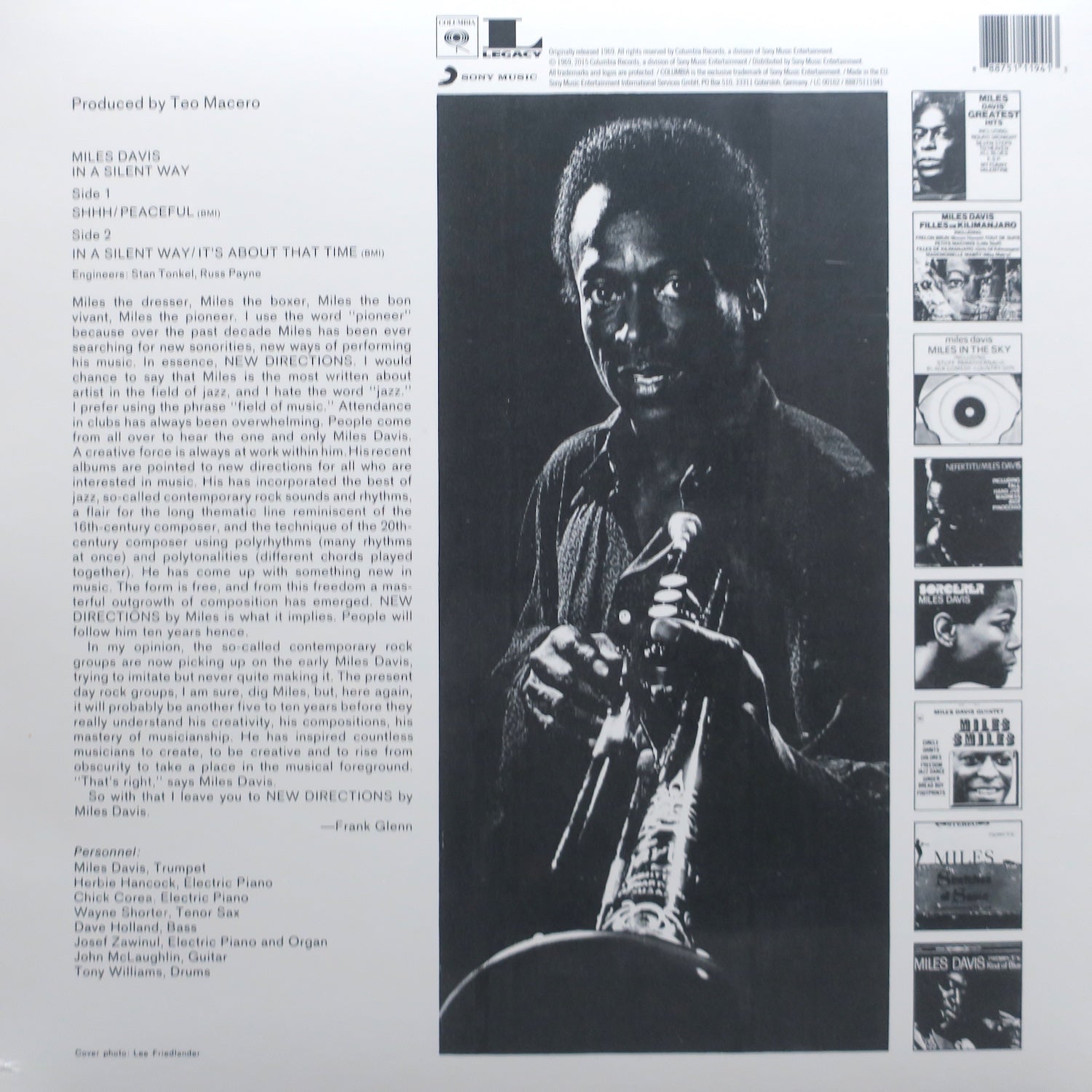
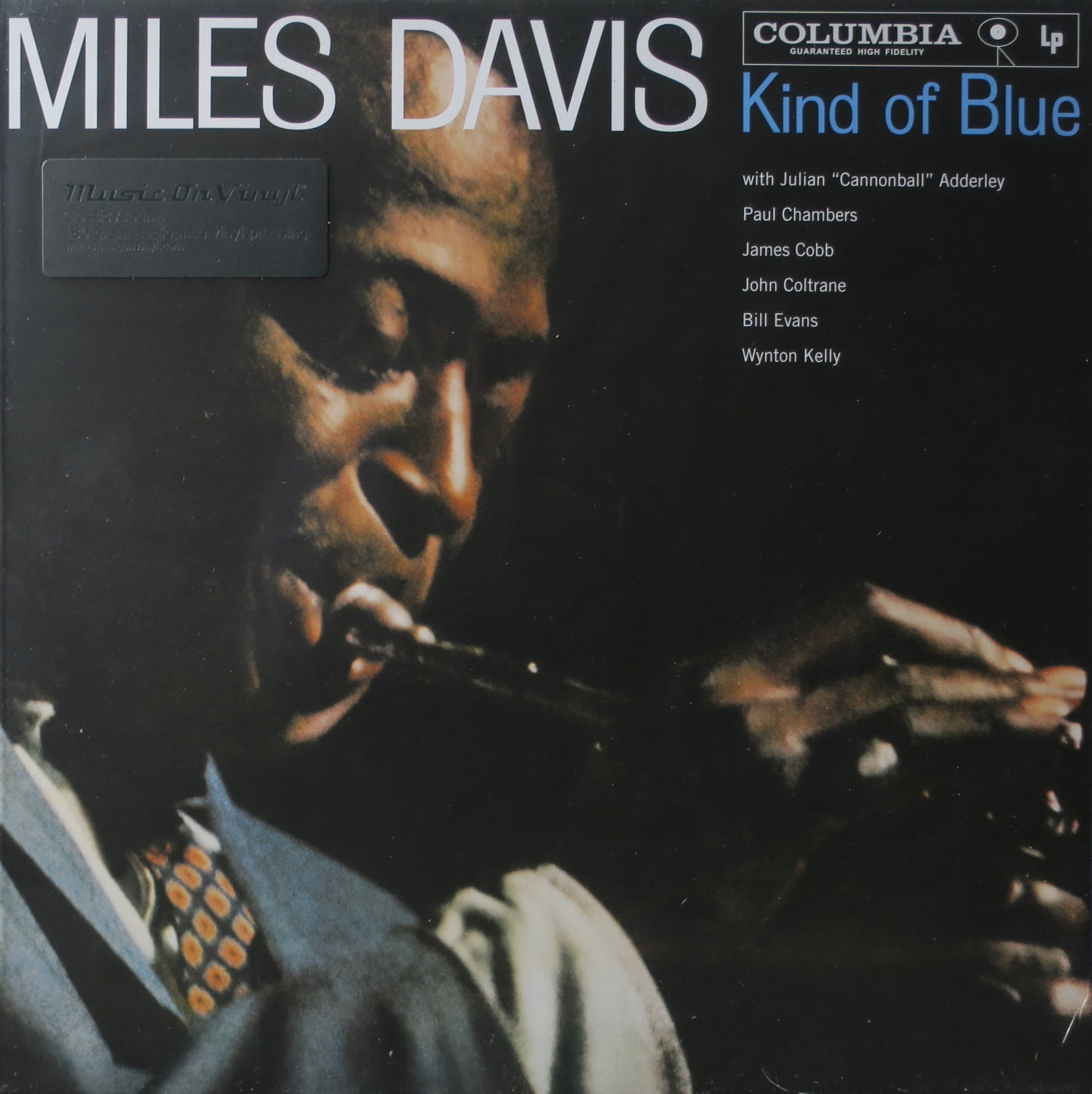
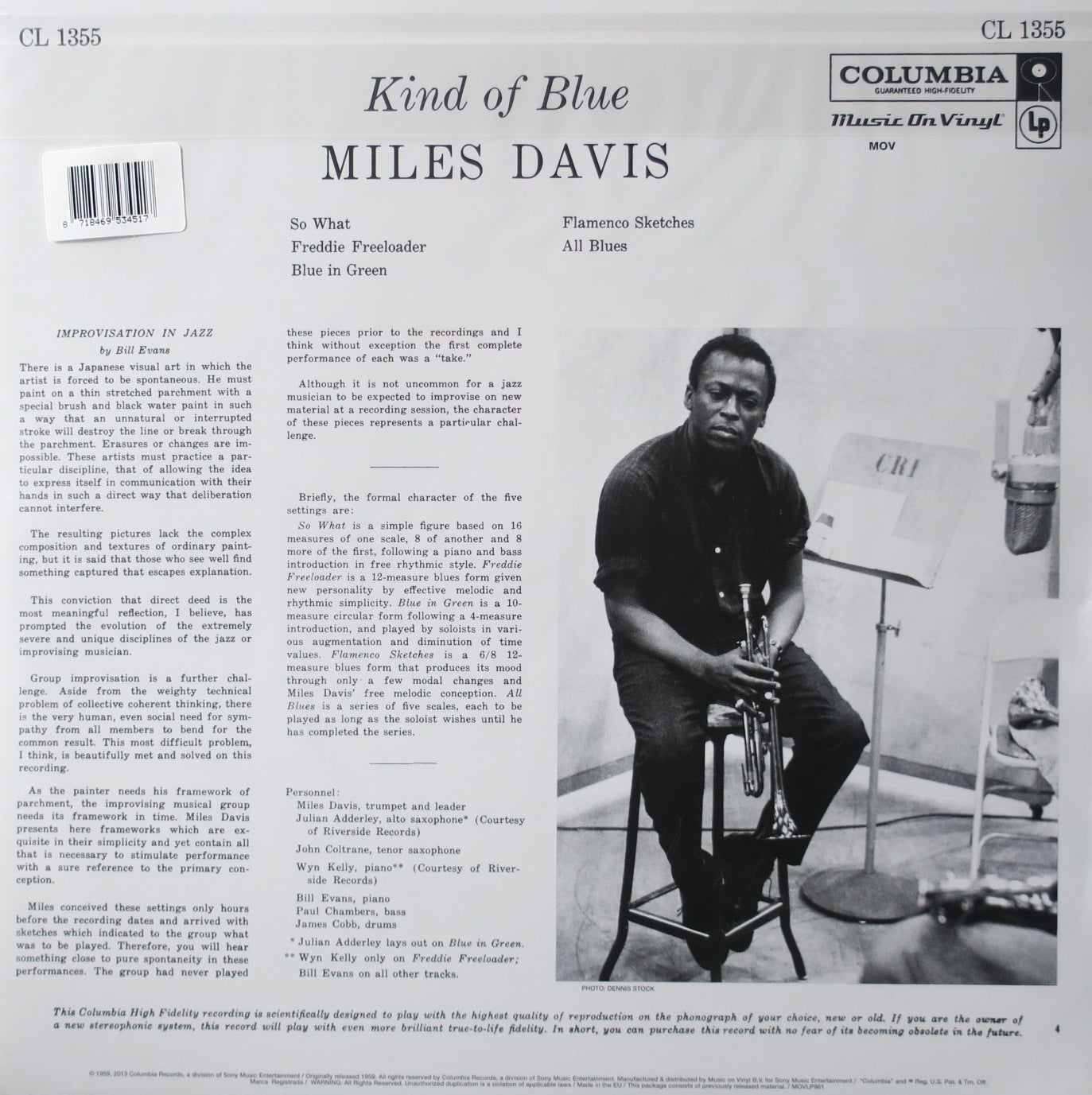
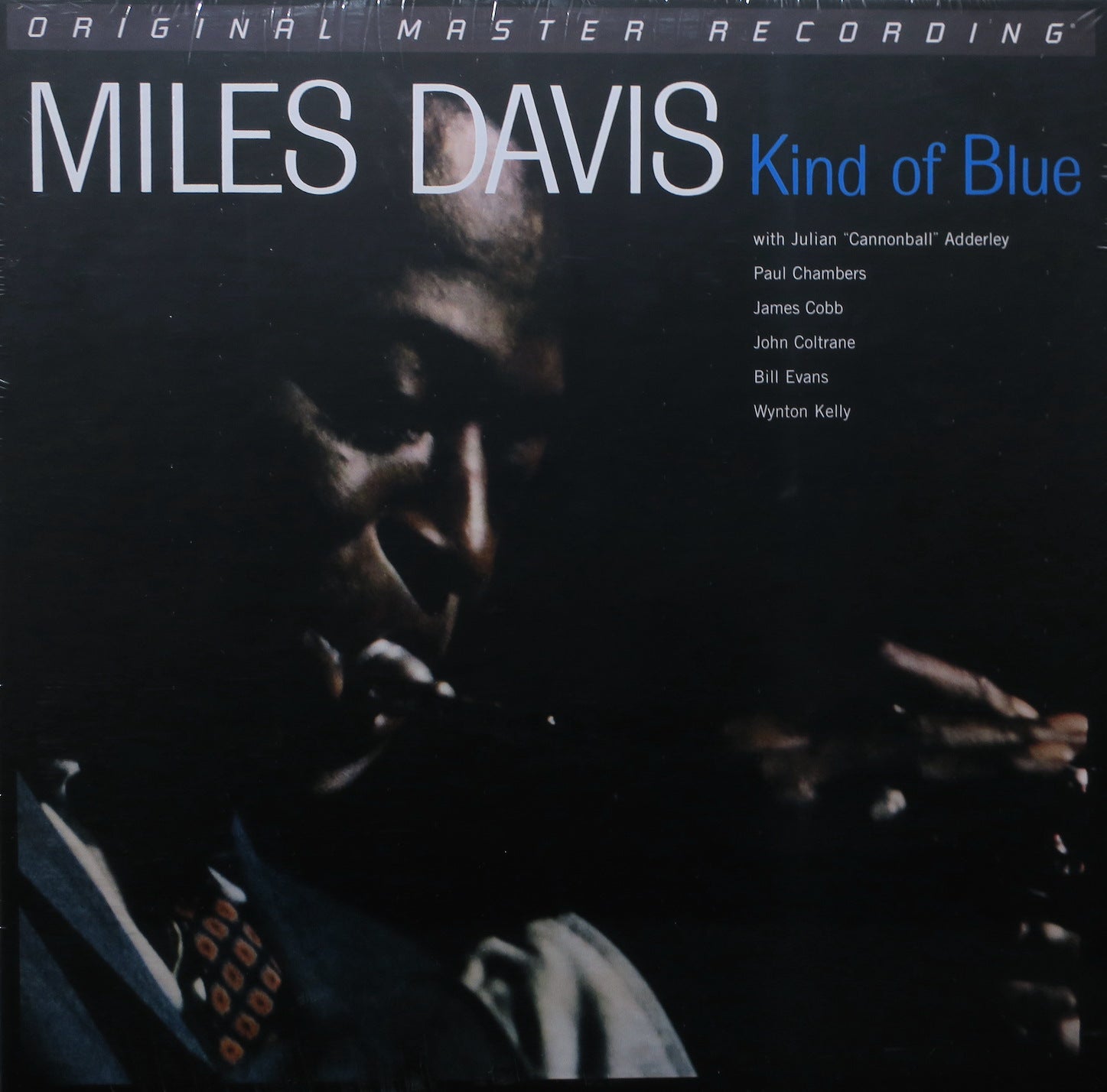
Few figures in 20th-century music rewrote what a trumpet could say in so many settings — from intimate, breathy statements to dense studio collages. Miles Davis matters because his choices often pointed the way forward: adopting space and restraint on Kind of Blue, arranging brass and reeds into cinematic color with Gil Evans, then embracing electric keyboards and rock rhythms to move jazz into the fusion era with In a Silent Way and Bitches Brew.
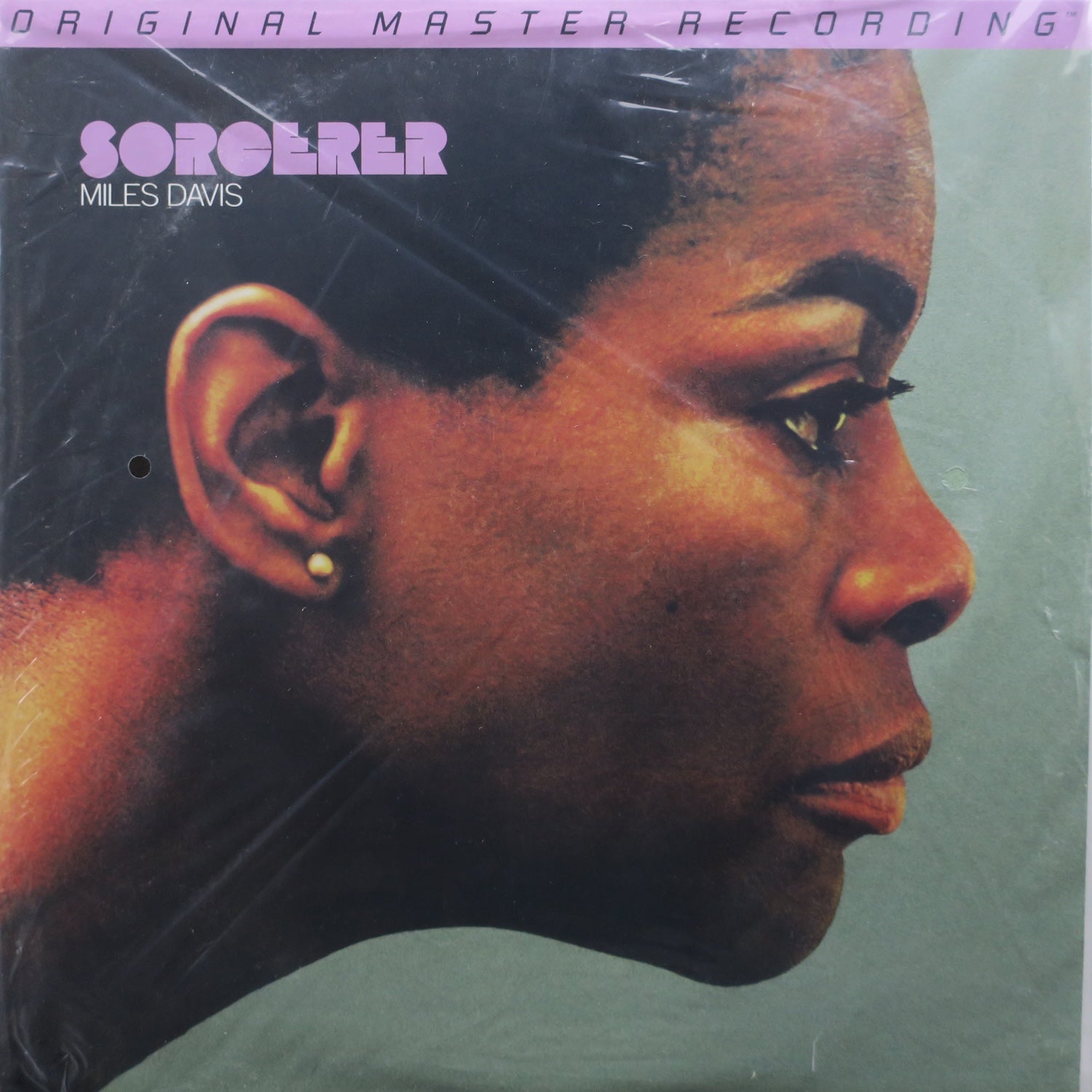
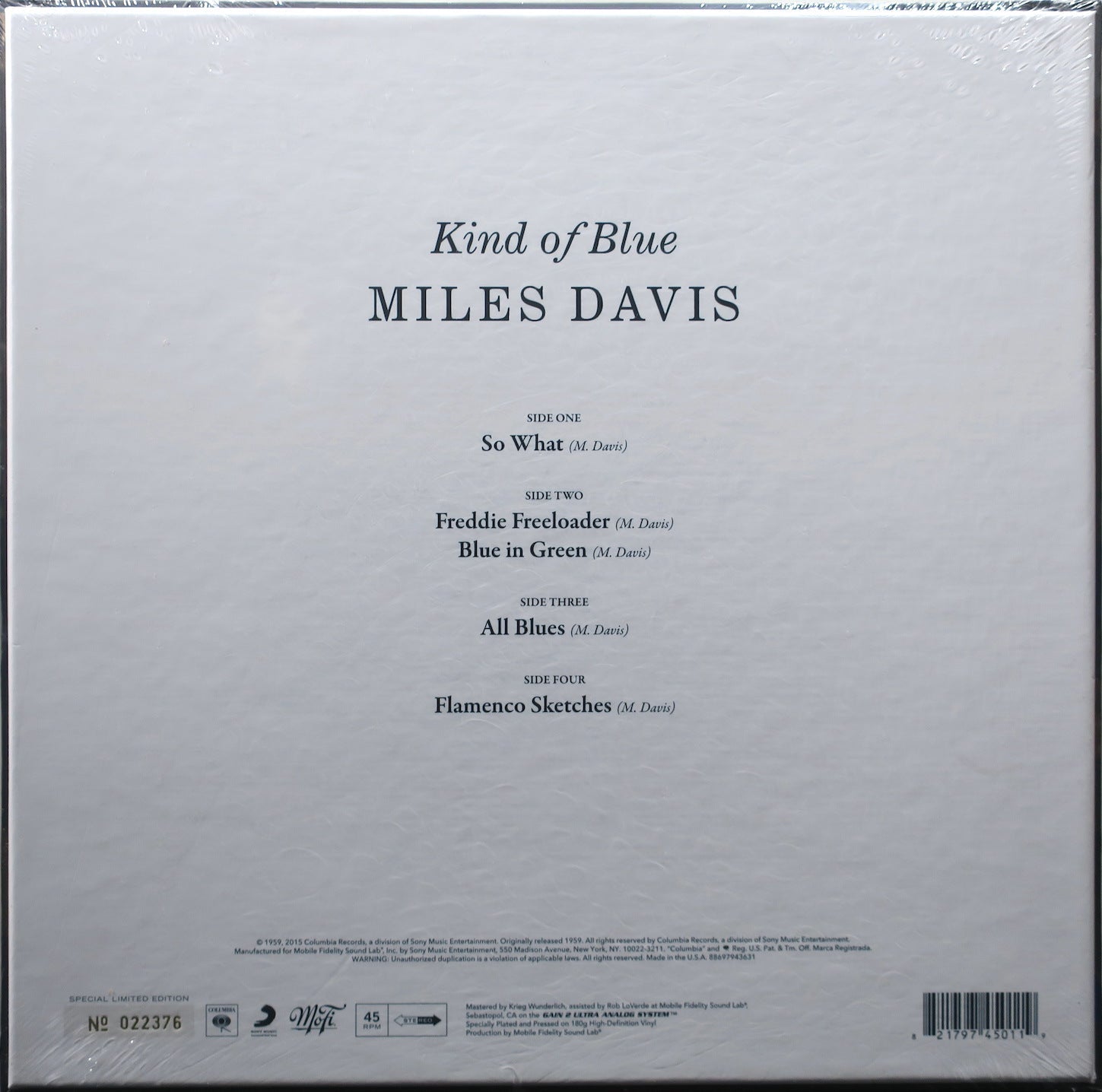
Davis’s sound is as much about what he didn’t play as what he did. The use of the Harmon mute, a pearly tone, and a knack for single-line melodic phrasing made his solos feel like direct statements rather than displays. On Kind of Blue, his turn toward modal improvisation gave sidemen room to explore melodic ideas outside fast chord changes; that record’s spare architecture made the soloists — including John Coltrane and Bill Evans — more exposed and more memorable.
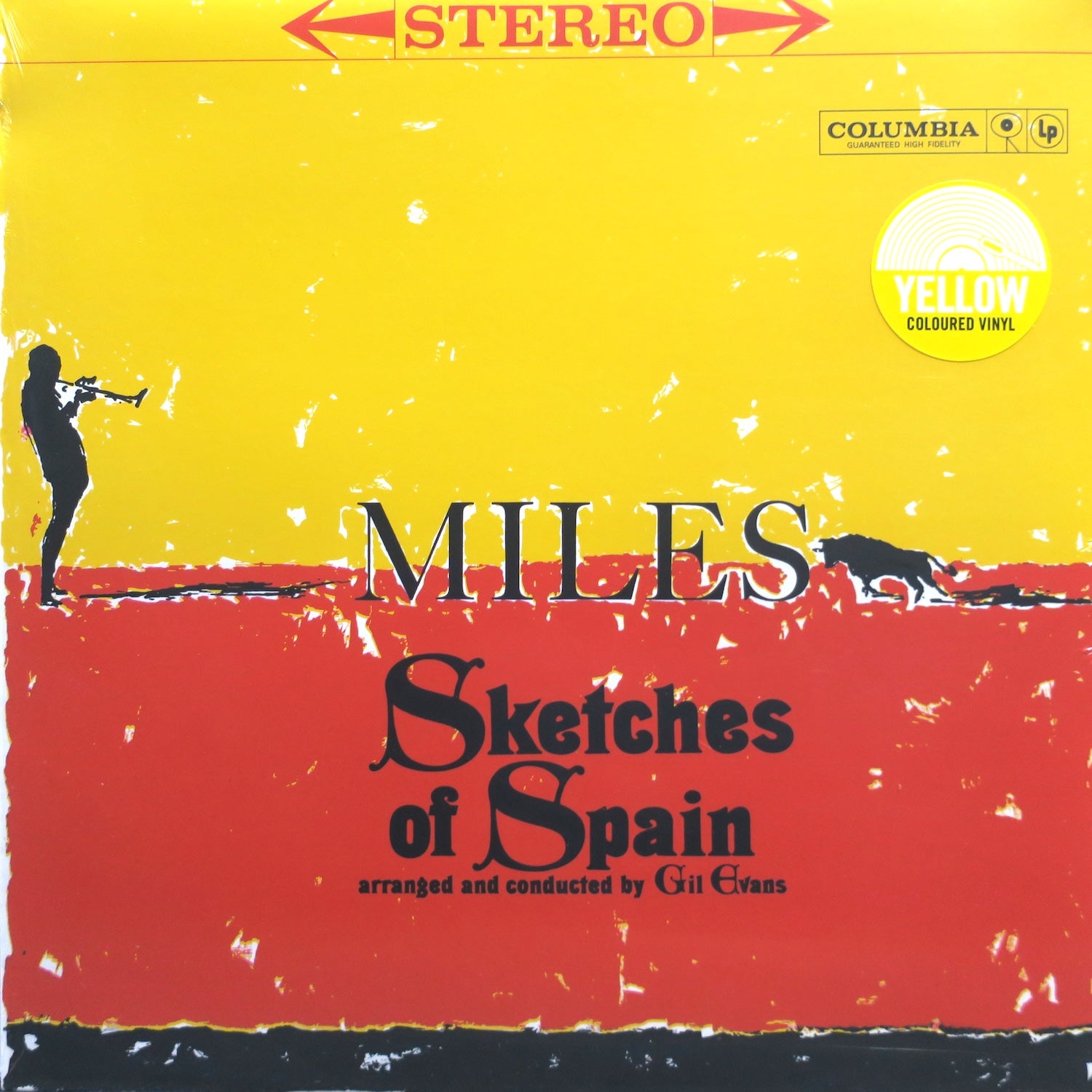
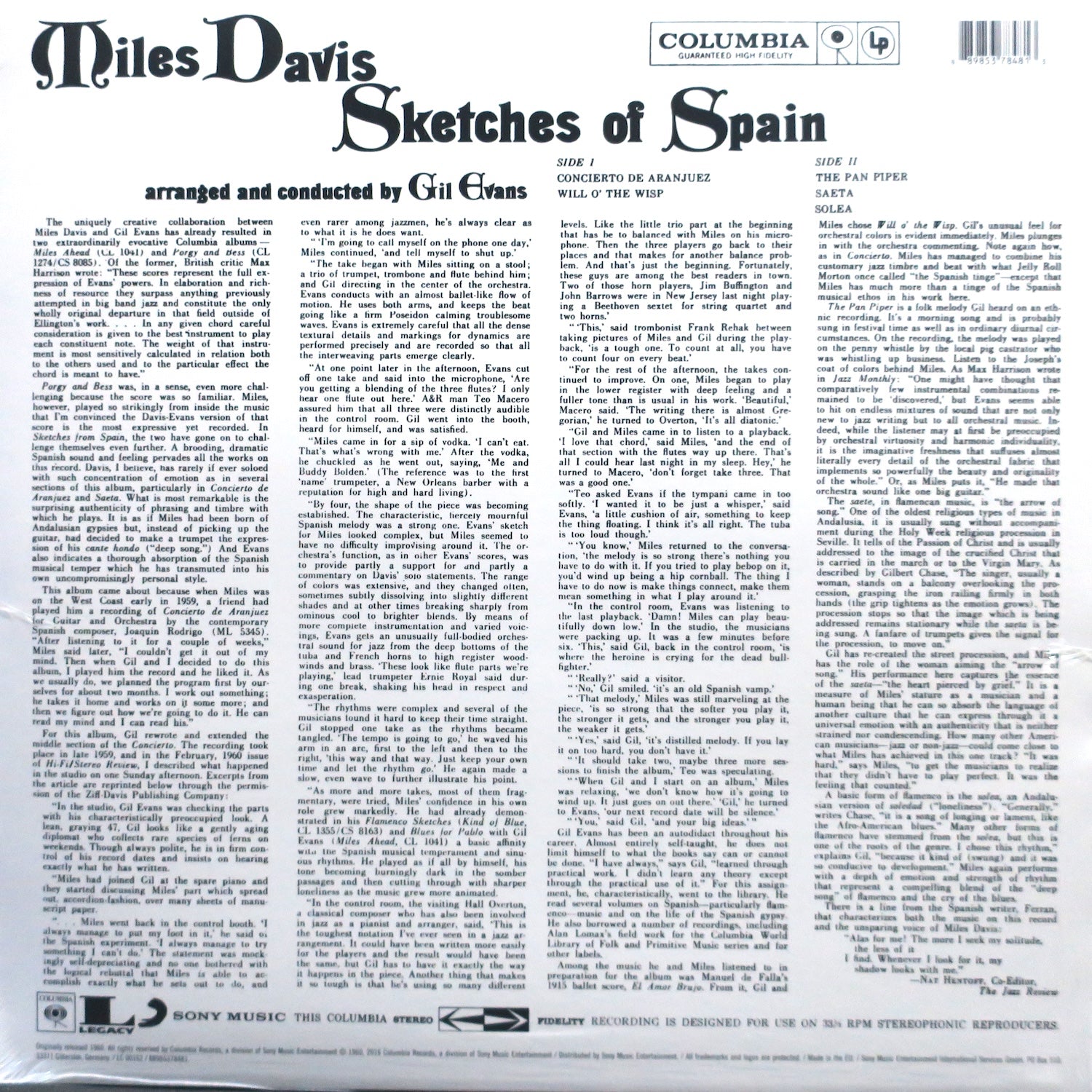
The Miles-Gil Evans collaborations (Miles Ahead, Porgy and Bess, Sketches of Spain) show a different priority: orchestral colors, extended arrangements, and jazz phrasing placed against large-scale tonal landscapes. Those projects underline Davis’s curiosity about texture and form and his willingness to cede the spotlight to arrangers and bandmates when the music demanded it.
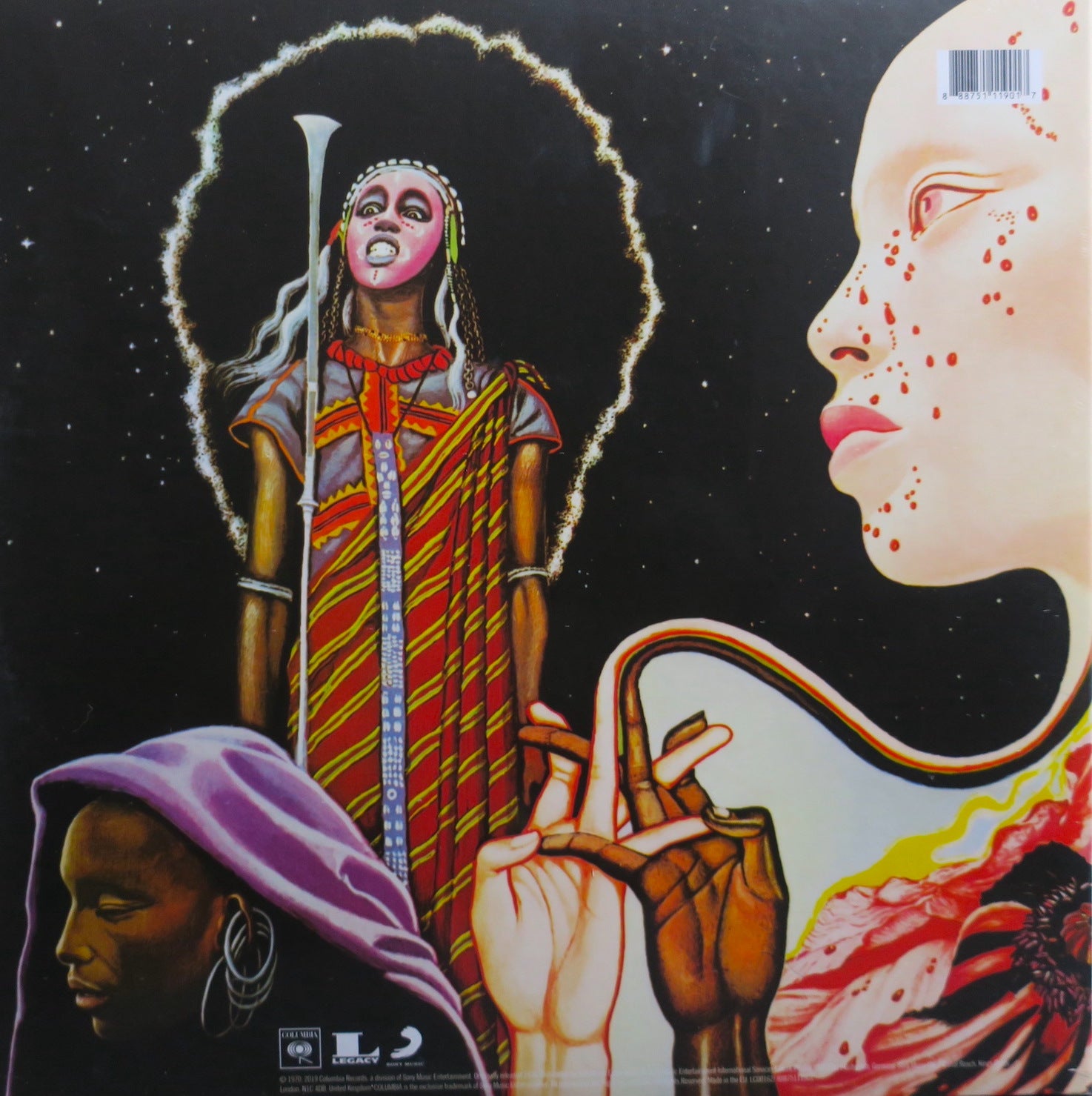
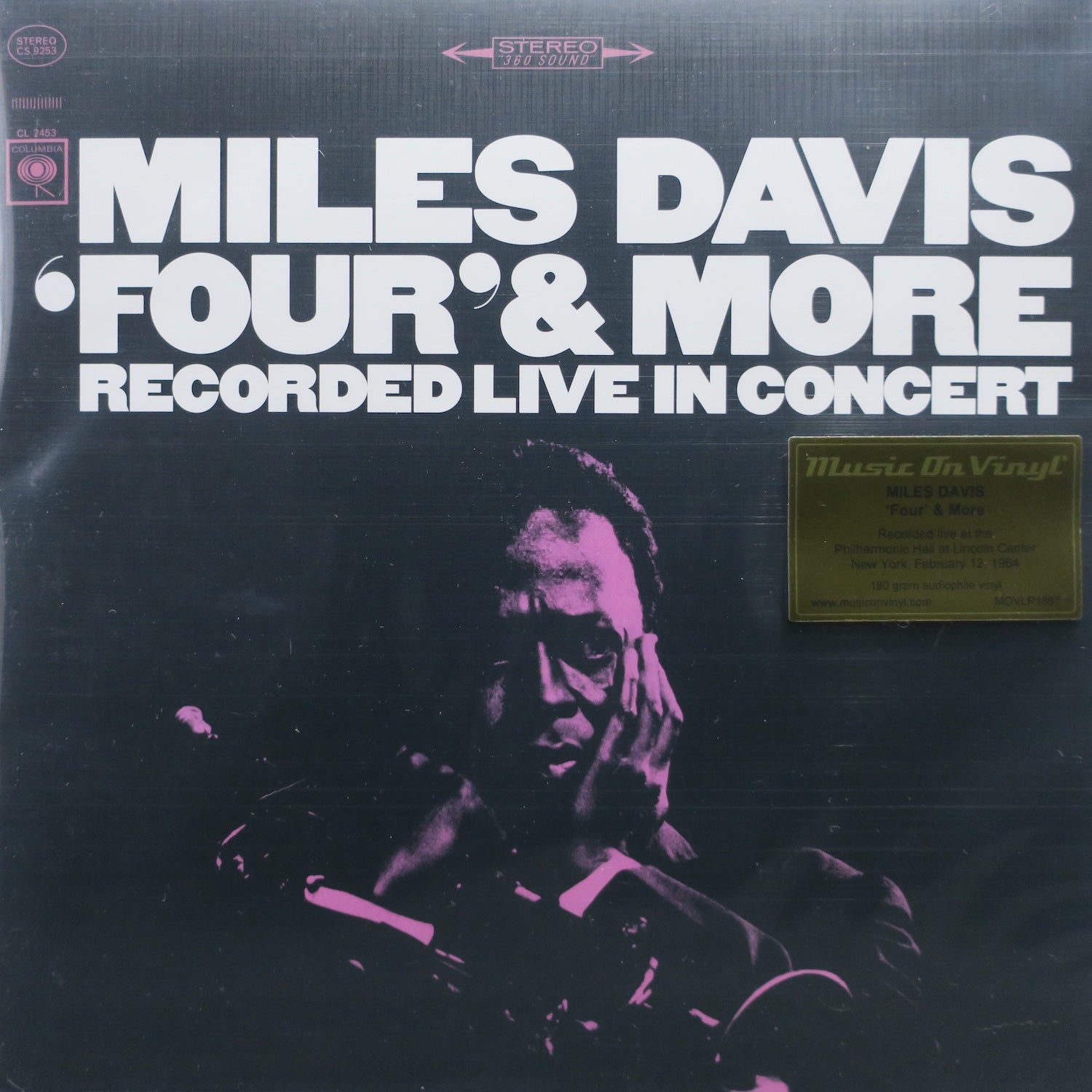
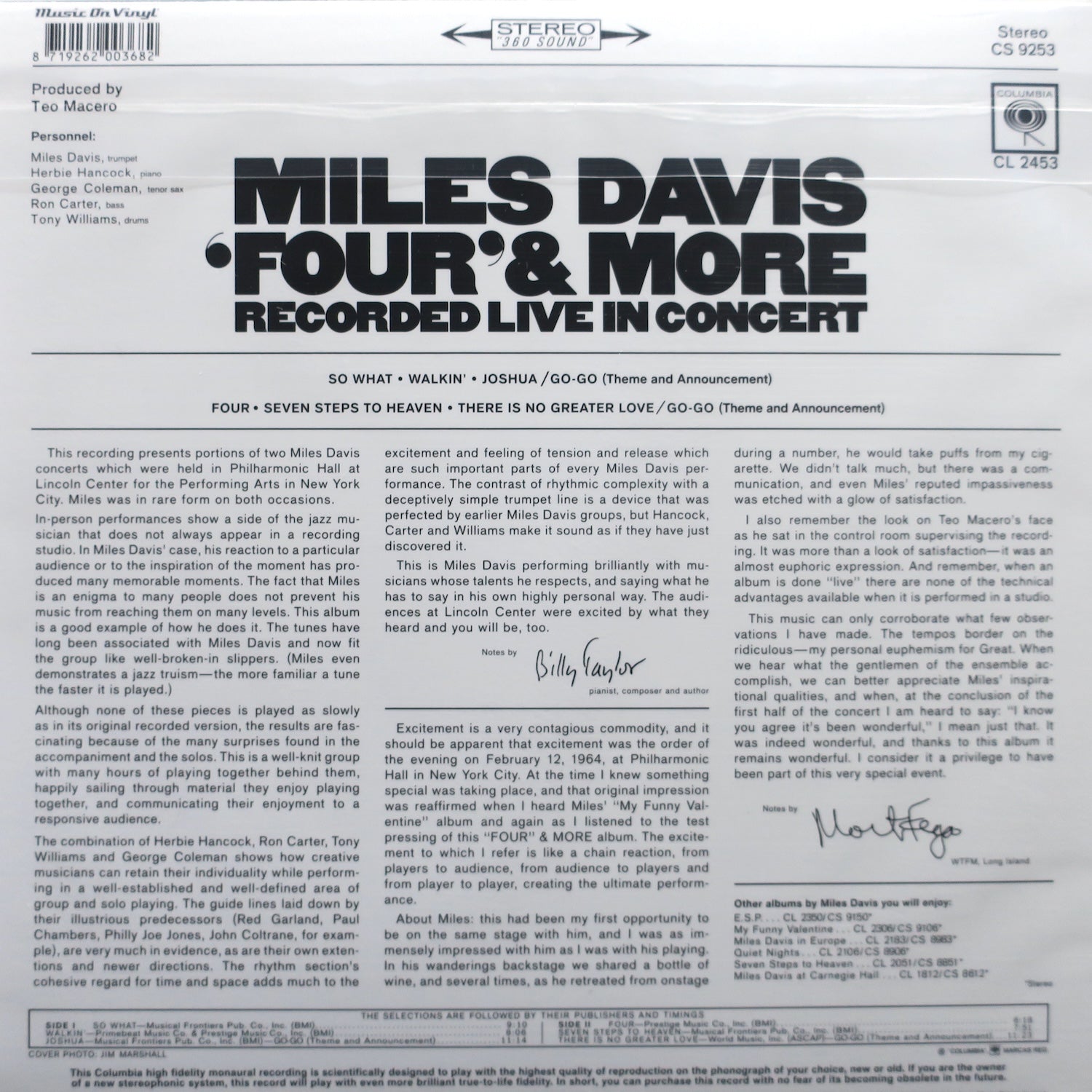
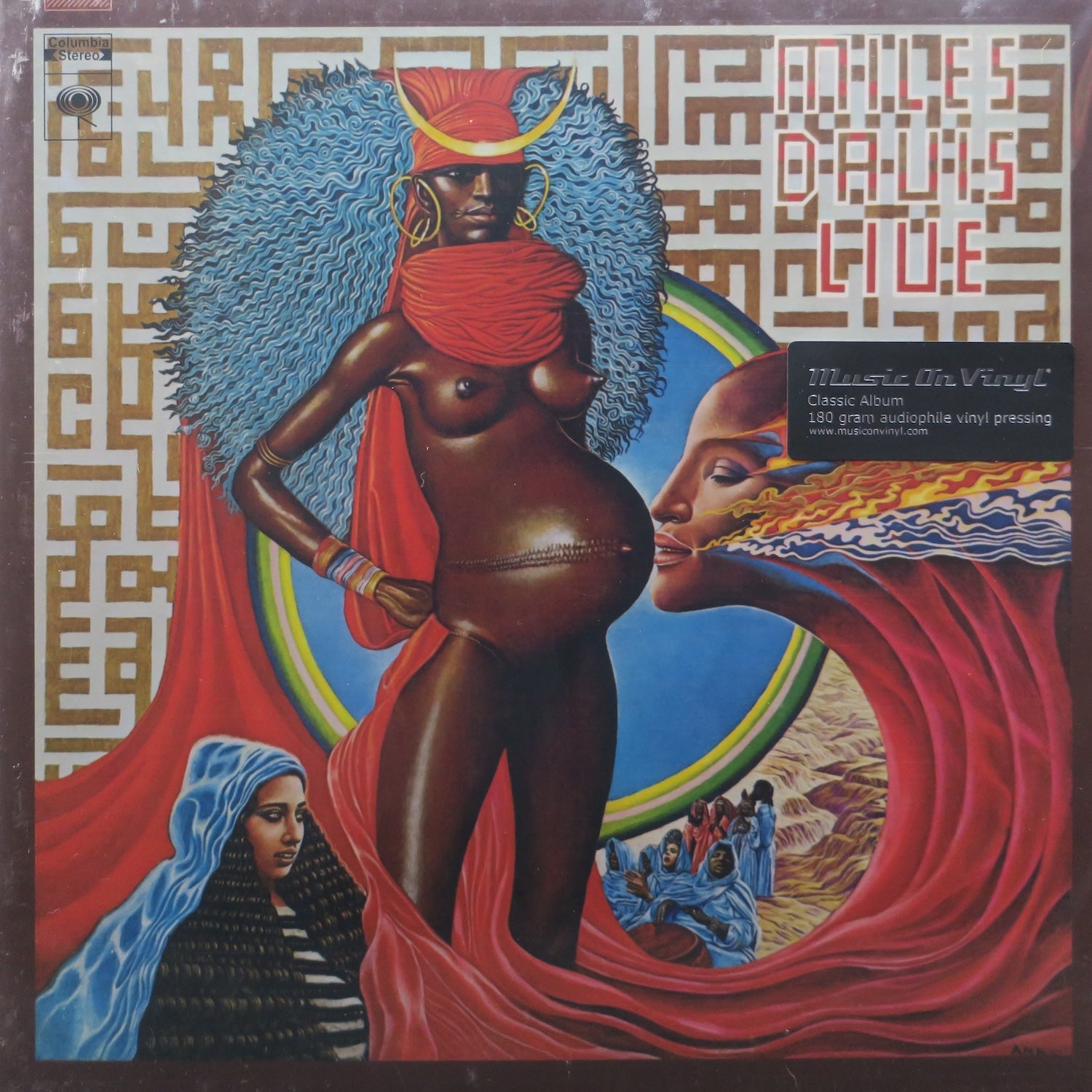
The late 1960s and early 1970s Quintet — Herbie Hancock, Wayne Shorter, Ron Carter and Tony Williams among them — pushed collective improvisation and rhythmic unpredictability, then Davis’s electric period brought studio editing (with producer Teo Macero) to the fore. Long, spliced sessions on In a Silent Way and Bitches Brew turned performances into crafted suites, where guitarists like John McLaughlin and keyboard patches altered jazz’s sonic vocabulary.
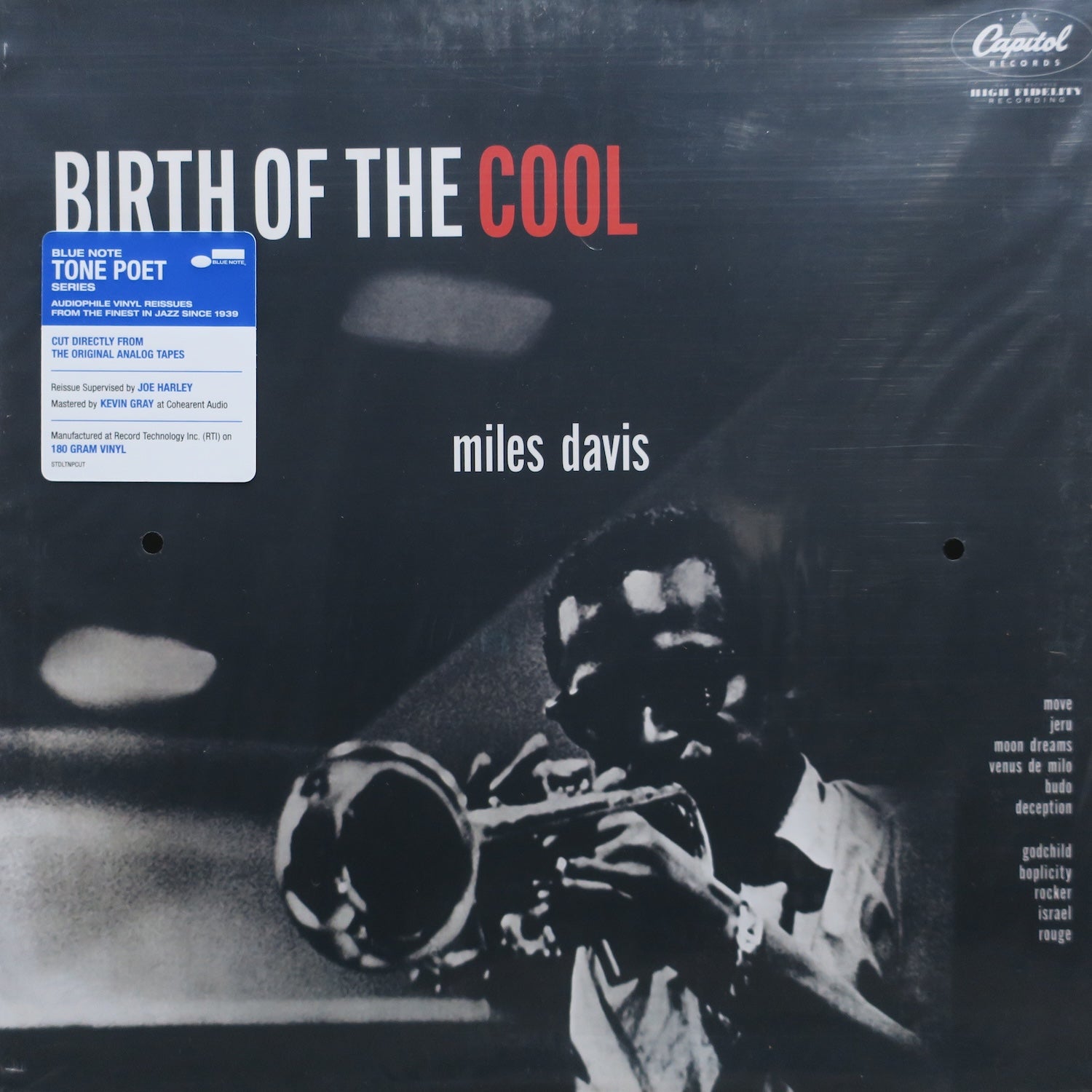
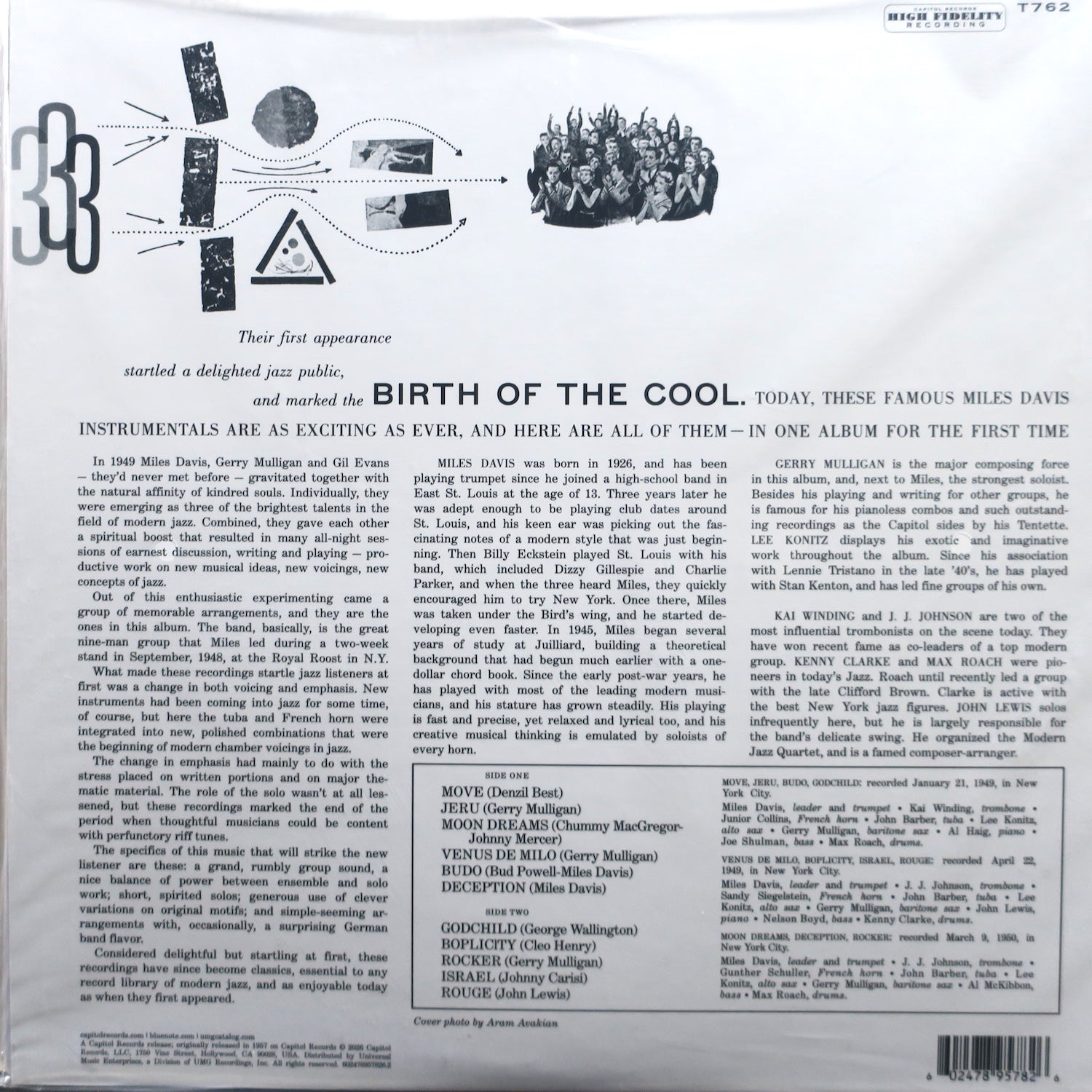
Davis’s arc links bebop roots (Charlie Parker loomed large early on) with modal exploration, orchestral collaboration, and rock-inflected fusion. That breadth makes him a useful entry point into a lot of 20th-century music: listeners can follow a line from cool-era restraint to modal openness to studio-assembled, electric textures.
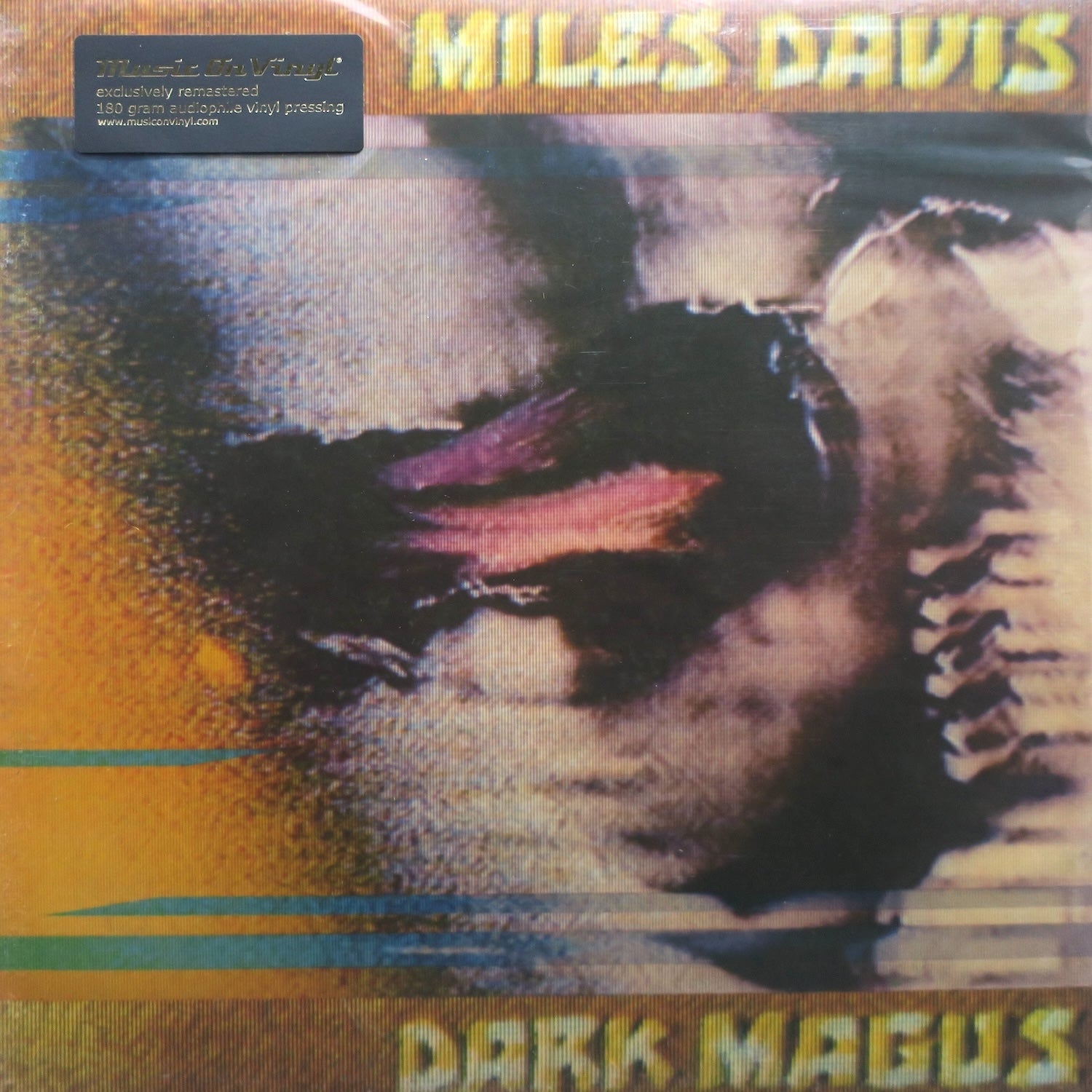
For record hunters, the appeal is both musical and documentary: different eras of Davis’s career reward repeated listening, and the way his bands incubated major voices — Coltrane, Hancock, Shorter — explains why his records keep drawing attention. Exploring his albums in sequence reveals a musician who treated reinvention as a working method rather than a slogan.