Sonny Rollins
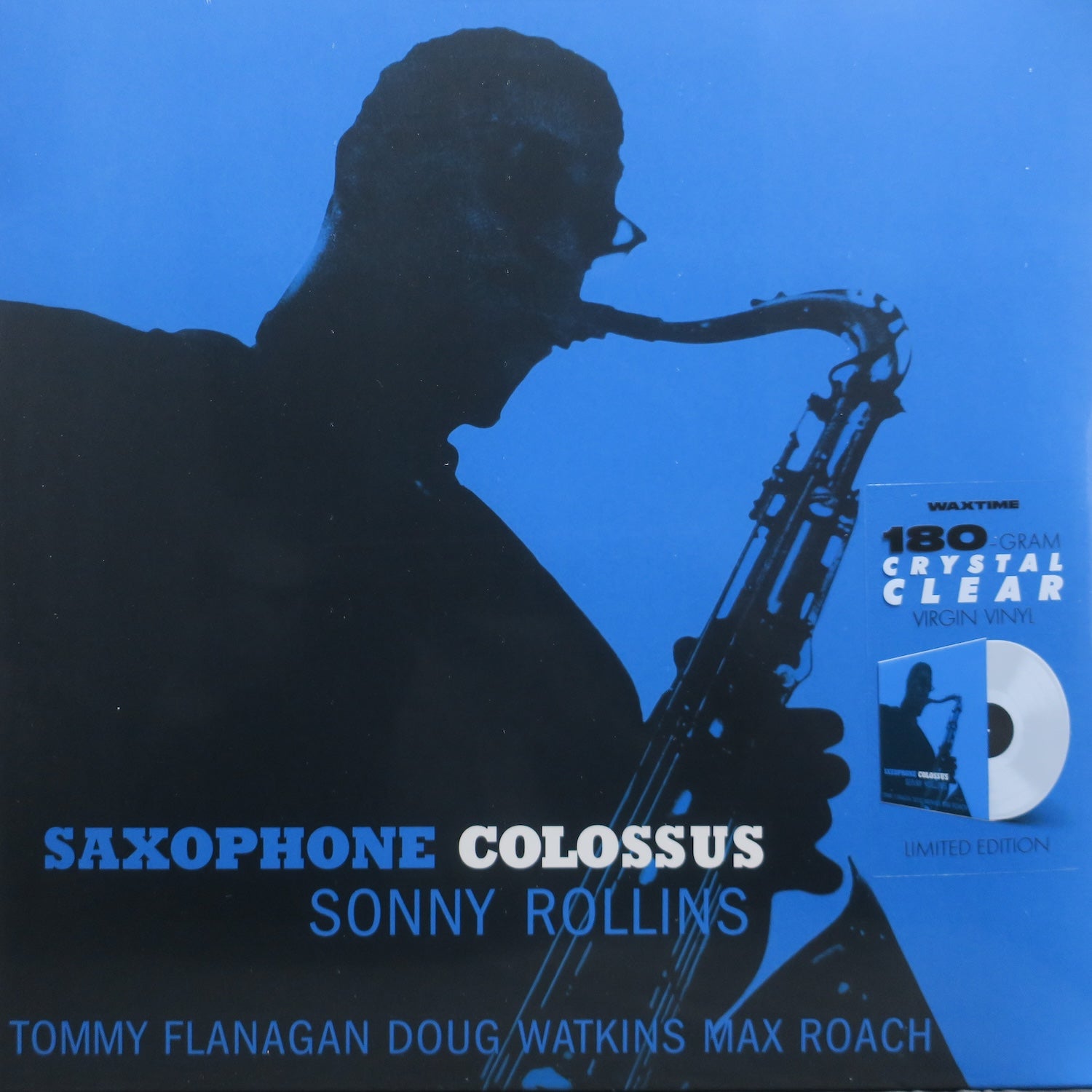
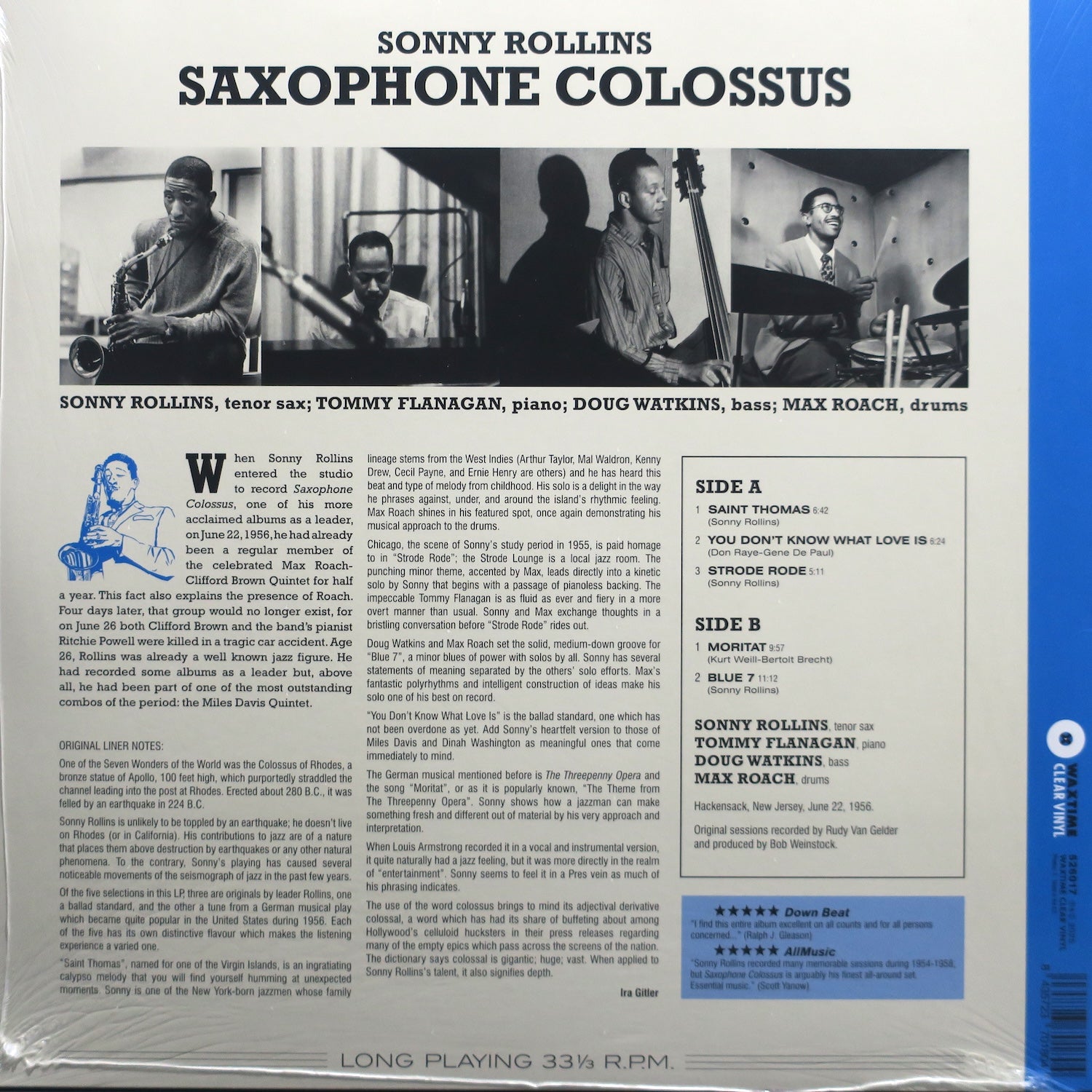
Sonny Rollins's music is best approached as the work of a relentless musical thinker: an improviser who treated the tenor saxophone like a language to be stretched, argued with and reinvented. That restless curiosity produced landmark statements such as Saxophone Colossus and the bridge-era comeback album The Bridge, records that reward repeated listening because the solos keep revealing new structural ideas.
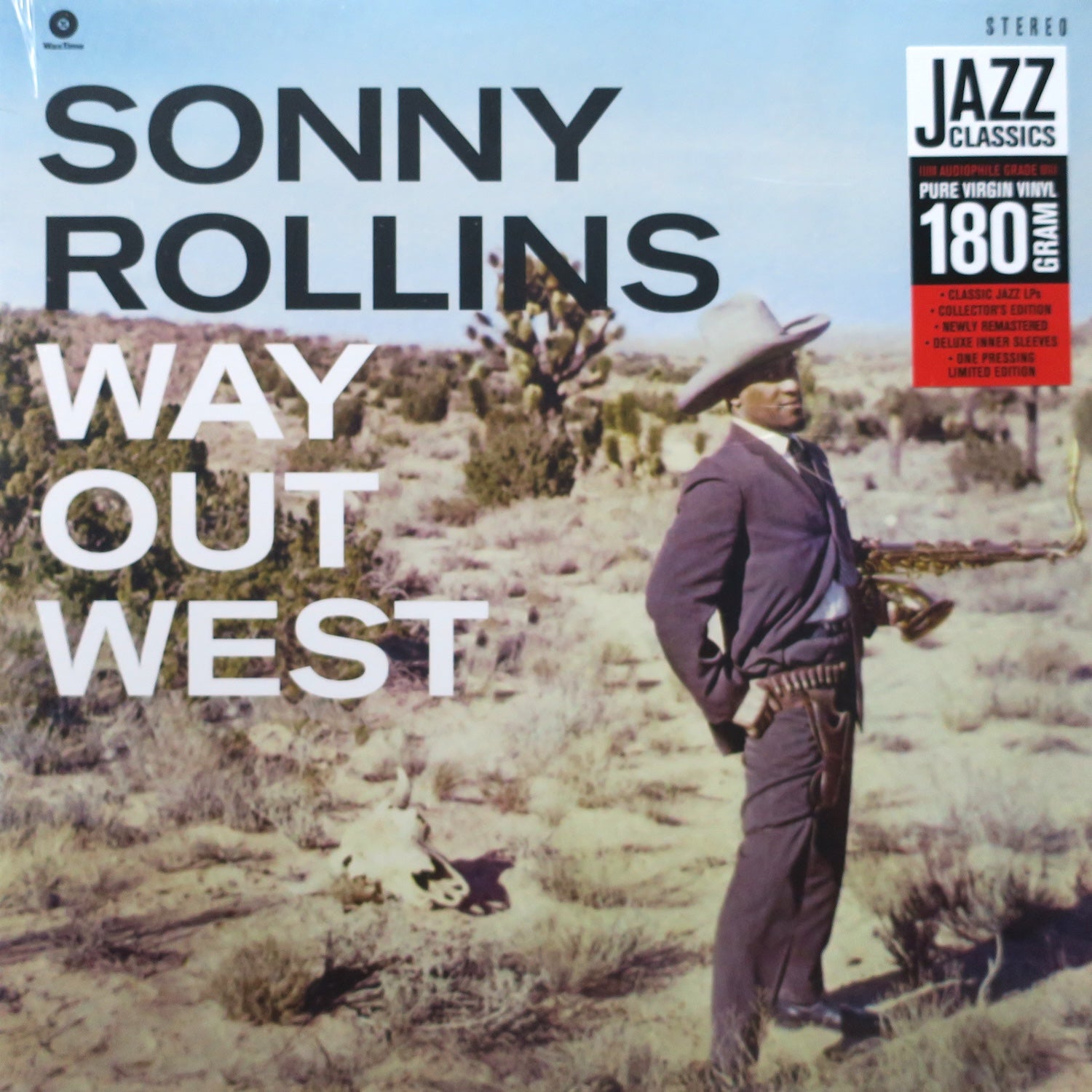
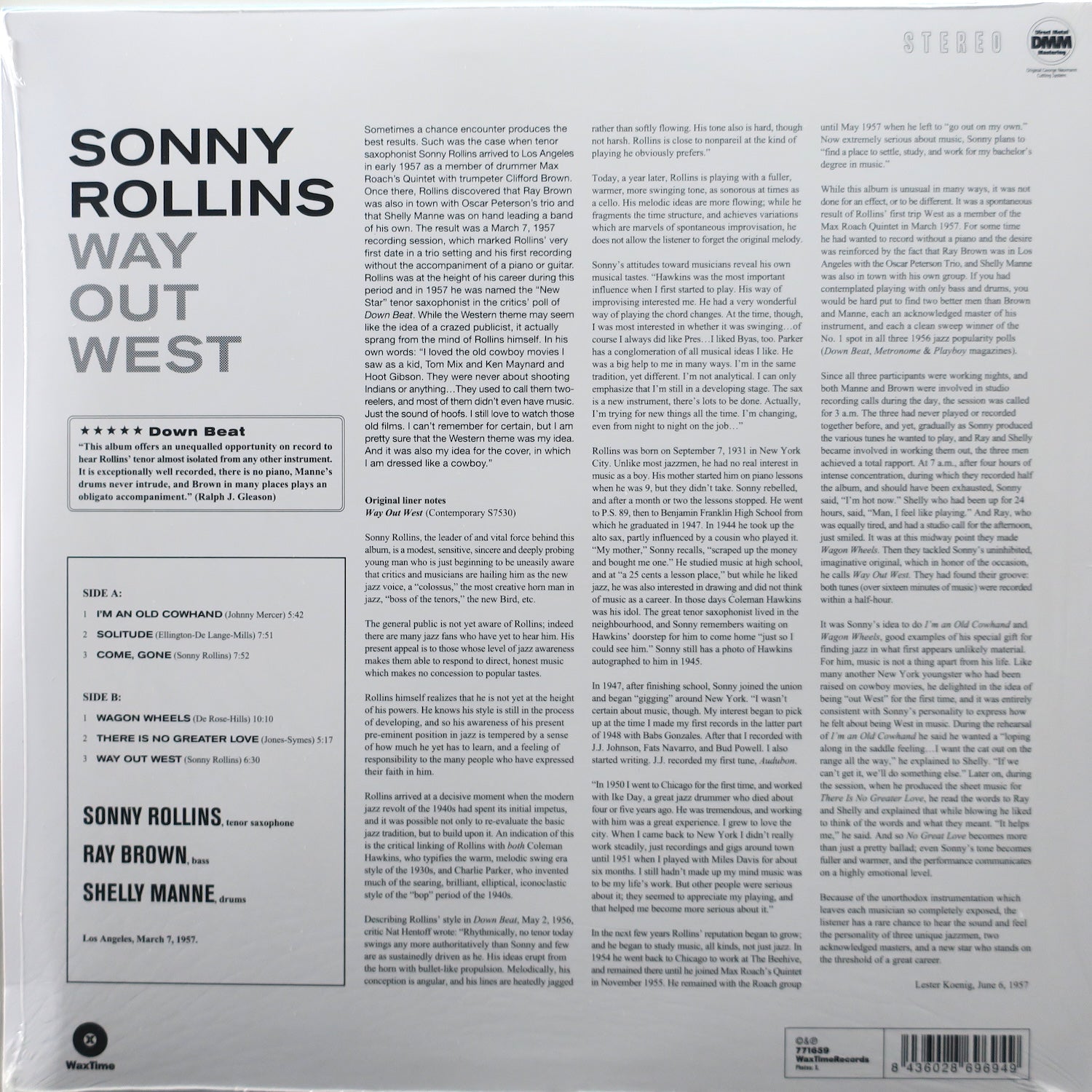
Rollins built a vocabulary that mixed bebop's harmonic daring with a bluesy, melodic sensibility and a love of rhythmic play — most famously in the calypso-inflected St. Thomas. His compositions often function as frameworks that invite long, thematic improvisations rather than mere vehicle solos; this approach shows up across Way Out West and Freedom Suite, albums that highlight both his storytelling sense and his willingness to experiment with form and ensemble balance.
A defining episode in Rollins’s story is the mid-1950s sabbatical when he famously practiced on the Williamsburg Bridge. That period of intense focus shaped The Bridge and reinforced a practice-first philosophy that influenced a generation of saxophonists. Tenor Madness remains another touchstone because it documents a direct meeting with John Coltrane — a session that captures two very different tenor voices trading ideas and pushing each other.
Rollins absorbed lessons from earlier giants: the force and harmonic imagination of Coleman Hawkins and the melodic freedom of Lester Young both helped shape his phrasing. At the same time he moved through the same 1950s New York scene as Thelonious Monk and Miles Davis, sharing repertoire, stages and the sense that modern jazz was still being invented in real time. Listeners who appreciate Stan Getz’s lyrical tenor will find parallels in Rollins’s more muscular but equally melodic lines.
Across five decades Rollins remained a singular improviser whose records reward attention to detail — the way a motive is developed, when space is used and how rhythms are reimagined. Those qualities explain why his recordings continue to be returned to by listeners and players who want to hear what an improviser can do with time, melody and daring.