Skip to content
Facebook
Instagram
10% off orders over $150 . . . Flat rate shipping within Australia
Search
BUY STUFF
SELL YOUR RECORDS & CDs
VINYL FLATTENING
GIFT VOUCHER
CONTACT
Account
Search
Cart
BUY STUFF
SELL YOUR RECORDS & CDs
VINYL FLATTENING
GIFT VOUCHER
CONTACT
Bill Evans
1950s–1980
Jazz
Filter
9 products
Sort by
Alphabetically, A-Z
Most relevant
Best selling
Alphabetically, A-Z
Alphabetically, Z-A
Date, old to new
Date, new to old
Filters
Sort by
Most relevant
Best selling
Alphabetically, A-Z
Alphabetically, Z-A
Date, old to new
Date, new to old
Apply
Quick buy
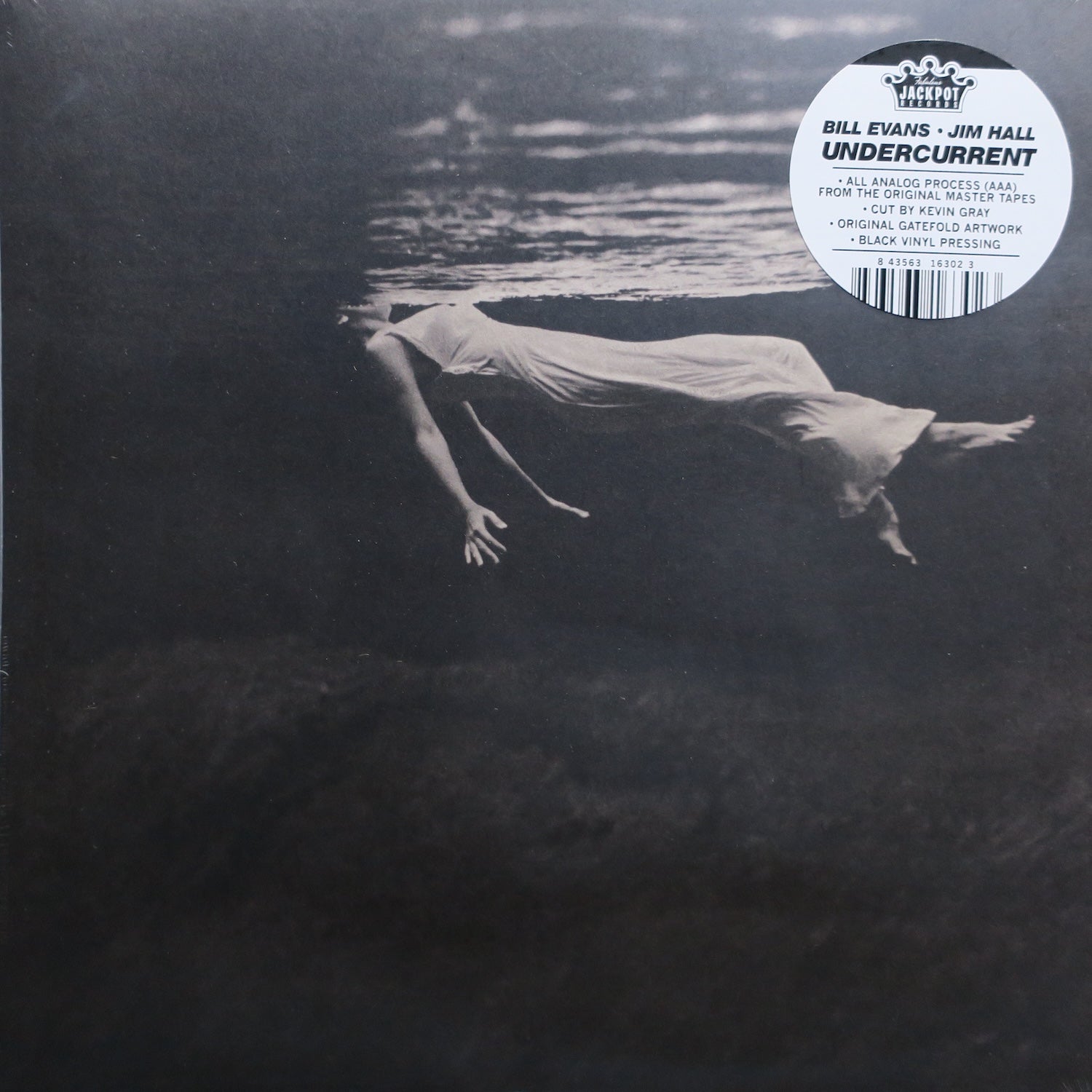
BILL EVANS & JIM HALL 'Undercurrent' All Analog Vinyl LP (1962 Jazz)
$55.00
Quick buy
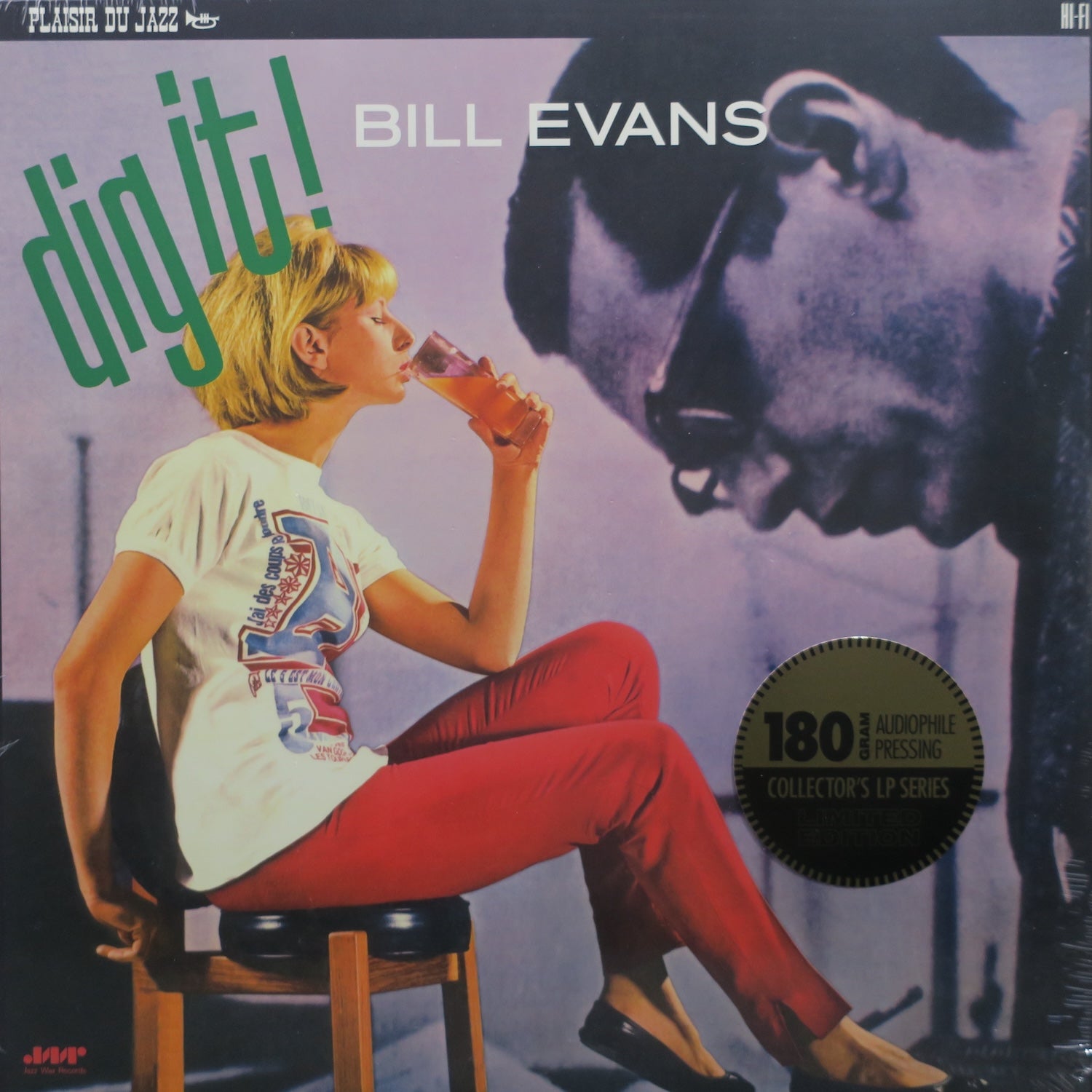
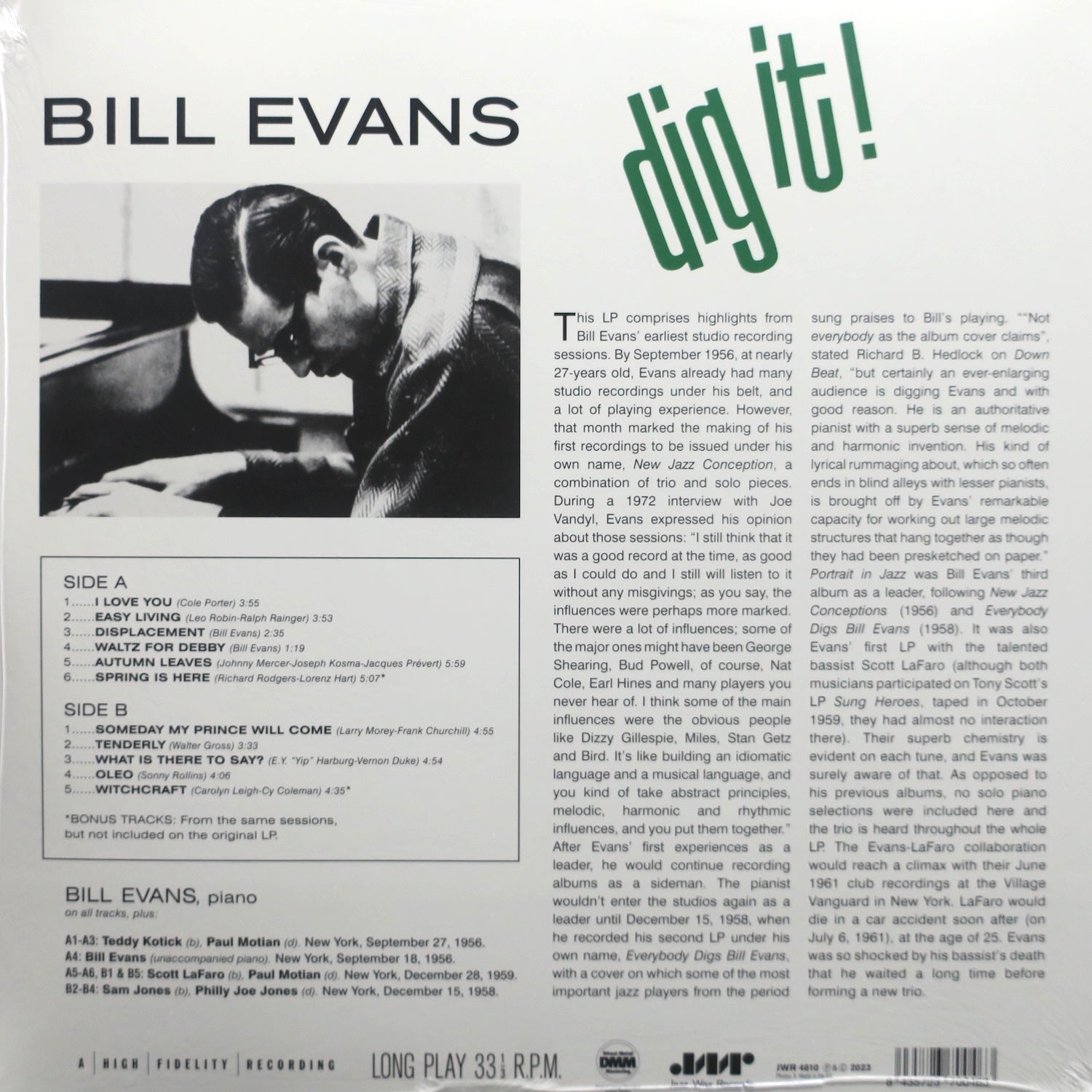
BILL EVANS 'Dig It!' 180g Vinyl LP
$45.00
Quick buy
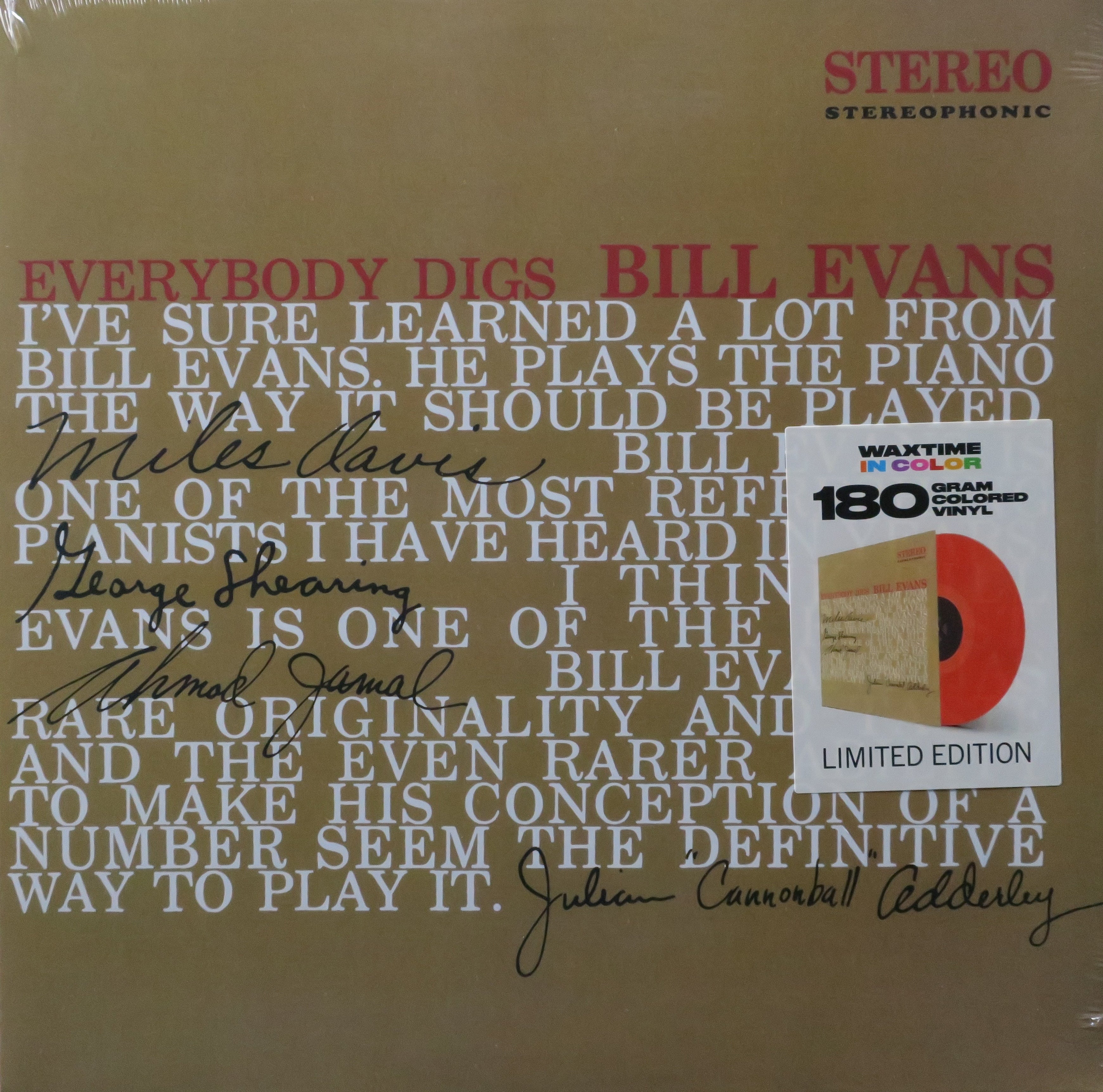
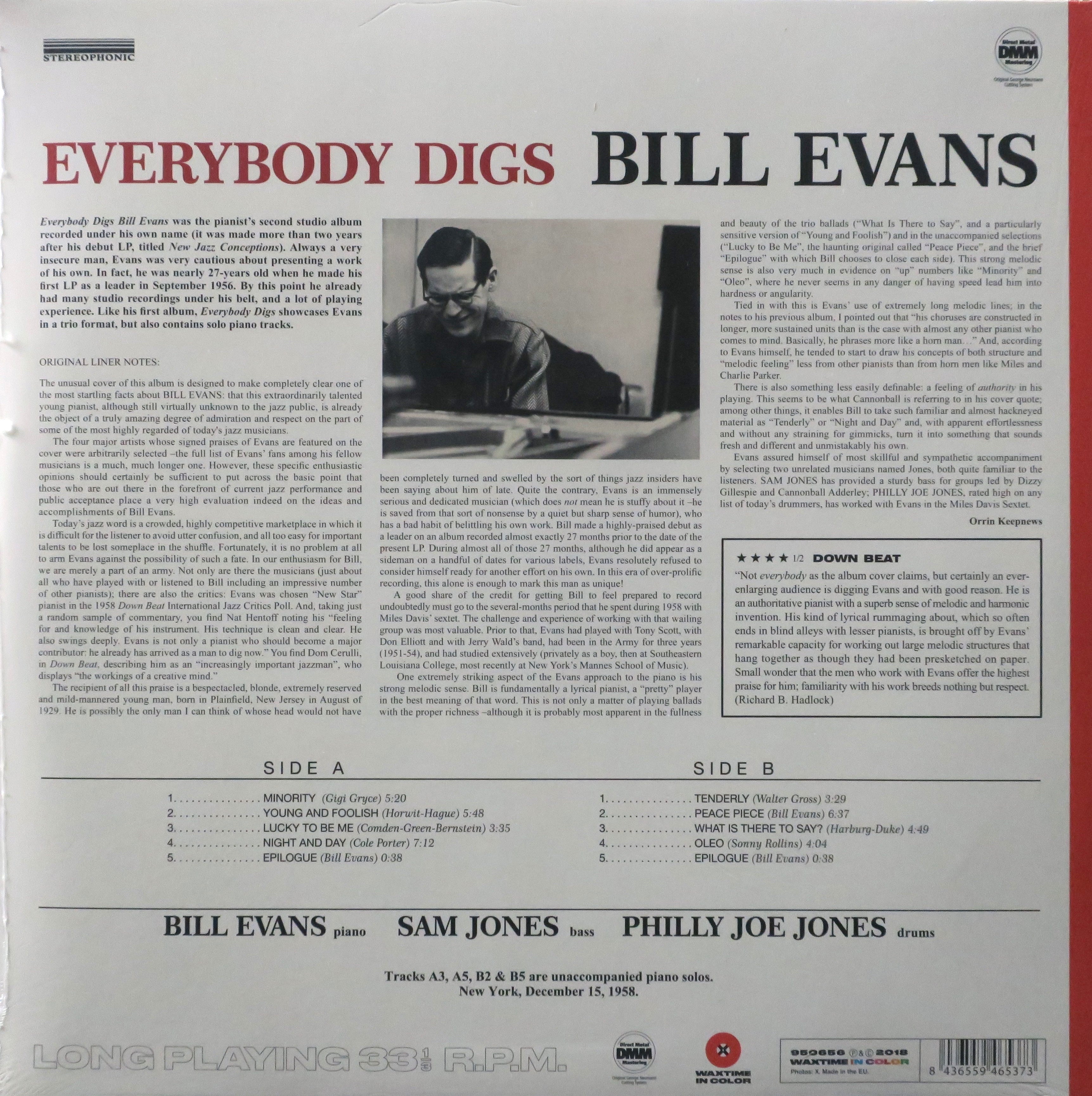
BILL EVANS 'Everybody Digs Bill Evans' 180g RED Vinyl LP
$45.00
Quick buy
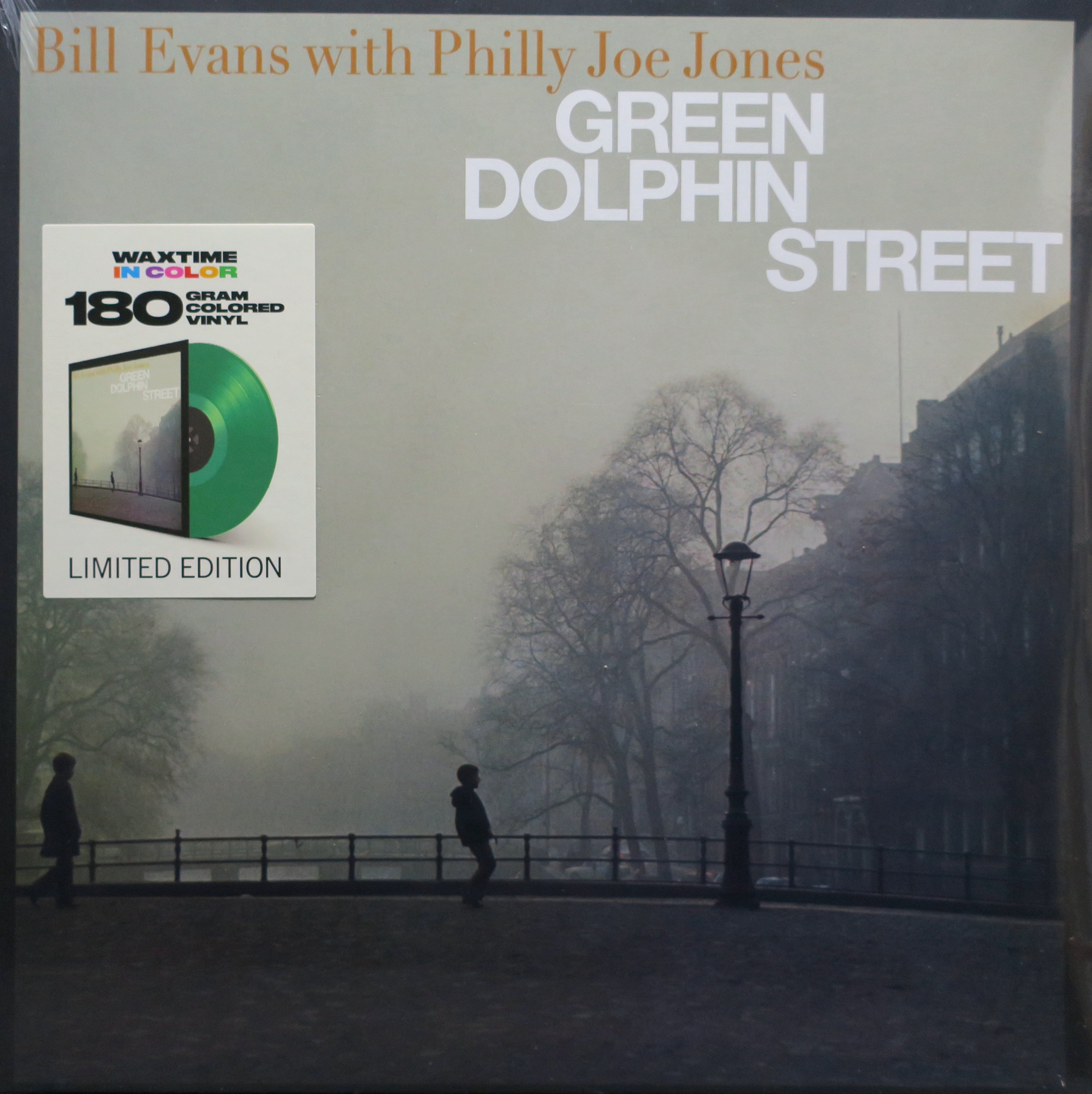
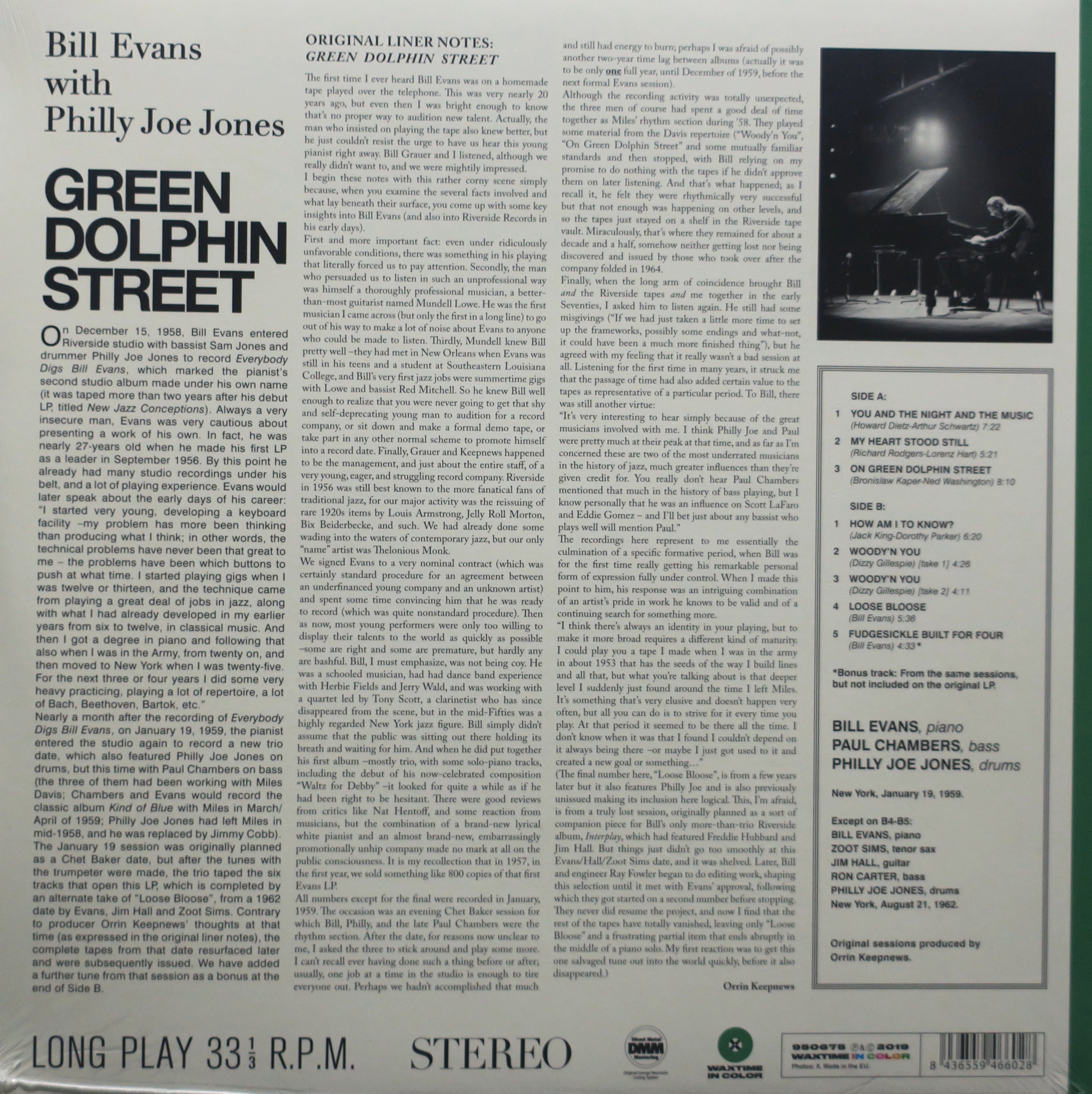
BILL EVANS 'Green Dolphin Street' 180g GREEN Vinyl LP
$45.00
Quick buy
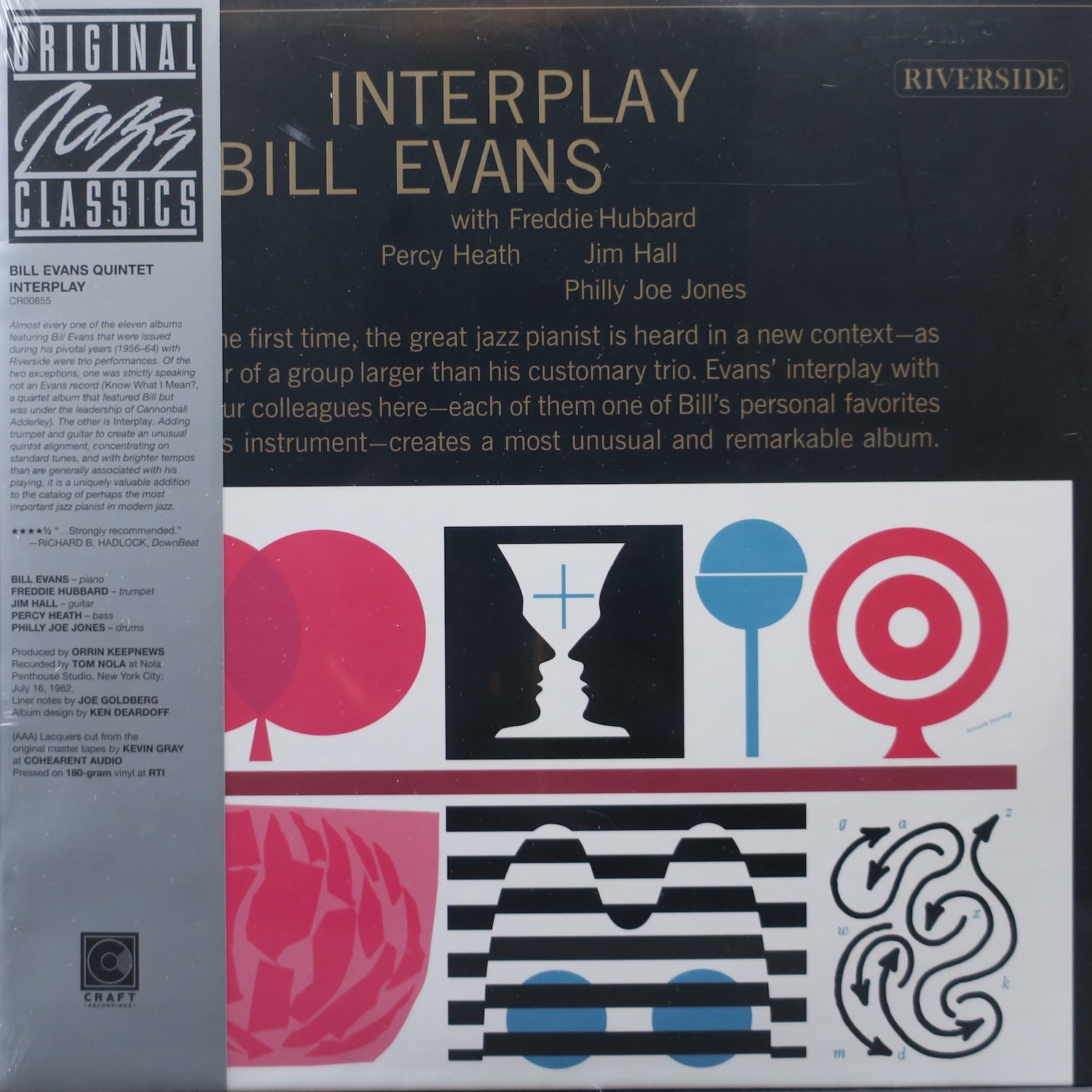
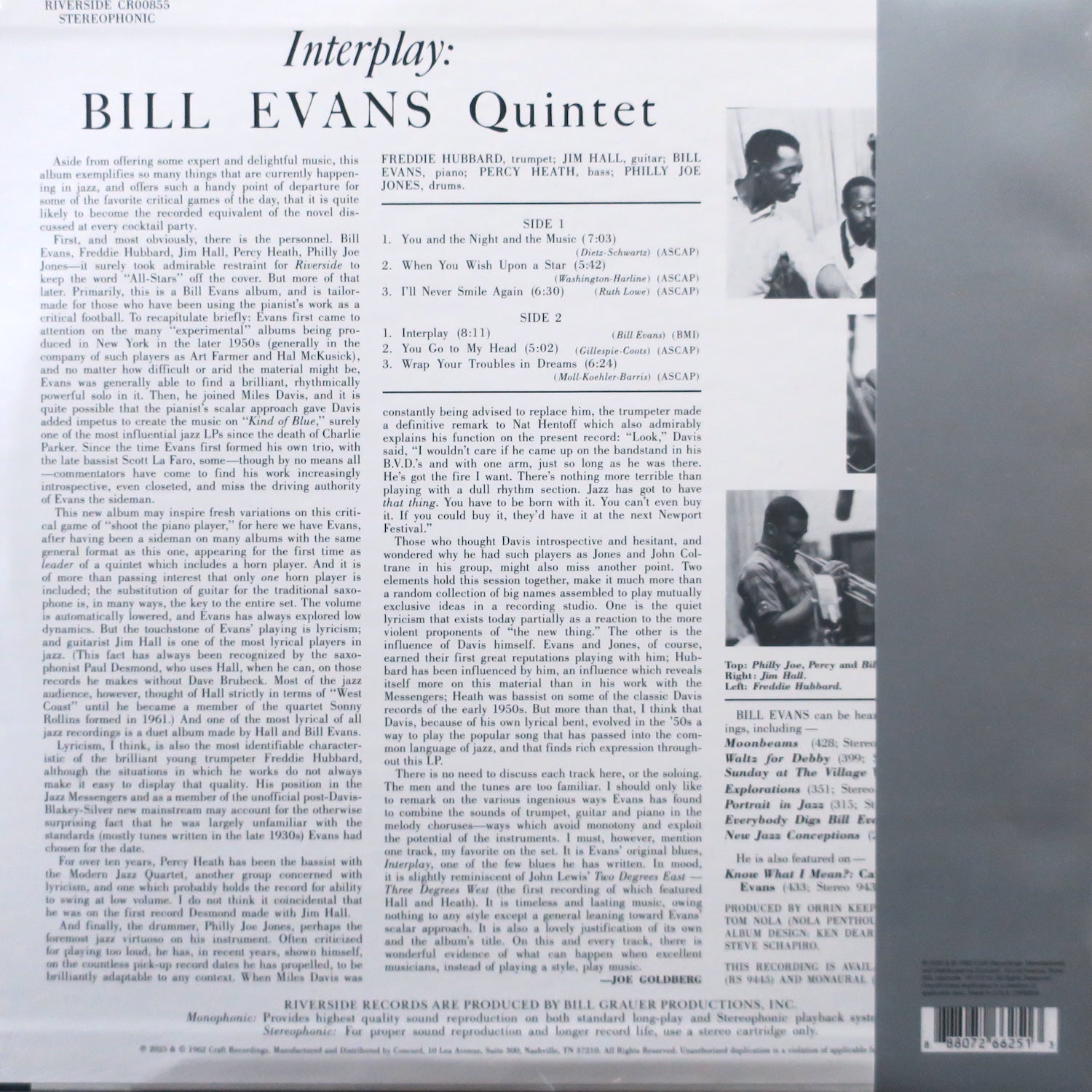
BILL EVANS 'Interplay' Craft 180g Vinyl LP
$80.00
Quick buy
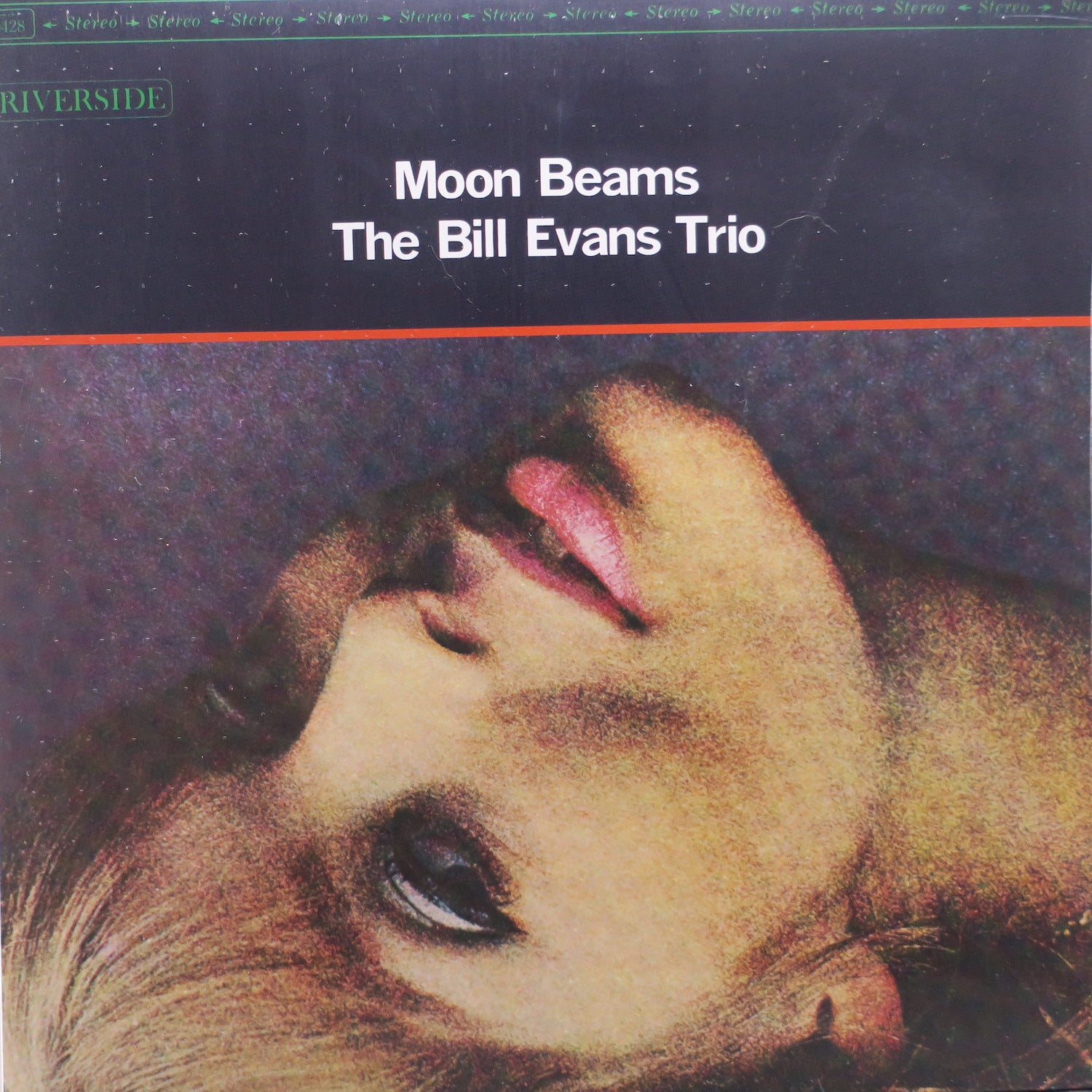
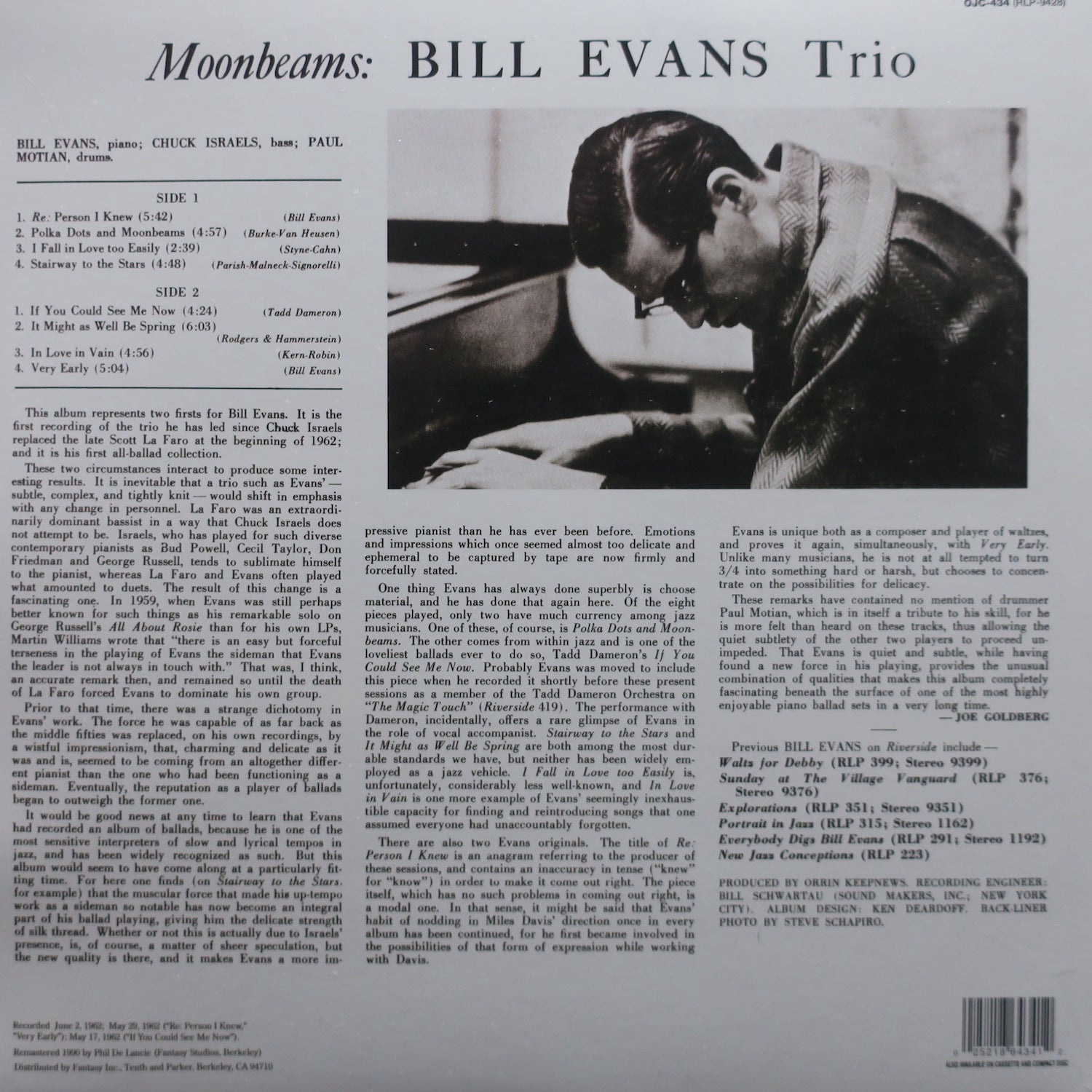
BILL EVANS 'Moon Beams' Vinyl LP
$55.00
Quick buy
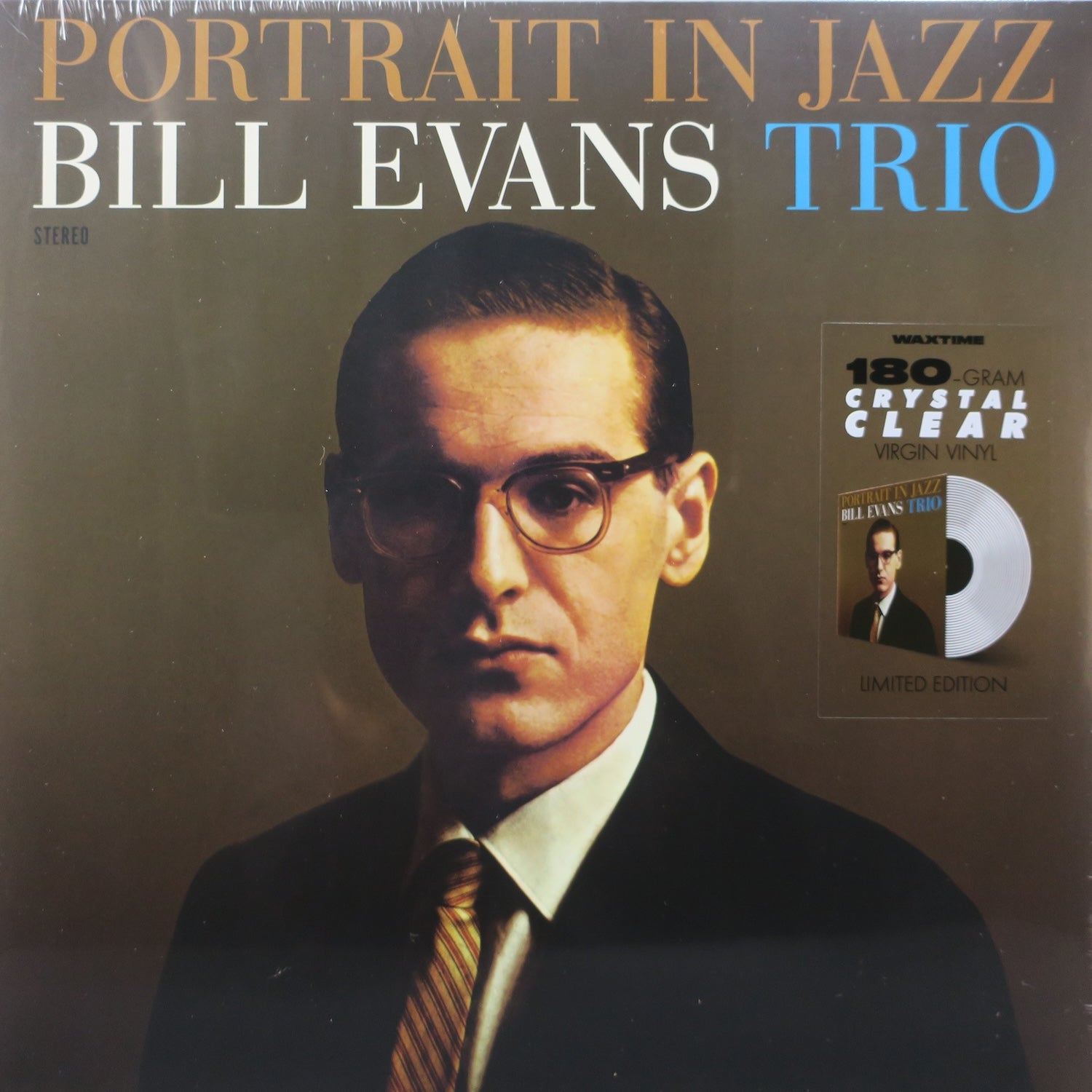
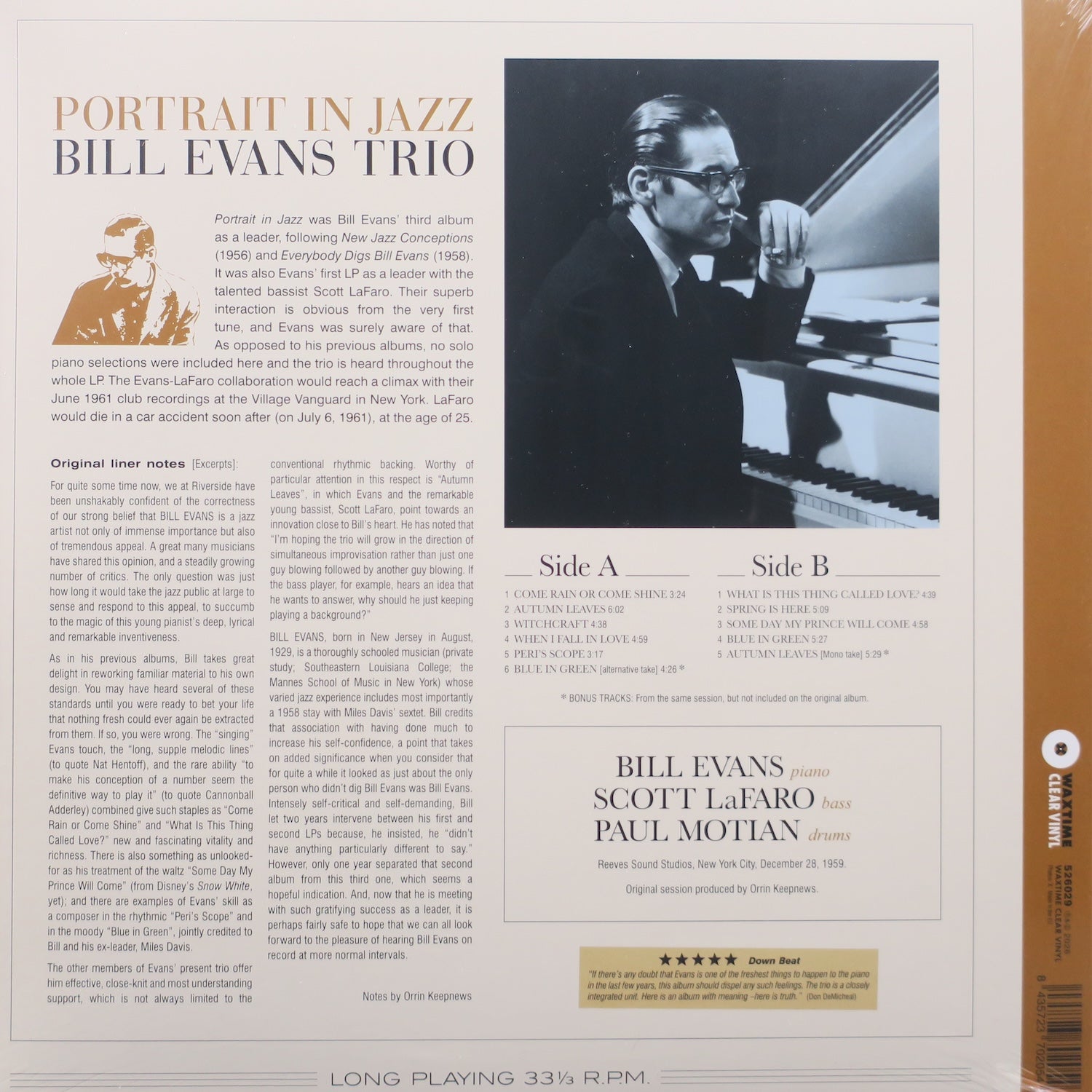
BILL EVANS 'Portrait In Jazz' 180g CLEAR Vinyl LP
$45.00
Quick buy
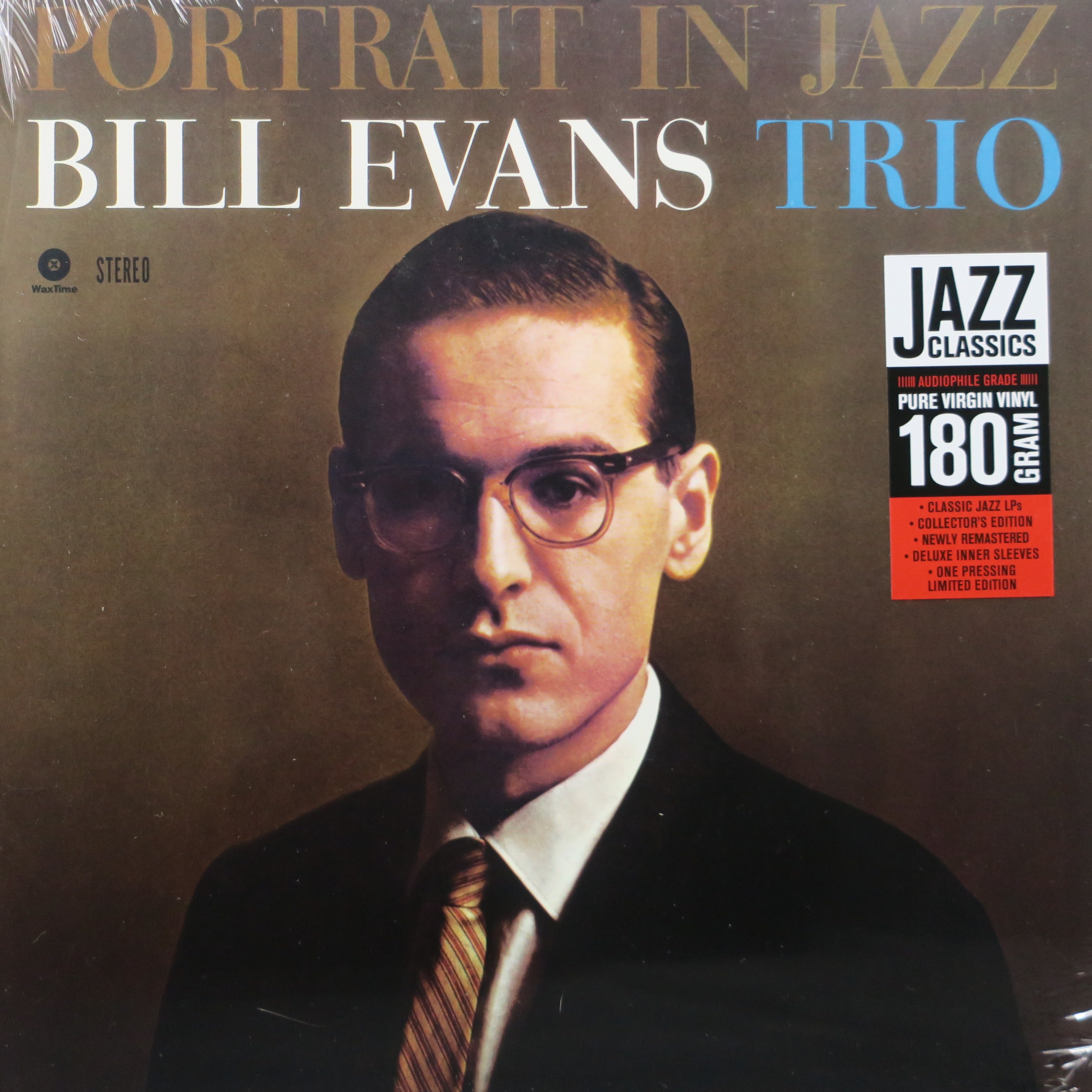
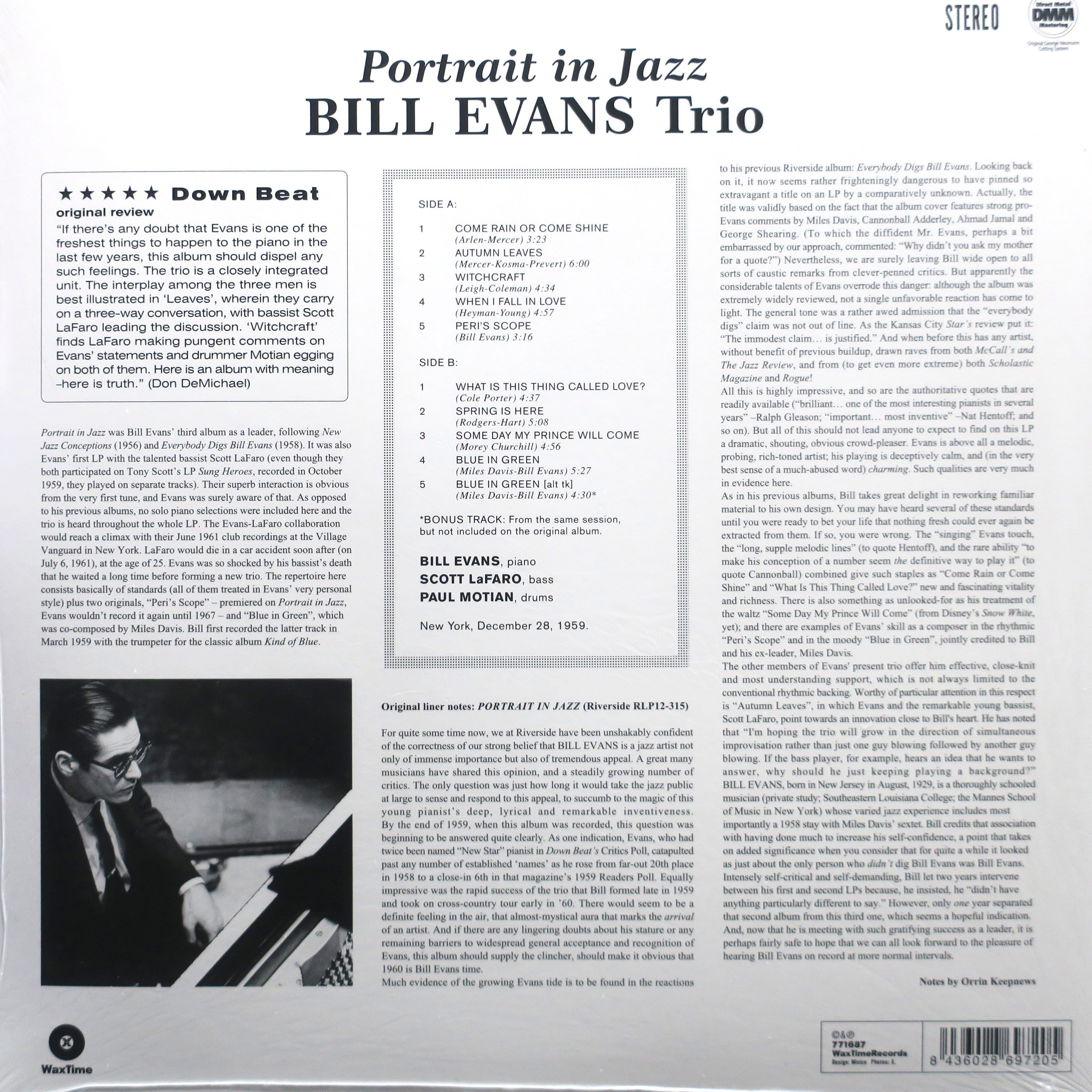
BILL EVANS 'Portrait In Jazz' 180g Vinyl LP
$45.00
Quick buy
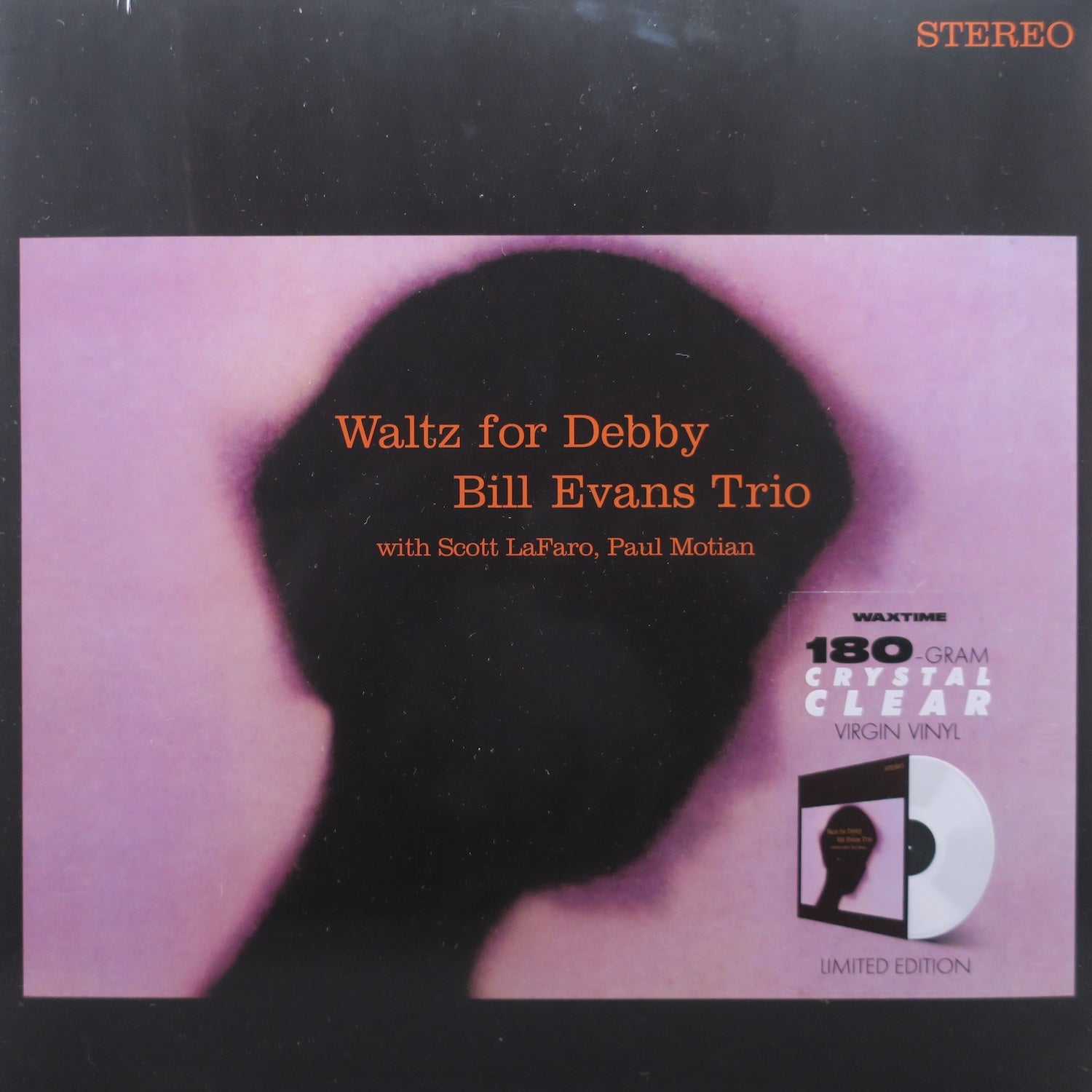
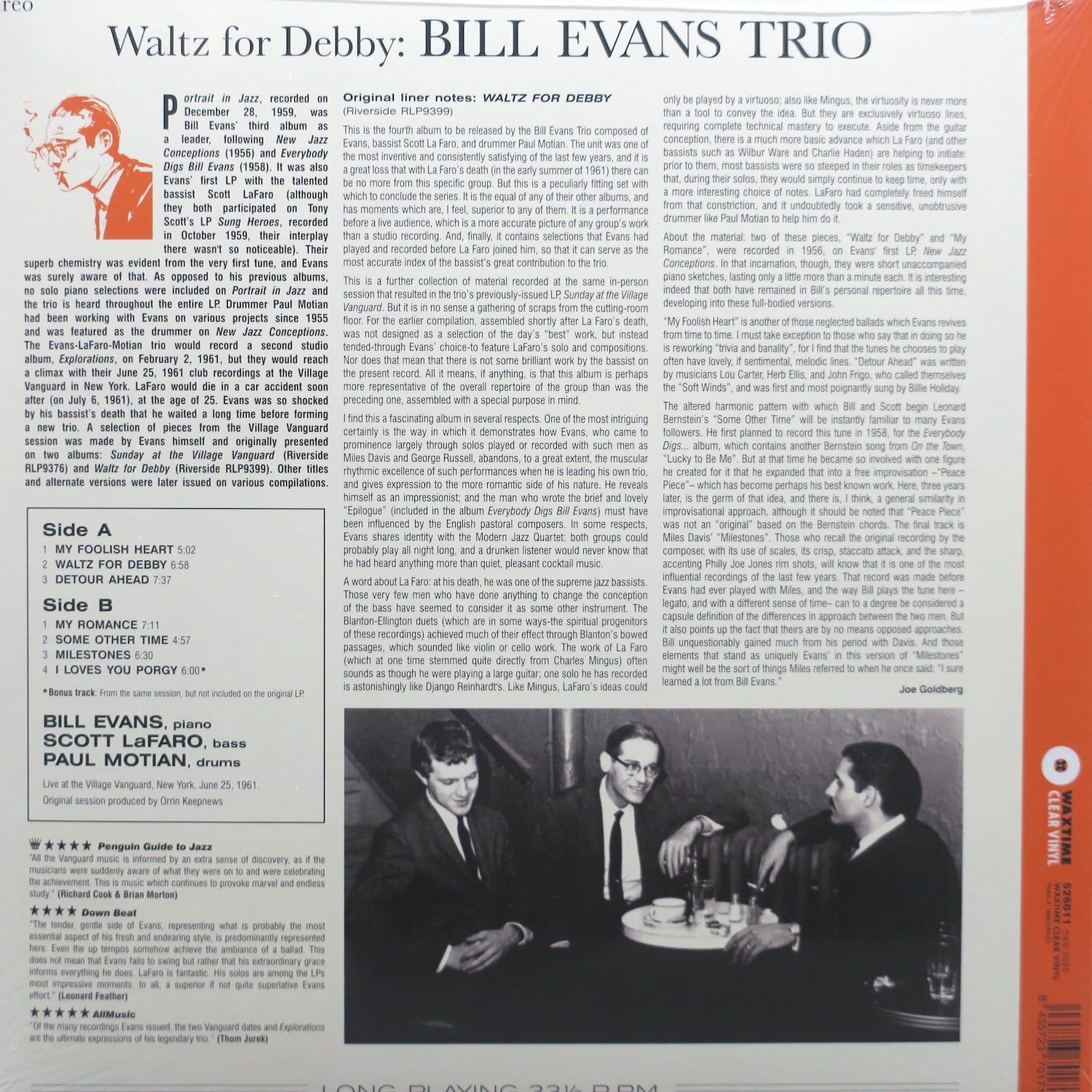
BILL EVANS 'Waltz For Debby' 180g CLEAR Vinyl LP
$45.00
Your cart
Close
Get 10% off all orders over $150
Close
Your cart is empty
Start shopping
Added to your
Cart