Dave Brubeck
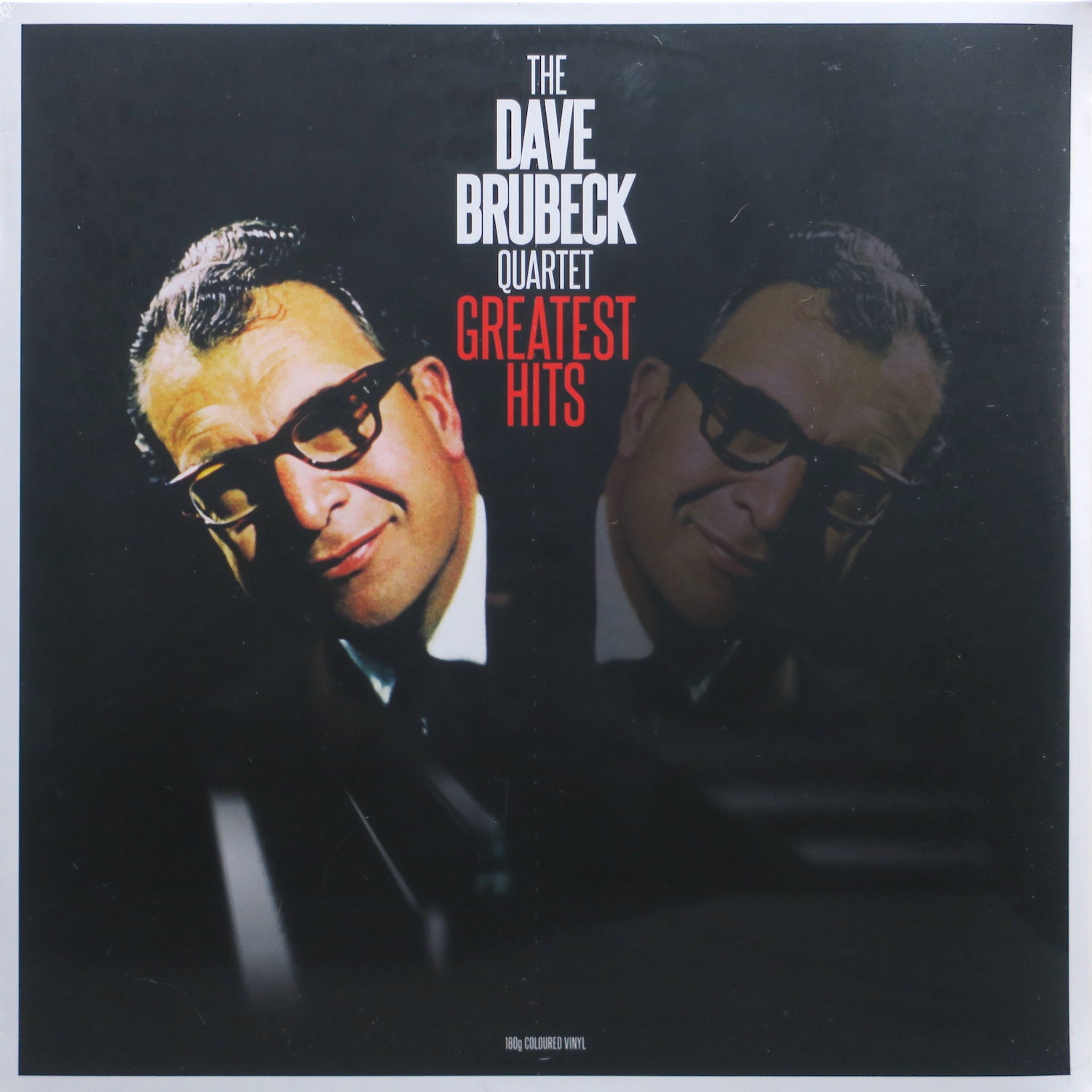
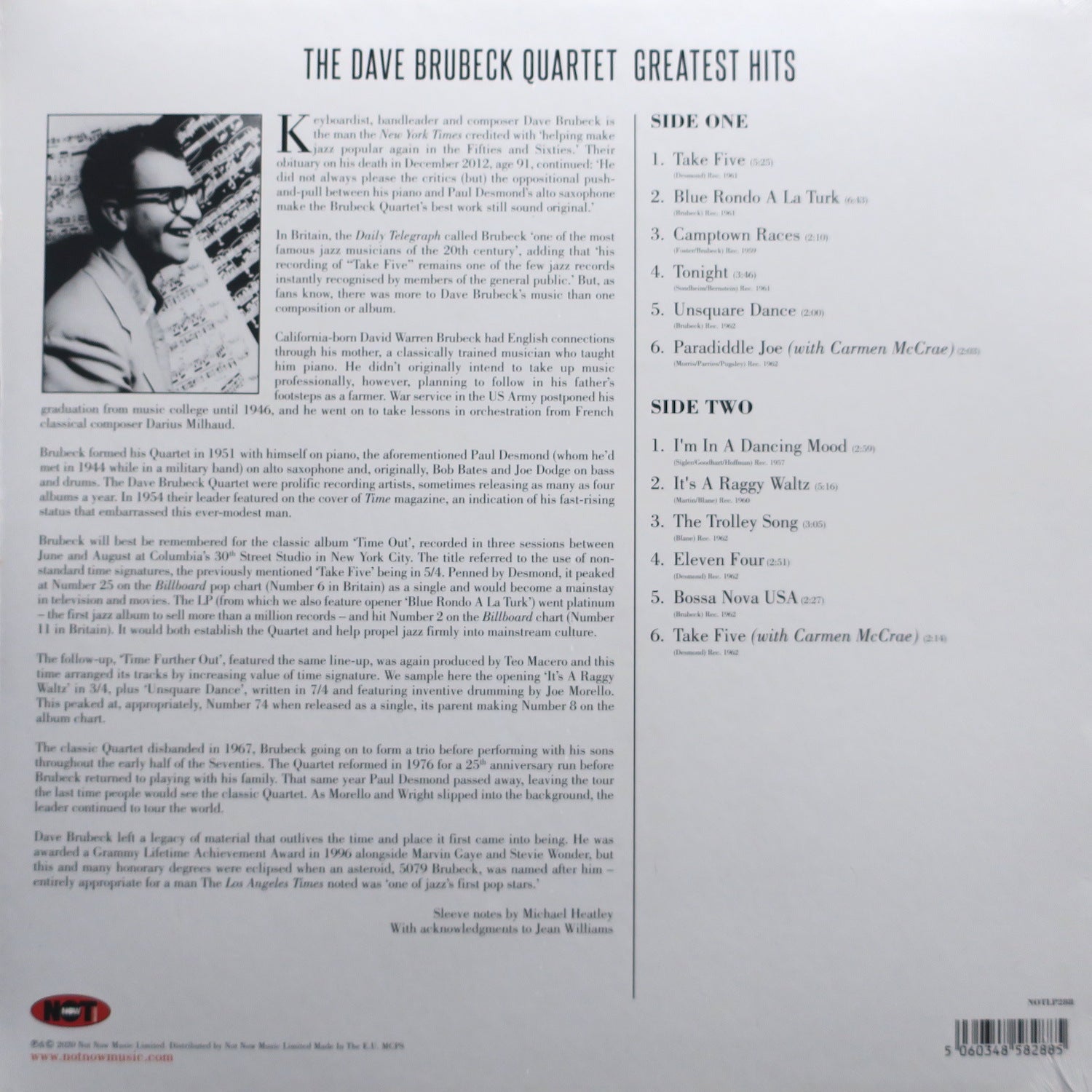
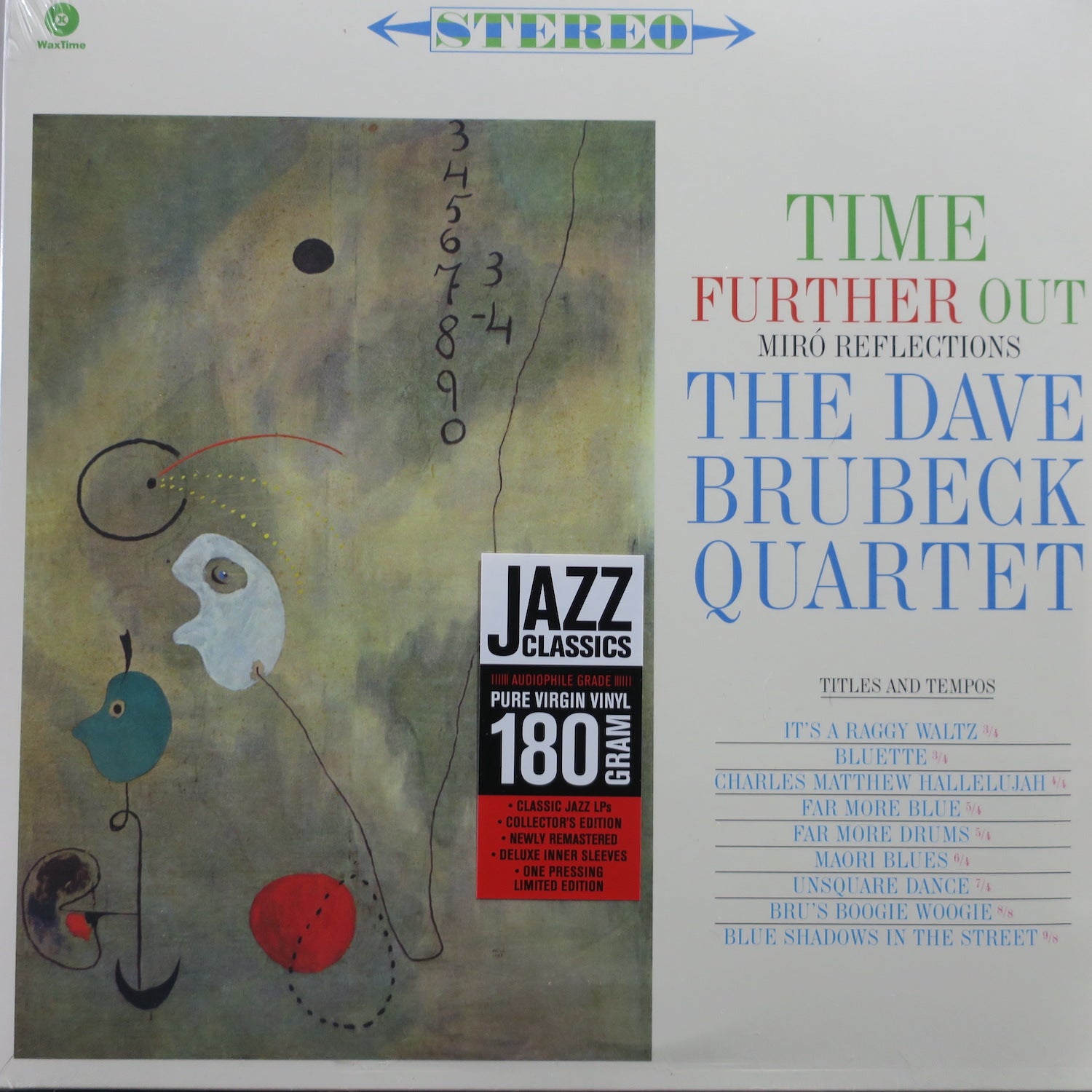
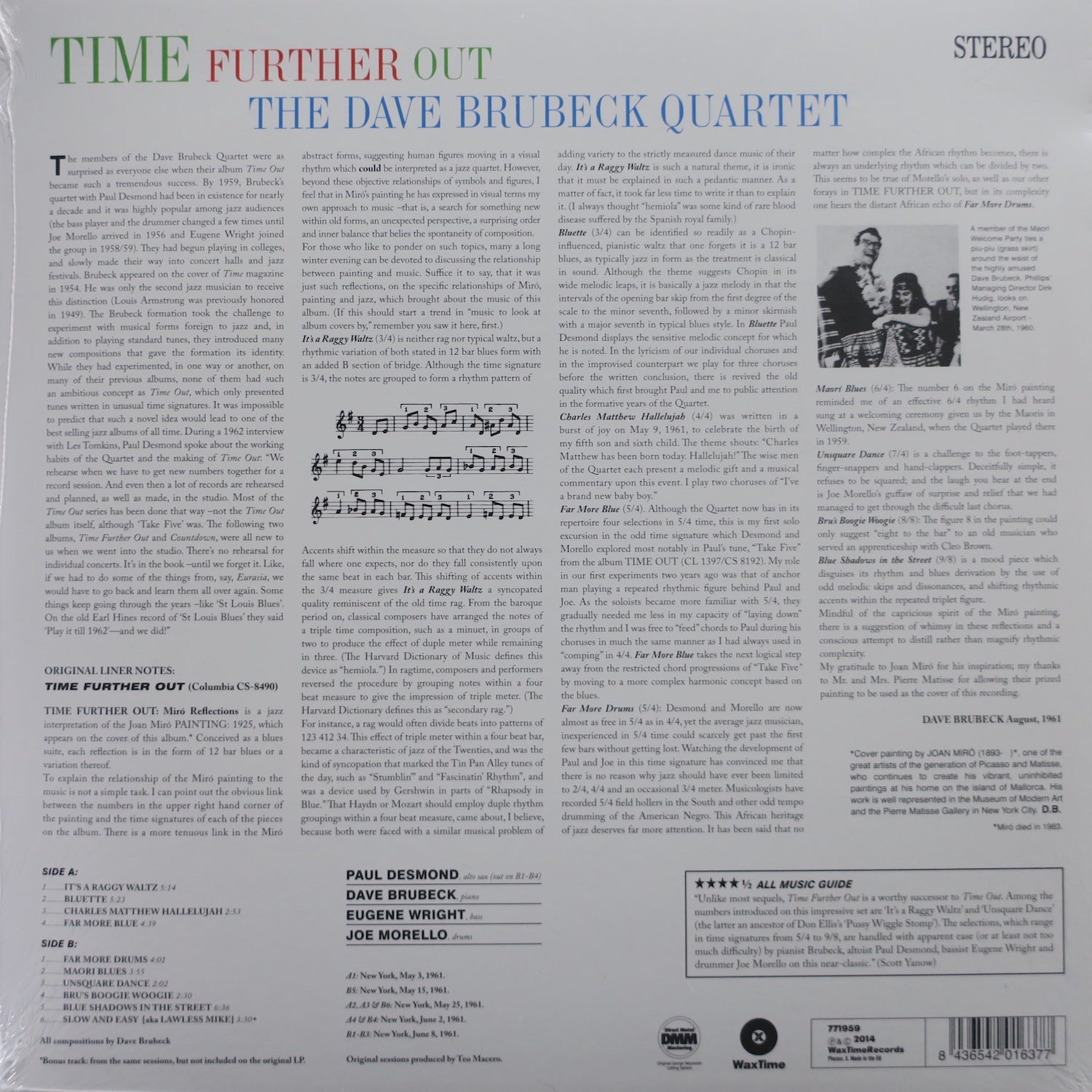
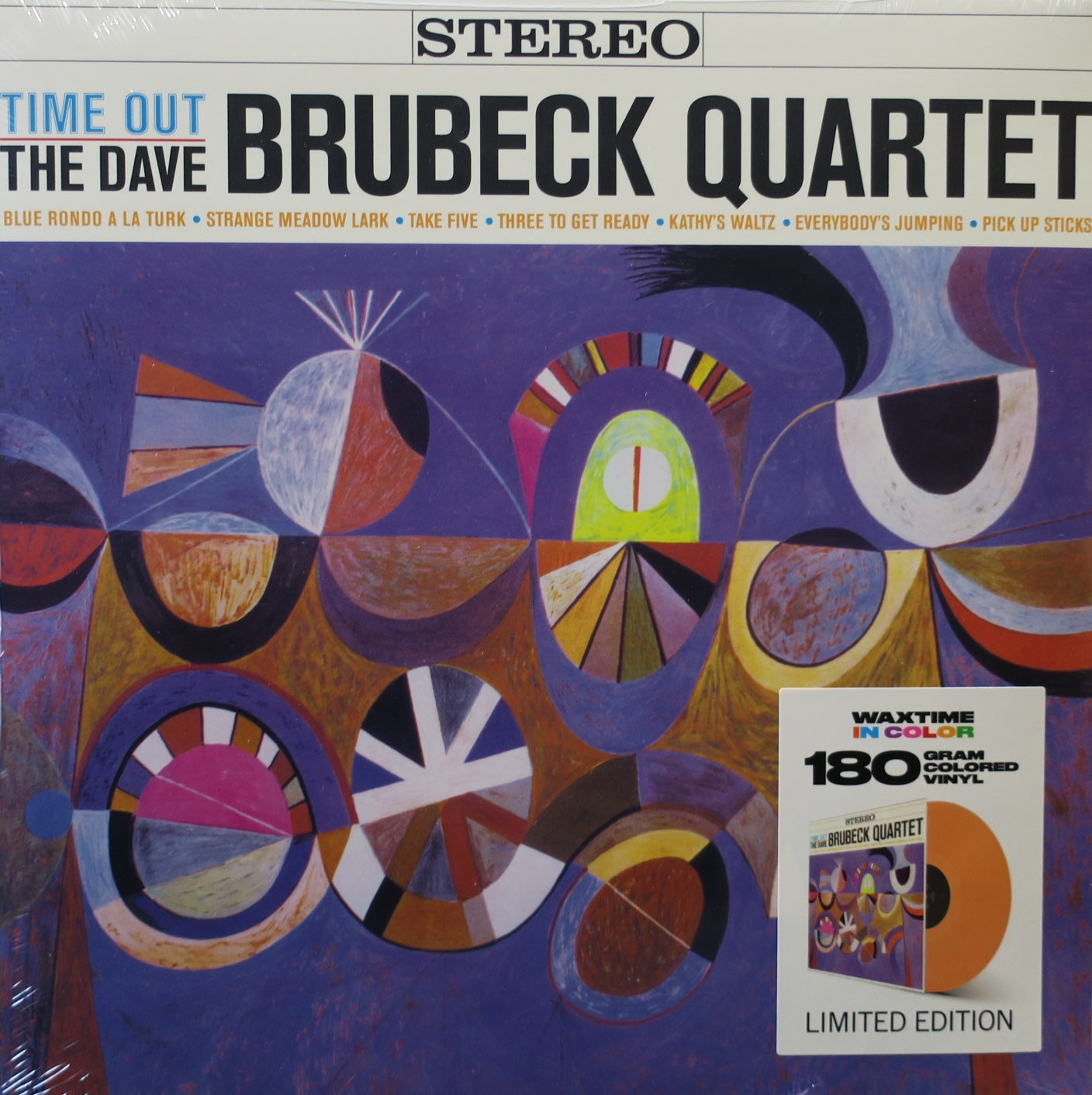
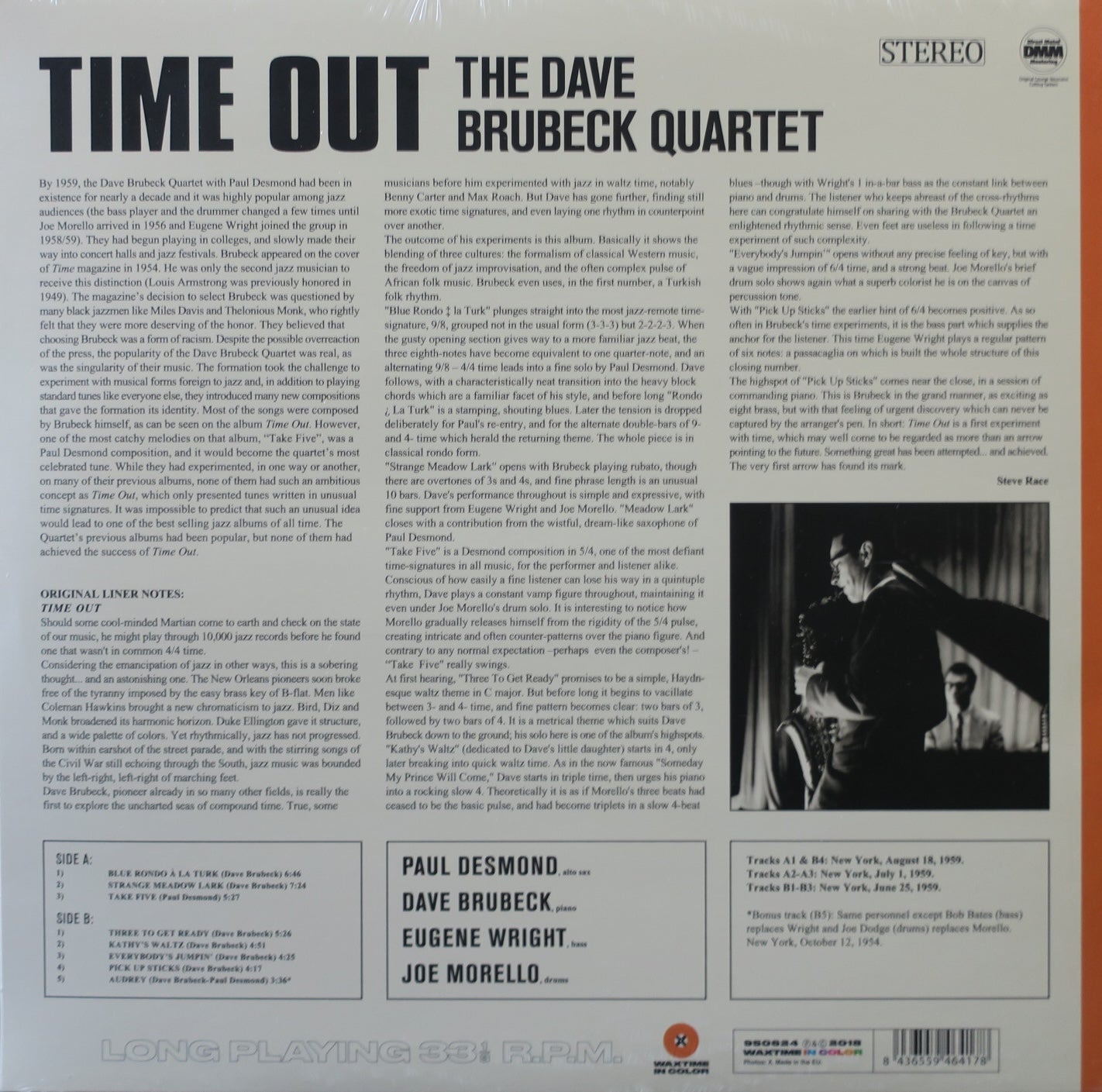
Dave Brubeck’s music asks listeners to think about time itself: not just tempo, but the pulse and meters underneath a tune. That fascination—turning odd meters and classical forms into accessible jazz—made records like Time Out into moments where experimentation and popular appeal met. "Take Five," Paul Desmond’s cool alto melody over a 5/4 groove, became a gateway for millions into a less conventional kind of jazz.
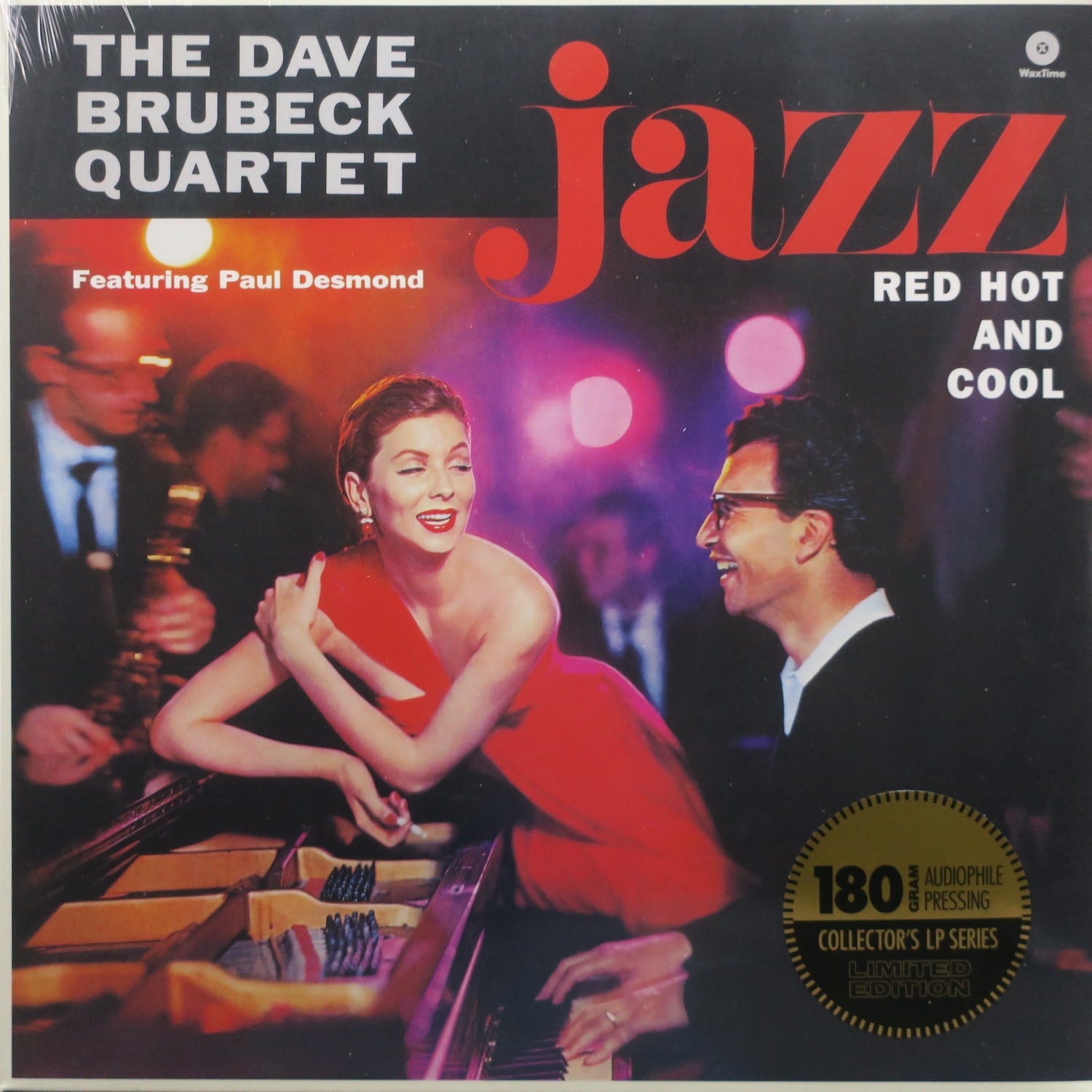
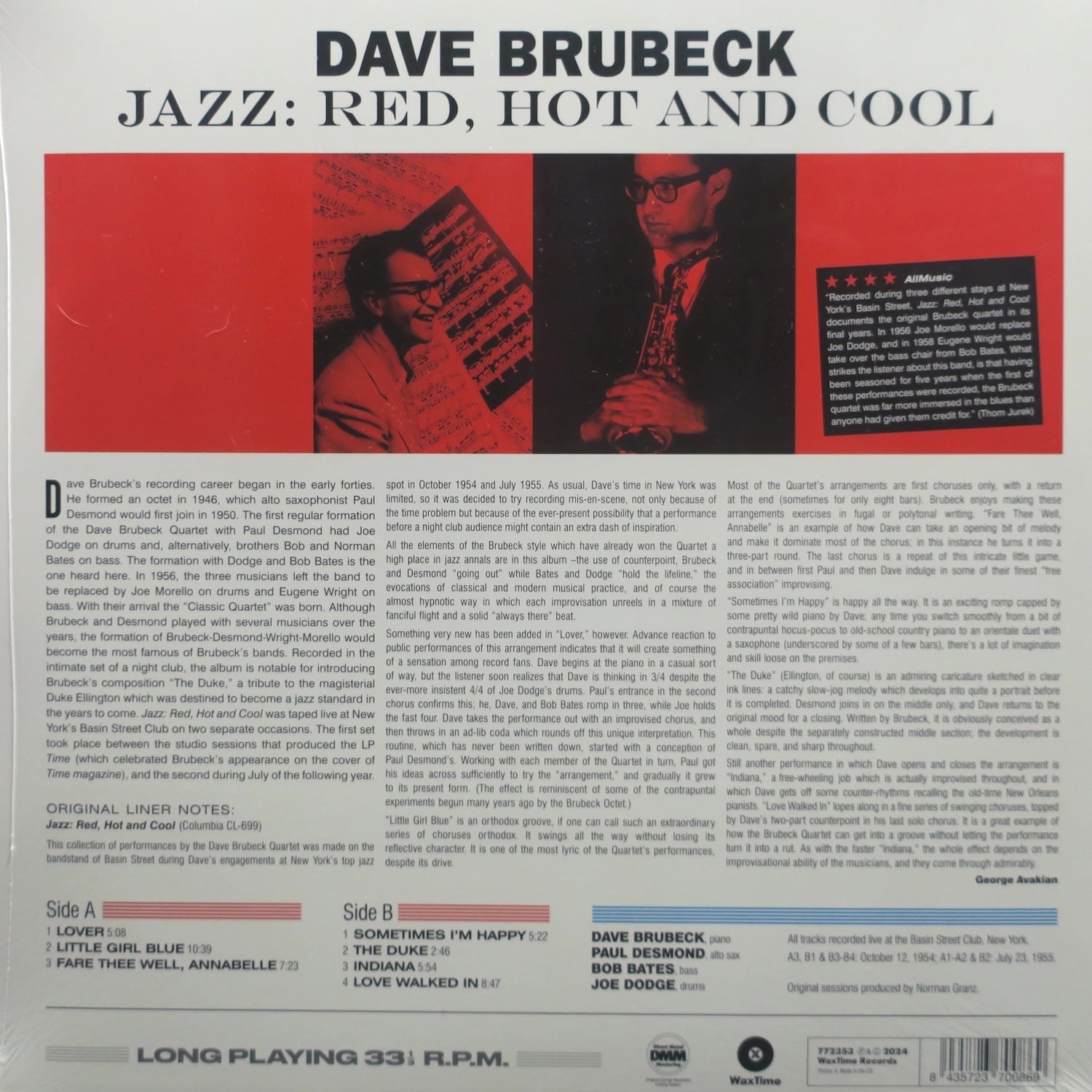
The sound most listeners picture when they hear Brubeck’s name is the quartet: Paul Desmond (alto saxophone), Joe Morello (drums) and Eugene Wright (bass) locking in around Brubeck’s piano. Desmond’s lyrical, dry tone contrasted with Brubeck’s block-chord, classically inflected piano; Morello’s precision made the group’s metric daring feel effortless; Wright’s steady underpinning kept the grooves human and swing-forward. Together they turned concert-hall settings into zones where odd time signatures felt natural, which helped the quartet cross over to audiences beyond jazz clubs.
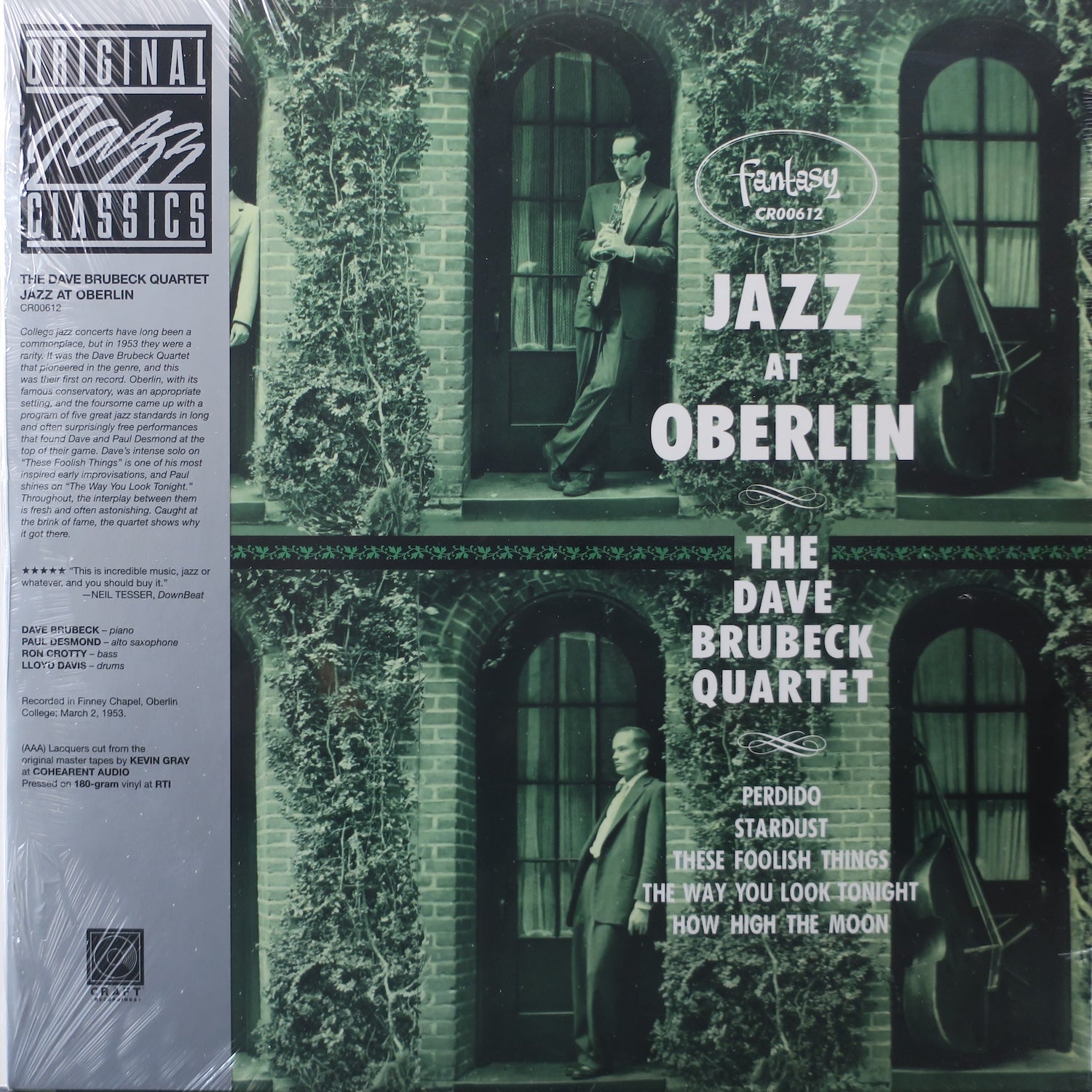
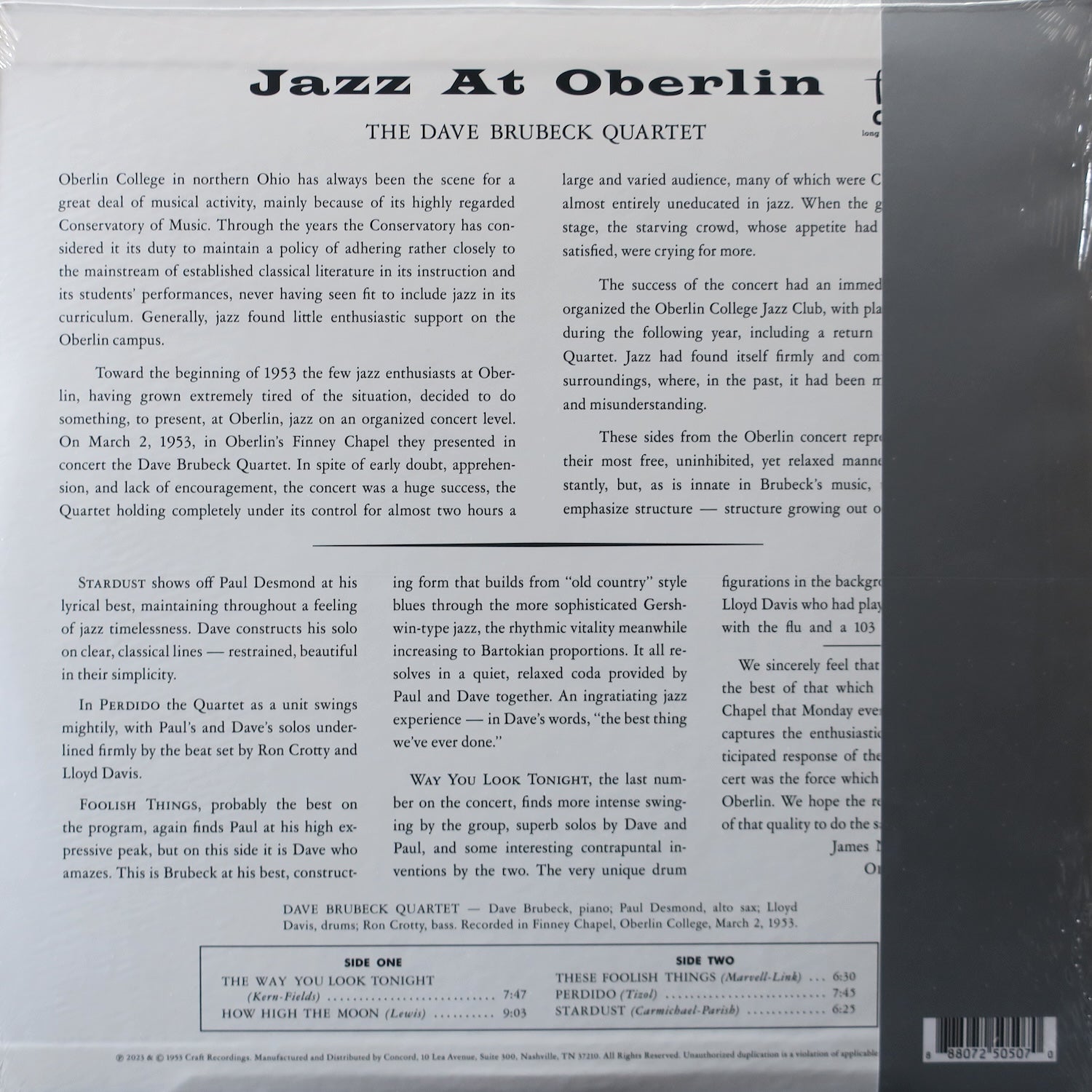
Brubeck’s classical studies mattered. Studying with composer Darius Milhaud at Mills College left him comfortable weaving fugue-like counterpoint, extended forms and orchestral ideas into jazz compositions. That blend of classical technique and jazz improvisation is audible across live records such as Jazz at Oberlin and studio projects that aimed for structural as well as rhythmic invention.
Career highs in the 1950s and 1960s placed Brubeck alongside contemporaries like Miles Davis—artists who defined postwar jazz but often by very different means. Brubeck’s emphasis on education, concert presentation and rhythmic exploration broadened what mainstream audiences expected from a jazz concert. The quartet’s integrated lineup, including Eugene Wright, also confronted the era’s social boundaries when touring in segregated parts of the United States.
For listeners today, Brubeck rewards close listening: the surface tunefulness of a track like "Blue Rondo à la Turk" gives way to structural cleverness and ensemble empathy. Exploring Time Out and the quartet’s live albums opens a path from jazz’s club tradition to a version of the music that aimed for both formal rigor and wide appeal—still compelling for anyone curious about rhythm, form and melody.