Cannonball Adderley
Cannonball Adderley’s alto saxophone sounded like a direct line from church and the blues into modern jazz — warm, insistent and immediately human. That tone and an ear for melody let him take hard bop’s technical language and steer it toward something more accessible without sacrificing sophistication.
Adderley’s groups were as much about ensemble personality as solo fireworks. His brother Nat Adderley’s cornet gave the quintet a distinct front-line voice, while pianists such as Bobby Timmons and later Joe Zawinul brought tunes that became crowd-pleasing standards. Pieces like Timmons’ “This Here” and Zawinul’s “Mercy, Mercy, Mercy” demonstrate how the band married gospel-inflected rhythms, blues phrasing and tight, danceable grooves — the template for what came to be called soul jazz.
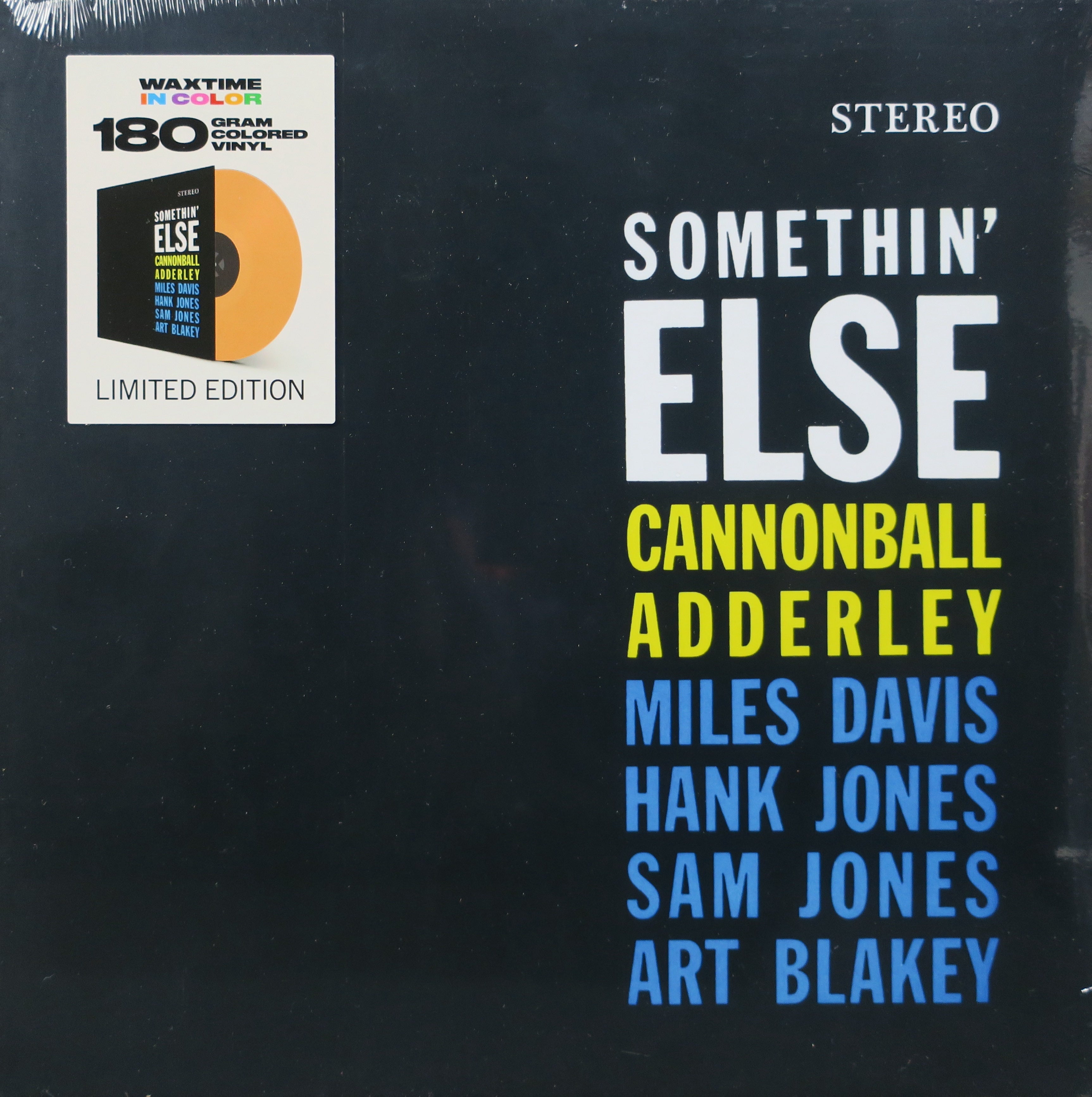
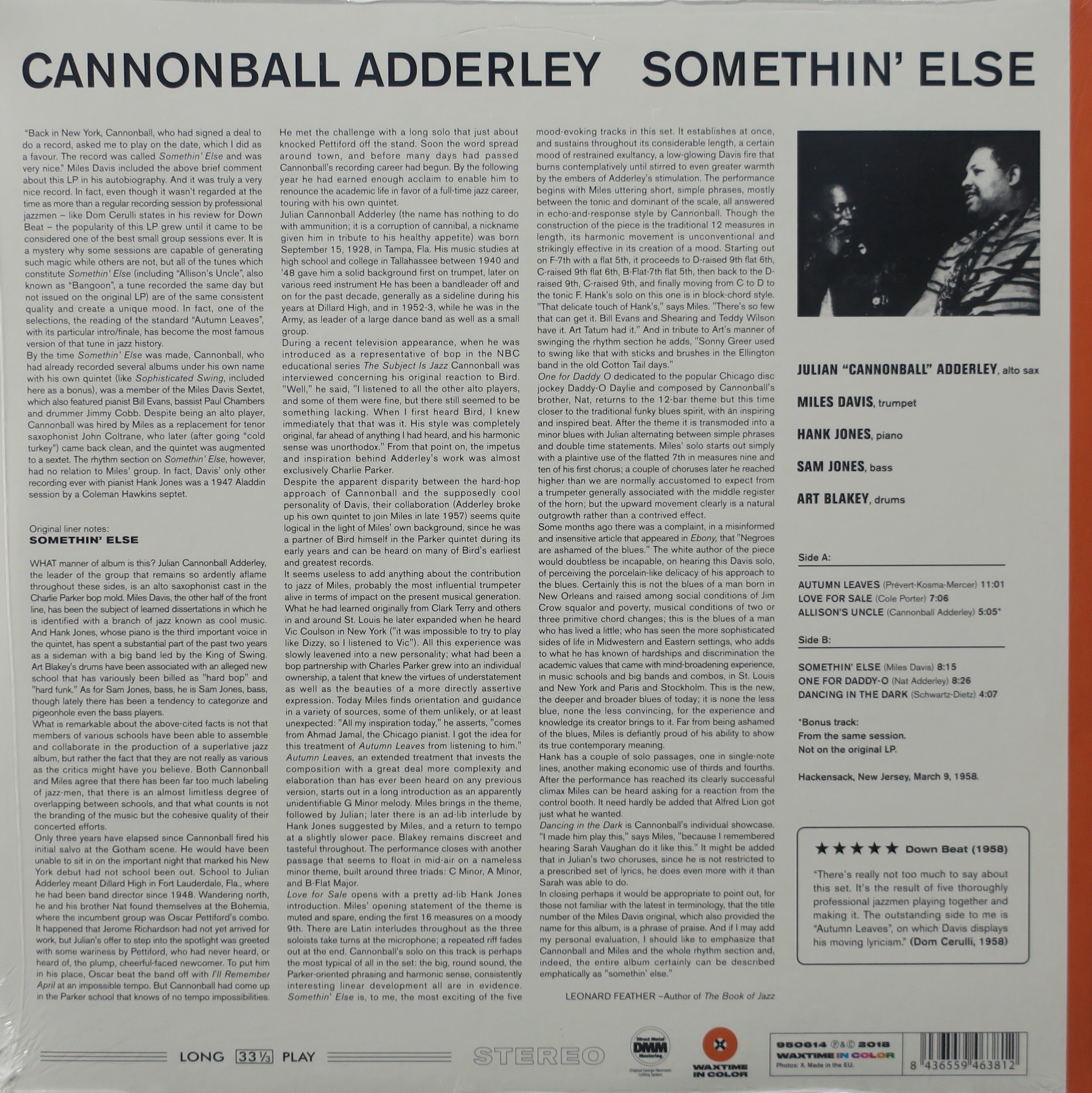
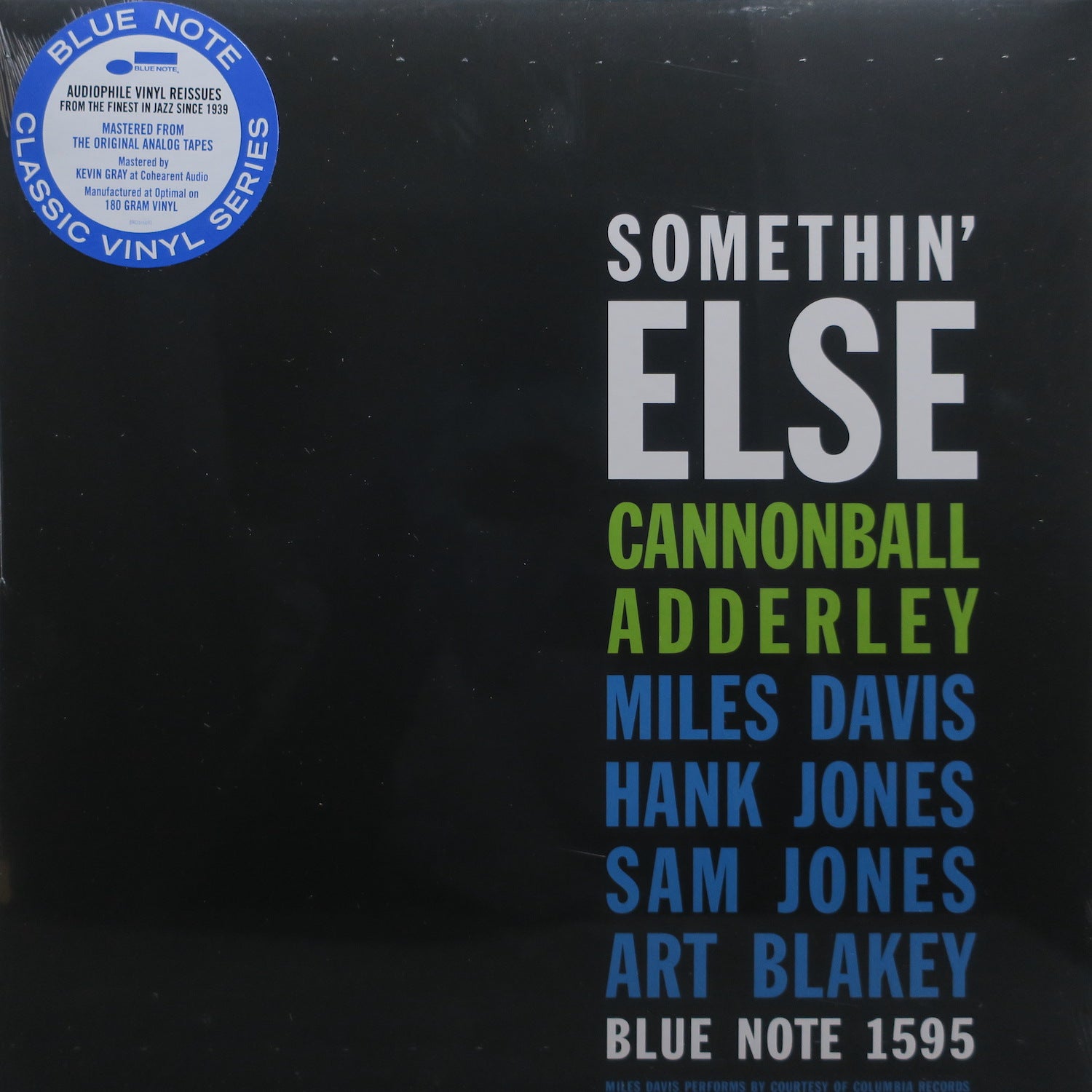
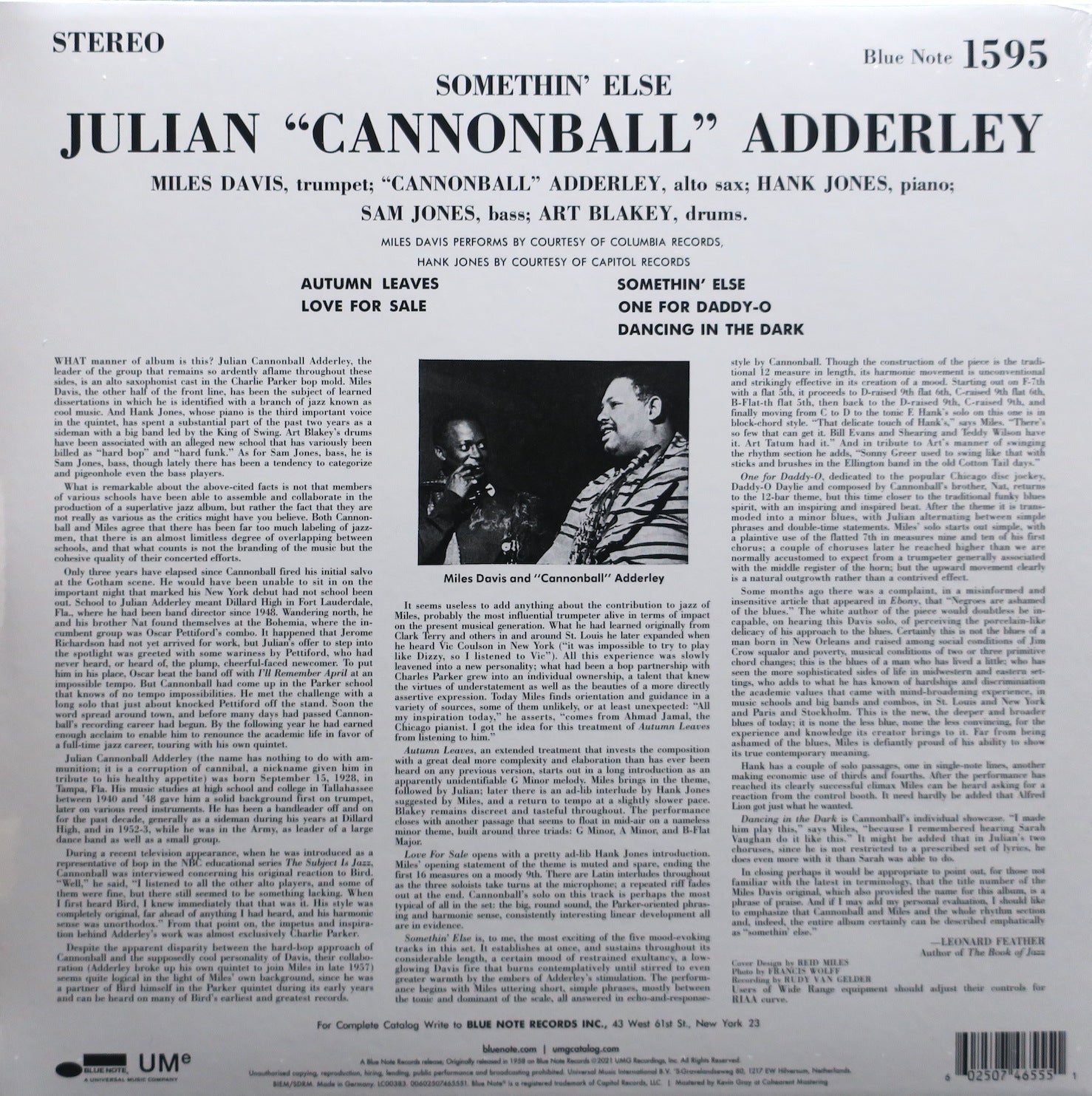
Live performance was central to Cannonball’s appeal. The Cannonball Adderley Quintet in San Francisco captured a band that could be loose, joyous and razor-sharp all at once; its success pointed to a new relationship between jazz clubs, enthusiastic crowds and records. That same live energy is why the studio date Somethin' Else remains widely admired: it pairs Adderley with Miles Davis and shows how his playing could both blend with and stand out beside other leading voices of the era.
Adderley also had a foot in the evolving modal and post-bop currents. He appears on Miles Davis’ sessions from the late 1950s, and those collaborations helped broaden his harmonic palette. At the same time, his bands remained deliberately songful, often foregrounding memorable themes rather than abstract experimentation — a choice that made his records friendly entry points for listeners new to modern jazz.
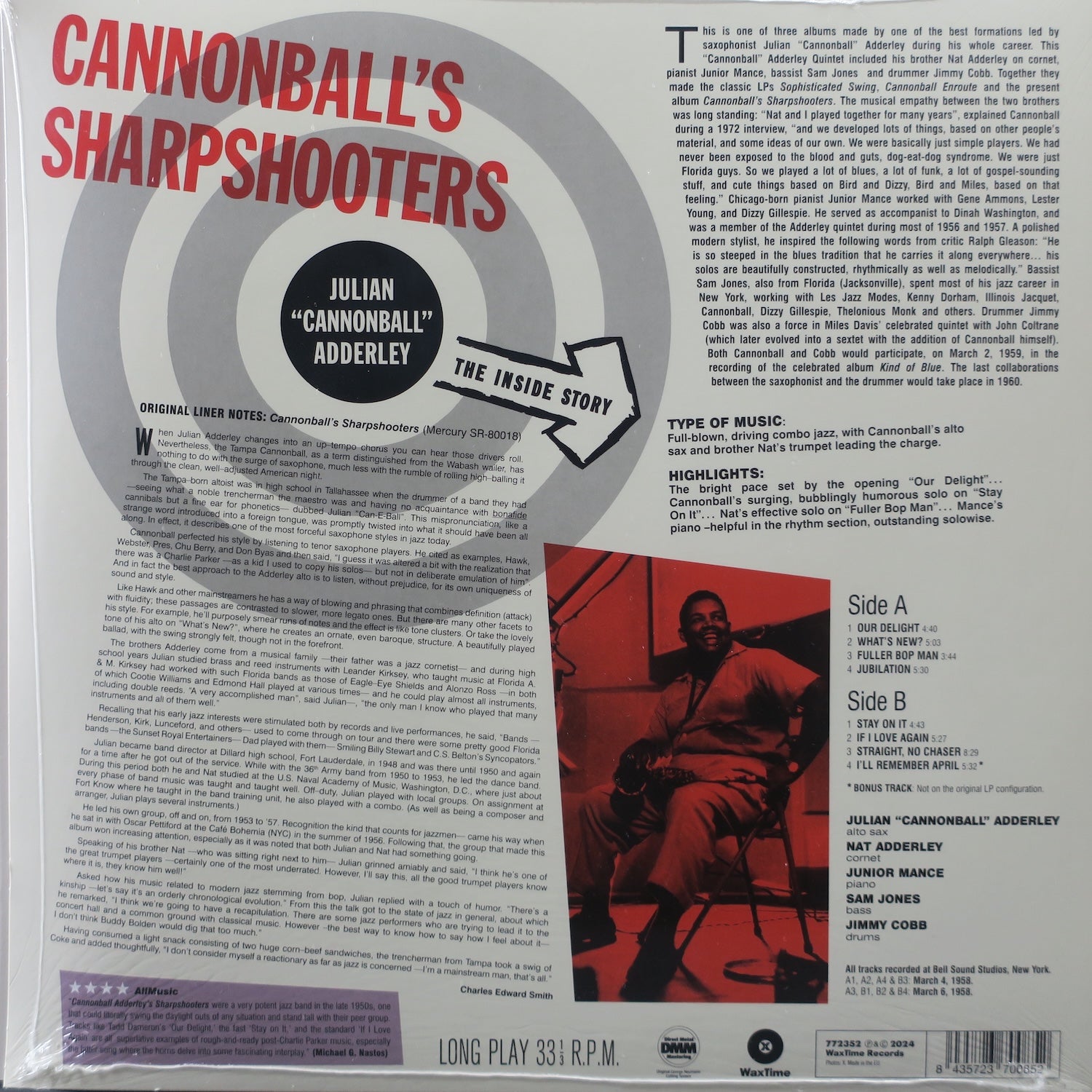
Personnel mattered. Sam Jones’s bass and Louis Hayes’s drums anchored the rhythm section with a propulsive swing that let soloists breathe; Nat’s compositions and playing supplied a second melodic heartbeat; and Zawinul’s emergence in the 1960s pushed the group toward a more contemporary, electric-soul sound. Those individuals shaped the sound listeners now associate with Cannonball’s most celebrated records.
Today Cannonball Adderley’s records offer a clear path into mid-century jazz that prizes melody, groove and emotional directness. Exploring his key albums reveals not just a remarkable soloist but a bandleader who understood how to connect modern jazz vocabulary with the wider musical tastes of his time.