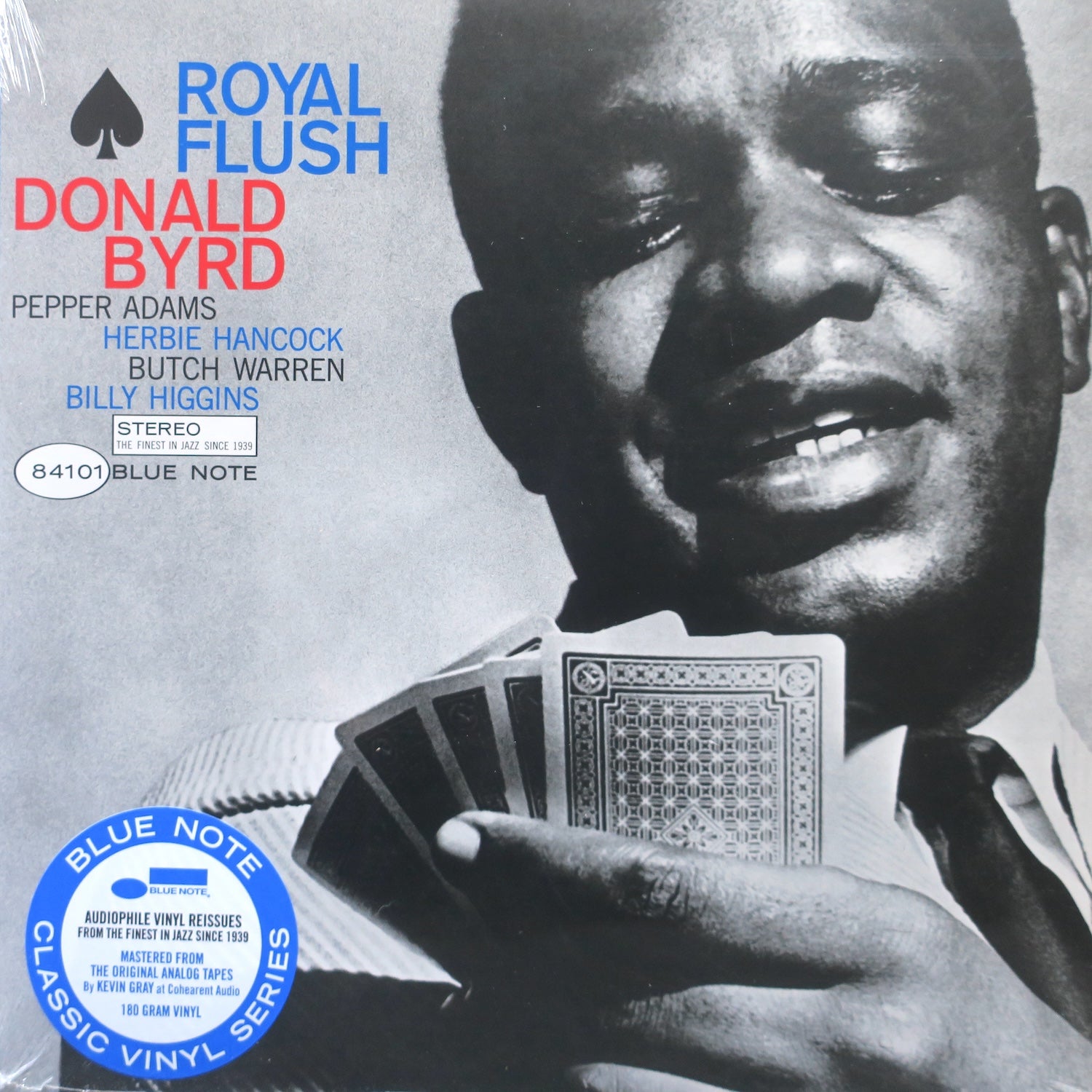
Donald Byrd
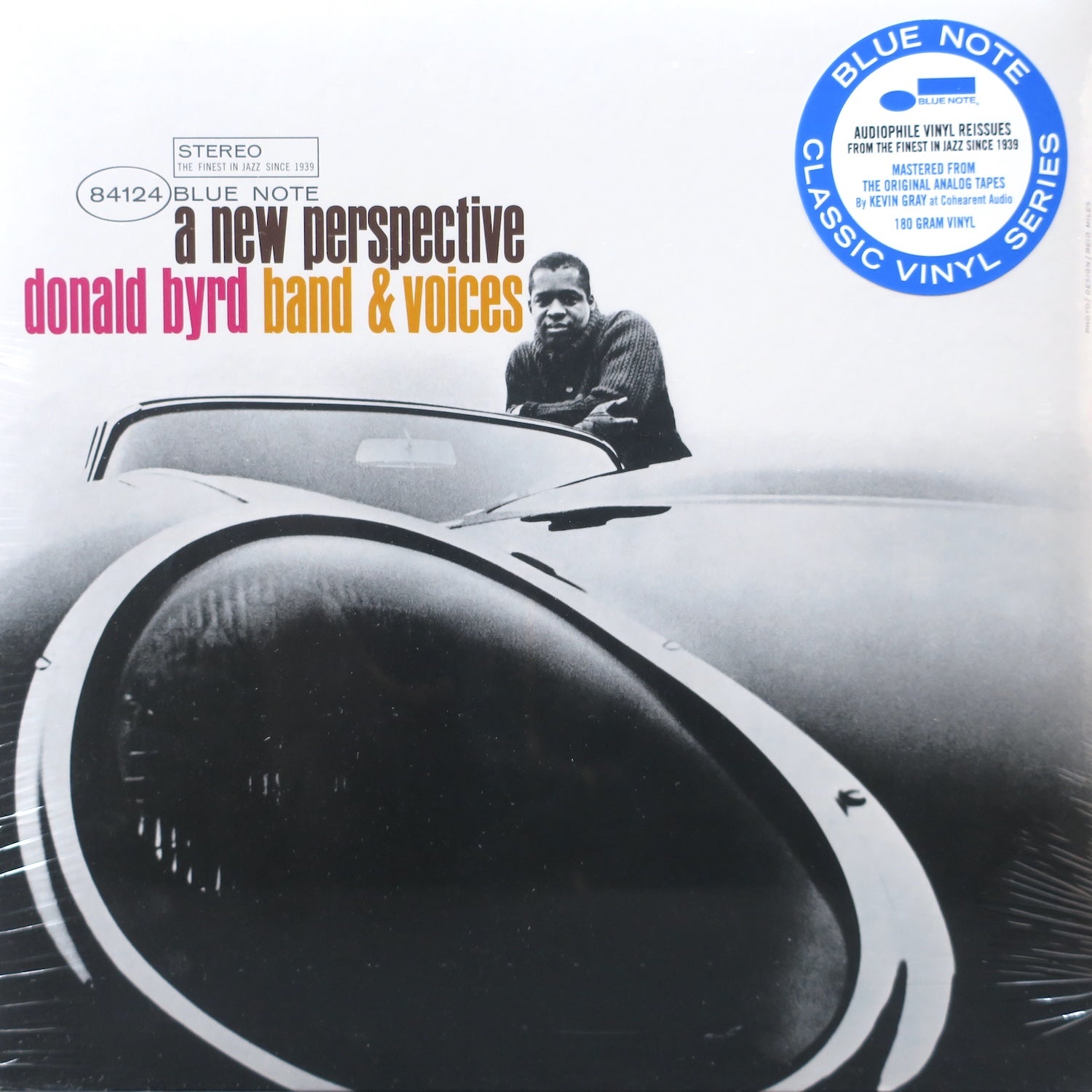
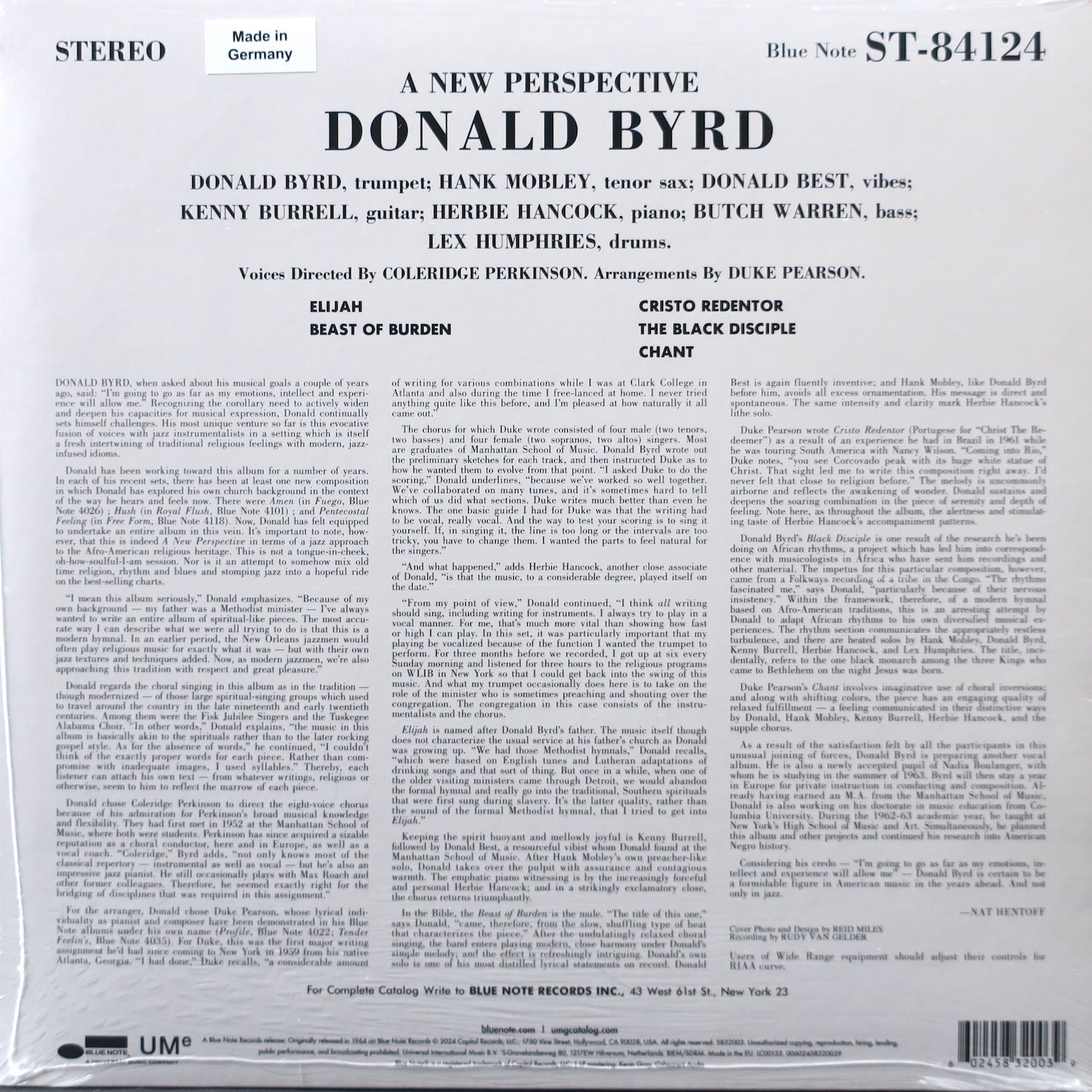
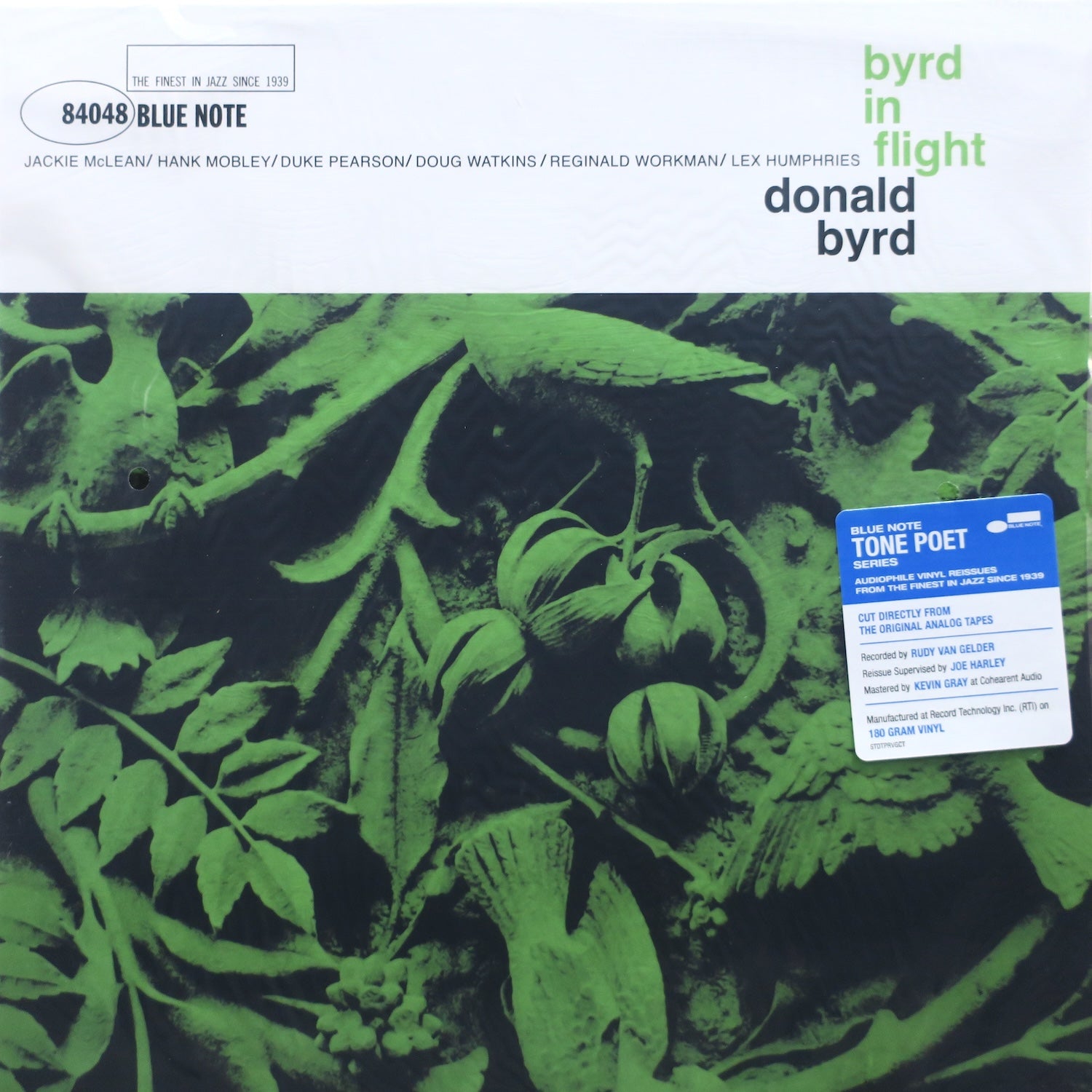
Donald Byrd's music is a study in reinvention: a hard-bop trumpeter who refused to stay inside one lane, he helped move jazz toward soul and funk without losing horn-driven sophistication. That leap—heard most clearly between the choir-backed A New Perspective and the groove-heavy Black Byrd—made him a bridge between 1960s Blue Note modernism and the dance-friendly fusion of the 1970s.
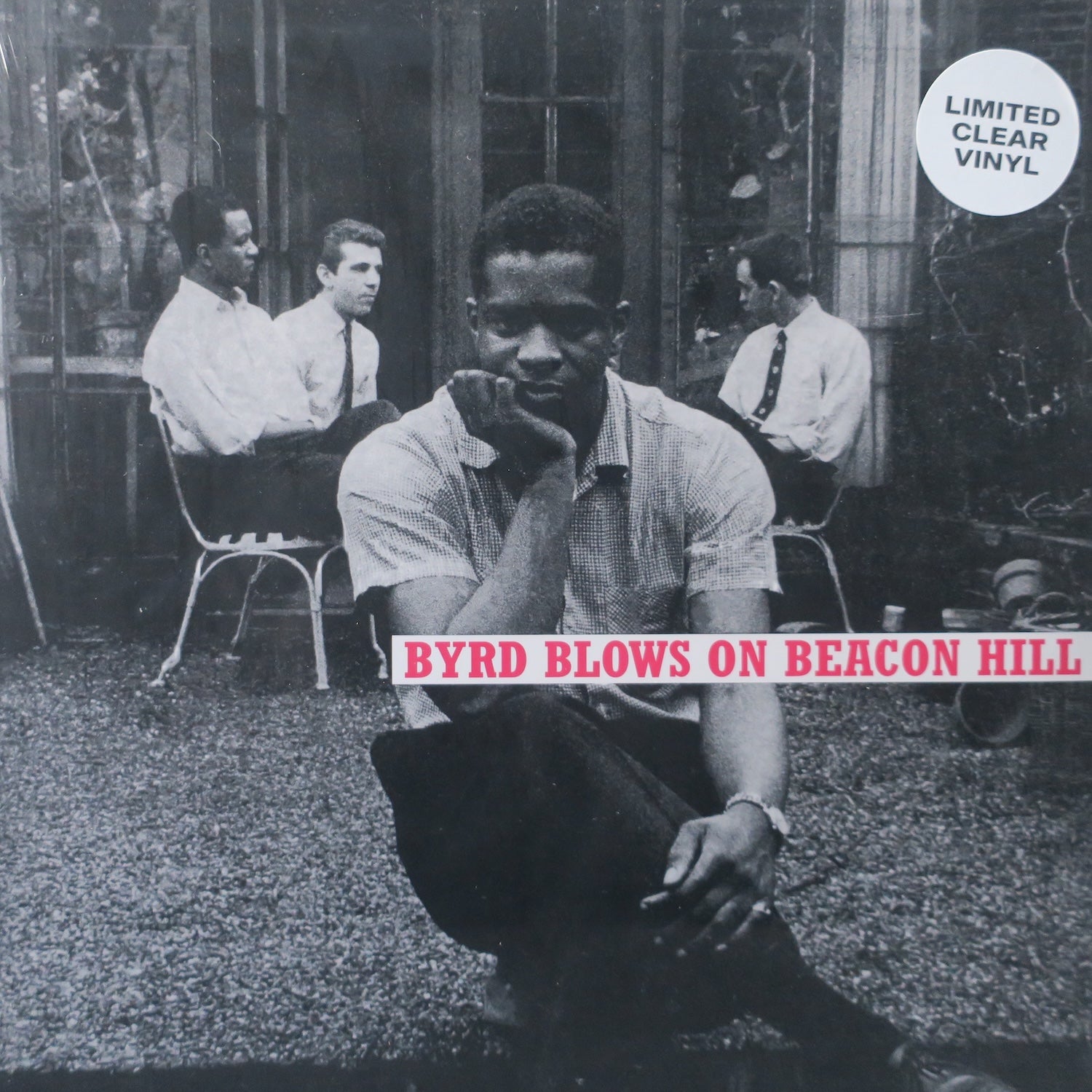
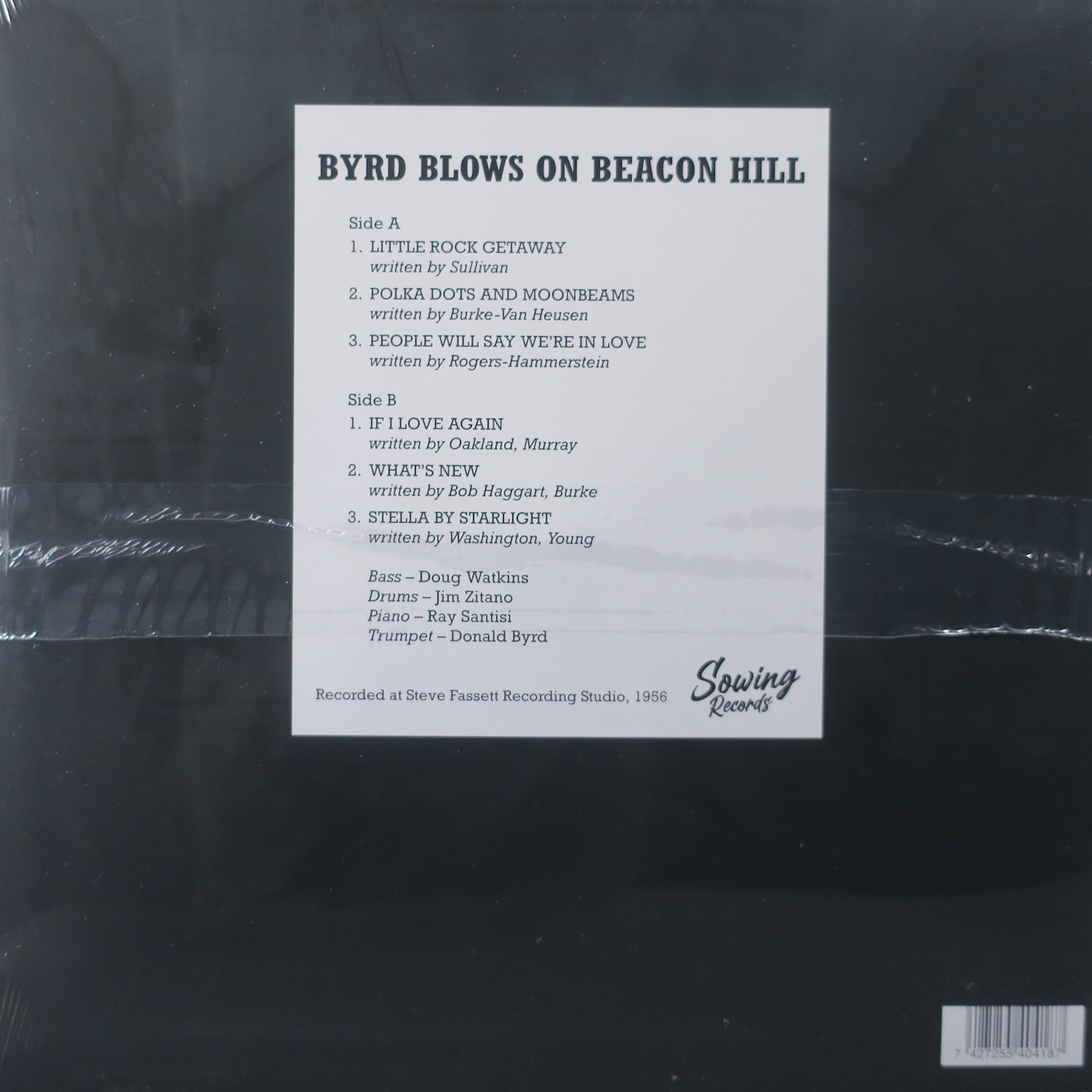
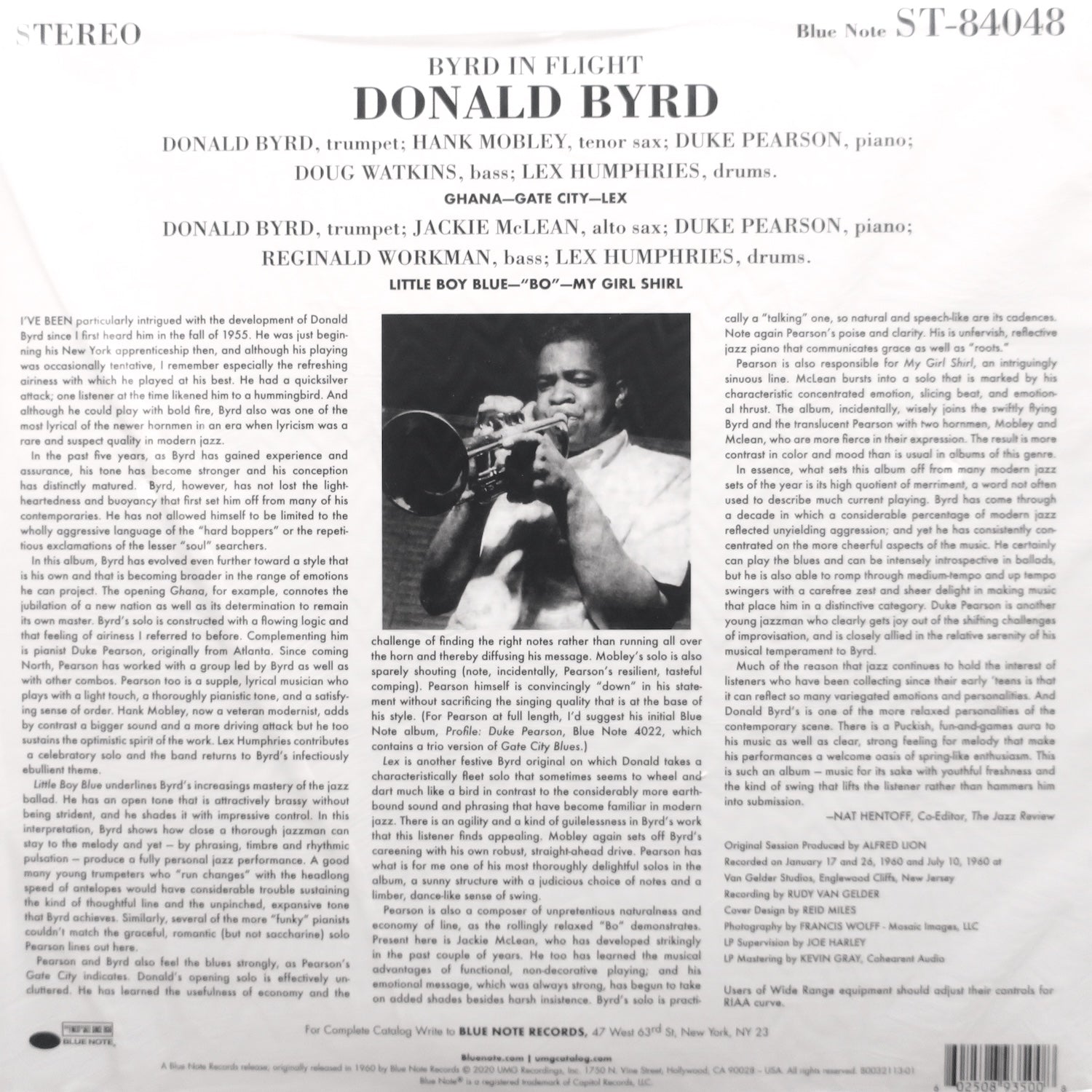
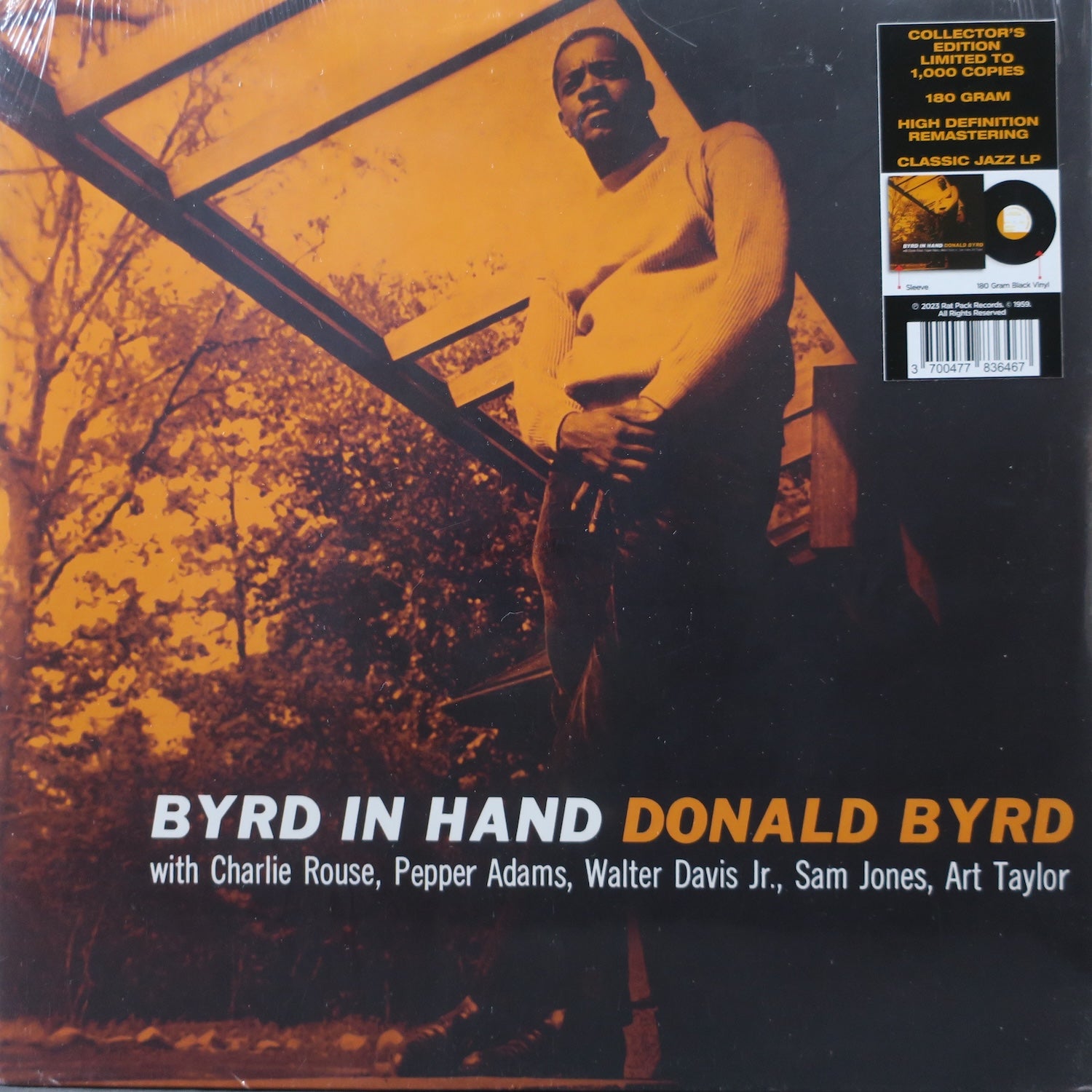
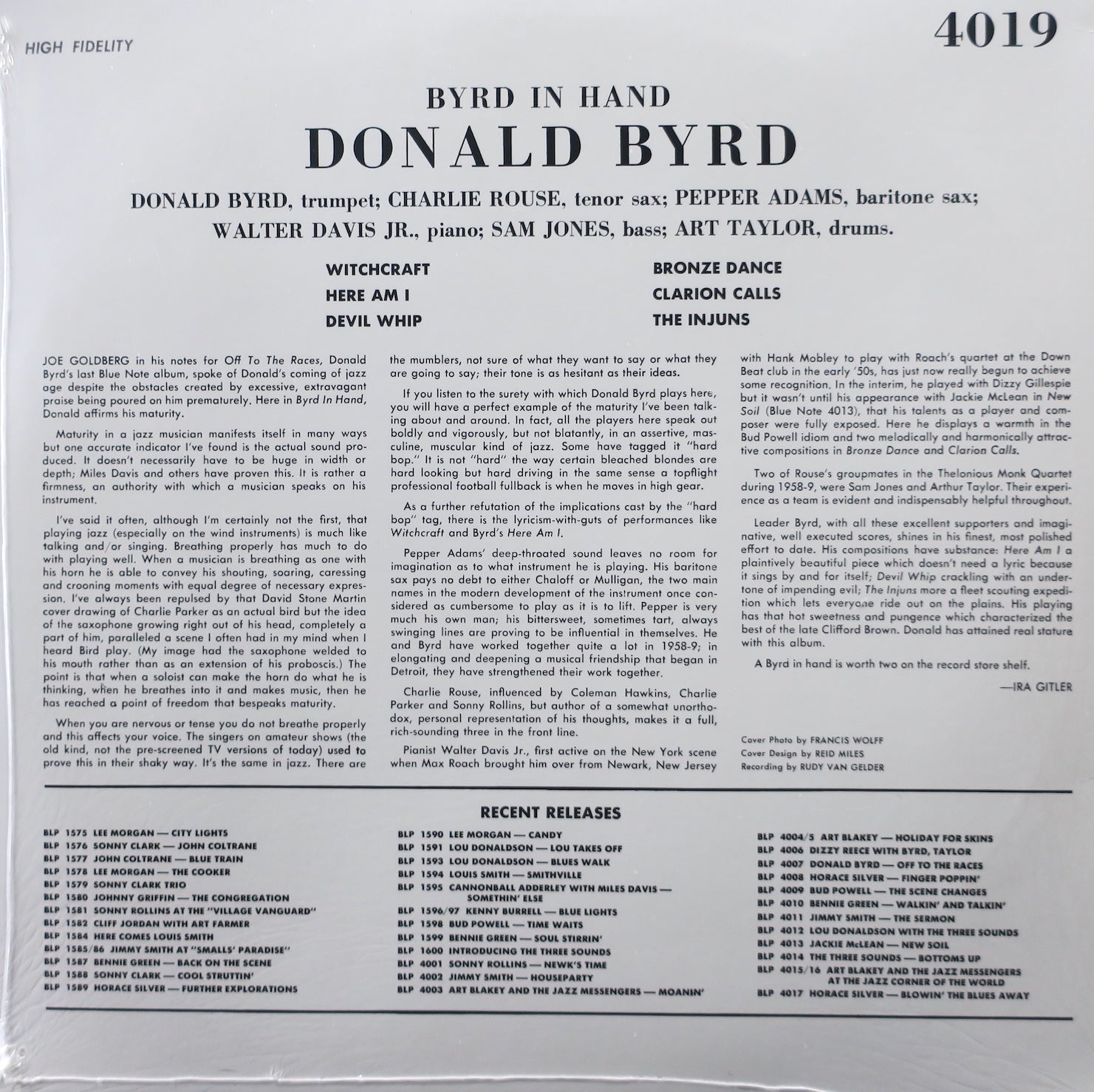
In the early career Byrd built his reputation on crisp, melodic trumpet lines and tight ensembles rooted in hard bop. Albums from that period showcase careful Blue Note production and a focus on compositional clarity that let soloists breathe. Then, in the early 1970s, a decisive stylistic shift arrived: the Mizell Brothers (Larry Mizell and his brother Fonce Mizell) supplied lusher, funk-oriented arrangements and studio savvy that turned Byrd into a crossover figure. Black Byrd and Places and Spaces paired Byrd's brass with dense, funky backdrops and slick production—records that played in clubs and on the radio as much as they did in jazz clubs.
Byrd's role as a mentor deepened the story. While teaching at Howard University he helped form and produce The Blackbyrds, a student band that translated his jazz-funk ideas into a tighter, younger sound and scored several R&B hits. That link between academia, studio craft and popular taste explains why Byrd's records still get sampled and dug up by crate-diggers today: they sit at the intersection of jazz improvisation and pop rhythm.
Comparisons to contemporaries like Herbie Hancock make sense—both moved from acoustic post-bop into electric, groove-based music—while the electric experiments of Miles Davis provide the broader context for Byrd's pivot. Vibraphonist Roy Ayers and Byrd shared the same 1970s landscape, blending jazz technique with R&B warmth.
For listeners curious about Byrd, start with A New Perspective to hear his roots, then jump to Black Byrd and Places and Spaces to experience the full embrace of funk. The arc from jazz sideman to architect of jazz-funk is what keeps Donald Byrd's catalog compelling decades after its release.