Freddie Hubbard
Few trumpeters managed to sound both razor-sharp and warmly human at once the way Freddie Hubbard did: a lip-bent attack that could cut through a quintet and a melodic sense that made ballads linger. That combination is why his records from the 1960s through the early 1970s still serve as a primer in how to move a horn between hard bop bite and the broader textures of post-bop and fusion.
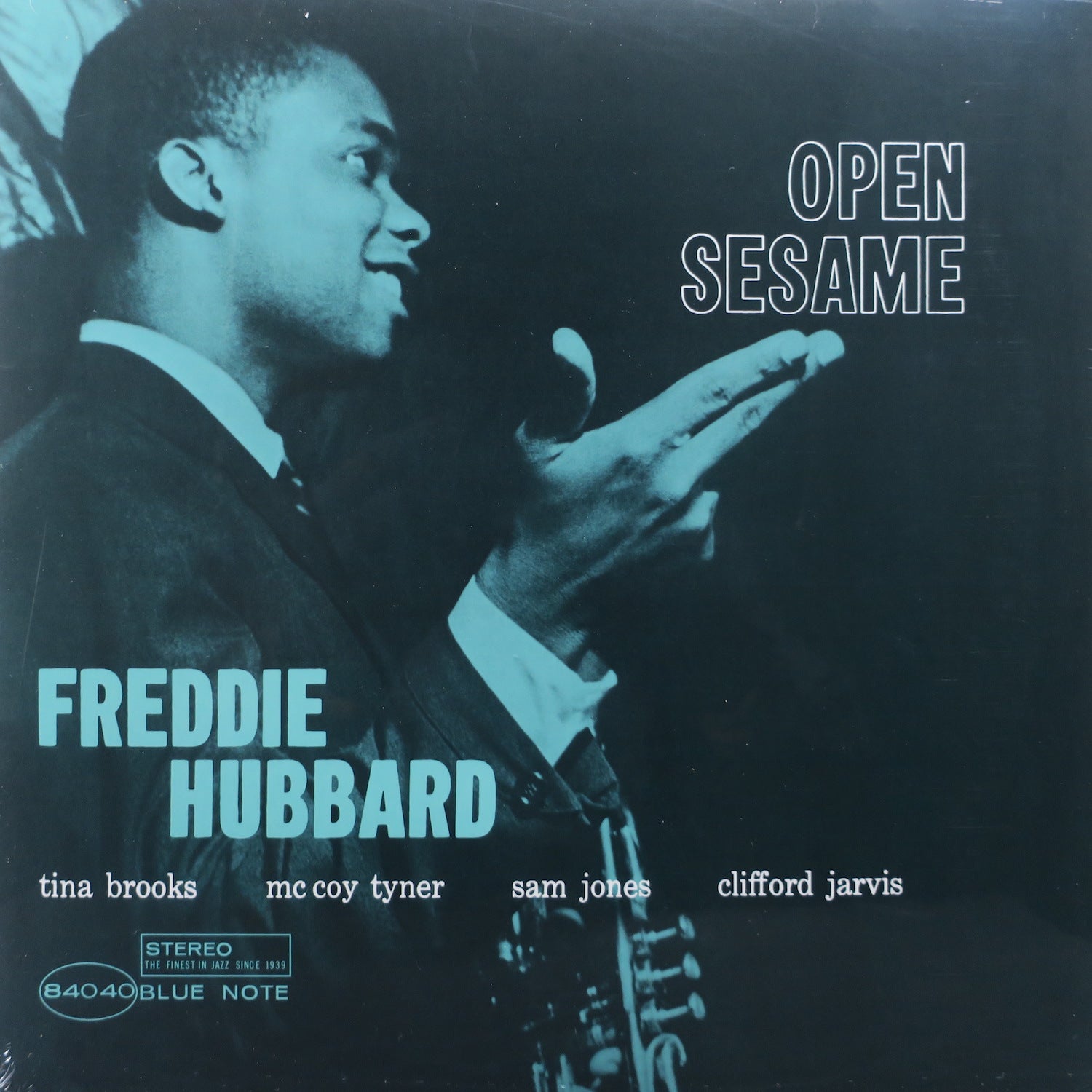
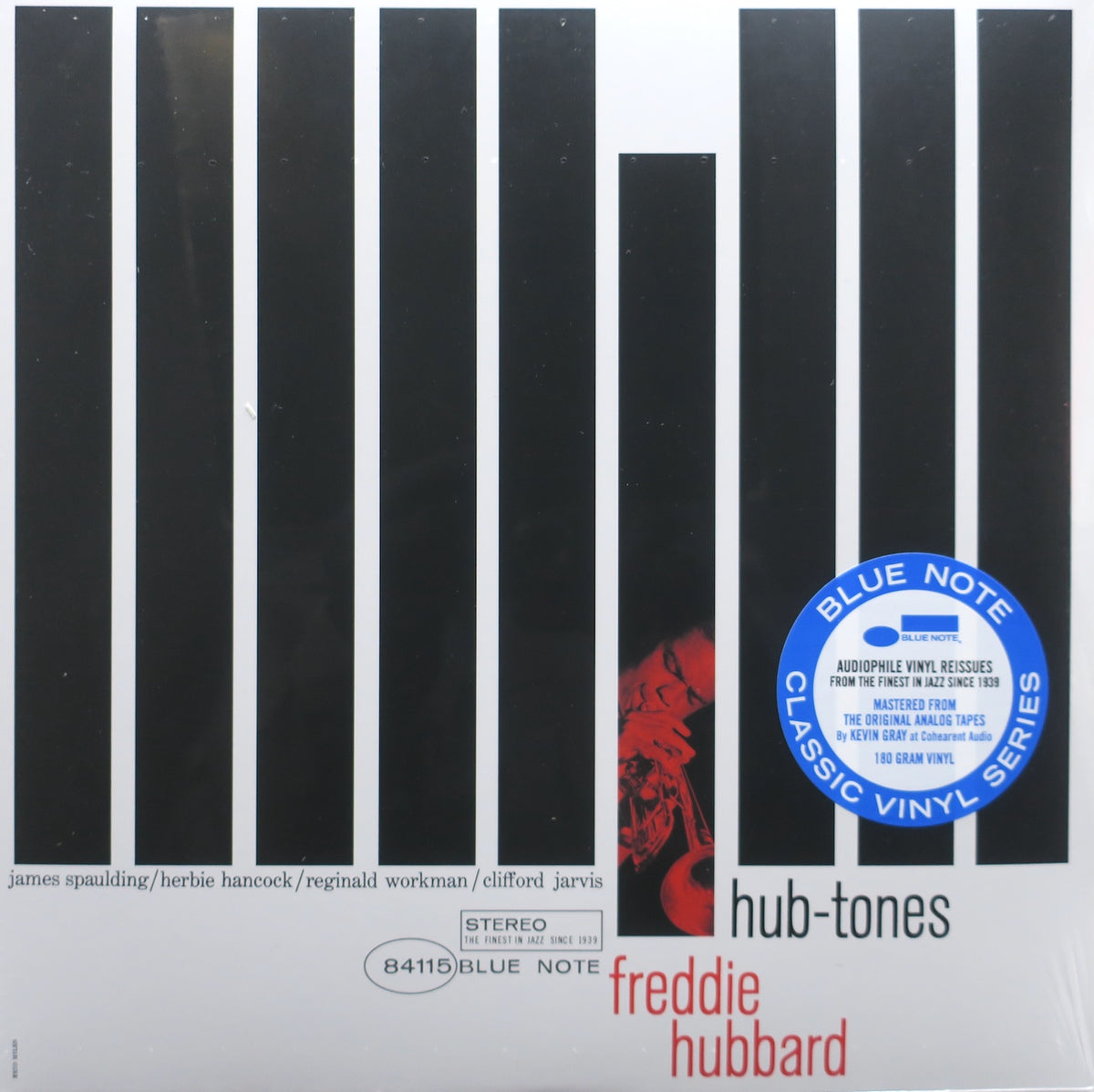
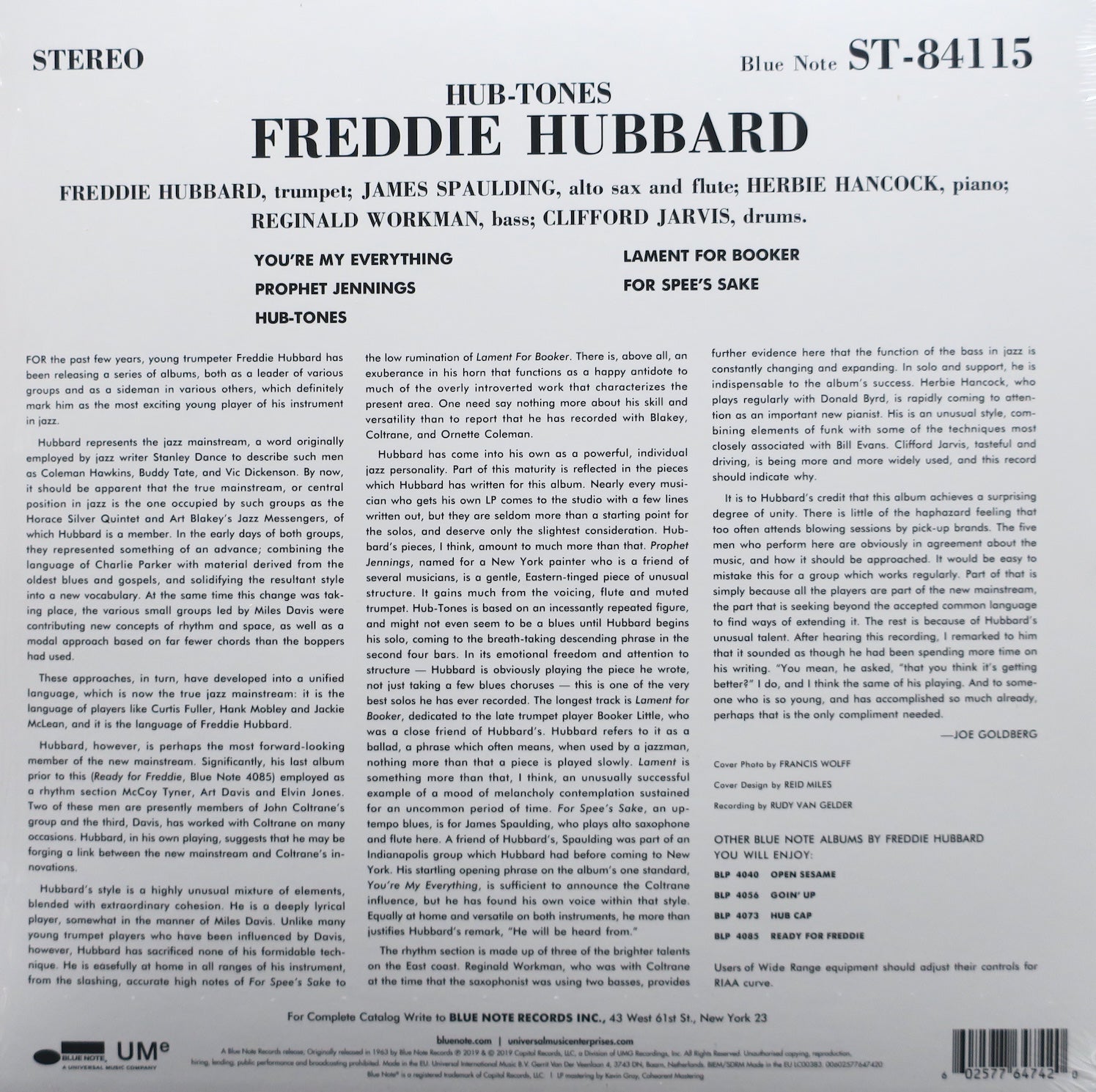
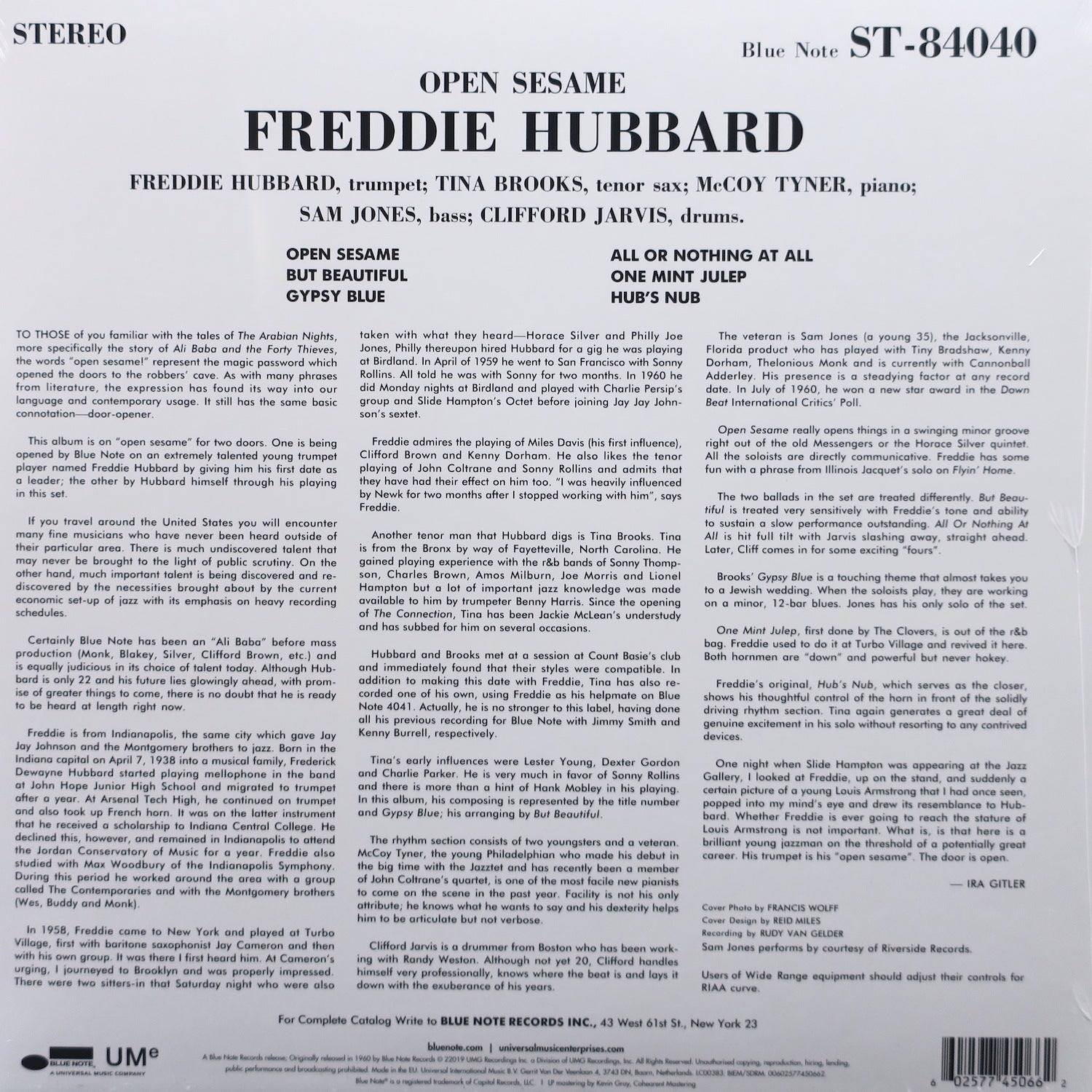
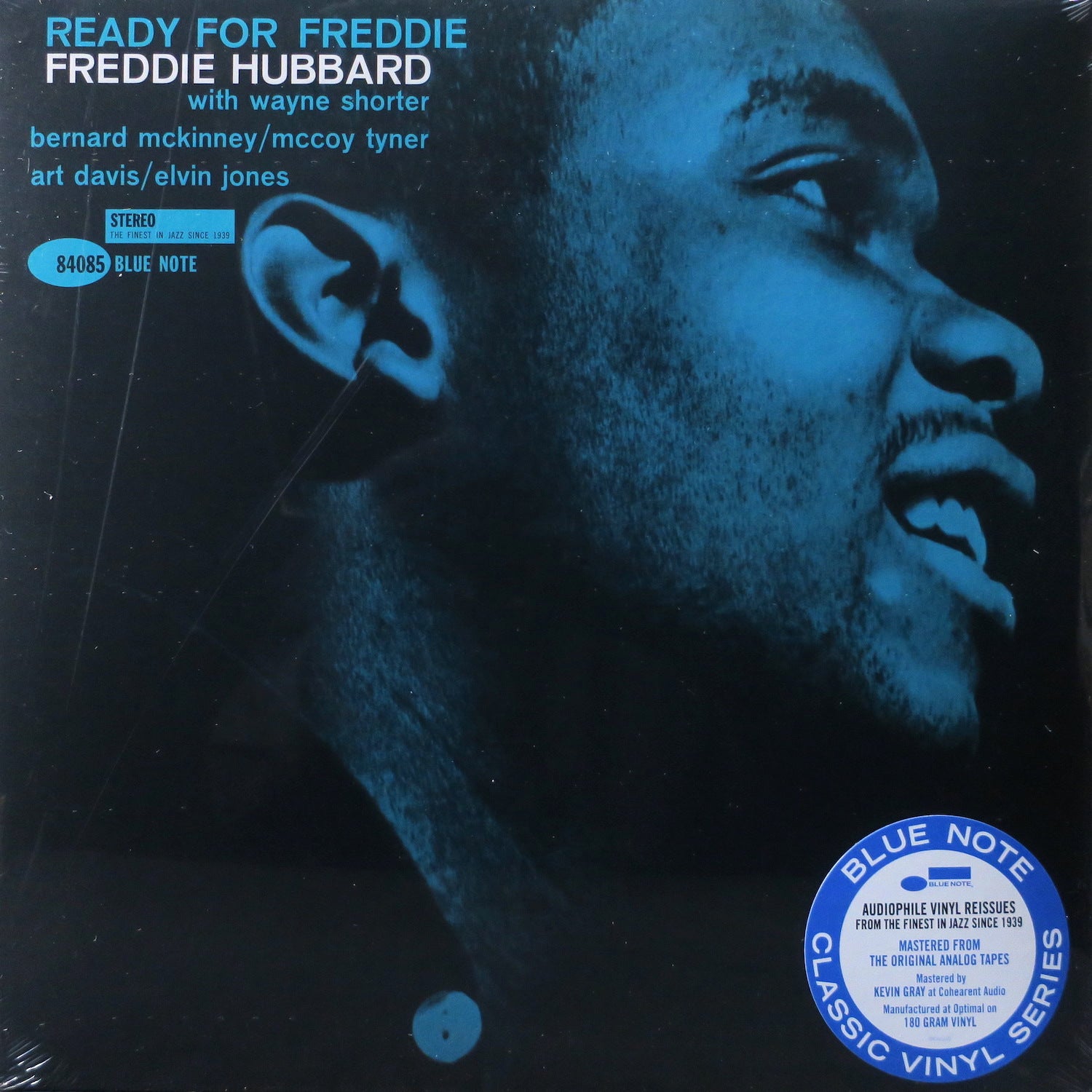
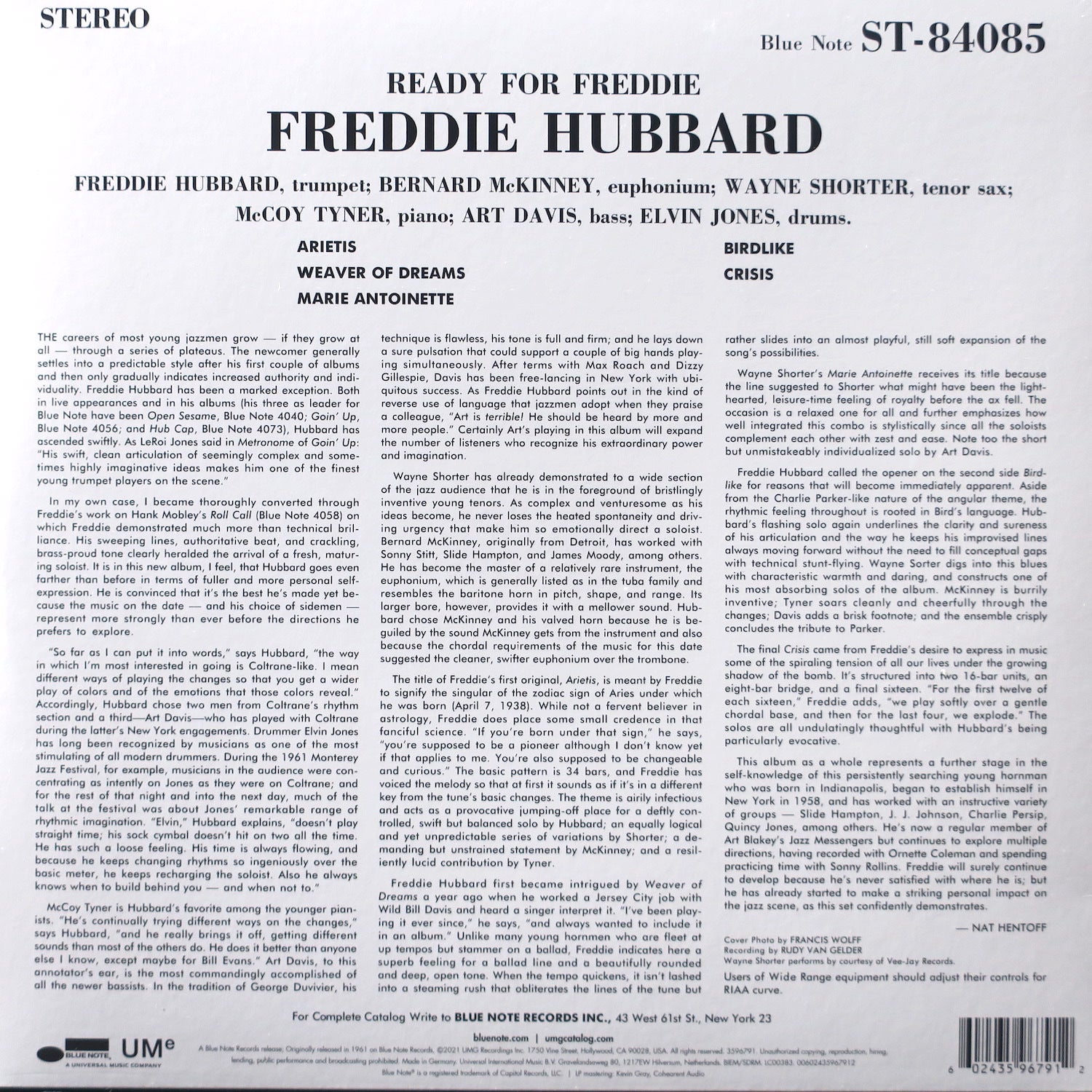
Hubbard’s Blue Note-era sessions are where many listeners first encounter him. Records like Ready for Freddie, Hub-Tones and Open Sesame capture a player steeped in the hard-bop vocabulary but eager to stretch harmony and rhythm. Those albums showcase Hubbard’s command of form — crisp solos built from clear motifs — and his willingness to trade chorus-for-chorus with peers, which kept his lines both unpredictable and deeply musical.
The turn into the 1970s found Hubbard exploring larger forms and electric textures without losing his core identity. Red Clay and First Light point to a trumpet voice comfortable with funk-inflected grooves, lush arrangements and longer, modal improvisations. Those records helped bring Hubbard’s sound to a wider audience while preserving the improvisational focus that made his earlier work essential listening.
Hubbard’s career is best understood through the company he kept and the players he influenced. Stints with Art Blakey’s Jazz Messengers put him squarely in the hard-bop lineage alongside contemporaries such as Lee Morgan and Wayne Shorter; those shared scenes and sessions sharpened his competitive imagination. Later generations of trumpeters — from Wynton Marsalis to other post-bop players — have cited Hubbard’s combination of technical clarity and expressive range as a guidebook for modern jazz trumpet.
For someone new to his catalogue, start with Ready for Freddie and Red Clay to hear both sides of his artistry: the disciplined, small-group improviser and the leader comfortable expanding the palette around his horn. Across those records, Hubbard’s sound remains immediate — a direct line from hard-bop tradition into the open-ended jazz of the 1970s.
Recommended Artists: Miles Davis, Donald Byrd, Art Blakey & The Jazz Messengers, Cannonball Adderley, Grant Green