Skip to content
10% off orders over $150 . . . Flat rate shipping within Australia
Search
BUY STUFF
SELL YOUR RECORDS & CDs
VINYL FLATTENING
GIFT VOUCHER
CONTACT
Account
Search
Cart
BUY STUFF
SELL YOUR RECORDS & CDs
VINYL FLATTENING
GIFT VOUCHER
CONTACT
Grant Green
1959–1978
US
Jazz
If you like Grant Green you should check out:
Hank Mobley
Filter
8 products
Sort by
Alphabetically, A-Z
Most relevant
Best selling
Alphabetically, A-Z
Alphabetically, Z-A
Date, old to new
Date, new to old
Filters
Sort by
Most relevant
Best selling
Alphabetically, A-Z
Alphabetically, Z-A
Date, old to new
Date, new to old
Apply
Quick buy
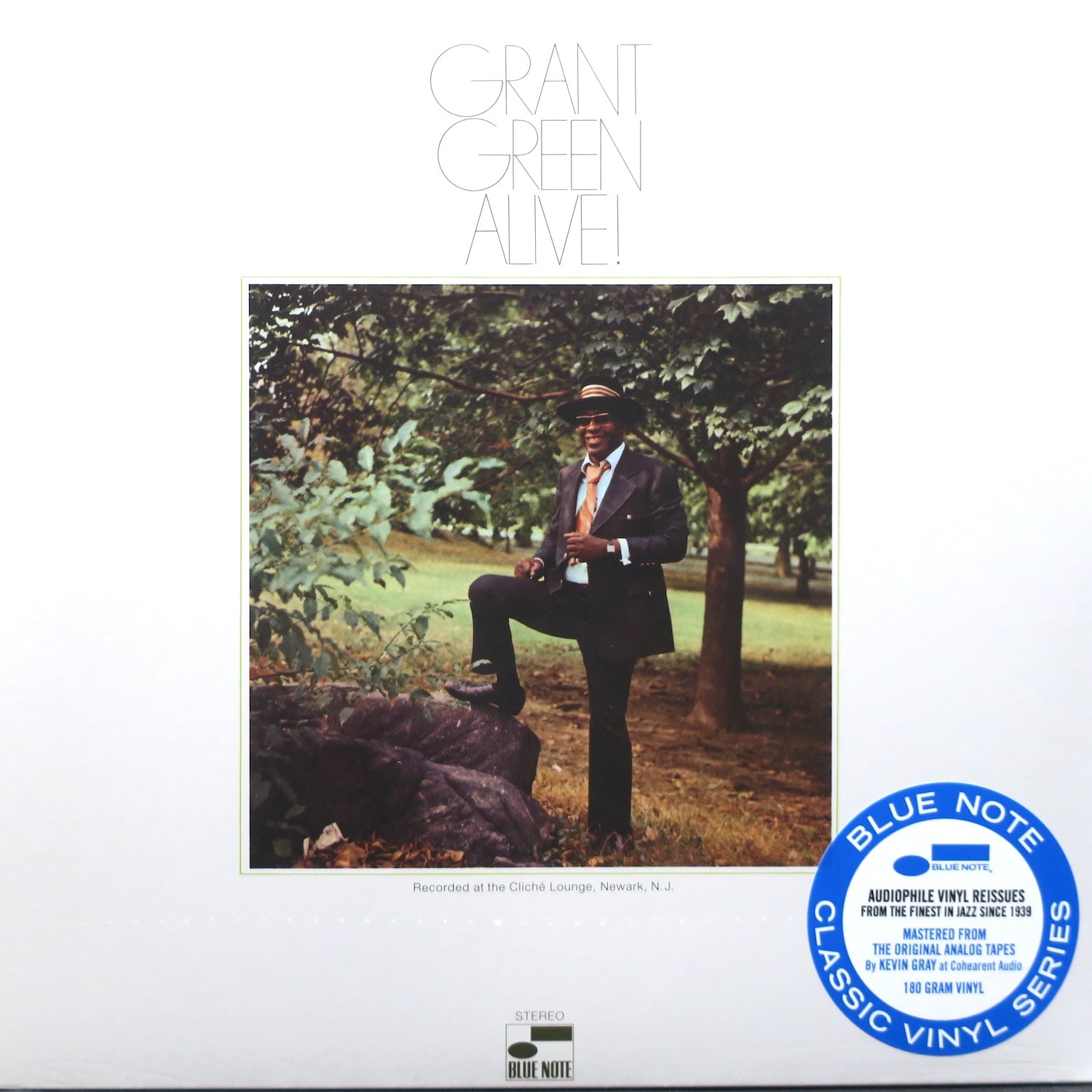
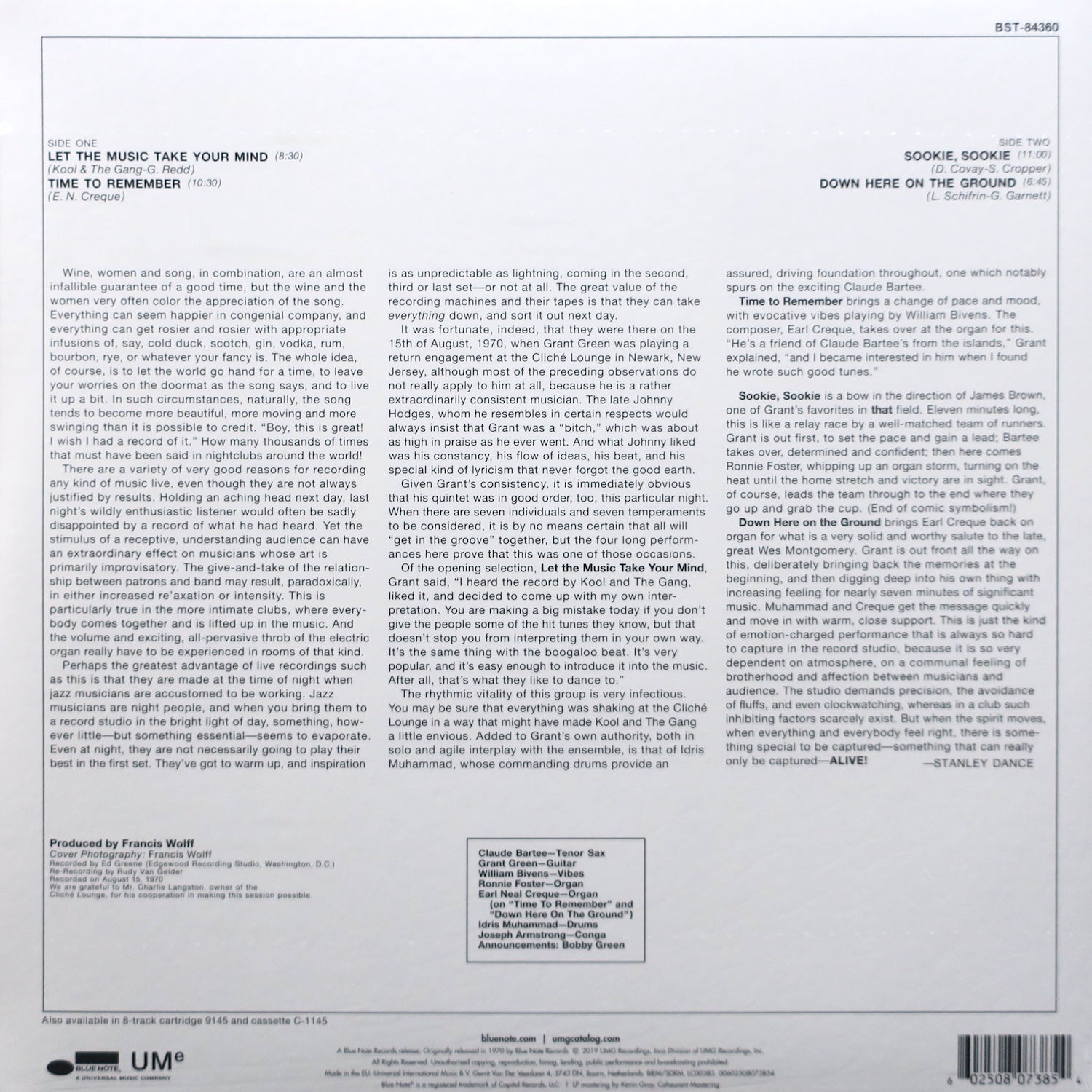
GRANT GREEN 'Alive' BLUE NOTE Classic 180g Vinyl LP (1970 Soul-Jazz)
$50.00
Quick buy
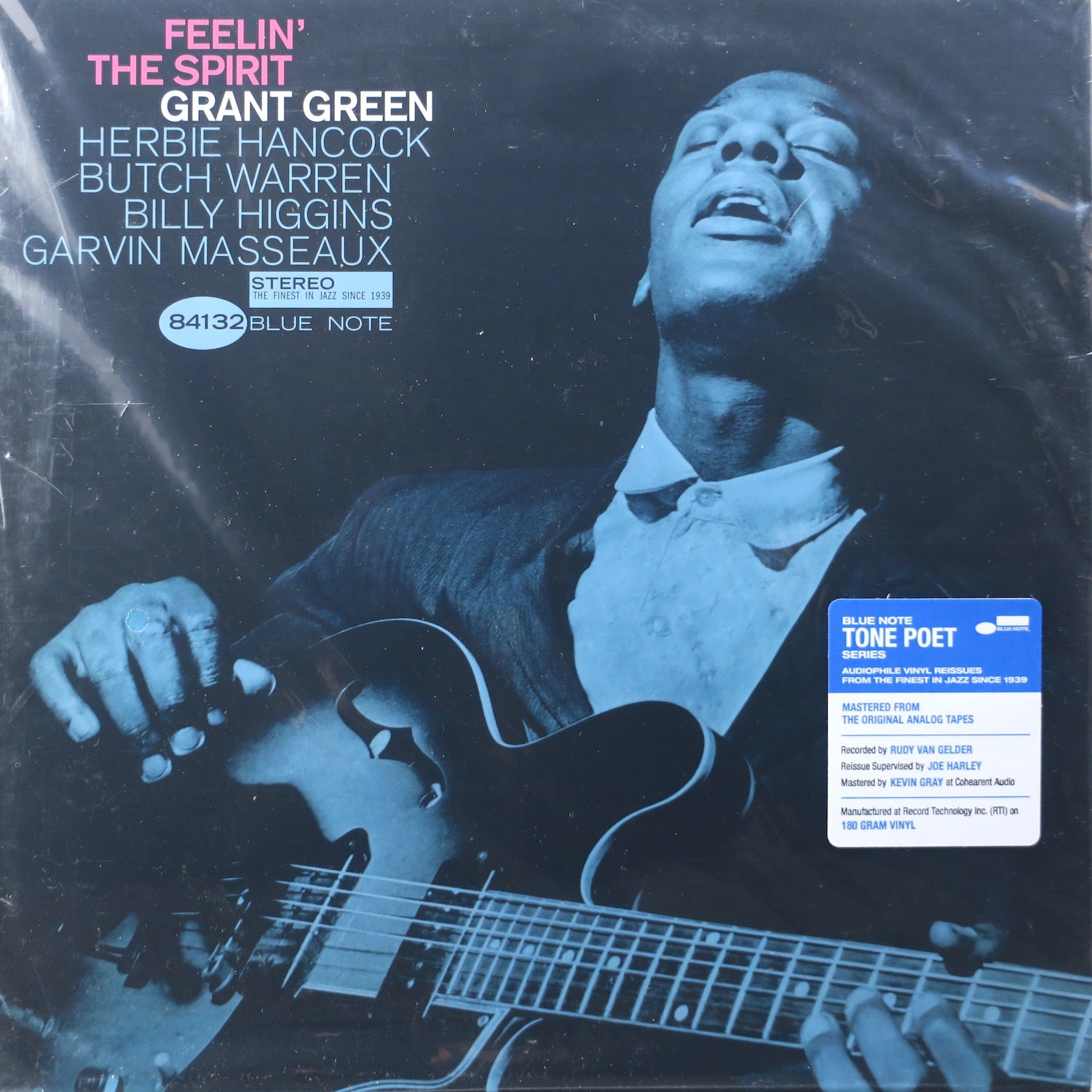
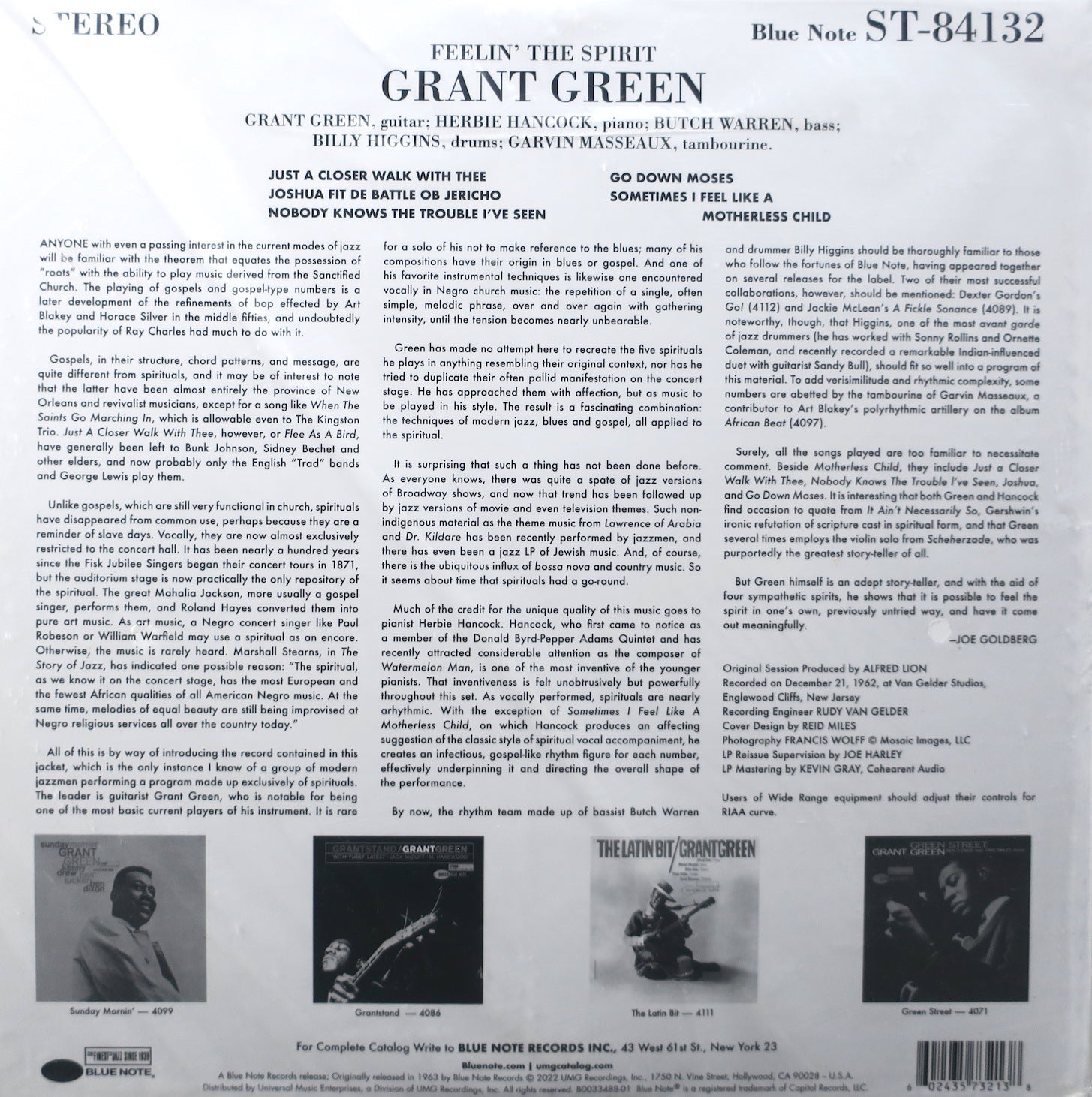
GRANT GREEN 'Feelin' The Spirit' BLUE NOTE Tone Poet 180g Vinyl LP
$60.00
$80.00
Sale
Quick buy
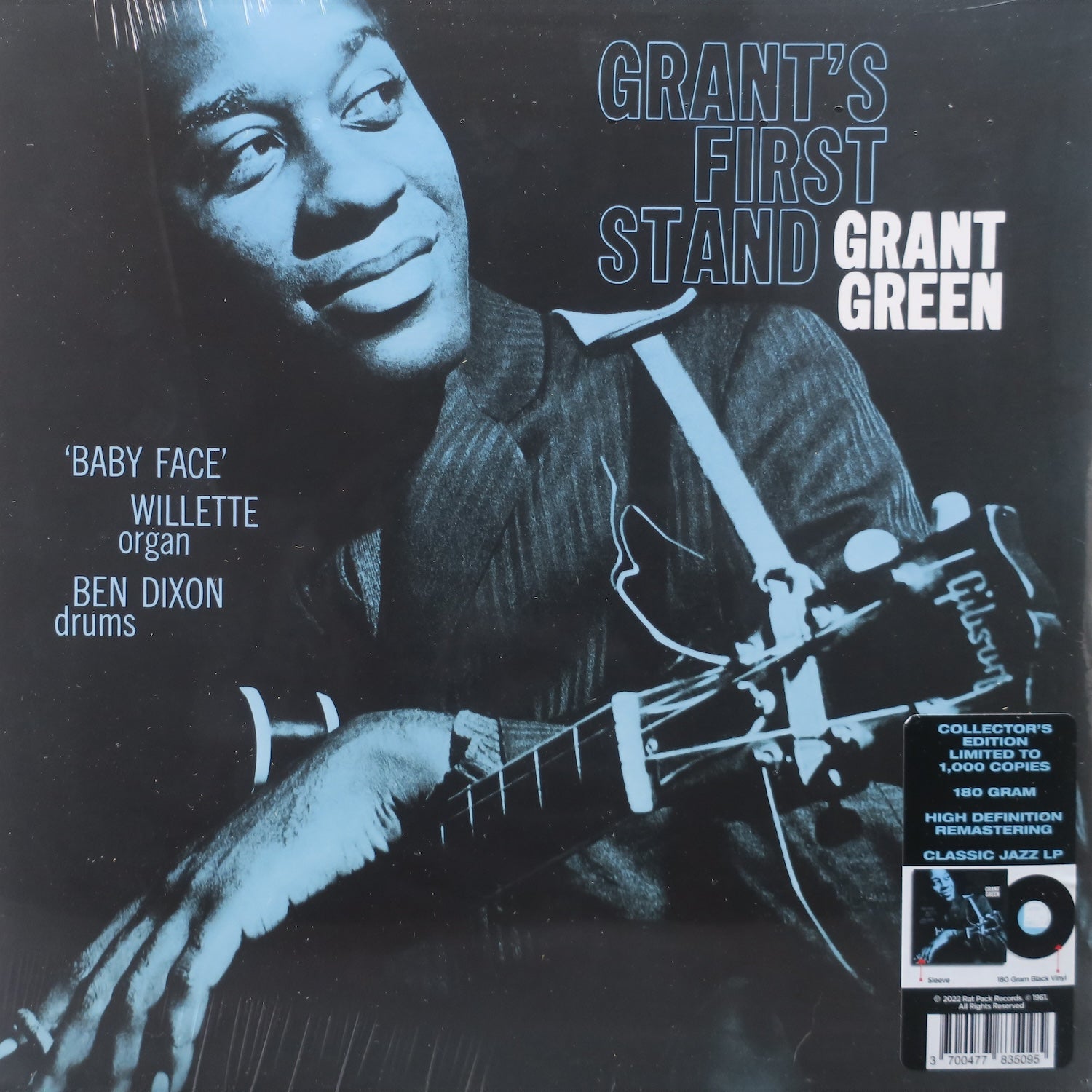
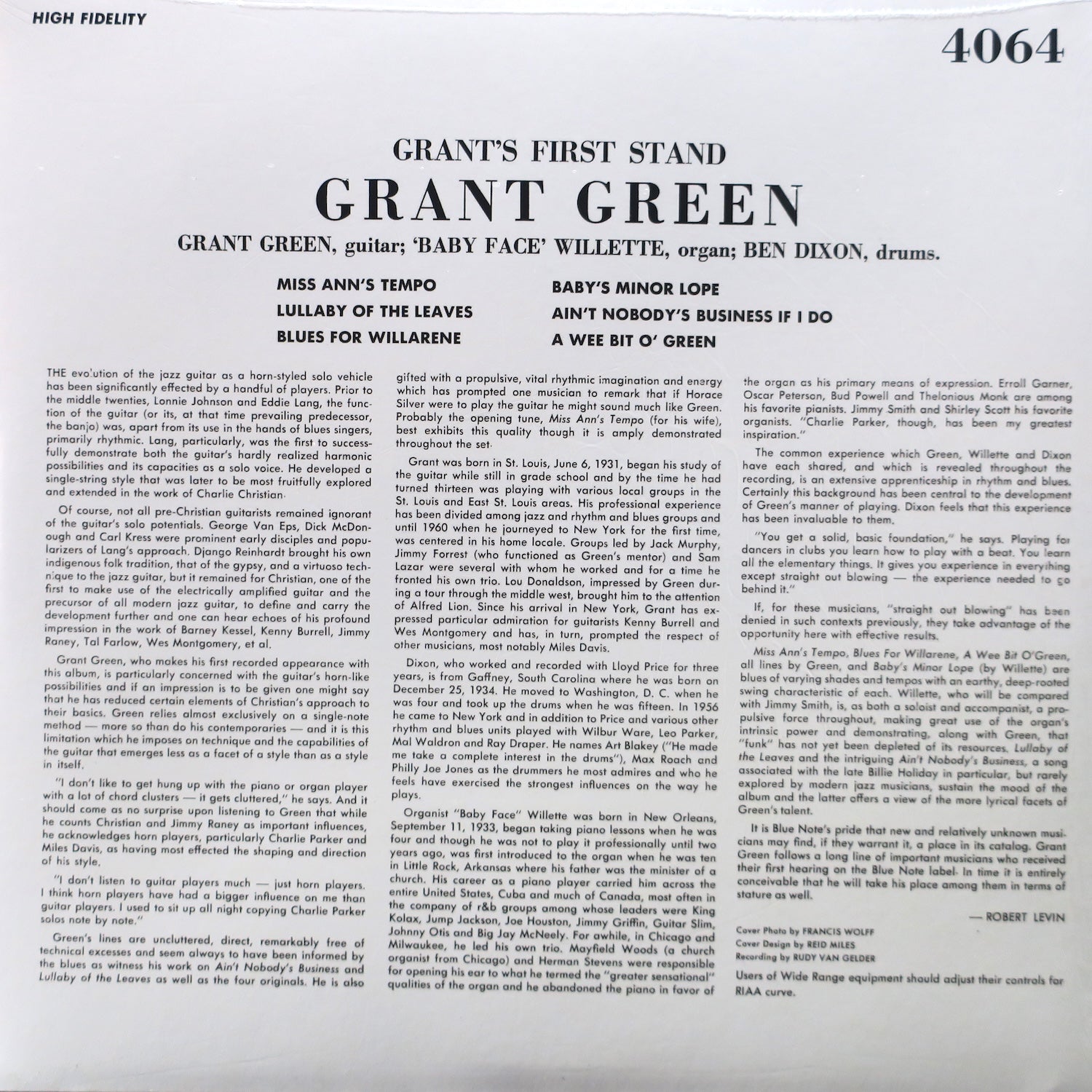
GRANT GREEN 'Grant's First Stand' 180g Vinyl LP
$45.00
Quick buy
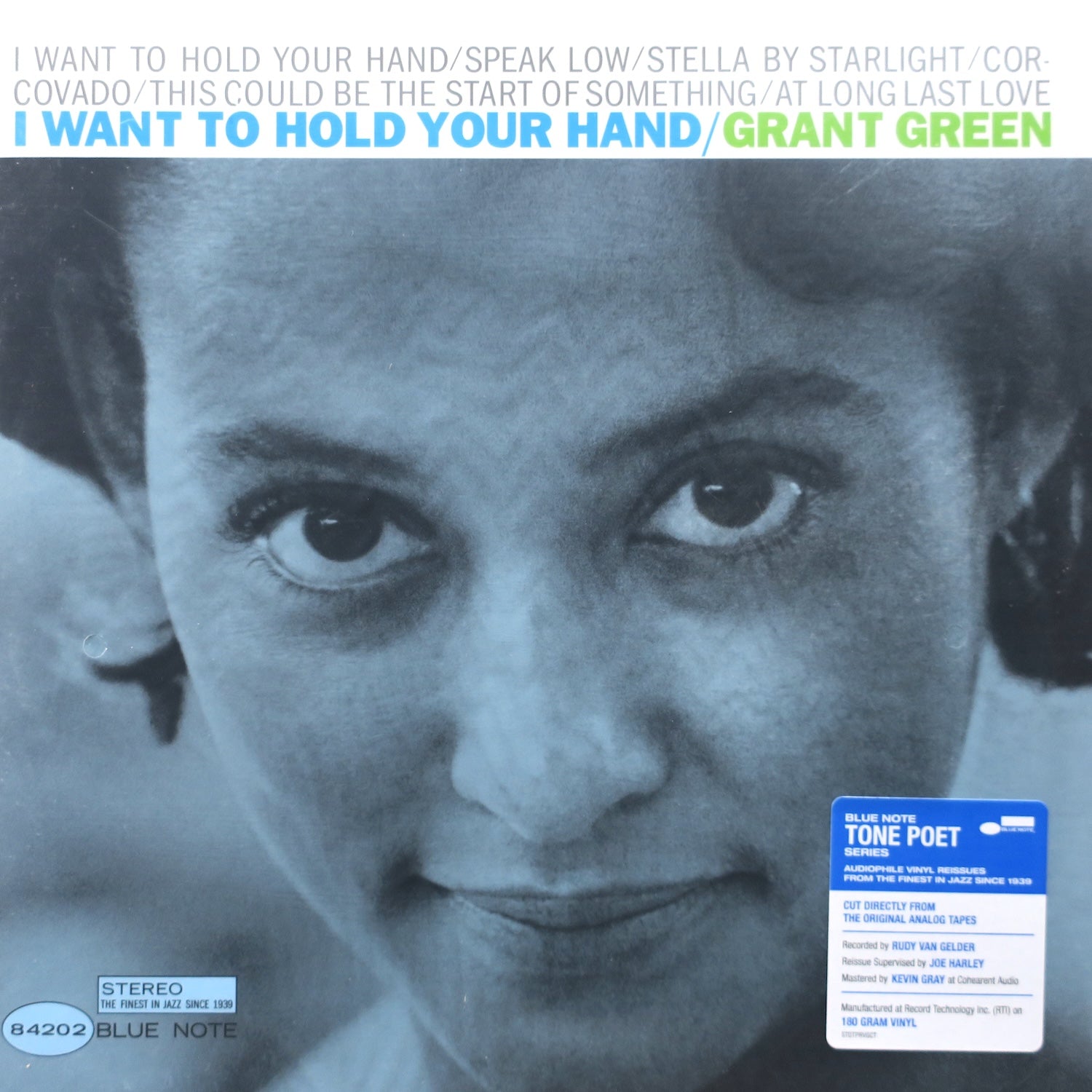
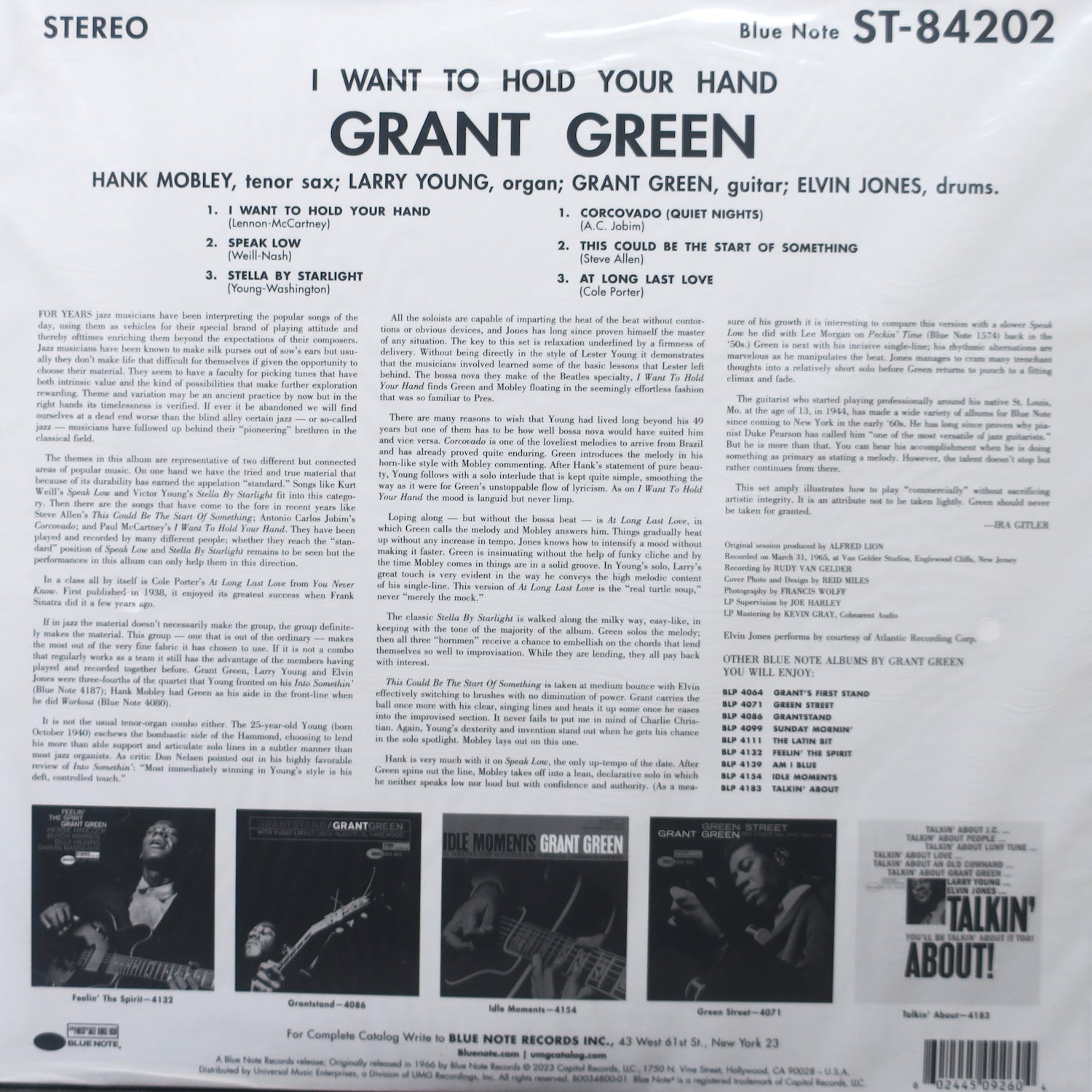
GRANT GREEN 'I Want To Hold Your Hand' Blue Note Tone Poet 180g Vinyl LP
$60.00
Quick buy
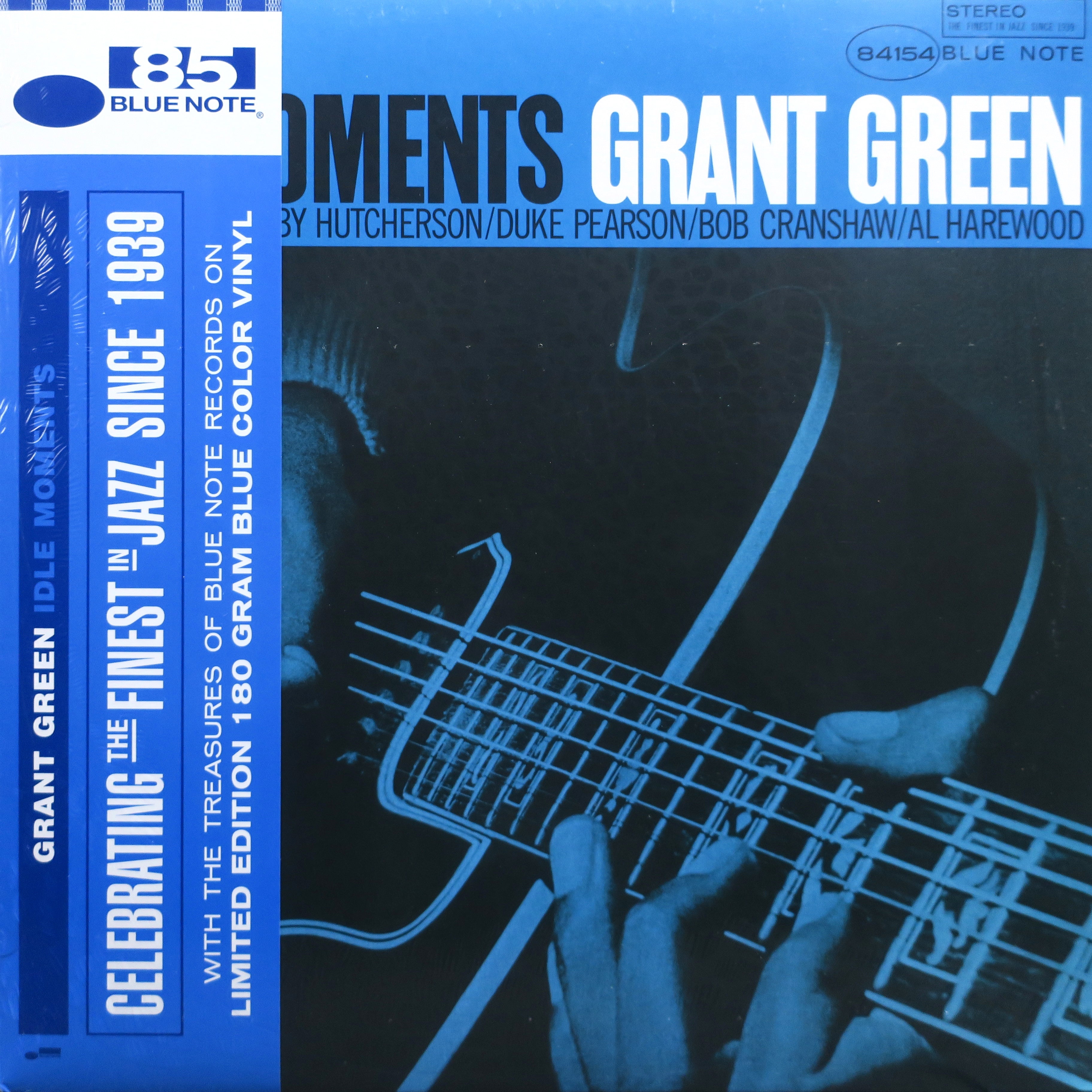
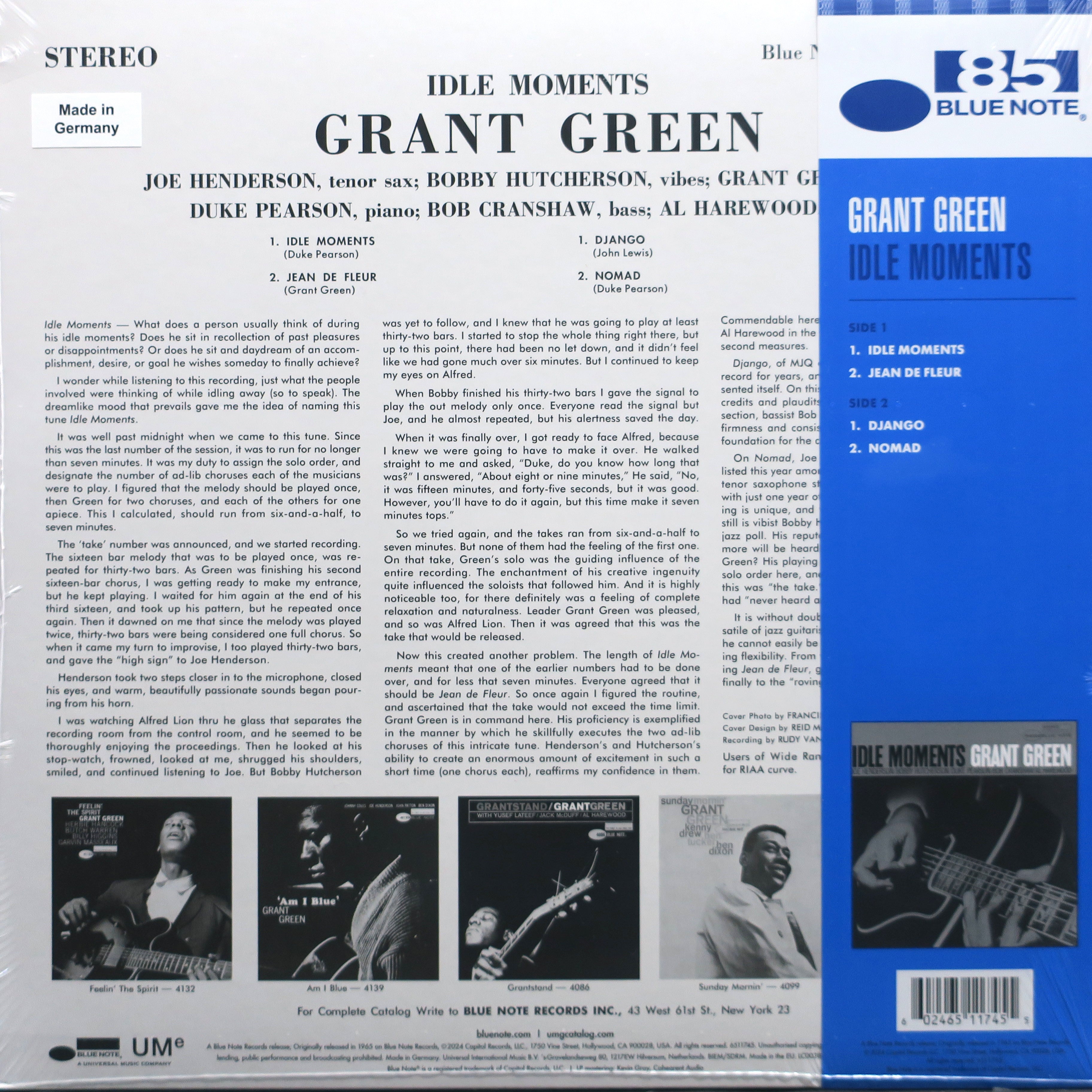
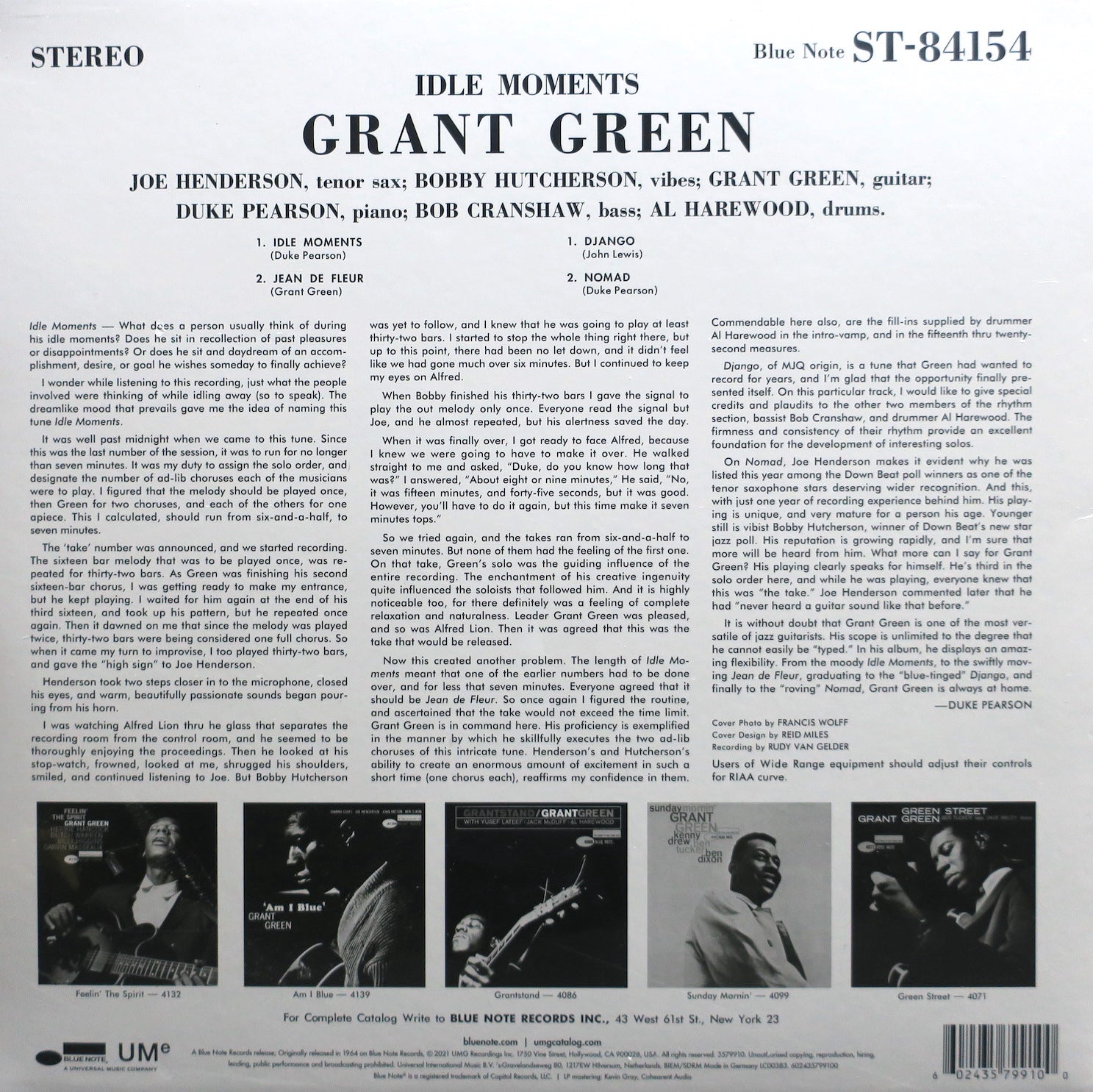
GRANT GREEN 'Idle Moments' Blue Note 180g BLUE Vinyl LP
$60.00
Quick buy
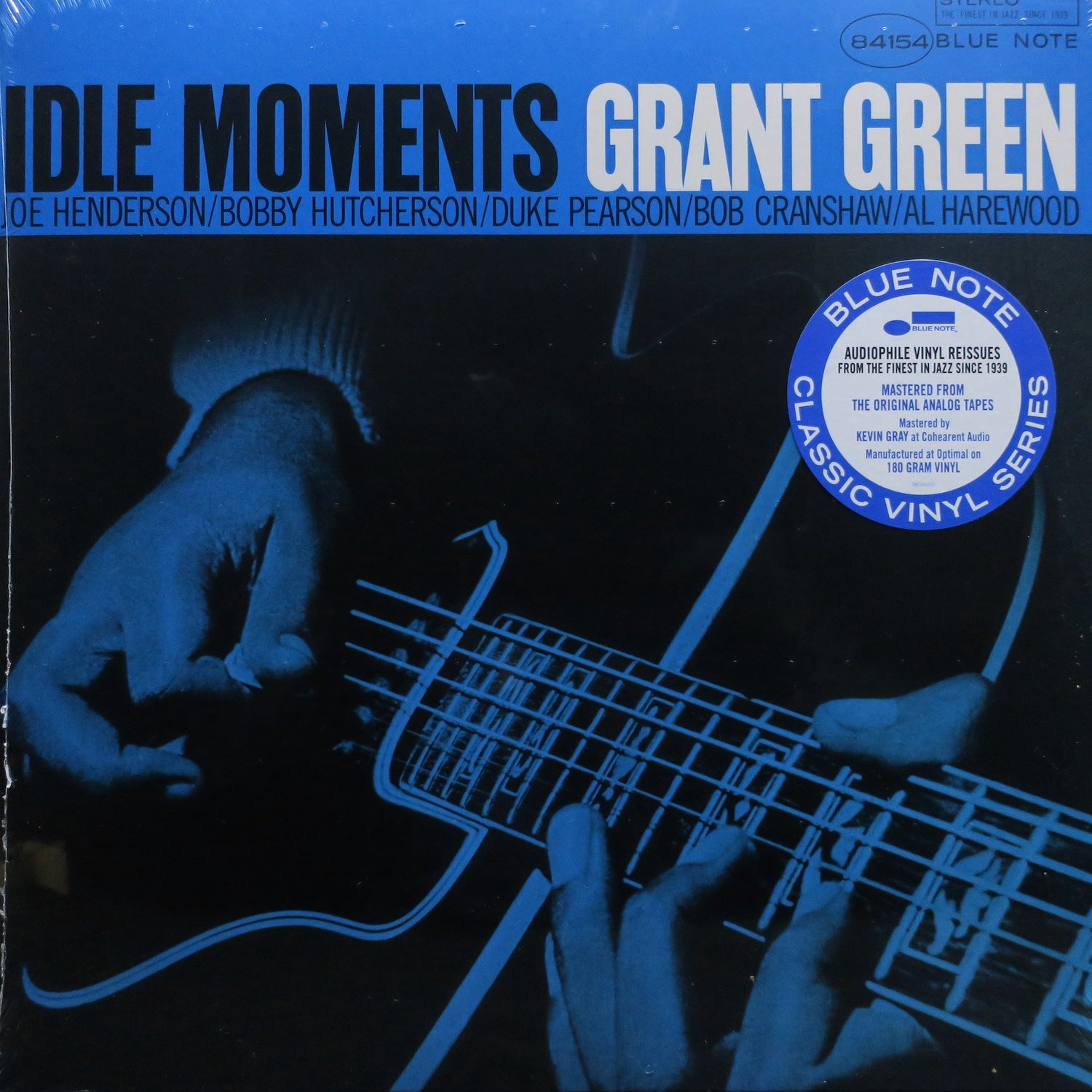
GRANT GREEN 'Idle Moments' BLUE NOTE CLASSIC 180g Vinyl LP
$55.00
Quick buy
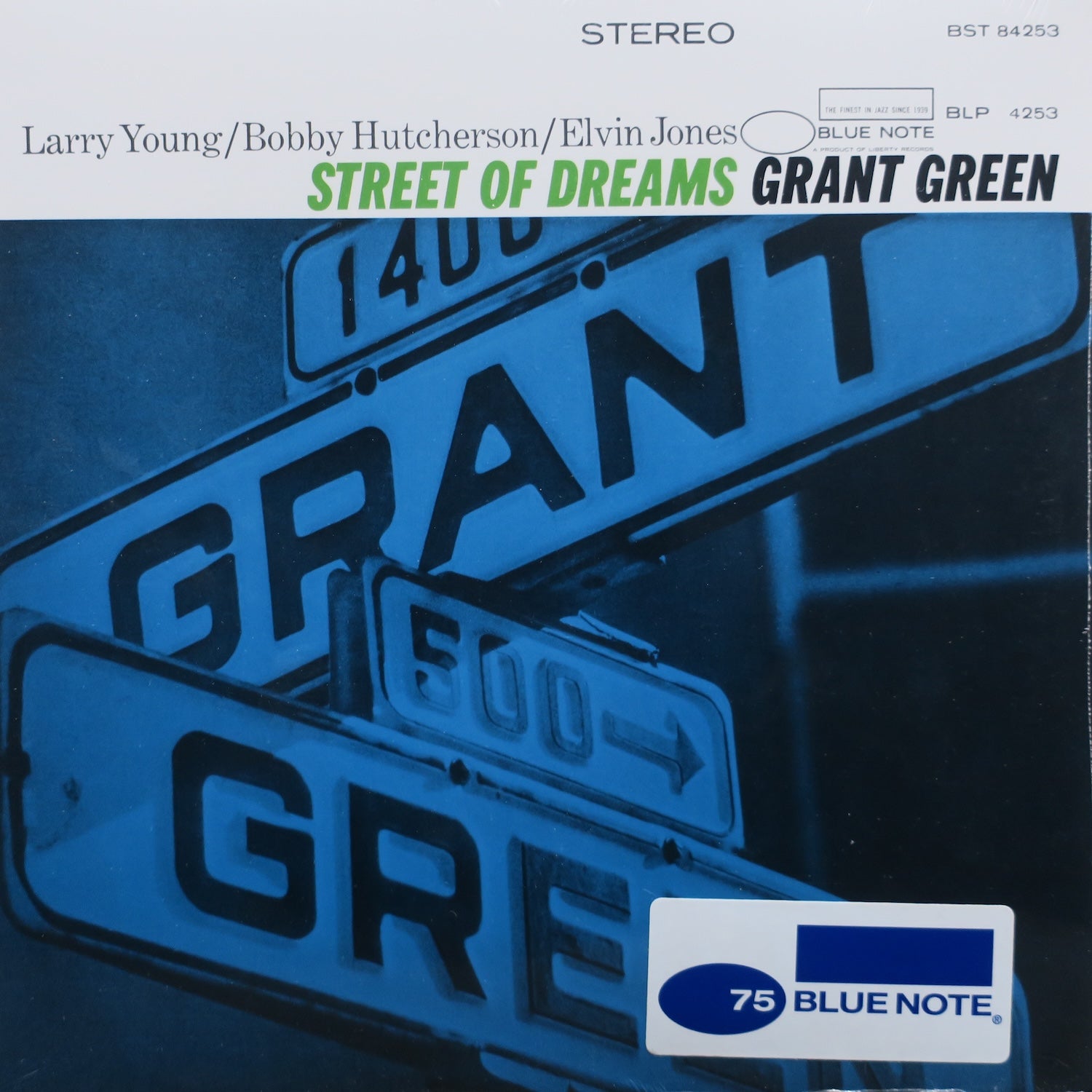
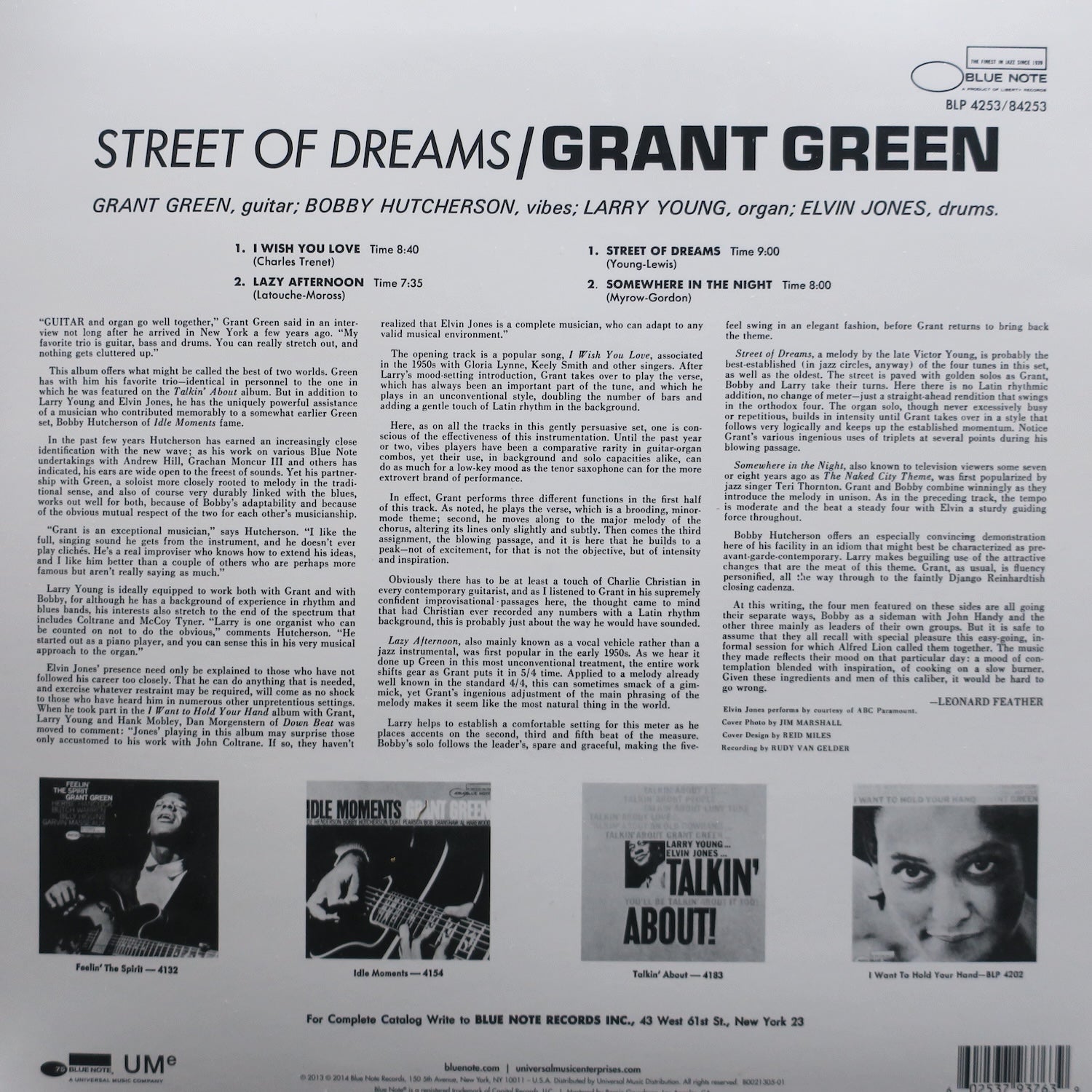
GRANT GREEN 'Street Of Dreams' Blue Note Vinyl LP
$60.00
Quick buy
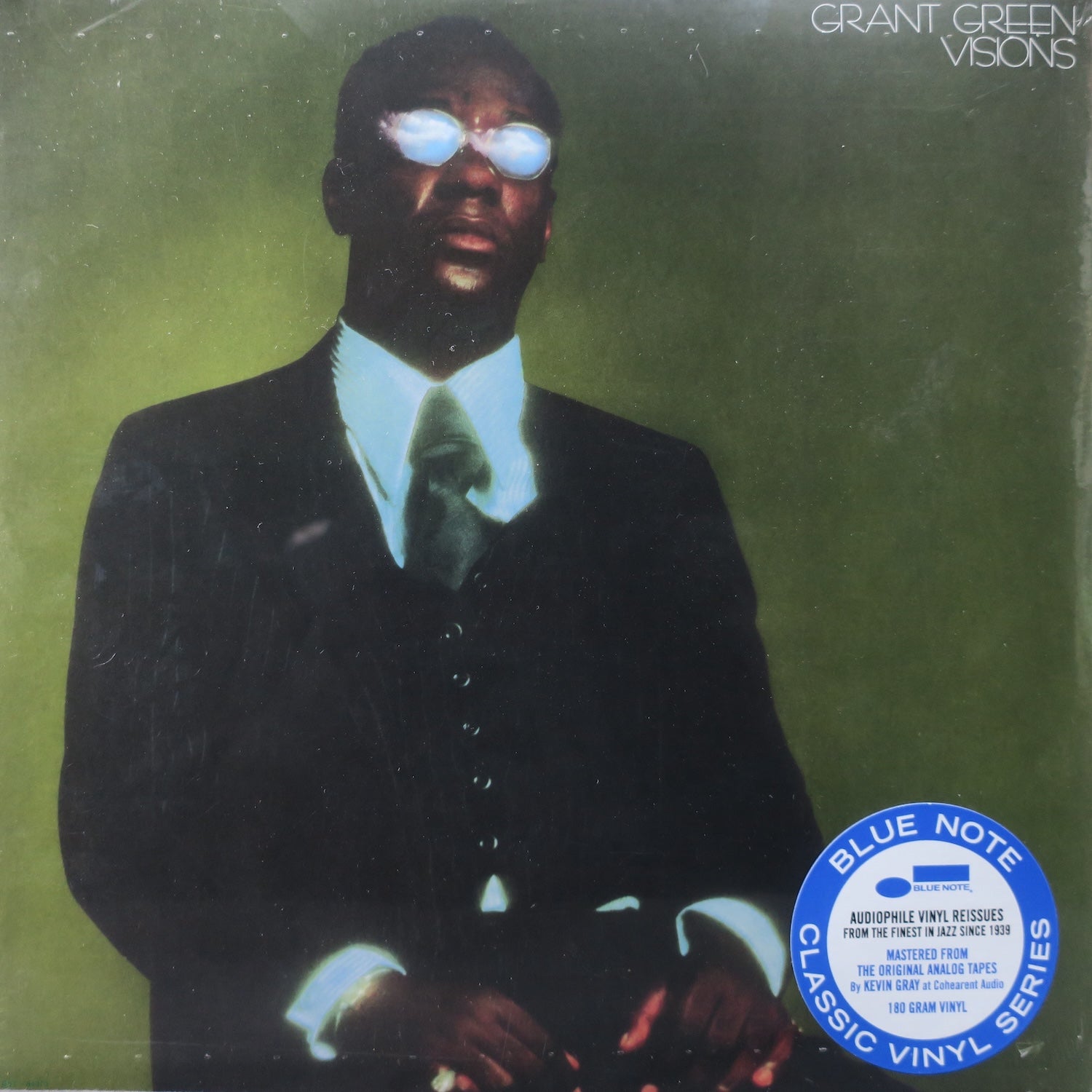
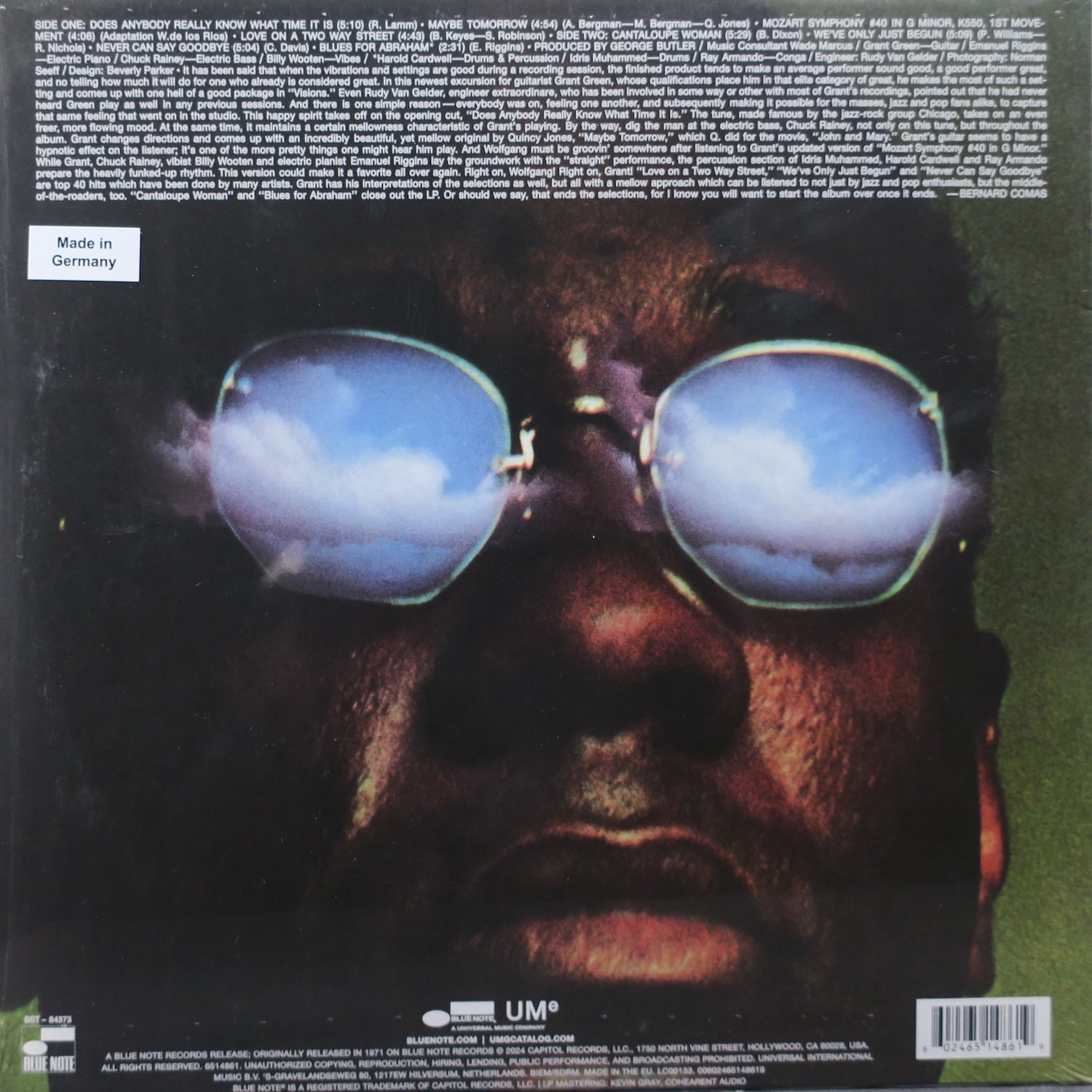
GRANT GREEN 'Visions' Blue Note Classic 180g Vinyl LP
$60.00
Your cart
Close
Get 10% off all orders over $150
Close
Your cart is empty
Start shopping
Added to your
Cart