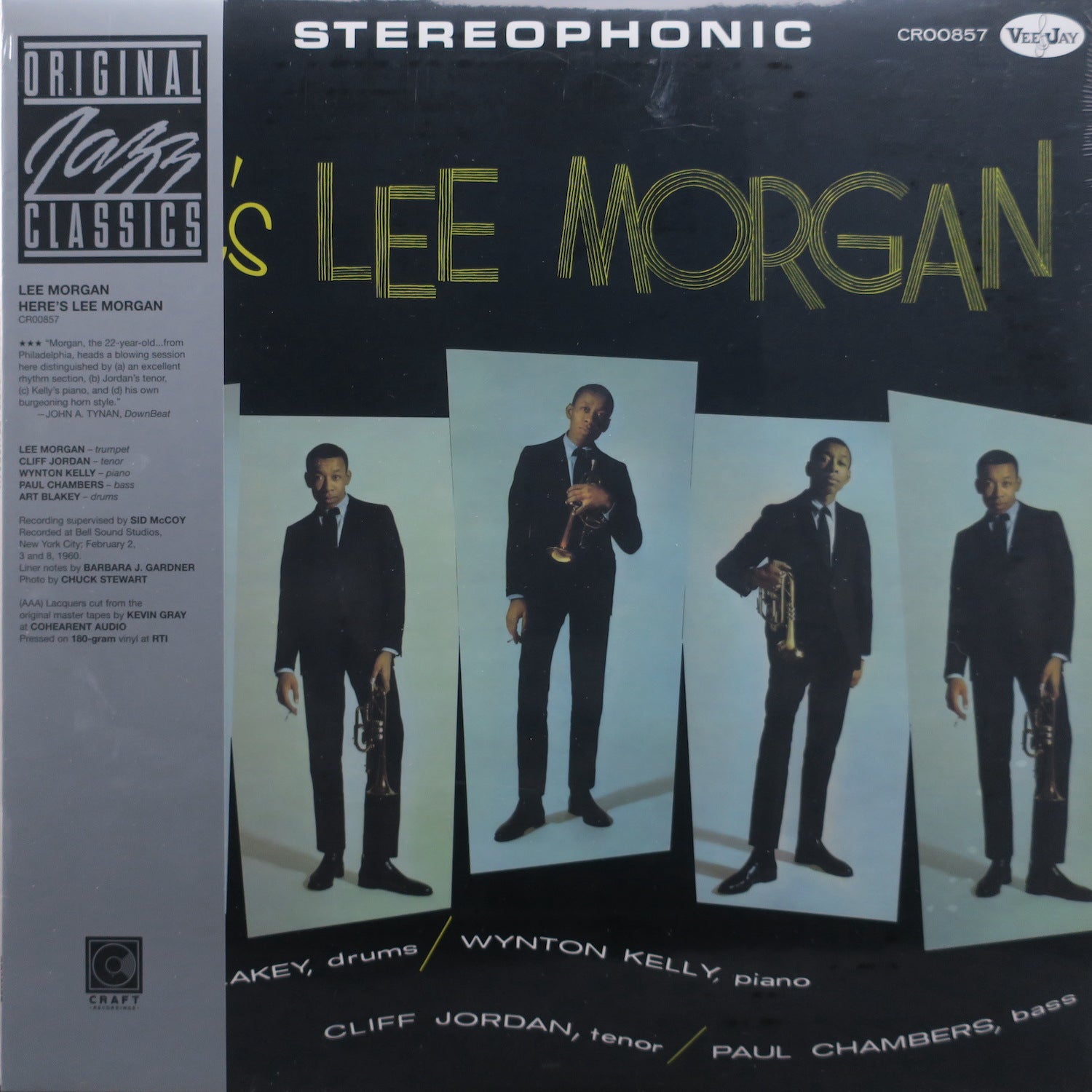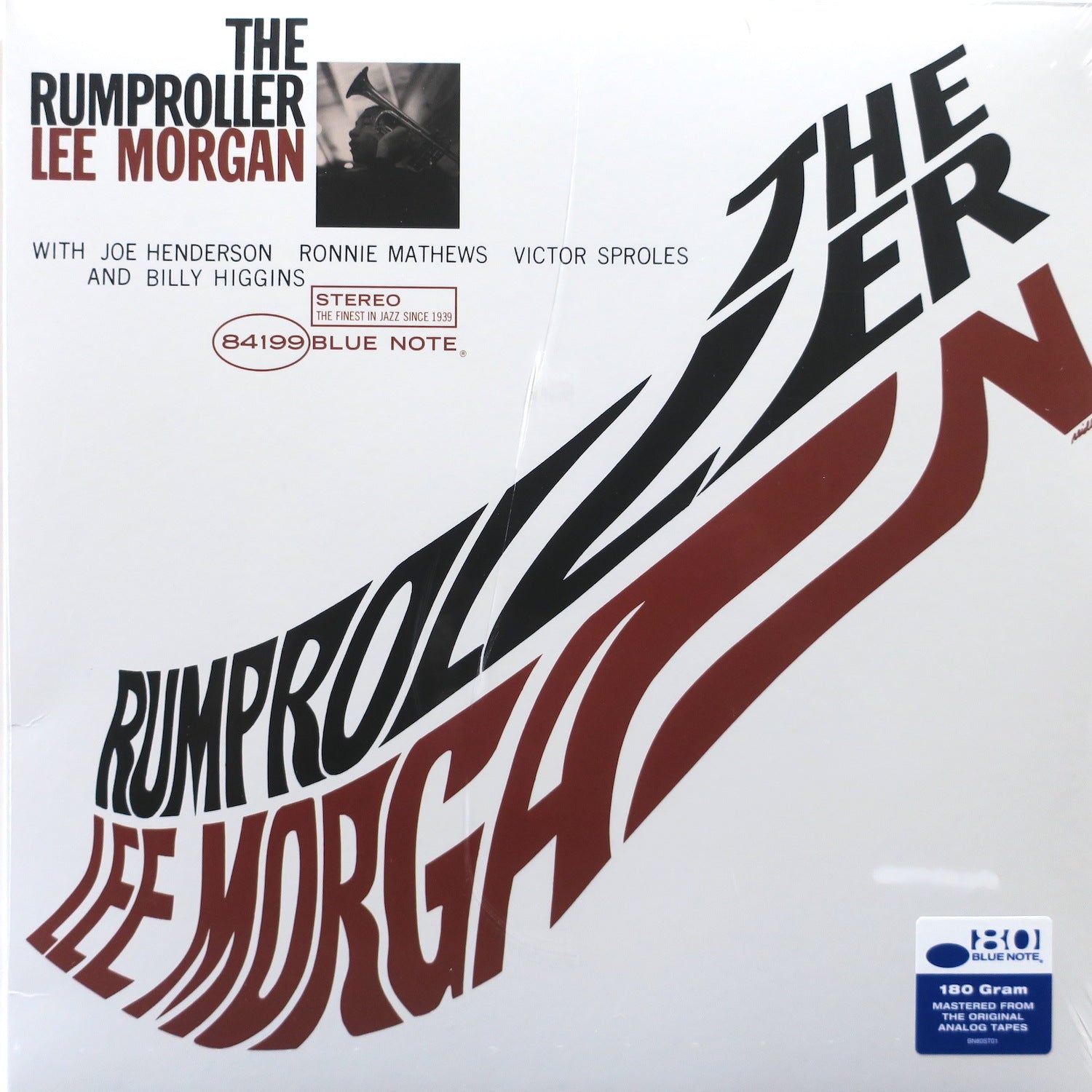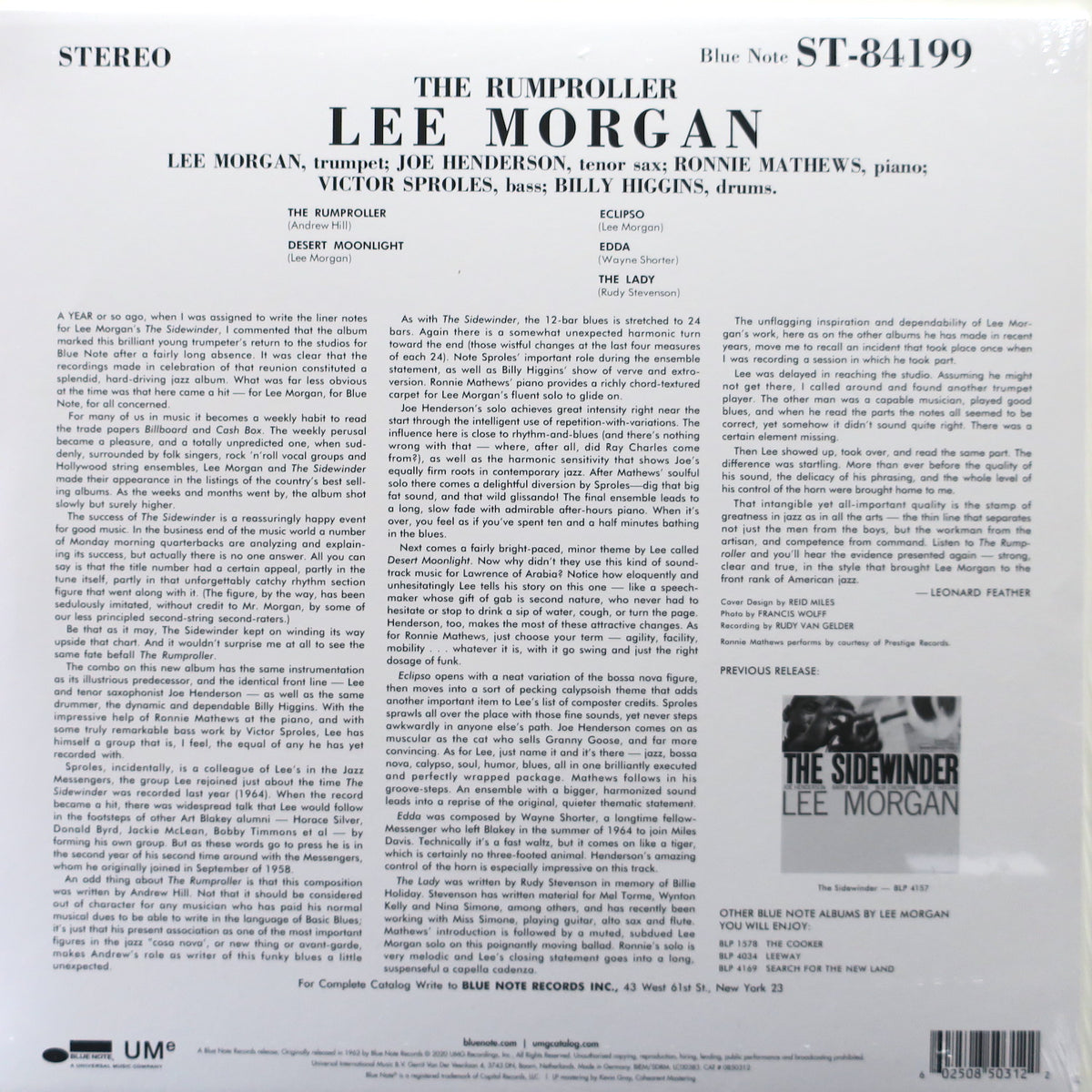
Lee Morgan
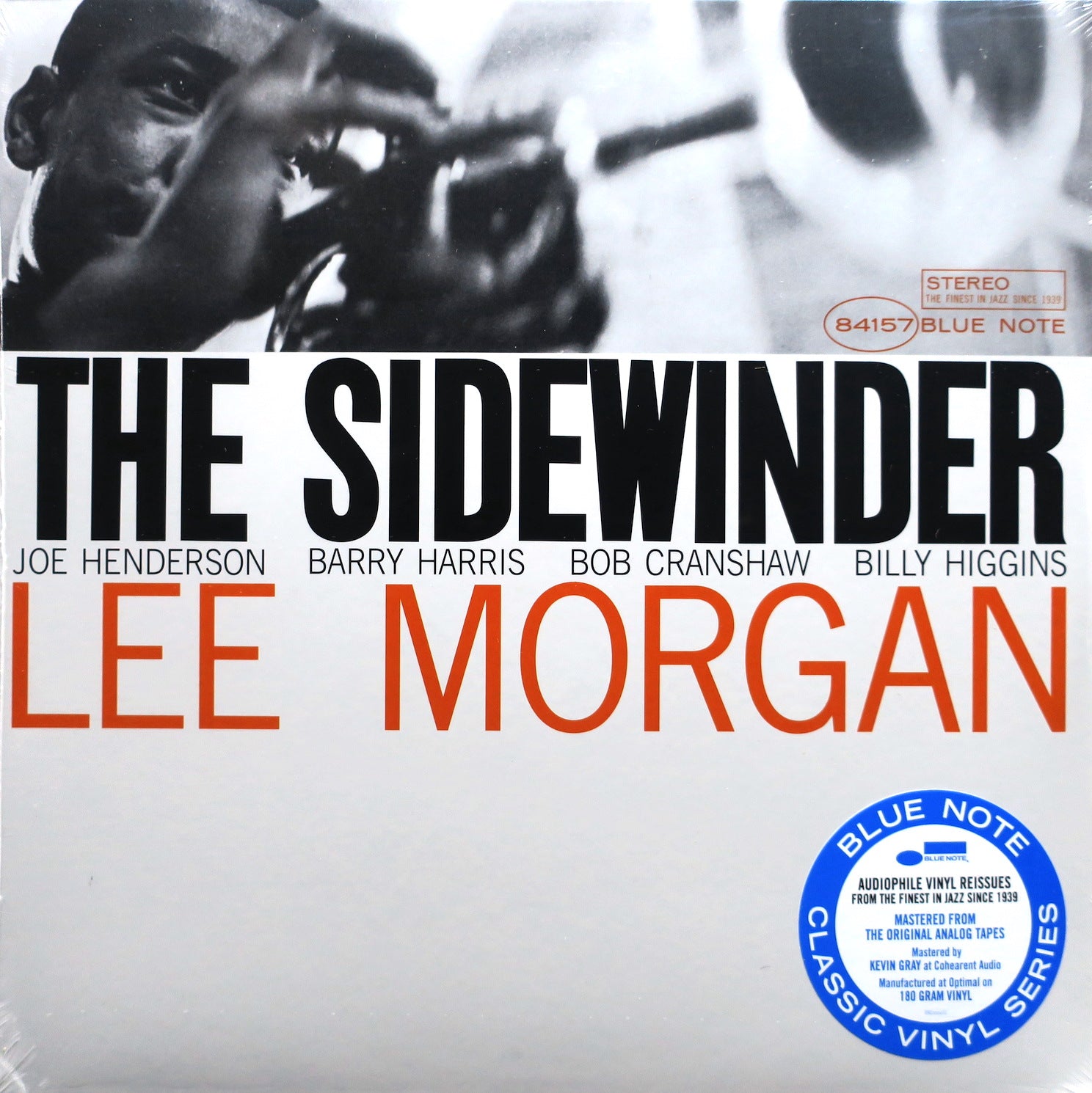
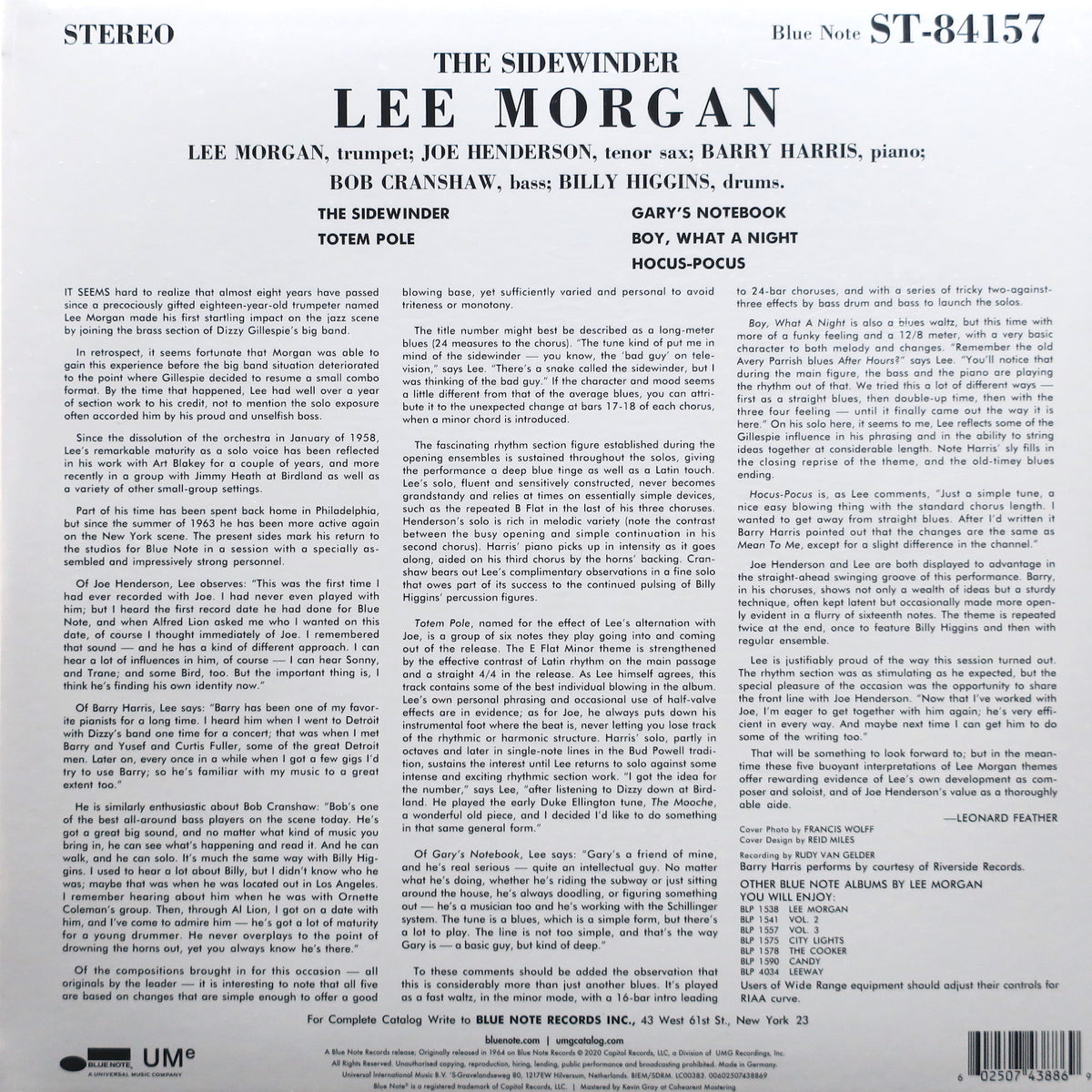
A single groove can change a career: the long, sly vamp of "The Sidewinder" turned Lee Morgan from a hard-bop trumpeter admired by musicians into a rare jazz crossover success. That track’s mix of bluesy phrasing, cocky swing and hit-single hooks made Morgan a household name beyond club regulars and convinced Blue Note to market jazz with new urgency.
Morgan’s sound combined technical bite and a warm, singing tone that sat comfortably between Clifford Brown’s brilliance and the earthier soul-jazz coming out of the late 1950s and 1960s. The influence of Clifford Brown is audible in Morgan’s fluid command of fast lines, but Morgan leaned more toward rhythm and groove when the material called for it — a quality that made records like Cornbread and The Sidewinder immediate and approachable.
A formative part of Morgan’s career was his time with Art Blakey & the Jazz Messengers, where the give-and-take of a hard-bop workshop honed his solo voice. Those Messengers days also put him alongside composers and players who pushed the band’s repertoire; saxophonist Wayne Shorter was a nearby creative force whose tenure in the group overlapped with Morgan’s periods in the band. The Messengers period planted seeds that reappeared on Morgan’s Blue Note sessions: an insistence on strong, singable motifs and tight ensemble dynamics.
Studio collaborators mattered too. Joe Henderson’s tenor work on The Sidewinder and other sessions provided earthy counterpoint to Morgan’s trumpet, while pianists who came through Morgan’s groups — including Bobby Timmons during earlier Jazz Messengers lineups — contributed a gospel-tinged rhythmic vocabulary that shaped Morgan’s approach to blues and groove.
Later records such as Search for the New Land and live documents like Live at the Lighthouse show a player equally comfortable with extended, searching modal pieces and short, hard-driving soul-jazz numbers. Producers and engineers at Blue Note captured both the urgency and the polish of Morgan’s trumpet, making those albums excellent entry points for new listeners.
Lee Morgan’s combination of melodic clarity, rhythmic imagination and a knack for memorable themes keeps his records rewarding on first listen and deeper spins alike. Exploring his Blue Note catalogue reveals a musician who could bridge the cerebral and the visceral without losing either.
Recommended Artists: Freddie Hubbard, Donald Byrd, Art Blakey & The Jazz Messengers, Miles Davis