Hiroshi Yoshimura
Hiroshi Yoshimura treated silence and space as instruments. Rather than dramatic statements, his pieces tune the listener to the acoustic life of a room: the hum of electricity, a passing footstep, the decay of a piano note. That attention to ambient detail is what makes albums such as Music for Nine Post Cards feel less like records and more like carefully arranged listening environments.
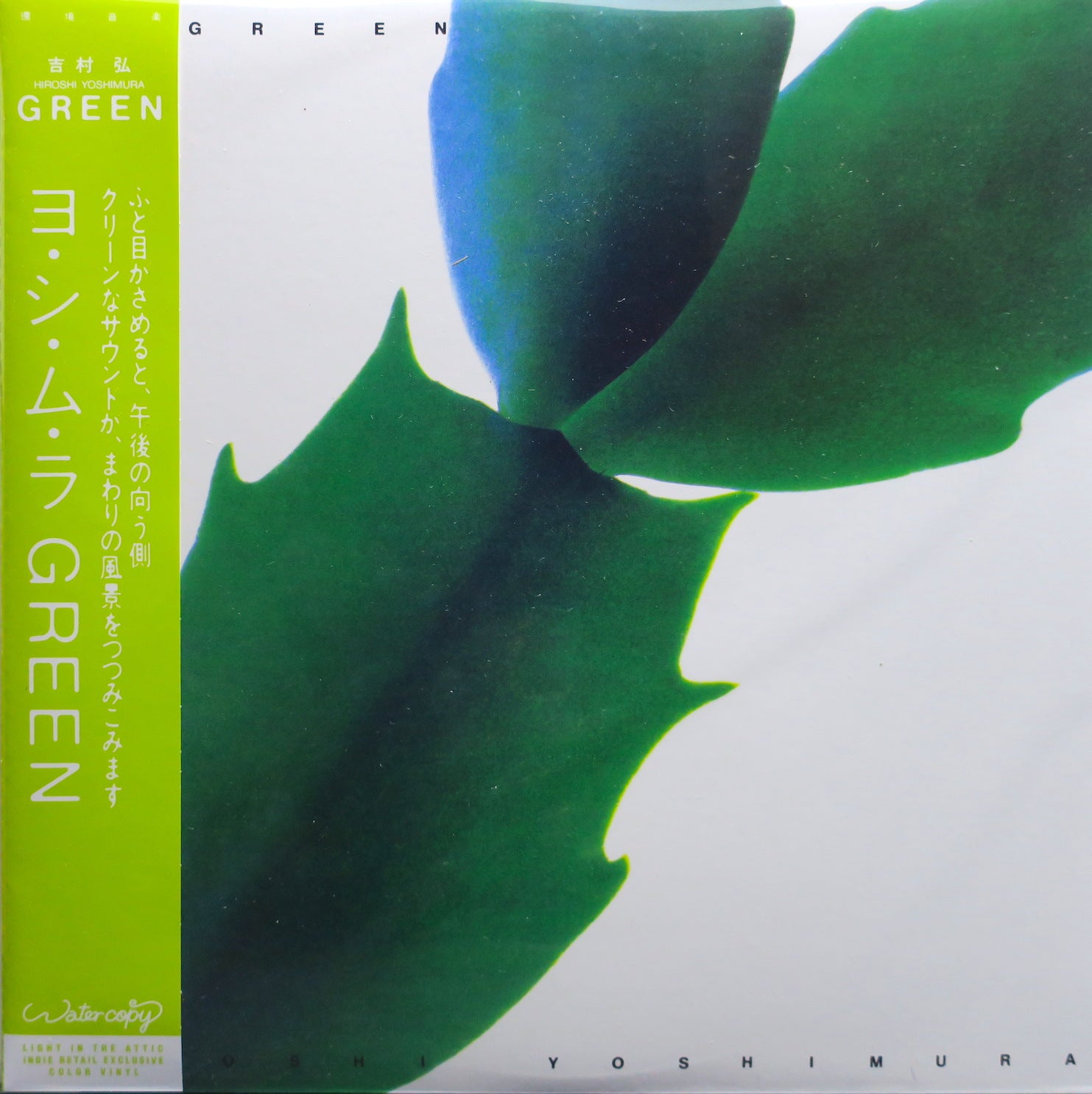
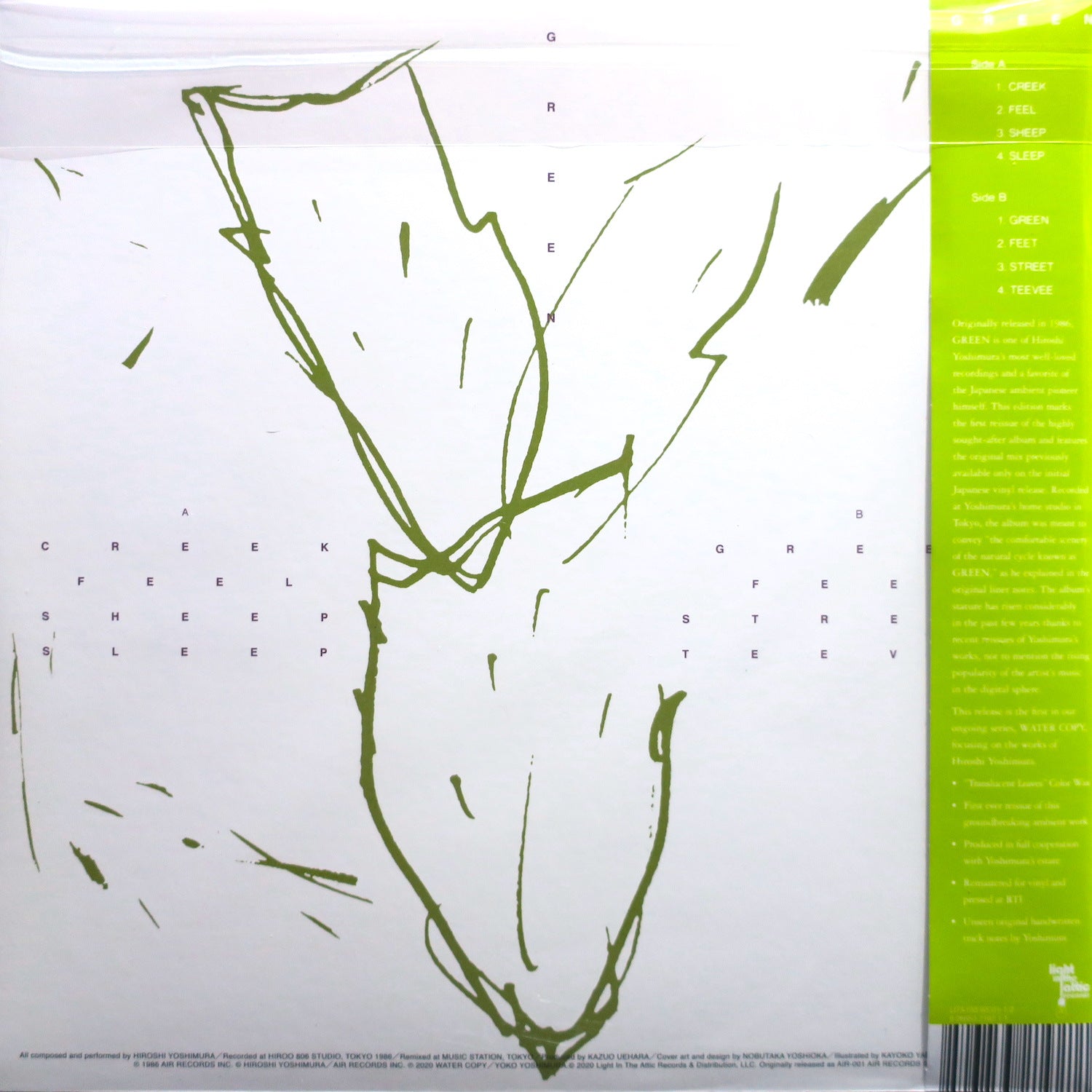
Trained as both a musician and a sound designer, Yoshimura worked across media — composing for exhibitions, retail spaces and installations as well as making albums meant for home listening. His approach sits within the Japanese tendency known as kankyō ongaku (environmental music): compositions designed to inhabit a space without demanding attention. On Music for Nine Post Cards and Green he pares melodies and textures down to their essentials, favoring warm analog synthesis, quiet electric piano and delicate field recordings.
Those restrained choices had practical as well as aesthetic aims. Yoshimura’s pieces are short and uncluttered on purpose; they loop and fold into daily life rather than confront it. That made his work useful for architects, designers and shop interiors in the 1980s, and it also helped the music age differently from more overtly dramatic electronic records. Listening closely, the subtle changes in timbre and the placement of sound reveal a minimalist composer's concern for proportion and pacing.
Yoshimura belongs to a wider Tokyo scene that included electronic experimenters and composers exploring the border between pop, design and ambient sound. Names like Haruomi Hosono and Ryuichi Sakamoto occupied overlapping circles — not as direct collaborators on most records, but as contemporaries who helped normalize electronic minimalism in Japan. Later generations of ambient artists and label curators picked up on Yoshimura’s quiet aesthetics, leading to renewed interest in his catalog outside Japan.
What endures is the way Yoshimura reshaped everyday listening. His records demonstrate an alternative logic for electronic music: one that privileges texture over virtuosity and continuity over climax. For listeners curious about ambient music that integrates with space and life, his work remains a patient, revealing entry point and a reminder that restraint can be as expressive as excess.