David Byrne
David Byrne is the kind of musician who made theatricality feel like a compositional tool: songs, stagecraft and choreography are equally part of the message. That approach is audible from his Talking Heads years through solo records such as Rei Momo and the collaborative My Life in the Bush of Ghosts with Brian Eno, where rhythm, found sound and studio manipulation were pushed into pop song forms.
Talking Heads is central to understanding Byrne’s evolution. As frontman and songwriter he steered the band from nervous, nervous-new-wave beginnings into rhythm-obsessed, globally minded albums and the film/live experience of Stop Making Sense. Bandmates Tina Weymouth, Chris Frantz and Jerry Harrison provided the tight, exploratory backbone that let Byrne’s oversized artistic ideas land as memorable songs rather than mere experiments.
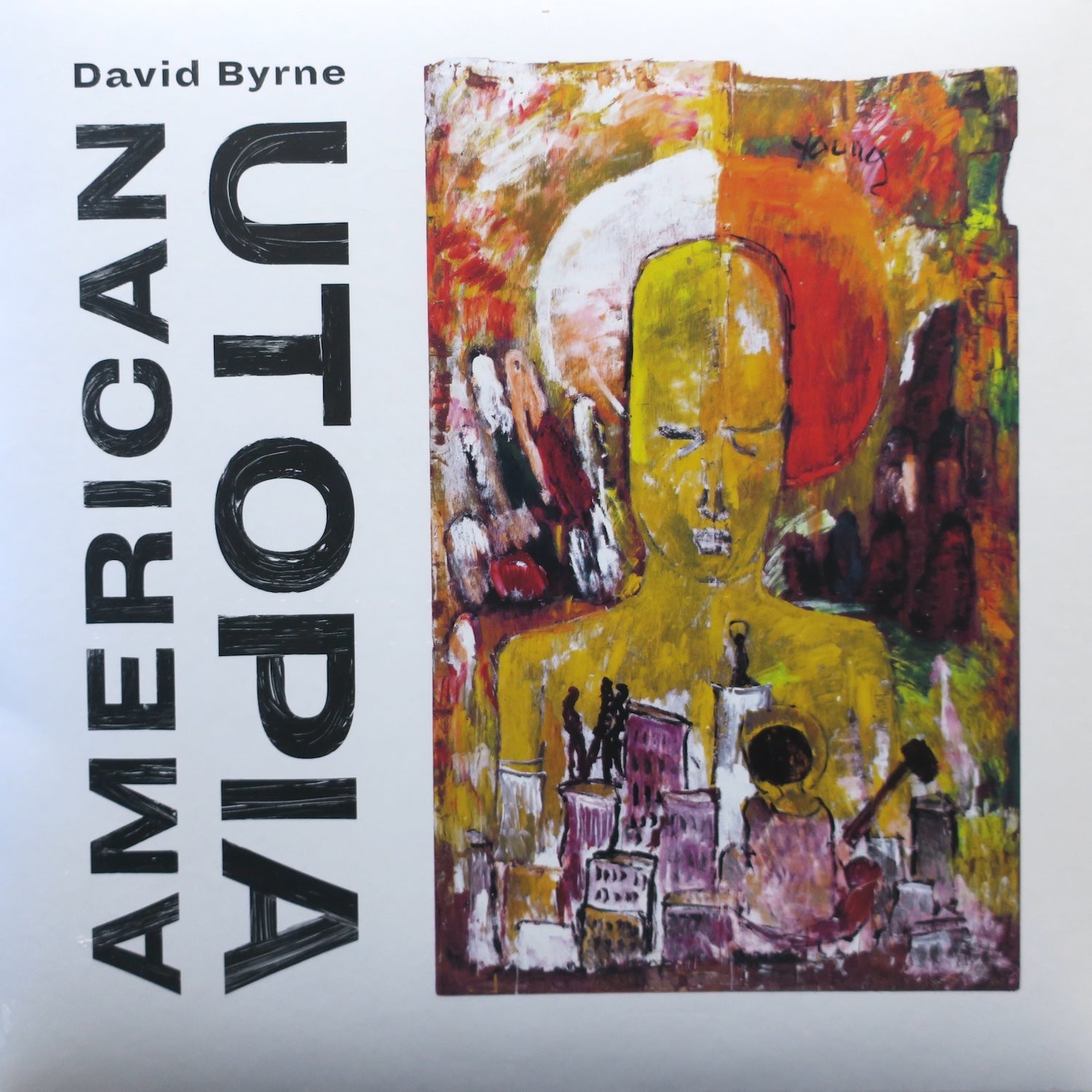
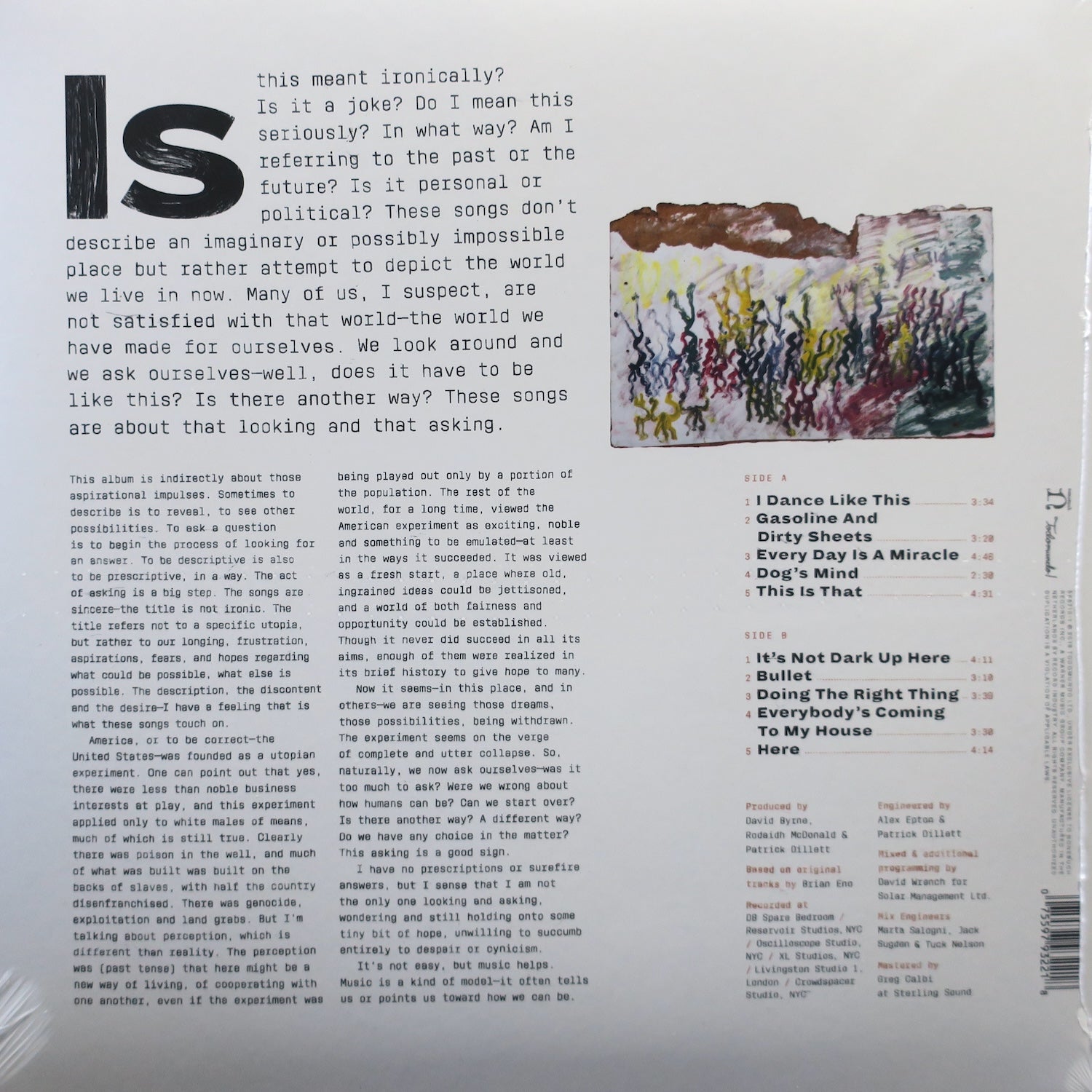
Byrne’s solo work expanded those experiments into explicit worldbeat and cross-cultural projects. Rei Momo and later Everything That Happens Will Happen Today (again with Brian Eno) show a fascination with Afro-Cuban, Brazilian and African rhythms — a debt to musicians like Fela Kuti — and a willingness to mix sampling, found audio and electronic production with singer-songwriter craft. That restless curiosity also led to soundtracks, collaborations with visual artists, and the stage-to-venue reinvention seen in American Utopia.
Collaborations matter in Byrne’s story. Brian Eno’s textural production and conceptual instincts were a perfect foil on records such as My Life in the Bush of Ghosts and Everything That Happens Will Happen Today. Side projects born from Byrne’s circle — notably Tom Tom Club, formed by Tina Weymouth and Chris Frantz — extended the Talking Heads’ groove-driven legacy into dance and pop realms.
Byrne’s influence is felt across generations of art-pop and indie bands: the studio-as-instrument ethos and rhythm-forward arrangements helped shape acts like LCD Soundsystem and informed the dramatic live ambitions of bands including Arcade Fire. For listeners curious about where art-pop meets global rhythm and theatrical presentation, Byrne’s catalogue offers a clear thread from raw post-punk to sophisticated, worldly pop.