Roxy Music
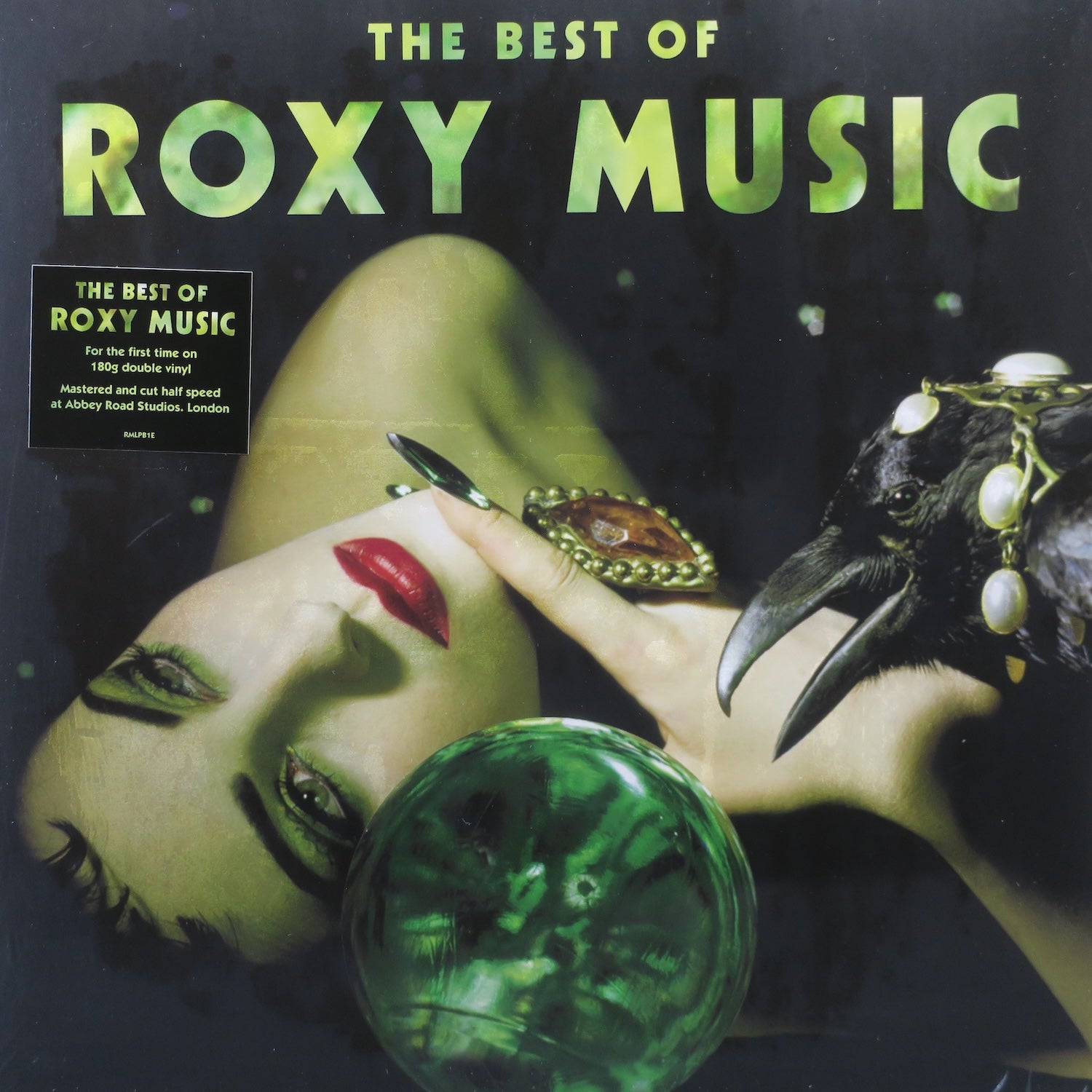
Roxy Music made its mark by turning glamour into a flexible musical language: slippery pop melodies wrapped in art-school textures and occasional experimental noise. The thrill of Roxy isn’t a single stunt but the persistent tension between Bryan Ferry’s suave, world-weary vocal persona and the group’s willingness to destabilize conventional songcraft with oboe, sax, treated electronics and abrupt sonic detours.
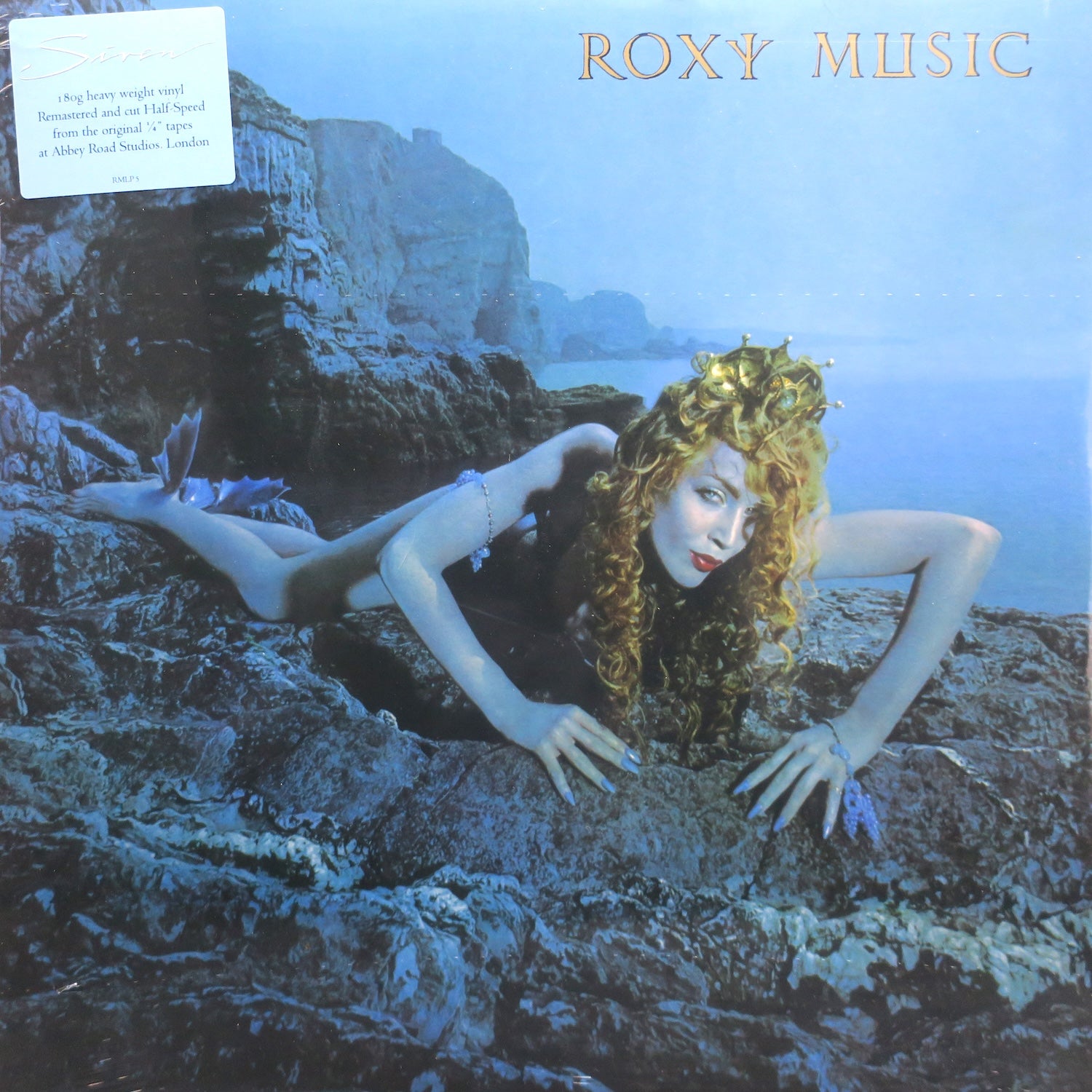
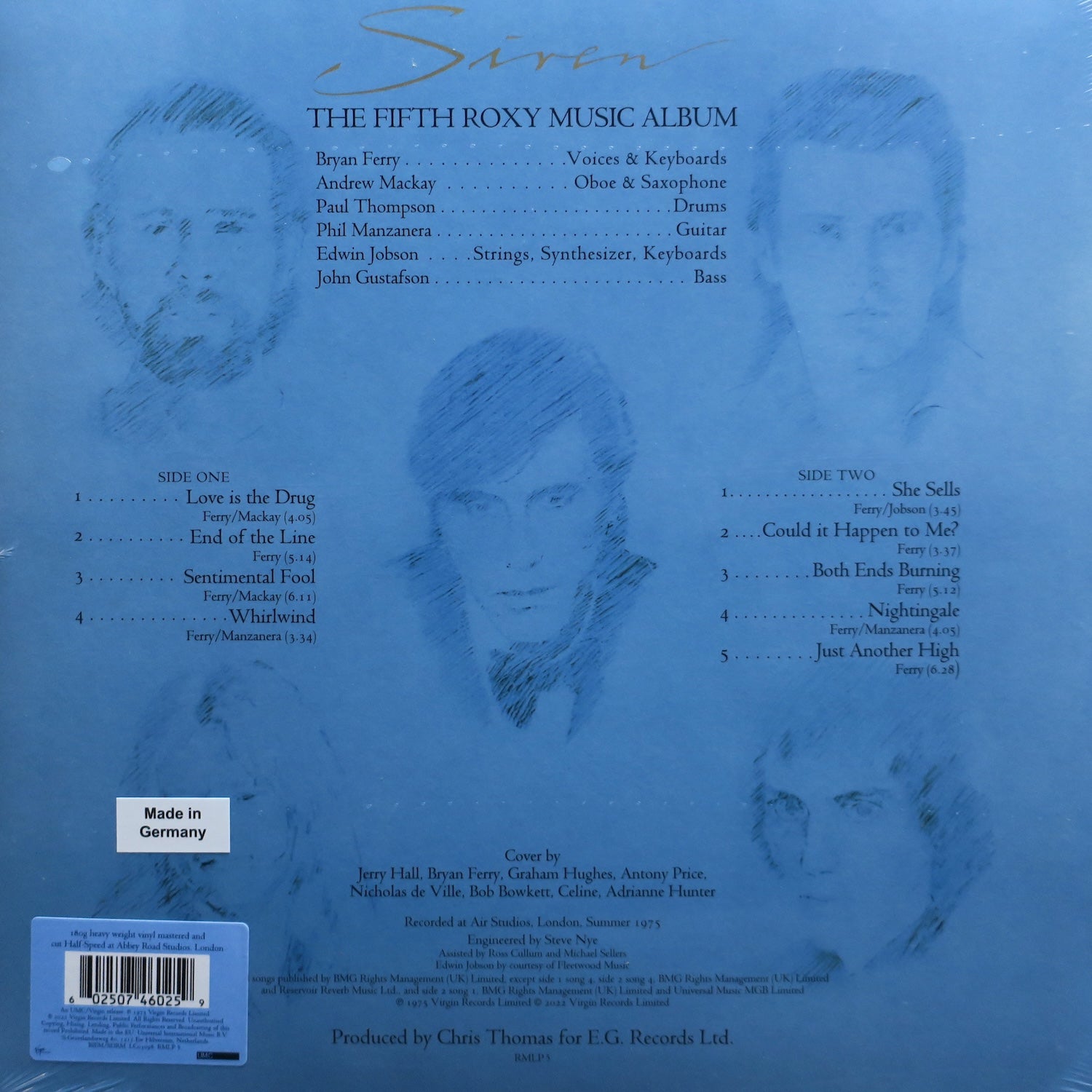
That tension defined the band’s early records. On 1972’s Roxy Music and the follow-up For Your Pleasure the band paired Ferry’s urbane songwriting with Brian Eno’s tape loops and synth treatments, creating songs that sounded both familiar and slightly askew. With Stranded and later Siren the lineup coalesced around Phil Manzanera’s angular guitar, Andy Mackay’s reed and reed-like textures, and Paul Thompson’s muscular drumming—music that could be ostentatiously theatrical one moment and heartbreakingly direct the next.
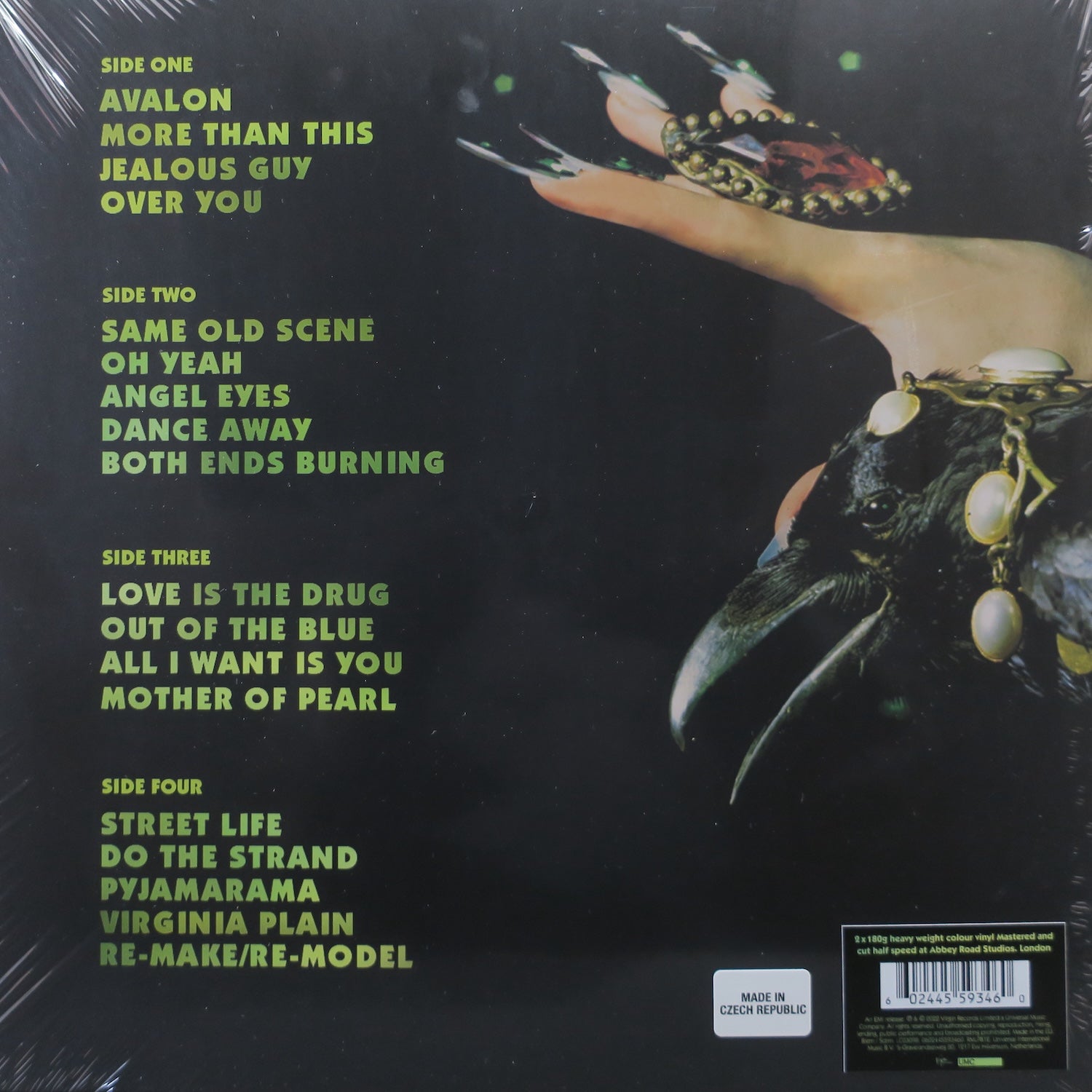
By Avalon (1982) the rough edges had been smoothed into a widescreen, late-night pop that retained the band’s taste for artifice while reaching a broader radio audience. That evolution—glam and art-rock sensibilities shifting into sophisticated pop—explains why Roxy feels relevant across different scenes: they are a bridge from the glitter of early 70s glam to the glossy synth-pop and sophisti-pop sounds of the 80s.
Roxy’s story also highlights collaboration and departure as creative forces. Brian Eno’s brief but formative tenure pushed the band toward experimental studio techniques; after he left, Roxy kept the sense of adventurous arrangement while steering toward cleaner production. Bryan Ferry’s solo work ran in parallel, often amplifying the band’s preoccupations with style, cover versions and romantic detachment.
Musically, Roxy drew from 60s pop, European cabaret and contemporary art practices, and in turn fed bands that wanted glamour and artifice without sacrificing songwriting craft. That legacy shows up in 80s pop acts and in art-rockers who prize mood and mise-en-scène as much as riff and hook.
Whether exploring the jagged early singles or the silkier later albums, Roxy Music rewards repeated listening: each record reveals an attentive balance of image, arrangement and melody, and a band that kept reimagining what pop could look and feel like.