Muse
Muse built a signature sound by marrying stadium-sized gestures to prog-rock dynamics: thunderous riffs, Matthew Bellamy’s knife-edge falsetto, and moments that drop into sparse piano or sweeping strings. That tension between intimate virtuosity and widescreen spectacle is what makes tracks like "Plug In Baby," "Hysteria," and "Knights of Cydonia" feel both immediate and cinematic.
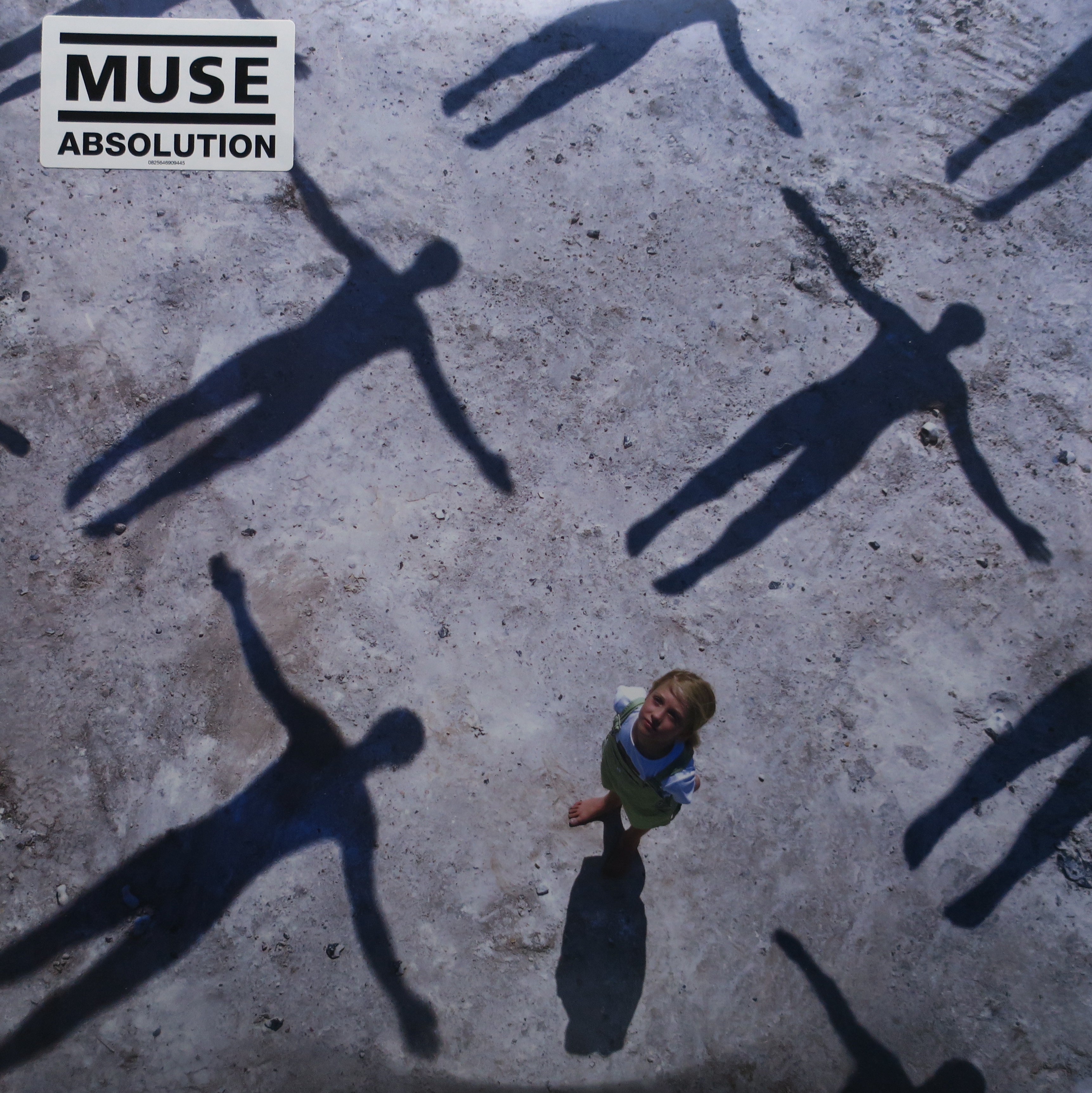
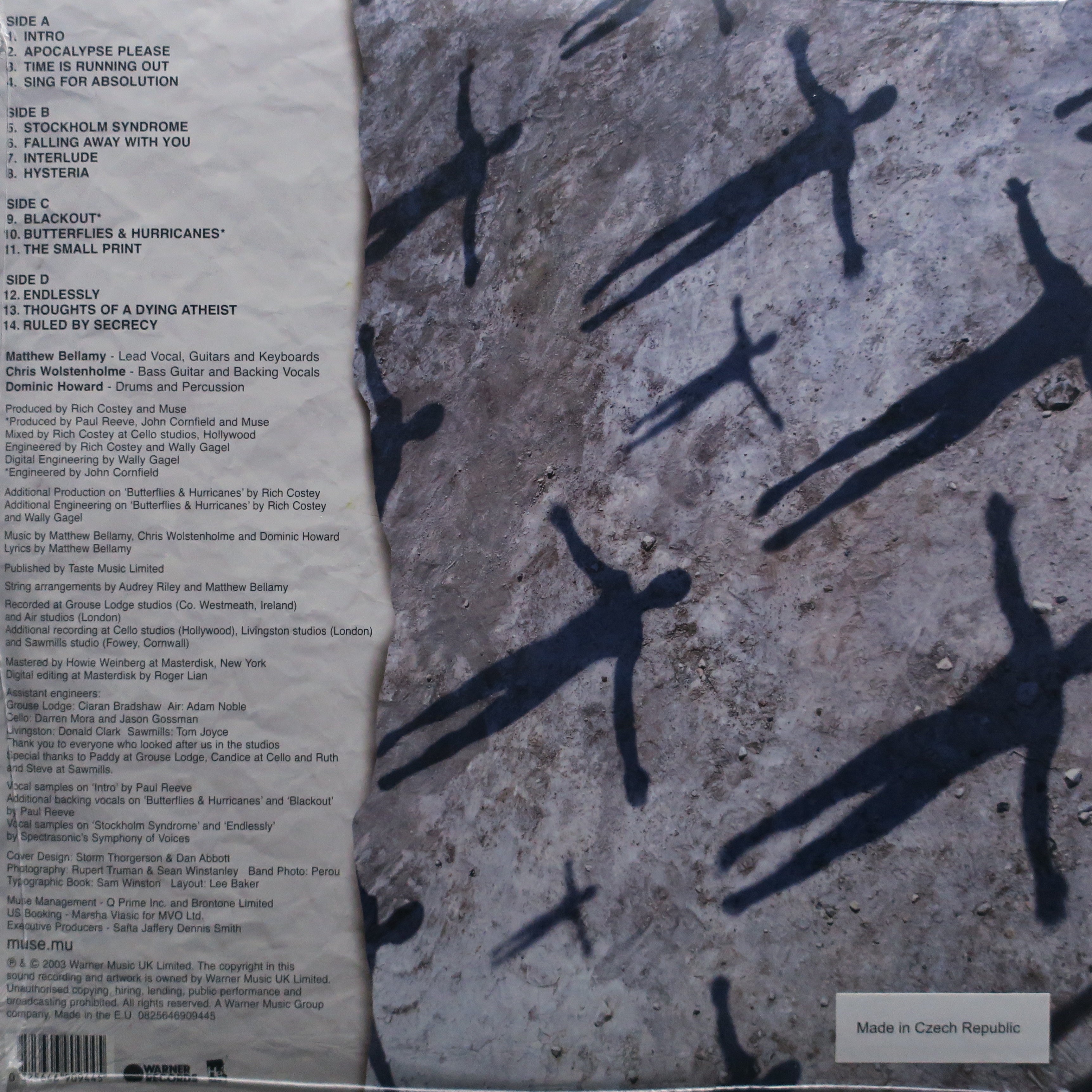
Early albums like Showbiz and Origin of Symmetry show a band learning to bend classical training, heavy guitar and synth textures into anthems. Origin of Symmetry opened up daring arrangements and odd tunings; Absolution pushed that into full orchestral and conceptual territory, while Black Holes and Revelations folded in electro-pop and extraterrestrial hooks that broadened their radio reach without losing dramatic heft.
What stands out is how Muse consistently treats rock as theatre. Bellamy’s classical-piano background and love of operatic, Queen-like vocal dramatics give the songs a sense of plot and urgency. The rhythm section—Chris Wolstenholme’s fretless-style basslines and Dominic Howard’s propulsive drumming—keeps the music anchored even when the band drifts into prog detours or synth-driven textures.
Covers and reinterpretations are part of Muse’s identity: their muscular take on "Feeling Good" reframes a jazz-standard arrangement into a bombastic live showpiece that highlights their flair for reinvention. Over the years Muse has alternately leaned into Pink Floyd’s space-rock atmospheres, Radiohead’s willingness to experiment with electronic color, and Queen’s operatic melodrama—without ever sounding like a carbon copy.
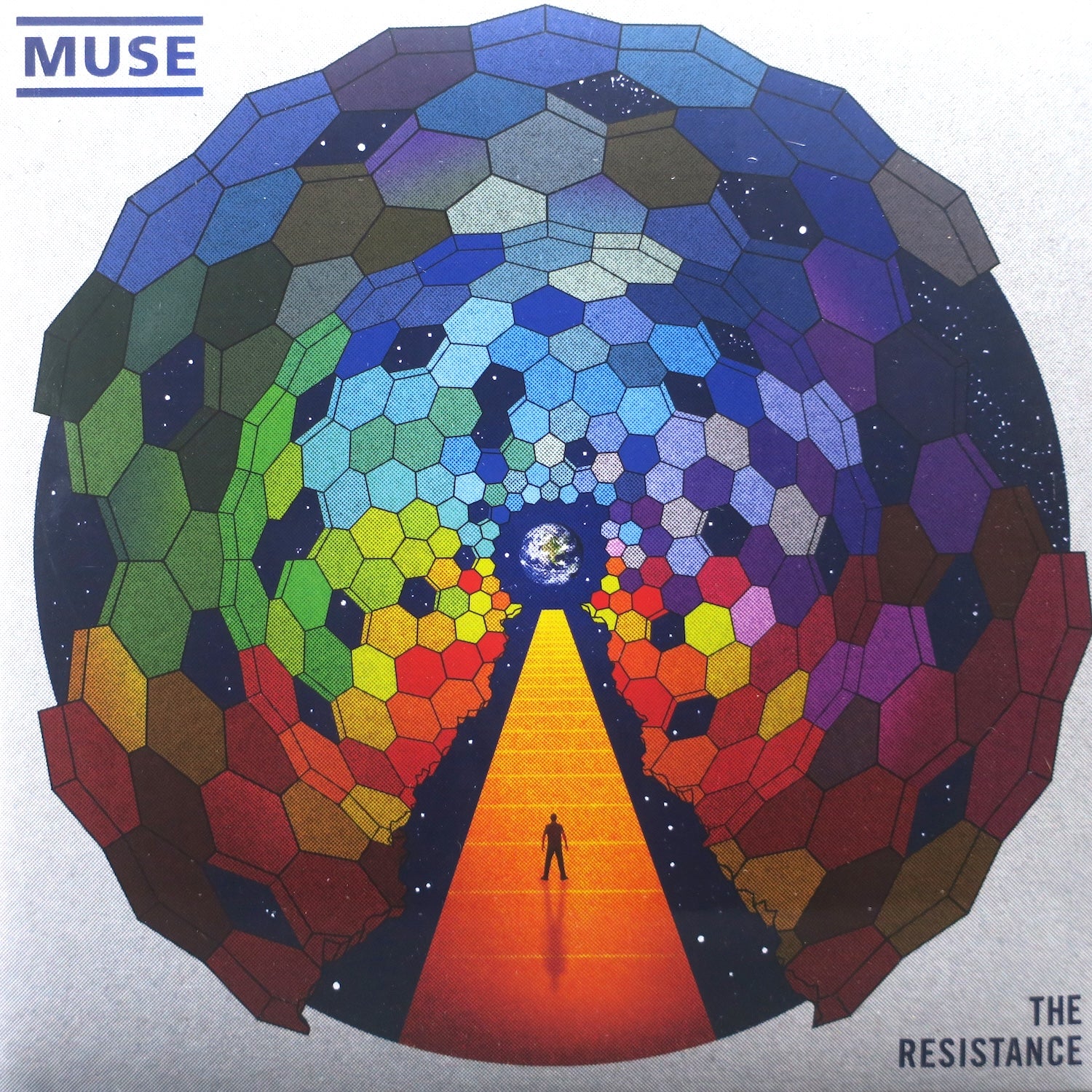
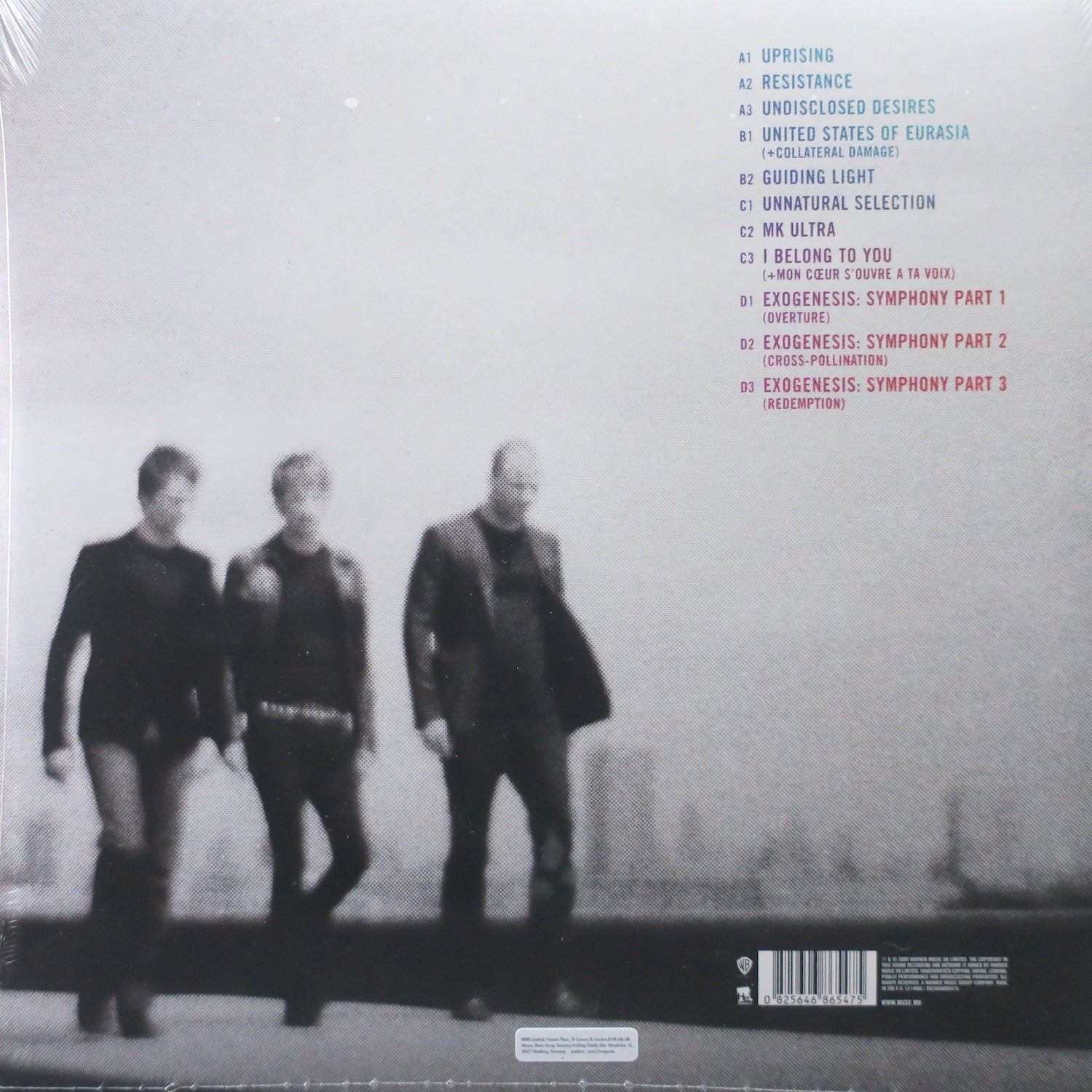
For newcomers, start with Origin of Symmetry to hear the band’s raw ambition, Absolution for scope and drama, and Black Holes and Revelations for the pop-electronic turn. Later records like Drones revisit heavier, concept-driven rock, showing Muse’s comfort moving between arena rock and more intimate, experimental corners.
Muse matters because they keep stretching the language of modern rock—equal parts virtuoso songwriting, theatrical presentation and technical showmanship—so listening to a single album rarely tells the whole story.