Breeders
There are few bands that pair a head-turning hook with a willingness to sound ragged in the same breath; the Breeders made that pairing feel deliberate rather than accidental. Their breakthrough single "Cannonball" turned off-kilter riffs and elastic bass into a radio-ready moment, but the band’s appeal rests as much on texture and attitude as on chart success.
The Breeders began as a side project for Kim Deal, who brought a handful of songs and an instinct for melody honed during her time in the Pixies. Early sessions—most famously the debut album Pod, recorded with Steve Albini—captured an abrasive, immediate sound that stood apart from the polished alt-rock of the era. Pod’s stark production and oddball songwriting announced a band comfortable with silence, noise and the space between.
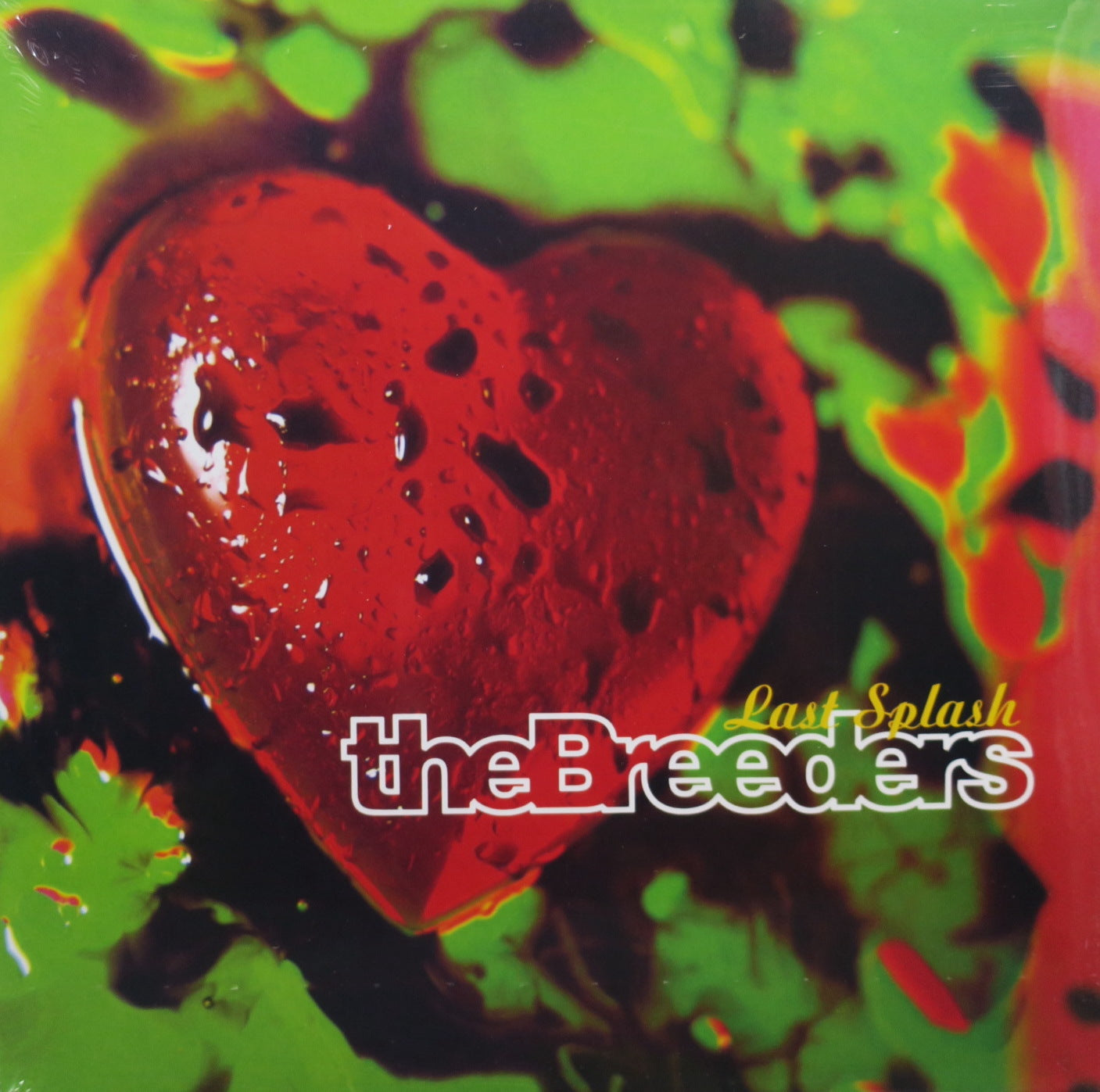
Personnel shifts defined the band’s next chapter. Tanya Donelly helped start the group before leaving to focus on her own project, Belly; Josephine Wiggs, Kelley Deal and drummer Jim MacPherson then helped shape the lineup that recorded Last Splash. That 1993 record opened the Breeders to a wider audience: its loose, sludgy pop songs balanced hooks with a playful willingness to detune and improvise. The record’s dynamic between Kim’s songcraft and Kelley’s volatile guitar lines is central to why Last Splash still feels fresh.
After periods of hiatus and side projects—including Kelley Deal exploring her own material—the Breeders returned intermittently with albums such as Mountain Battles and All Nerve. Those later records kept the group’s core traits: economical songwriting, a fondness for odd meters and arrangements, and an ear for both melody and grit. Producers and collaborators come and go, but the band’s identity consistently hinges on voice, texture and a compact sense of drama.
For listeners exploring the wider scene, links are obvious: the band’s origins touch the Pixies and Throwing Muses, while Tanya Donelly’s move to Belly and the presence of Steve Albini on Pod map the Breeders into the larger indie and alternative networks of the late 1980s and 1990s. Decades on, the band rewards replaying—each listen reveals how simple parts are stacked to produce surprising emotional weight, which is why the Breeders continue to be a rewarding stop for anyone tracing the contours of modern indie rock.