Jeff Buckley
Few modern vocalists turned a single song into a moment the way Jeff Buckley did with his version of Leonard Cohen’s “Hallelujah.” That recording distilled everything people respond to in Buckley: a voice that could whisper like a confessional and then vault into an operatic howl, an ear for dramatic dynamics, and an uncanny ability to make a cover feel like a personal revelation.
Buckley was the son of singer-songwriter Tim Buckley, but his musical identity was very much his own. His father had died when Jeff was eight, and the two had spent little time together, so the connection was more complicated than a straightforward musical apprenticeship. Tim Buckley’s restless movement through folk, jazz and experimental music nevertheless makes for an interesting parallel with his son’s own refusal to stay neatly within one style.
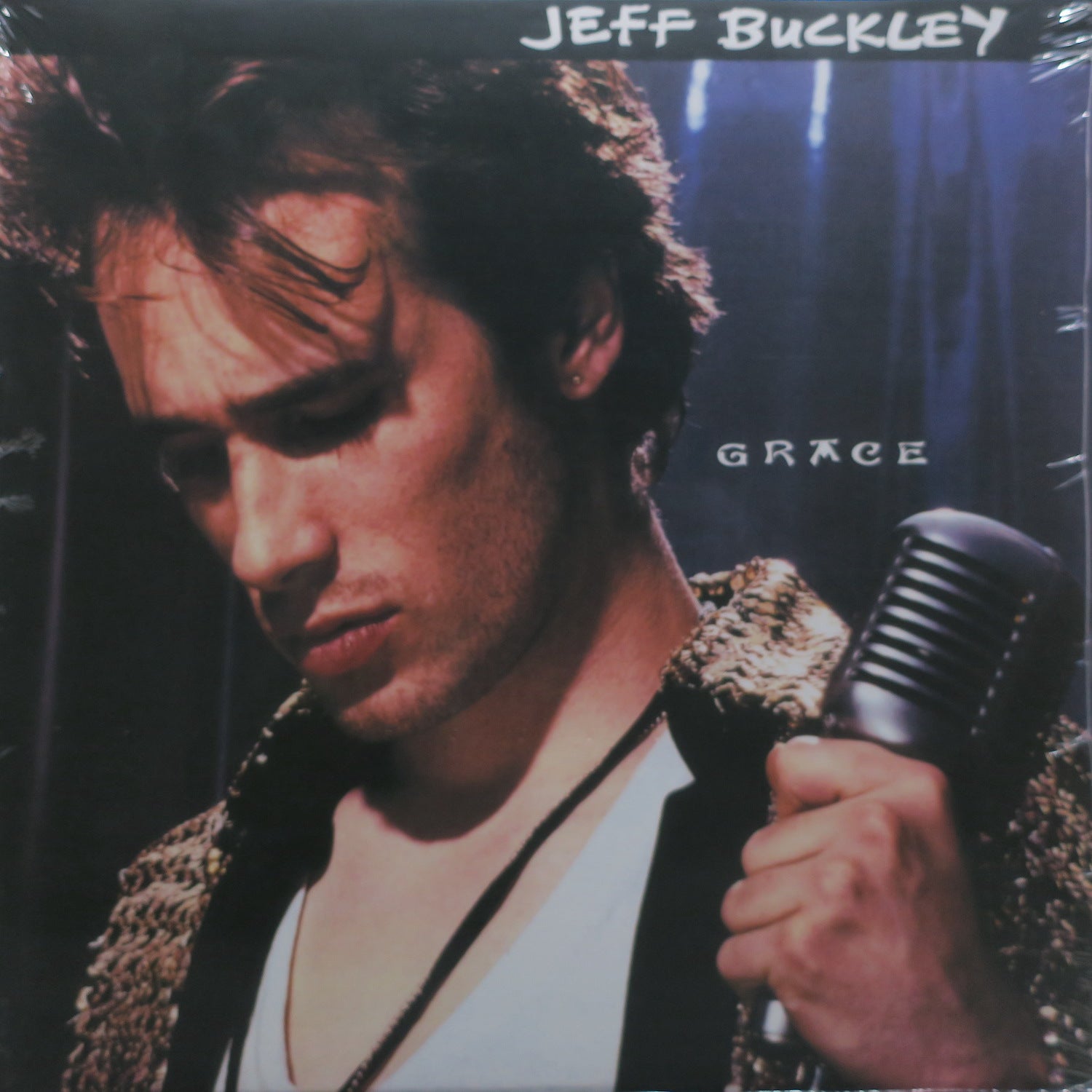
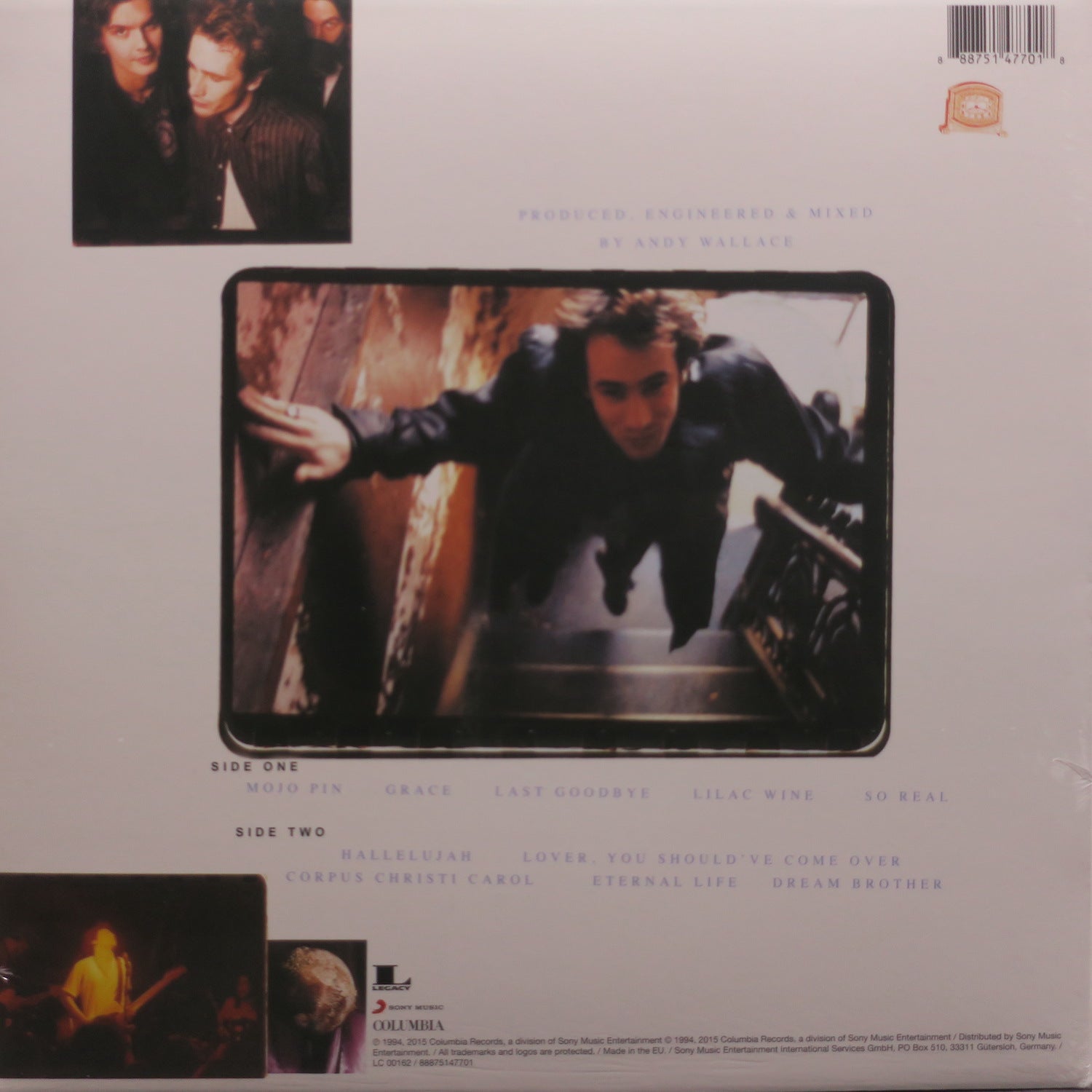
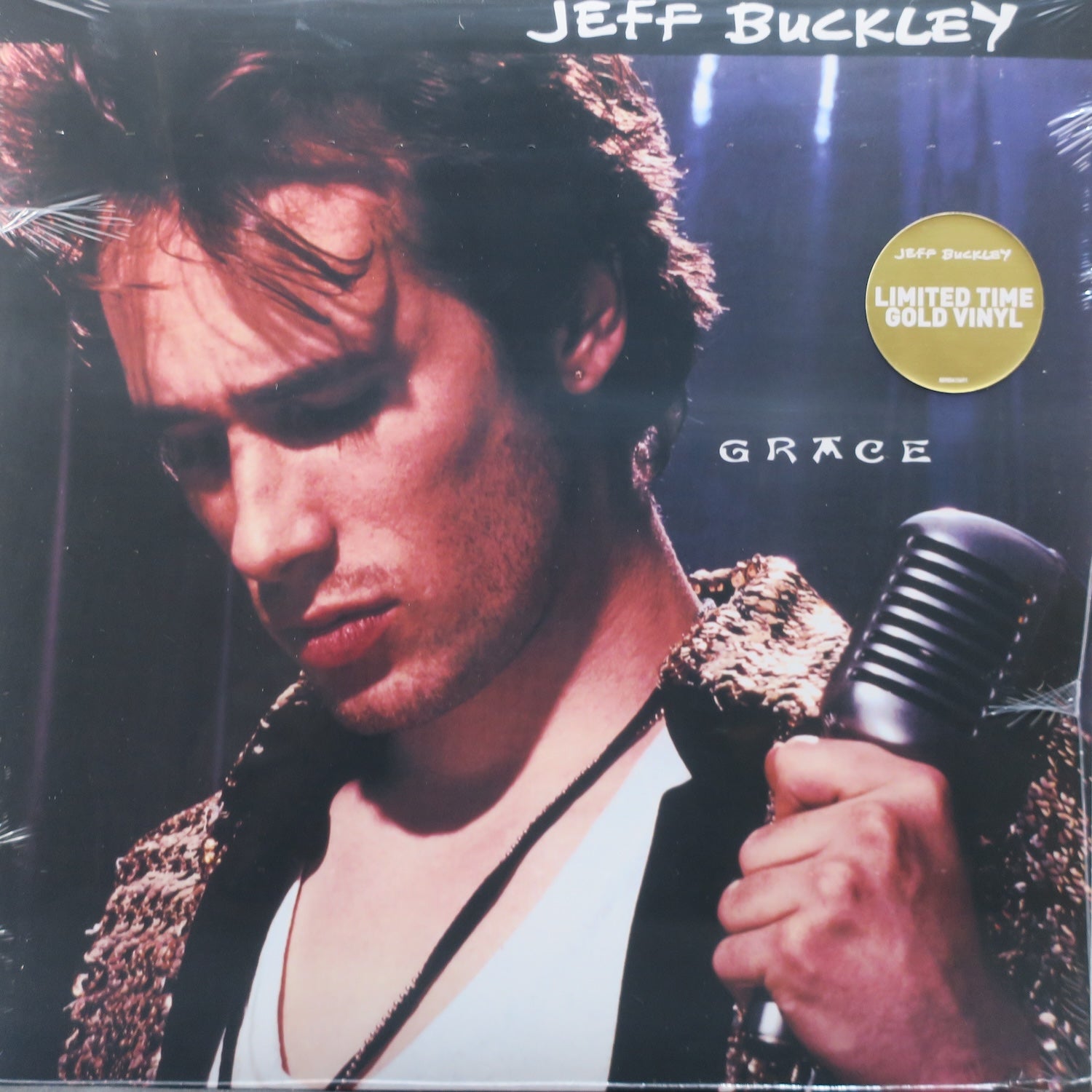
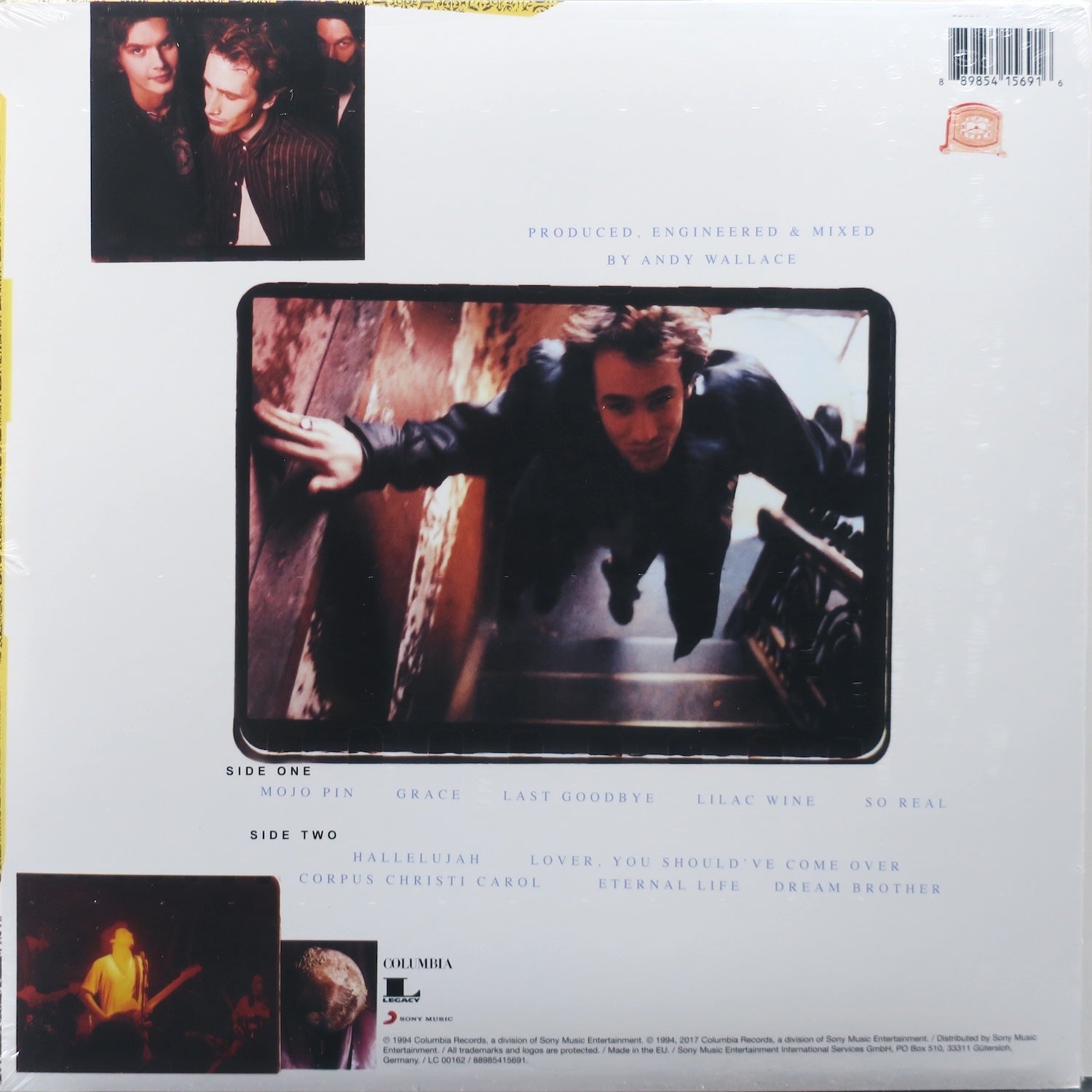
On his only completed studio album, Grace, those extremes were captured in a widescreen production that still feels intimate. The record pairs spare, almost fragile moments—fingerpicked acoustic passages and unaccompanied voice—with sudden surges of electric guitar and full-band drama. That contrast gave Buckley a unique place between singer-songwriter vulnerability and art-rock ambition: listeners could be moved by a simple lyric or knocked off balance by an expansive, improvisational climactic chorus.
Before Grace and the larger-than-life myth, Buckley built his reputation in small places. Early solo sets at the tiny New York café Sin-é showcased how differently he could render the same song night after night; those performances are preserved on Live at Sin-é and reveal his gift for spontaneous arrangement and intimate storytelling. His repertoire ranged widely, reflecting an appetite for music that extended well beyond conventional singer-songwriter territory.
The band that surrounded Buckley on record and tour—Michael Tighe, Mick Grøndahl and Matt Johnson—weren’t background fixtures so much as active shaping forces. Their interplay gave Grace both its muscular rock moments and its mysterious corners. Guitarist Gary Lucas was another important figure, co-writing “Grace” and “Mojo Pin” with Buckley and helping connect him with New York’s downtown musical world.
Tragedy froze Buckley mid-trajectory; his death in 1997 at just 30 left Grace and posthumously released recordings as the primary documents of an artist whose direction was still developing. Yet the brevity of his catalogue hasn’t diminished his reach. His phrasing, dynamic range and emotional directness became reference points for singers who followed, while his approach to other people’s songs demonstrated how radically a familiar composition could be reinterpreted.
Listening to Jeff Buckley now is a lesson in intensity and restraint: the same singer who could take a line and circle it like a question could also land on the answer with a single perfectly placed note. The connection to Tim Buckley adds another fascinating thread to the story, but Grace makes clear that Jeff Buckley had already established a musical character entirely his own.