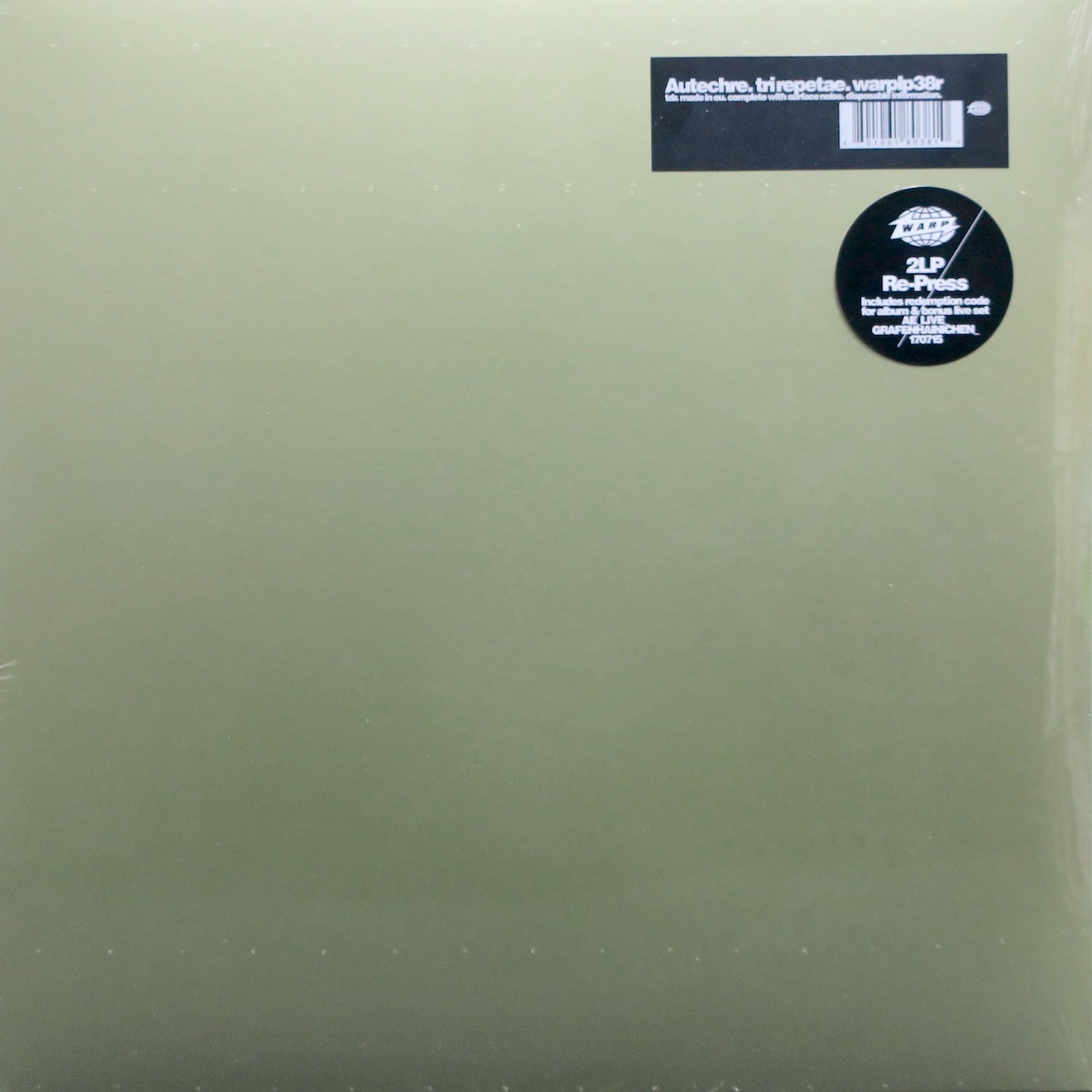
Autechre
Autechre’s music is the sound of rhythm and texture being interrogated: beats split into brittle polygons, pads smeared into metallic fog, and melodies submerged until only contour remains. That approach made the duo one of the most discussed acts to emerge from Warp Records in the 1990s — not because of radio hooks but because their records treated electronic production itself as compositional material.
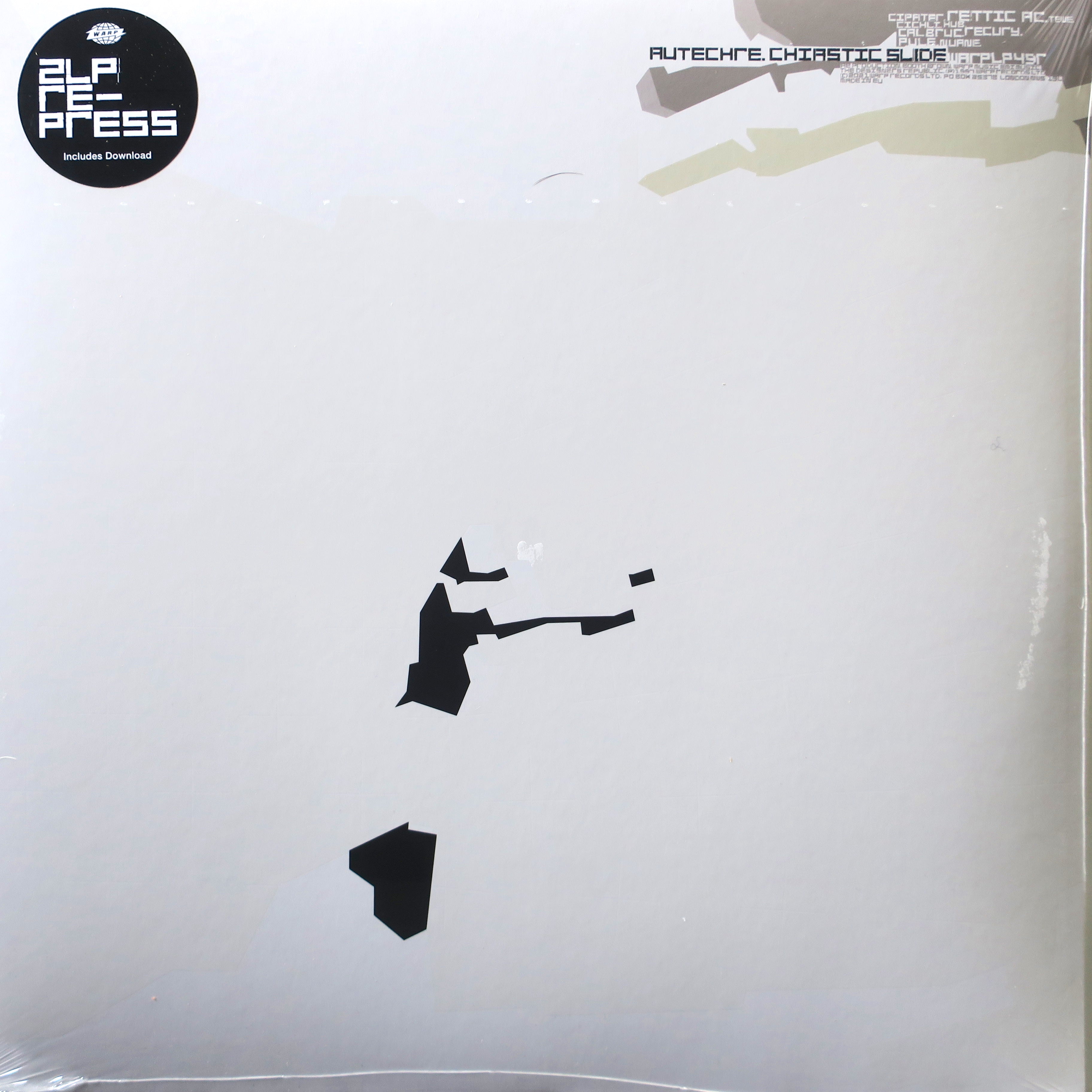
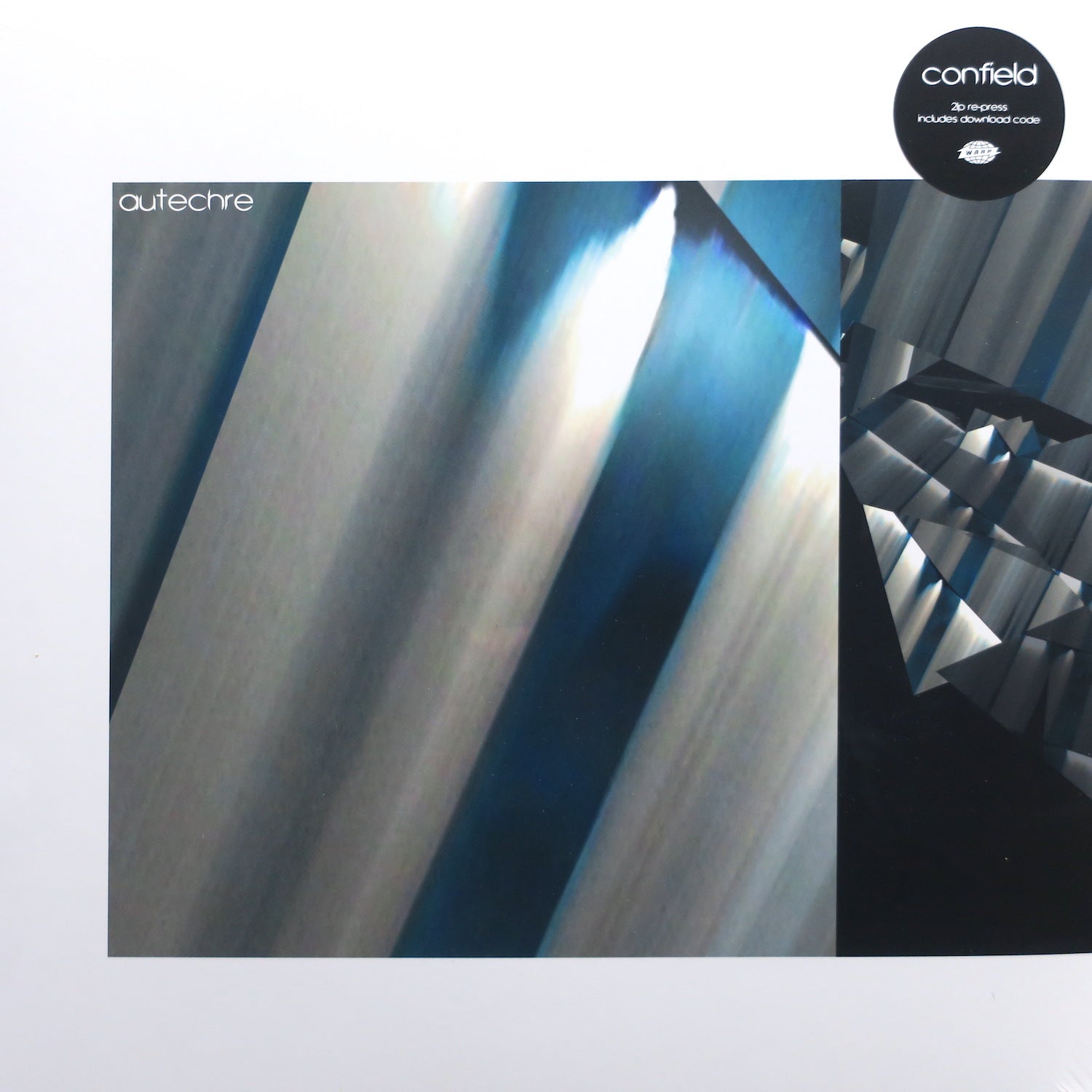
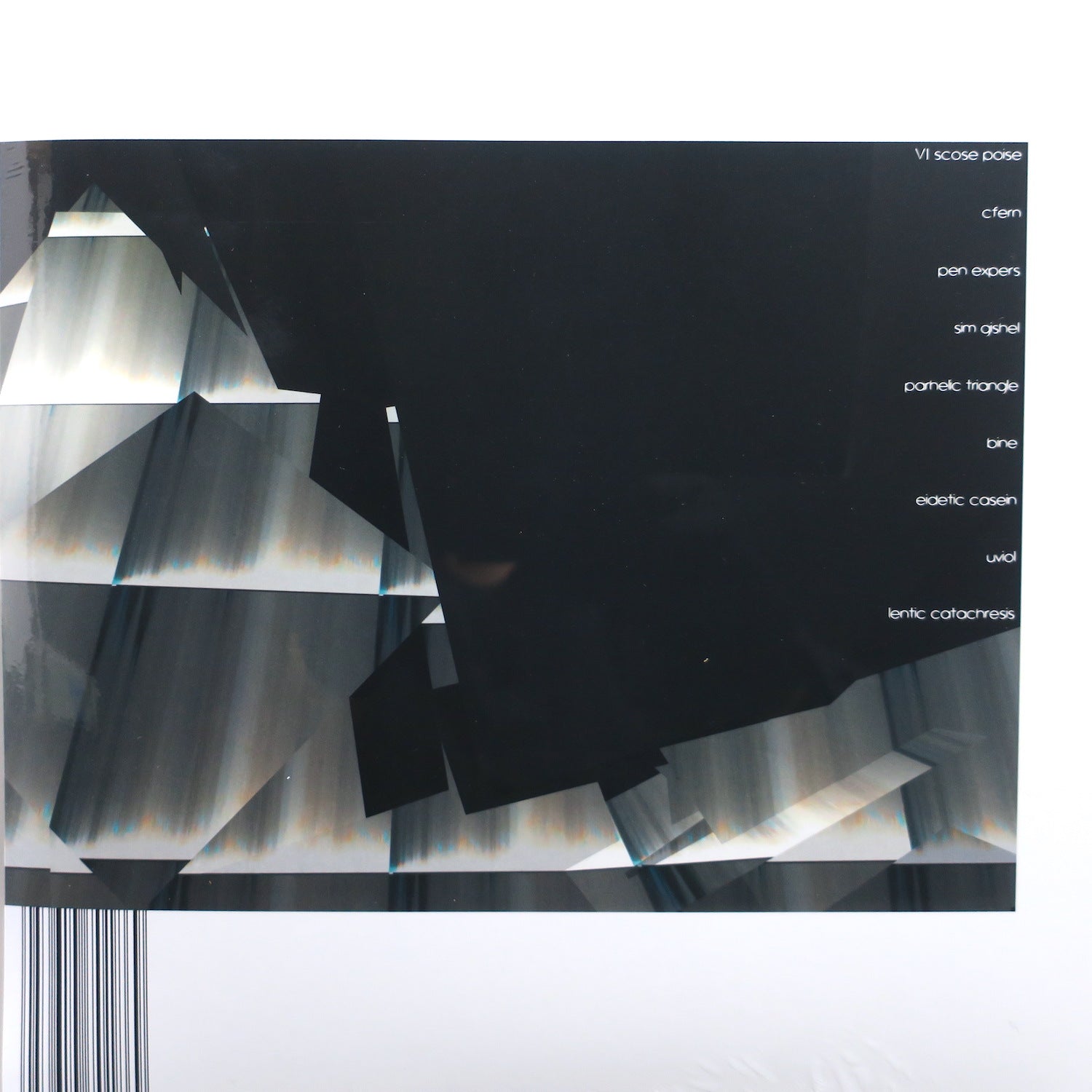
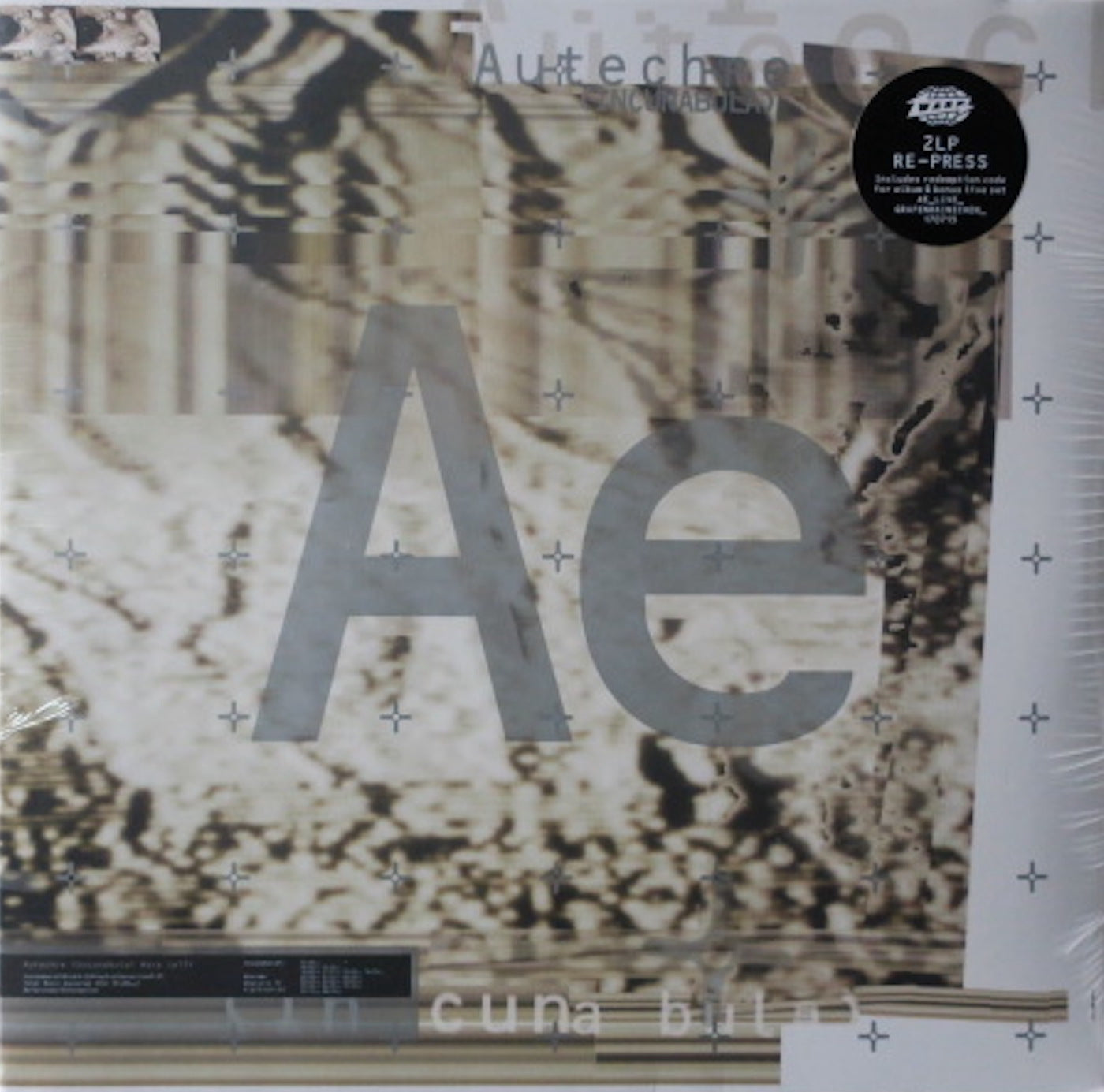
Founded by Sean Booth and Rob Brown, Autechre moved quickly from the warm, ambient-leaning surfaces of Incunabula and Amber toward the machine-sculpted minimalism of Tri Repetae and the deliberately opaque, algorithmic experiments of Confield. Those shifts matter because they chart a rare kind of musical restlessness: every new record asks listeners to reframe expectations about groove, time and texture rather than simply refining a hit formula.
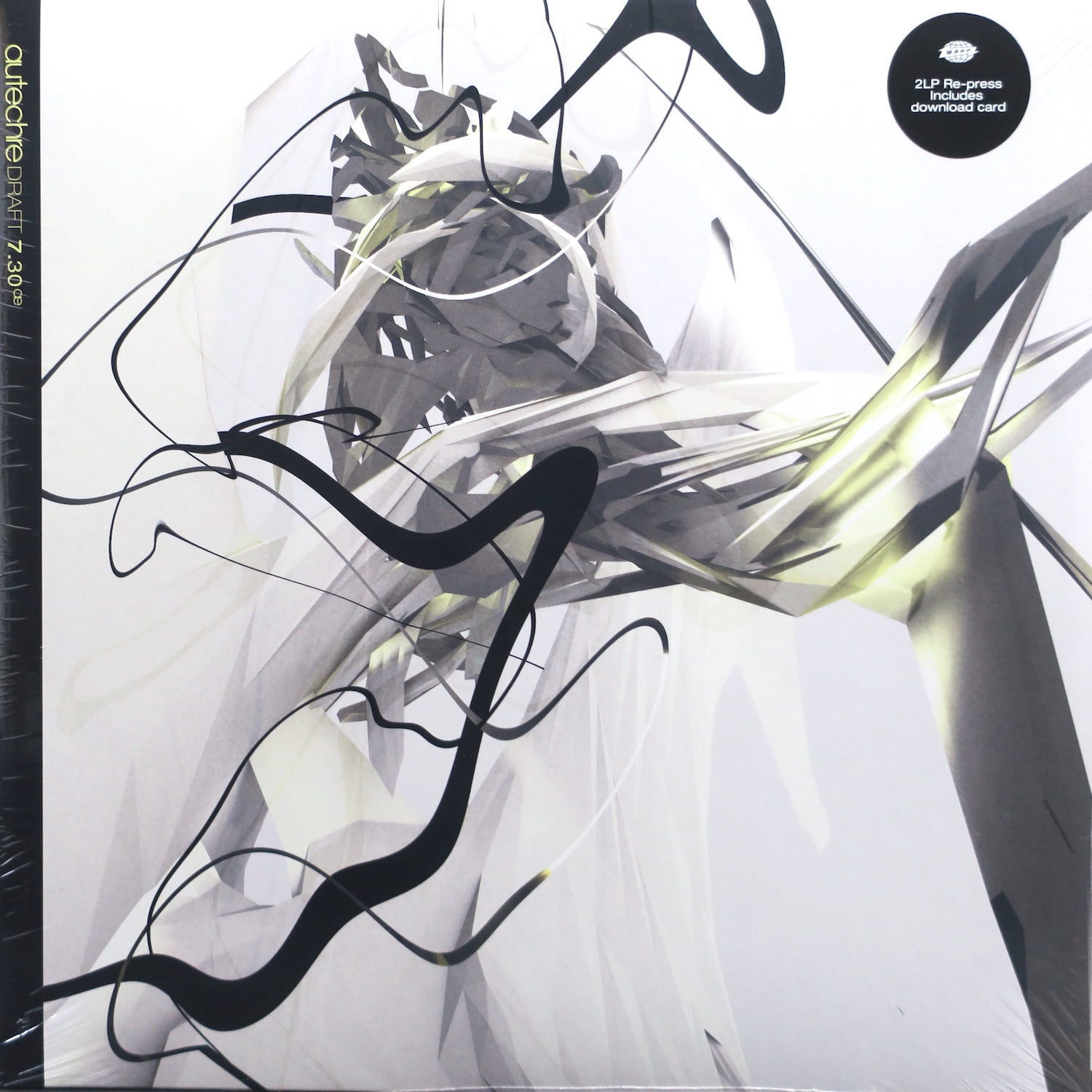
The duo’s techniques draw from a wide palette — early techno and electro, tape-manipulation and the textures of musique concrète — but it’s how those sources are recomposed that defines the sound. Beats are often generated or deformed to the point where percussion functions like melody; silence and space are used as structural tools; and software environments became instruments in their own right. That mindset influenced a generation of producers who prioritized design and process over convention.
Autechre’s live presence reinforces their studio ideas. Sets often reshape material into long, evolving blocks where familiar motifs dissolve into new structures; in recent years the AE_LIVE recordings documented how performances differed from release versions, emphasizing improvisation within algorithmic systems. Production is tightly controlled but always experimental, with Booth and Brown engineering and arranging much of their work themselves.
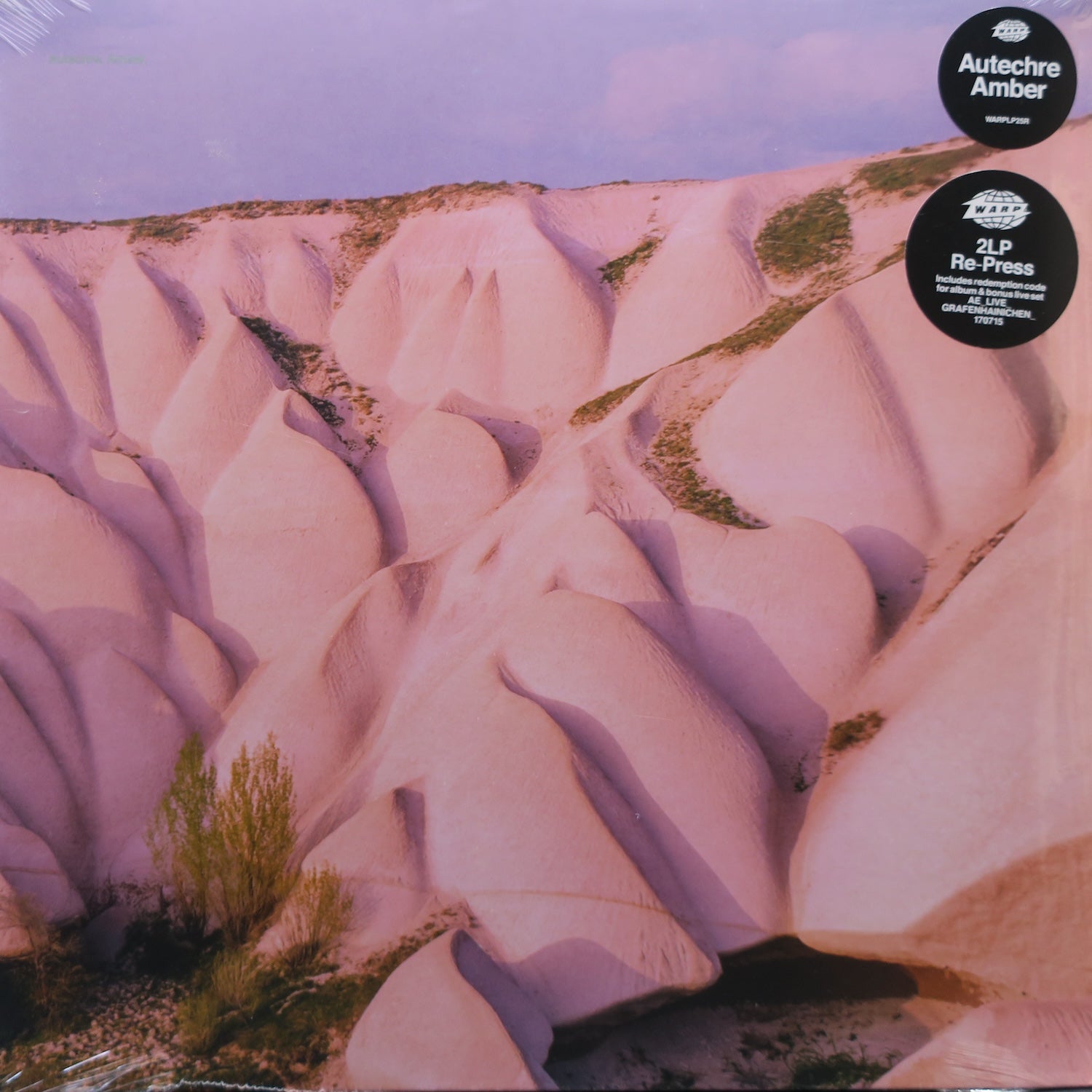
Listeners approaching Autechre for the first time might start with Amber for its haunting atmospheres or Tri Repetae for a clearer sense of their rhythmic innovations, then move to Confield to hear the moment their music embraced oblique formalism. Along the way, connections to contemporaries like Aphex Twin, Squarepusher and Plaid help place Autechre within a broader 1990s electronic scene, while parallels with experimental acts such as Oval highlight shared interests in glitch and digital texture.
Across decades, Autechre’s catalog rewards repeated listening: records that at first sound forbidding reveal internal logics and microscopic pleasures once patience and attention are invested. That capacity to reframe what electronic music can do keeps their work compelling for listeners interested in process as much as pulse.