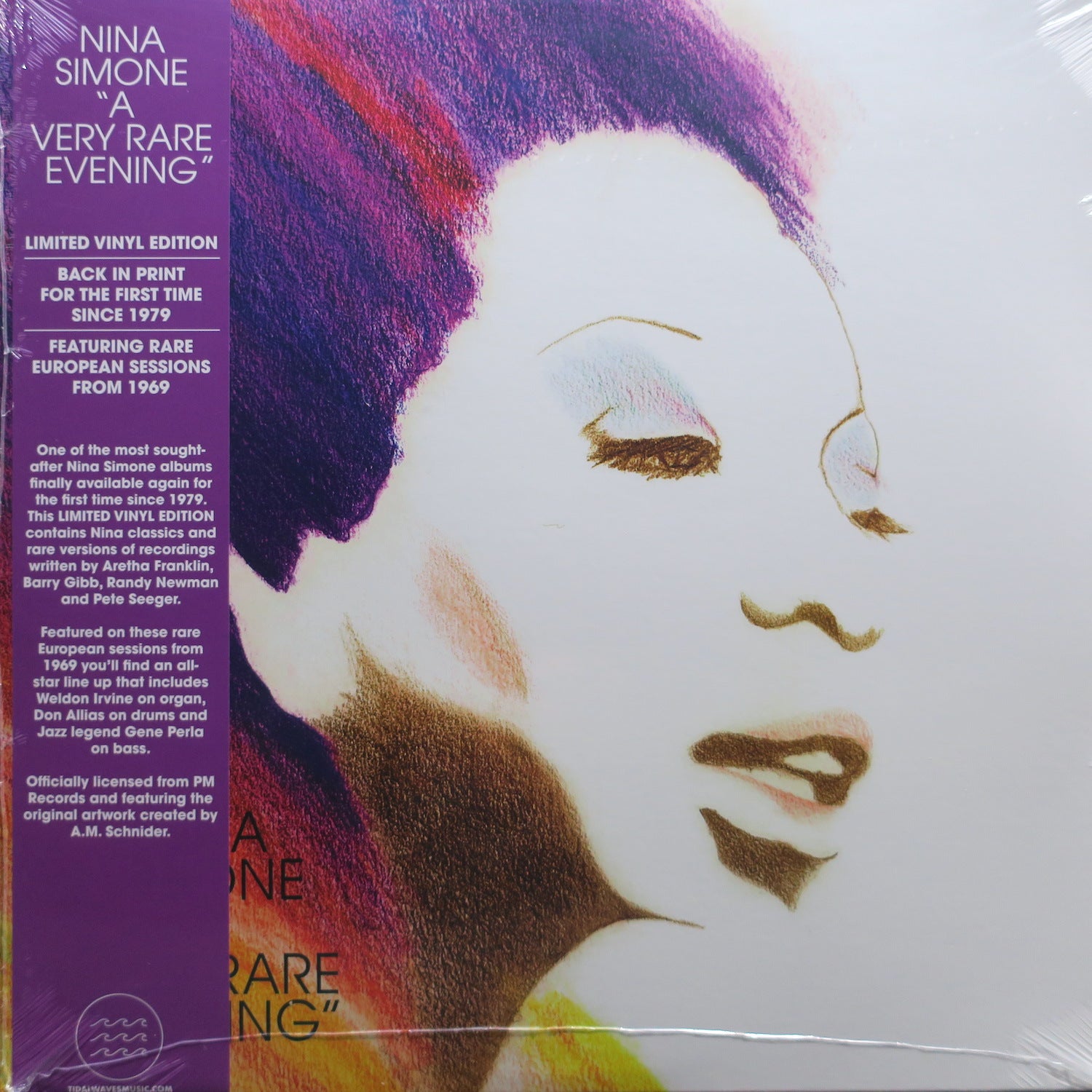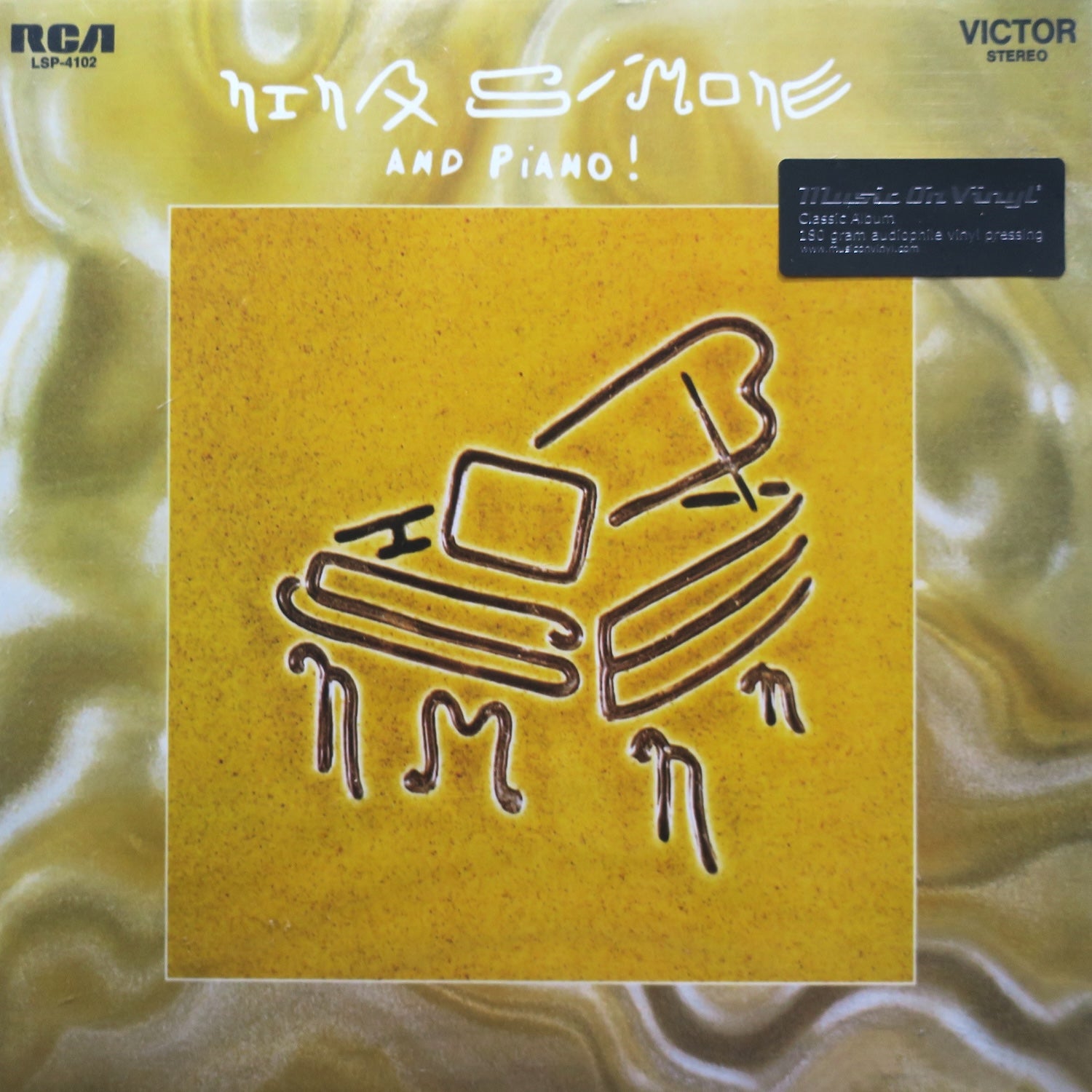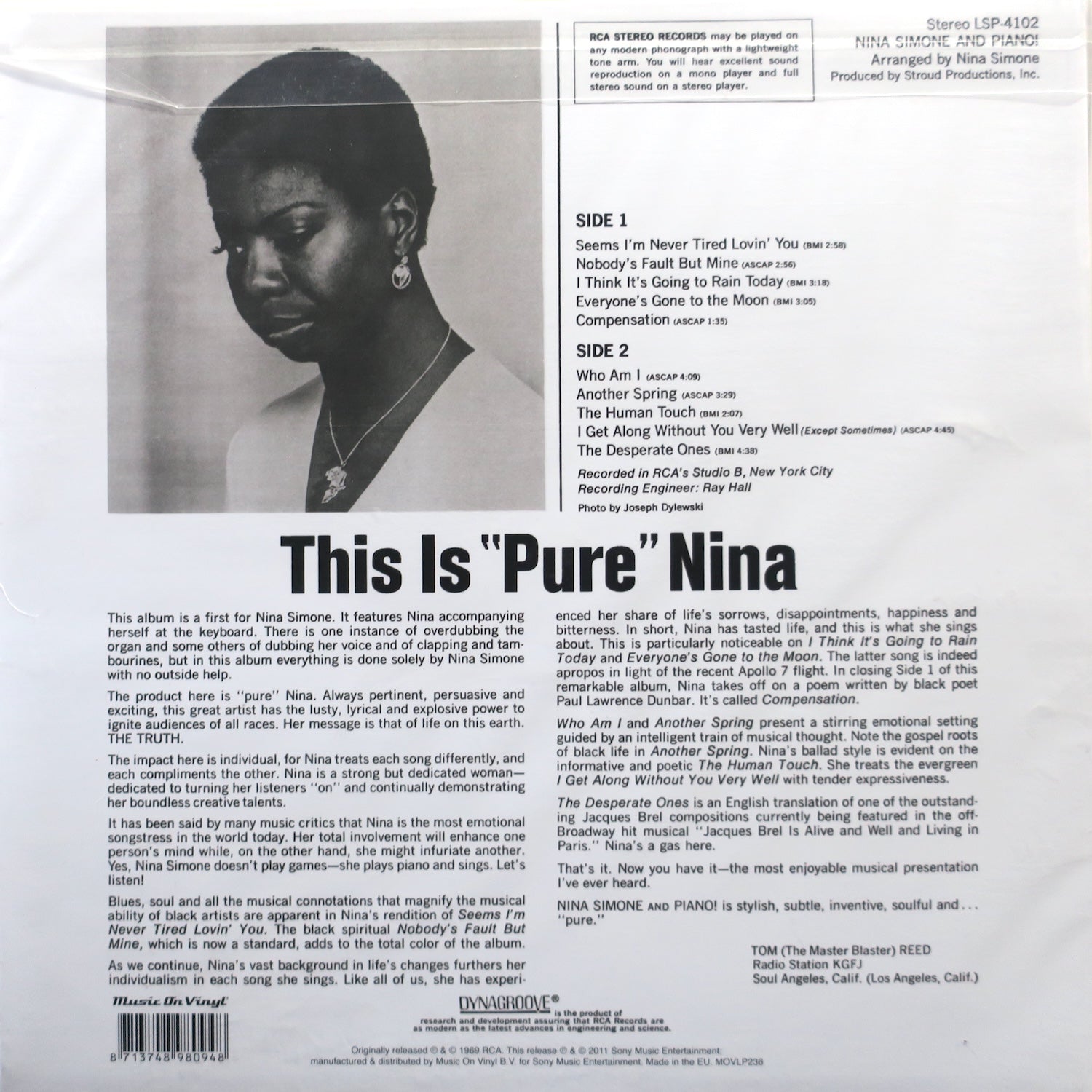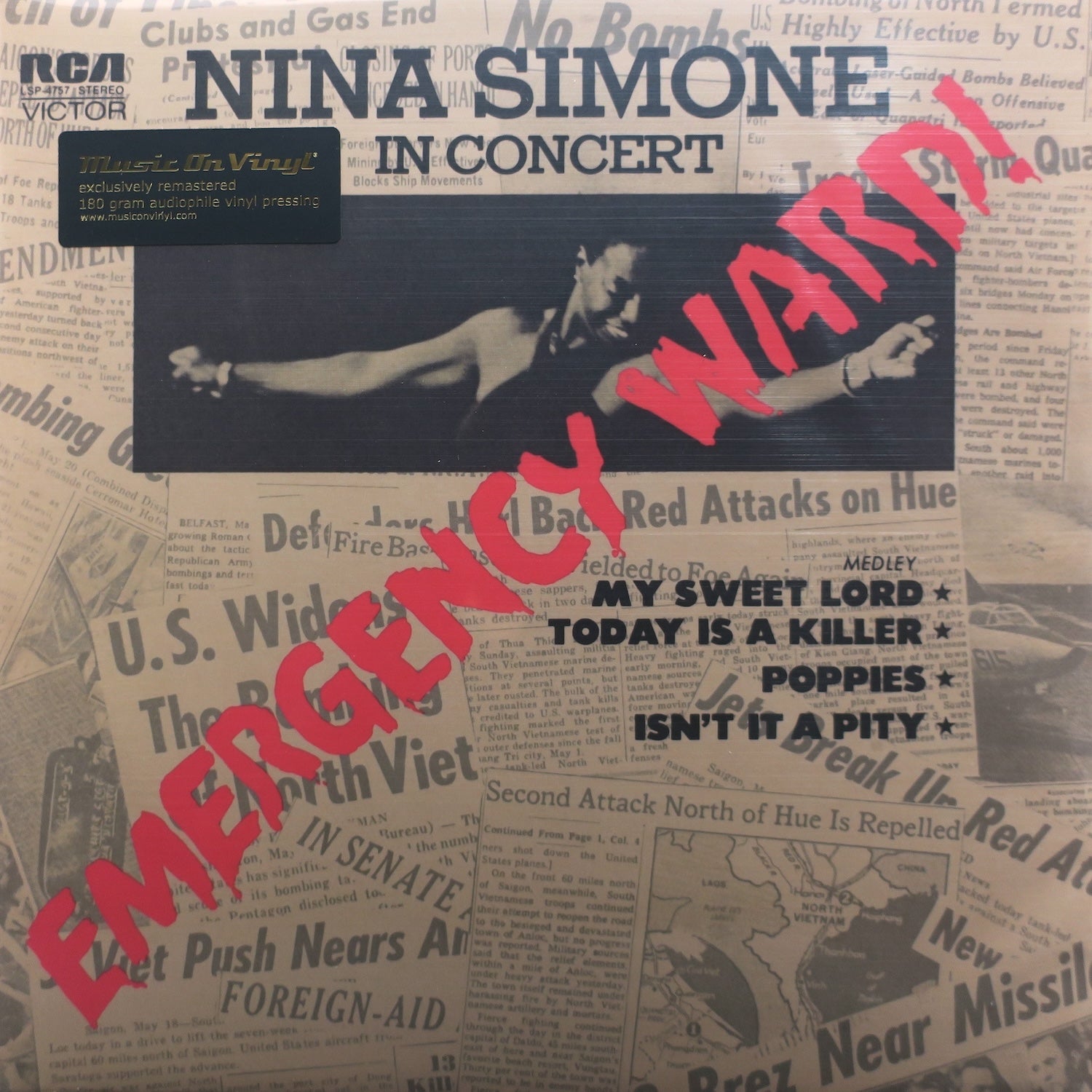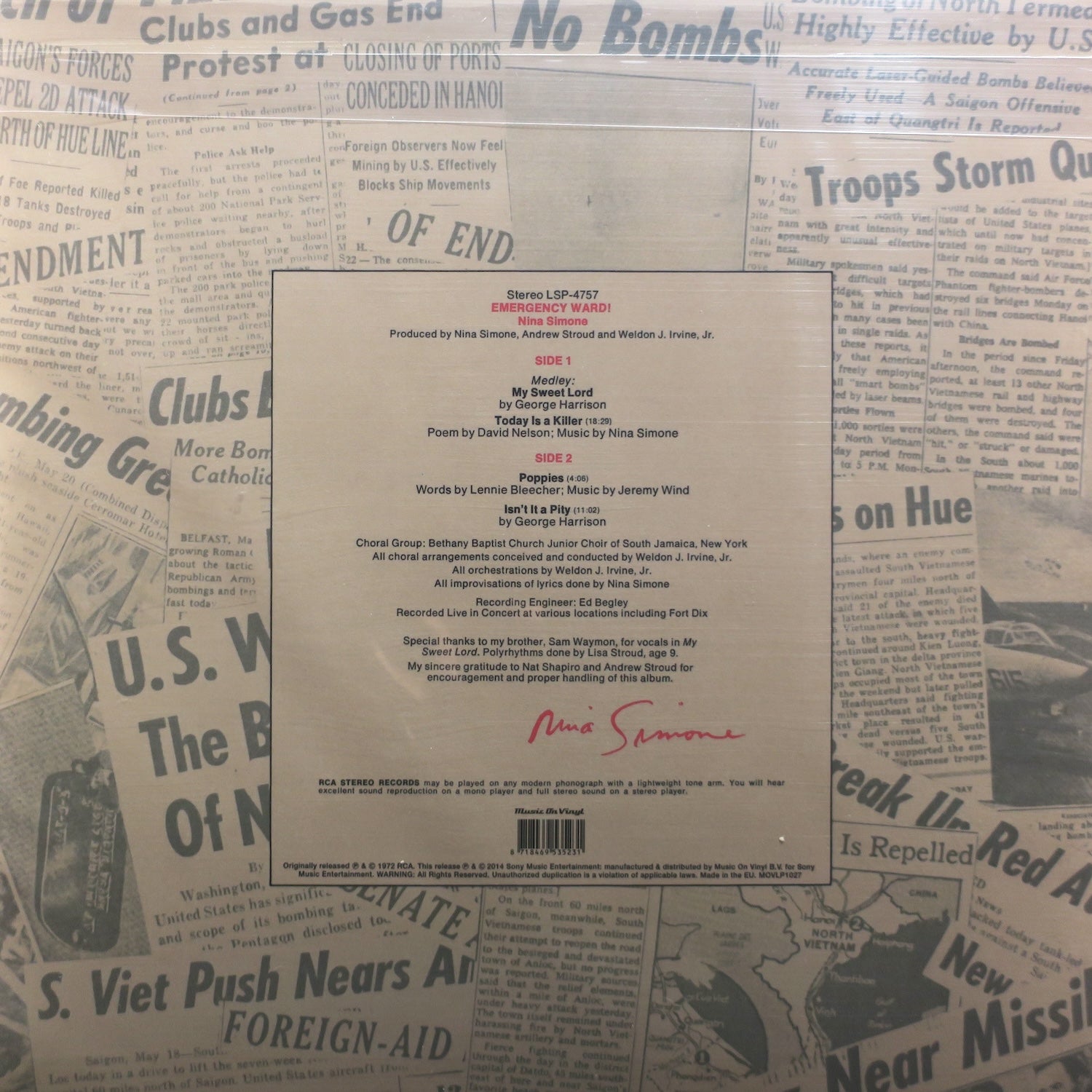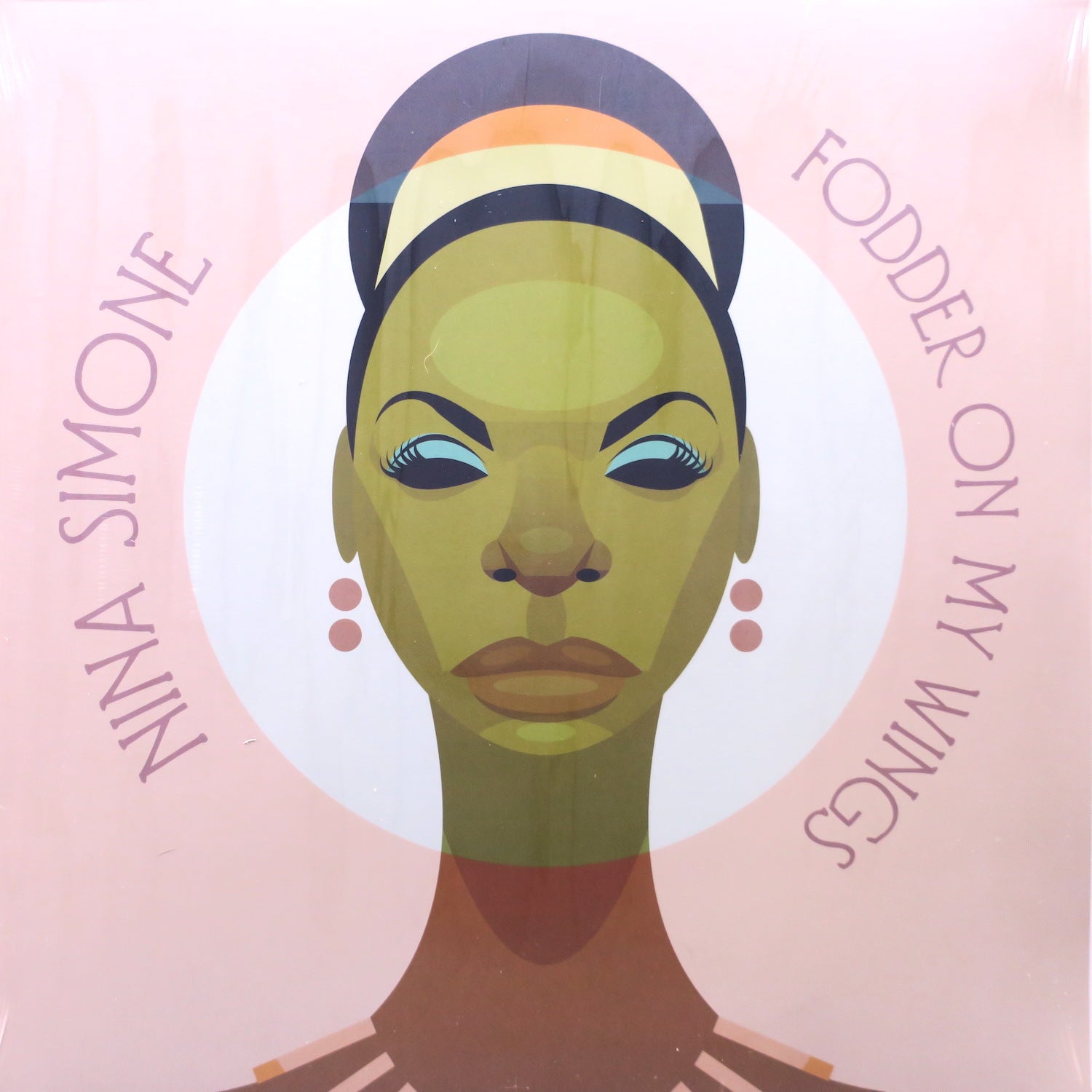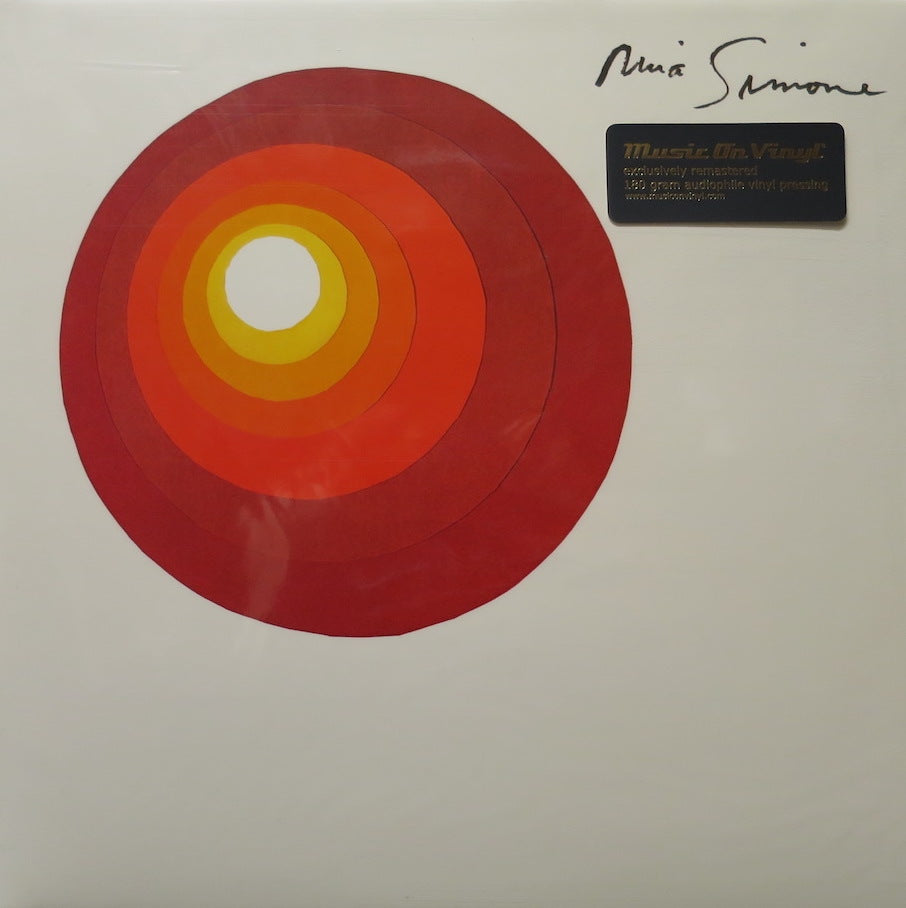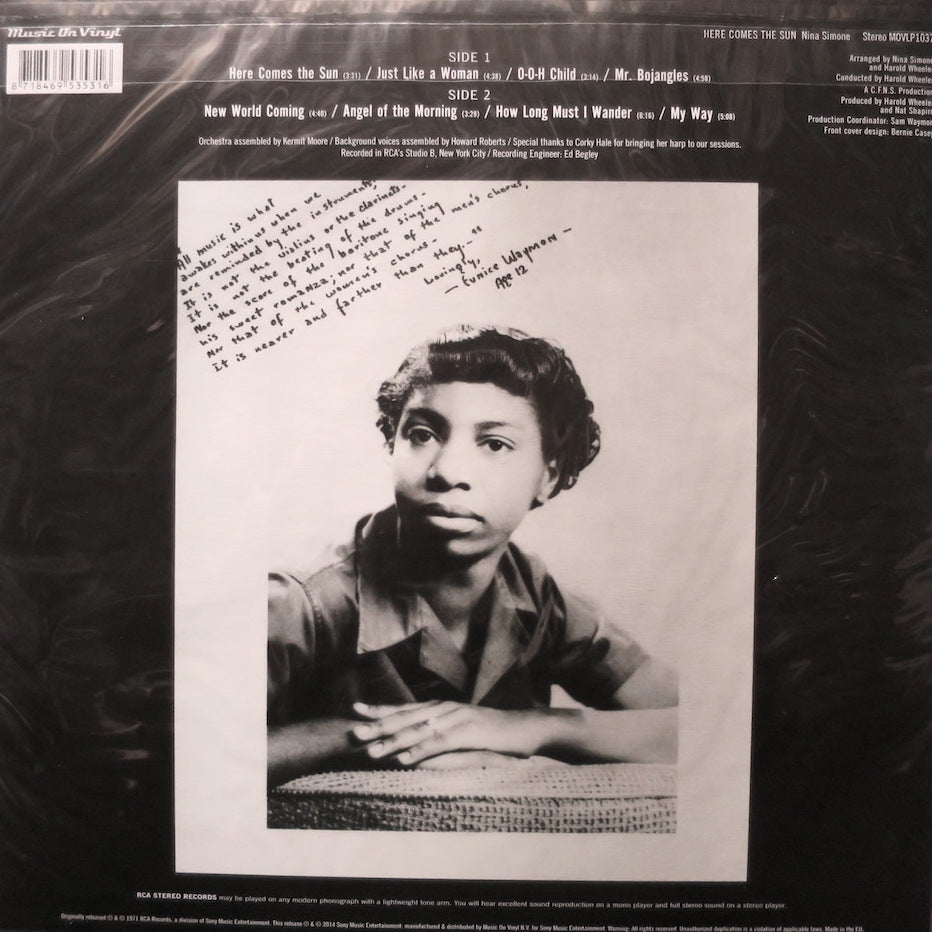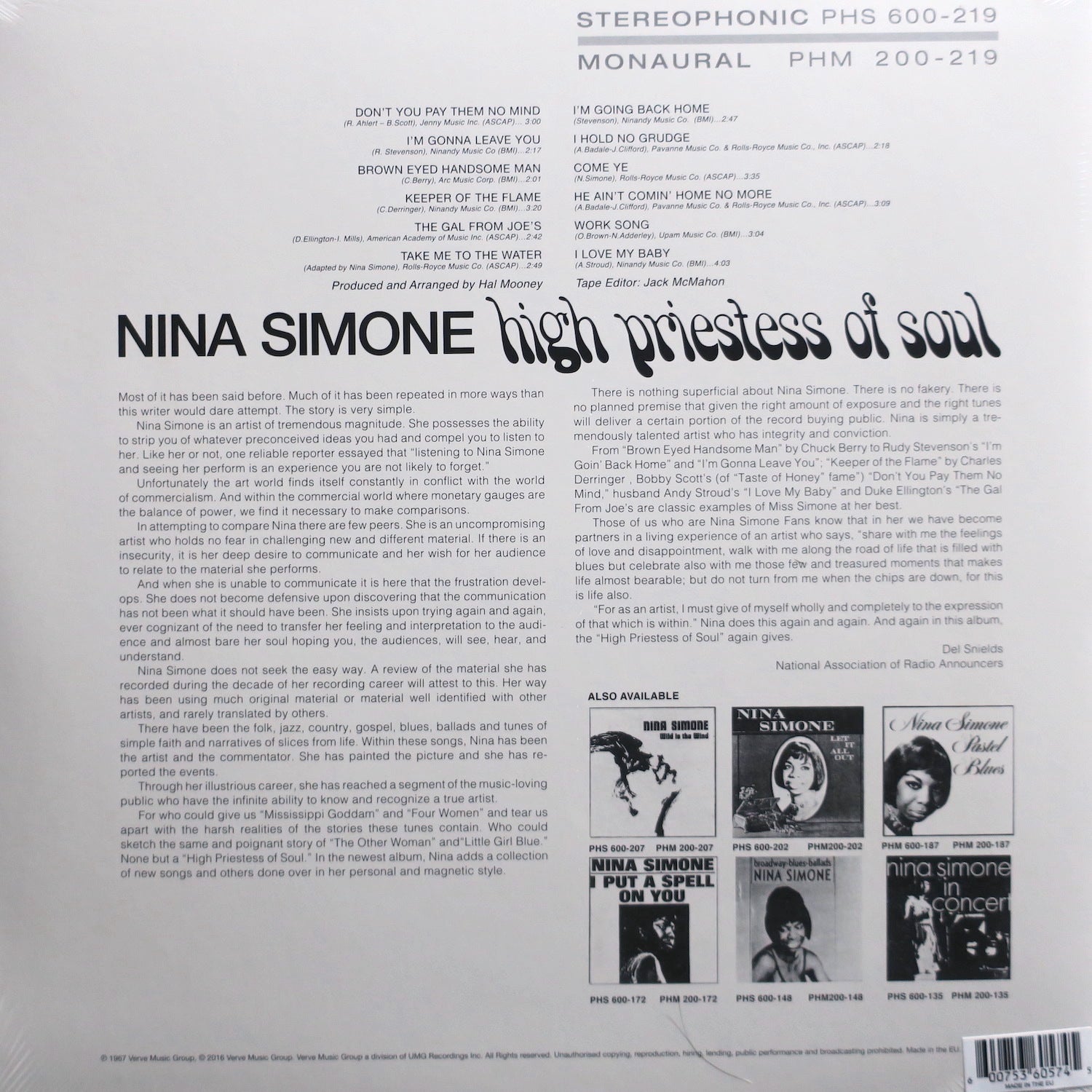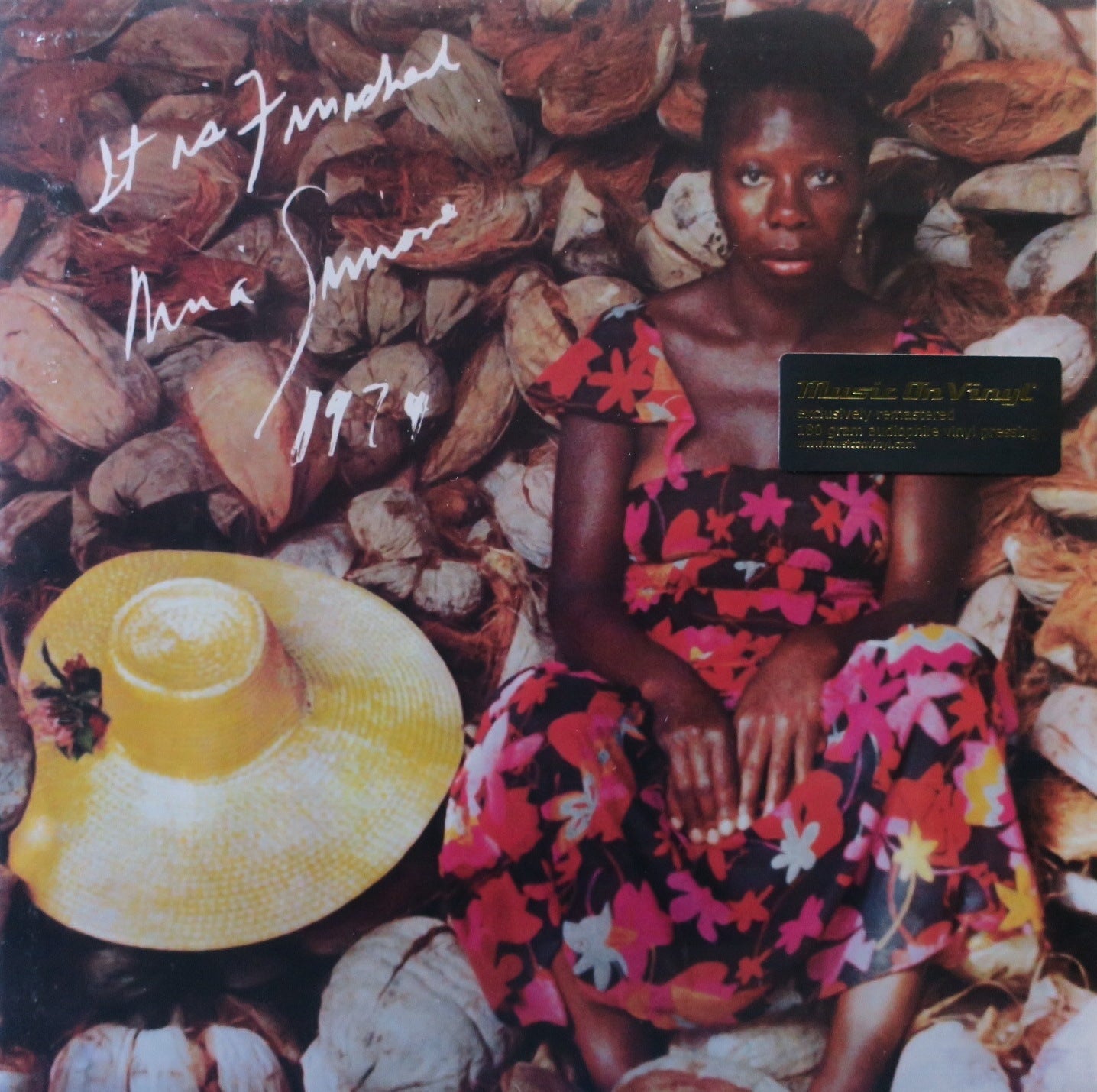
Nina Simone
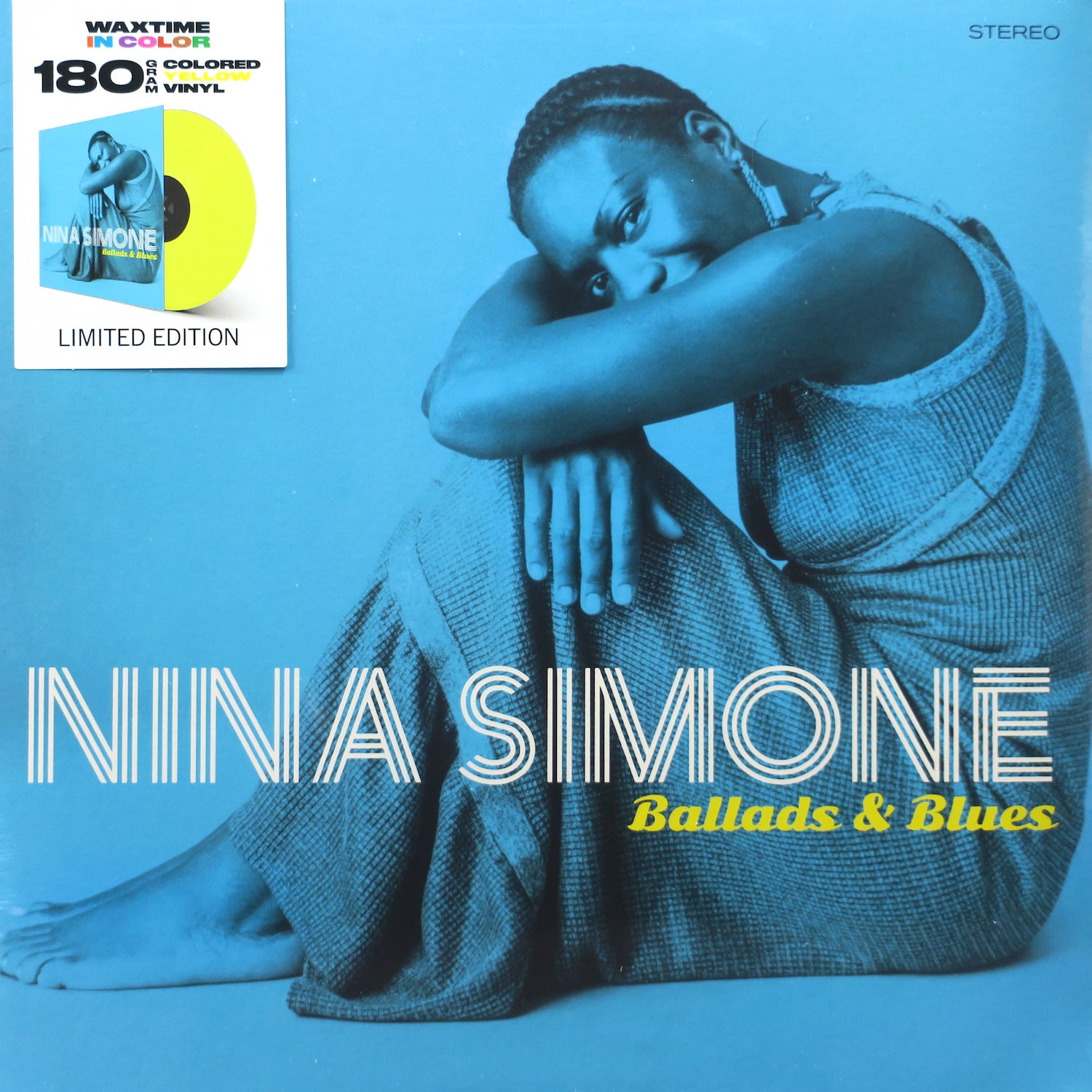
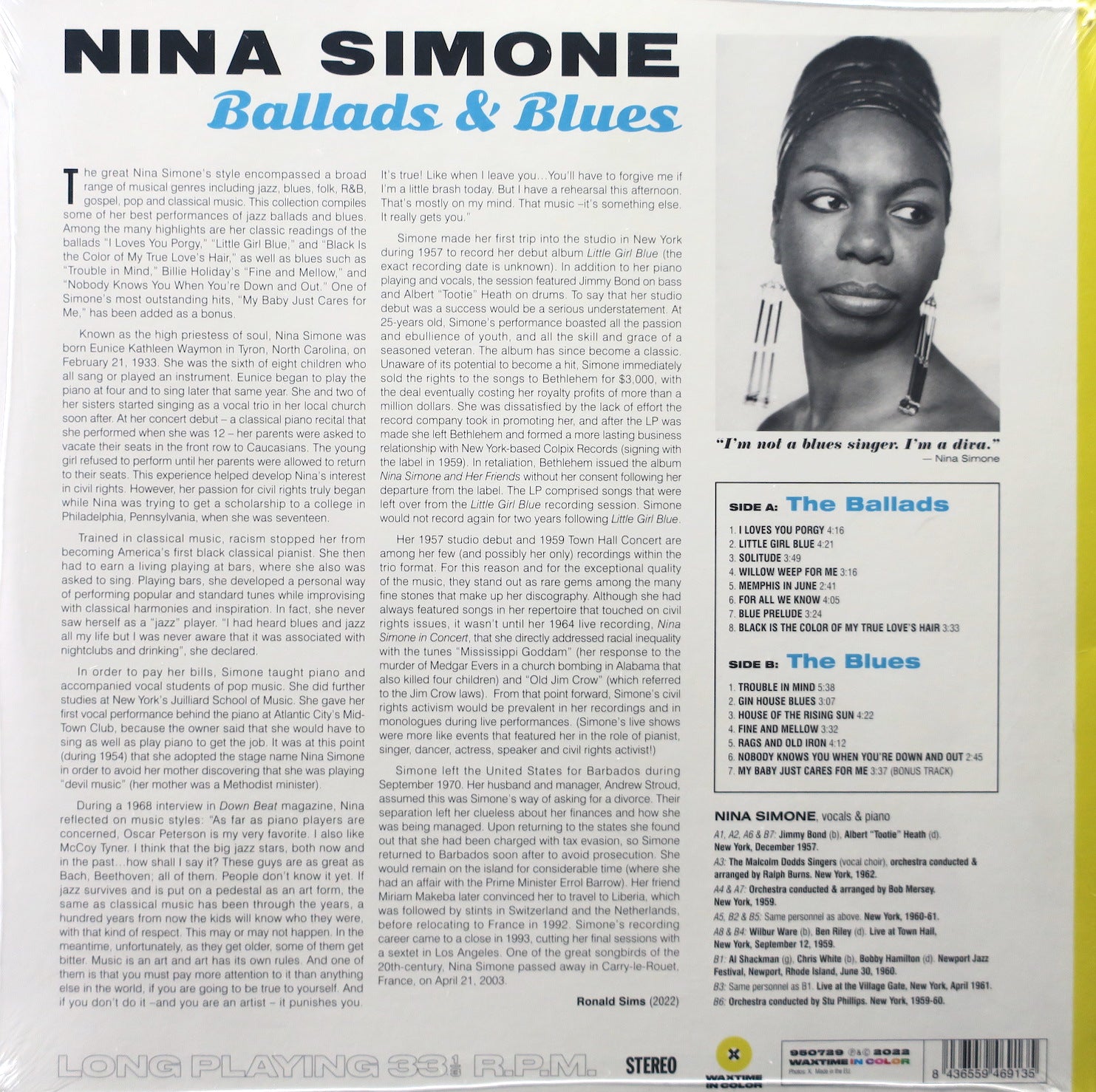
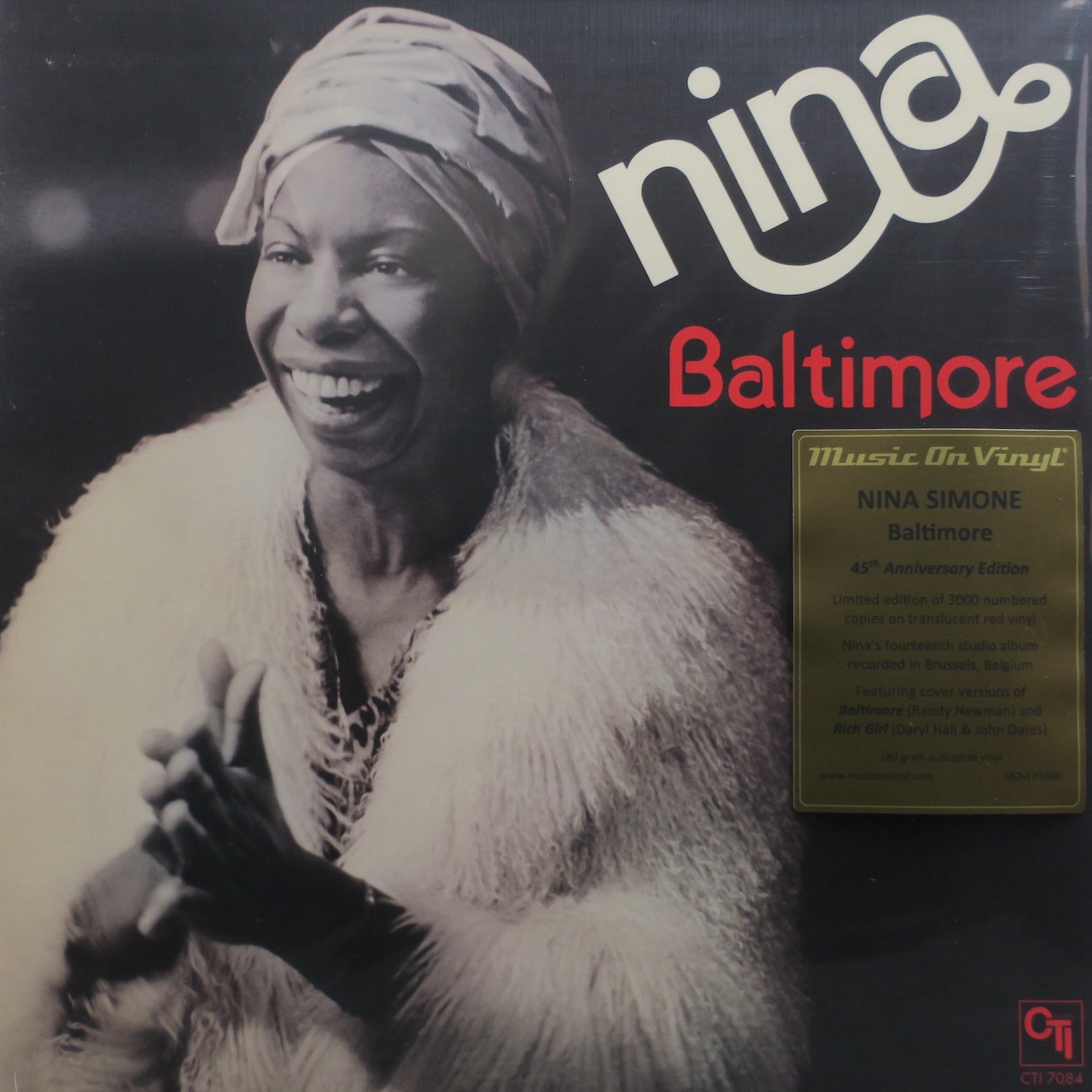
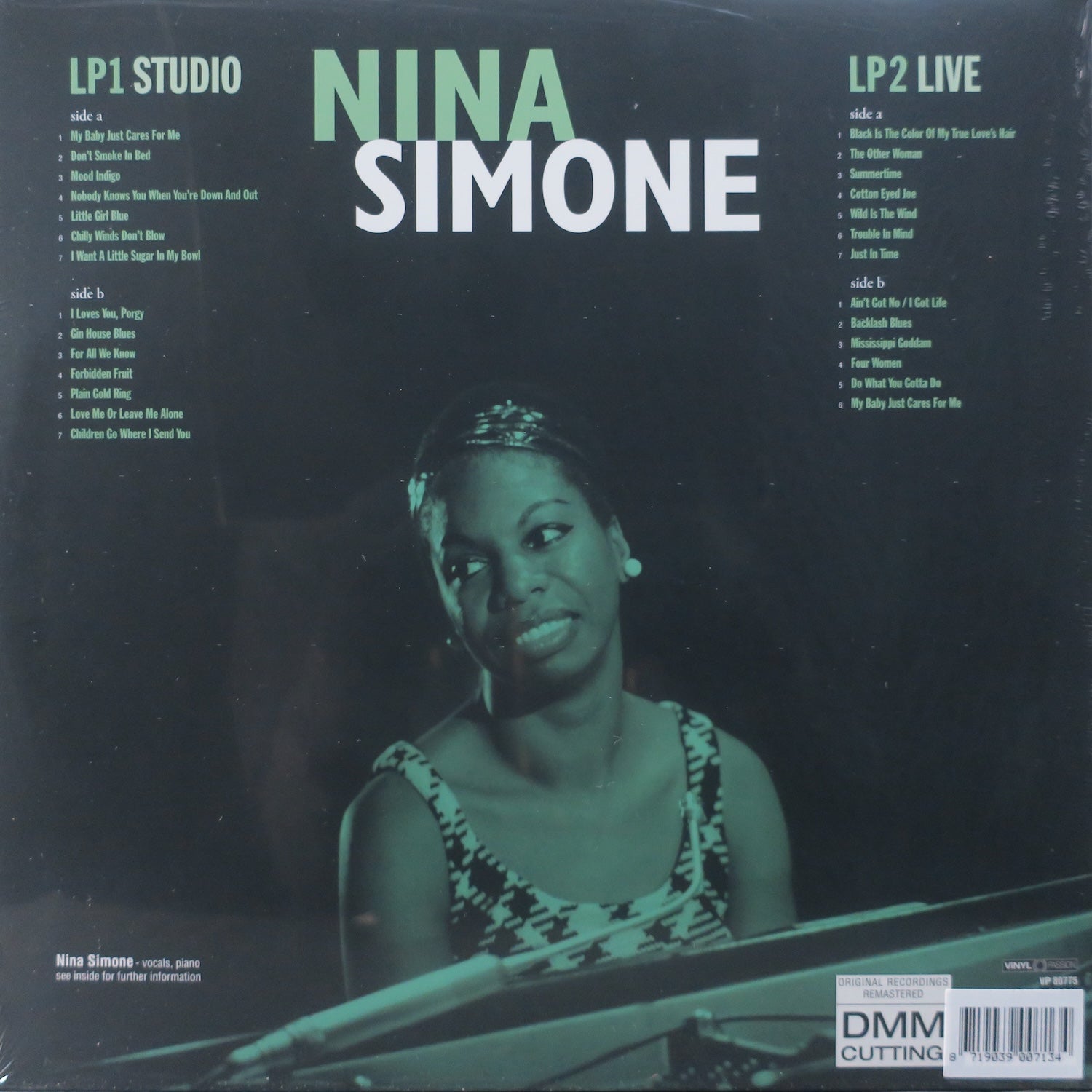
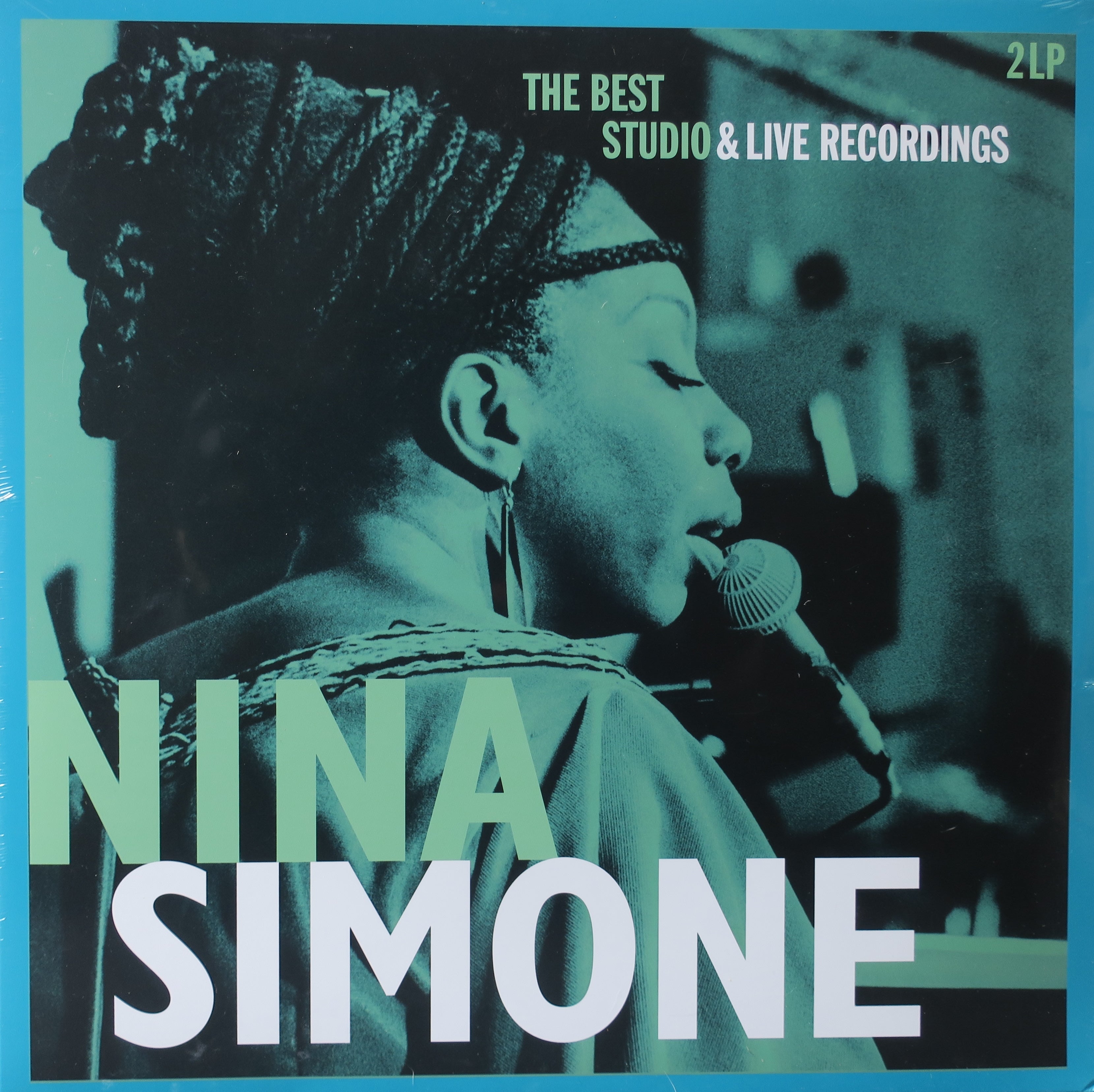
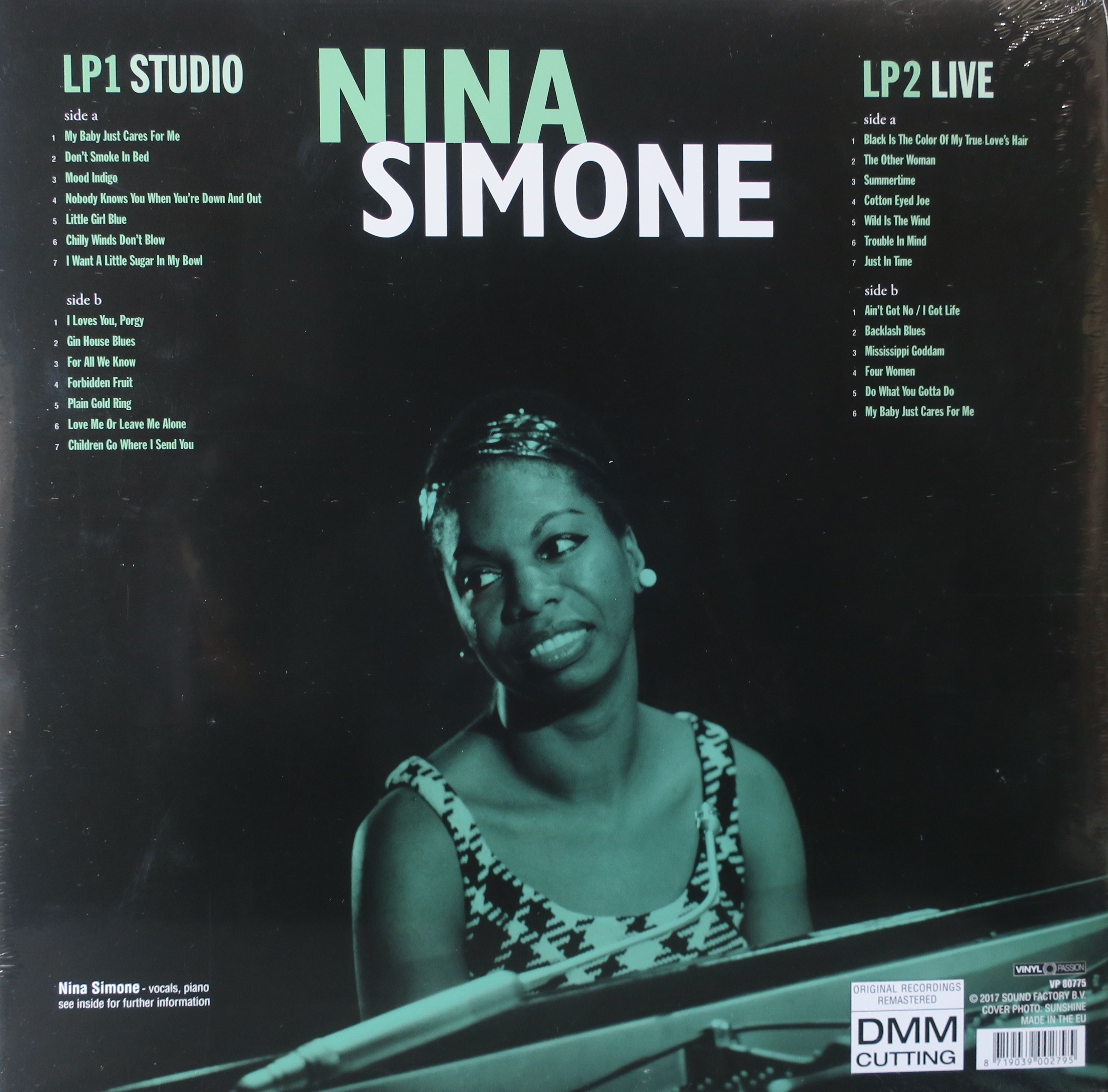
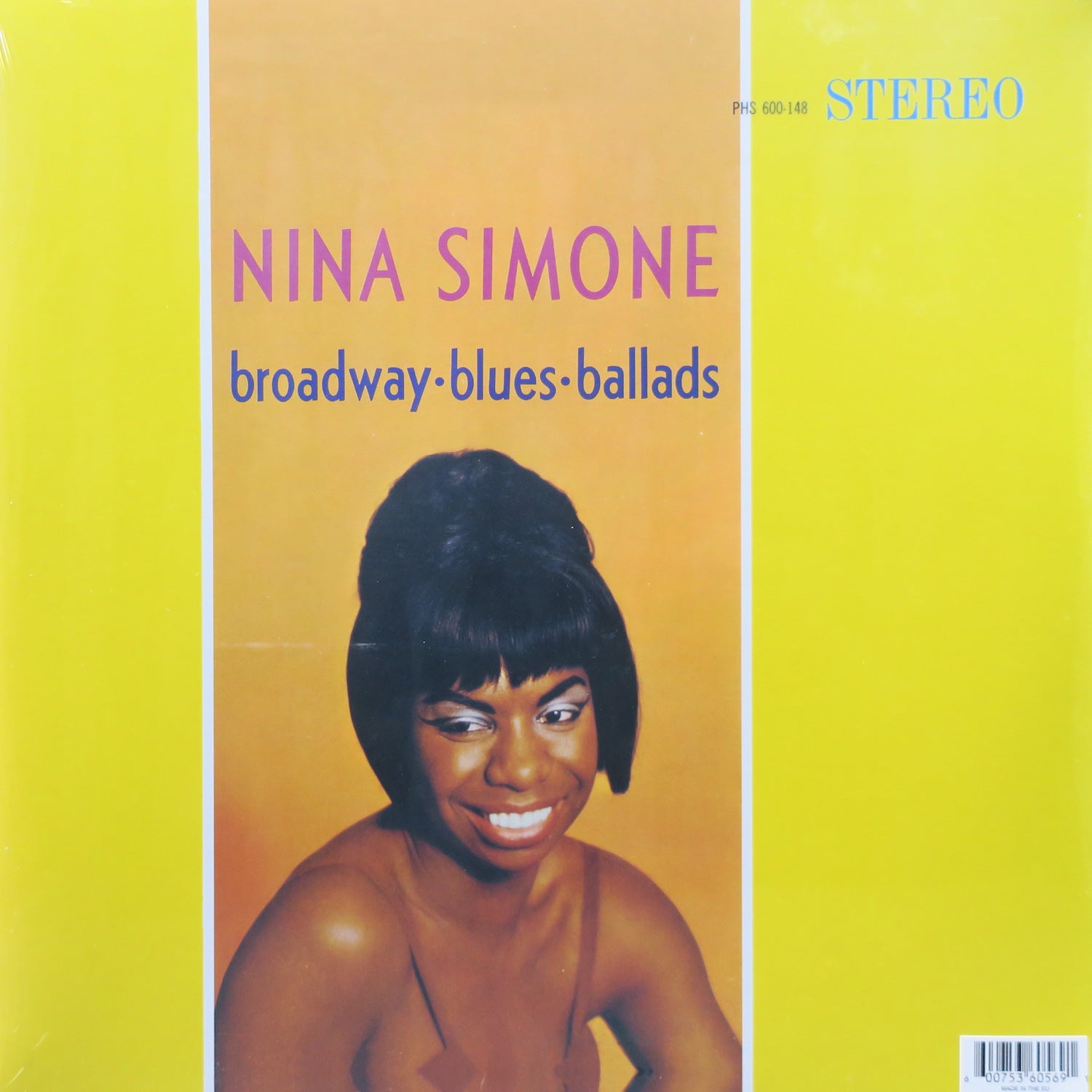
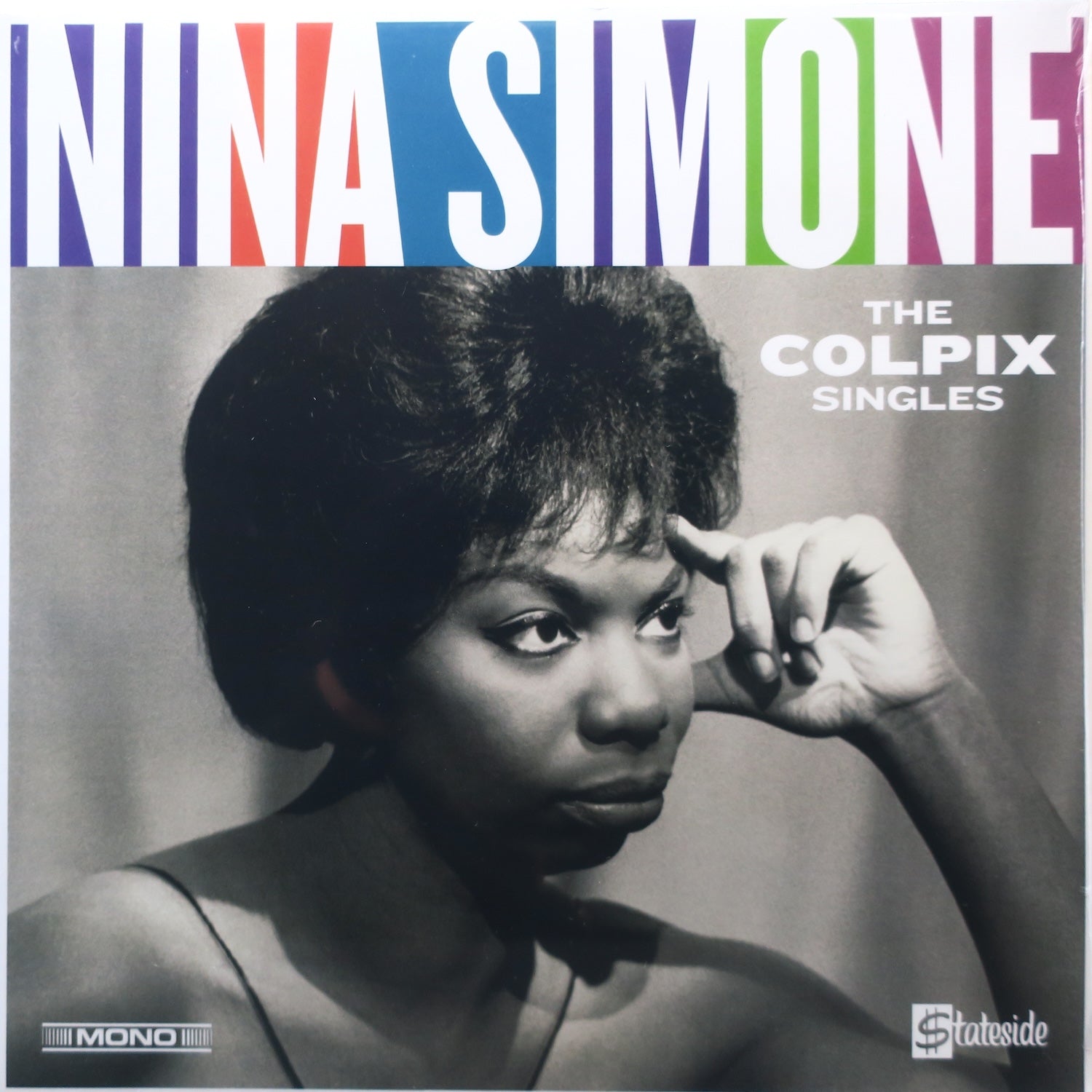
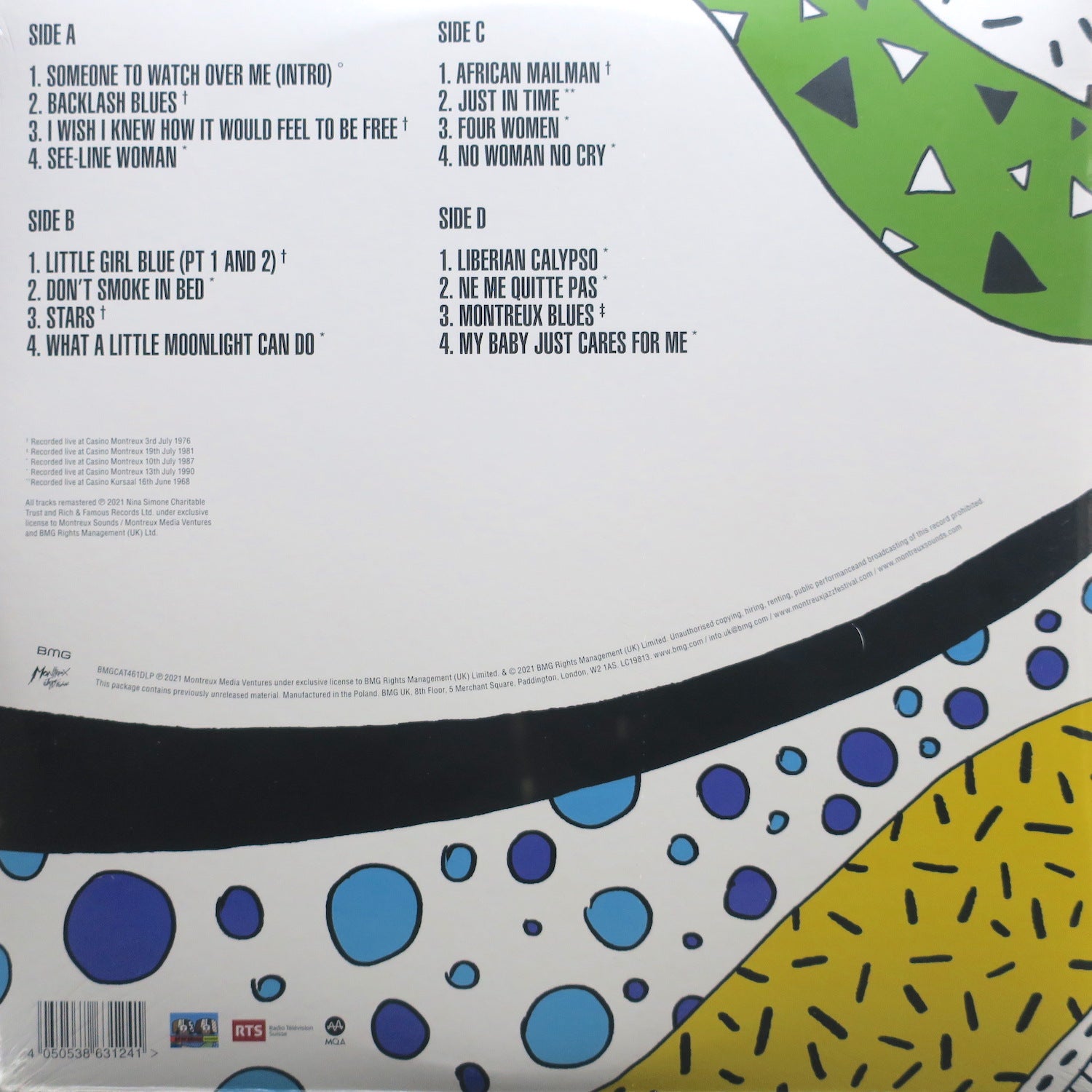
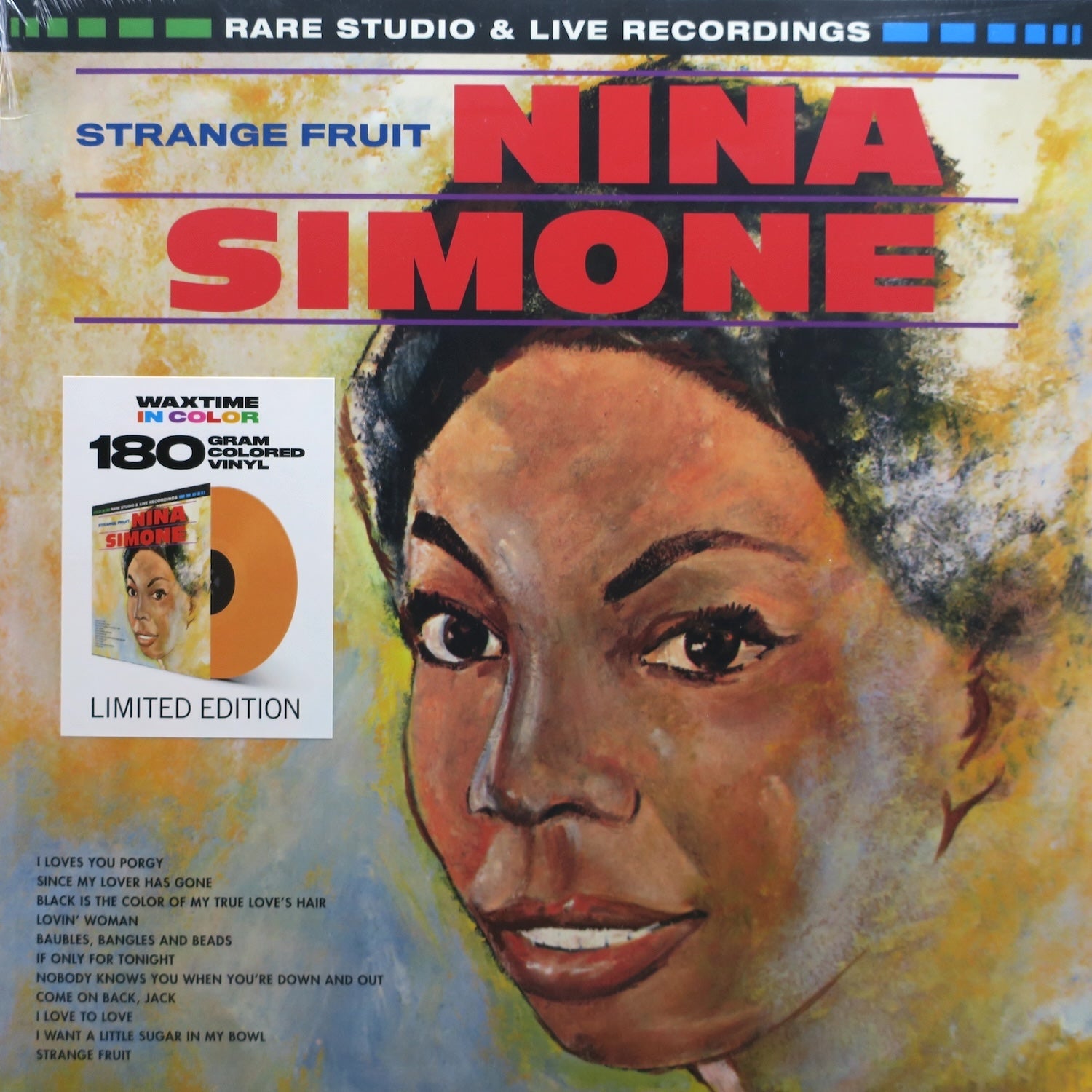
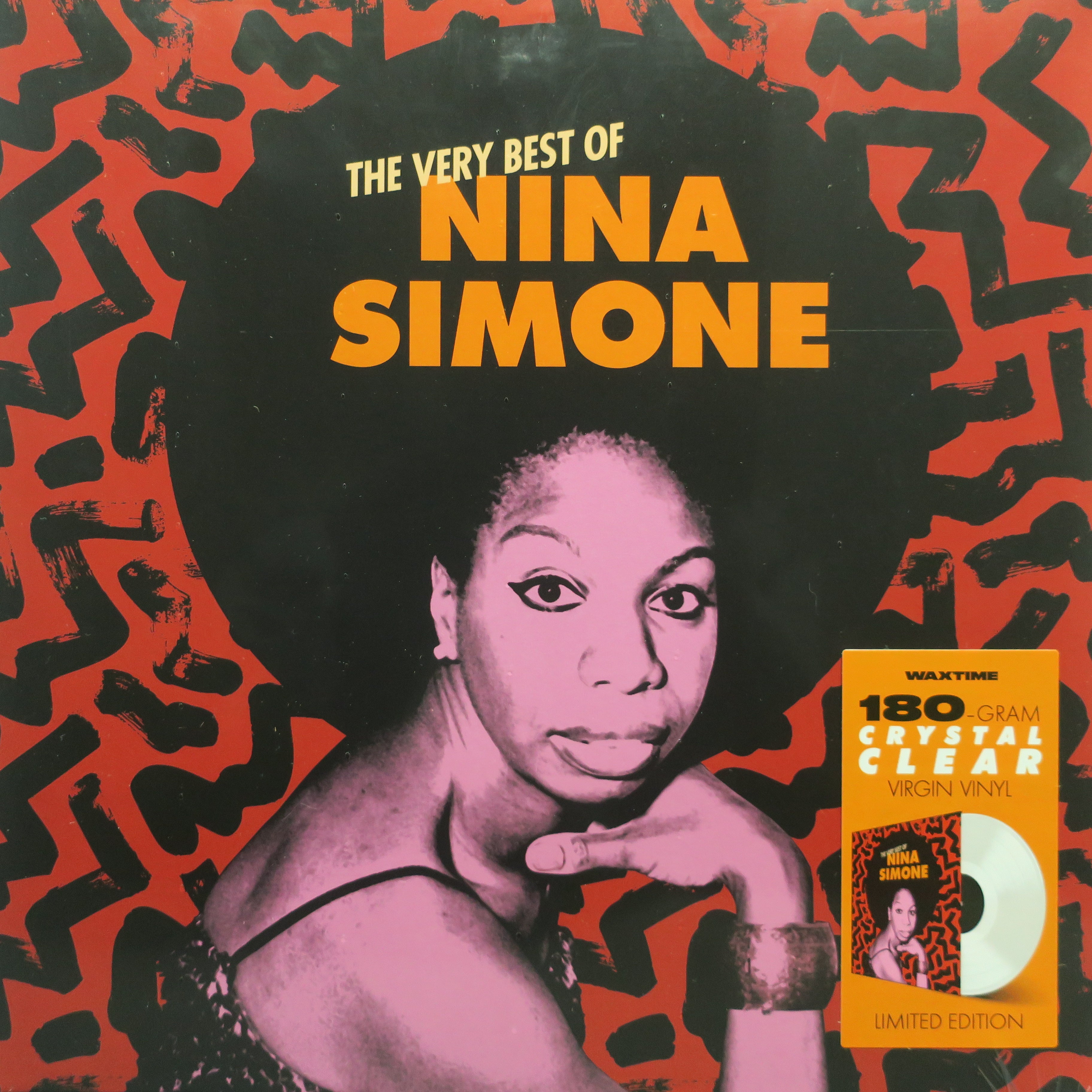
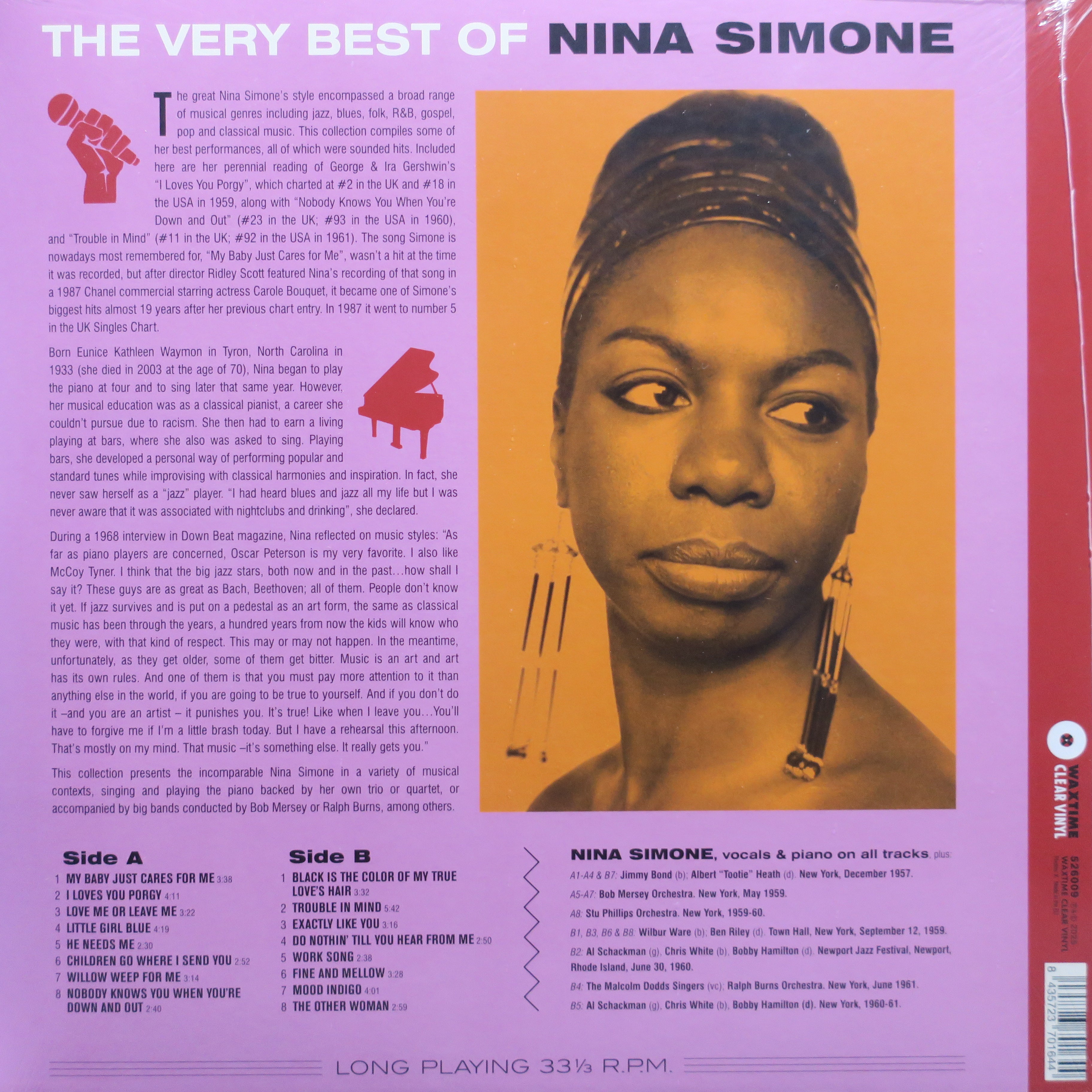
Nina Simone’s music is where a classically trained pianist met the pulse of the streets: spare, dramatic piano lines framed songs that could be lullabies, confessions or political proclamations. That tension — between formal technique and raw emotional delivery — is what makes Simone compelling. A single performance could move from a smoky blues whisper ("My Baby Just Cares for Me") to an unflinching civil-rights anthem ("Mississippi Goddam") without feeling like two different artists.
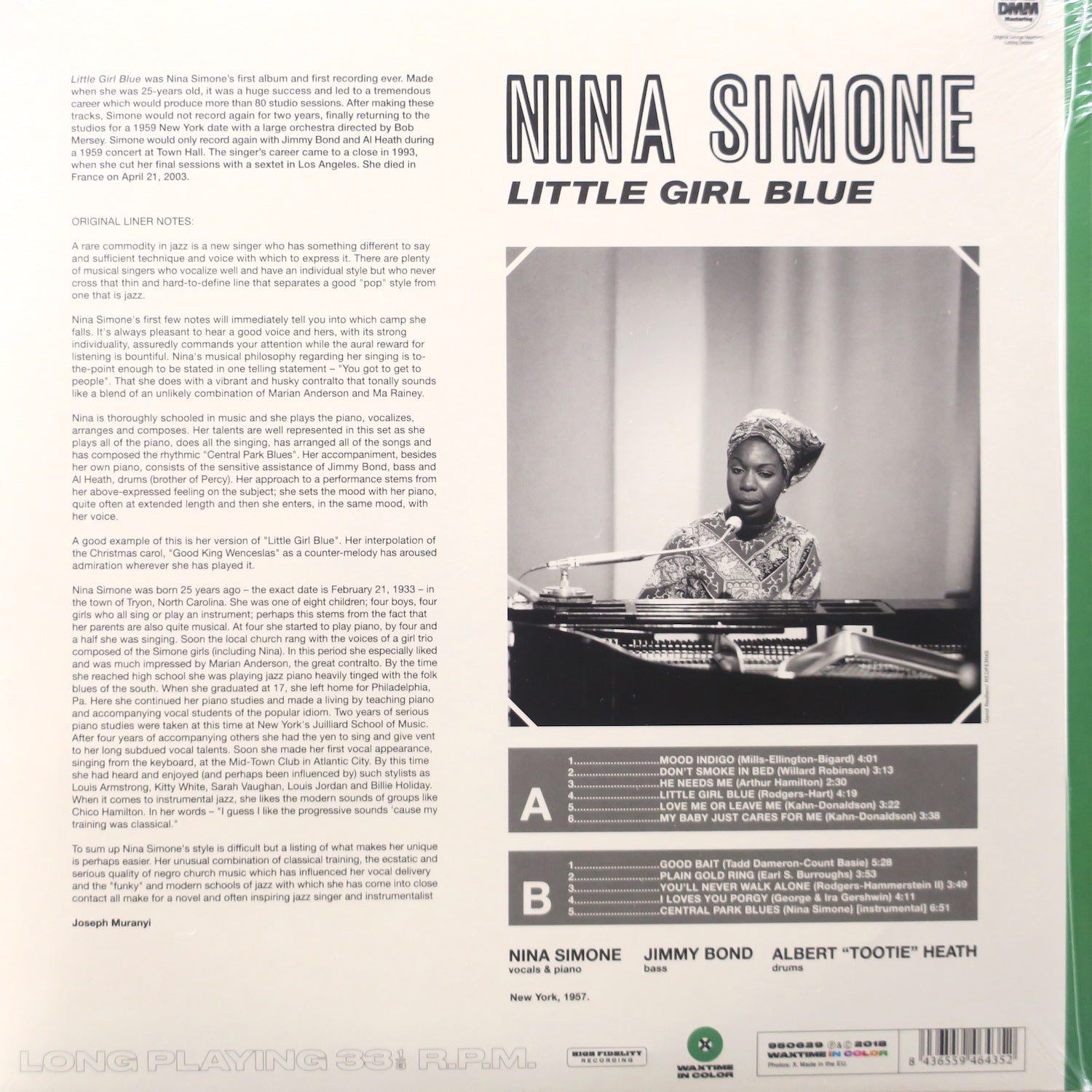
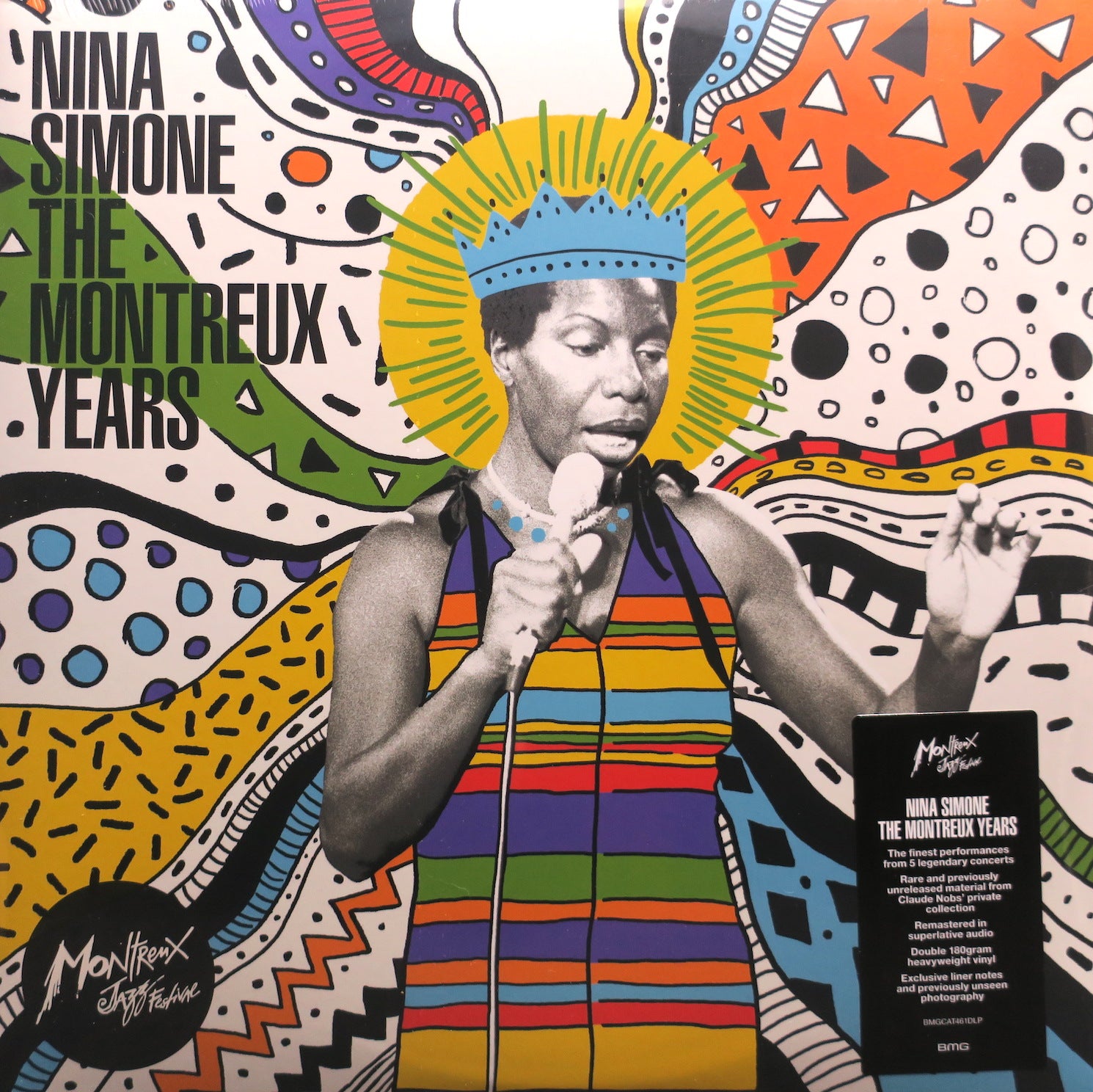
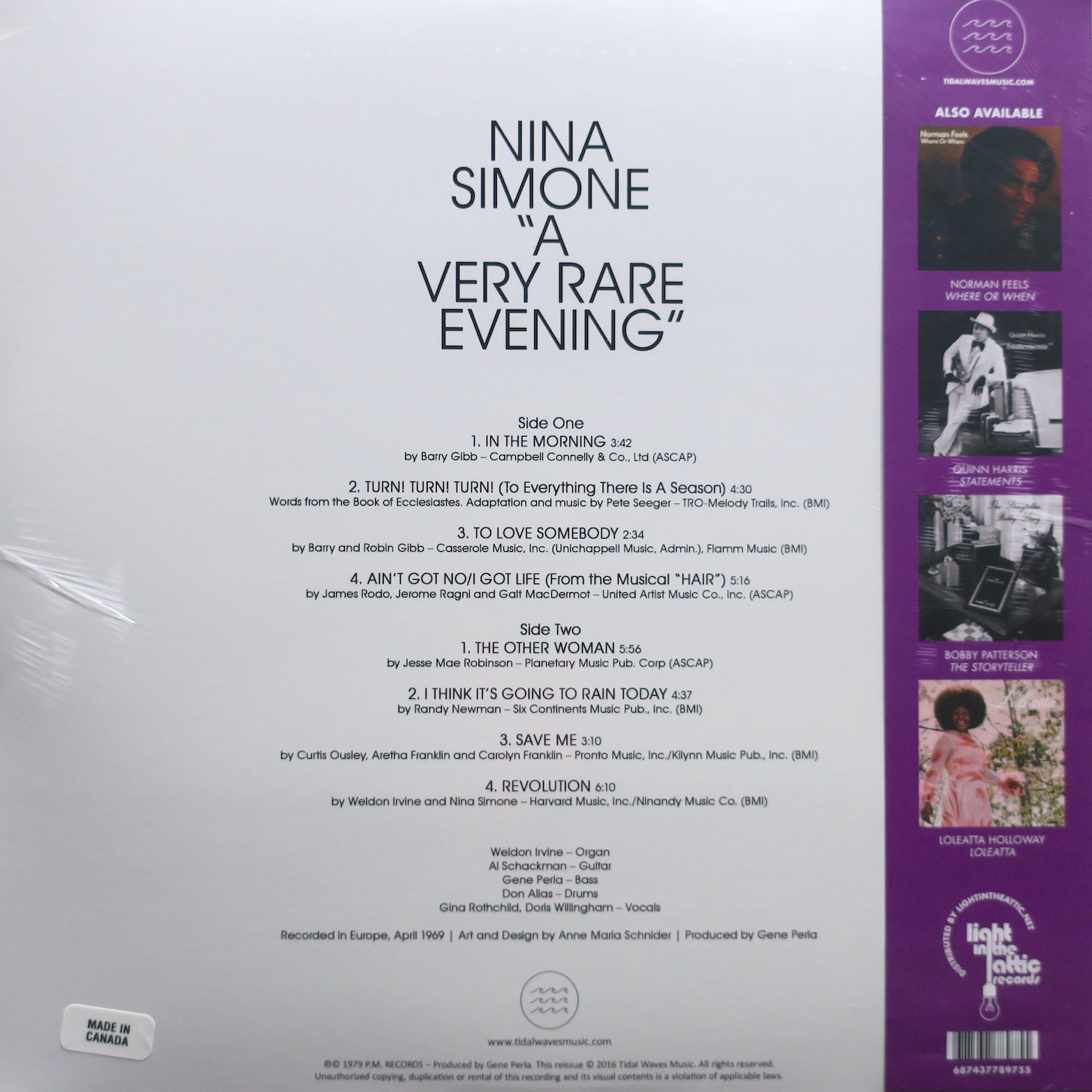
Simone’s repertoire ranged wildly — jazz standards, gospel-tinged ballads, folk protest songs and reworked pop. Her arrangements often stripped songs down to voice and piano, so phrasing and timing became instruments themselves. Longtime accompanist and musical partner Al Schackman provided a quiet but crucial counterpoint on guitar, helping shape the small-group sound heard on many of her best-known recordings.
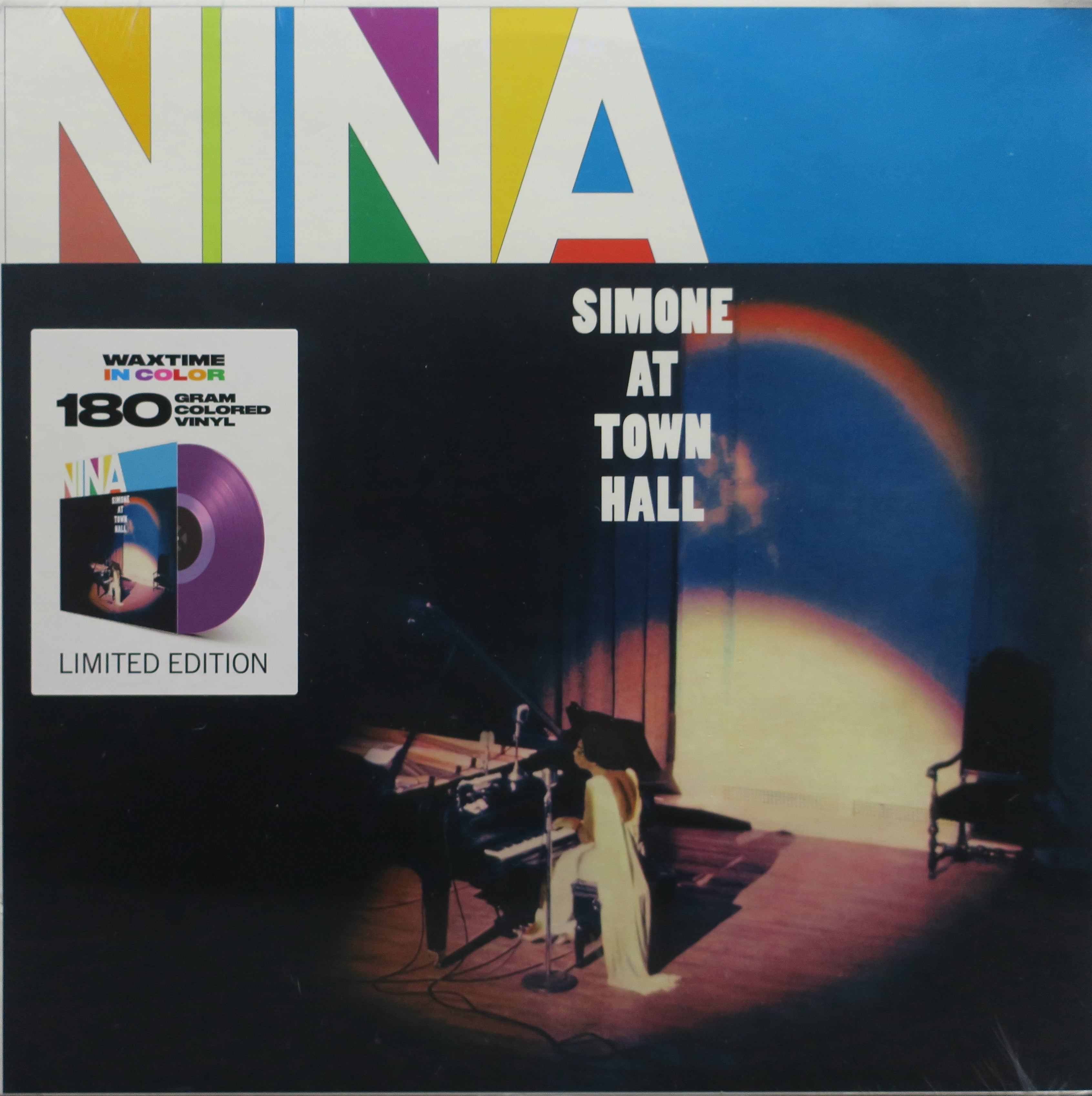
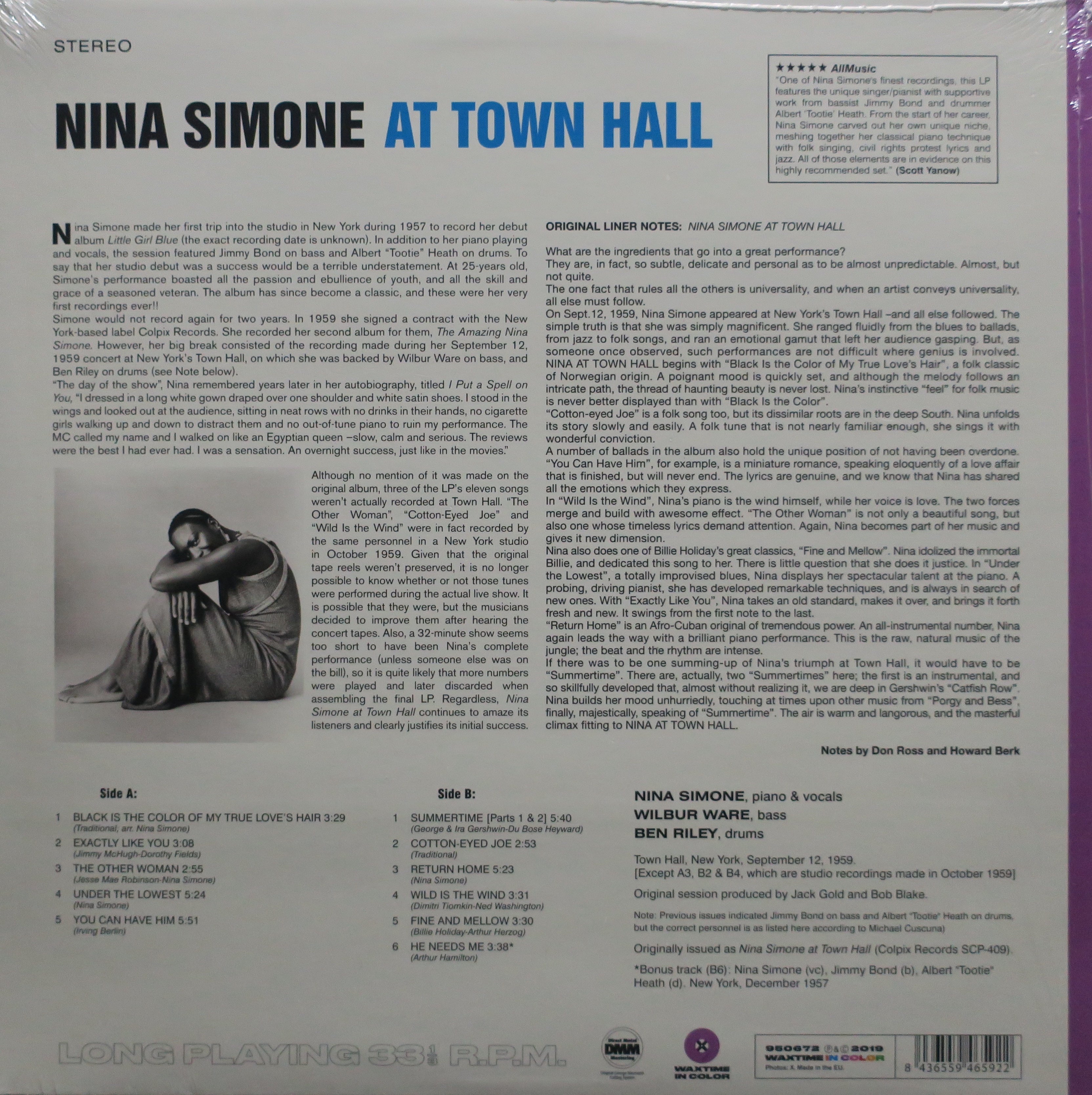
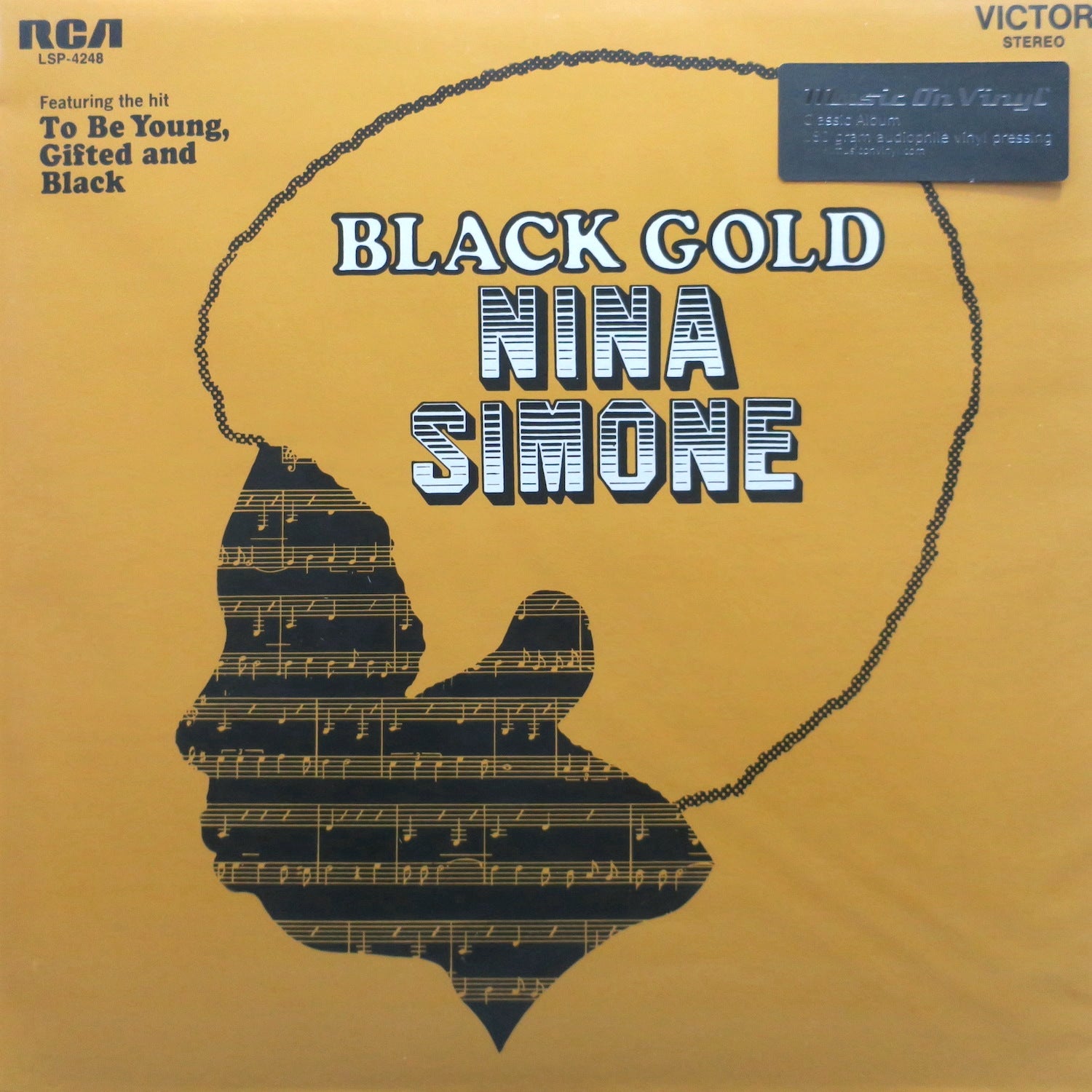
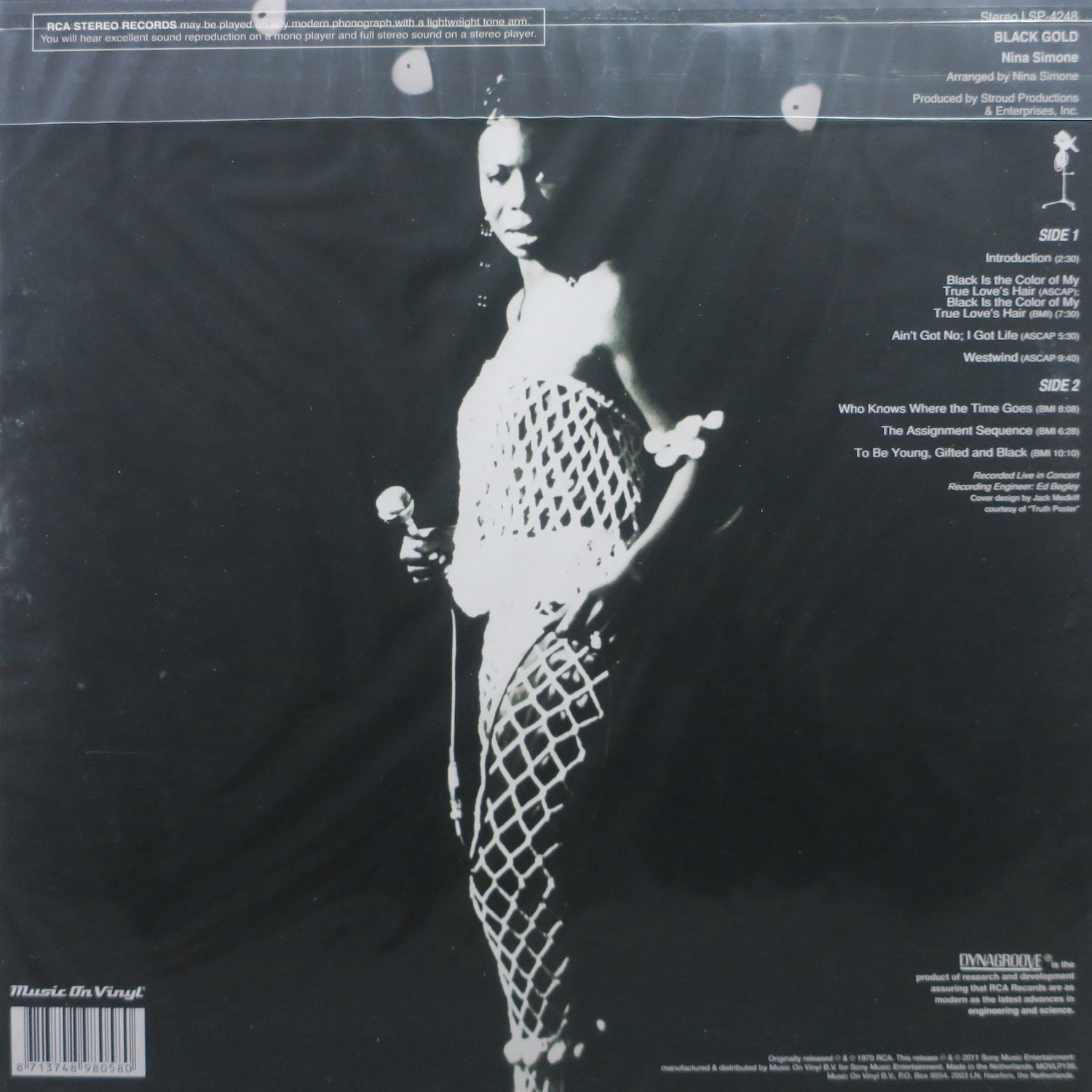
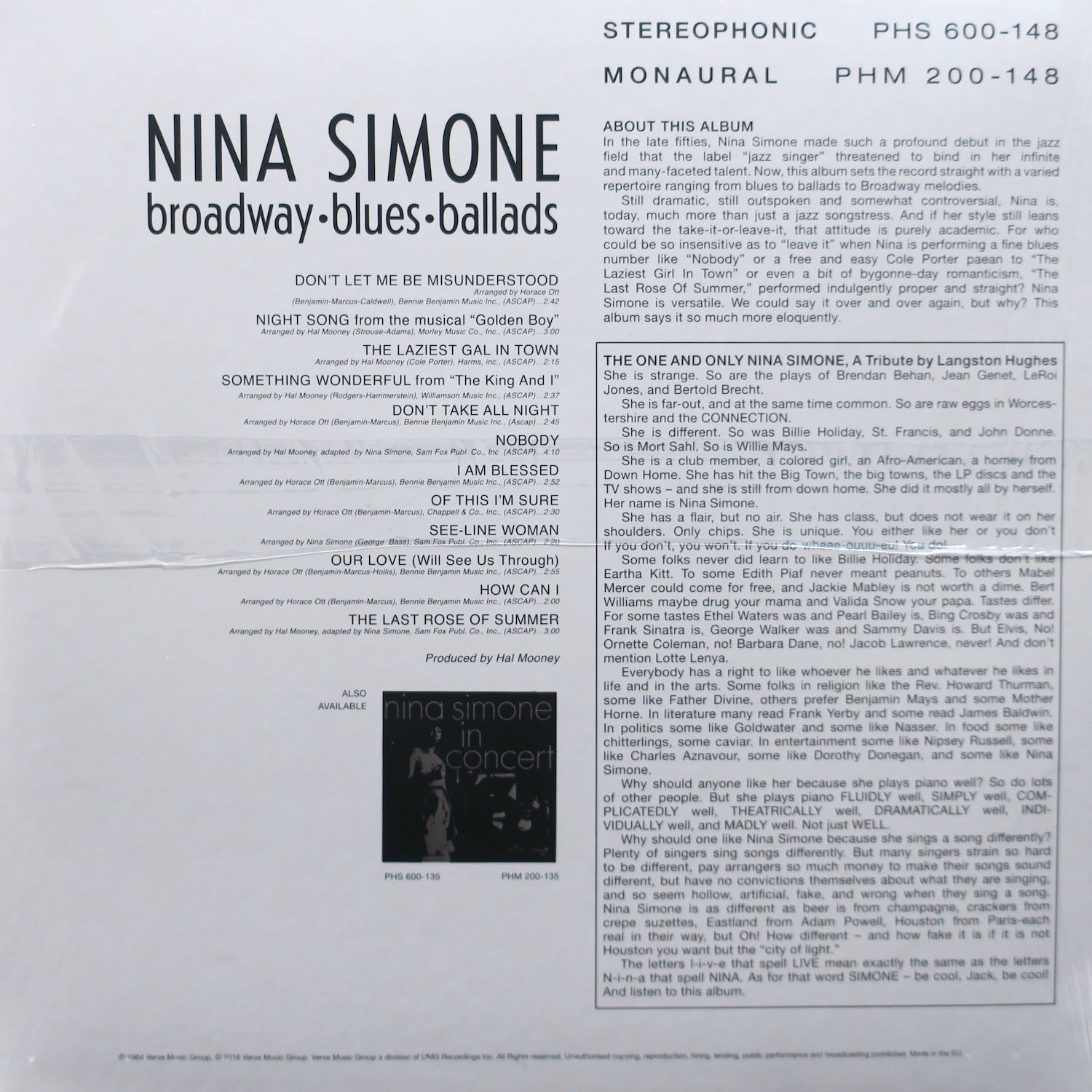
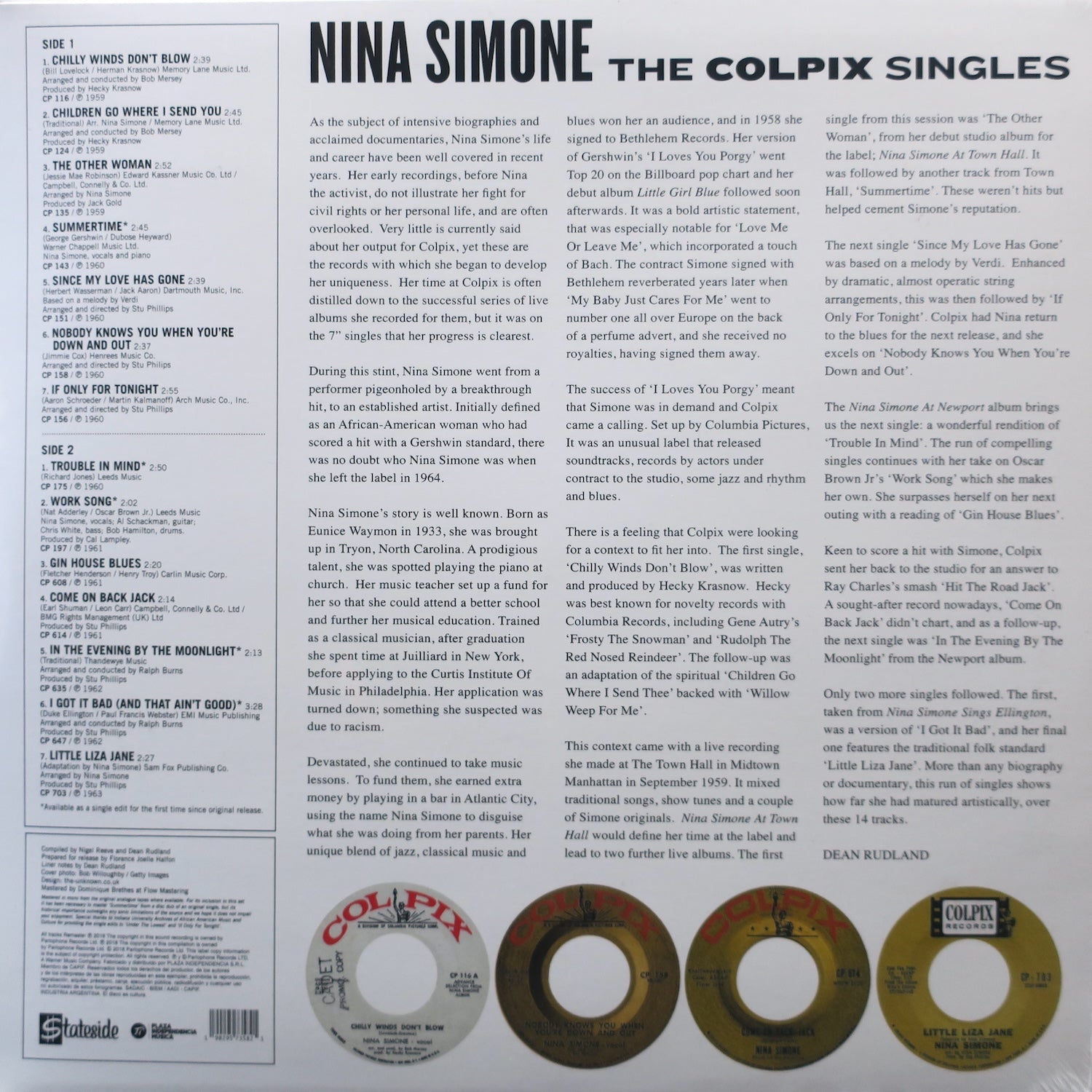
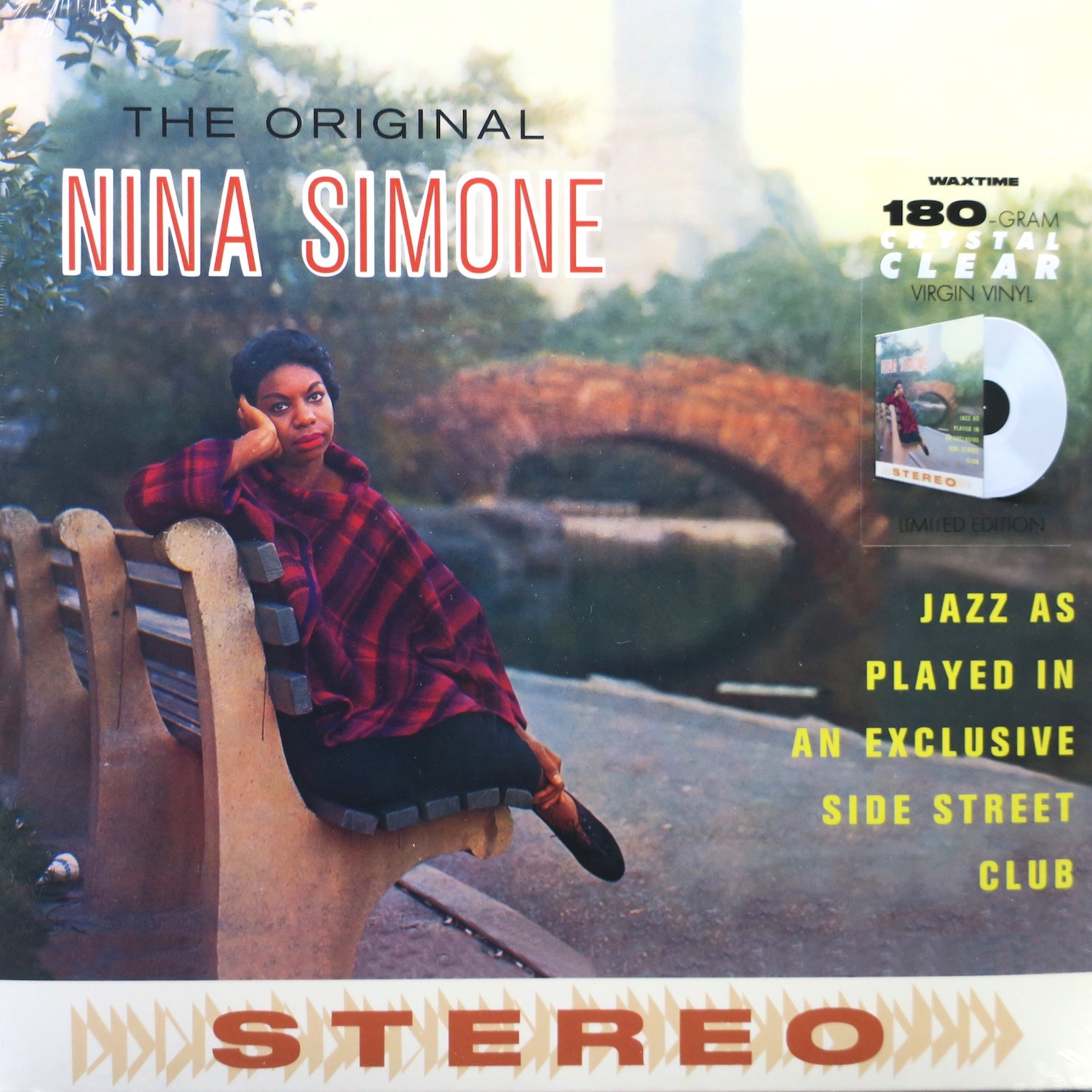
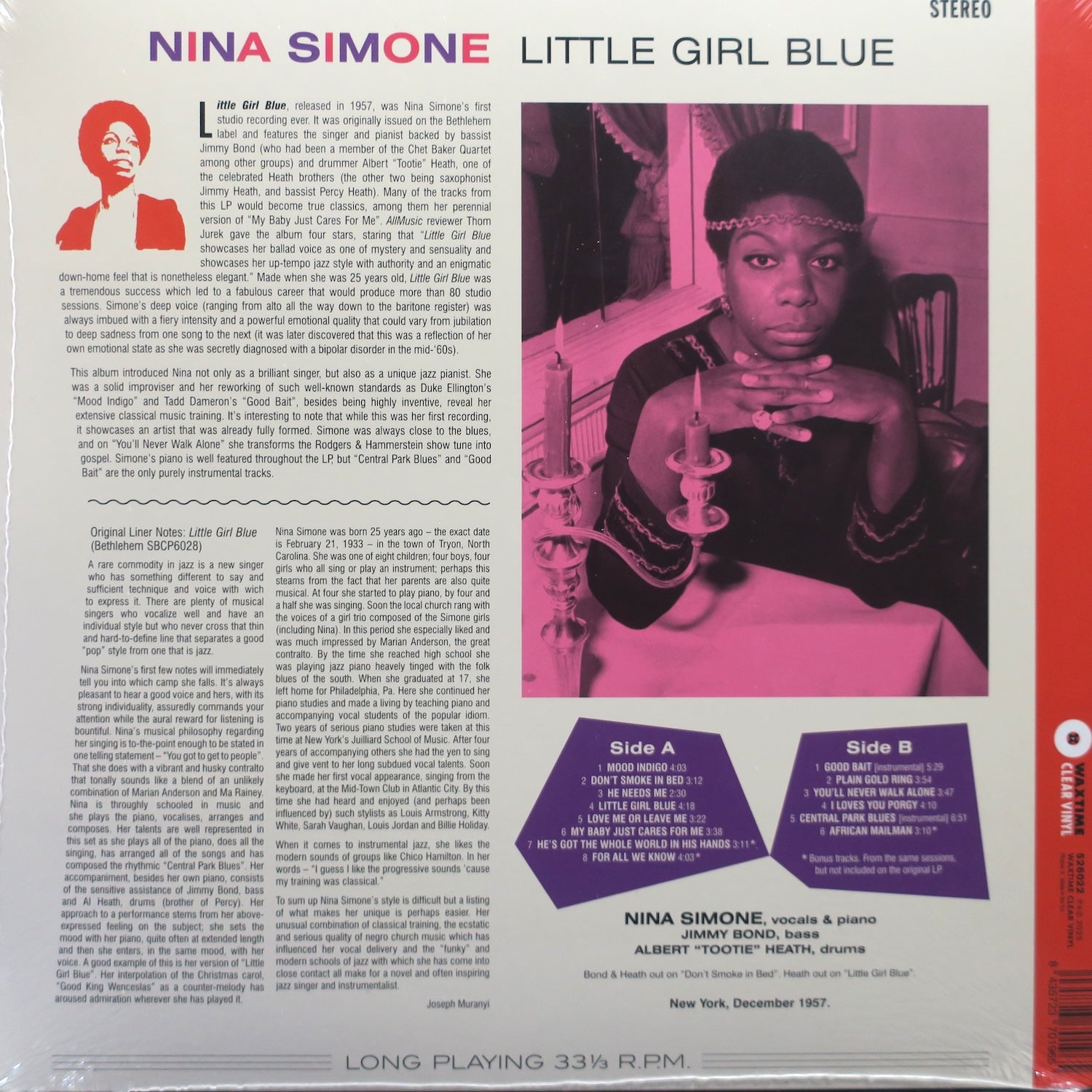
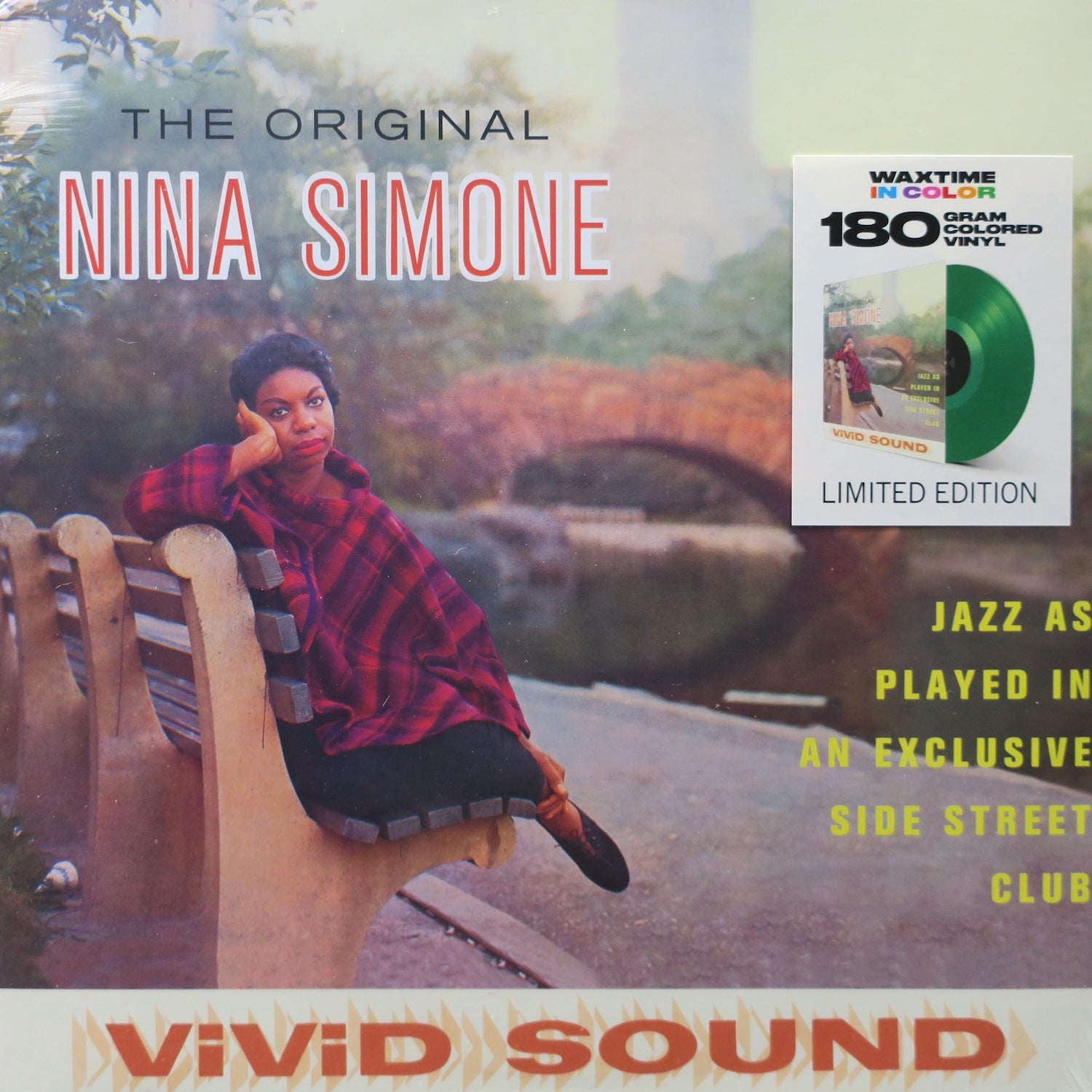
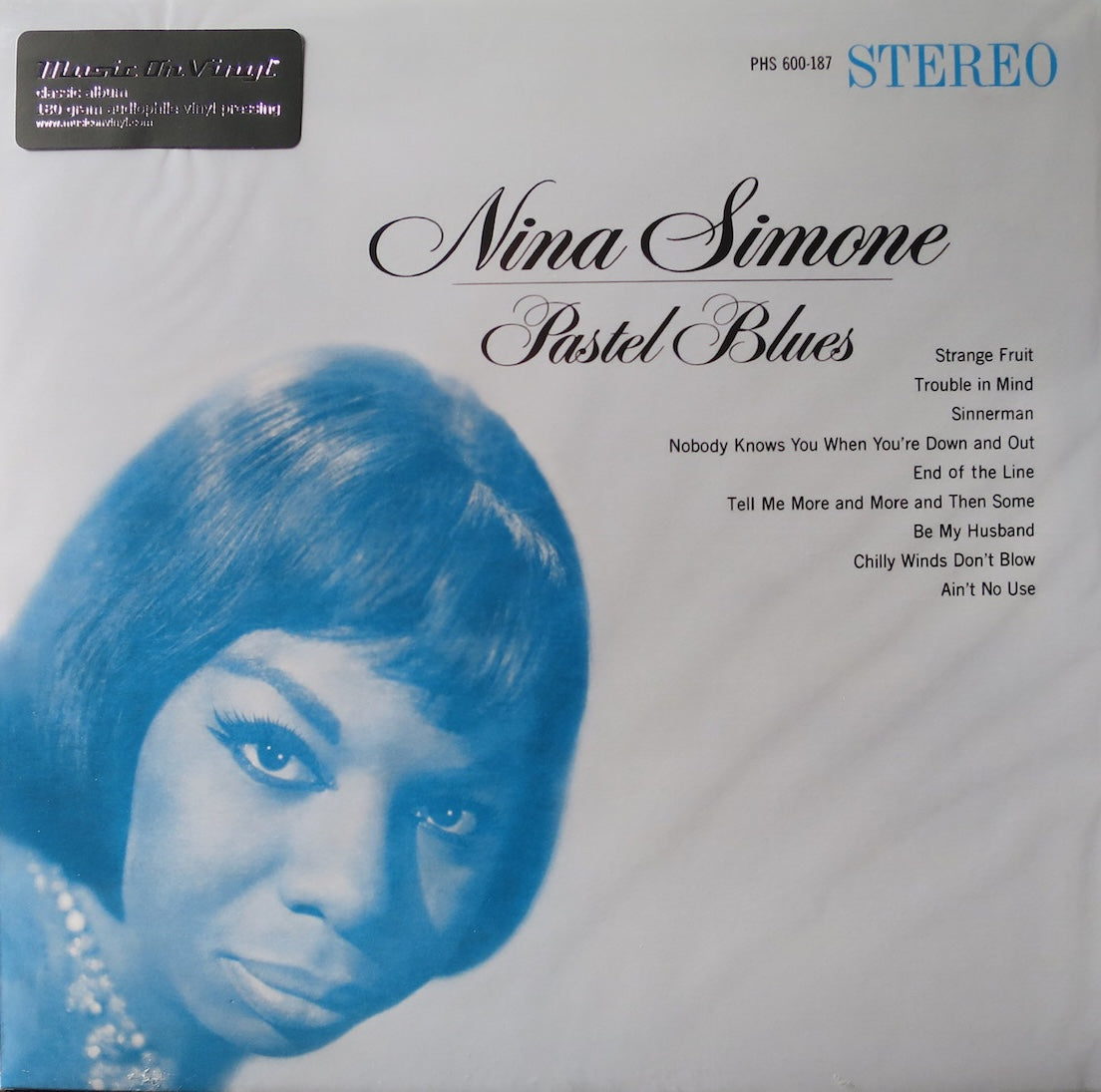
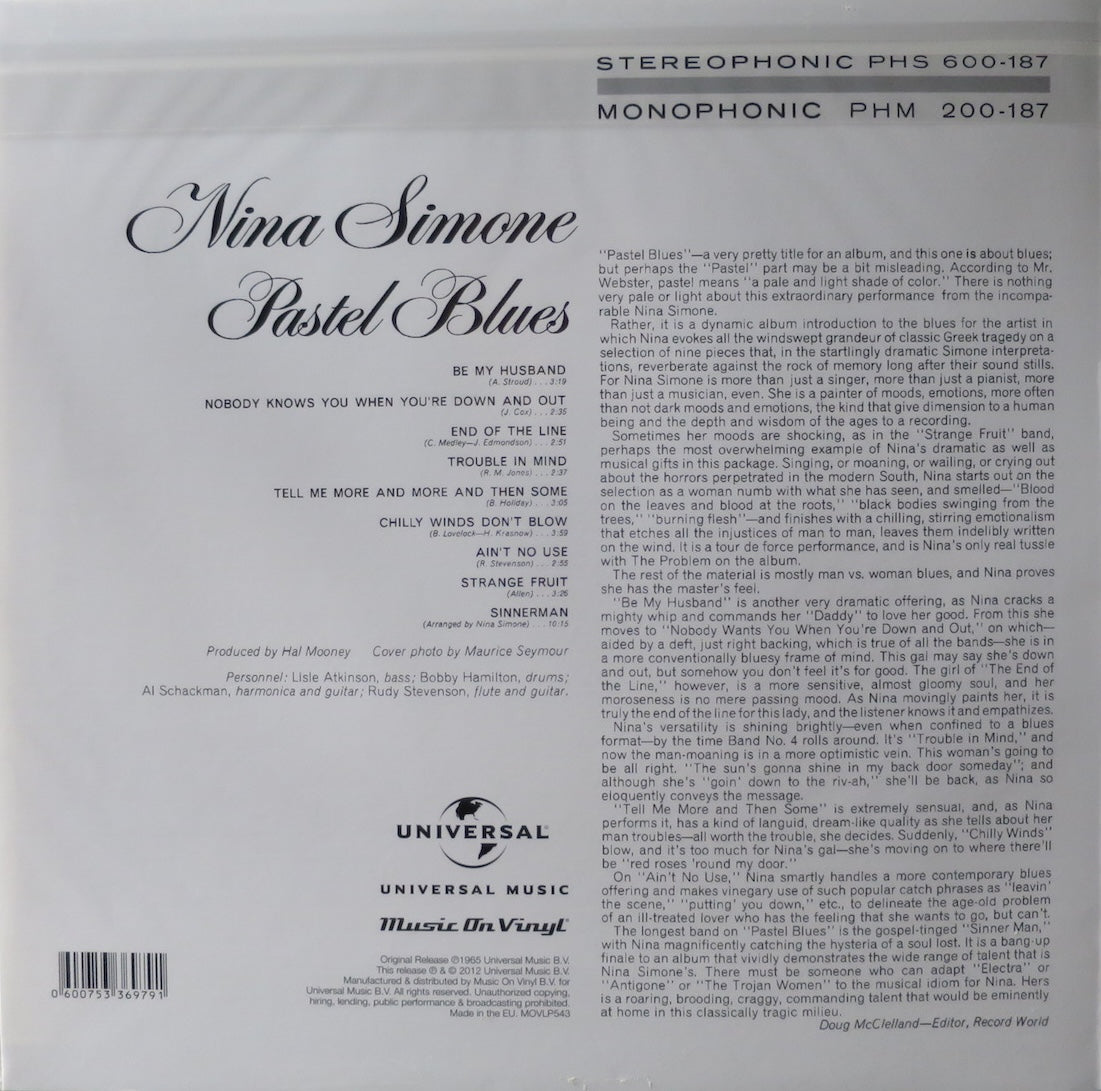
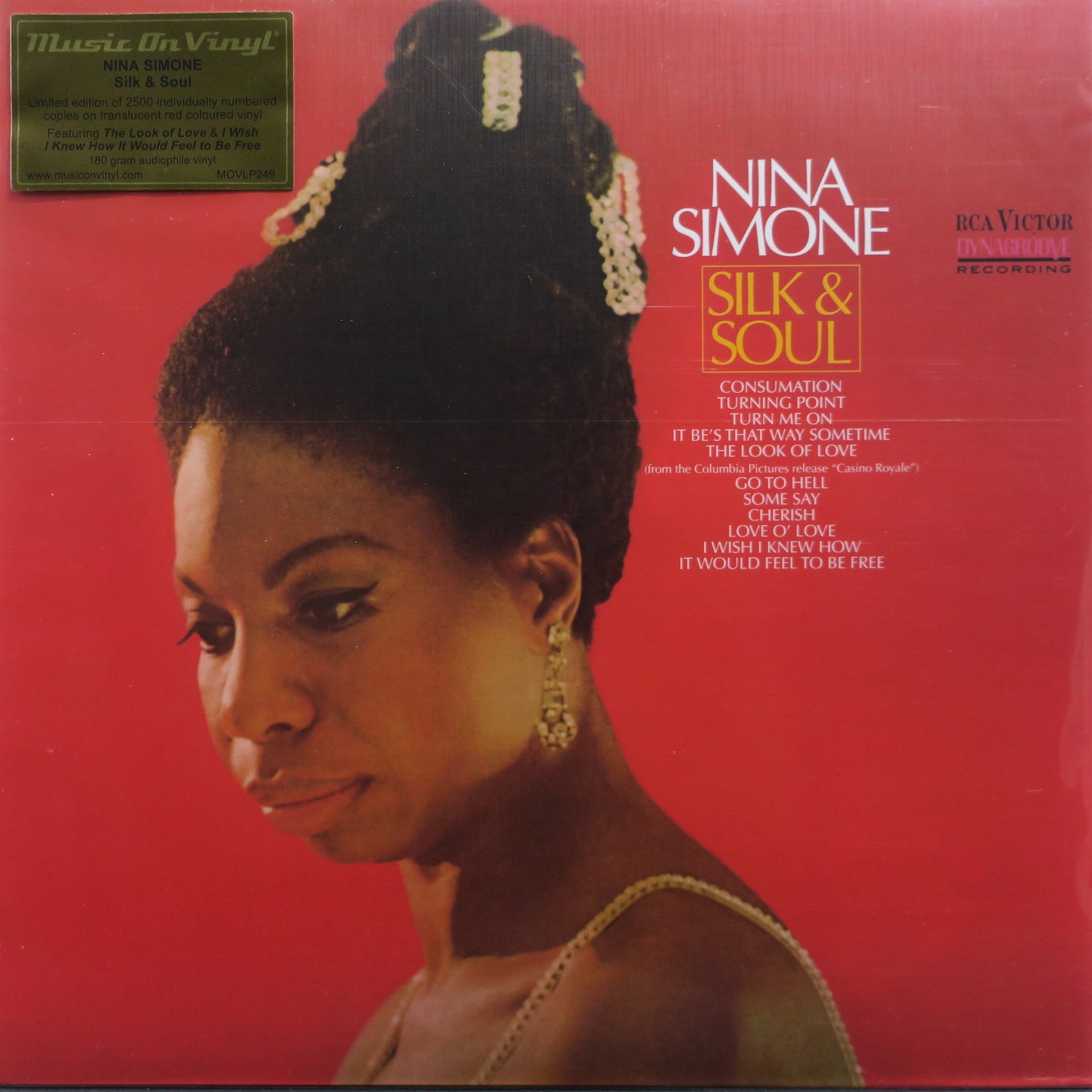
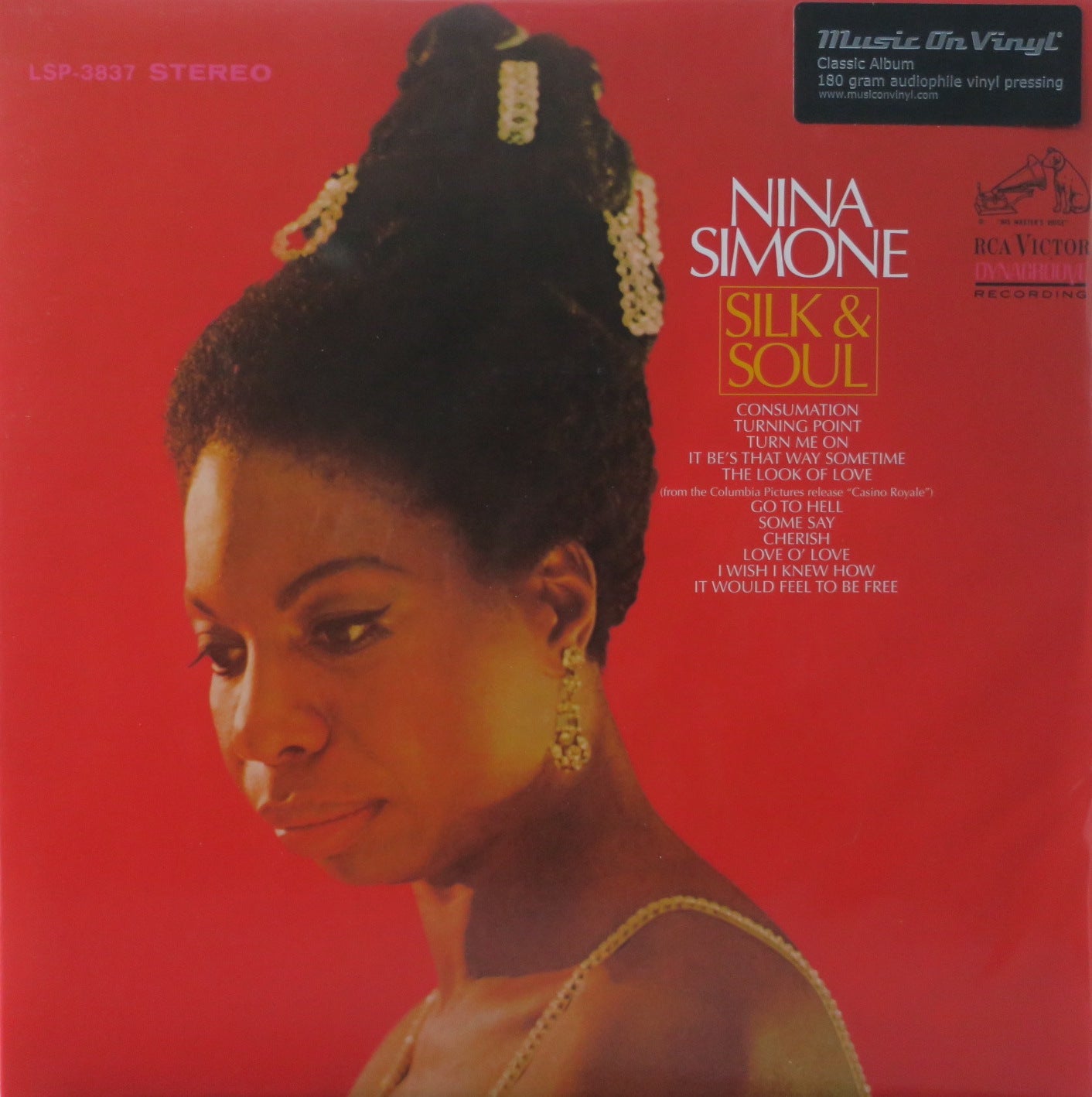
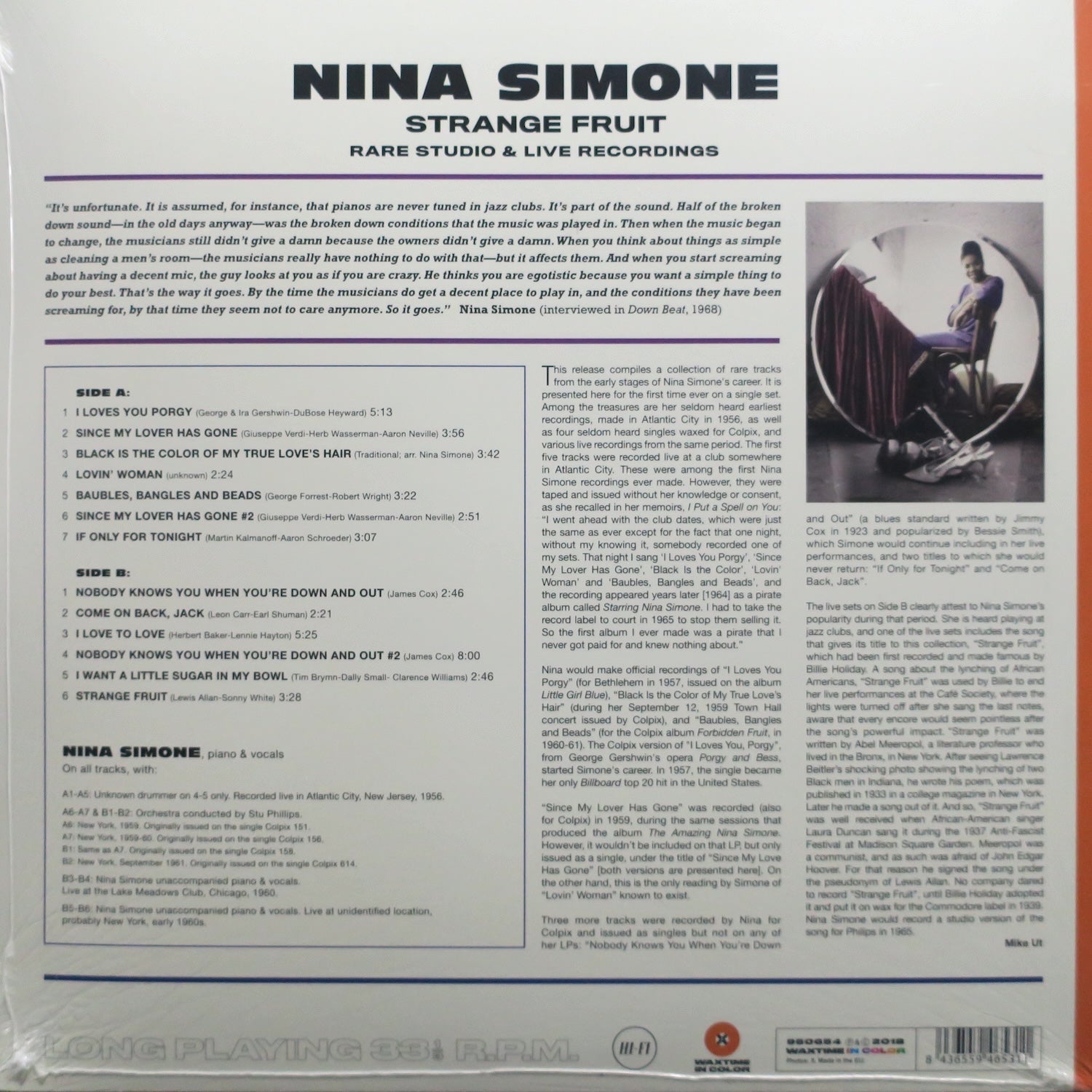
Albums such as Little Girl Blue (which introduced her recording presence), I Put a Spell on You (a study in dramatic reinvention), Pastel Blues (deep, soulful interpretations) and Wild Is the Wind (a haunting mix of torch songs and originals) show how Simone could make covers entirely her own. She also wrote songs that directly addressed race and identity; "Mississippi Goddam" and "To Be Young, Gifted and Black" positioned her as an artist who saw music as a vehicle for social commentary, not just entertainment.
Musically, Simone drew on classical technique, gospel intensity and jazz phrasing, which allowed her to move freely among genres and influence singers and songwriters who followed. Her interpretive approach — stretching time, emphasizing an unexpected dissonance, or letting silence speak — can be heard in the work of later singer-songwriters and alternative soul artists. At the same time, Simone’s recordings reveal connections to earlier jazz and blues traditions, from Billie Holiday’s emotional directness to Screamin’ Jay Hawkins’ theatricality.
Listening to Nina Simone today reveals an artist who refused easy categorization: a pianist who could be poet, protester, torch singer and bandleader in one set. The combination of technical command, fearless expression and a repertory that crossed commercial and political lines keeps her catalog rich for rediscovery by new listeners and longtime fans alike.