Etta James
Few voices could move so effortlessly from guttural blues grit to silken torch-song phrasing; that elastic emotional range is what makes Etta James essential listening. Rather than a single sound, her career is a study in voice as instrument — capable of raw, streetwise R&B one minute and big‑room pop and jazz phrasing the next.
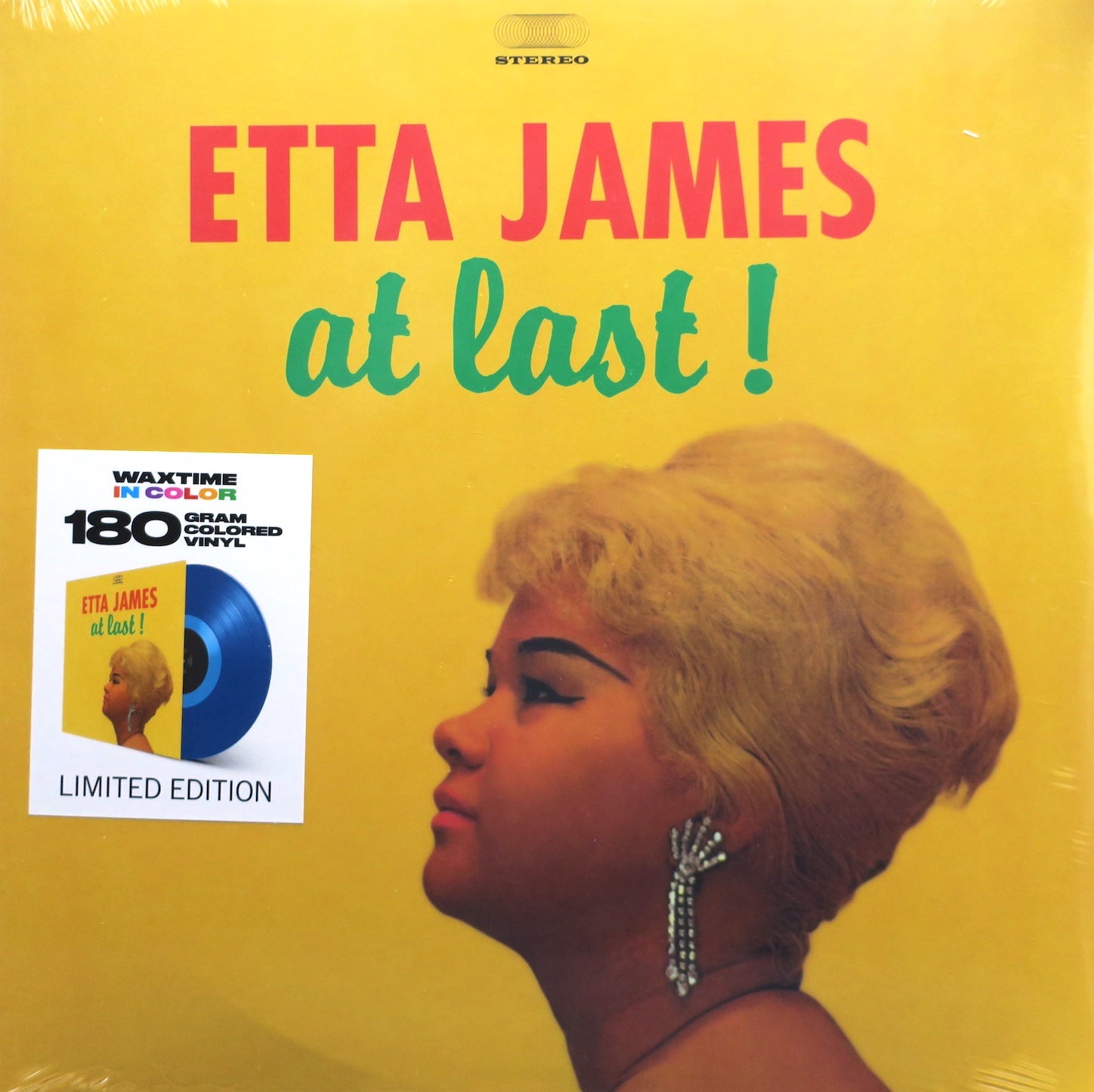
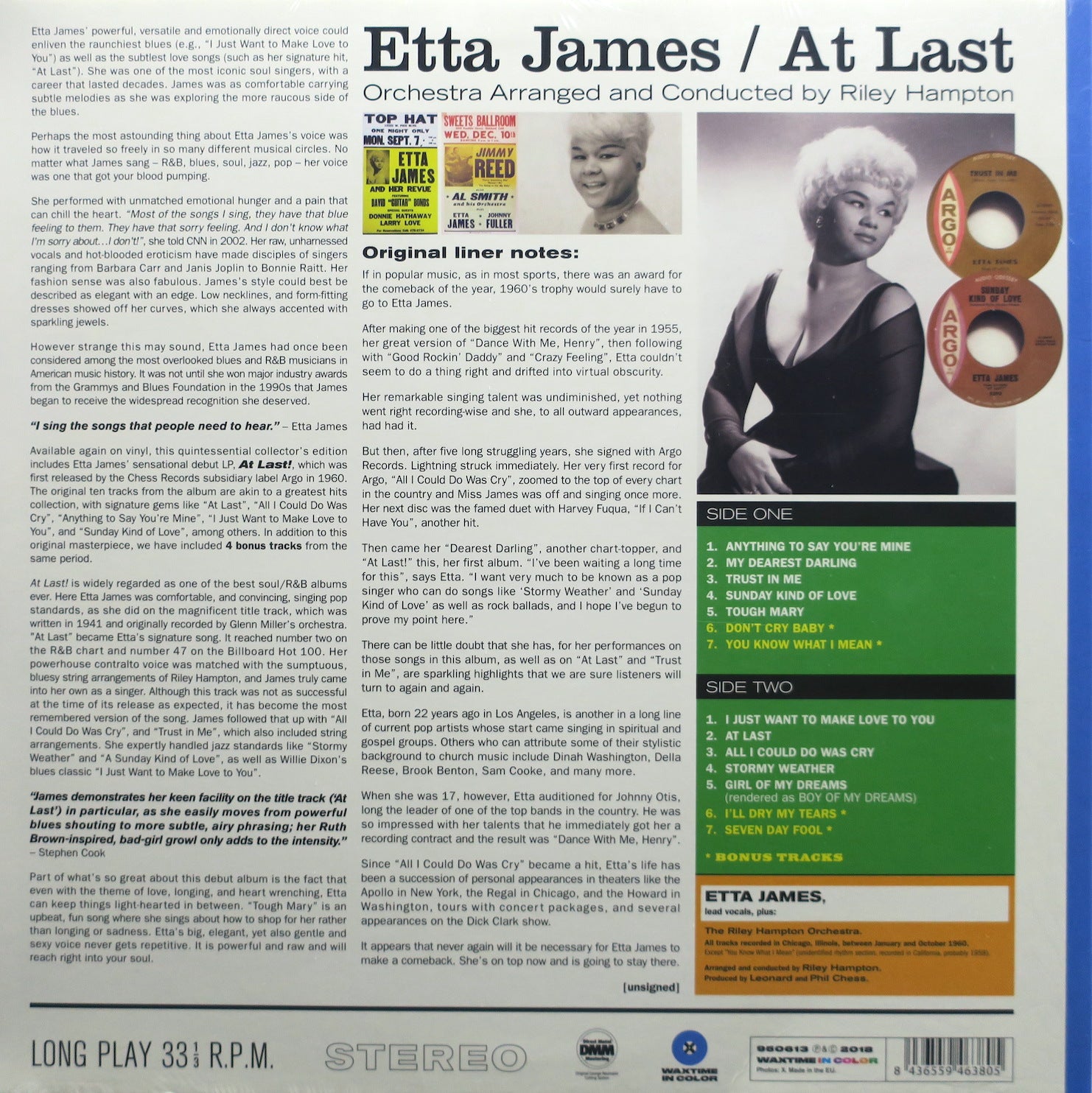
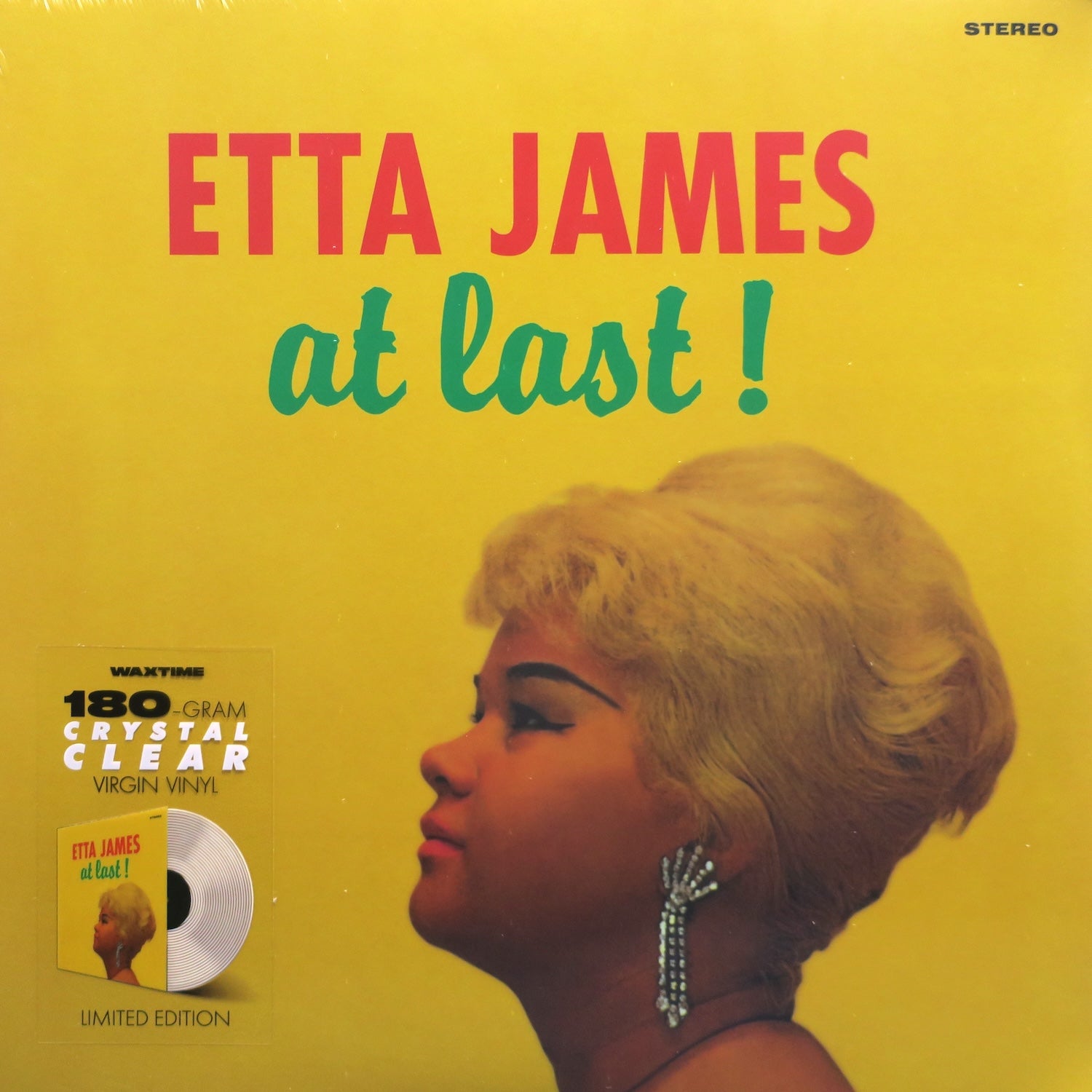
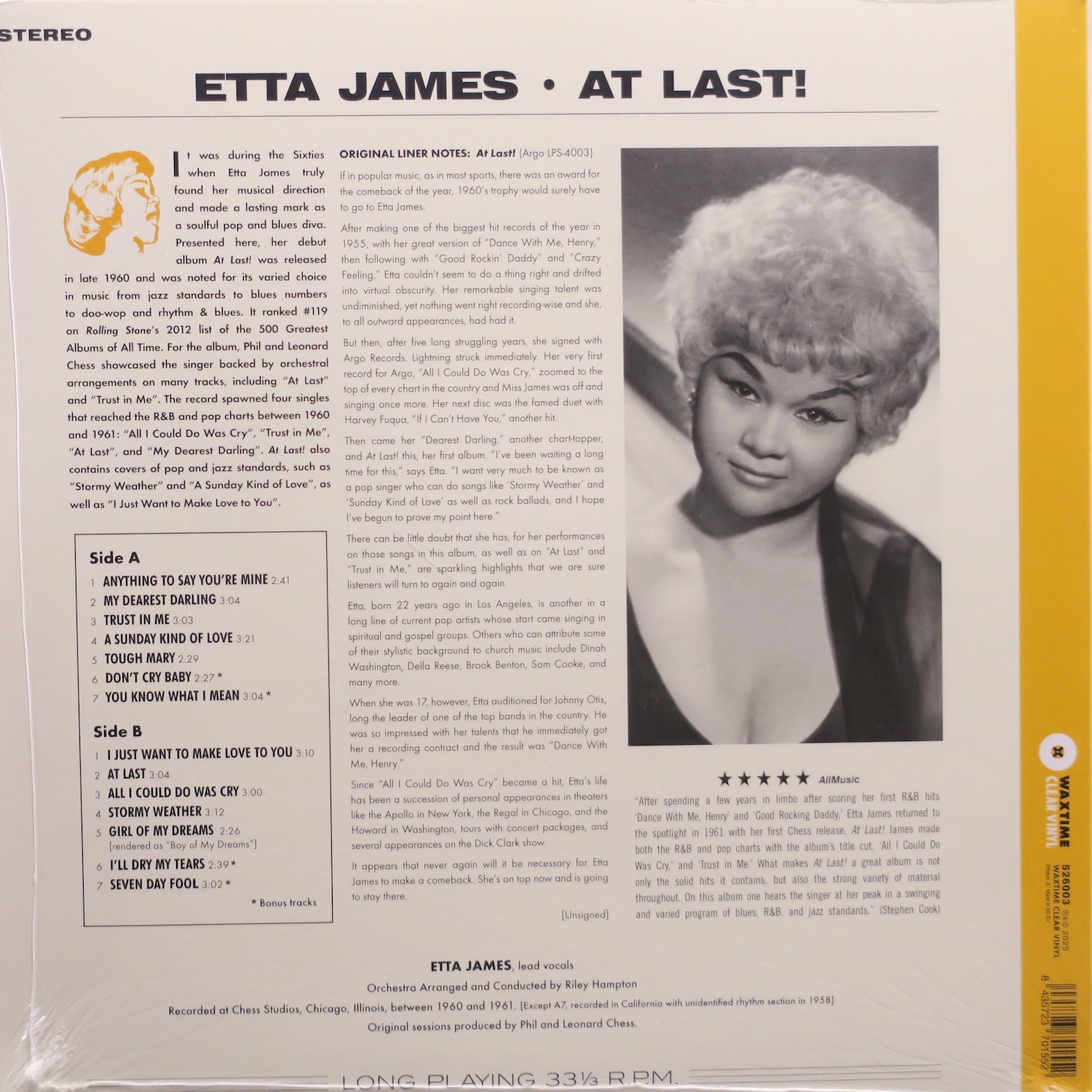
Etta James came to public attention with jump‑blues and R&B singles produced by Johnny Otis, but her 1960 album At Last! framed her as more than a hits singer: lush strings, slow-burning arrangements and her phrasing on the title track pushed her into pop and standard‑song territory. A few years later Tell Mama, recorded at FAME Studios with the Muscle Shoals rhythm players and producer Rick Hall, put her back in a harder, Southern soul groove and yielded some of her most enduring, gritty performances.
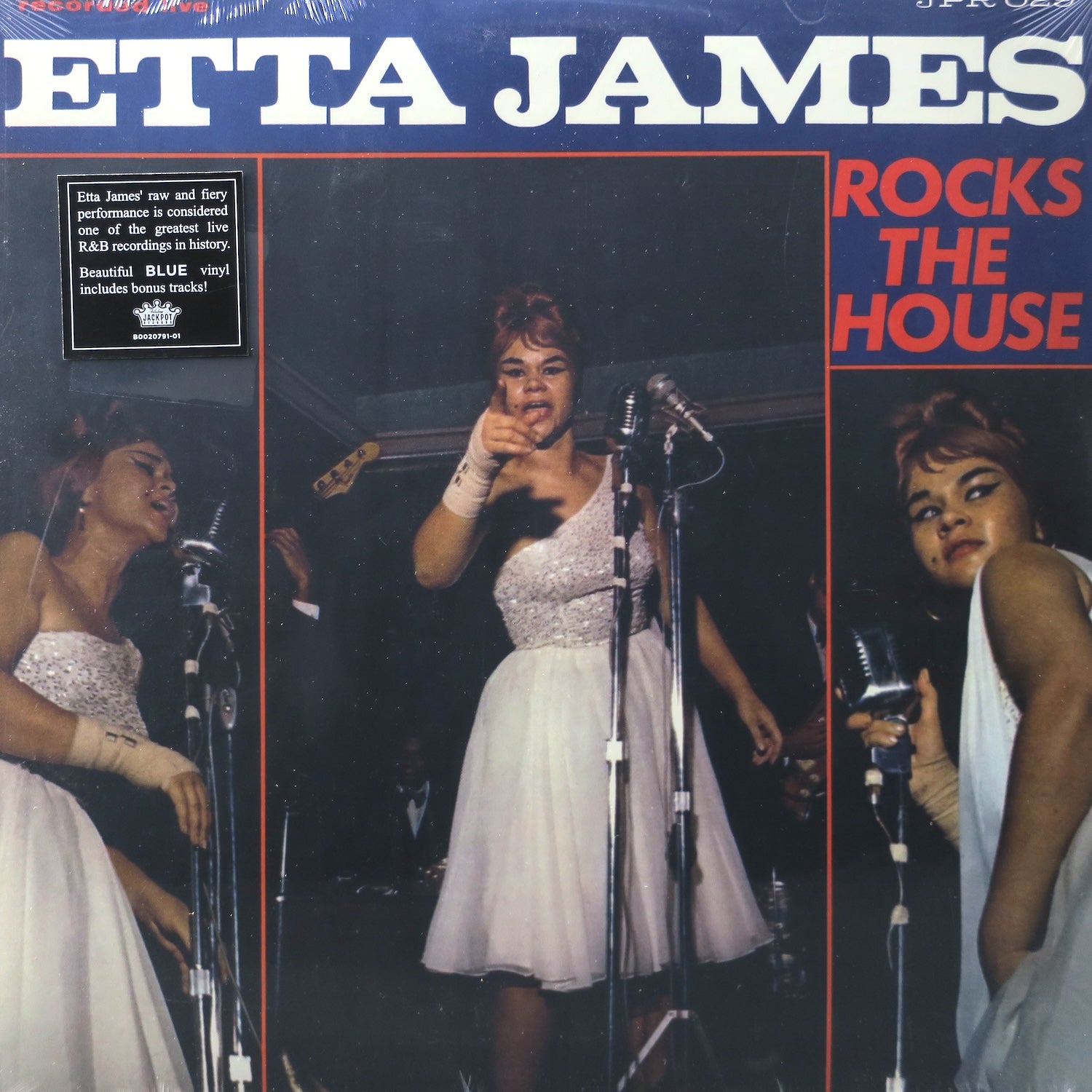
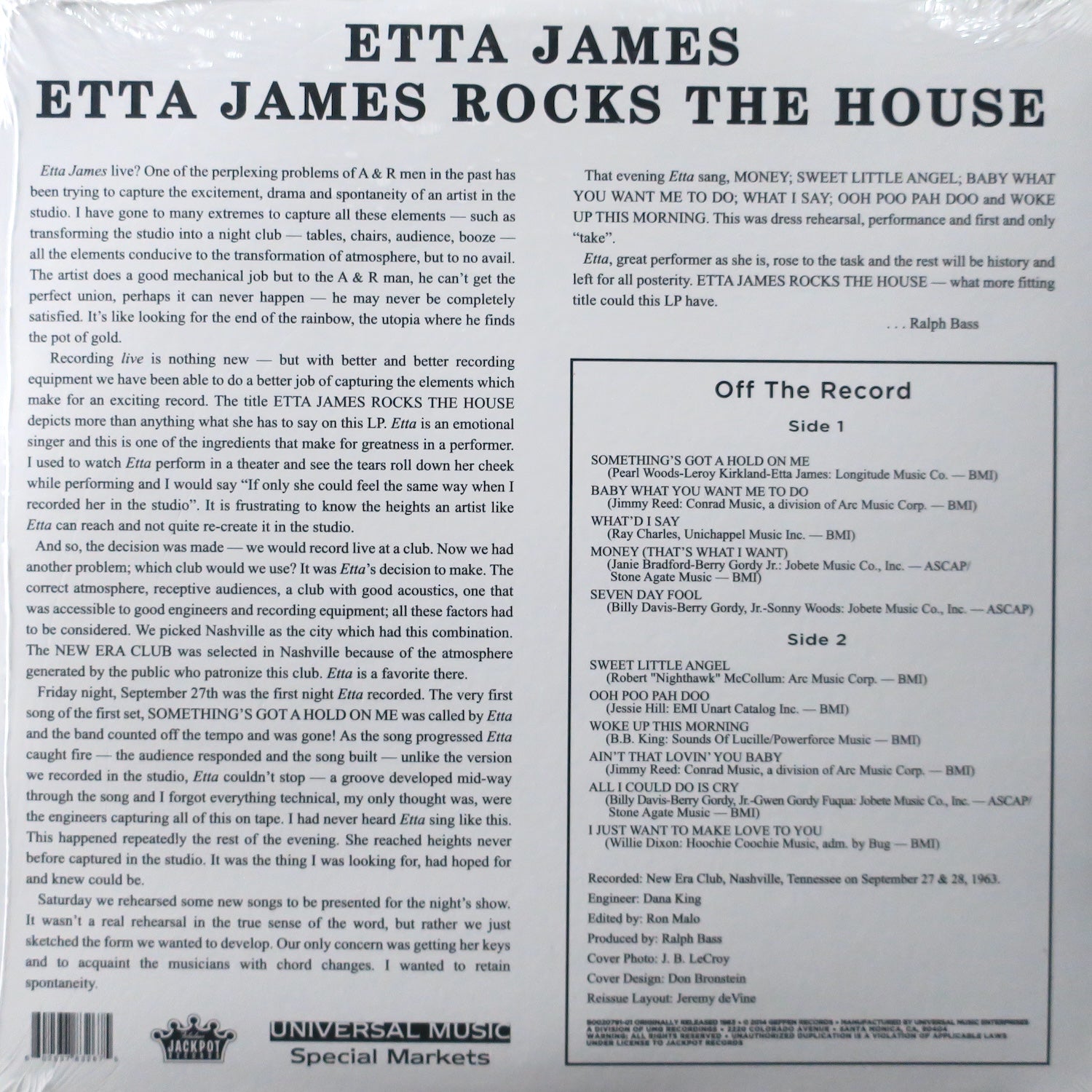
Her catalogue resists neat categorization because it reflects deep roots in gospel, blues and jazz. Early vocal habits drew on gospel intensity; she absorbed phrasing from jazz singers such as Billie Holiday and the rawness of blues women before her. That mixture explains why live records like Etta James Rocks the House capture such electricity: she could channel church fervor, nightclub toughness and pop dramatic timing in a single set.
Over decades she moved between worlds — from Chess Records’ blues and Chicago scene associations to studio sessions in Muscle Shoals, and later to intimate tribute records such as Mystery Lady: Songs of Billie Holiday and the back‑to‑blues project Blues to the Bone. Those shifts weren’t stylistic wobbles so much as a restless vocalist choosing forms that let her tell a song honestly. Along the way she became a touchstone for younger singers who admired the combination of vulnerability and force in her delivery; Janis Joplin and many later soul vocalists have pointed to James as a model for dramatic, unvarnished singing.
Producers, studio bands and song choices mattered to her art: Otis and Hall helped shape defining recordings, while the Muscle Shoals players gave Tell Mama its muscular groove. James’s greatest strength was making each song sound like its own small drama, whether a blues confession, a pop standard or a hard R&B number.
The result is a body of work that rewards both first‑time listeners and longtime collectors: records that show a singer unafraid of extremes, with a technique and emotional intelligence that keep those extremes convincing. Exploring Etta James means following a voice that moved American popular music across blues, soul and pop without losing the feeling that every note was earned.