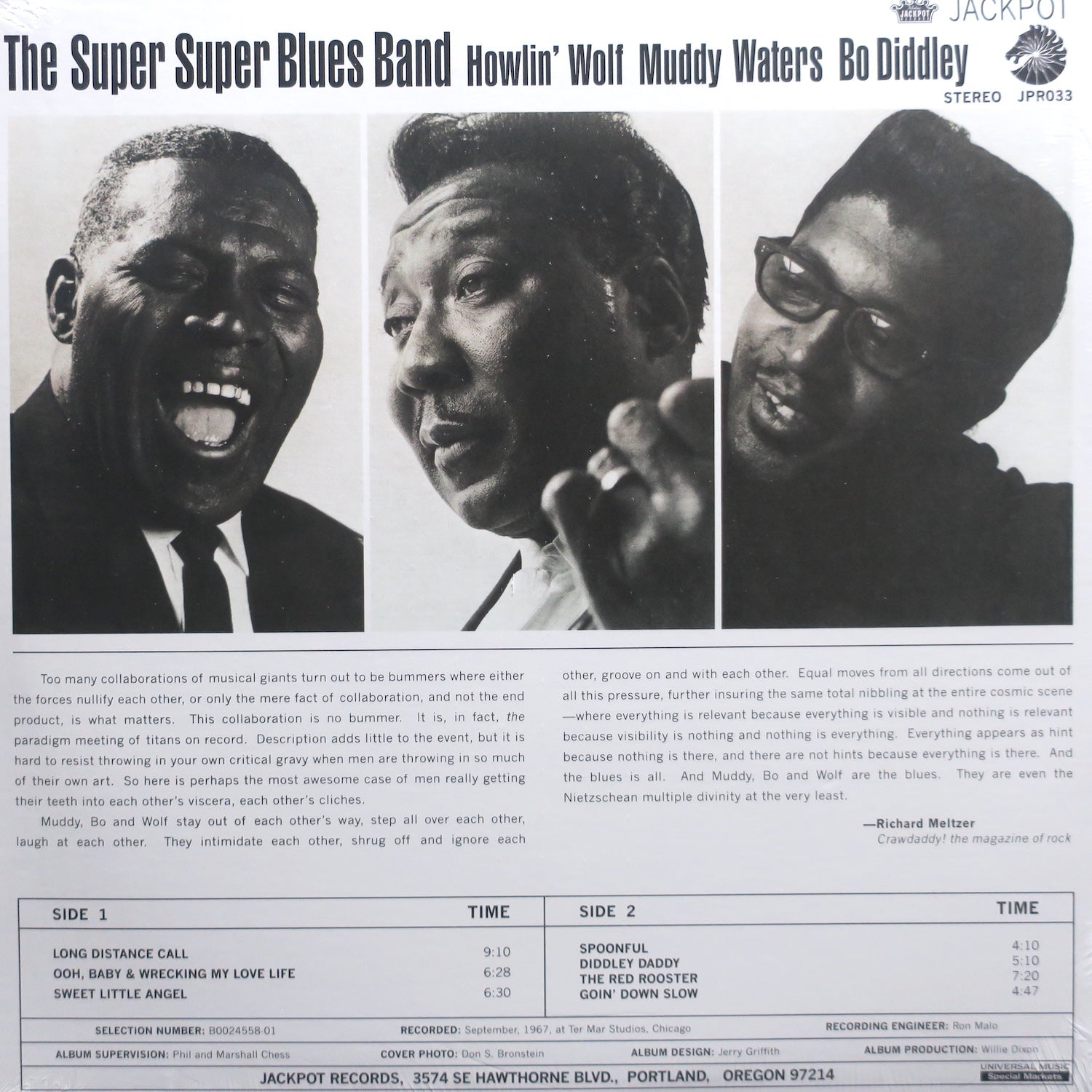
Bo Diddley
A finger-snapping, clave-like pulse defines Bo Diddley’s sound before a single note of lead guitar arrives. That steady, syncopated rhythm—the so-called “Bo Diddley beat”—turned blues patterns into a propulsion that helped move American music from jump blues into full-blown rock & roll. The beat became a template: it could drive a one-chord groove for minutes or sit underneath a hooky three-chord chant, and it’s the first thing many listeners notice when hearing tracks like “Bo Diddley,” “Who Do You Love?” or “I’m a Man.”
Ellas McDaniel recorded as Bo Diddley for Chess/Checker Records and built a sound that prioritized rhythm, repetition and a raw guitar tone. His playing favored percussive attack and chunky open chords rather than flashy runs, which made his guitar part both immediately identifiable and eminently danceable. Jerome Green’s maracas and call-and-response vocals were integral to the live image and studio mixes; the pairing of Green’s percussion with Diddley’s square-shaped guitar created an early rock presentation as much visual as sonic.
Bo Diddley’s songs were simple on paper but full of performance detail: clipped phrasing, barbed-wordplay lyrics, stuttering vocal touches and grooves that borrowed from Afro-Cuban and Caribbean patterns as much as from Delta blues. That synthesis is why younger rock bands in the UK and U.S. found so much to adapt. The Rolling Stones recorded his material and transposed the Diddley beat into British R&B; Buddy Holly and his peers likewise absorbed the rhythm and phrasing for early rock hits such as “Not Fade Away.” Back home, Diddley was part of the Chess Records constellation alongside artists like Chuck Berry and Muddy Waters, but his emphasis on rhythm and showmanship set his music on a different course.
On records such as Bo Diddley (1958), Go Bo Diddley (1959) and Bo Diddley Is a Gunslinger (1960), the production is spare but focused: the arrangements leave room for groove and stage personality. Producers and session players at Chess captured a live-in-the-studio immediacy that suits these songs; that same approach made them easy to reinterpret, which is why artists from the Rolling Stones to Jimi Hendrix picked up Diddley material and ideas.
Decades on, Bo Diddley’s legacy isn’t just a list of covered songs. It’s a compact set of musical moves—a rhythm, a vocal stance, a visual swagger—that provided one clear route from electric blues to the rhythm-driven rock that followed. Those moves still reward close listening and make his records worth returning to for both groove and historical insight.