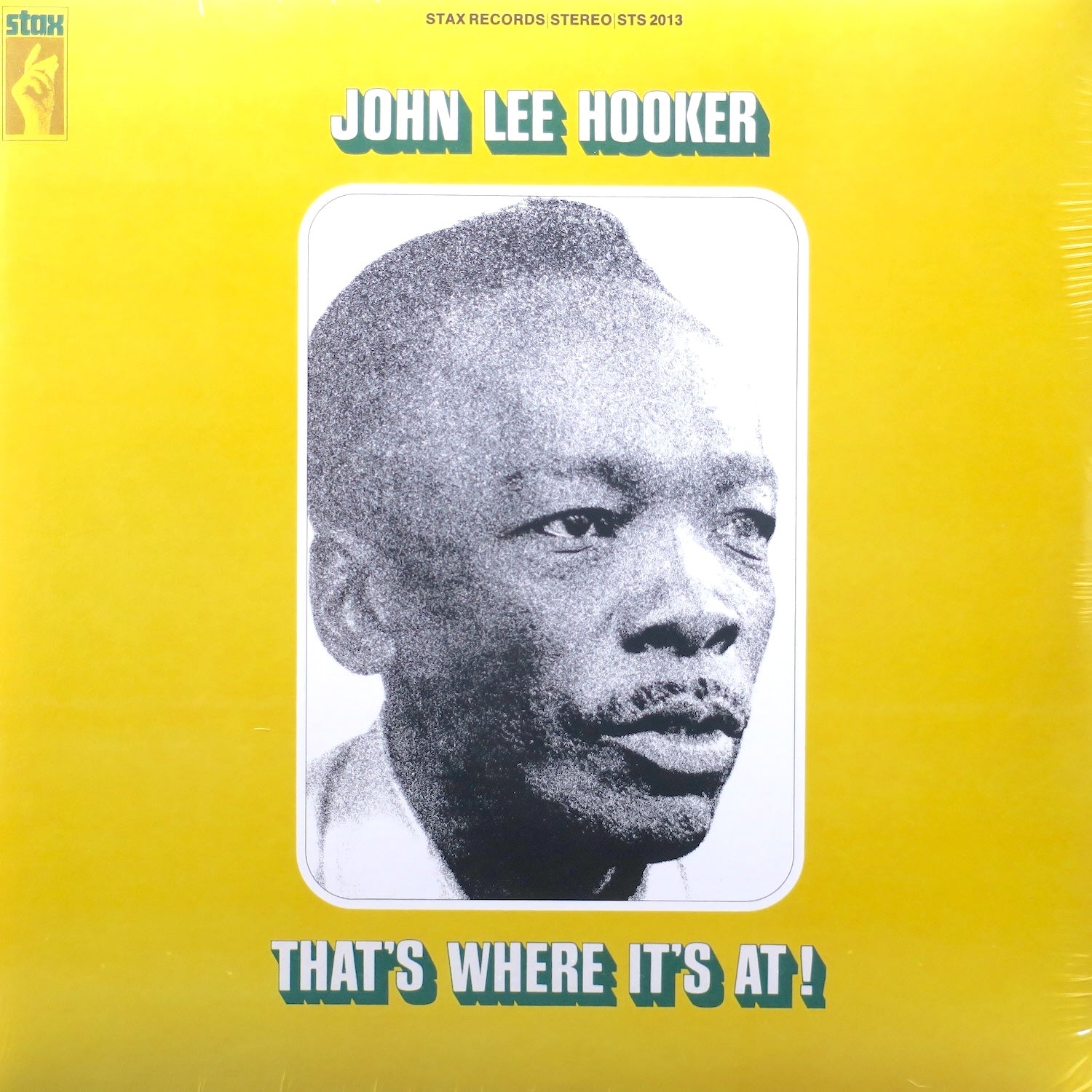
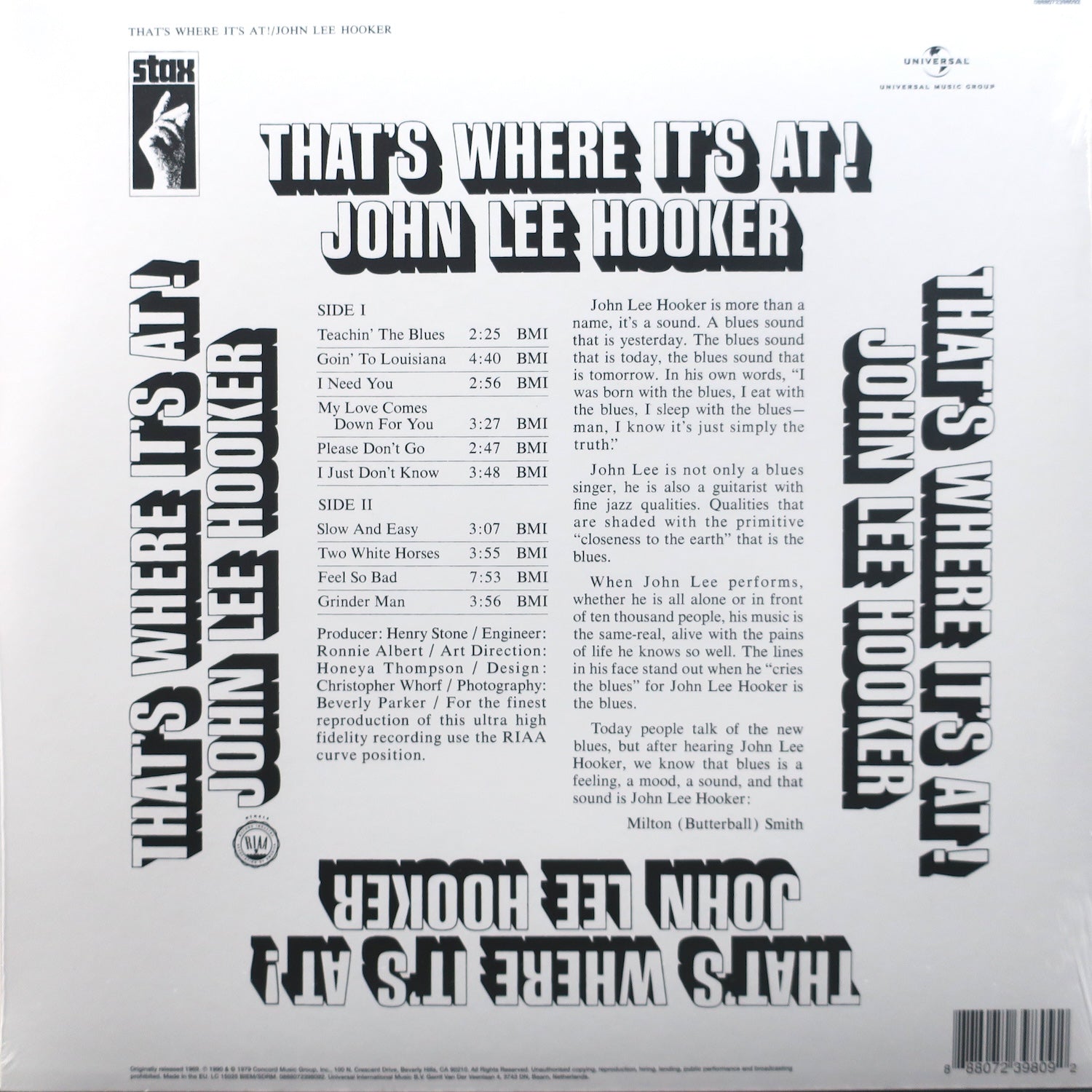
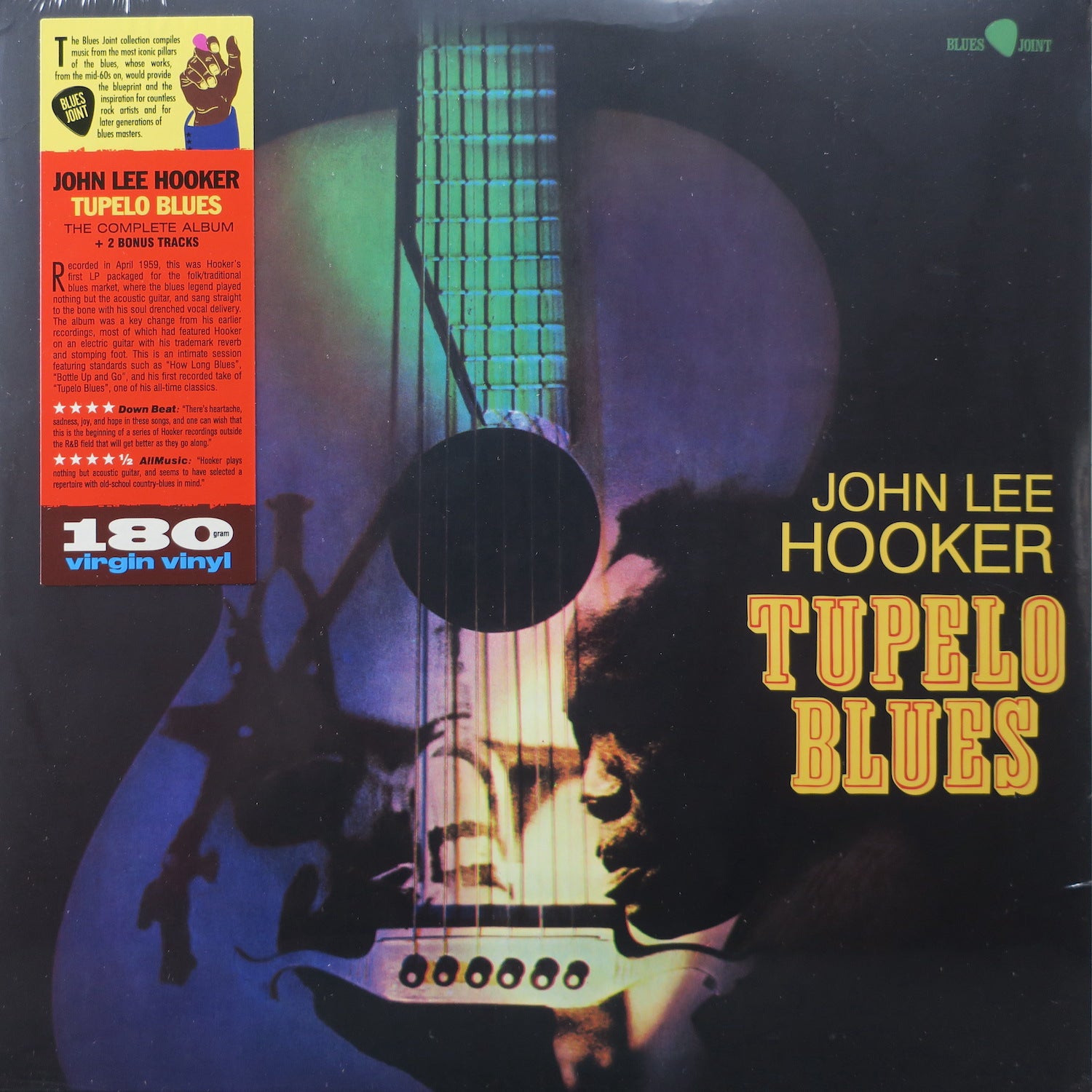
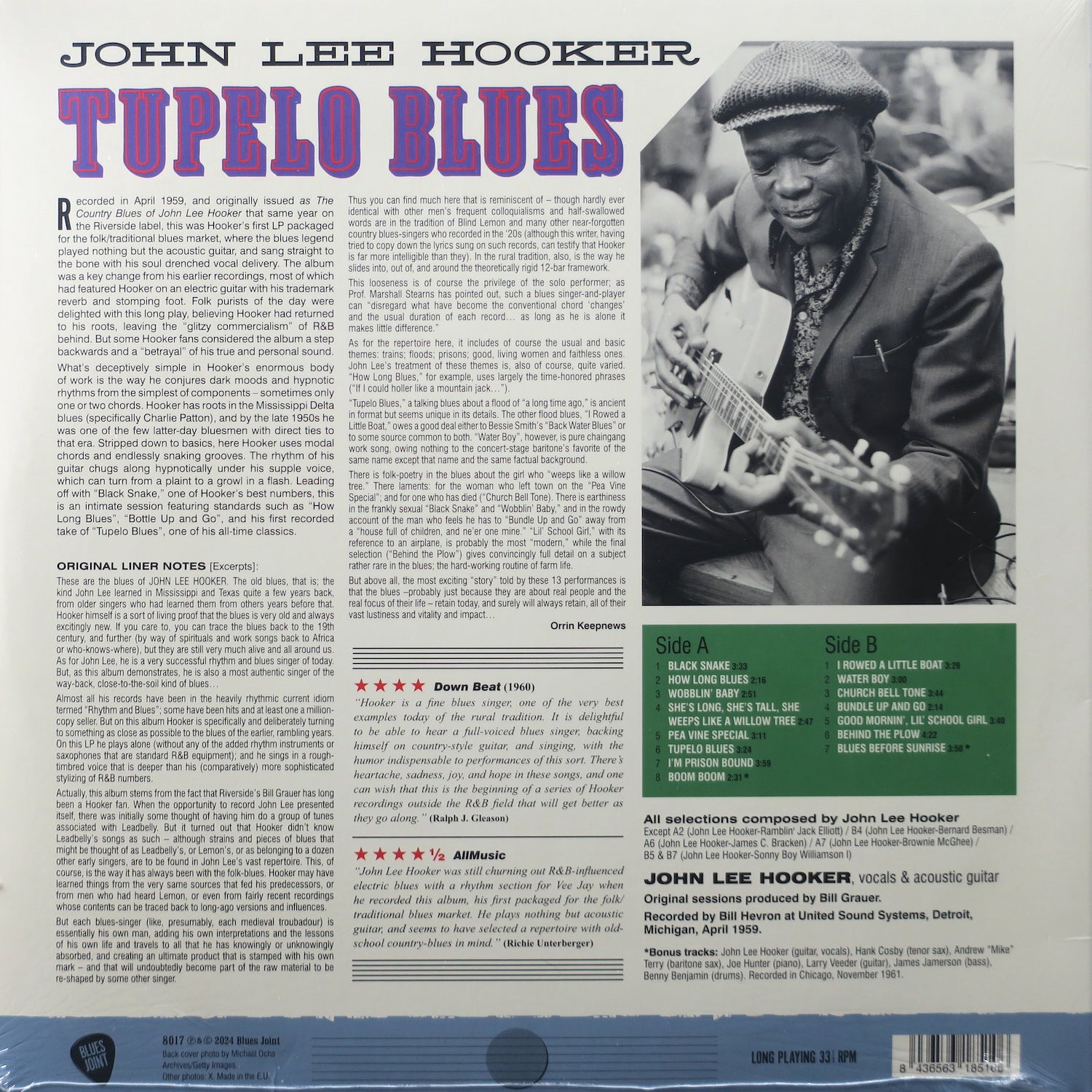
John Lee Hooker
John Lee Hooker’s music is immediately recognizable for the way a single guitar and a weathered voice can imply an entire rhythm section. Rather than relying on flashy solos, Hooker built grooves out of repetition, a boogie pulse and a conversational vocal delivery that turned simple chord patterns into hypnotic drama. That pared-down approach made his records feel like intimate late-night performances and gave his songs an elastic sense of time: lines could stretch, repeat or stop on a dime, always keeping the listener off-balance in a compelling way.
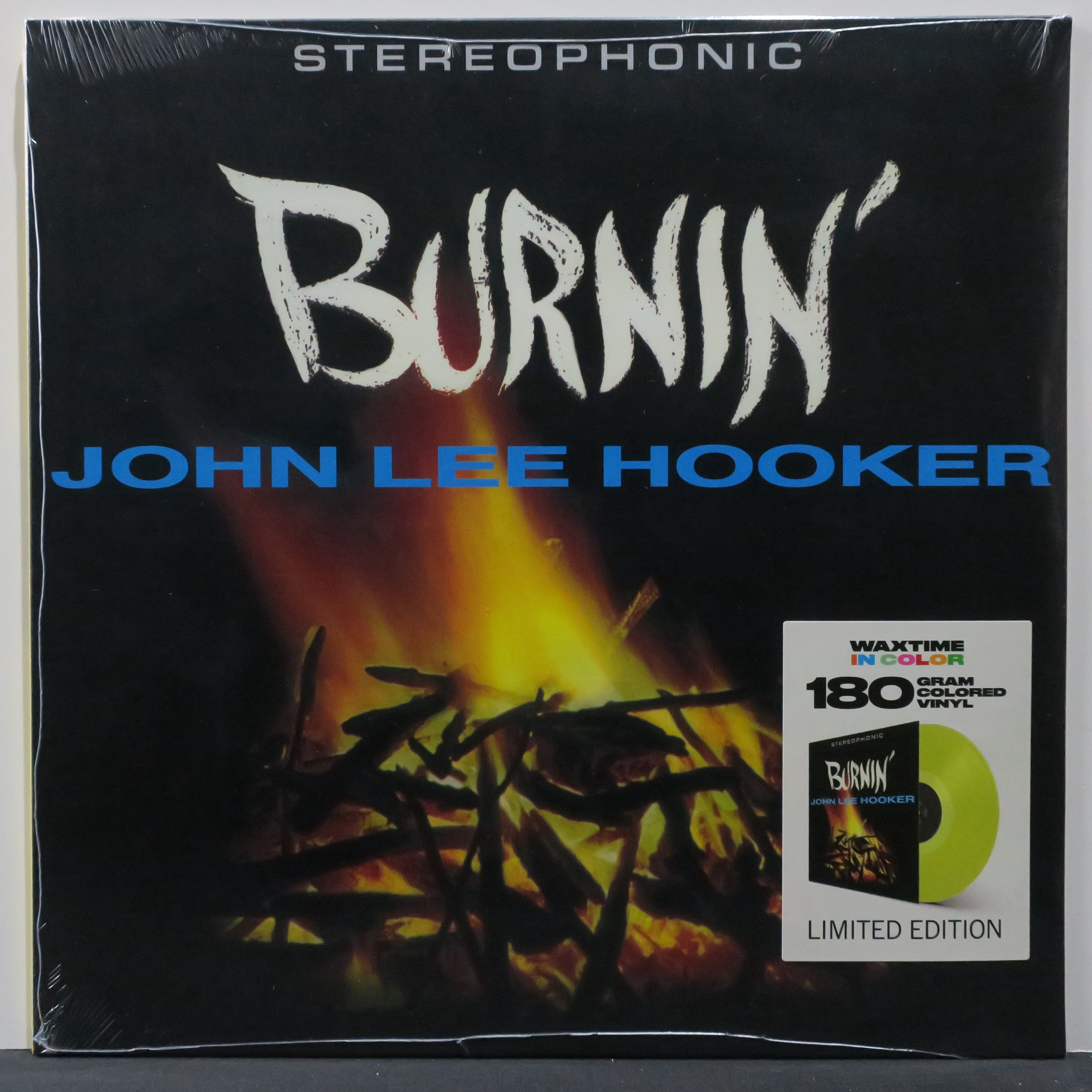
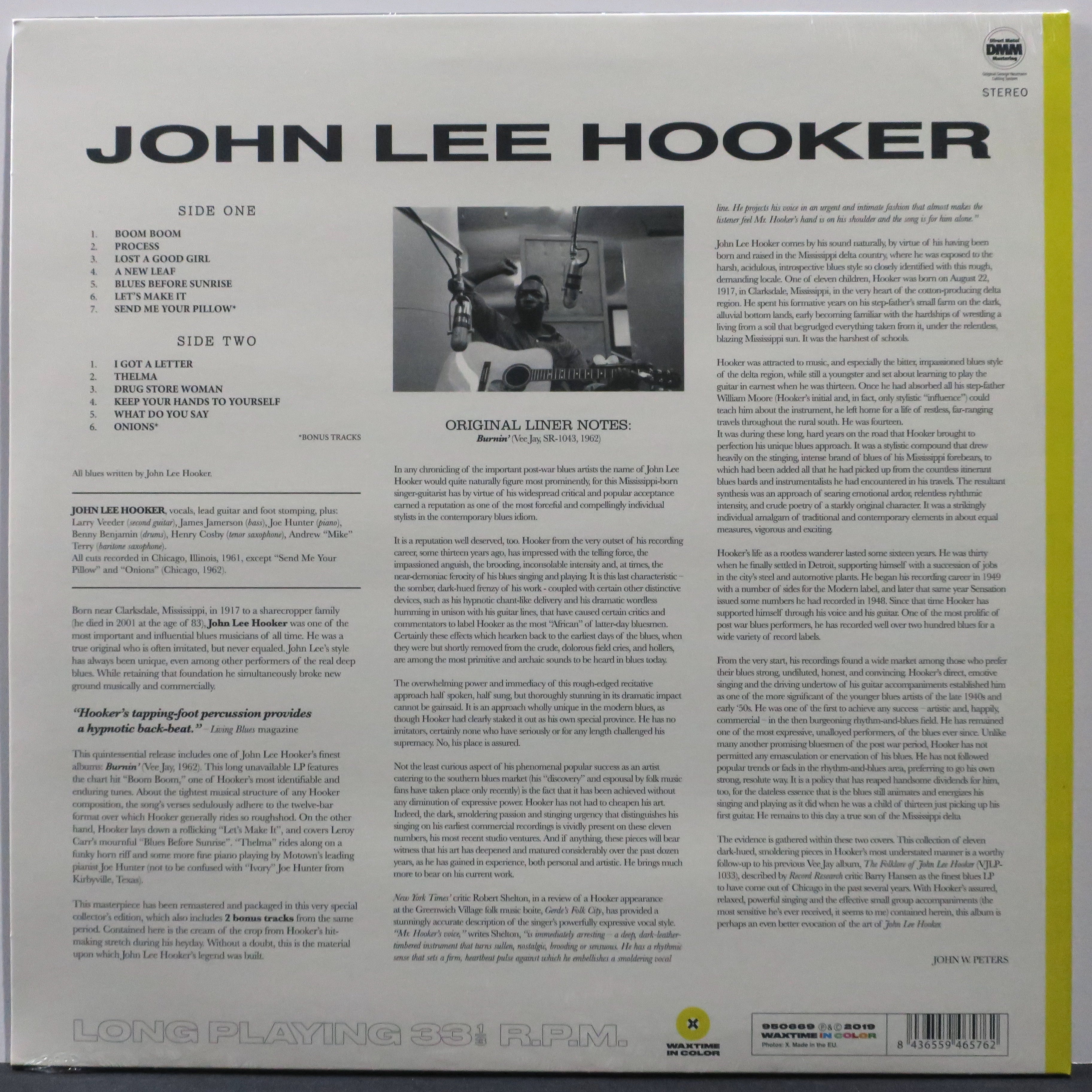
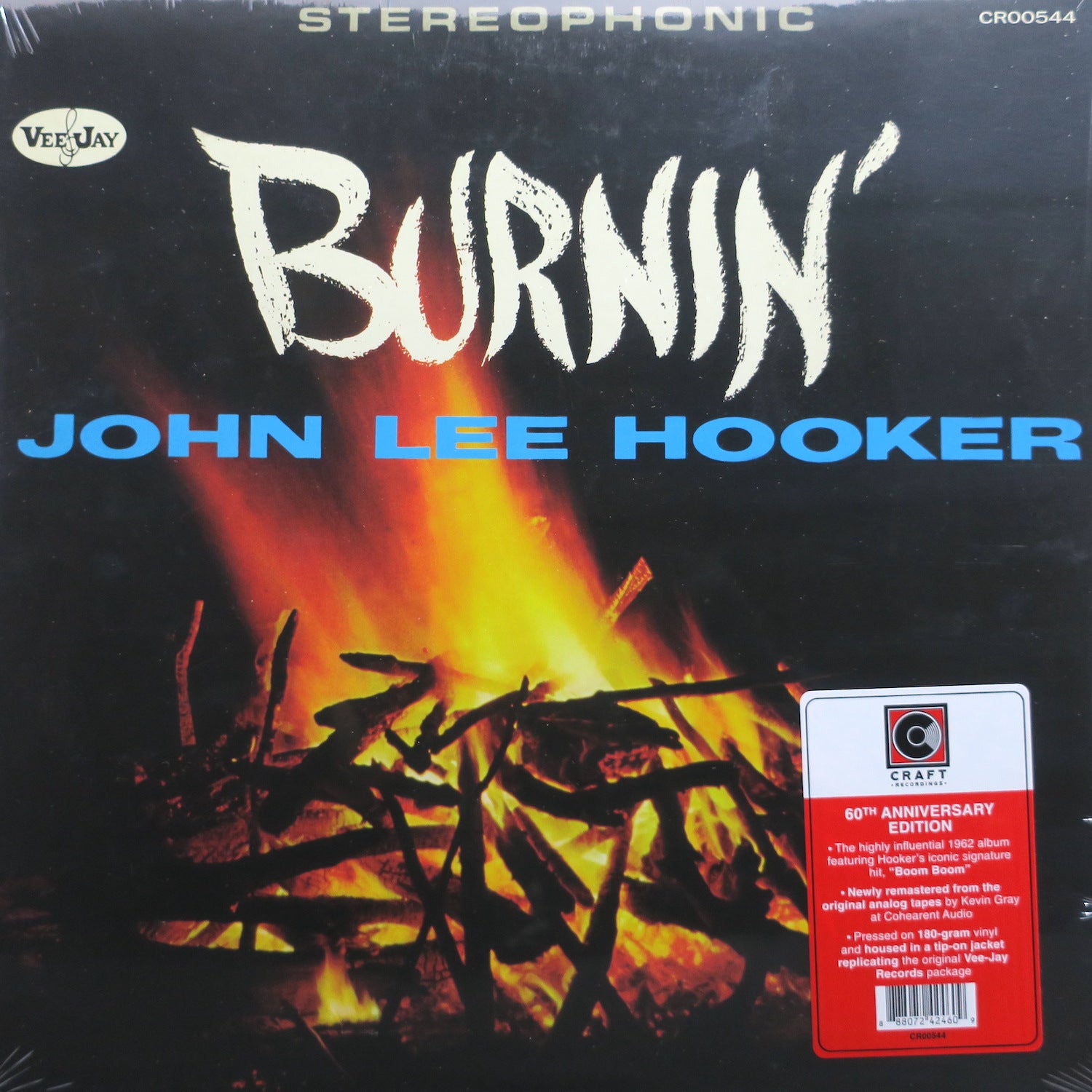
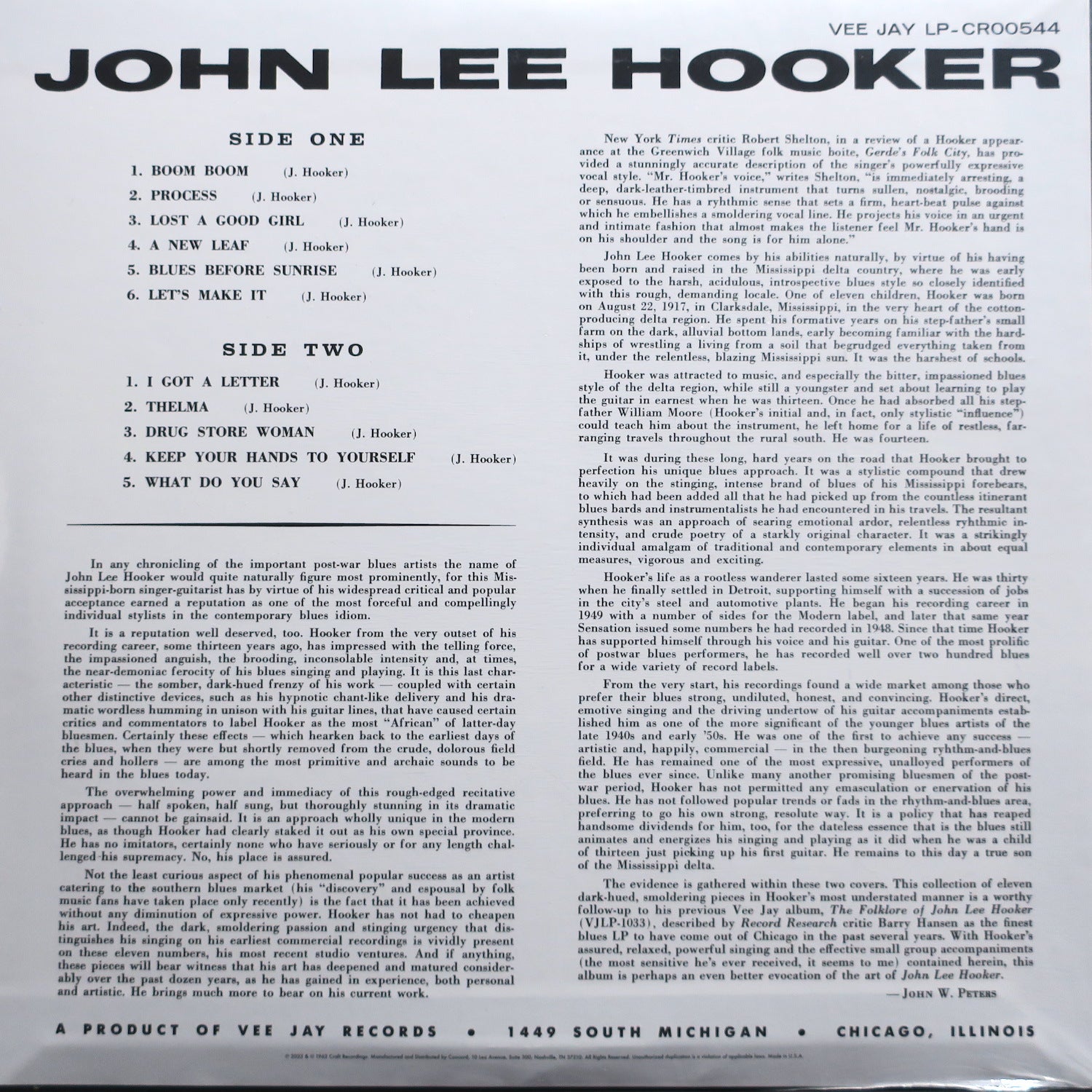
Hooker came out of the Delta tradition but moved his sound into the electric era, helping bridge country blues and urban, amped-up blues styles. Early records like the raw single "Boogie Chillen'" captured his talking-blues phrasing and foot-stomp momentum; albums such as Burnin' and It Serves You Right to Suffer document how that style adapted to studio settings without losing its front-porch grit. Decades later The Healer paired Hooker with guest artists and modern production touches that introduced him to new audiences while keeping the music’s core — the voice-and-guitar immediacy — intact.
Part of Hooker’s significance is practical: his songs supplied a vocabulary that rock and British blues musicians mined for decades. The one-chord vamp, slidey minor motifs and insistently swung downbeat can be heard echoed in the work of later electric blues and rock players. At the same time, Hooker’s talent was not only about influence; his records are records that can be placed next to work by Muddy Waters or Howlin’ Wolf and still hold their own as examples of how blues could be both spare and forceful.
Collaborations late in his career — most famously the cross-generational conversations on The Healer — showed that his style could be both adaptable and authentic: guest solos and contemporary production reframed Hooker without smoothing the rough edges that gave his singing and guitar their authority. For listeners coming to his work now, the reward is twofold: the immediacy of the performances and the sense that a deceptively simple approach to blues can contain enormous emotional and rhythmic depth.
Whether starting with the early singles or the later duet-driven records, exploring John Lee Hooker’s catalog reveals how a singular rhythmic sense and a plainspoken voice reshaped the possibilities of electric blues and kept the tradition vital across generations.