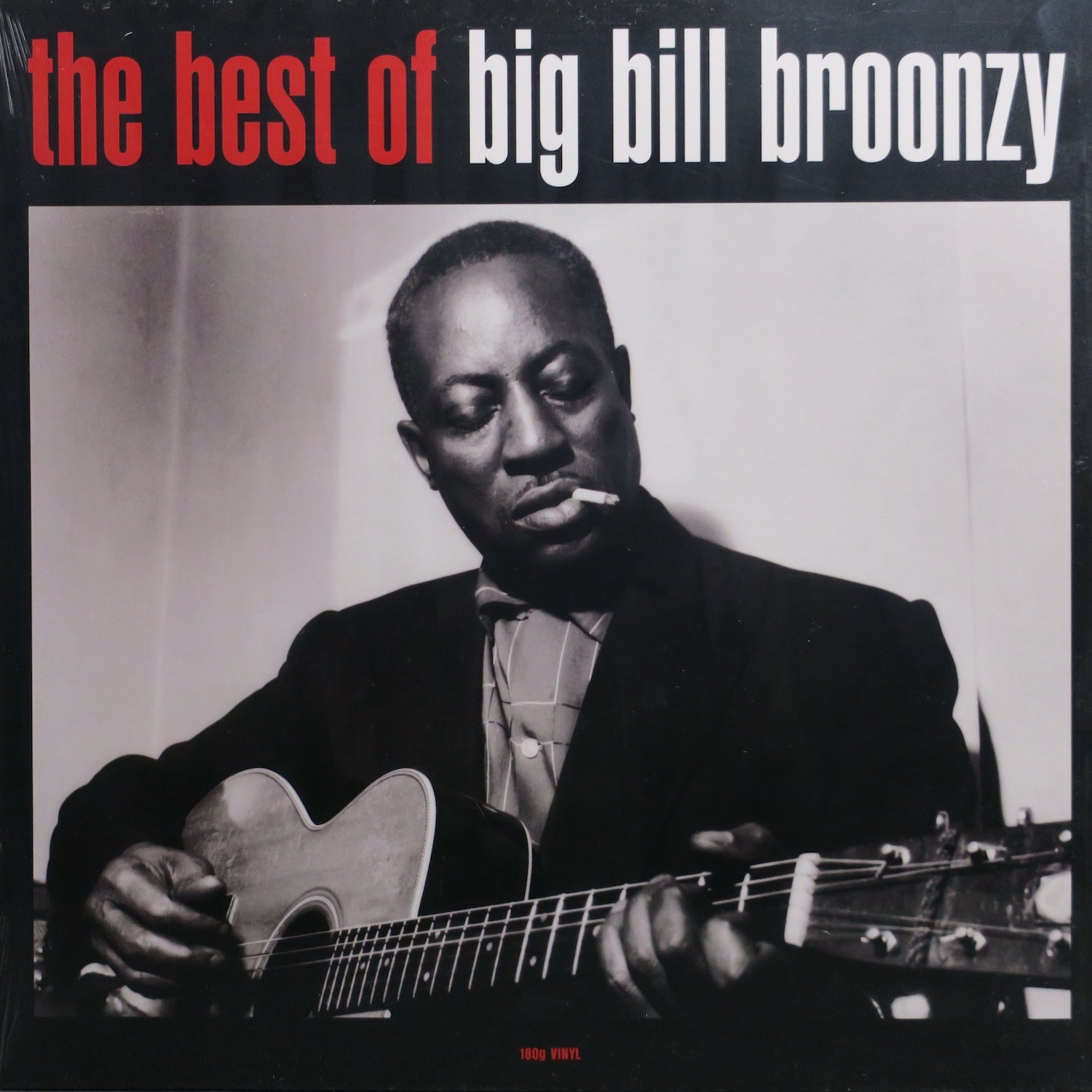
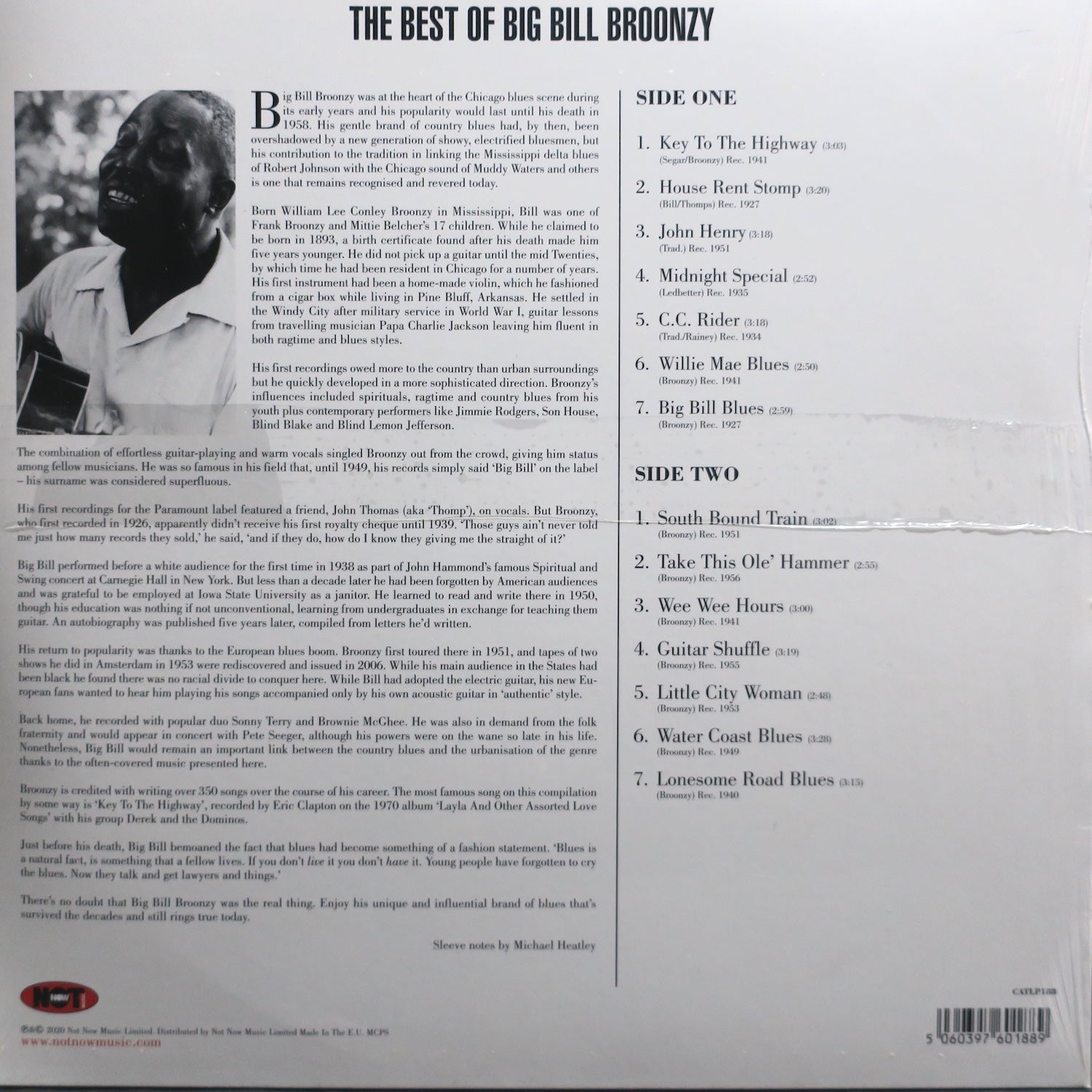
Big Bill Broonzy
Big Bill Broonzy's voice and guitar sit at a crossroads between rural Delta picking and the urban blues that would dominate postwar Chicago. That tension—between storytelling solo folk-blues and band-ready swing numbers—made his records essential to both blues audiences and the 1940s–50s folk revival.
Broonzy's early recordings present a working musician's repertoire: country blues, travel songs, topical numbers and dance tunes. His powerful, economy-of-phrase singing and versatile six- and twelve-bar guitar playing allowed him to adapt older country styles for urban audiences without losing the material's original feeling. This adaptability helped him move from acoustic solo dates into recordings and gigs where horns and piano appeared, showing an artist comfortable with change rather than stuck in nostalgia.
During the folk revival Broonzy became a bridge figure. Folk collectors and promoters brought his songs to new audiences, and his repertoire—pieces like "Trouble in Mind" and "Key to the Highway"—entered the hands of younger performers. That exposure linked him to figures such as Lead Belly in the shared folk scene, and later to folk singers who covered or adapted his songs for concert audiences.
Broonzy also mattered across the Atlantic. His tours of Britain and recordings issued there helped spark the skiffle craze that Lonnie Donegan would lead, feeding a wave of young British players who would, two decades later, push rock and roll into the mainstream. At the same time Broonzy's move toward urban blues helped outline what Chicago musicians, including Muddy Waters and others, would take further with amplified instruments and full band formats.
Listening to Broonzy is listening to the mid-20th-century blues' ability to travel: from southern porches to northern clubs, from American folk concerts to British skiffle halls. Albums like Trouble in Mind and collections that gather his country-blues recordings make the arc of his career clear—an artist who shaped repertoire, phrasing and the idea that the blues could be both personal and portable.
For anyone new to his work, the reward is immediate: plain-spoken storytelling, practical guitar technique and a catalog that traces how the blues moved through American culture in the decades before rock reshaped everything. Broonzy remains worth exploring because his songs still feel like working-music—crafted for real listeners and flexible enough to inspire generations that followed.