The Upsetters
Few studio bands read like a production credit and a manifesto at once: The Upsetters were the loose, shape-shifting rhythm engine behind producer Lee "Scratch" Perry's most adventurous work, where simple bass-and-drum riddims were stretched into otherworldly dubs and cinematic instrumentals.
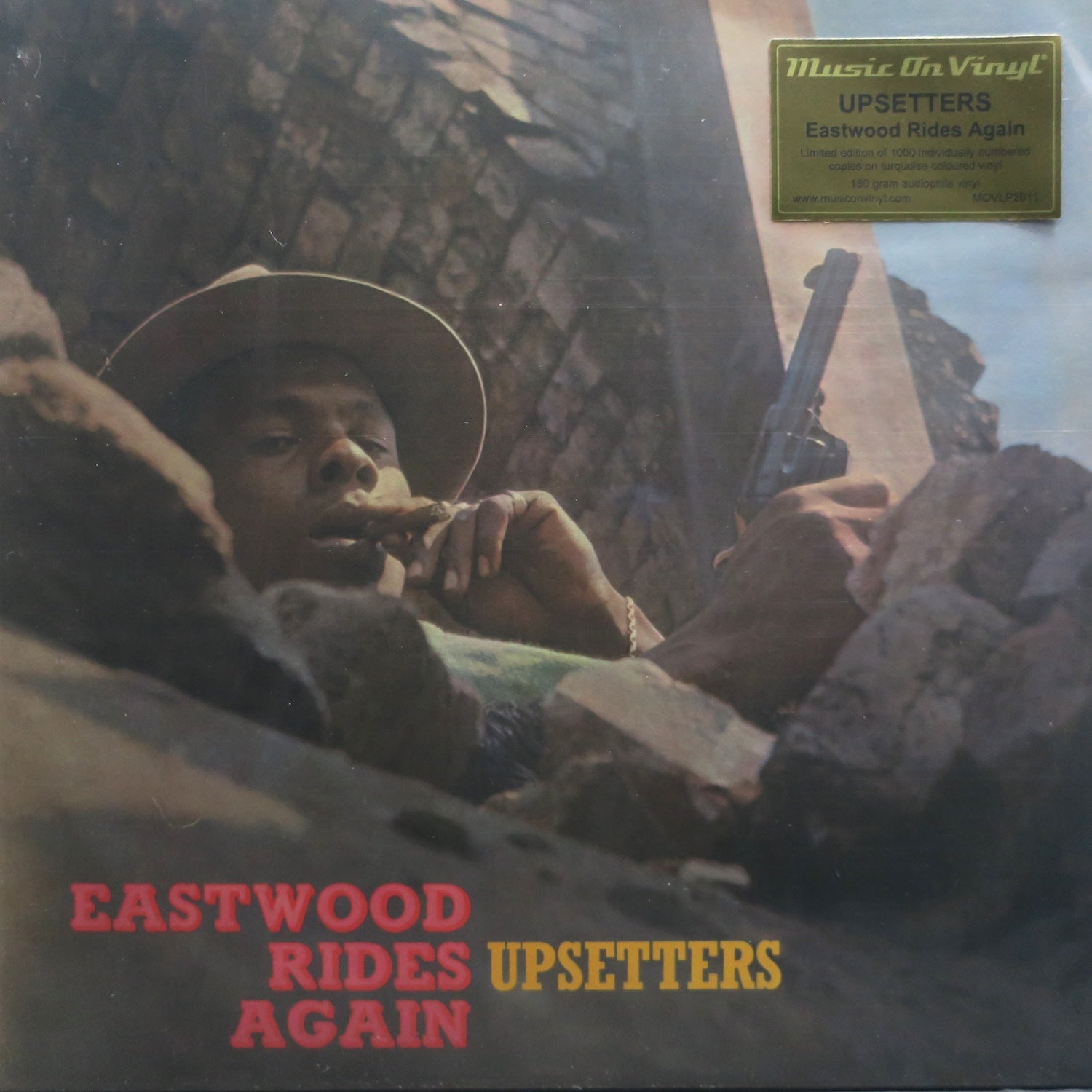
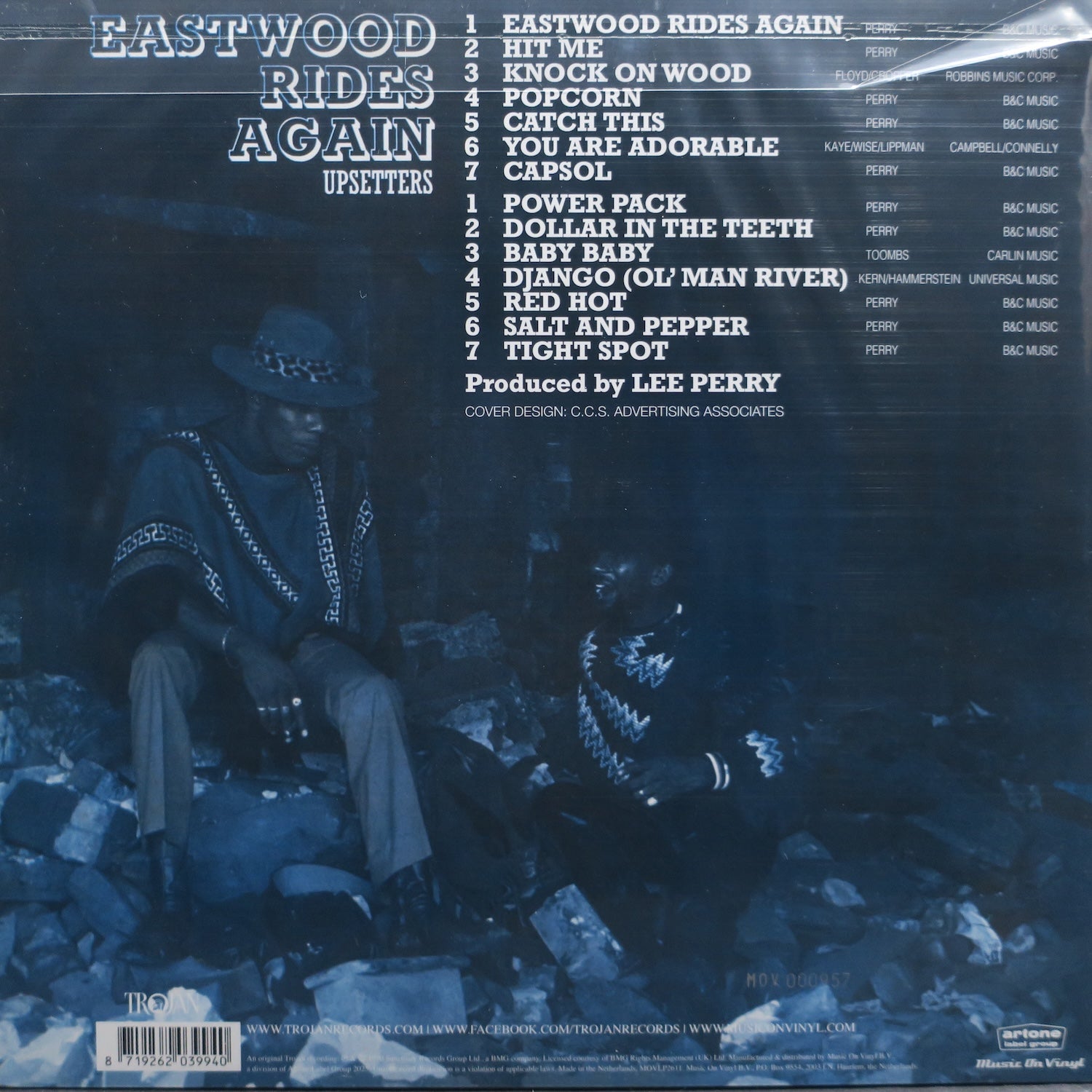
In the late 1960s The Upsetters began as session players who could move between rocksteady grooves and early reggae; records such as Return of Django and Eastwood Rides Again showcase a knack for catchy, reverb-sprayed instrumentals that sounded as much like TV theme music as like Jamaican dancehall. Those tracks made the band a go-to backing outfit for singers and producers, and they also established the Upsetters' identity as more than a backing band — they were a studio laboratory.
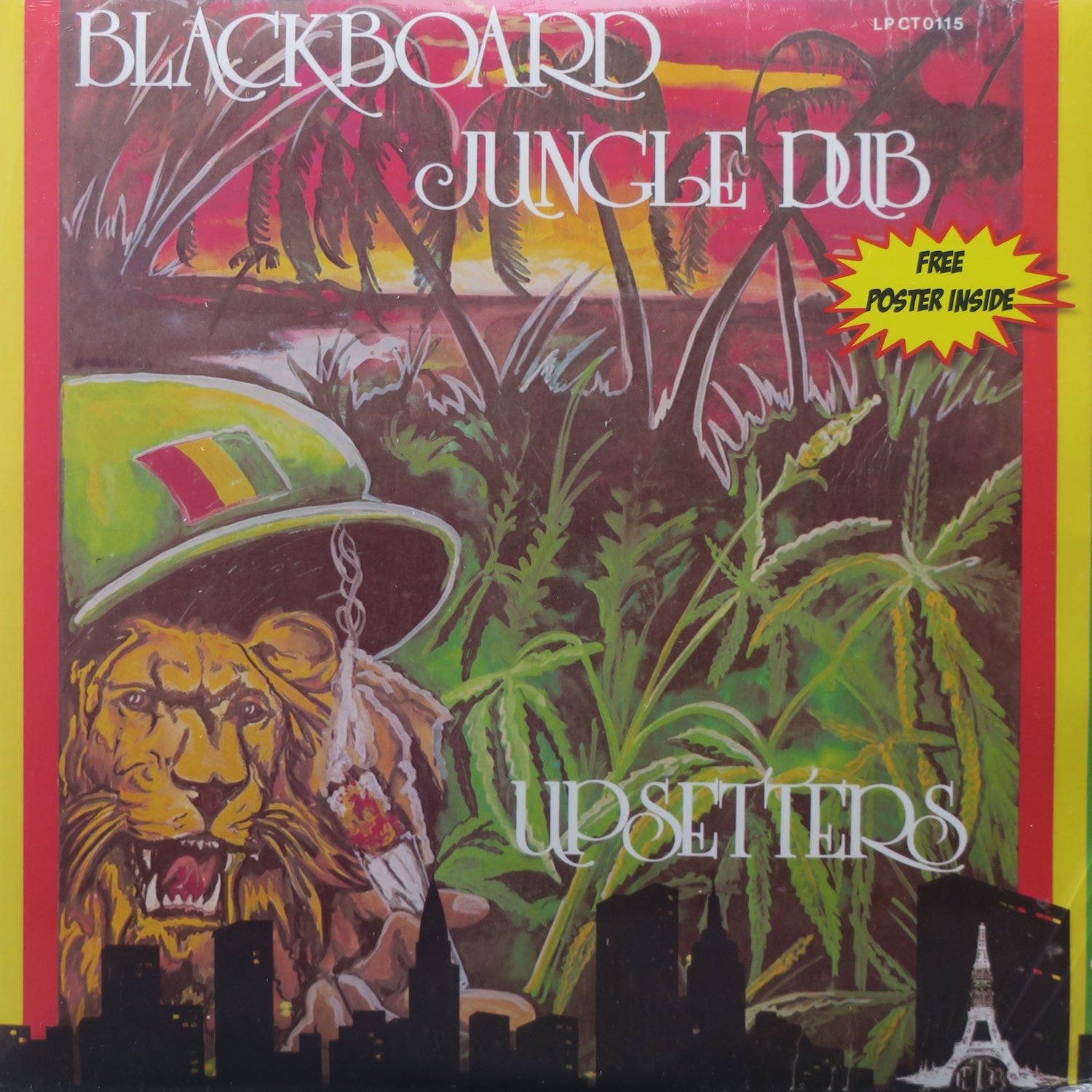
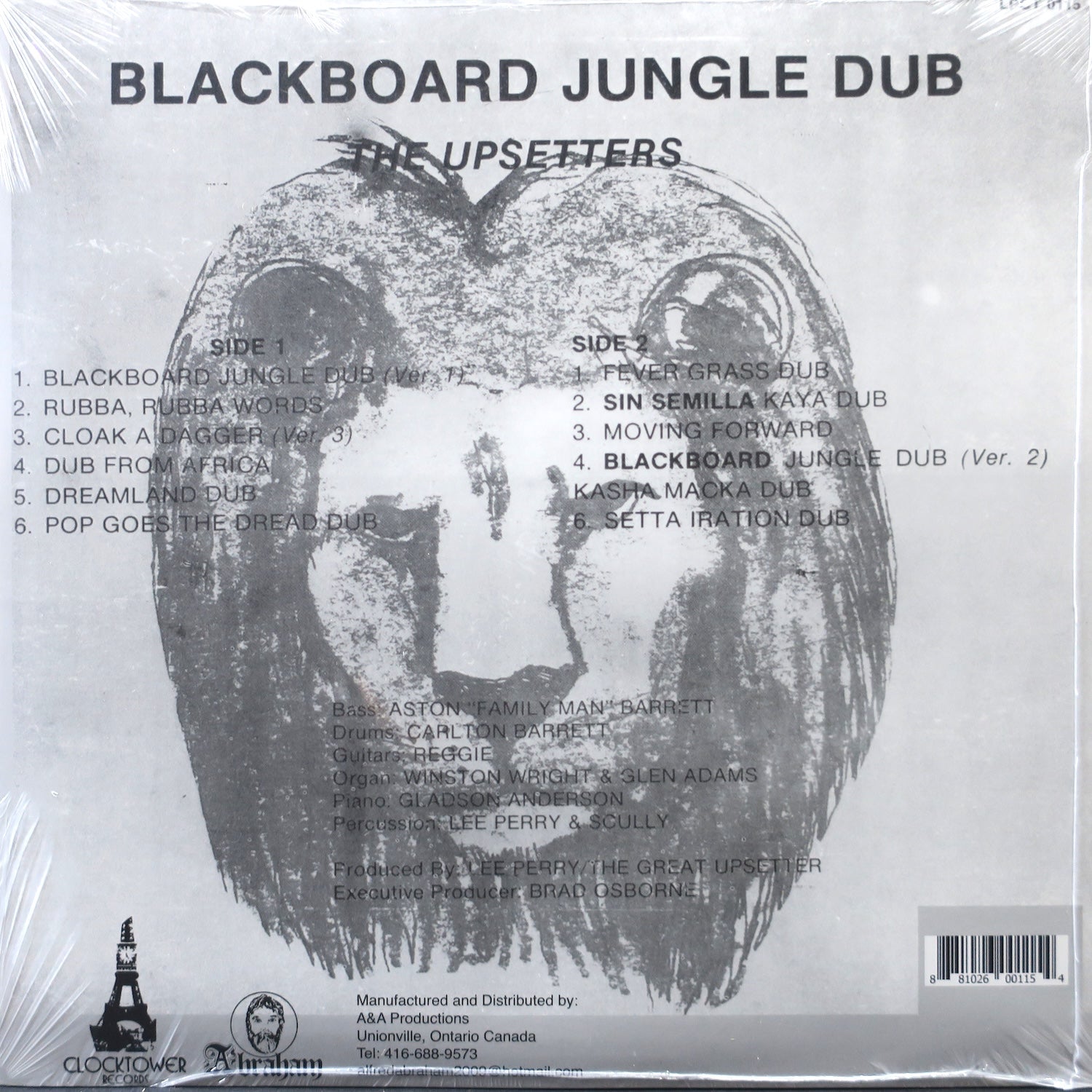
The Upsetters' real signature emerged at Perry's Black Ark studio in the 1970s, where albums like Super Ape and Blackboard Jungle Dub turned production into performance. Perry's studio eccentricities — found sounds, sudden drops, vocal snippets — sat on top of the Upsetters' deep-pocketed bass and inventive drumming, much of it provided by musicians who later became famous in their own right. Bassist Aston "Family Man" Barrett and drummer Carlton Barrett are two names closely associated with that era; their touch bridged the gap between the Upsetters and the sound the Wailers brought to global audiences.
The Upsetters were also central to a wider web of collaborators. Augustus Pablo's melodica lines, King Tubby's dub experiments and productions for acts such as Max Romeo and The Congos all intersected with Perry's unit, meaning the Upsetters' grooves turned up across some of reggae's most revered records. Later dub engineers and producers, including Scientist, built on the studio tricks first popularized on Upsetters records.
For listeners coming from rock, soul or electronic music, the Upsetters are a reminder that production can be a band: the rhythm section, the mixing desk and the producer's ear combined to make music that rewards close listening and repeated plays. Diving into those key albums reveals how Jamaican studio practice reshaped popular music and how a small group of players under one producer's vision could change the sound of an era.
Recommended Artists: Lee "Scratch" Perry, Scientist, Max Romeo