Bob Marley & The Wailers
It is possible to hear Bob Marley & The Wailers’ story in a single musical gesture: the way a simple, steady bass-and-drum pulse opens space for a melody that can feel both devotional and defiantly pop. That combination—Rastafarian-inflected lyrics, rolling one-drop grooves, and a knack for singalong hooks—turned songs like “No Woman, No Cry,” “Exodus” and “Get Up, Stand Up” into cross-cultural anthems.
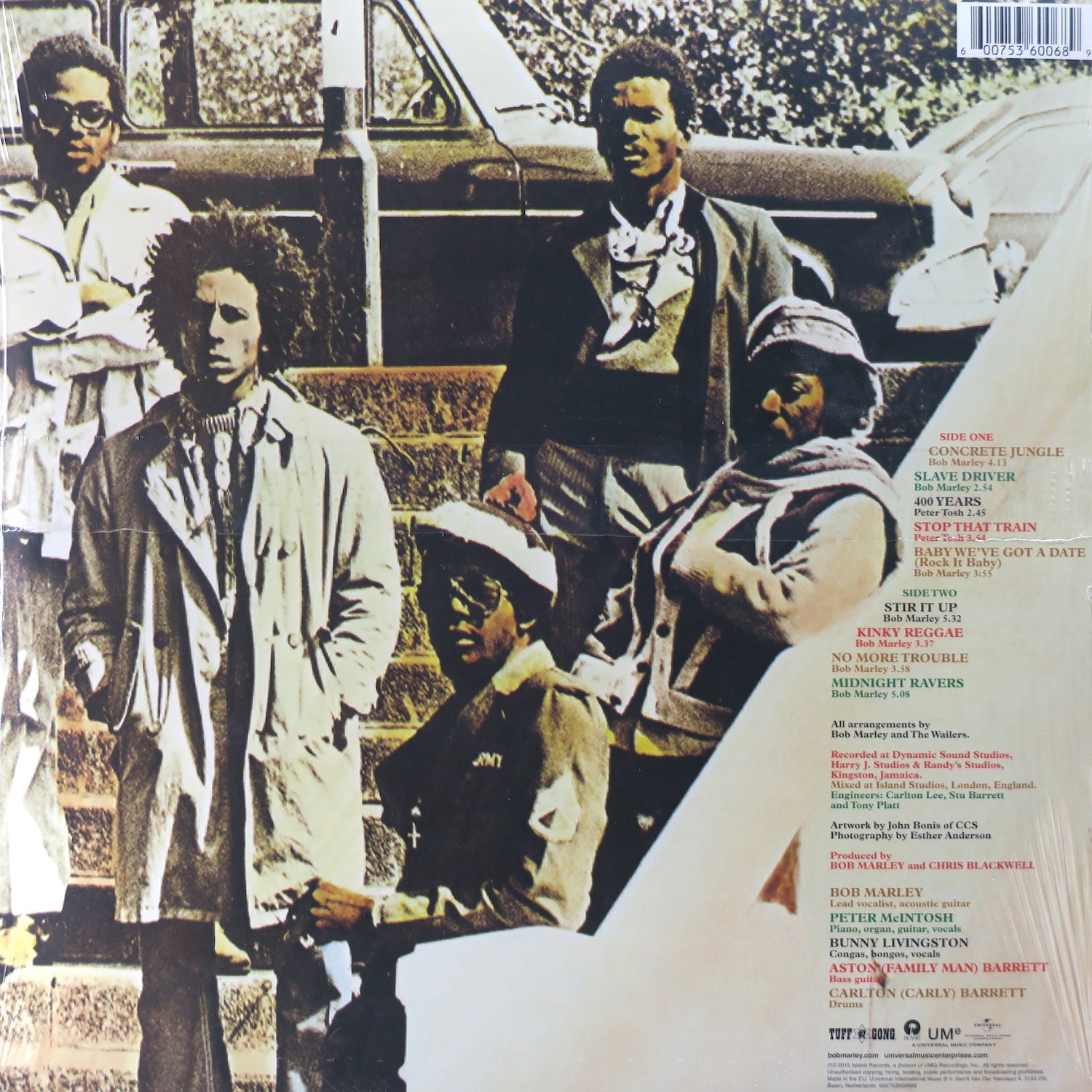
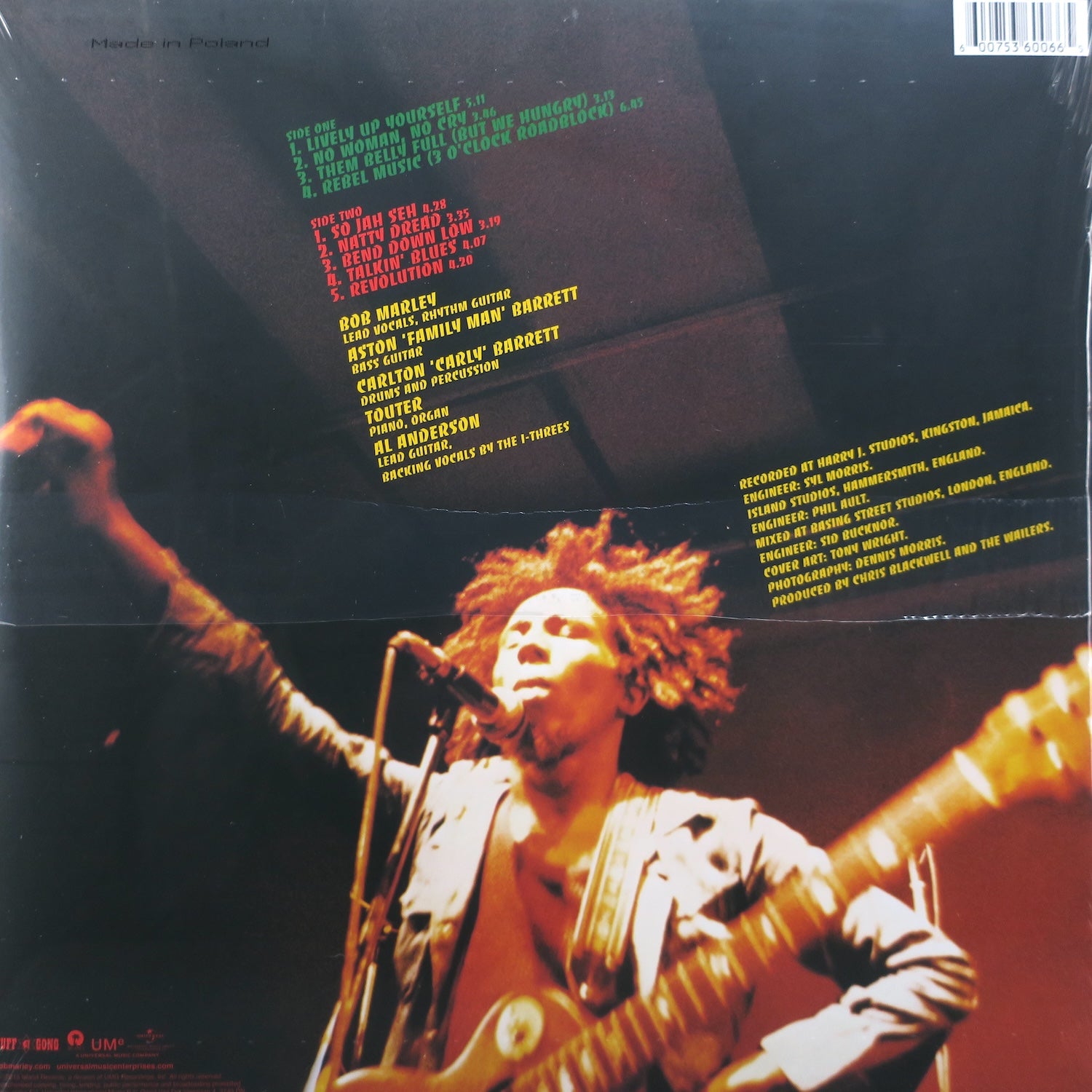
The Wailers’ sound was the result of changing lineups and production approaches. The original trio—Bob Marley, Peter Tosh and Bunny Wailer—came from ska and rocksteady, writing tightly arranged vocal tunes in Kingston. Later, as Marley moved toward a roots-reggae focus, the rhythm section built around Aston “Family Man” Barrett (bass) and his brother Carlton Barrett (drums) supplied a deep, hypnotic pocket that became the band’s signature. That pocket made the music feel both urgent and roomy, able to hold political statements, spiritual meditations and love songs with equal weight.
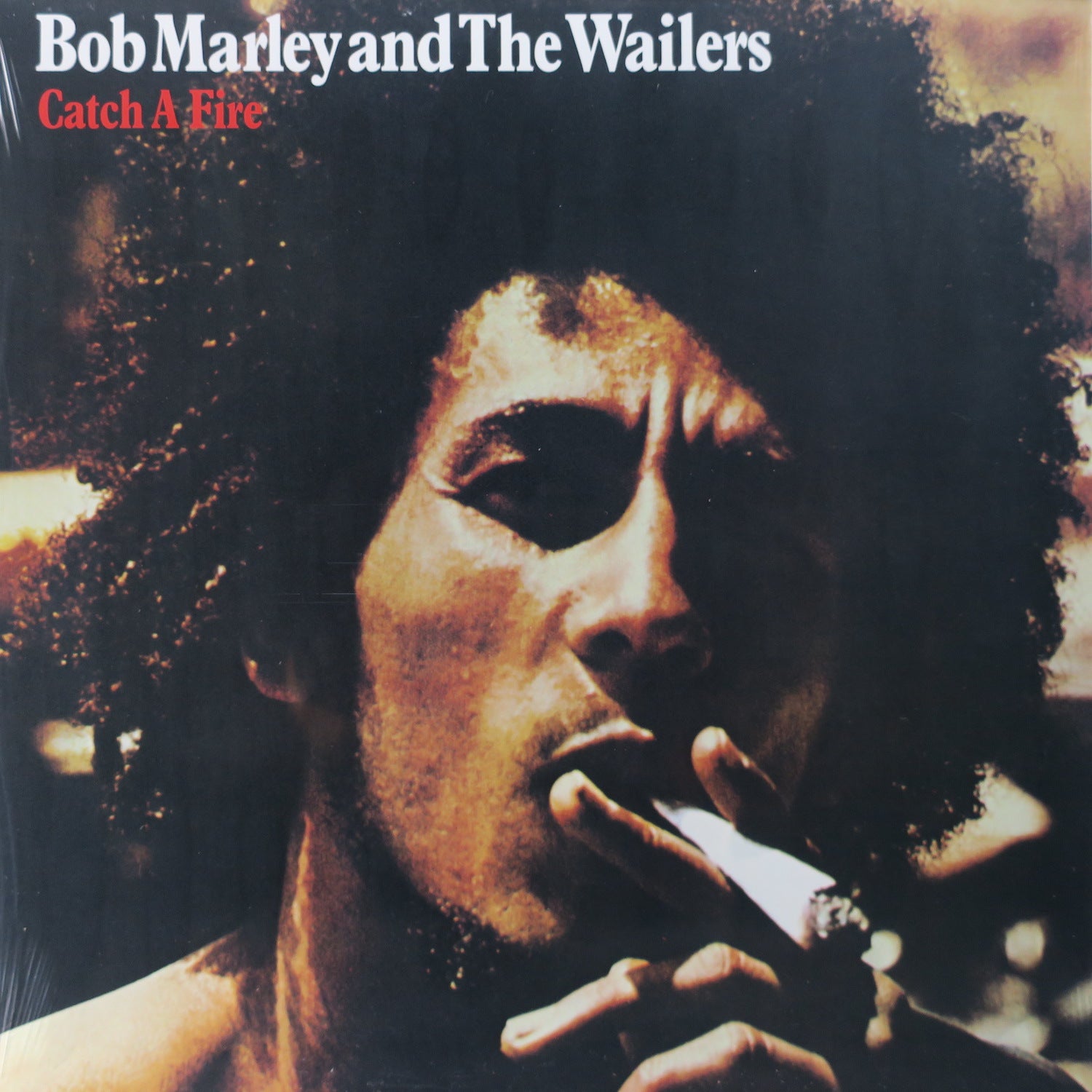
Producers and label partners shaped how the music reached the world. Lee “Scratch” Perry helped strip early tracks to their elemental power, while Island Records and Chris Blackwell reframed later sessions—most famously with Catch a Fire—so reggae’s subtleties translated to rock audiences without losing the music’s core. The 1977 Exodus album, recorded largely in London after the 1976 assassination attempt, showcased a band confident in both revolution and melody; it’s widely regarded as a high point for songwriting and arrangement.
Marley’s lyrics blended Rastafarian vocabulary, Pan-African politics and plainspoken aphorisms, which made them adaptable across languages and situations. Covers and reinterpretations—Eric Clapton’s hit version of “I Shot the Sheriff” being the best-known example—opened new doors for listeners who then discovered Marley’s originals. Meanwhile, contemporaries on the Jamaican scene such as Toots and the Maytals, Burning Spear and Jimmy Cliff shared themes of identity and social struggle, even as each pursued different rhythmic emphases.
Listening to Bob Marley & The Wailers now reveals a band that could move crowds and hold close attention: a message-driven group that never sacrificed craft. The combination of memorable melodies, disciplined rhythms and a charismatic frontman created music that still invites repeated listening—songwriting that rewards both casual fans and deep listeners. For anyone tracing how reggae traveled from Kingston’s studios to stadiums around the world, the Wailers remain an essential listening path.